
Subaru’s Rehashed Pseudo-SUV Gets a More Rugged Vibe, but Will It Strike Its Intended Target?

The choice overlander for the anti-SUV crowd is measurably better in almost every single way, until you look at it.

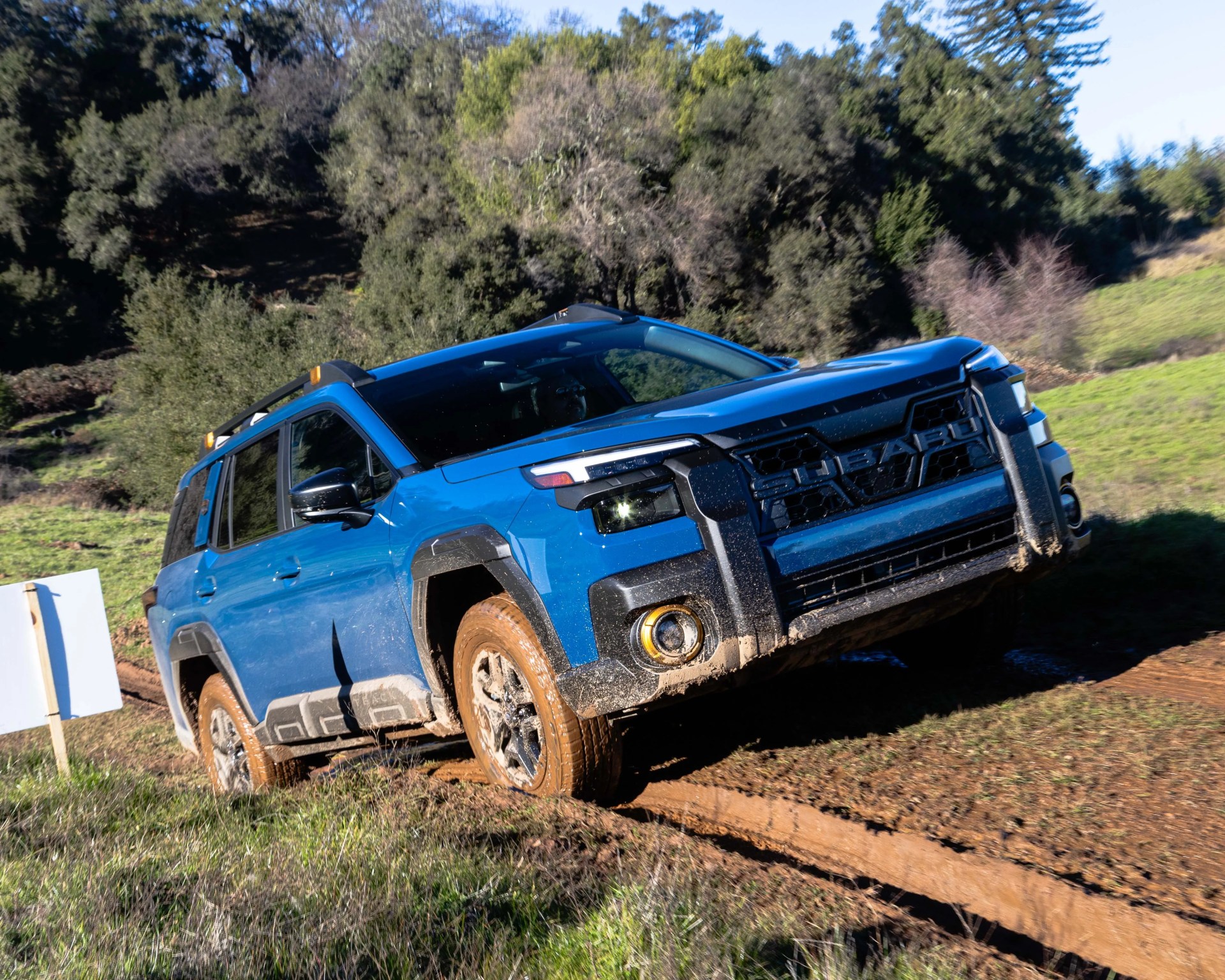
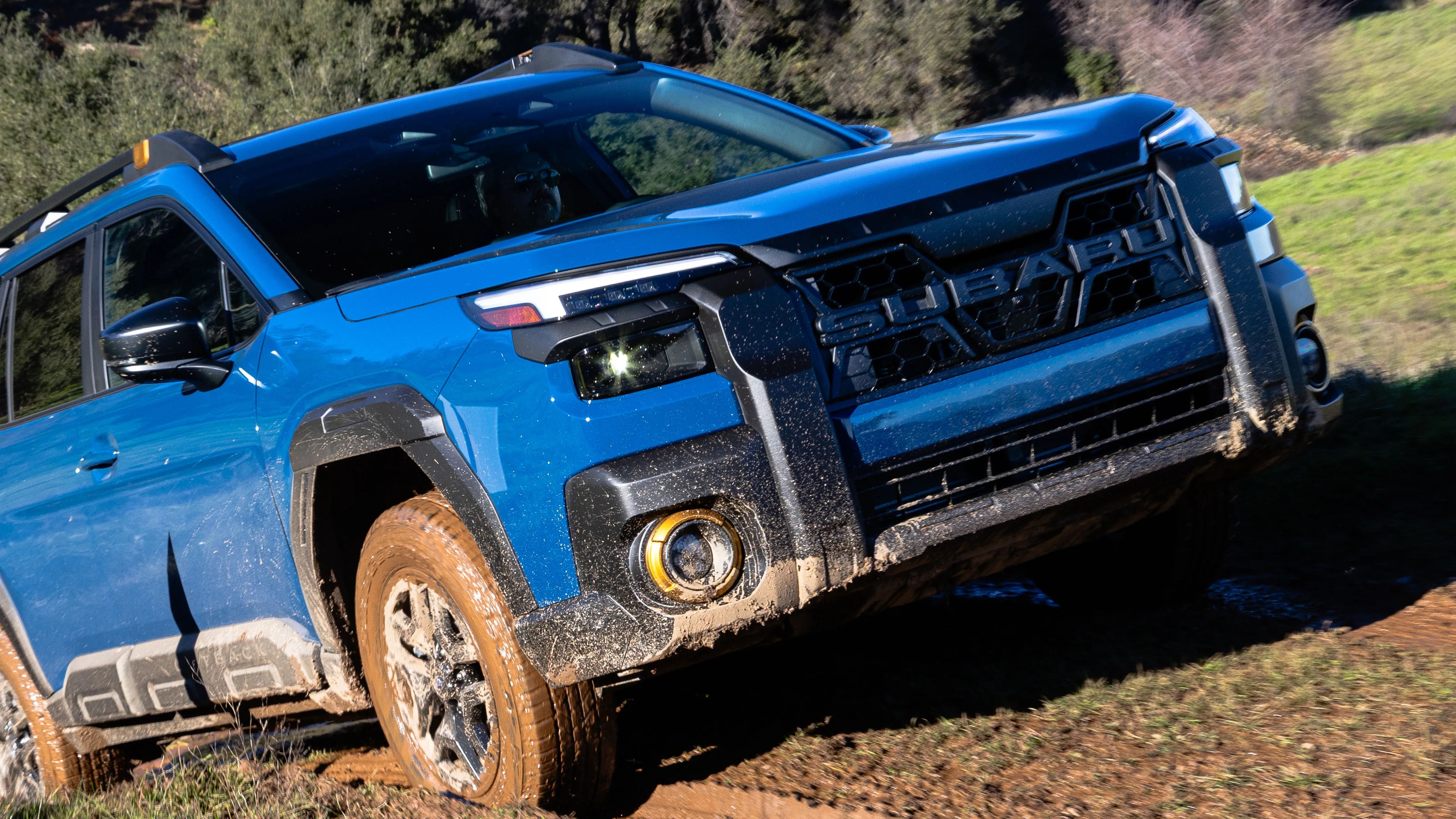
Blue Subaru SUV with mud-covered tires driving off-road on a grassy dirt path.Chris Chin

If you buy from a link, we may earn a commission. Learn more

It’s no mystery that Subaru’s Outback is an outrageously popular choice. Often ranking within the automaker’s list of top three bestsellers, it’s known for its reliability and affordability, but most of all, its versatility and yes, all-terrain capabilities.

If there ever was a vehicle that could be paralleled to being the true Swiss army knife of the car world, the Outback would be a strong contender. But in 2021, the Fuji Heavy Industries-owned automaker saw even greater demand for more off-road capability.
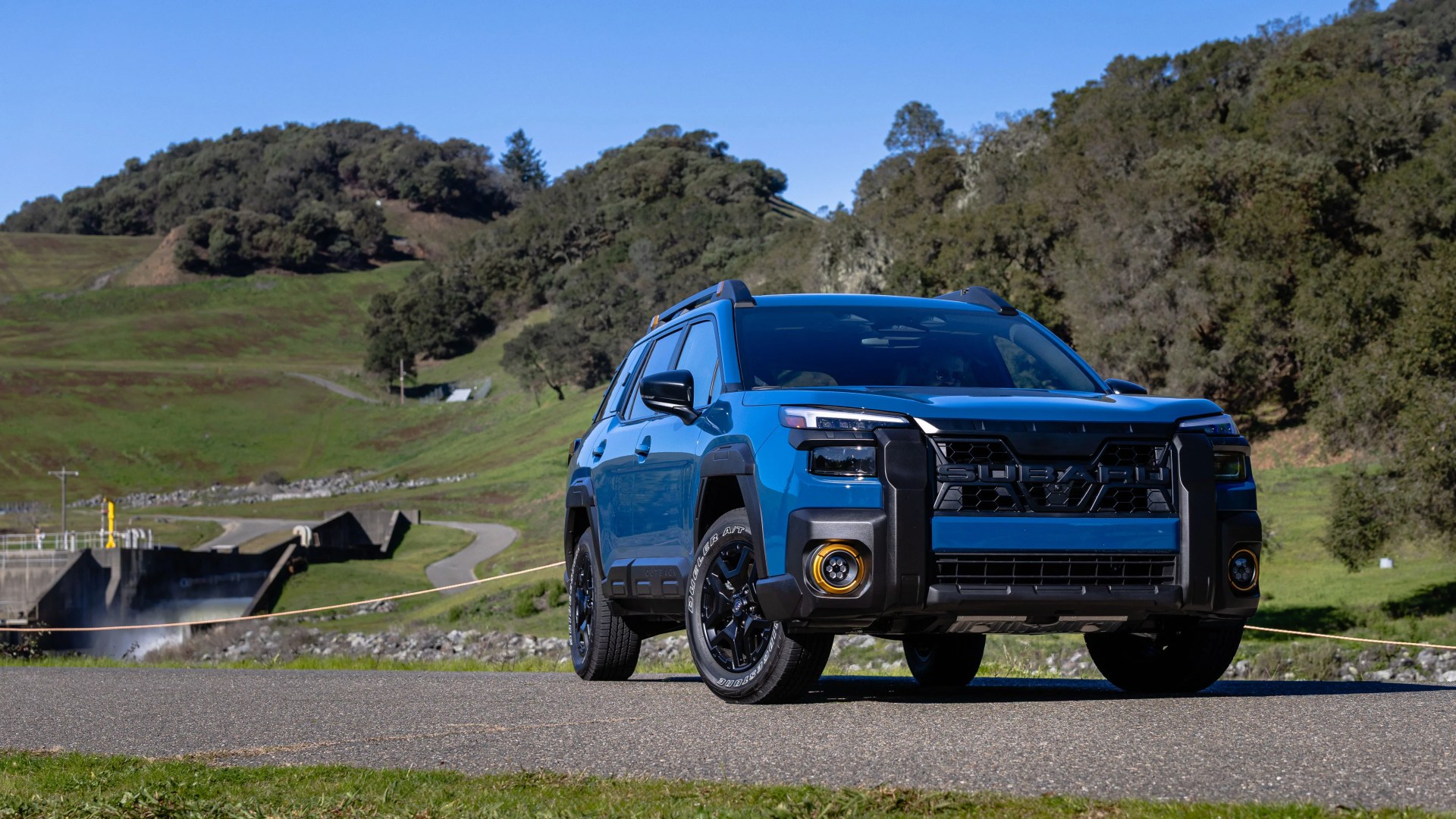
Blue Subaru SUV with black trim and yellow fog light rings parked on a paved road with green hills and trees in the background.
The Outback Wilderness’ nearly extra inch of ground clearance is very noticeable.
Chris Chin

So, Subaru introduced the Wilderness variant: an even higher-riding and more rugged version of the already high-riding and fairly rugged Outback wagon. Aimed specifically at hardcore outdoor adventurists and enthusiasts, the Wilderness specifically caters to who like to go beyond the beaten path into more extreme territory.

Just last year, Subaru introduced an all-new seventh-generation Outback. Thus, that also means a new Wilderness model, which incorporates all the same updates and skin-deep changes. We recently got to sample it for the first time in Sonoma County.

How does it fare?
The first Outback engineered with the Wilderness in mind

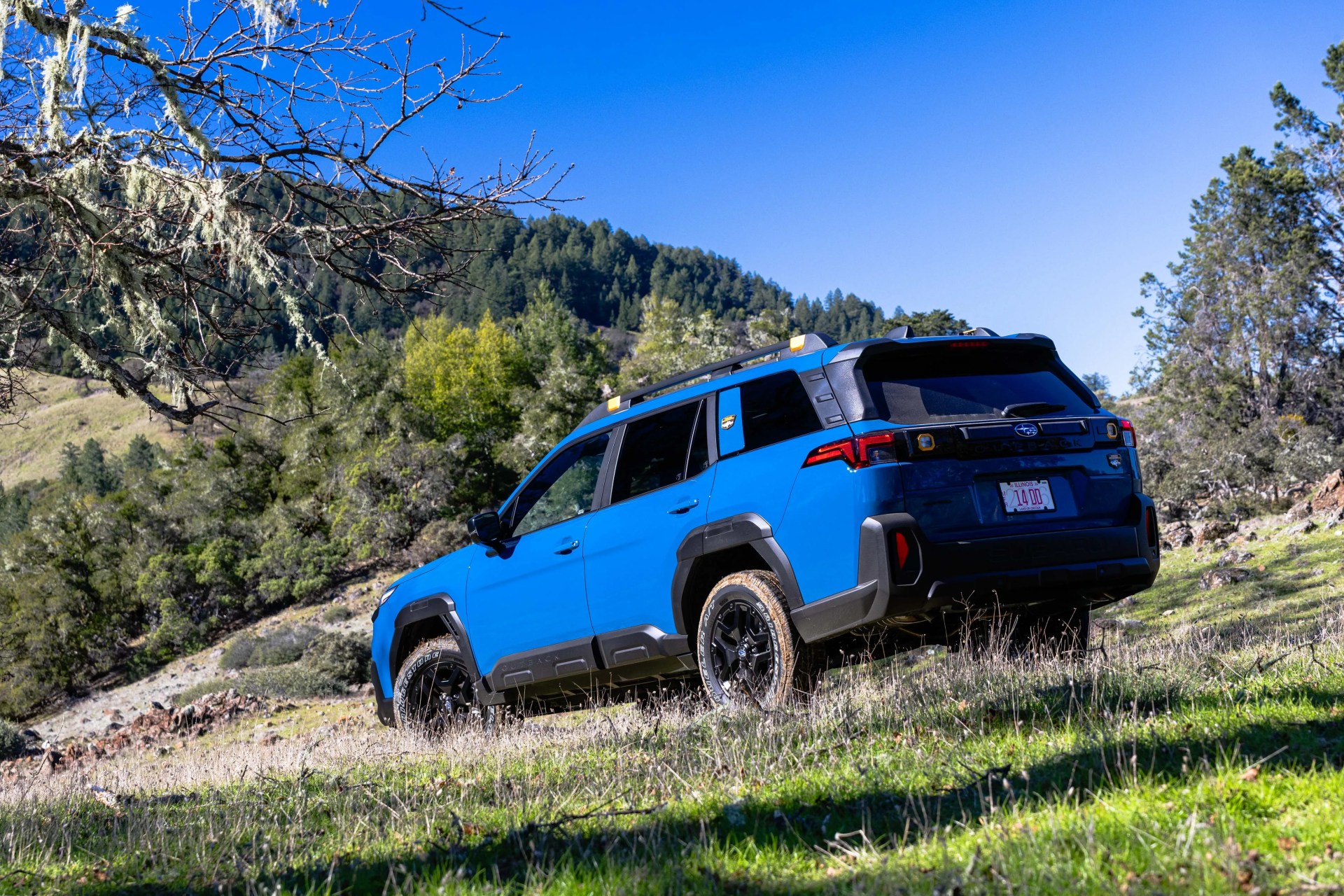
Blue Subaru Outback SUV parked on a grassy hillside with trees and mountains in the background.
Unpaved surfaces is where the Outback Wilderness really shines.
Chris Chin

Like other Wilderness editions, the latest version builds on the recipe of the standard Outback. Thus, the model’s most distinctive features also carry over.

Such includes tougher suspension, more ground clearance, extra plastic underbody protection, powertrain and drivetrain tweaks, more rugged StarTex vinyl for the interior and integrated tow hooks.

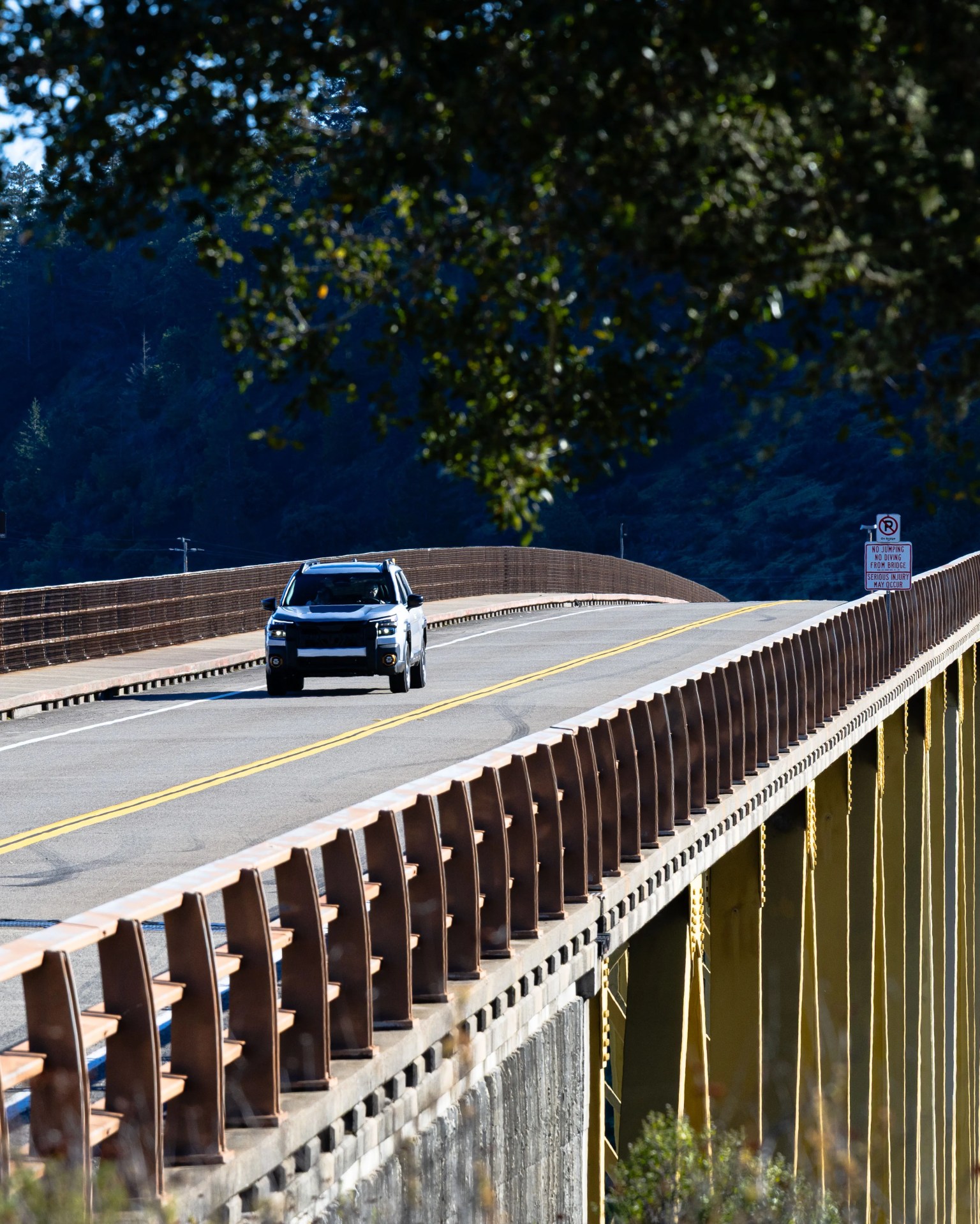
Black SUV driving on a bridge with brown railings and yellow support beams under a tree canopy.
Unlike its predecessor, the new Outback Wilderness certainly has a more eye-catching sheetmetal.
Chris Chin

There are, however, a few new party tricks that add a bit more sophistication. And it’s all in the more subtle details.

For instance, the latest Outback Wilderness is the first to feature electronically-controlled dampers for better on-road handling and ride quality. Engineers reinforced the rooftop ladder bars to hold up to 800 pounds worth of static weight (220 dynamic and lateral load weight).

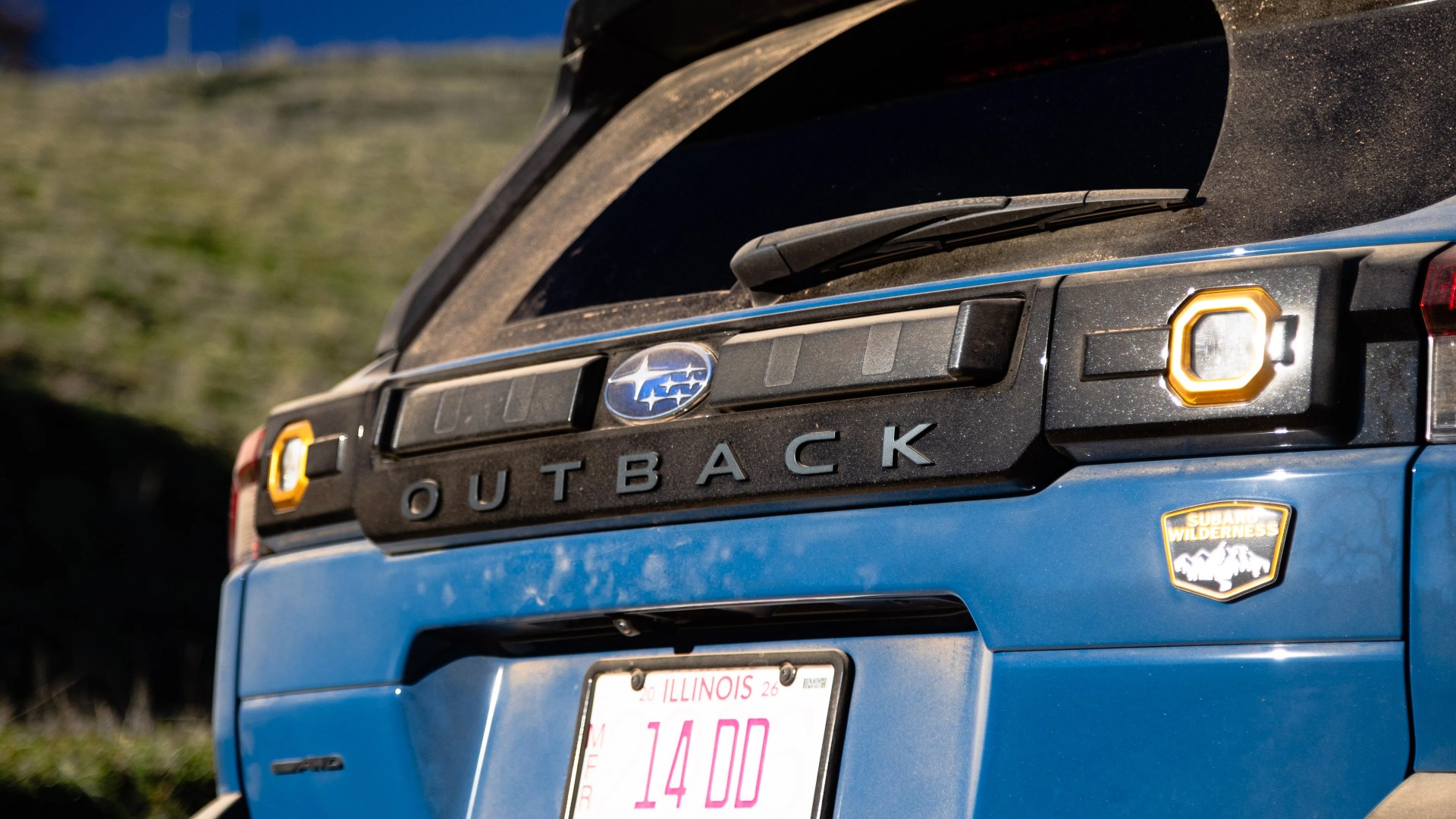
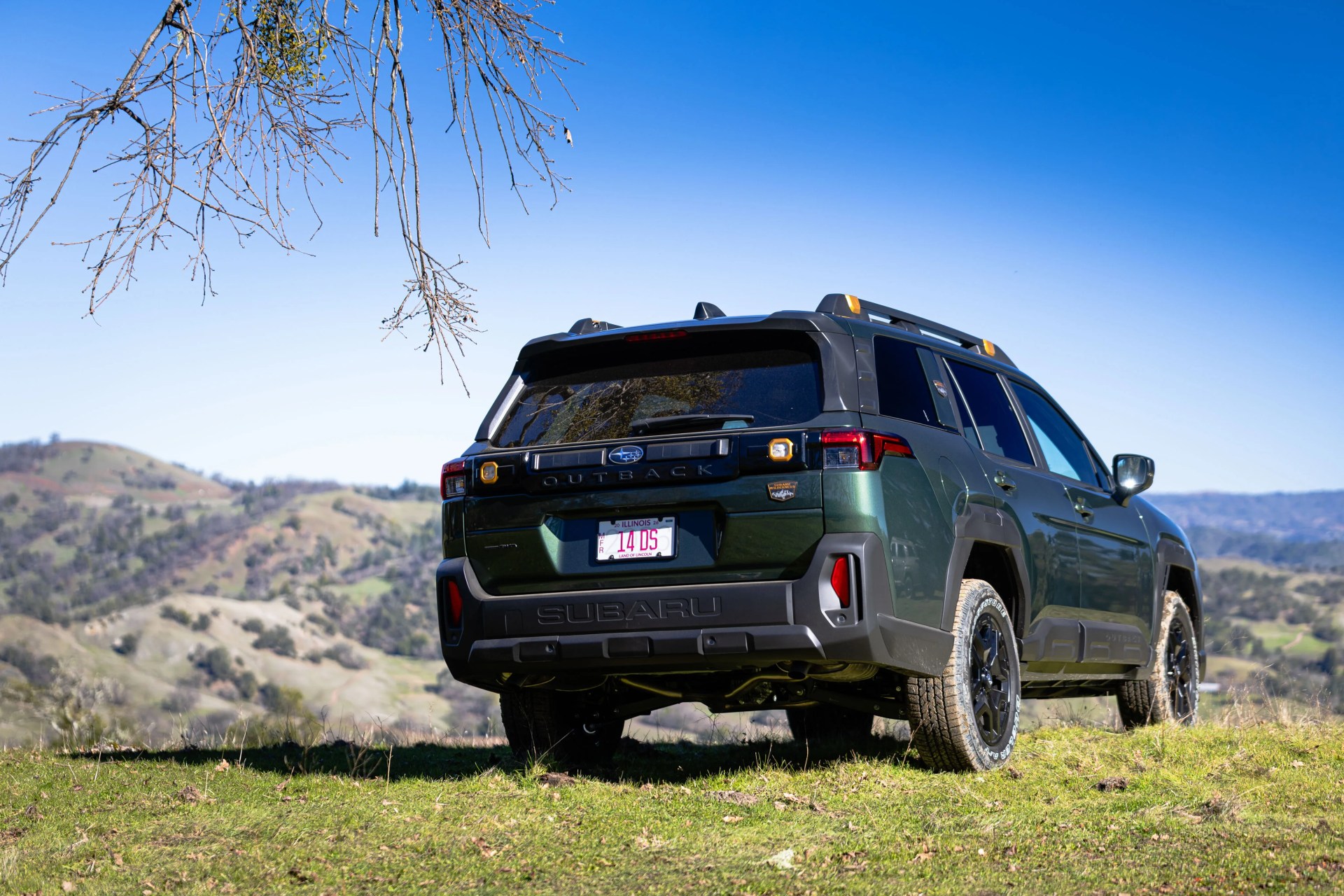
Rear view of a blue Subaru Outback with Illinois license plate and Subaru Wilderness badge.
Those plastic panels above the Outback badge aren’t just for show.
Chris Chin

The rear tailgate has a specially-placed plastic-cladded bar designed specifically for users to rest gear against without damaging the paint and bodywork. And there are even unique features in the cargo area that make hauling furry friends even easier.

But what truly separates the new one from the previous version is that this is the first Outback designed with the package in mind. In past generations, the Wilderness trim seemed like more of an afterthought.

The most refined and sophisticated Outback ever

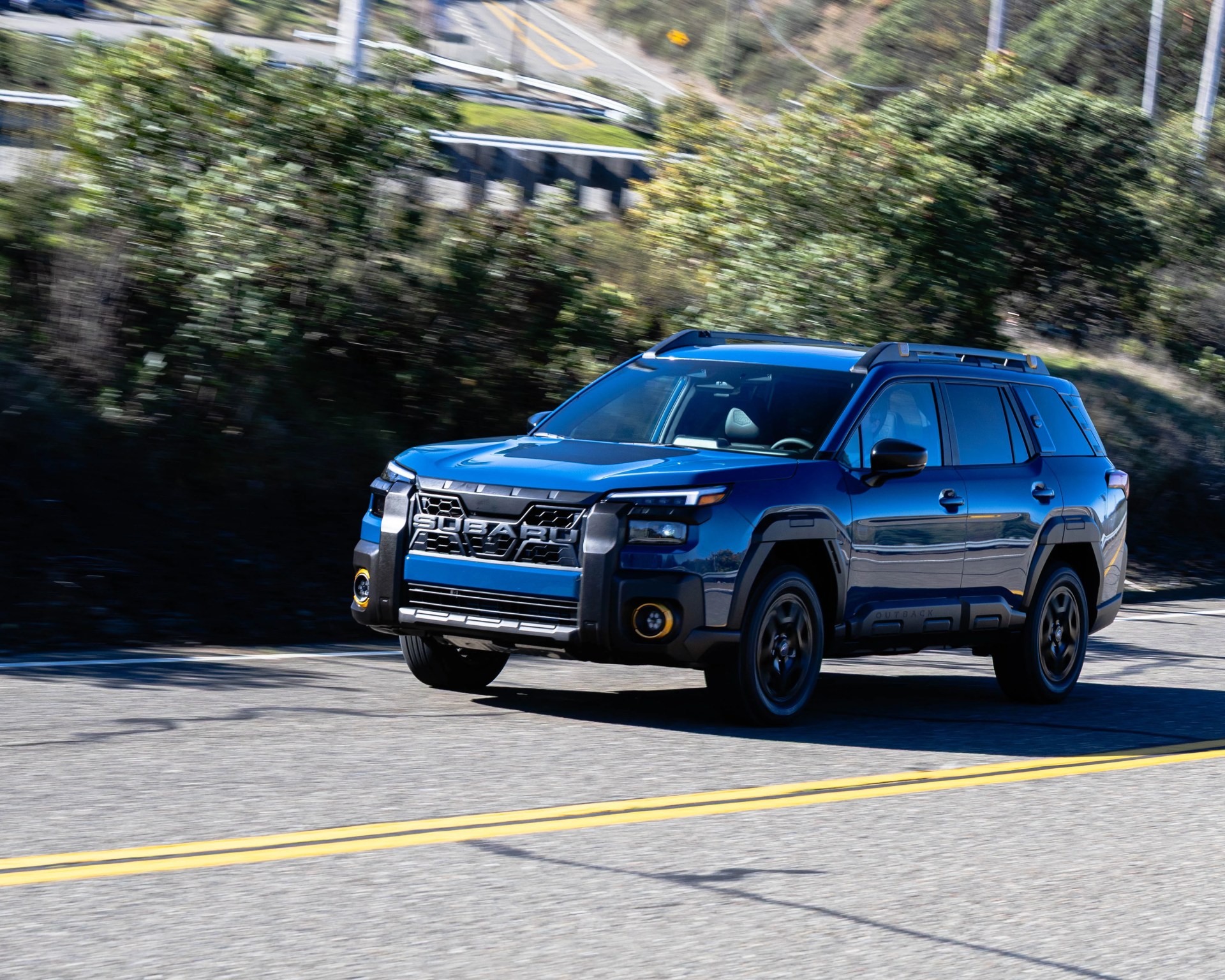
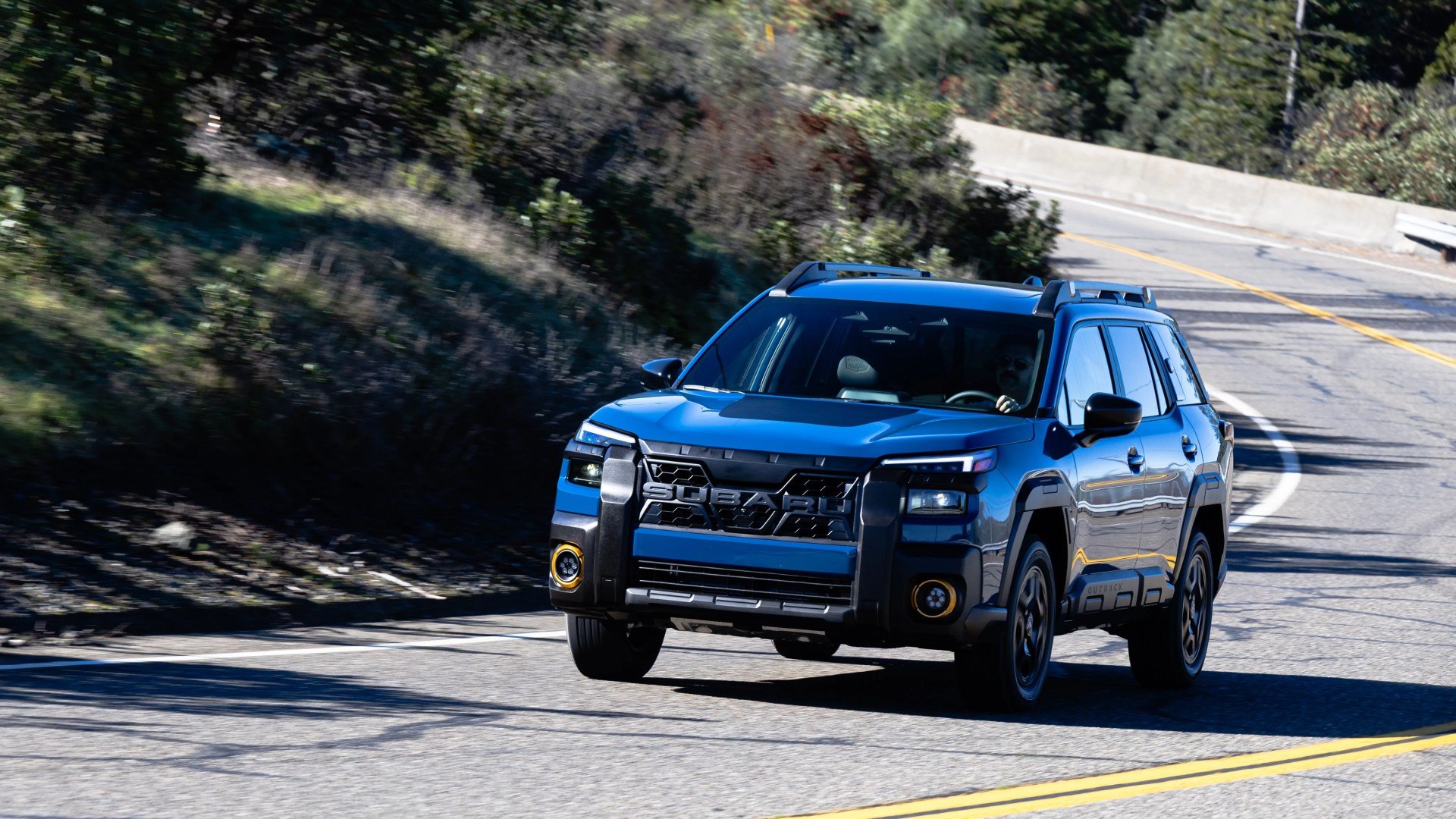
Blue Subaru SUV with black trim driving on a paved road with greenery in the background.
Subaru replaces the usual star-studded insignia for big, bold brand letters on the front grille, only for the Wilderness.
Chris Chin

Within the first few miles of setting off from our point of origin and onto the curvaceous, paved roads of NorCal wine country, the model’s updates became very apparent. The new ’26 Outback Wilderness unmistakably feels more refined and honed in on its mission than its predecessor.

The preceding sixth-gen version didn’t get the optional Wilderness upgrades until about two years after the standard Outback was already in production. Although the end result worked well, there were still a few signs of compromises and reverse adaptations.

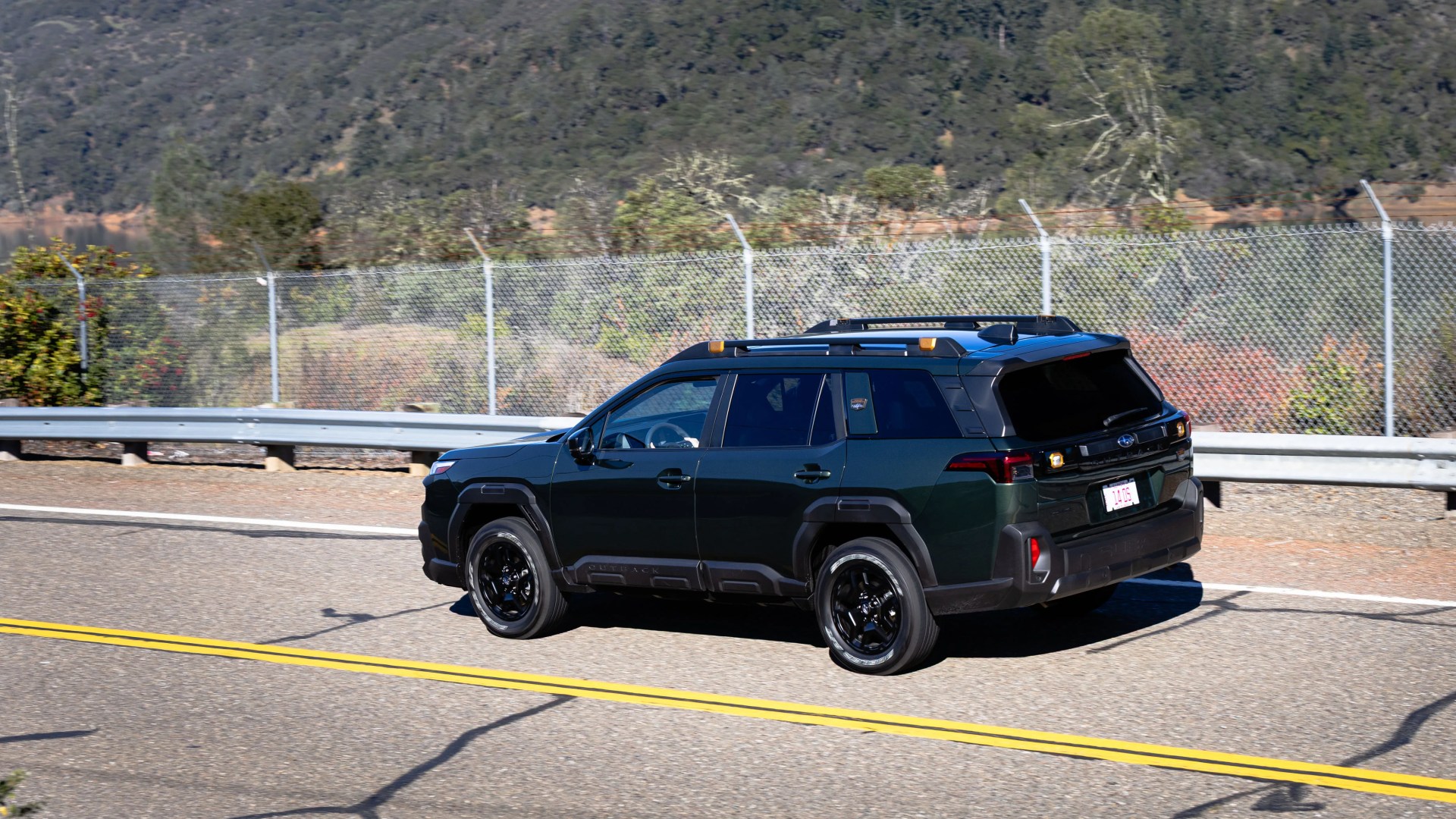
Dark green Subaru Outback SUV with black wheels driving on a paved road near a chain-link fence.
Like its standard sibling, the Wilderness trades its curvaceous and anonymous looks for something more distinctive.
Chris Chin

The previous Outback wasn’t really engineered to handle extra ground clearance. That’s because the Wilderness model didn’t exist when Subaru’s engineers were first developing the fifth-generation.

Although engineers made it work post-haste, it resulted in a kind of pseudo-aftermarket feeling. The first attempt at the Wilderness also made it look and feel like it rode on stilts.

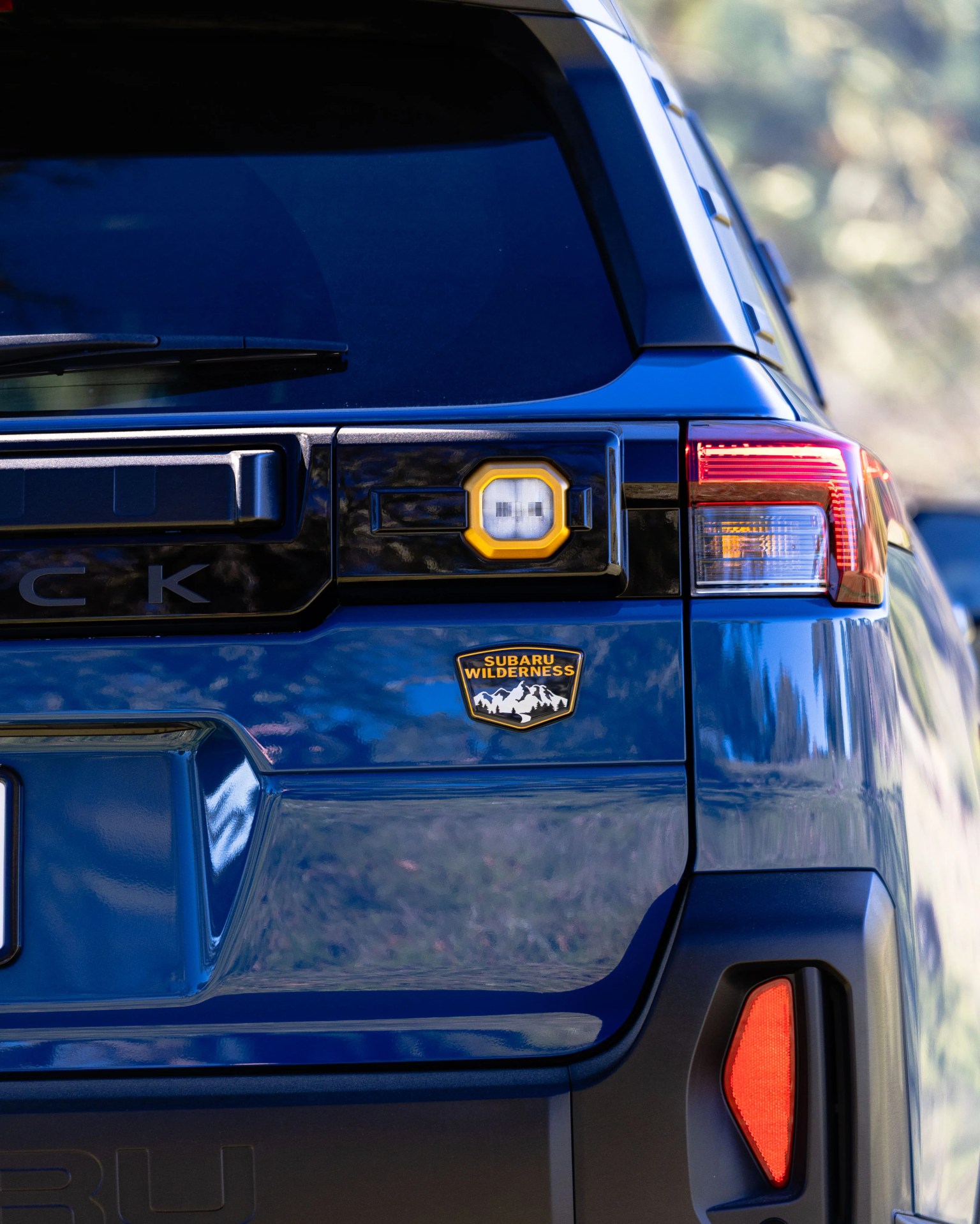
Rear view of a blue Subaru Wilderness vehicle showing taillight, badge, and part of the rear window.
In case you forget, Subaru’s Wilderness badge is hard to miss.
Chris Chin

The raised suspension and increased axle travel improved ride quality across the board. However, control noticeably suffered with more body roll and lean.

And around town, the heavier-duty setup led to a slightly more jittery ride over imperfections compared to the standard Outback.

This time around, with the second iteration, Subaru engineers better calibrated the Outback Wilderness’s symmetrical all-wheel drive to work alongside those electronic dampers. And not just off-road, but on road as well.

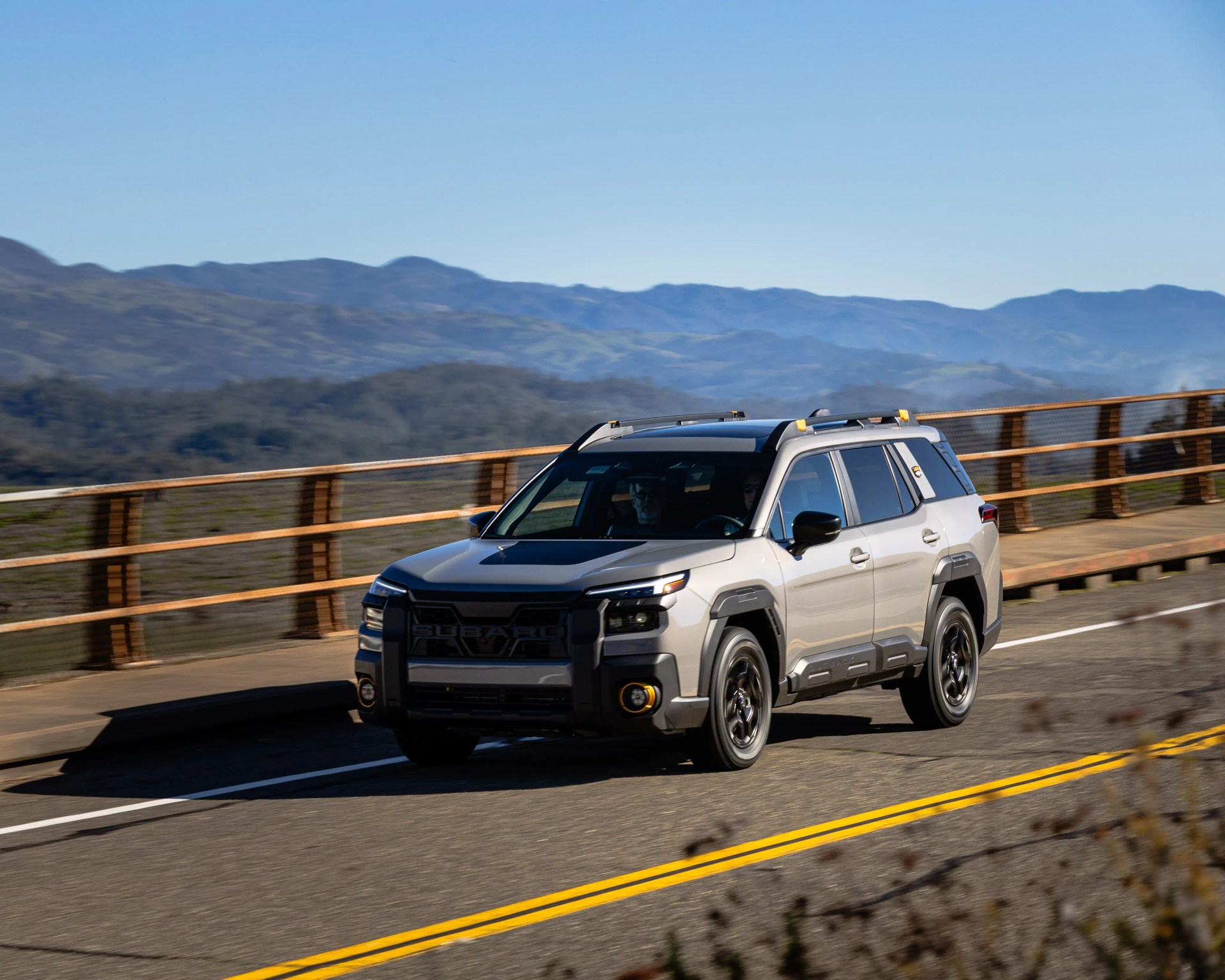
Silver Subaru SUV with black accents driving on a mountain road with wooden guardrails.
With admirable road-going manners, the Outback Wilderness is clearly engineered more for the trails.
Chris Chin

The result is very apparent. The latest Wilderness most certainly feels like a complete and fully integrated product, especially when it comes to its handling.

It’s chiefly thanks to those new and clever active dampers and their tuning. Body control, both on and off the road, feels far more controlled and buttoned down.

Not a tire scorcher as much as an authentic trailblazer

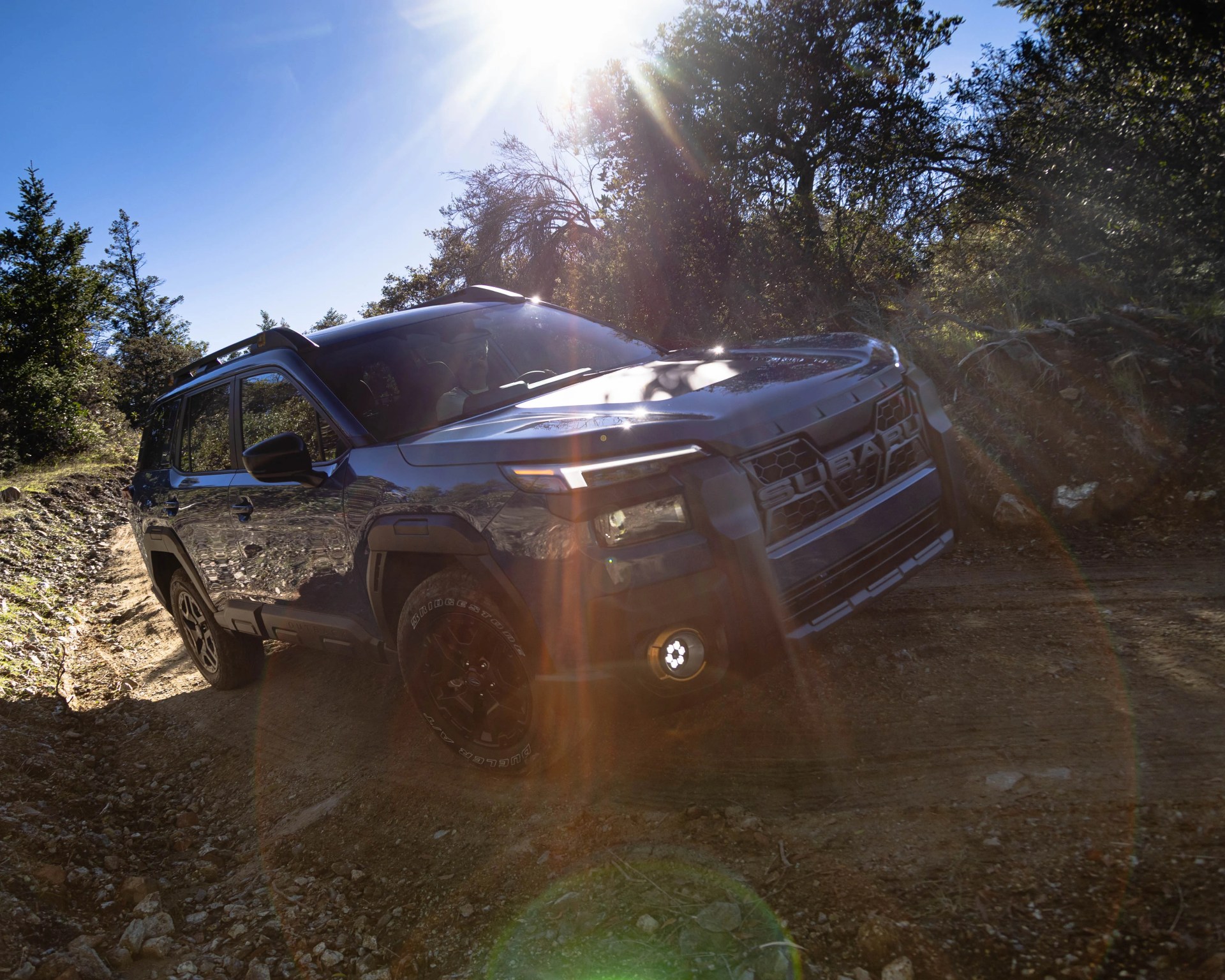
Dark gray Subaru SUV with black wheels on a dirt trail in a wooded area with sunlight glare.
It’s no Wrangler or Bronco, but the Outback Wilderness still has commendable off-road chops.
Chris Chin

Active dampers may be most known for improving handling and high-speed stability on luxury and performance vehicles. But the ones on the Outback Wilderness exist to better balance the trade-offs between the stiffened and raised suspension and the higher center of gravity.

Like the standard Outback, the Wilderness ain’t no WRX STI. And it’ll let you know with the early onset of progressive understeer and pronounced body lean when pushed on curvy paved roads.

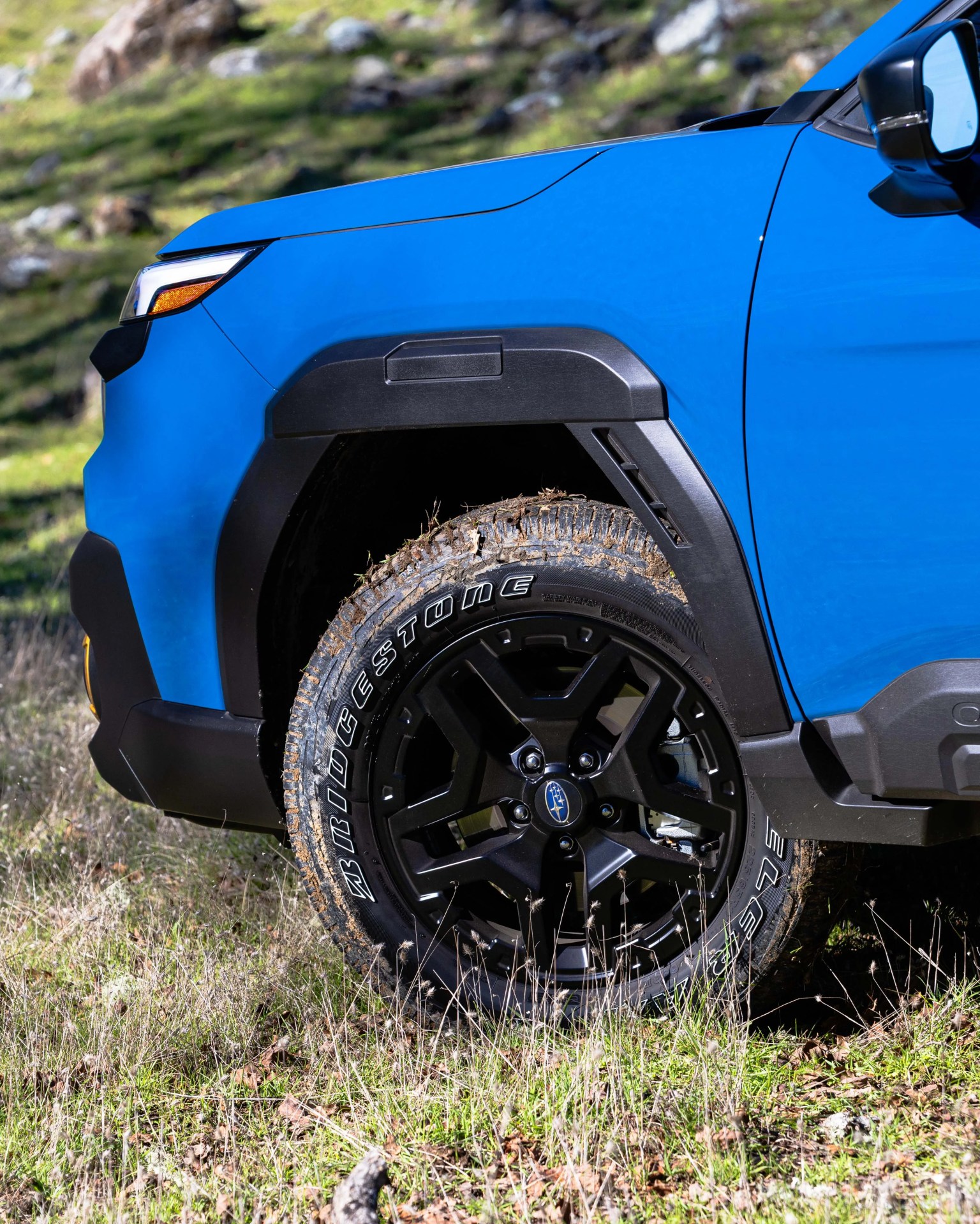
Close-up of a muddy Bridgestone tire with black alloy wheel on a blue off-road vehicle parked on grass.
Rugged and grippy Bridgestone Dueler A/T all-terrain tires are standard on the Outback Wilderness.
Chris Chin

Its rather tame Bridgestone Dueler A/T all-terrain tires are also partly to blame. But the Outback Wilderness still boasts some impressively high handling limits.

If one starts to encounter very curvy mountainous roads, like the ones we experienced on the way to Cooley Ranch from Santa Ana, the Outback Wilderness will handle it maturely. Even at speeds well above the limits.

Blue Subaru SUV with black trim driving on a winding mountain road.
With all-new electronically-controlled dampers, the new Outback Wilderness does a much better job at controlling its body motions.
Chris Chin

The car will kindly remind you it’s not meant to keep up with Porsches or BMWs — even with its turbocharged flat-four, which provides more than adequate acceleration with its 260 horsepower and 277 pound-feet on tap.

However, the Outback Wilderness will oblige when pushed, albeit begrudgingly.

Leaving pavement in the dust…literally

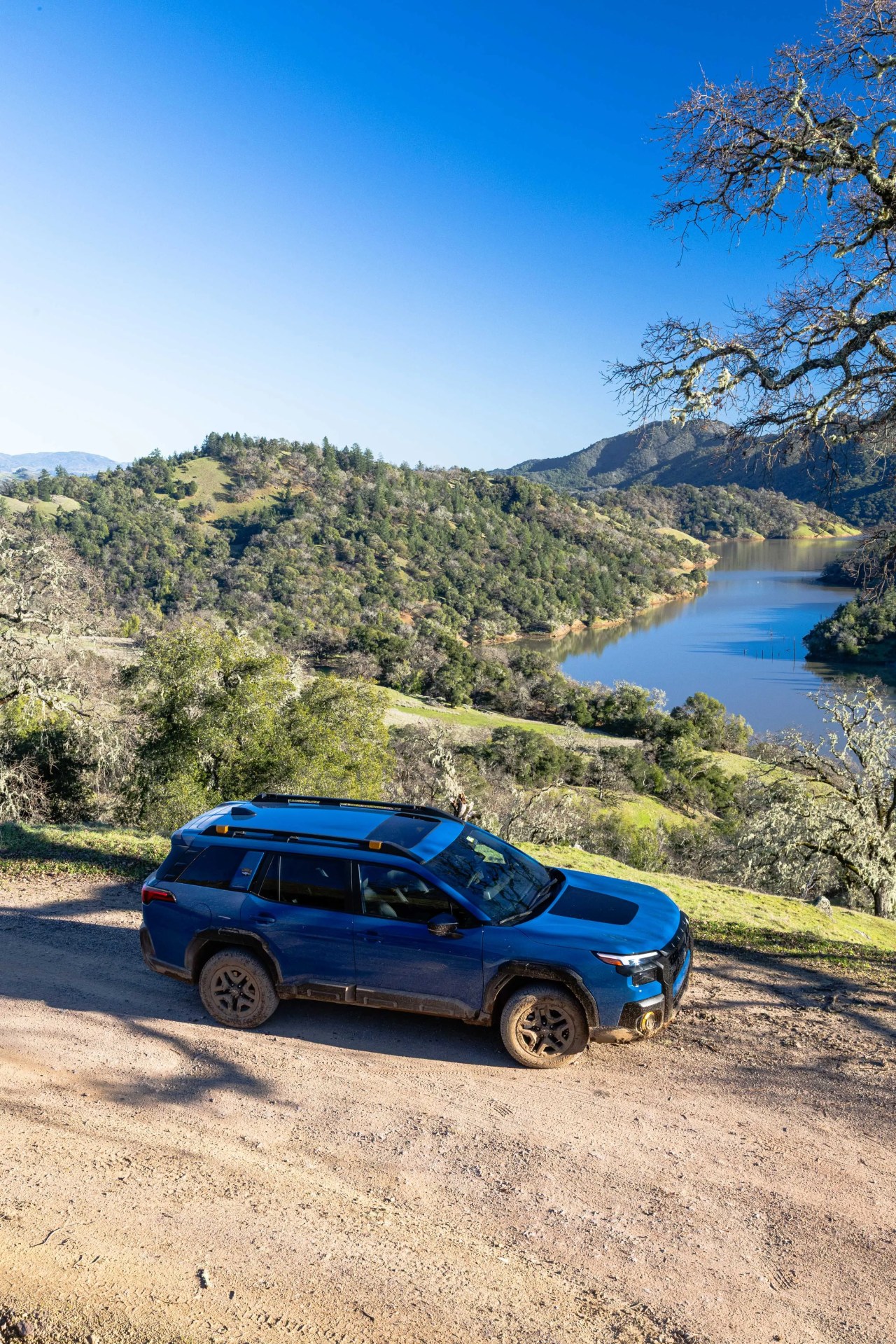
Blue SUV with roof rails parked on a dirt road overlooking a river and forested hills.
Good views and the Outback Wilderness seem to go hand-in-hand.
Chris Chin

If you are in a hurry and just happen to know an unpaved shortcut, that’s where the Outback Wilderness truly shines. As long as there aren’t any craggy rocks that will put its extra ground clearance to the test.

Make no mistake. Although the Wilderness is truly geared to handle some off-roading, it likely won’t be keeping up with your friend’s Wrangler or Defender on the really challenging stuff.

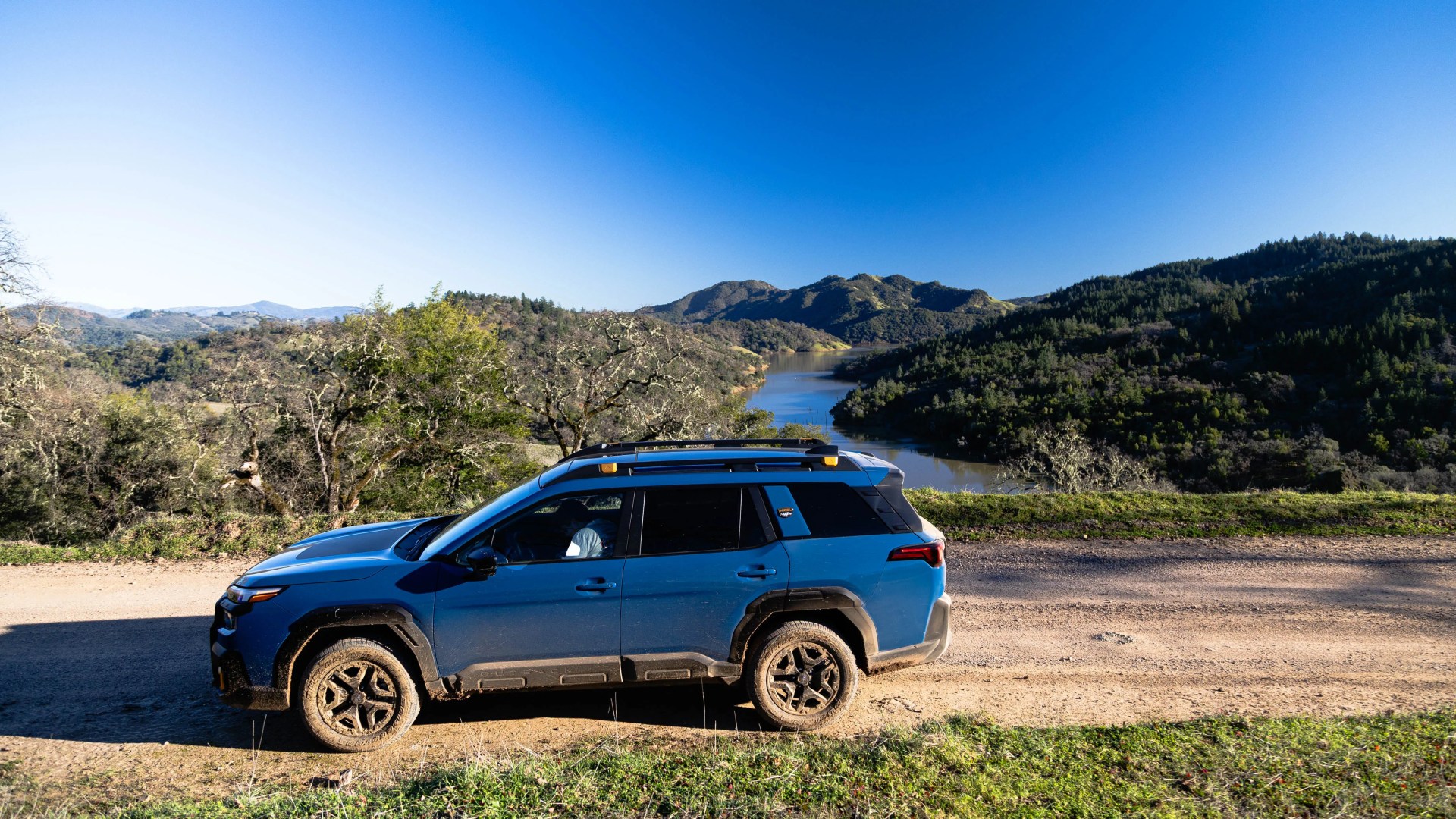
Blue SUV with black roof rack parked on a dirt road overlooking a lake and green hills.
Regardless of your thoughts on its appearances, the Outback Wilderness looks better dirty.
Chris Chin

There is one steel skid plate to protect the engine and transmission. As such, anything more difficult than a Class 2 (green) or Class 3 (blue) trail may push the Outback Wilderness beyond its capabilities.

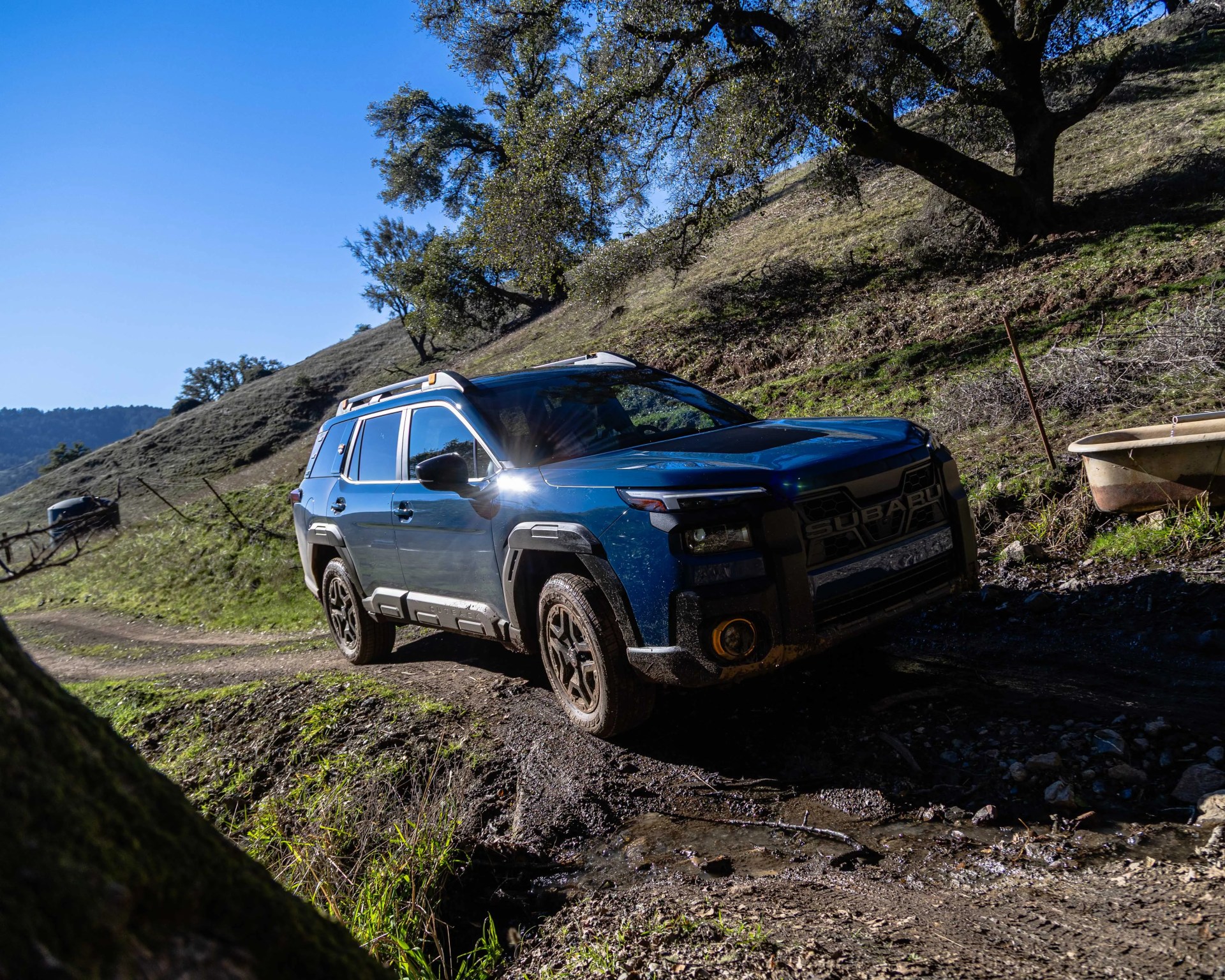
But, say you need to get around a muddy and unmaintained access road around a very hilly and secluded world-class vineyard — or to a less-frequented camping spot where your average two-wheel-drive vehicle may run for pavement with its tail between its rear wheels — the Outback Wilderness is perfectly suited for the job.

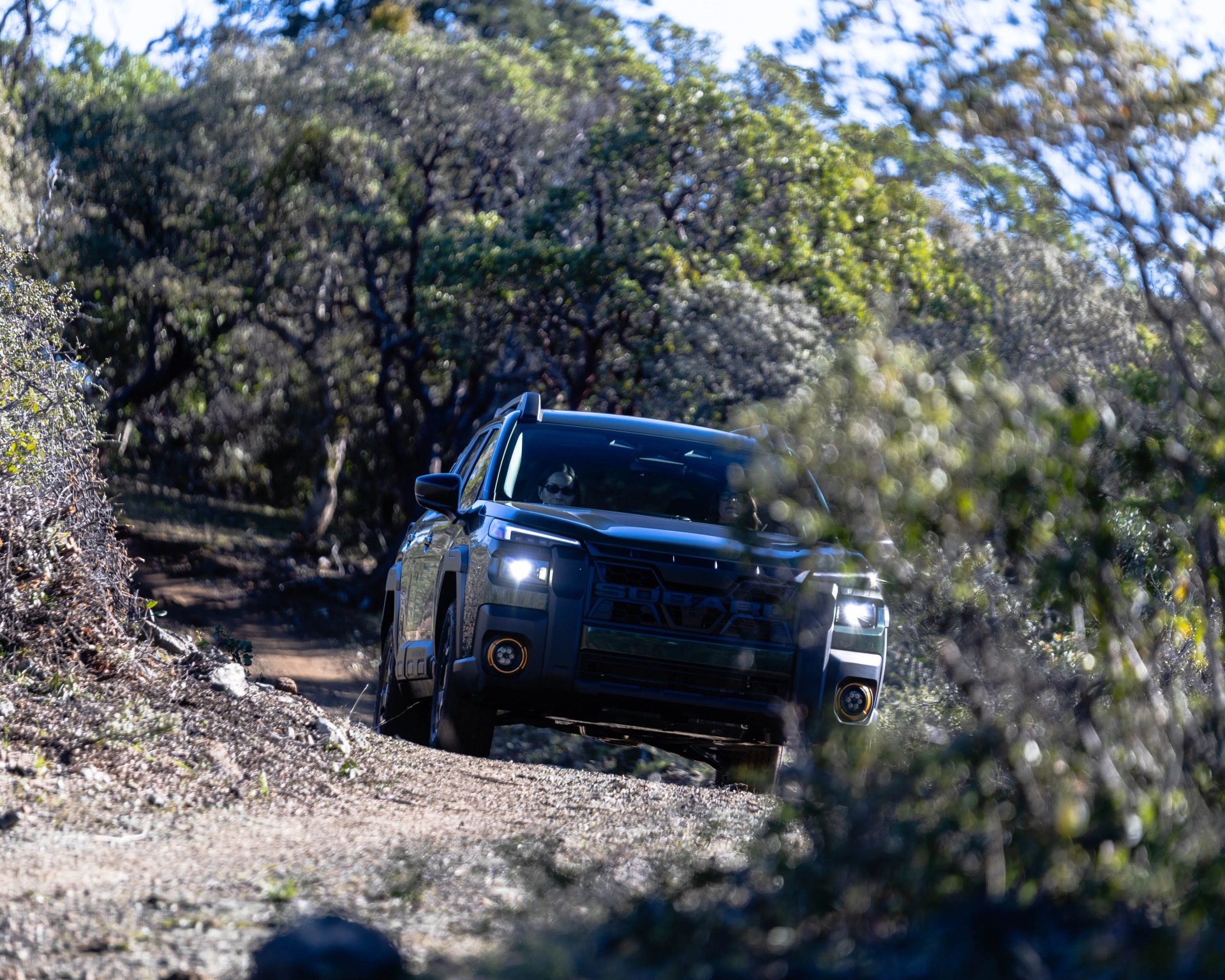
Black Subaru SUV with headlights on driving on a dirt trail surrounded by dense green trees.
Orange accents around the fog lights are one of the Wilderness’ most distinctive features.
Chris Chin

Subaru engineers were able to improve the Wilderness’ approach angle to 20 degrees (versus the old model’s 18), the breakover angle to 21.2 (up from 19.4) and the departure angle to 22.5 (compared to 21.4).

Those figures became really useful when traversing some of the unpaved perimeter roads around Cooley Ranch. Particularly when it came to crossing some mud-logged ruts and humps.

Blue Subaru SUV with mud on tires and lower body driving off-road on a dirt trail.
Got mud? No problem for the Outback Wilderness and it’s Snow/Mud X-MODE.
Chris Chin

And when some of the mud got really deep, the recalibrated X-MODE, which adjusts the center locking differential’s and even the adaptive dampers’ behavior on-the-fly, felt more responsive, making the entire experience seemingly effortless. It almost felt like we were just brushing up on the Outback Wilderness’ true capabilities.

The jury’s out on the looks

Dark green Subaru Outback SUV with black trim parked on grassy hill with mountains in the background.
All we were missing in this scene was a rooftop tent and some camping gear.
Chris Chin

Then, there’s the looks. Subarus have never really been the most attractive or eye-catching vehicles.

But like its standard sibling, the Outback Wilderness inherits the sixth-gen’s latest sheet metal. Which, if you couldn’t tell, looks like it was designed by someone who’s either obsessed with Minecraft or only had a protractor in their utensil drawer.

Blue Subaru SUV with roof rails driving on a muddy dirt road in a hilly, grassy landscape.
The Outback Wilderness’ nearly extra one inch of ground clearance does improve its off-road capability quite a bit.
Chris Chin

While the preceding Outback donned a more anonymous look, the new one certainly has a lot more curb presence. Whether or not that’s a good thing is entirely a subjective matter.

Whatever your thoughts may be on its appearance, the Subaru Outback Wilderness is a much better and more cohesive car than its predecessor.

It does a far better job at achieving its mission. And that’s something we can definitely get behind.

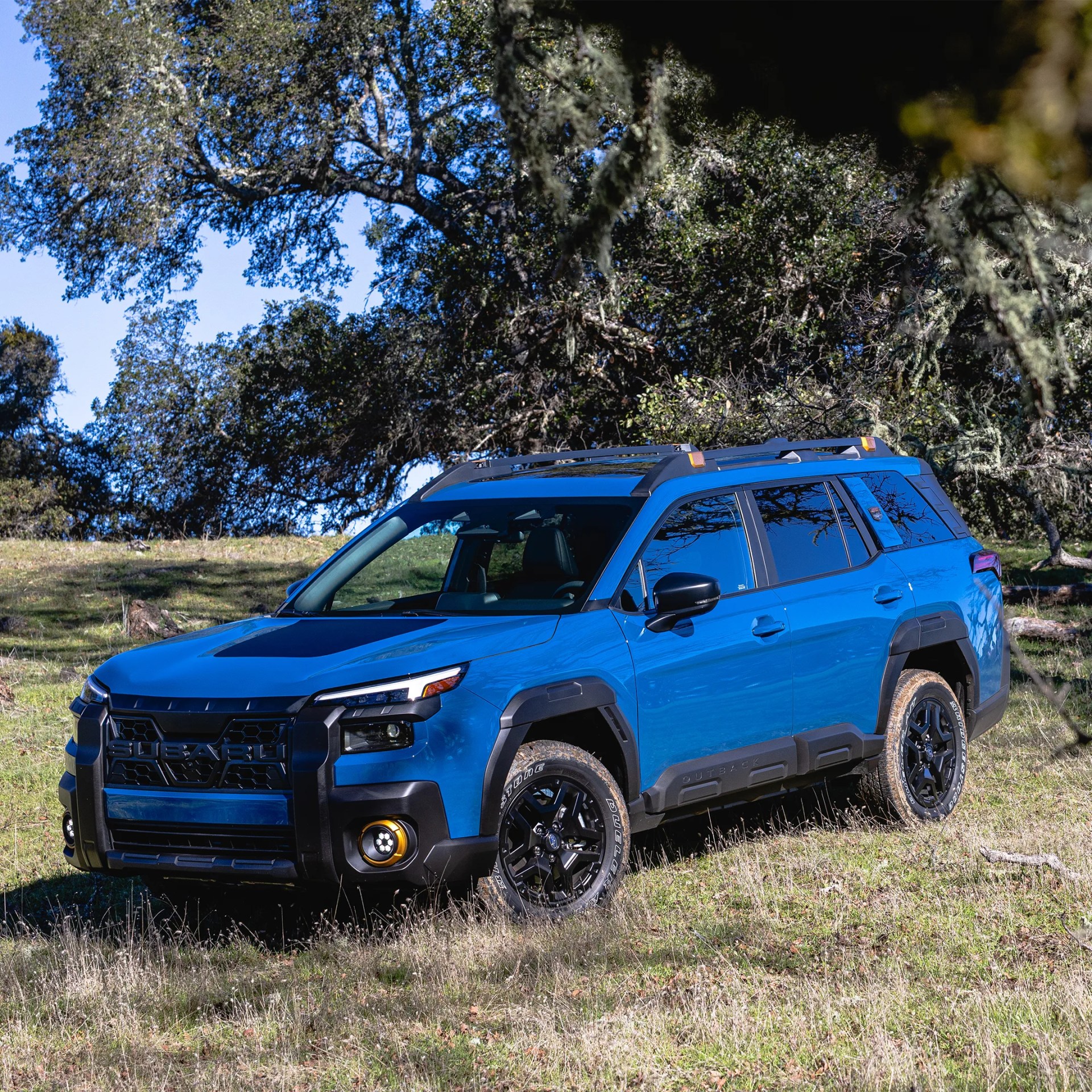
Blue Subaru Outback SUV with black trim and roof rails parked on grassy terrain with trees in the background.Chris Chin

2026 Subaru Outback Wilderness

Specs

Engine 2.4-liter gas turbocharged flat-four
Transmission Continuously Variable Transmission with 8-speed manual shift mode
Output 260 hp & 277 lb-ft

Pros

  • Surprisingly capable off-road
  • More refined and honed-in compared to its predecessor
  • A very welcome and new infotainment system
  • As versatile as ever

Cons

  • Polarizing exterior sheetmetal
  • Not the most exciting driving thing on the road
  • Ride is still noticeably stiffer than the standard Outback
  • Expensive when loaded

Want to stay up to date on the latest product news and releases? Add Gear Patrol as a preferred source to ensure our independent journalism makes it to the top of your Google search results.

add as a preferred source on google
,