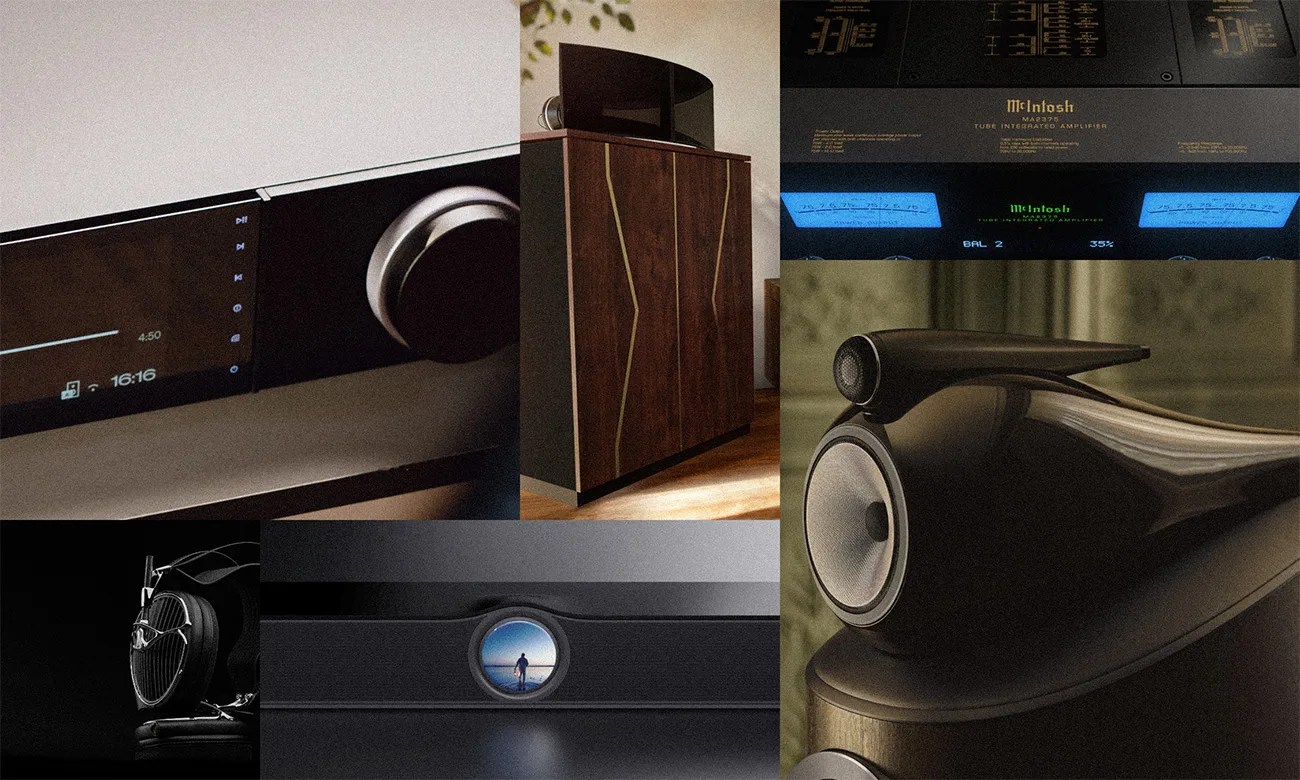


We’re about to enter June and summer has officially kicked off. Naturally, a lot of new tech and gadgets have been announced since the start of the year.
Of course, the product release cycle keeps on keepin’ on, so actually keeping track of every new gadget and hi-fi release is a tall order for even the most dedicated enthusiast.
Catch up below and don’t forget to bookmark for later. This is a rolling list and is routinely updated throughout the year.
 Klipsch
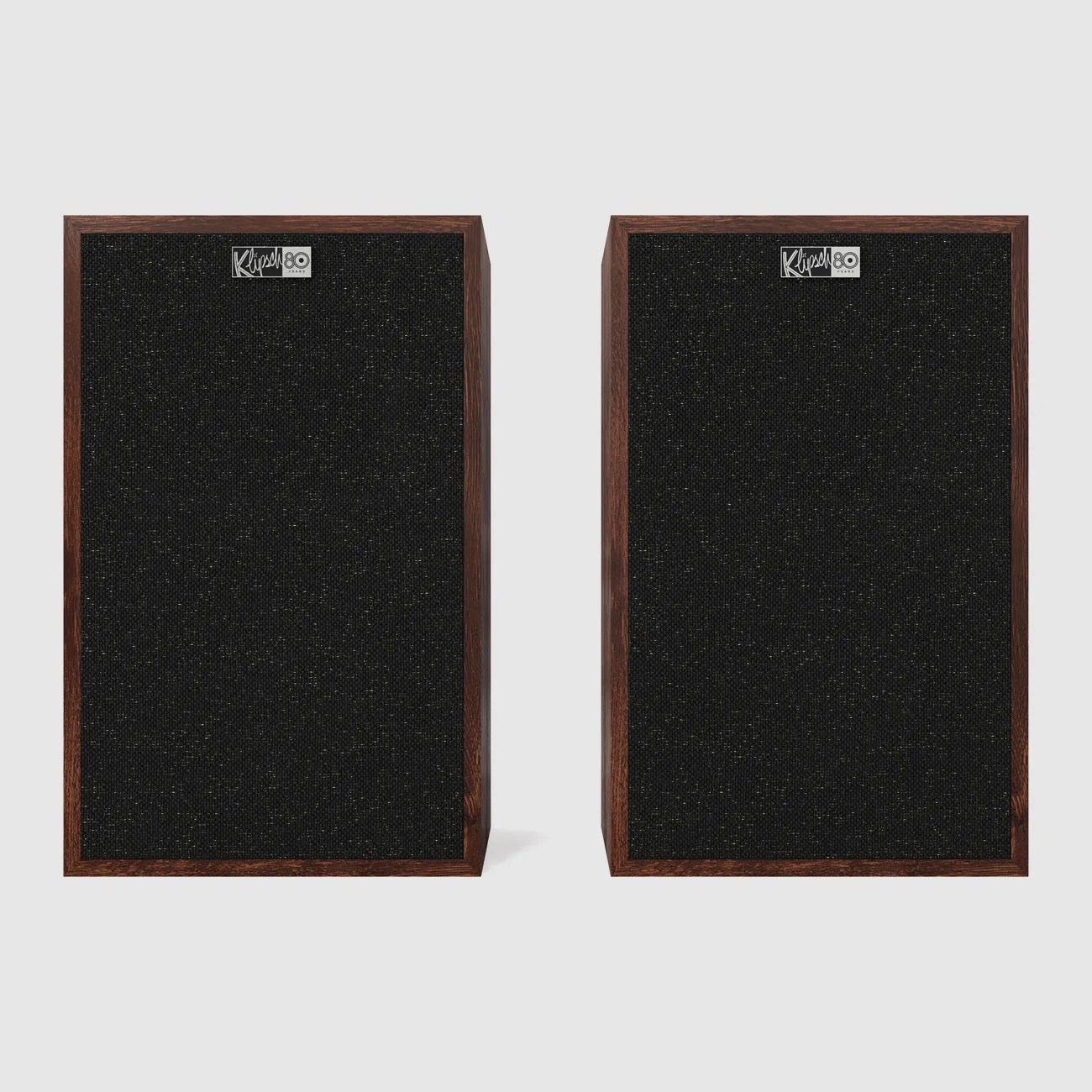
Klipsch Rebellion
The Rebellion is the first pair of bookshelf speakers to be included in Klipsch’s legendary Heritage series. The speakers are based on Paul W. Klipsch’s original 1958 design for the H8 speakers, of which only 16 were made. They have a two-way design that “elevates” PWK’s original design with a highly efficient K-702 tweeter mounted to a K-703 Tractrix Horn. This is paired with the new K-81-EP woofer. Like the rest of the Heritage series, the Rebellion will be exclusively made in Hope, Arkansas.
 Cambridge Audio
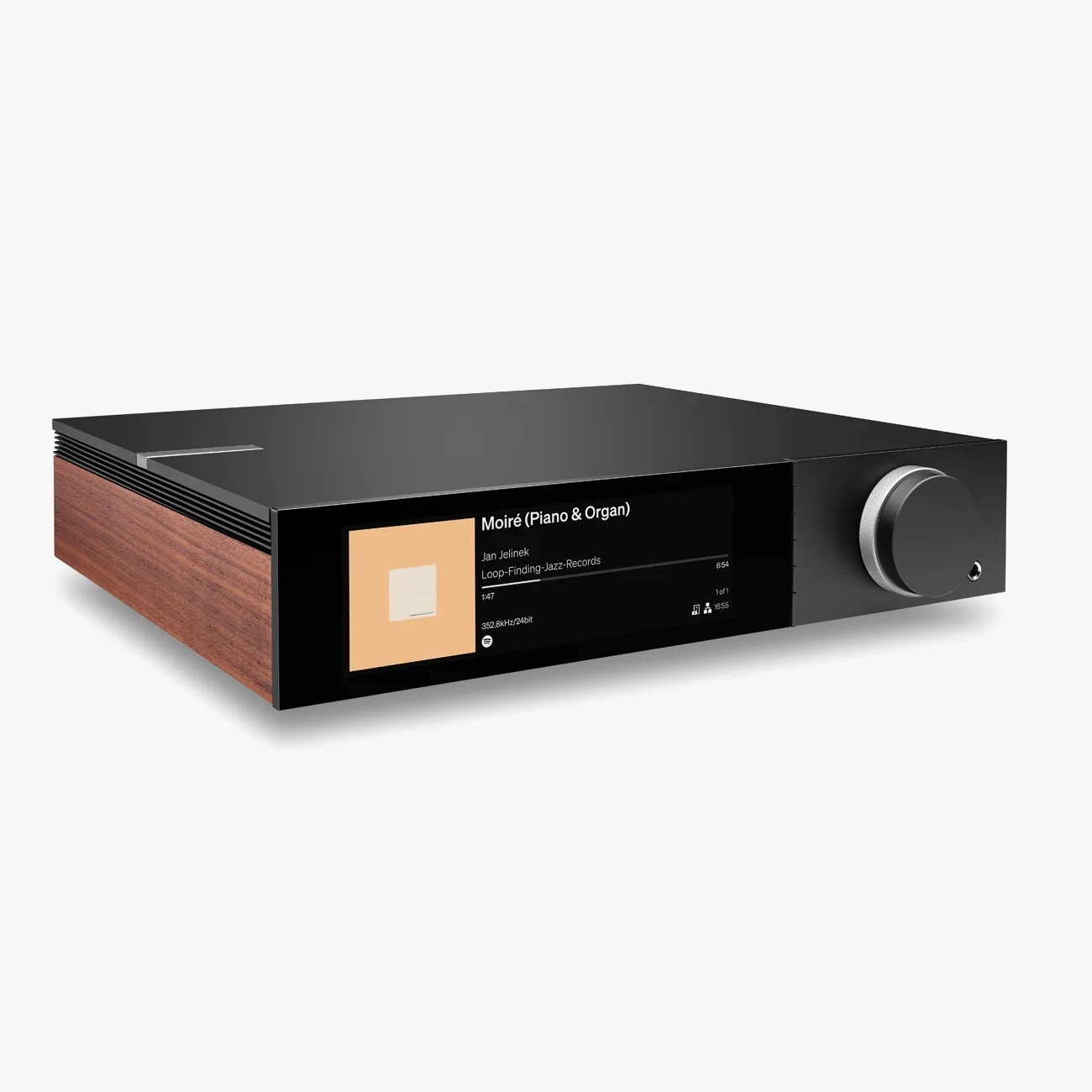
Cambridge Audio Evo 300
The Cambridge Audio Evo 300 is the brand’s most powerful streaming amplifier to date. It features state-of-the-art Hypex NCOREx Class D amplification in a dual-mono layout, delivering a massive 300 watts per channel. This makes it twice as powerful as the Evo 150 SE and, according to the brand, it’s capable of driving “the most demanding speakers.” Aside from power, the Evo 300 supports most major Wi-Fi streaming protocols and has numerous wired connections, including those for connecting a TV or turntable.
 Bowers & Wilkins
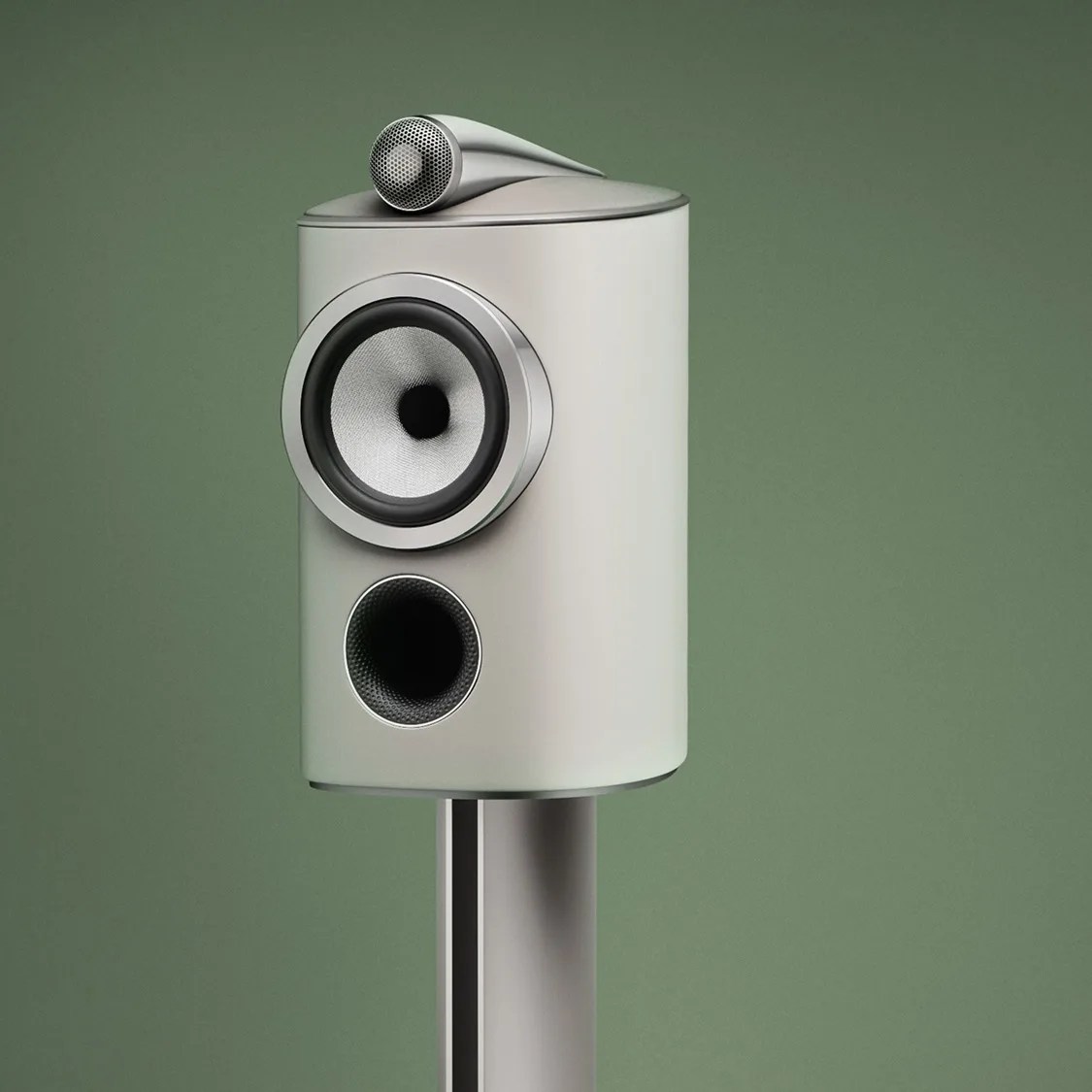
Bowers & Wilkins 800 Series Diamond D5 Loudspeaker Range
Bowers & Wilkins introduced the fifth generation of its top-of-the-line 800 Series Diamond, which the brand calls “the world’s most revered and iconic range of high-end loudspeakers.” The new D5 range features seven different models, including one bookshelf and four floorstanders, each of which has an updated aesthetic (including four new finishes) and packs numerous acoustic, mechanical, and electrical improvements over their 2021 predecessors.
 Meze Audio
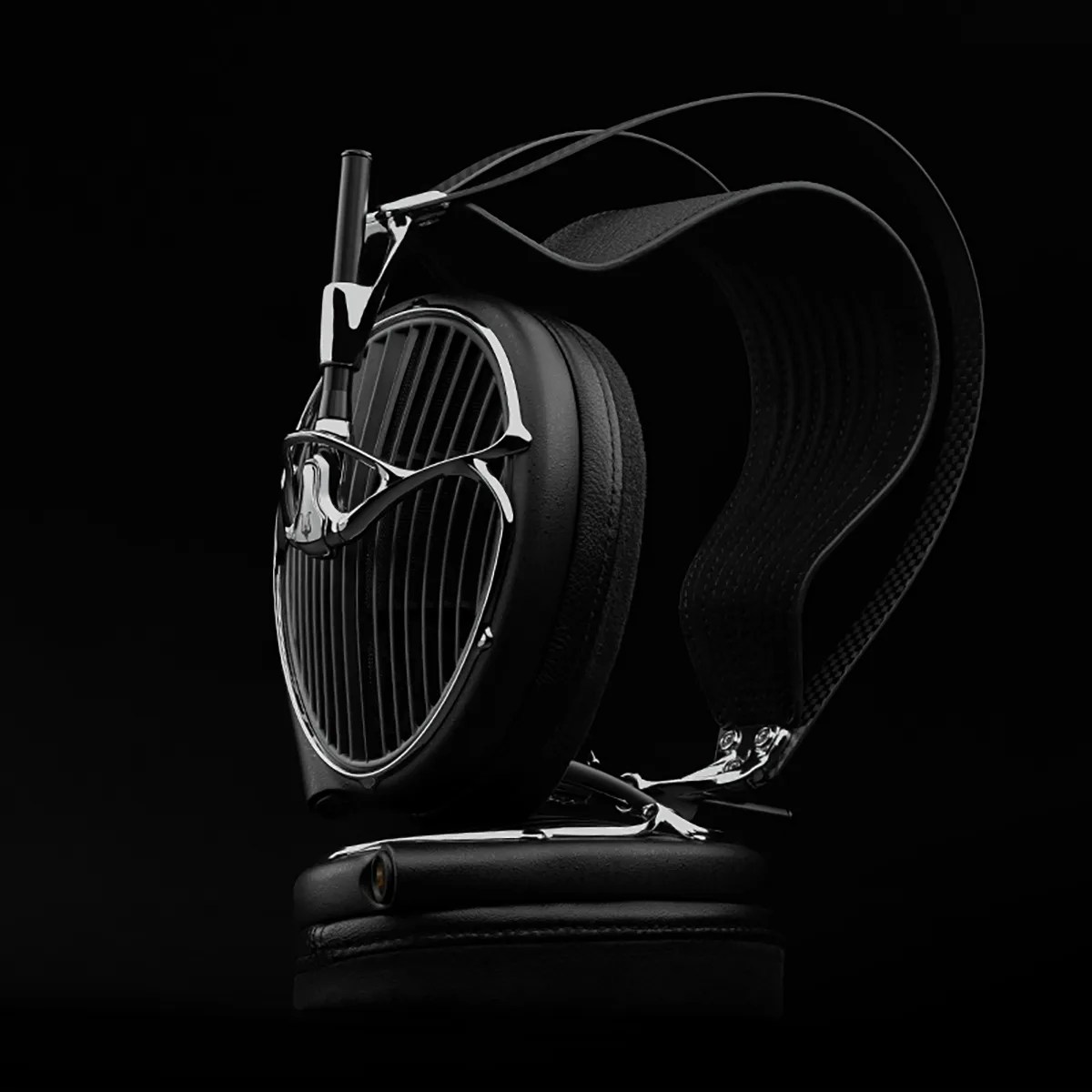
Meze Arta
The Romanian hi-fi company specializes in high-end planar magnetic headphones. And now with the Arta, it has a new flagship. They have a sculptural design, are made of premium materials (including carbon fiber and leather), and feature a Rinaro High Impedance Isodynamic Hybrid Array MZ5 HΩ driver, which Meze Audio claims is the highest-impedance planar magnetic headphone driver to date. According to the brand, the Arta headphones “deliver a rich, speaker-like presentation with lifelike detail, offering the most immersive sonic experience we have ever created.”
 WiiM
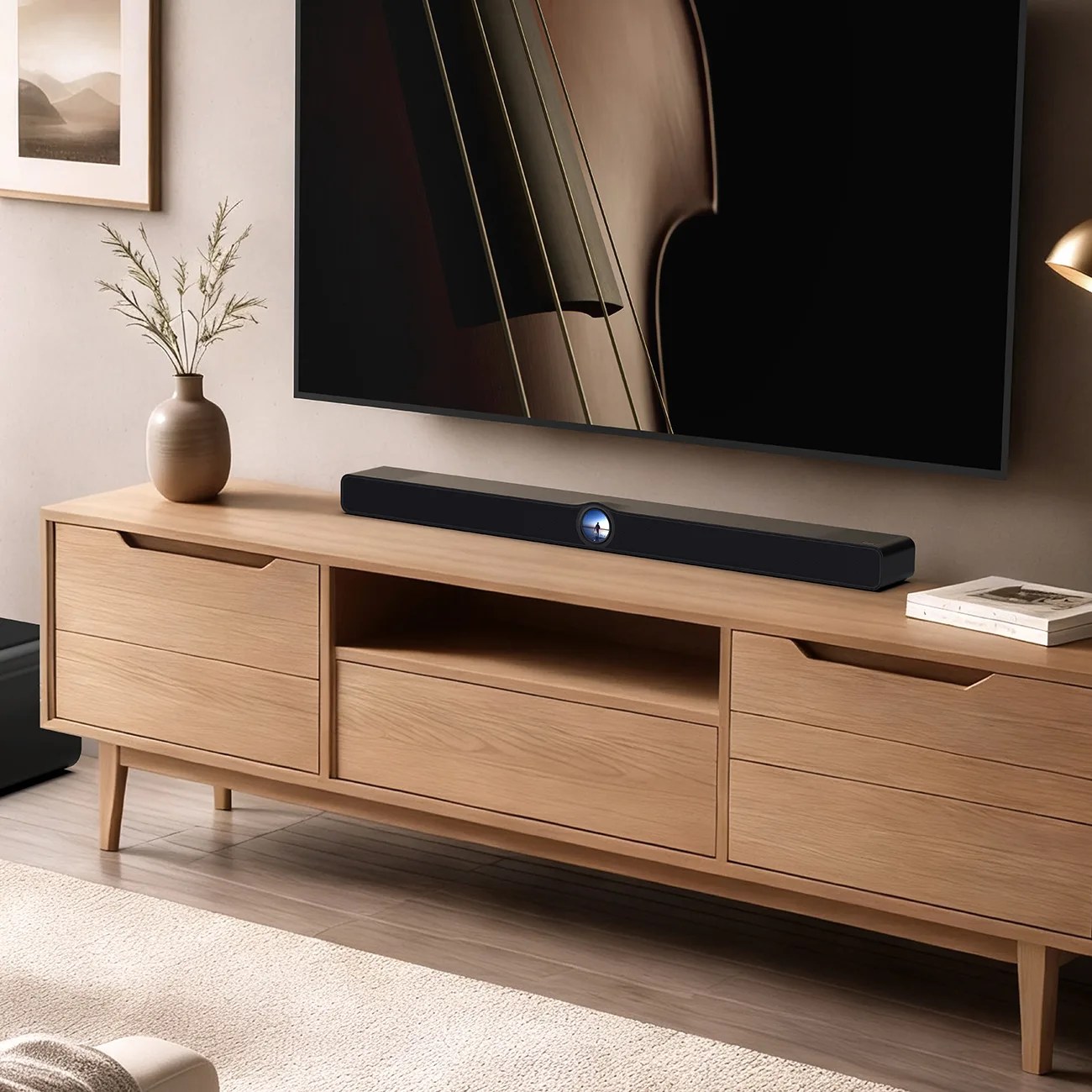
WiiMWiiM Bar
The WiiM Bar is the company’s first-ever soundbar and, naturally, it’s aimed squarely at Sonos. On its own, the Bar is a 3.0.2-channel soundbar with a custom 8-driver array that includes up-firing drivers, so it promises to deliver an immersive Dolby Atmos experience. Naturally, you can configure the Bar with WiiM’s existing wireless speakers and subwoofers to create an immersive 5.1.2-channel surround sound system. That said, maybe the most interesting aspect of the WiiM Bar is that at its center is a round, glass-covered touchscreen that displays album artwork (when streaming music), playback controls, EQ settings and other audio presets.
 McIntosh
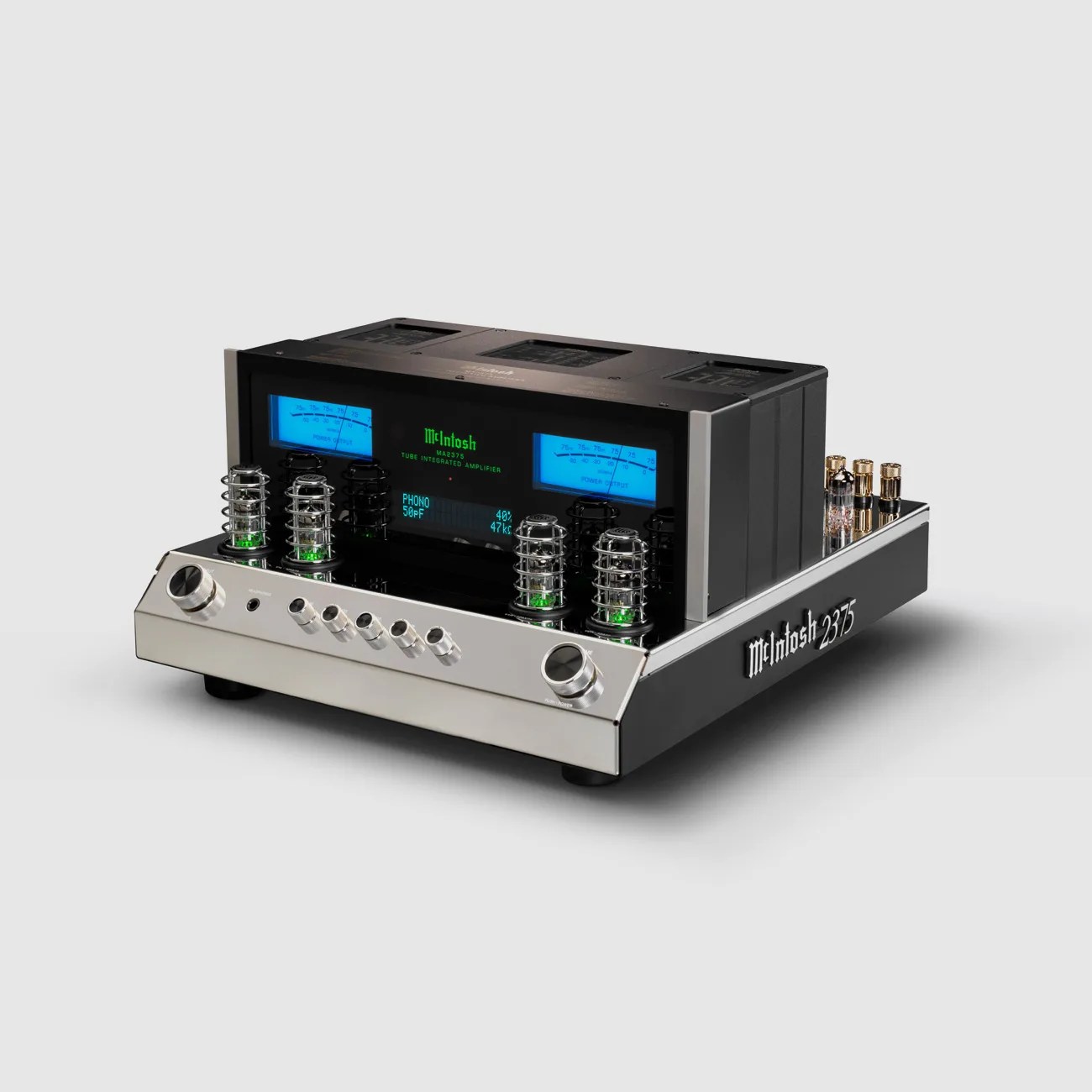
McIntosh MA2375
The MA2375 is a two-channel integrated amplifier that combines a fully analog vacuum tube preamplifier and a vacuum tube power amplifier into one gorgeous box. In fact, it’s McIntosh’s first vacuum tube integrated amplifier in more than a decade. Its power amplifier section features four KT88 output tubes and four 12AT7 driver tubes. And it’s capable of delivering 75 watts per channel. And its vacuum tube preamplifier section is powered by two 12AX7A and two 12AT7 preamp tubes. McIntosh claims that the MA2375 has been engineered to provide consistent performance across a wide range of loudspeakers, specifically those impedance ratings of 4, 8 and 16 ohms.
 Klipsch
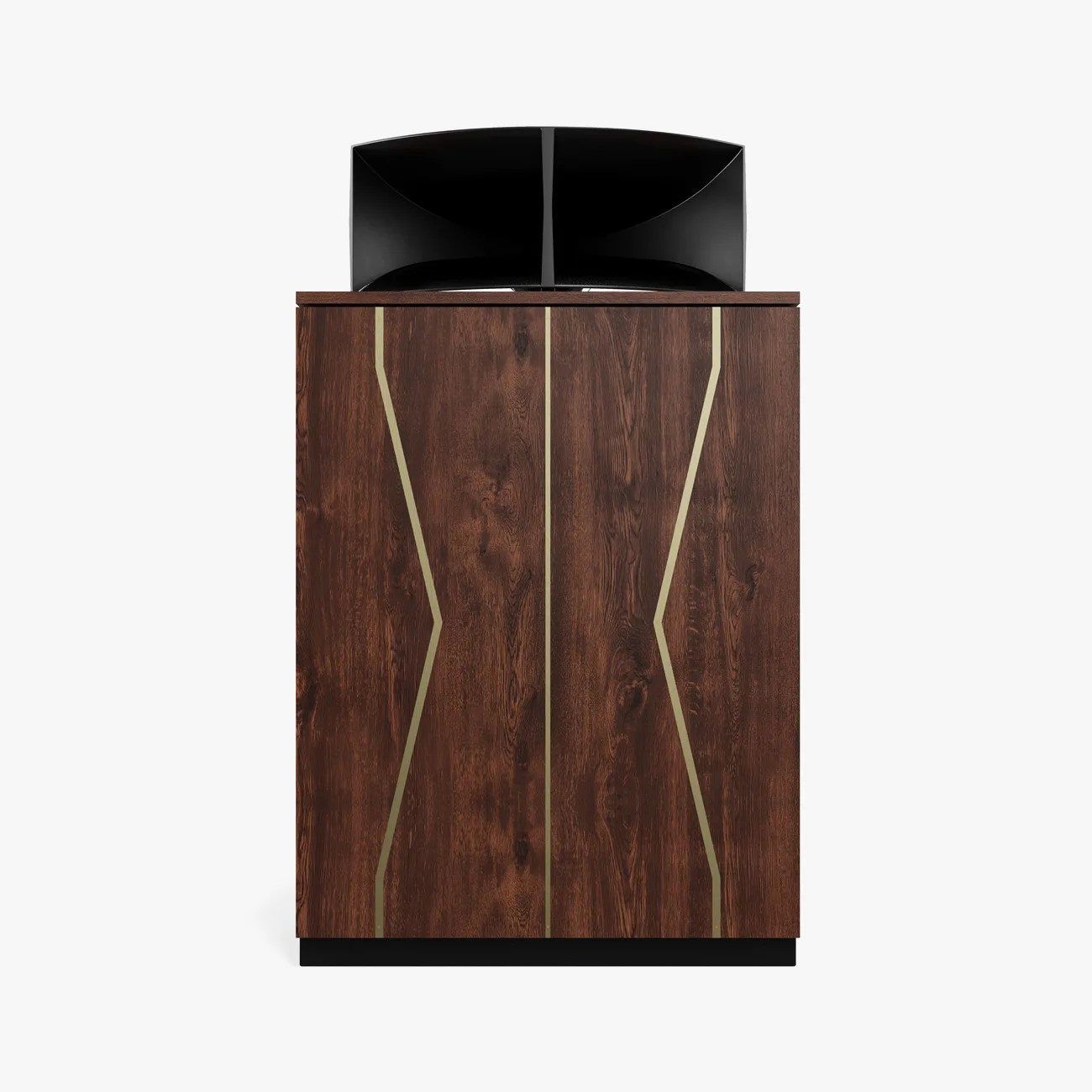
Klipsch Klipschorn (80th Anniversary Limited Editions)
For its 80th birthday celebrations, the iconic American audio maker has a special-edition version of the loudspeaker that started it all: the original Klipschorn, which was released in 1946. Klipsch claims this version is a “reimagining and revitalizing” of Paul W. Klipsch’s original design, as it features a two-way design instead of a three-way design like its more recent iterations. Additionally, this version has an elevated Tigerwood veneer with rear brass inlays. Only 280 pairs will be made.
 Onkyo
OnkyoOnkyo Muse Y-50 (80th Anniversary Edition)
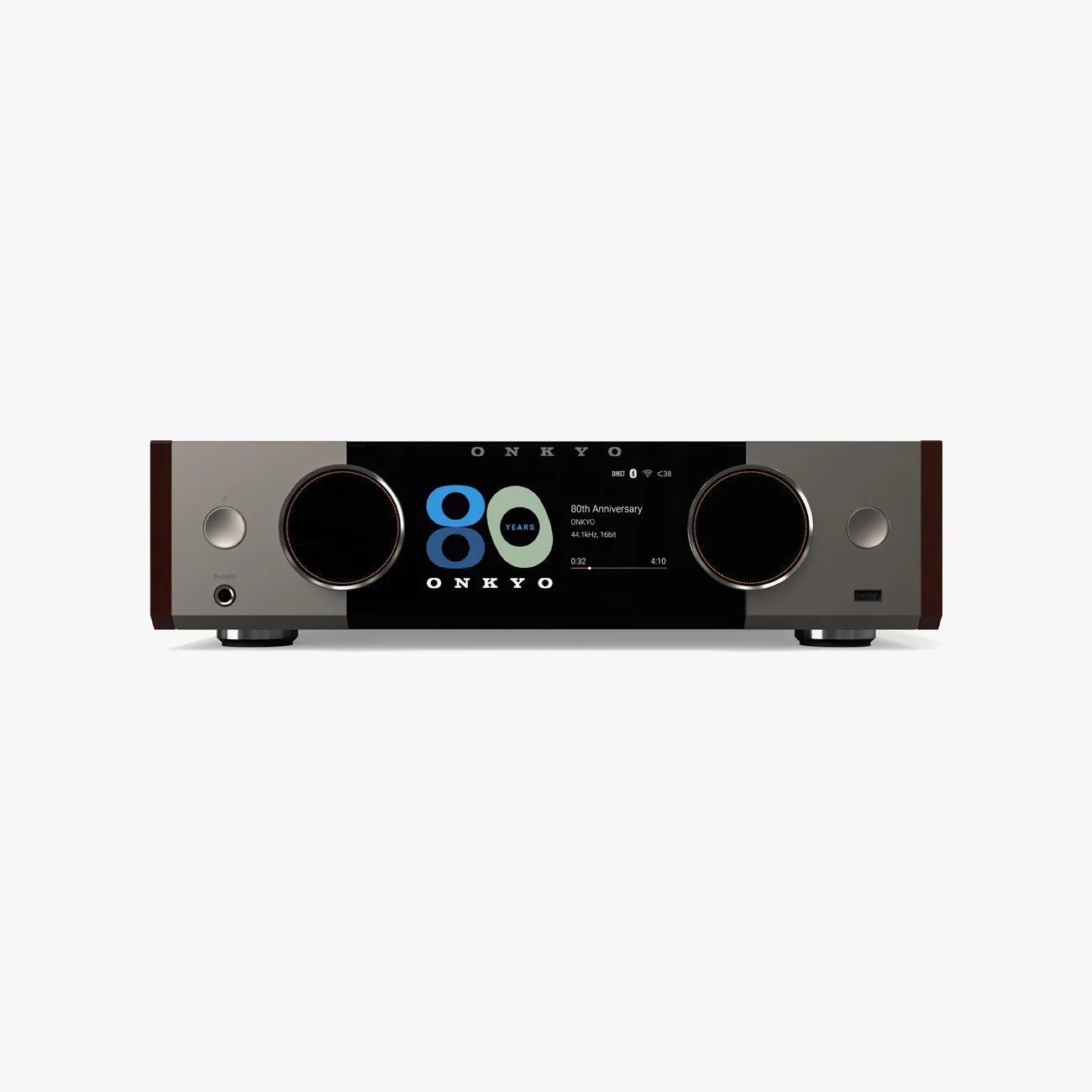
To celebrate the company’s 80th anniversary, Onkyo has released a special edition version of its Muse Y-50 streaming amplifier. This model takes design cues from the brand’s revered Integra M-588 amplifier from the ’90s, featuring walnut side panels, a Champagne gold aluminum front panel, and a uniquely patterned San Kuzushi ventilated top plate inspired by Japanese culture. Aside from the visuals, the Muse Y-50 is still a versatile streaming amplifier that’s capable of delivering 250 watts per channel (into 4 ohms). And it supports most streaming protocols and offers a wide range of wired connections, including hookups for a turntable and a TV.
 Audeze
Audeze MM-520
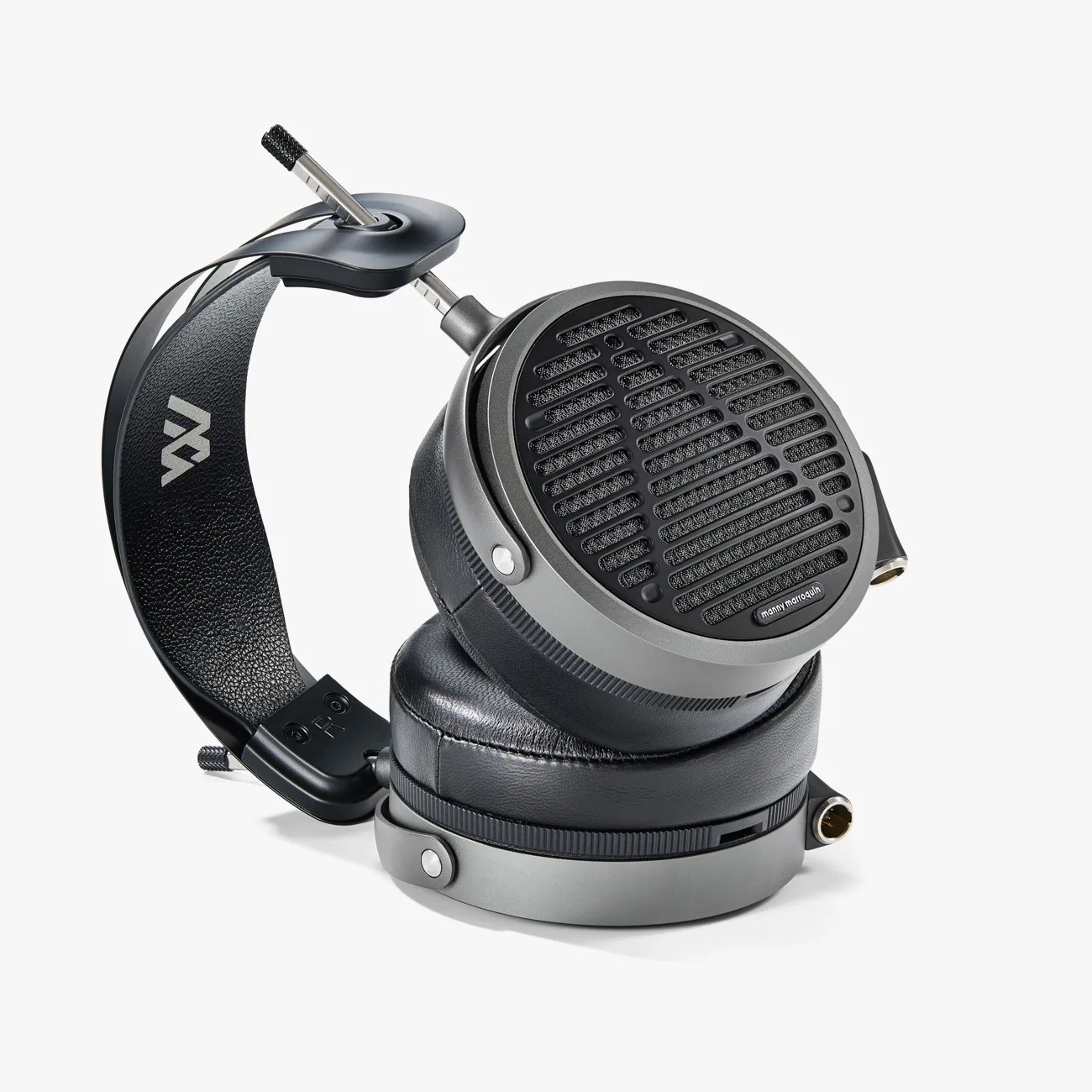
The California-based hi-fi specialist has introduced the MM-520, a pair of open-back, over-ear headphones designed for musicians and audio professionals. They’re an updated version of the company’s MM-500 studio headphones, as they have the same general design and feature the same 90mm planar magnetic drivers. The main upgrade with the MM-520 is the integration of Audeze’s SLAM (Symmetric Linear Acoustic Modulator) technology, which the brand says should improve the headphone’s bass accuracy and spatial detail.
 Polaroid
Polaroid Go Generation 3
The third generation of Polaroid’s smallest instant film camera, the Go, is aimed at the younger generation. Like its predecessors, this palm-sized camera shoots and prints smaller-format photos (specifically, Polaroid’s Go film), but it’s updated with a built-in selfie mirror and self-timer for group shots. Additionally, it features a more powerful flash and a new double exposure mode for added creativity. The Go Generation 3 comes in five colors: black, light blue, purple, teal and white.
 KLH
KLHKLH Model Four
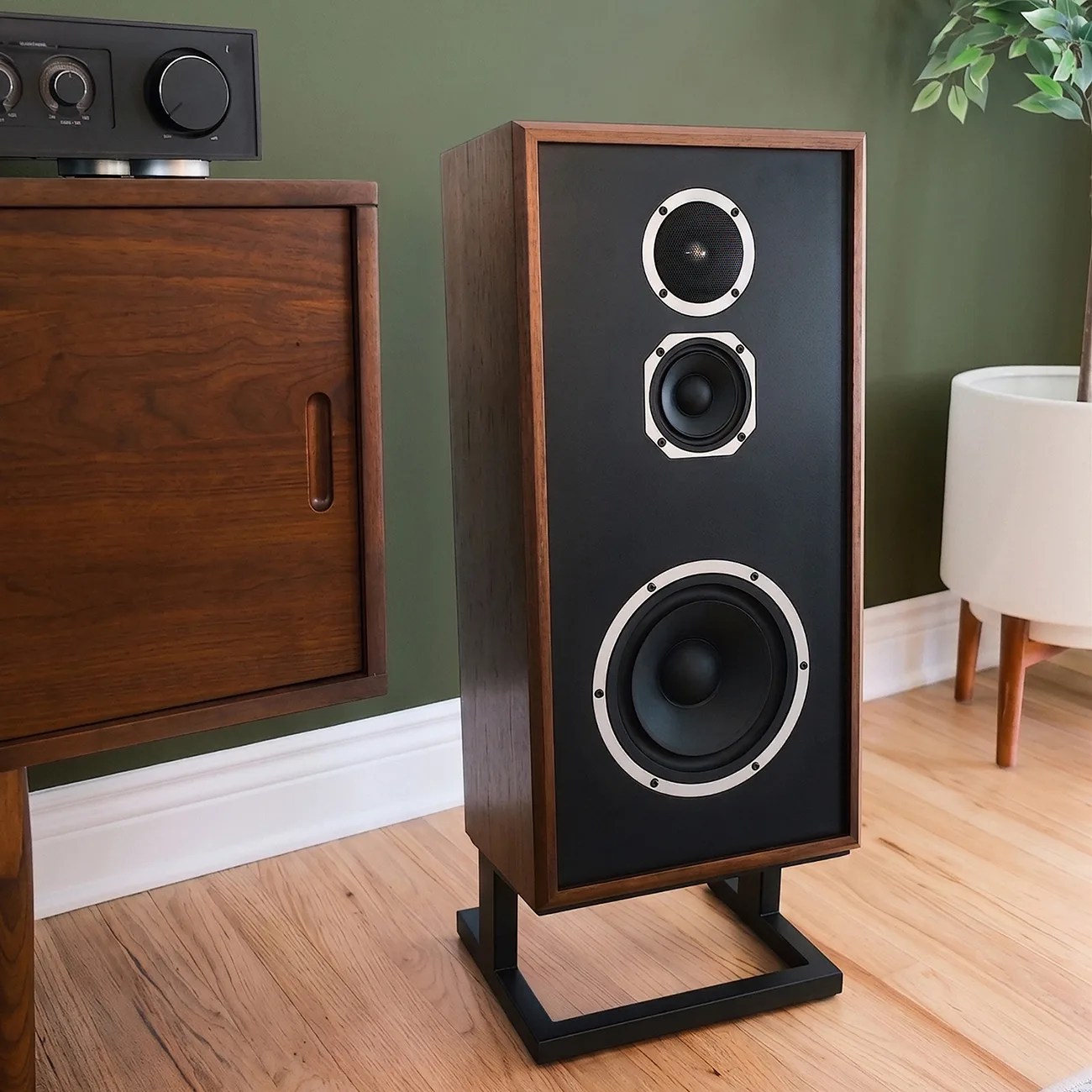
KLH has added a fourth loudspeaker to its “Model” loudspeaker range, all of which draw on visual cues from its classic designs from the ’60s and ’70s. The Model Four is a compact floorstanding loudspeaker that is designed to fill the gap between KLH’s Model Three bookshelf speakers and Model Five floorstanders. According to the brand, it unites “the small footprint of Model Three with the sonic architecture of Model Five in a cabinet built for homes where space is precious, design is paramount and fidelity is demanded.”
 Astell&Kern
Astell&Kern Clarus
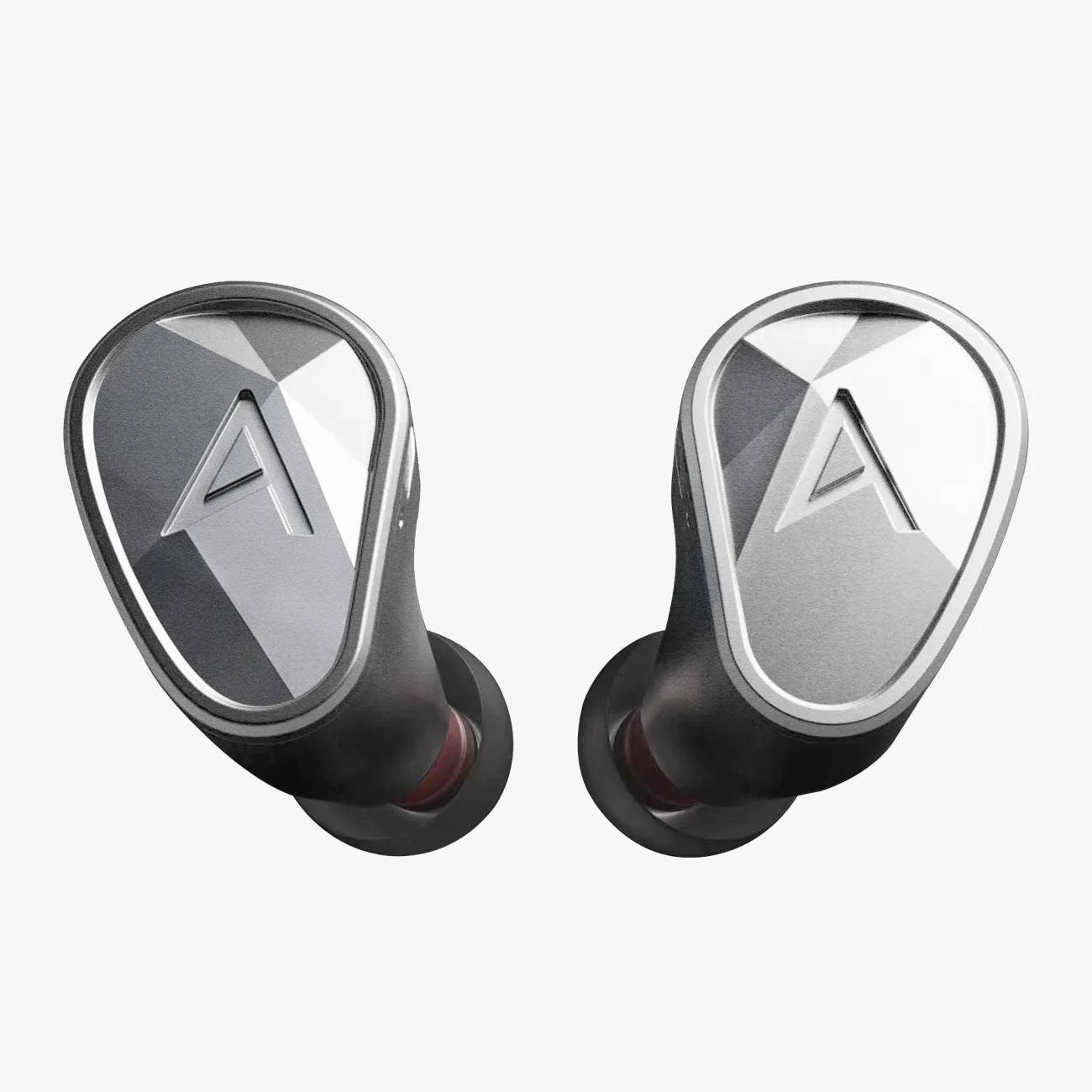
The Astell&Kern Clarus is the brand’s latest high-end pair of in-ear monitors. They are designed around a 9-driver tribrid architecture, featuring a dynamic driver for low frequencies, balanced armature drivers for mids and highs, and MEMS drivers for ultra-high frequencies. Each earbud is constructed of 6061-T6 aluminum. According to Astell&Kern, the Clarus is designed to deliver transparent and distortion-free audio exactly as the artist intended. At the time of writing, price and availability info have not yet been released.
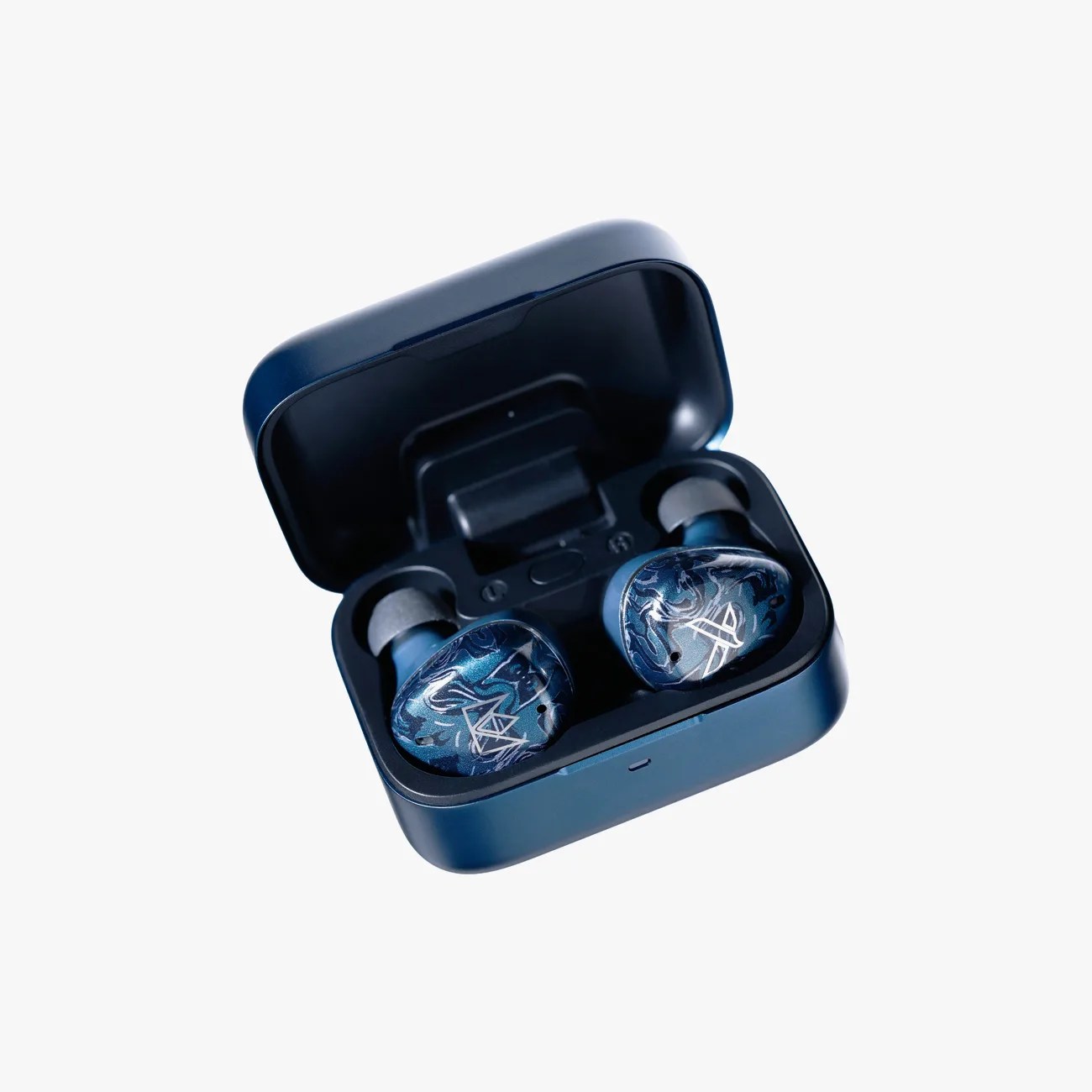 Noble Audio
Noble Audio Osprey
The Osprey is the newest and most affordable addition to the Texas-based brand’s wireless earbud offerings. Each Osprey earbud features a hybrid dual-driver configuration that pairs a 10mm dynamic driver with a custom-balanced armature. According to the brand, this combo “provides confident, controlled bass, a natural and expressive midrange, and clean, extended highs with excellent separation.” The earbuds support LDAC and thus can stream high-resolution audio over Bluetooth. And they feature active noise-cancellation and transparency modes.
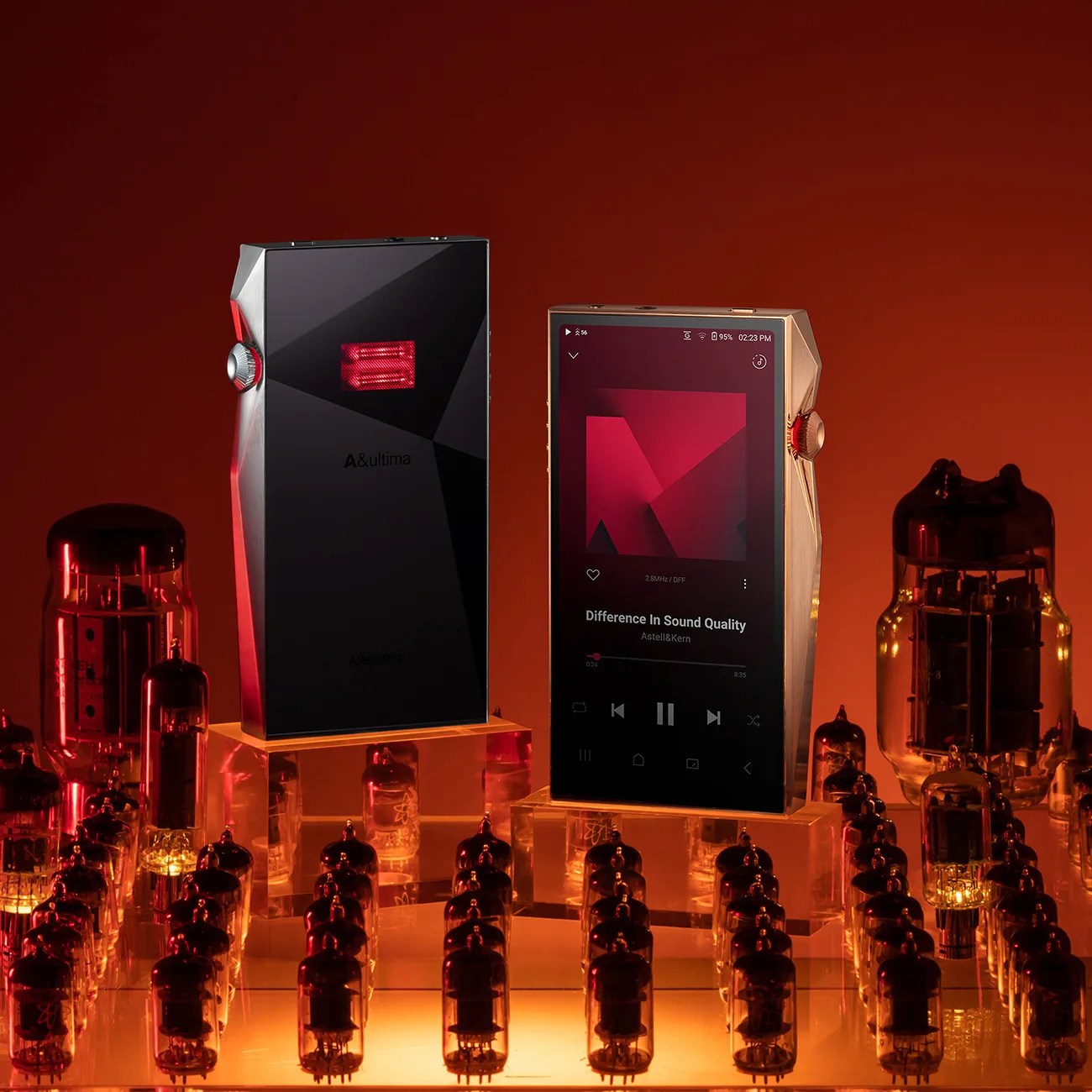 Astell&Kern
Astell&Kern SP4000T
The Astell&Kern SP4000T is the next evolution of the company’s flagship portable hi-fi player. As the “T” indicates, its main upgrade is the integration of four vacuum tubes. Specifically, the SP4000T features Raytheon JAN6418 MIL-Spec vintage vacuum tubes in a quad configuration. It also features a new Triple Tube Mode that lets listeners choose from up to 54 combinations of tube and amp current settings, allowing them to fully customize their sound. At the time of writing, pricing hasn’t been announced, but you can expect it to go for north of $4,290, which was the current SP4000 is going for.
 Sony
SonySony Bravia 9 II True RGB TV
The Bravia 9 II is the company’s flagship Mini LED TV for 2026. Sony calls it a “True RGB” TV because it’s integrated with its proprietary RGB backlighting technology, which individually controls each red, green, and blue LED, helping it deliver the most vibrant, color-accurate picture. Naturally, this technology comes at a price. The TVs come in 65-inch to 115-inch sizes, which range from $3,600 to $31,000. (Note: Sony has also introduced a more affordable True RGB TV in the Bravia 7 II.)
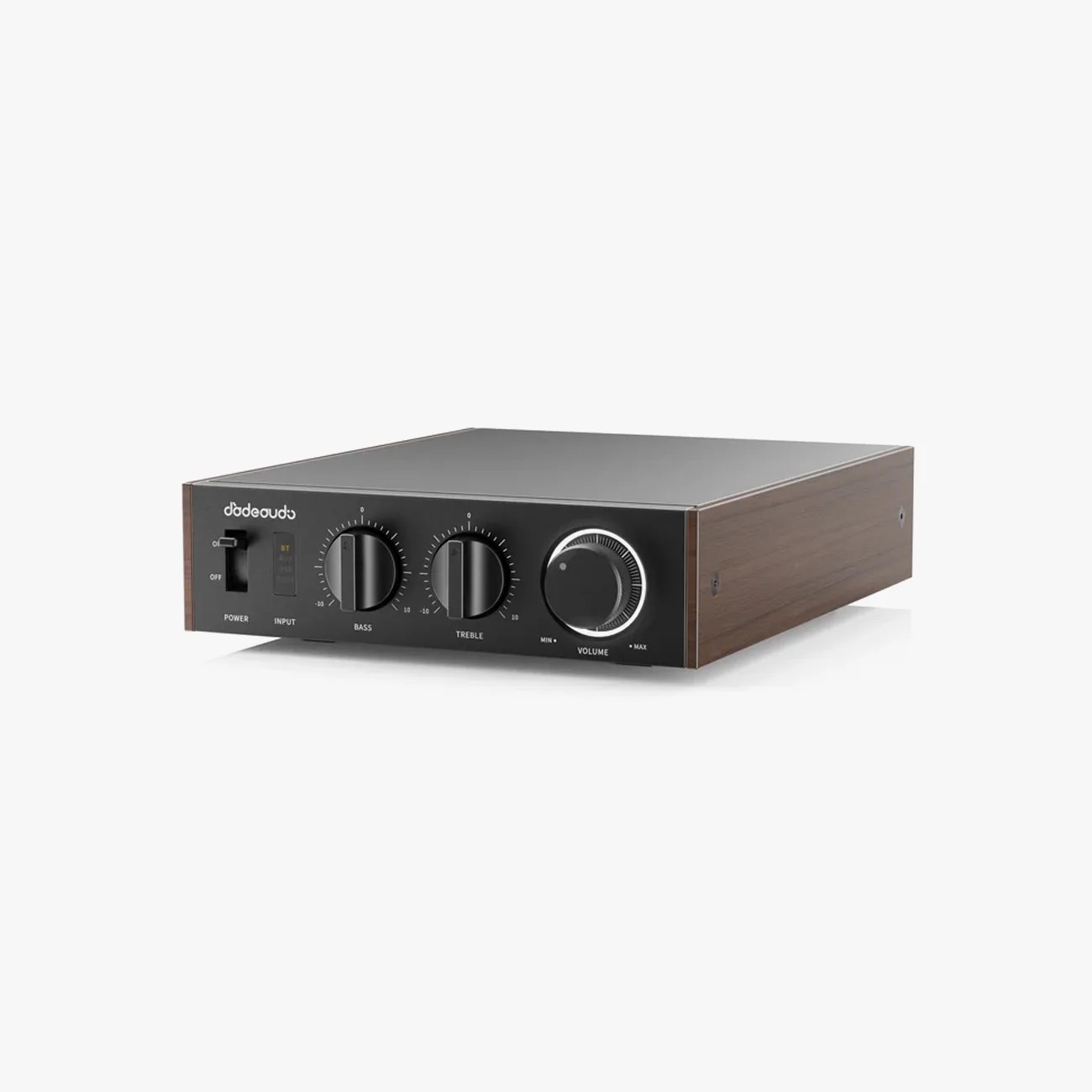 Fiio
FiioFiio Level 1
Fiio’s Level 1 is an integrated amplifier that combines a power amplifier, preamplifier and DAC, as well as both wired and wireless connections, into one compact box that weighs just 1.49 pounds. The amplifier can deliver up to 300 watts per channel (at 4 ohms), which should be more than enough to handle most bookshelf speakers and desktop monitors (and even less demanding floorstanding speakers). And it boasts numerous wired and wireless connections, so you can hook it up to a laptop or desktop, as well as traditional hi-fi sources.
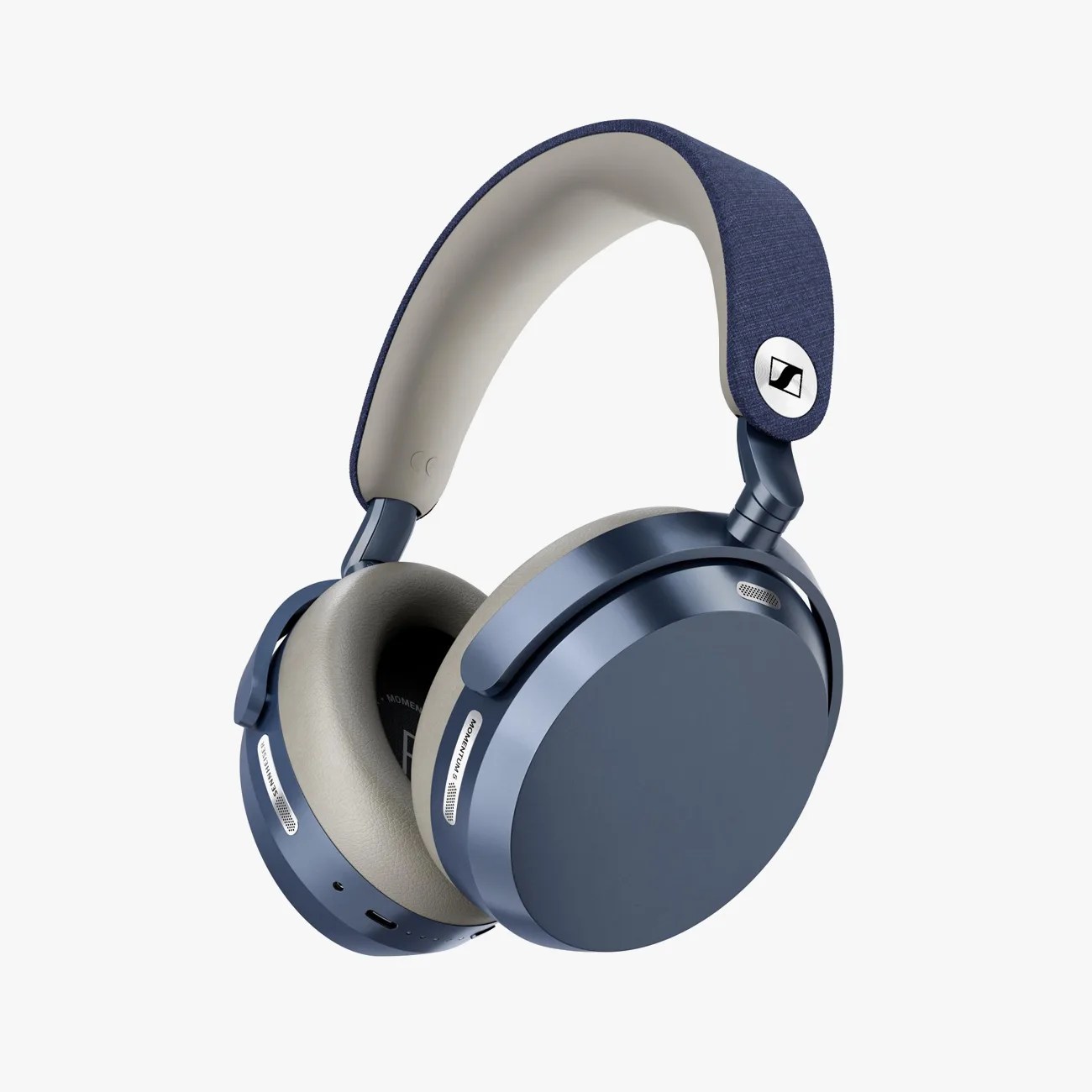 Sennheiser
Sennheiser Momentum 5 Wireless
The Sennheiser Momentum 5 Wireless is the company’s new flagship pair of wireless ANC headphones for 2026. They look quite similar to their predecessors, the 2022-released Momentum 4 Wireless, and even boast the same 42mm transducers, but the company is promising vastly improved performance for the Momentum 5 Wireless. They can play higher-resolution audio and support Dolby Atmos with head-tracking. Thanks to a more advanced processor and more built-in mics, they should have much better ANC and far superior call quality. Maybe most interestingly, the built-in battery is now user-replaceable (with a Phillips-head screwdriver), which should greatly extend the headphones’ lifespan. Available in black, white and blue finishes.
 Tidal Audio
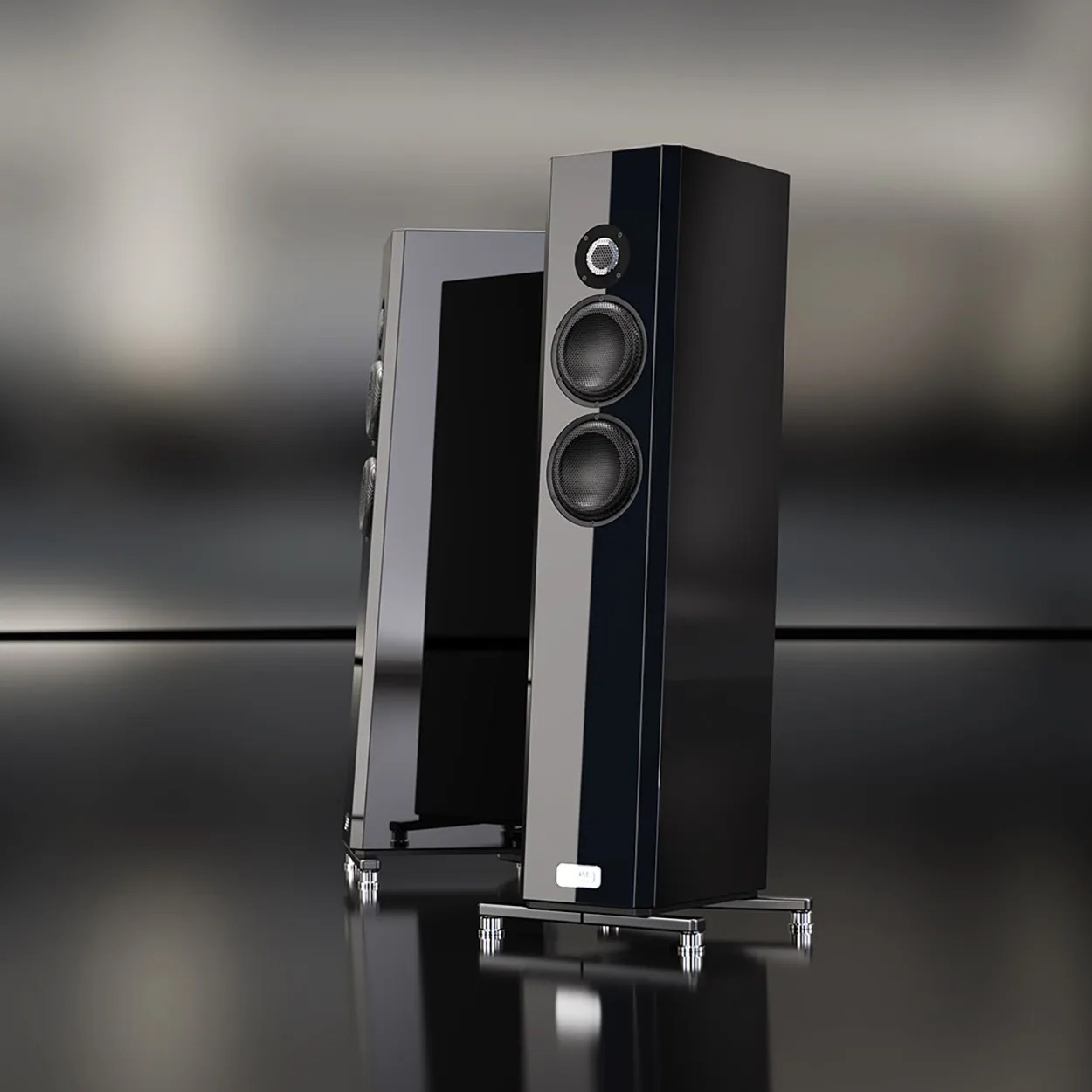
Tidal Piano Classic
Tidal Audio claims that the Piano Classic is a “reinterpretation” of the brand’s original loudspeakers, the 1999-released Piano, as it has the same basic construction and is built with the same design principles. However, it’s been upgraded with new tech and materials. According to the brand, the Piano Classic “comes with the DNA fingerprint of what Tidal is all about: building timeless masterpieces with the unique, crystal clear, and naturally pure sound.”
 Sony
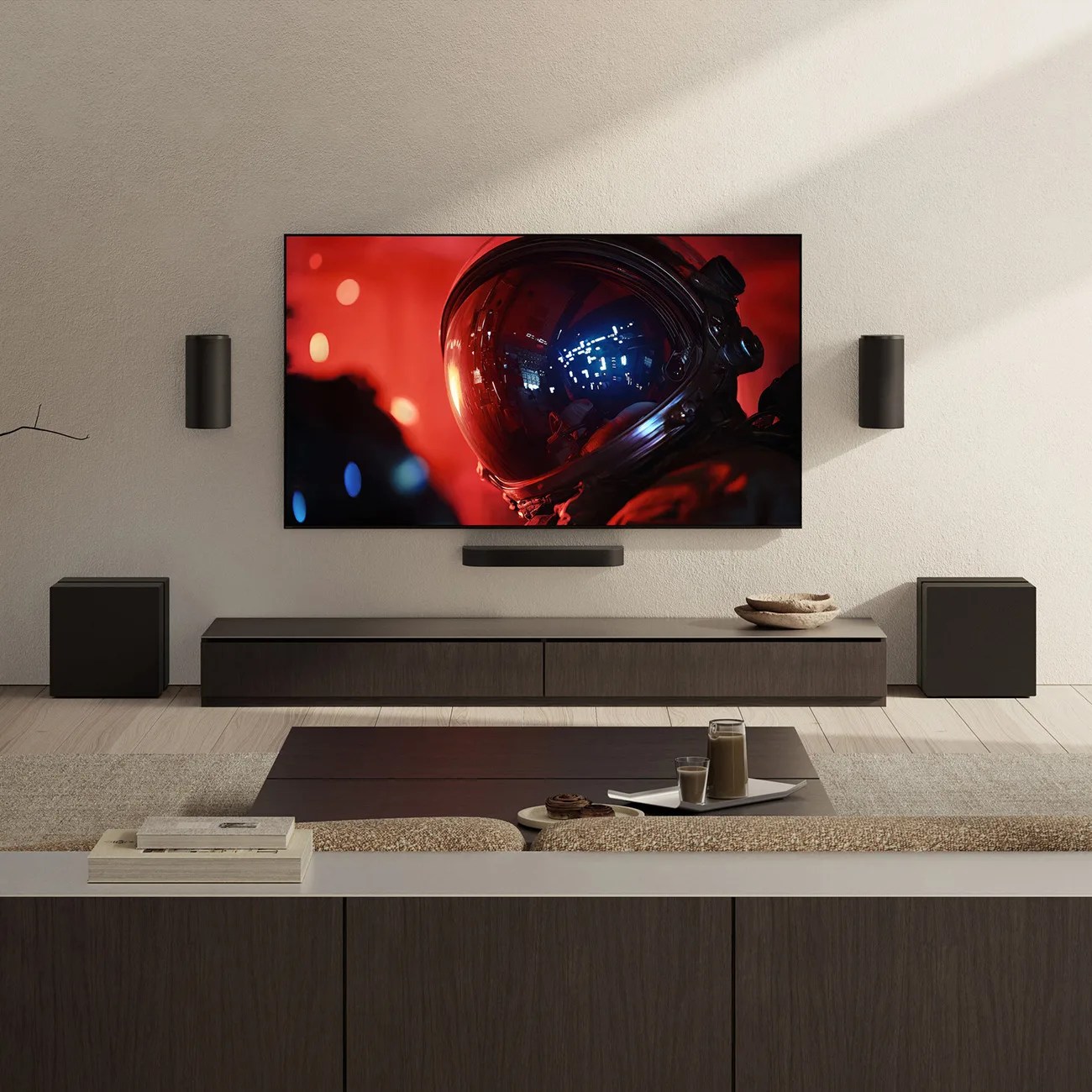
SonySony Bravia Theater Trio
Sony’s Bravia Theater Trio is a set of three speakers: one compact soundbar and two side speakers. It’s positioned as the perfect middle ground between a one-box soundbar and a stereo system, as it’s able to deliver the crisp dialogue of a soundbar along with the wide, immersive soundstage that typically comes from a stereo pair. The three speakers are designed to work with Sony’s latest Bravia TVs, as they support Direct Connect (which allows wireless connection). The system supports the latest immersive technologies, including Dolby Atmos, DTS:X and IMAX Enhanced. Additionally, the Bravia Theater Trio can be expanded into a true surround sound system by integrating Sony’s wireless satellite speakers and subwoofers.
 Luxman
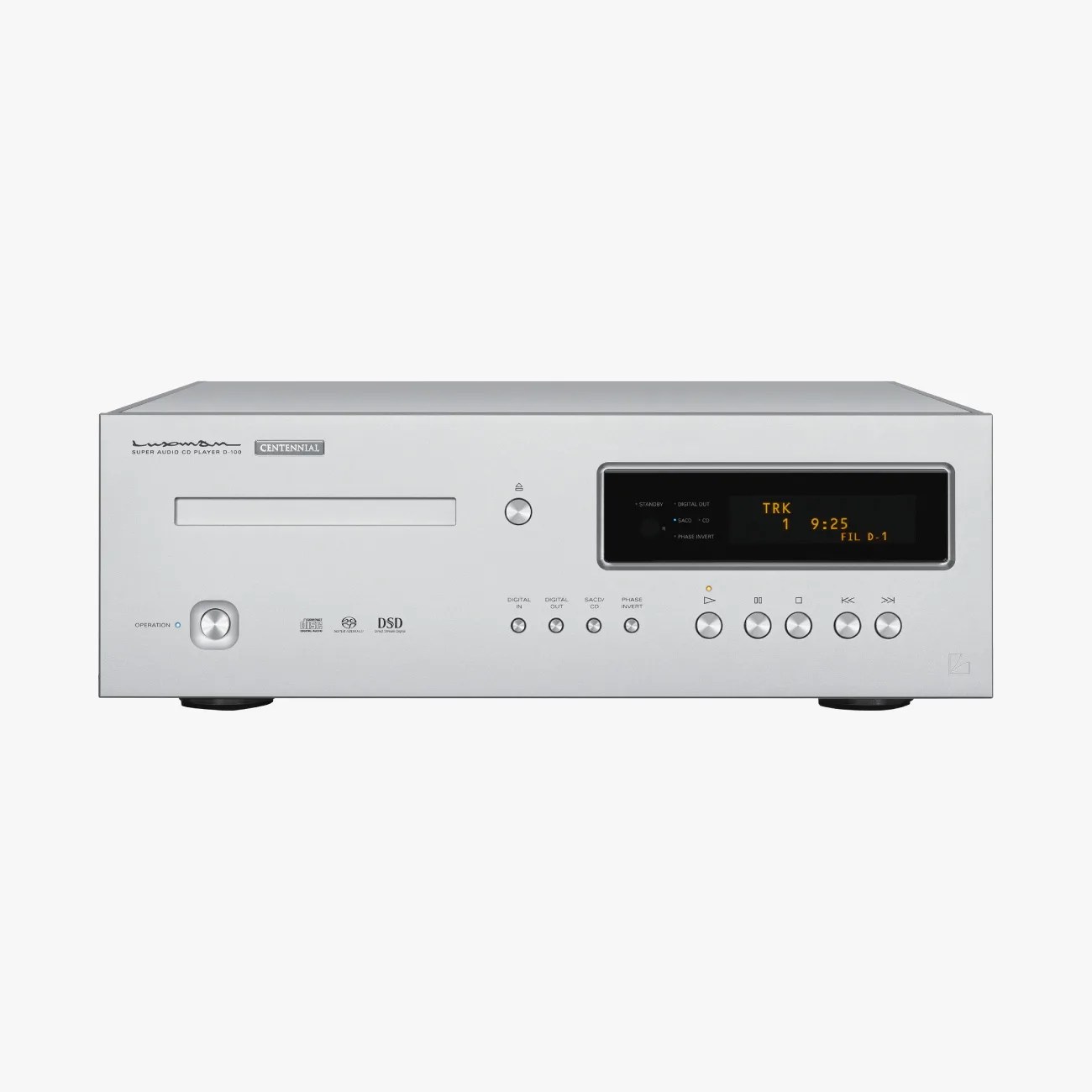
Luxman D-100 Centennial
Luxman’s D-100 Centennial is effectively a new and improved version of the company’s previous flagship CD player, the D-10X, which it has been selling since 2020 and costs around $16,500. Like its predecessor, it can play both CDs and SACDs. However, Luxman has made wholesale changes, completely rebuilding its disc drive, digital circuitry and analog output stage all from the ground up. According to the brand, it marks “a significant evolution in flagship disc-player performance.”
 Andover Audio
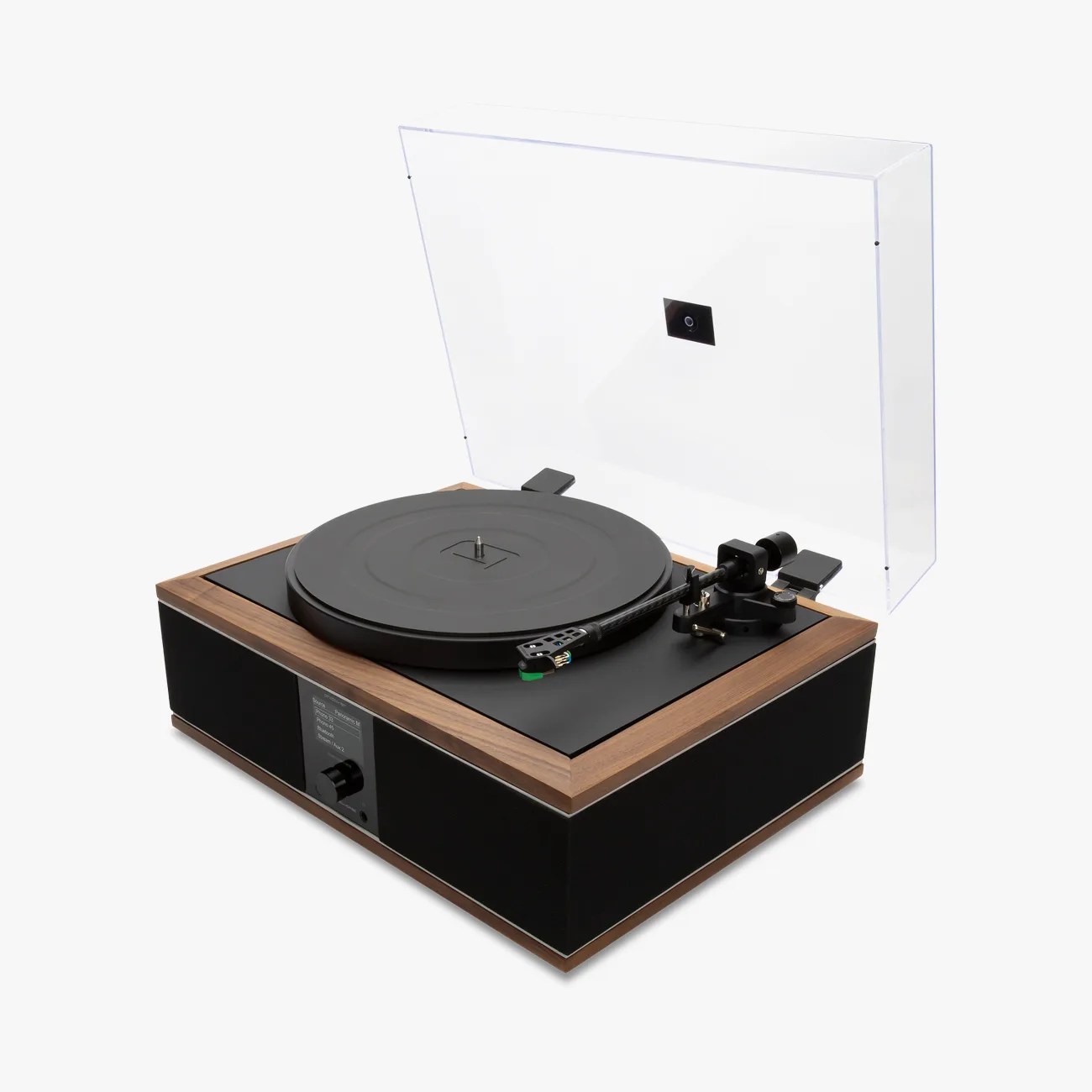
Andover Audio Andover-One MK2
The Andover One MK2 is the brand’s new flagship all-in-one turntable, built in the same image as its 2020 predecessor. It’s built with the same IsoGroove technology, which is a mechanical structure that effectively eliminates most unwanted vibrations. And it’s a complete one-box, hi-fi system that supports Bluetooth streaming (when not listening to vinyl). However, the MK2 has been upgraded with new refinements to improve its sound, usability and integration with other audio systems that you may already have in your home.
 Dali
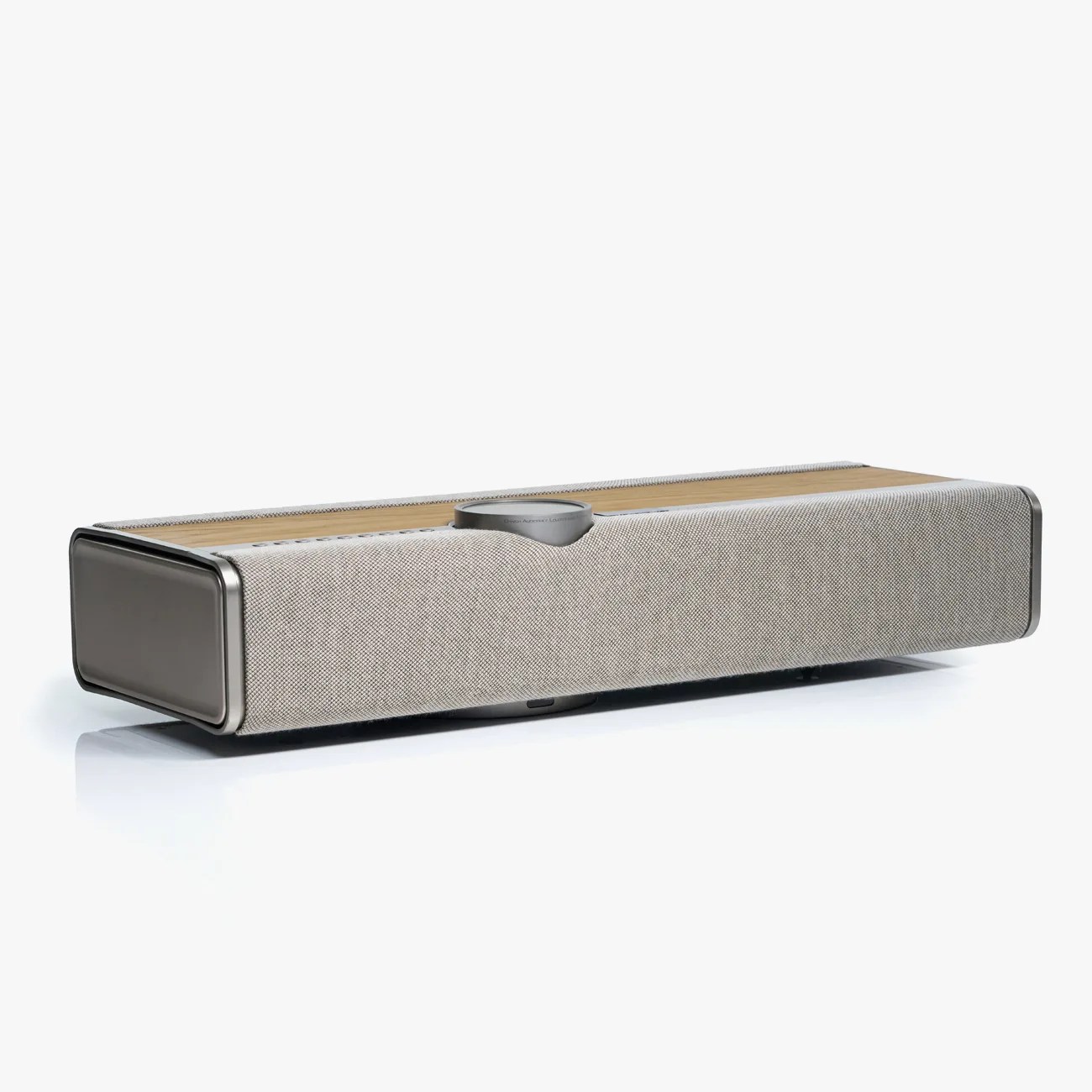
DaliDali Vega
Dali’s Vega is the brand’s first all-in-one wireless speaker system. It features 10 in-house-developed drivers backed by 400 watts of amplification. Additionally, it’s integrated with Dali’s proprietary Adaptive Stereo Enhancement (ASE) technology, which helps it create a wider, more expansive soundstage than you’d expect from a single speaker. The Vega supports Bluetooth and Wi-Fi streaming, as well as a wide range of wired connections (so you can use it as a speaker for your turntable or TV). According to the brand, the Vega “redefines what is possible from a single-box wireless sound system.”
 Bang & Olufsen
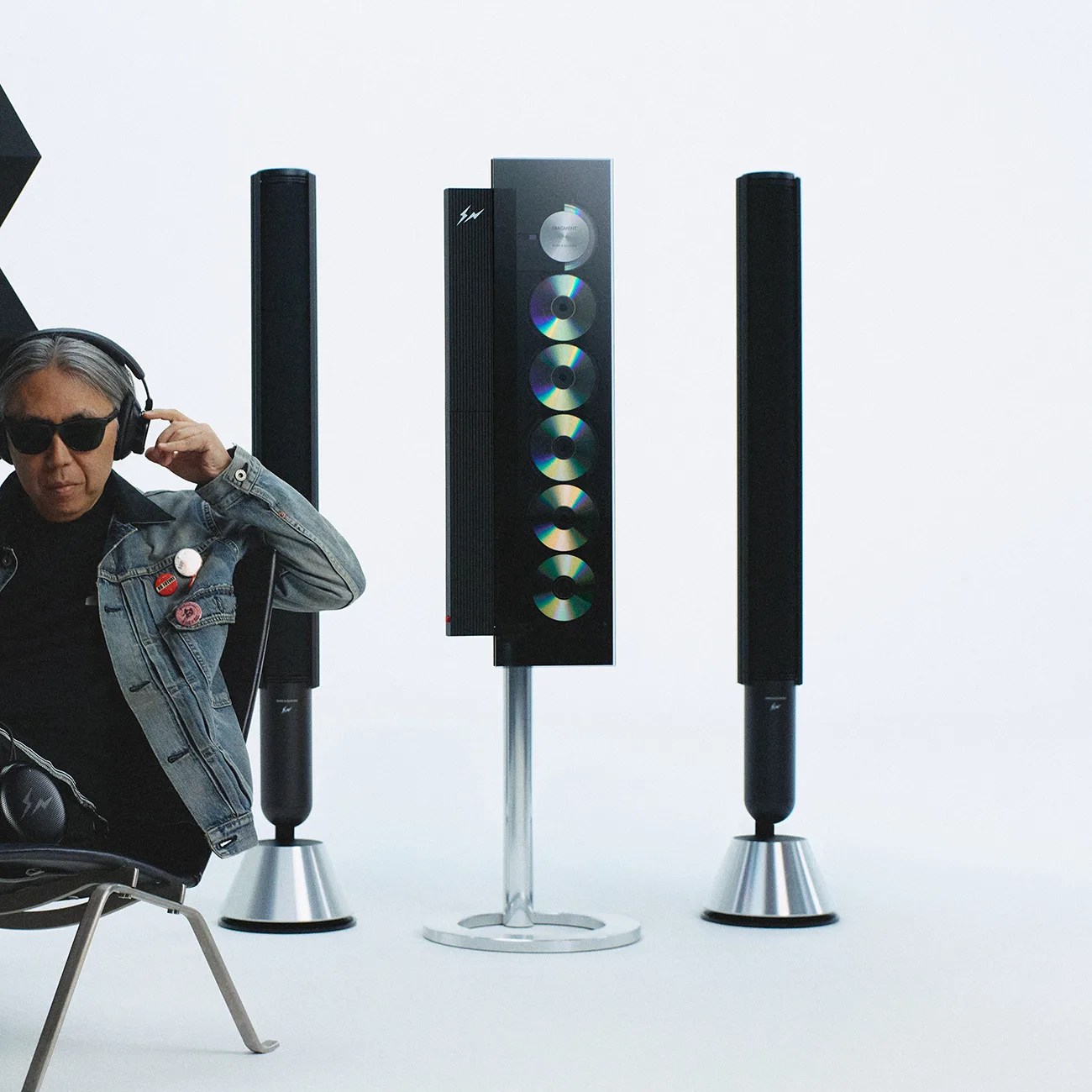
Bang & Olufsen Beosystem 9000c (Fragment Edition)
Bang & Olufsen teamed up with Fragment Design, one of Japan’s most influential design brands, to create a special-edition version of the Beosystem 9000c that was released in 2024. It’s the same music system as before, comprising a refurbished version of the brand’s iconic Beosystem 9000 CD player, paired with a set of the brand’s Beolab 28 wireless speakers. This special-edition version features matte-black surfaces with glossy natural aluminum and adds Fragment’s distinctive lightning bolt logo. While the original costs $55K, this model is considerably more expensive.
 Sony
SonySony 1000X The ColleXion
Sony’s 1000X The ColleXion is the brand’s new flagship pair of noise-canceling headphones, released to celebrate the 10-year anniversary of the first 1000X Series headphones, the MDR-1000X, introduced in 2026. You can think of these new models as a more luxurious version of the 1000XM6,as they are similar in the vast majority of ways but are made with more premium materials, including soft vegan leather and metal accents. Sony says they “represent the most refined expression of Sony’s headphone design, combining premium materials, refined craftsmanship, and exceptional comfort.”
 Schiit Audio
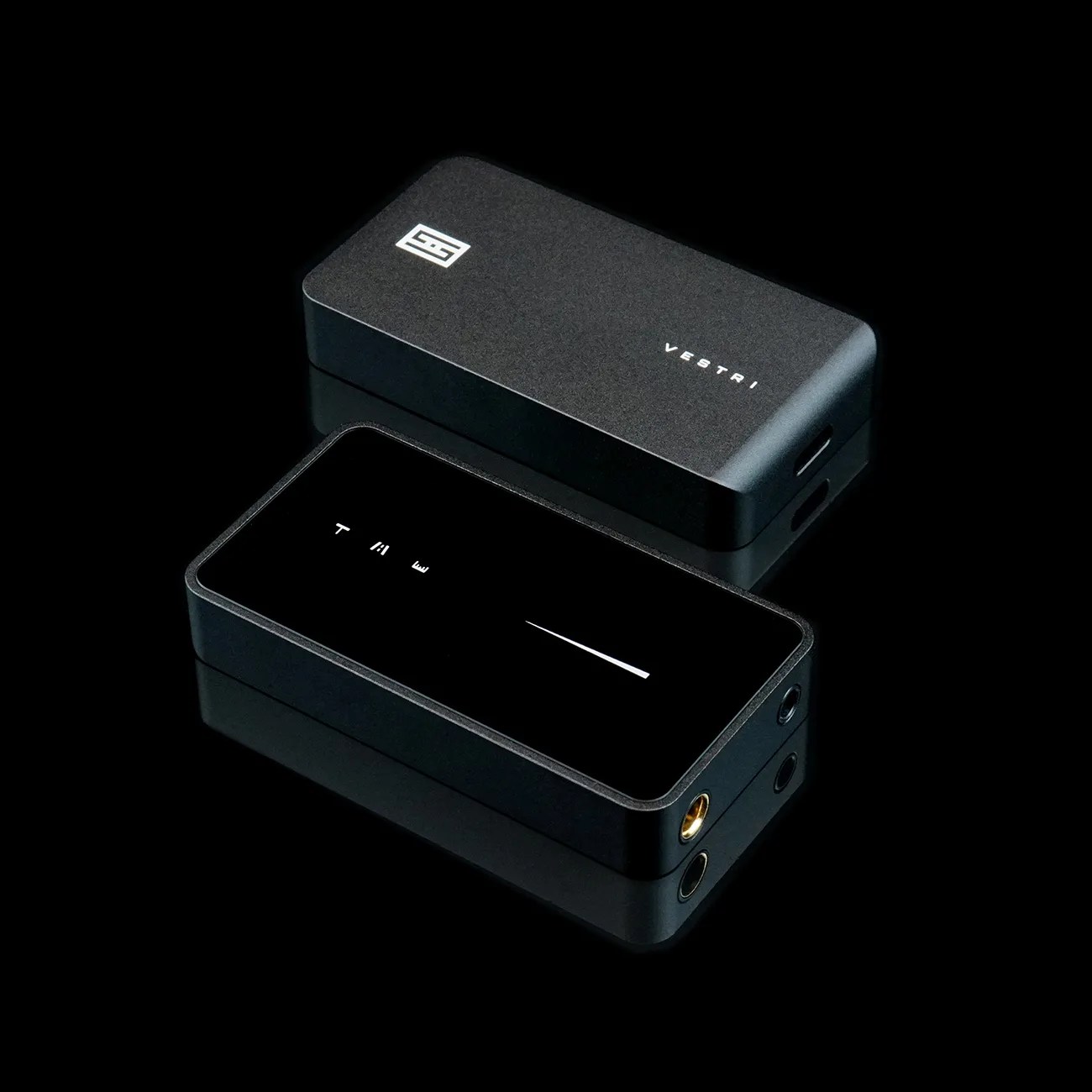
Schiit Audio Vestri
The Vestri is a portable DAC and headphone amplifier that connects to your smartphone, laptop or tablet via USB-C and makes your wired headphones sound way better. It’s notable for a few reasons. First, the Schiit Audio’s first-ever portable hi-fi gadget. Secondly, it’s different from other portable DAC/amps because it’s integrated with the brand’s exclusive Mesh conversion technology, which combines a time- and frequency-domain-optimized digital filter with an on-board DAC. According to Schiit, this results in “sonic performance far above its peers.”
 Campfire Audio
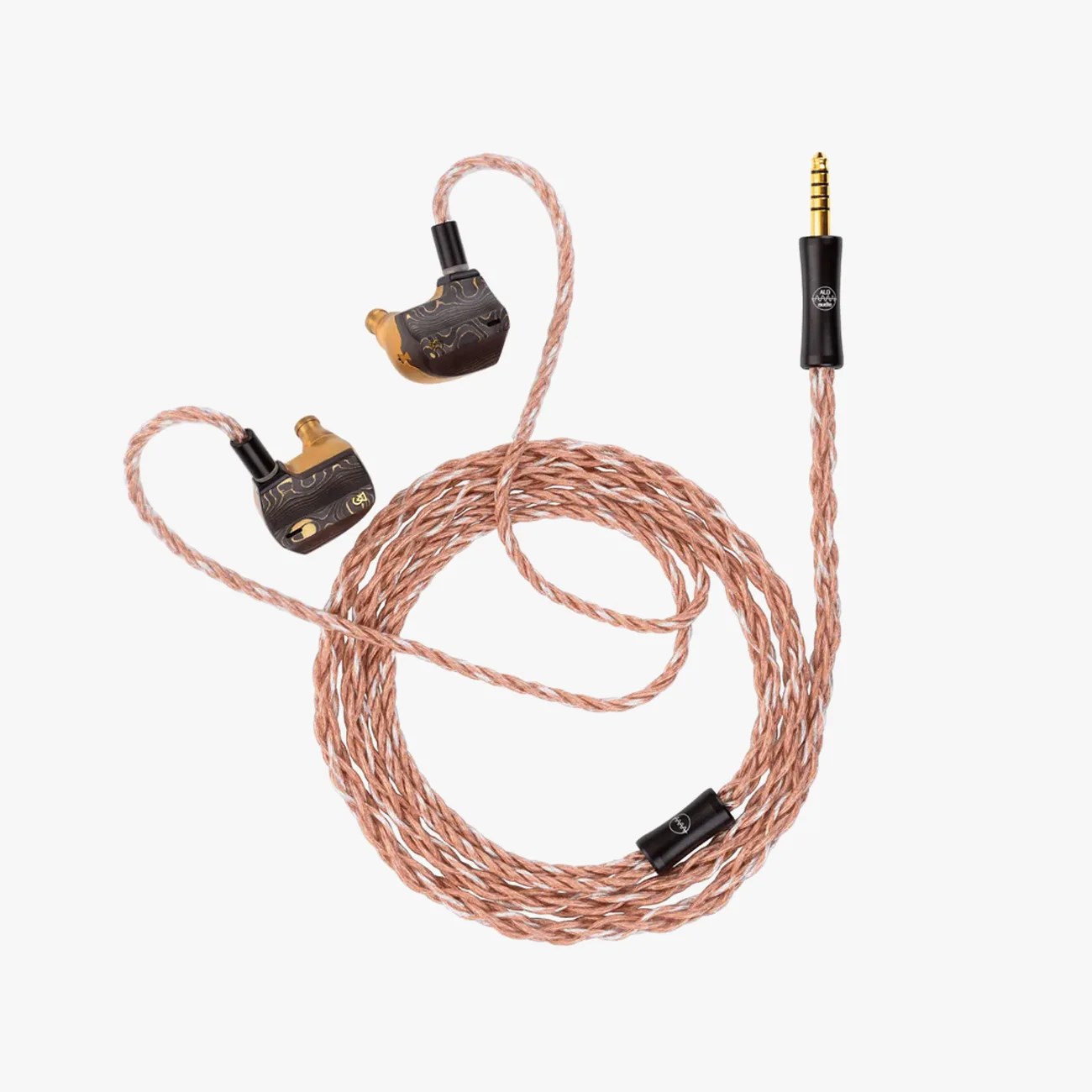
Campfire Audio Chimera
The Chimera is the Portland-based audio maker’s most high-end and expensive pair of in-ear monitors. Each earbud features a unique nine-driver architecture that combines four distinct driver technologies: dynamic, balanced armature, electrostatic and bone conduction. (In fact, it’s the first time Campfire Audio has incorporated a conduction driver and embedded it directly into its CNC-machined magnesium shell.) The result, according to the brand, “is a listening experience that is both highly detailed and physically engaging.” The Chimera ships with an ALO Audio Valence-6 cable featuring four high-purity copper conductors and two 50/50 copper-silver-plated conductors.
 Denon
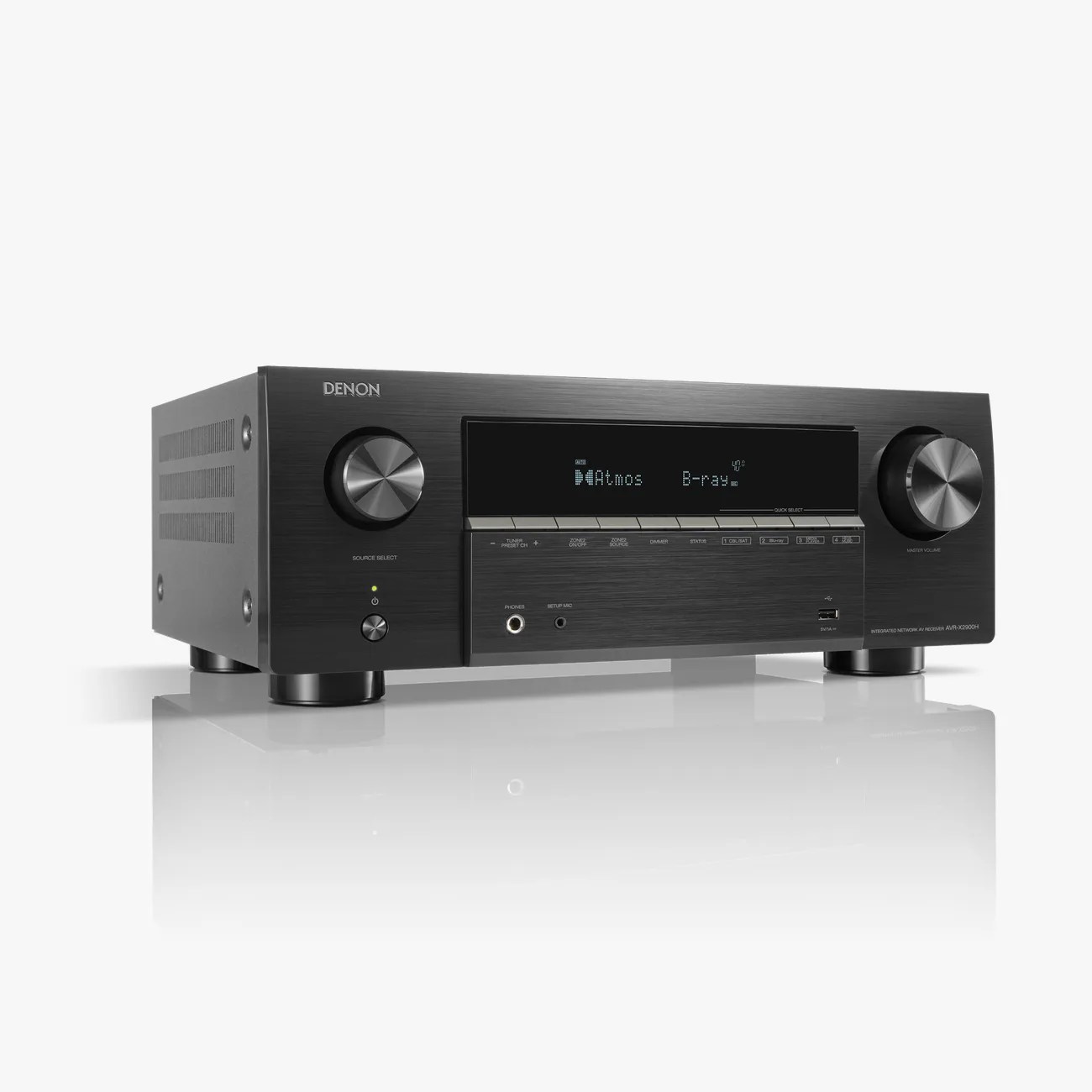
DenonDenon AVR-X2900H
The Denon AVR-X2900H is an advanced AV receiver in the company’s midrange X-Series; it’s quite similar to the Denon AVR-X3900H, but slightly less powerful and supports fewer channels. It’s a 7.2-channel AVR that can deliver up to 95 watts (at 8 ohms) per channel. Denon describes it as “a clear step up for home theater enthusiasts ready to move beyond entry-level sound.”
 Denon
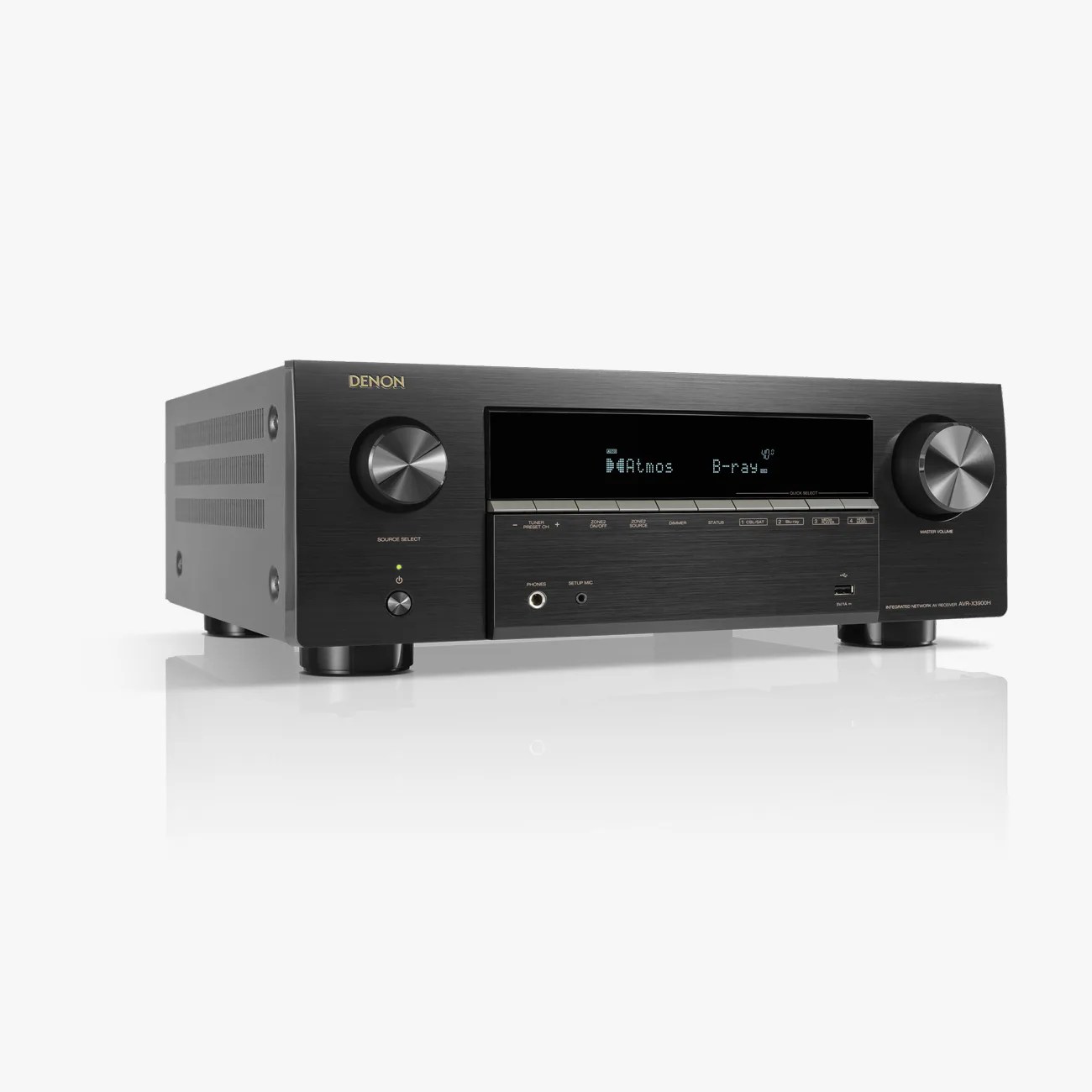
DenonDenon AVR-X3900H
Denon’s AVR-X3900H is one of the most advanced AV receivers in the brand’s midrange X-Series. It’s a 9.4-channel AVR that’s capable of delivering up to 105 watts (at 8 ohms) per channel. It has four independent subwoofer outputs, too, making it geared towards more advanced home theaters and professionally designed systems. According to the brand, it’s designed for those who “want more power, more precision, and more control from their home theater systems.”
 Fosi Audio
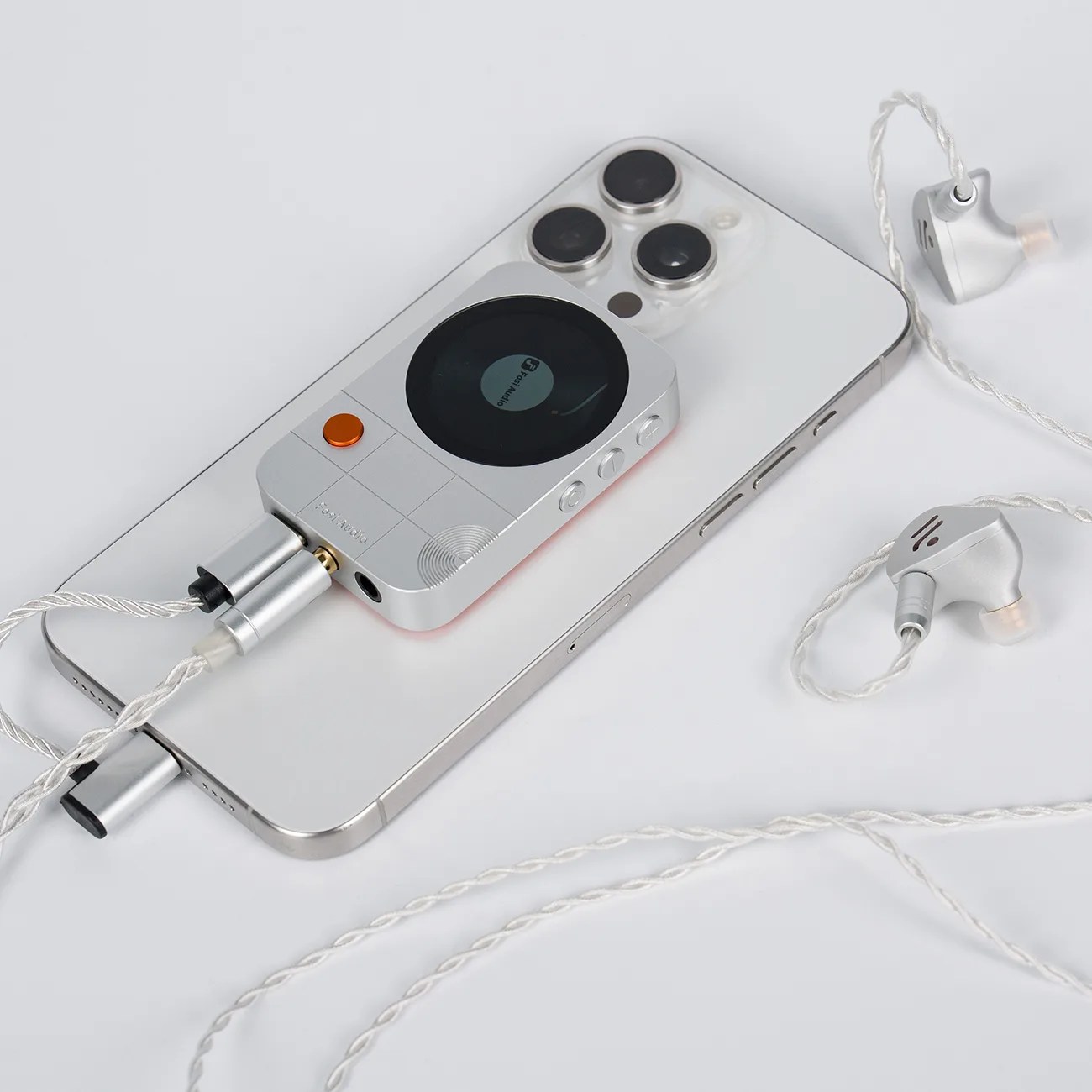
Fosi Audio MD3 MagDAC
The MD3 MagDAC is a portable DAC and headphone amplifier that magnetically snaps to the back of your iPhone. It pairs an ESS ES9039Q2M DAC chipset with four ESS ES9603 headphone amplifier chips in a true balanced circuit design. It features both 3.5 mm (single-ended) and 4.4 mm (balanced) headphone outputs, offering up to 180 mW of output power via the balanced connection. And there’s a 1.28-inch LCD touchscreen for adjusting settings; plus, users can upload custom images to display and add some personal flair. According to the brand, the MD3 MagDAC is “designed for listeners seeking high-quality wired audio wherever they go.”
 Noble Audio
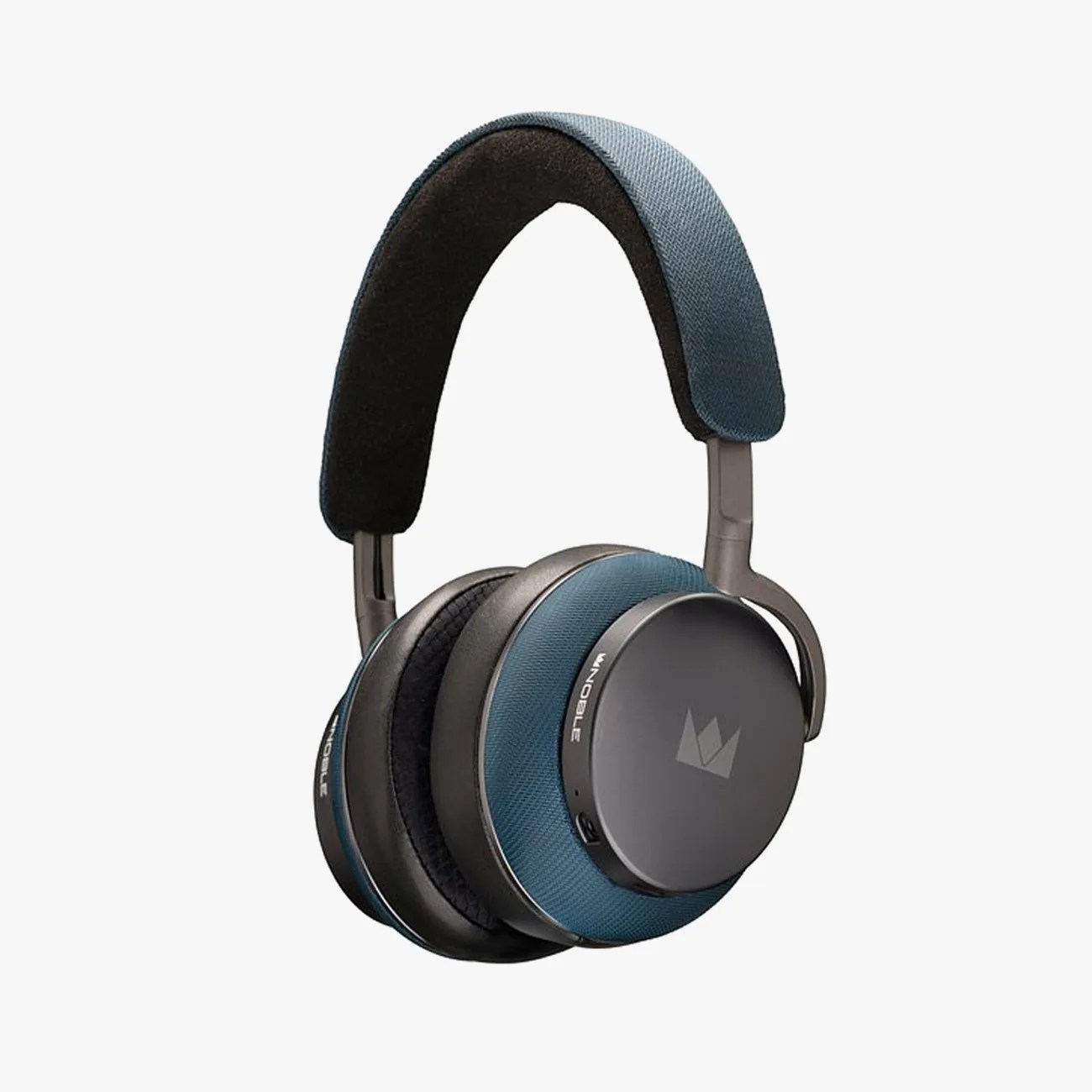
Noble Audio FoKus Apollo Pro
Noble Audio has introduced a higher-end (or “Pro”) version of its FoKus Apollo wireless noise-canceling headphones, released in late 2024 and priced at $649. The FoKus Apollo Pro are quite similar to its non-Pro siblings, featuring the same unique hybrid driver (dynamic and planar magnetic) arrangement and the same active noise-canceling technology. The primary difference with the Pro headphones is that they’re made with higher-end materials, including fabric finishes, revised gunmetal accents and upgraded fabric cabling. The brand hasn’t specified how many, but claims that only a “limited-run” of the Apollo Pro will be released.
 Marshall
Marshall Milton A.N.C
Marshall’s Milton A.N.C is a pair of on-ear active noise-canceling headphones. Just like the brand’s other offerings, these headphones are designed in the same image as its iconic guitar amps: all-black with brass details. Other than this signature look, the Milton A.N.C. boasts an impressive “up to 50-hour” battery life with ANC turned on (or 80 hours with ANC off). They are also “Find My” compatible with both Apple’s and Google’s smartphones. At $280, they’re the company’s most affordable noise-canceling headphones that it sells.
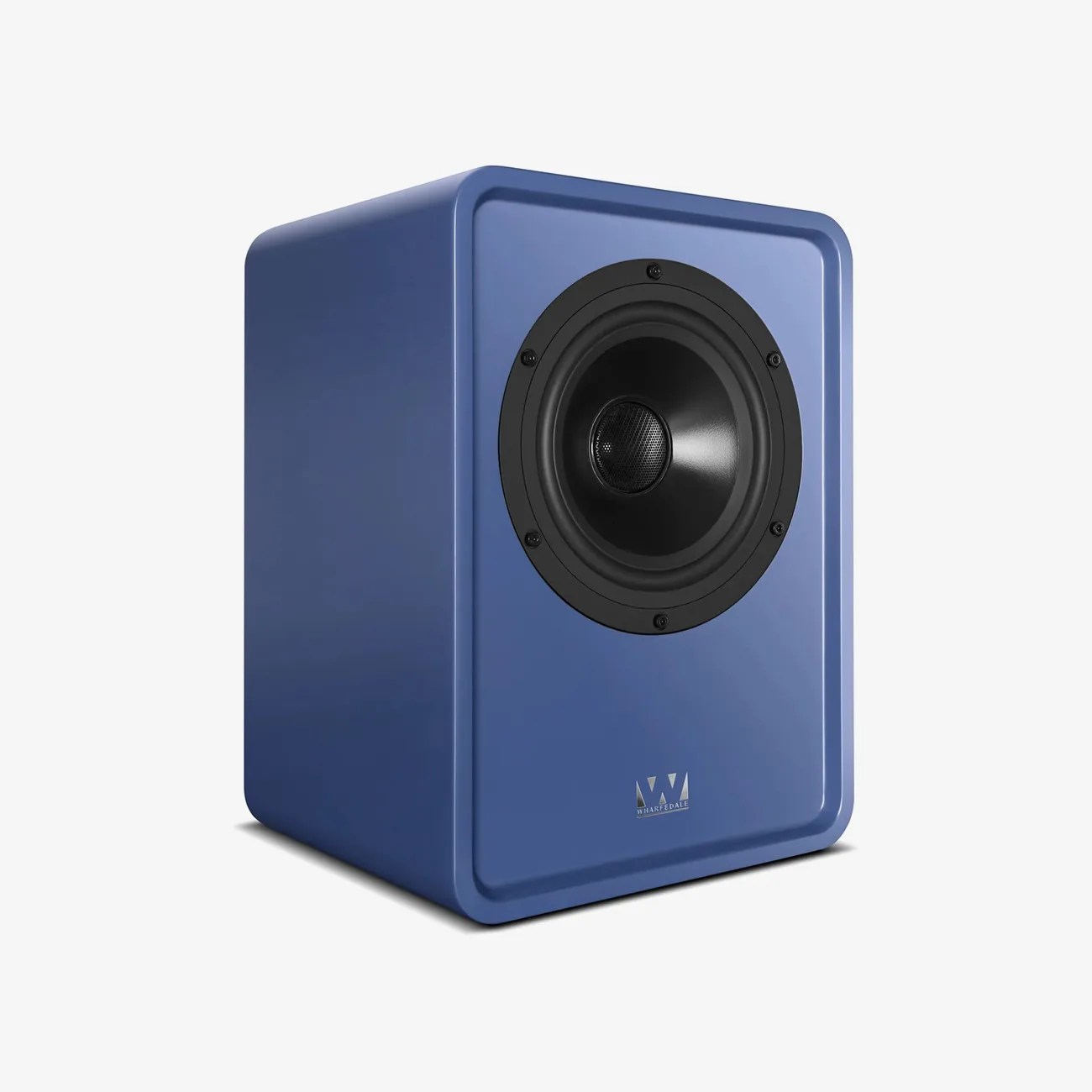 Wharfedale
Wharfedale Denton 1S
Wharfedale’s Denton 1S are new, reimagined versions of the company’s original Denton 1 bookshelf speakers, which were released in 1974. Like the originals, the Denton 1S have a modern design (curved cabinets) and a unique coaxial driver, which positions the tweeter inside the mid-woofer unit, making it appear like a single driver. But each speaker has been re-engineered from the ground up. According to the brand, they reinterpret “what a compact, modern hi-fi loudspeaker can be.”
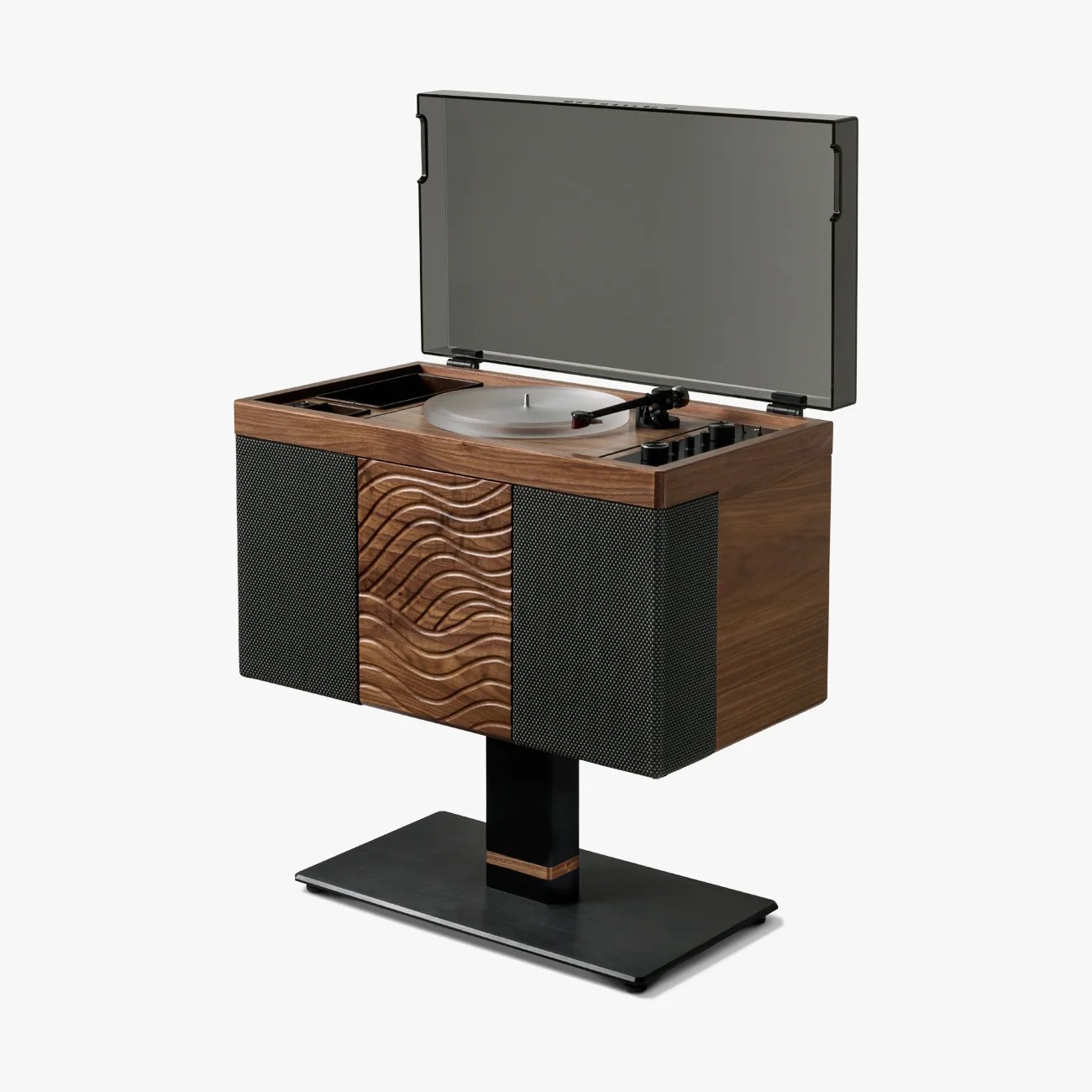 Wrensilva
Wrensilva Studio
Wrensilva’s Studio is a modern record console that’s essentially a smaller (and more affordable) version of the company’s previous record consoles, including the $19,000 M1 and $15,000 The Standard. It’s an all-in-one hi-fi system that can play your favorite vinyl records and stream your favorite music over Wi-Fi (via Sonos multiroom) or Bluetooth. It’s also a beautifully designed statement piece.
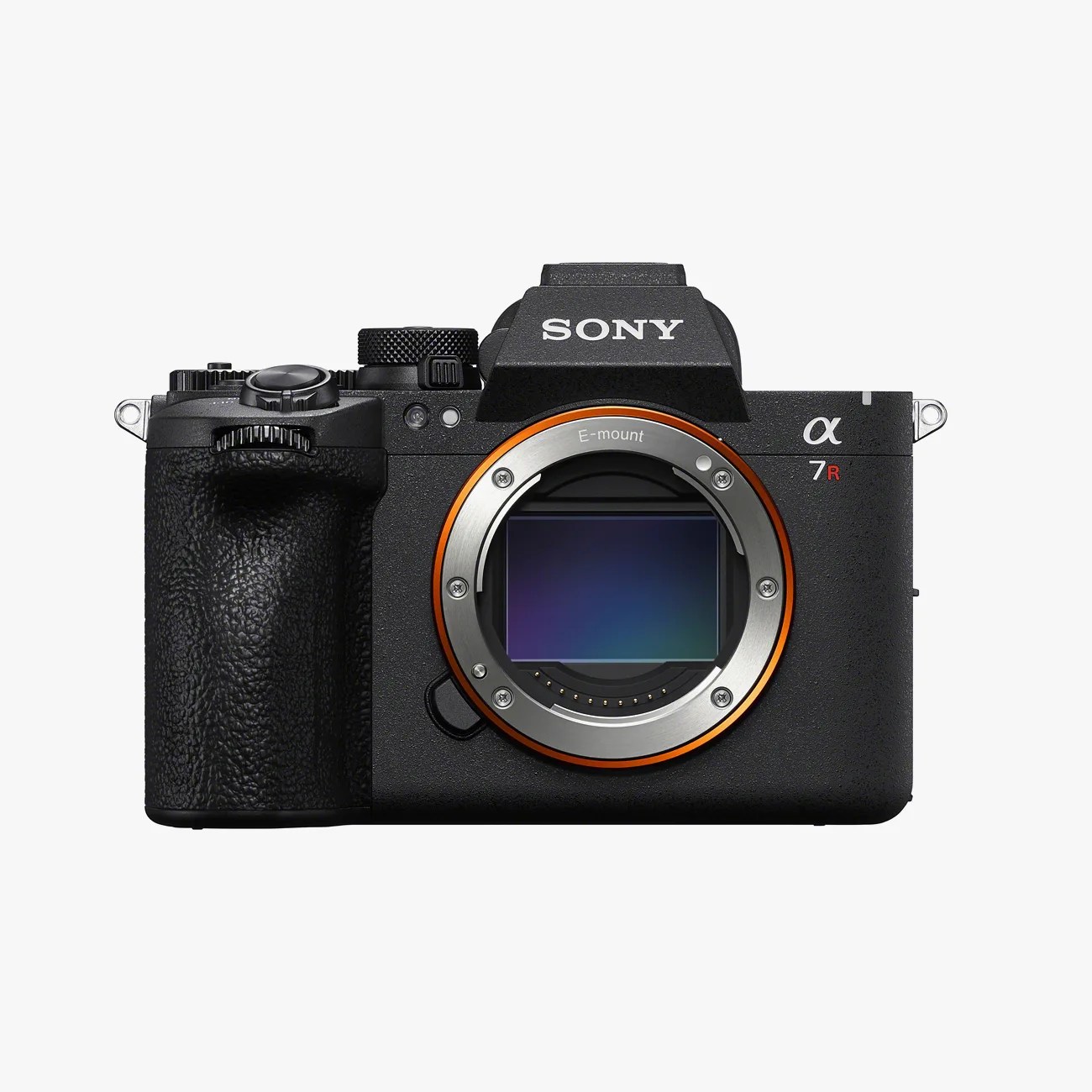 Sony
SonySony A7R VI
The Sony A7R VI is the company’s highest-resolution mirrorless camera to date. It features a fully stacked, full-frame 67-megapixel sensor (making it the first A7R model to have a fully-stacked sensor) with up to 16 stops of dynamic range. Paired with a faster Bionz XR2 processor, the company claims that it results in “exceptional resolution, accurate color, and reliable performance across subjects ranging from people in motion to wildlife to expansive landscapes.”
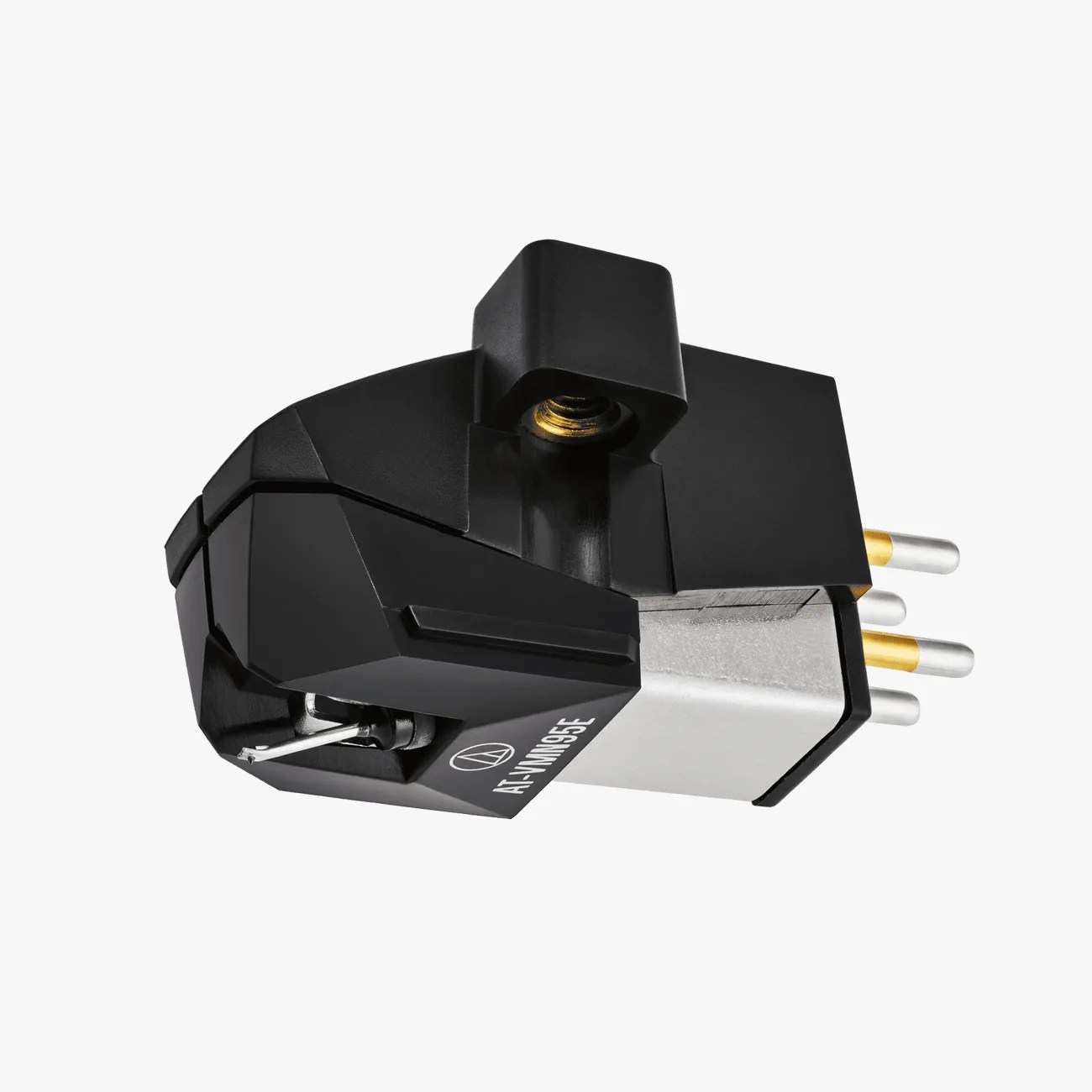 Audio-Technica
Audio-Technica AT-VM95EBK
The Audio-Technica AT-VM95EBK is the newest addition to the brand’s VM95 series of entry-level phono cartridges. In fact, it’s actually the same moving-magnet phono cartridges as the brand’s existing AT-VM95E, but instead of green, it comes in a refined black finish. According to the brand, AT-VM95EBK brings “the proven VM95 Series engineering into a clean black design, featuring a 0.3 x 0.7 mil elliptical stylus and specially wound coils that deliver a 4.0 mV output with excellent channel separation and low distortion.”
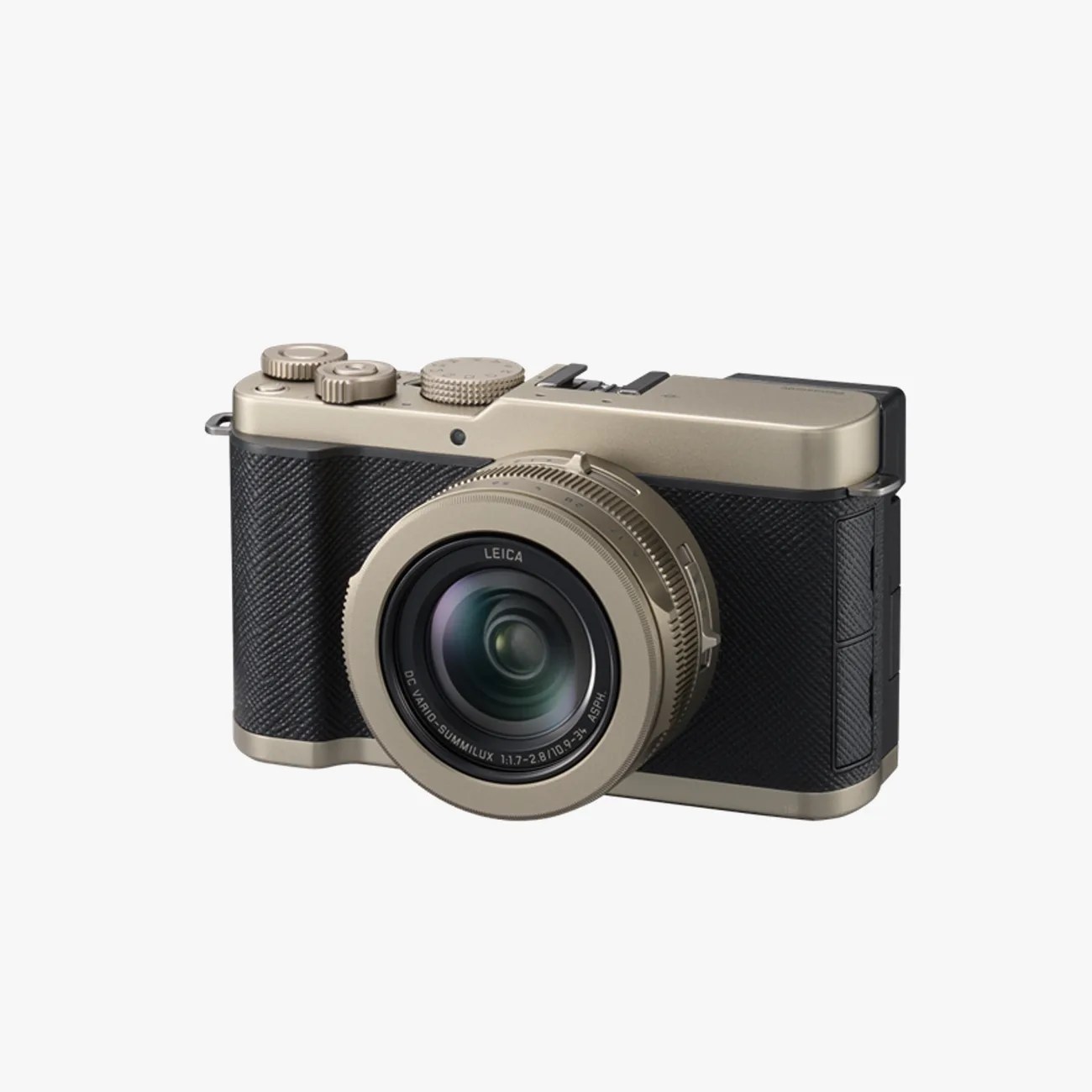 Panasonic
Panasonic Lumix L10
Panasonic’s Lumix L10 is a compact fixed-lens camera released to commemorate the 25th anniversary of the Lumix brand. It features the same 20.4-megapixel Micro Four Thirds sensor as in the company’s Lumix GH7. Plus, it packs a hybrid phase-detect autofocus system and comes with a fixed Leica DC Vario-Summilux 24-75mm (f/1.7-2.8) zoom lens. According to the brand, its “tactile controls and balanced design creates a seamless shooting experience, enabling photographers to capture moments freely, without distraction, particularly suited for street, travel and everyday photography.”
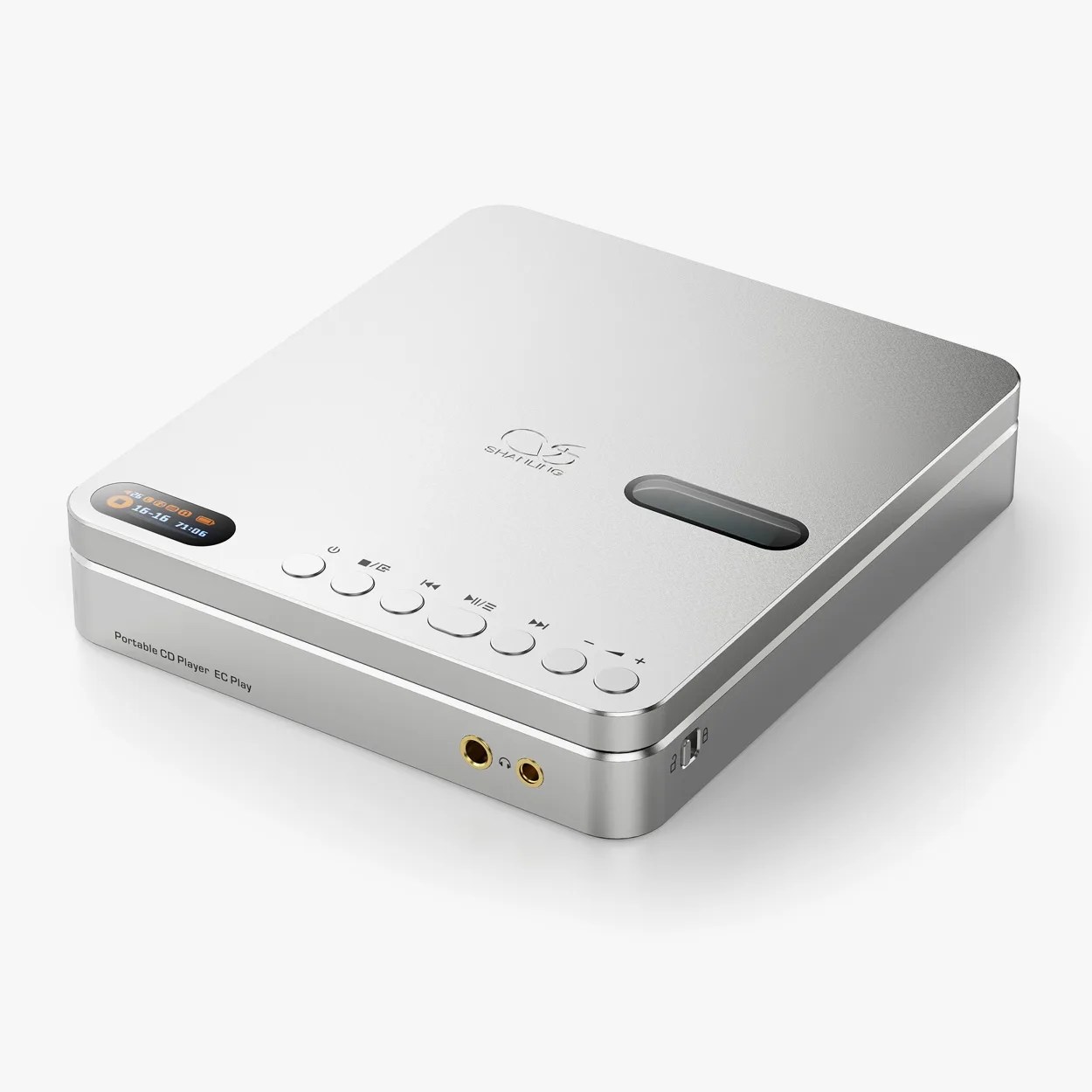 Shanling
Shanling EC Play
The Shanling EC Play is a new-age Discman built in the same vein as the brand’s other portable speakers. According to the brand, it “combines the nostalgia of CDs with modern wireless and high-resolution audio features.” Its main “modern” feature is support for two-way Bluetooth. So if you don’t want to use wired headphones, it can stream music to your wireless headphones or a Bluetooth speaker.
 Garmin
Garmin Forerunner 70 and Forerunner 170
Garmin’s Forerunner 70 and Forerunner 170 are the brand’s new entry-level running watches for 2026 (they replace Forerunner 55 and Forerunner 165). The two models look identical, featuring the same 43mm case, 1.2-inch AMOLED touchscreen display, and five physical buttons. And both have the same sensors and support the same 80+ exercises (both individual workouts and team sports). That said, the Forerunner 170 is the slightly higher-end model. It adds NFC (for mobile payments), a built-in altimeter (for more accurate elevation tracking), and Garmin’s more advanced coaching features. On the flip side, the Forerunner 70 has slightly better battery life, which lasts up to 13 days (versus 10 days).
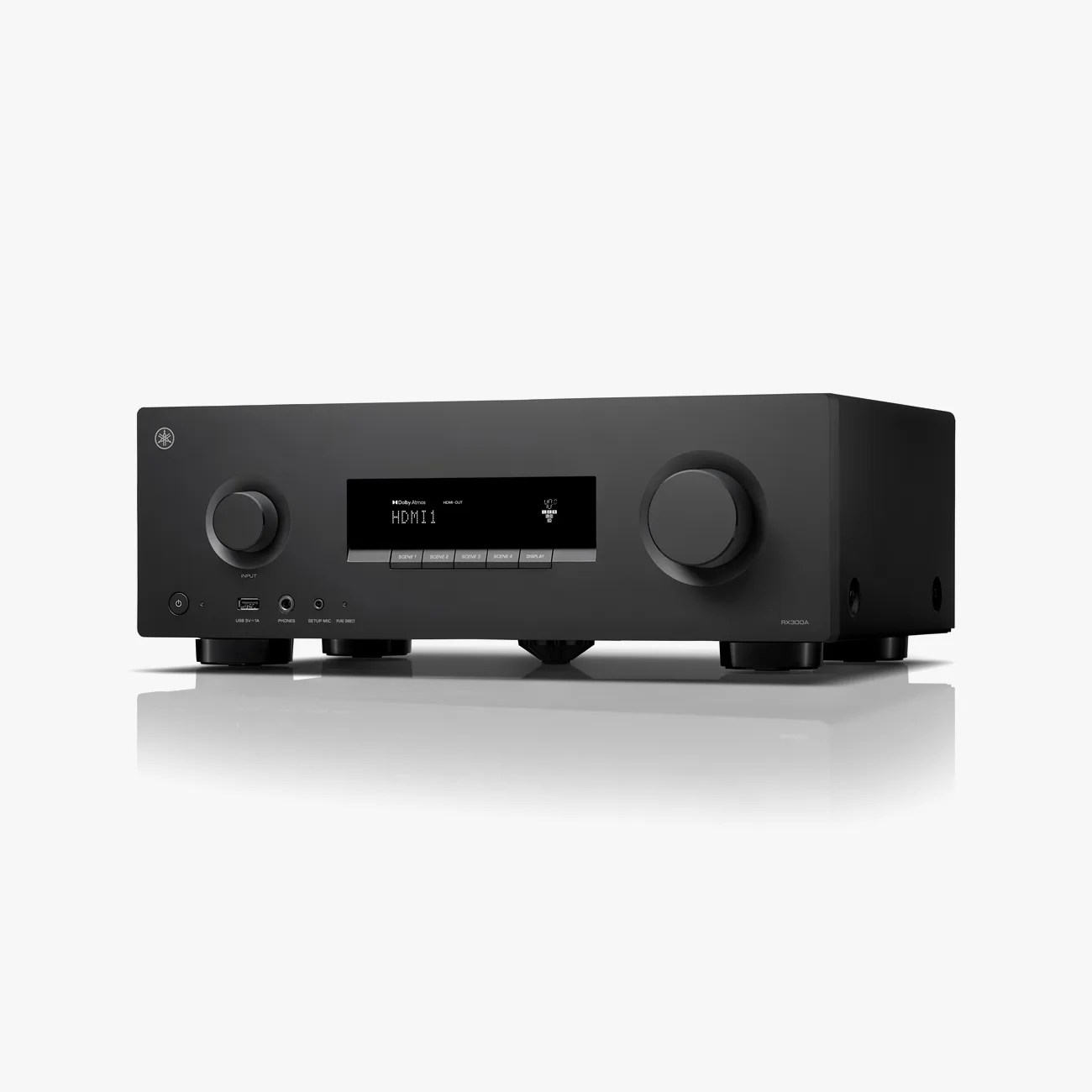 Yamaha
Yamaha RX300A
The Yamaha RX300A is a 5.2-channel AV receiver that’s the direct successor to the company’s previous entry-level model, the RX-V385, but boasts a fresh look (a cleaner front panel with fewer buttons) and contemporary features, including support for flexible Dolby Atmos speaker configurations. According to the brand, this includes “3.2.2-channel with up-firing or in-ceiling height speakers, as well as 5.2-channel with virtual height processing.”
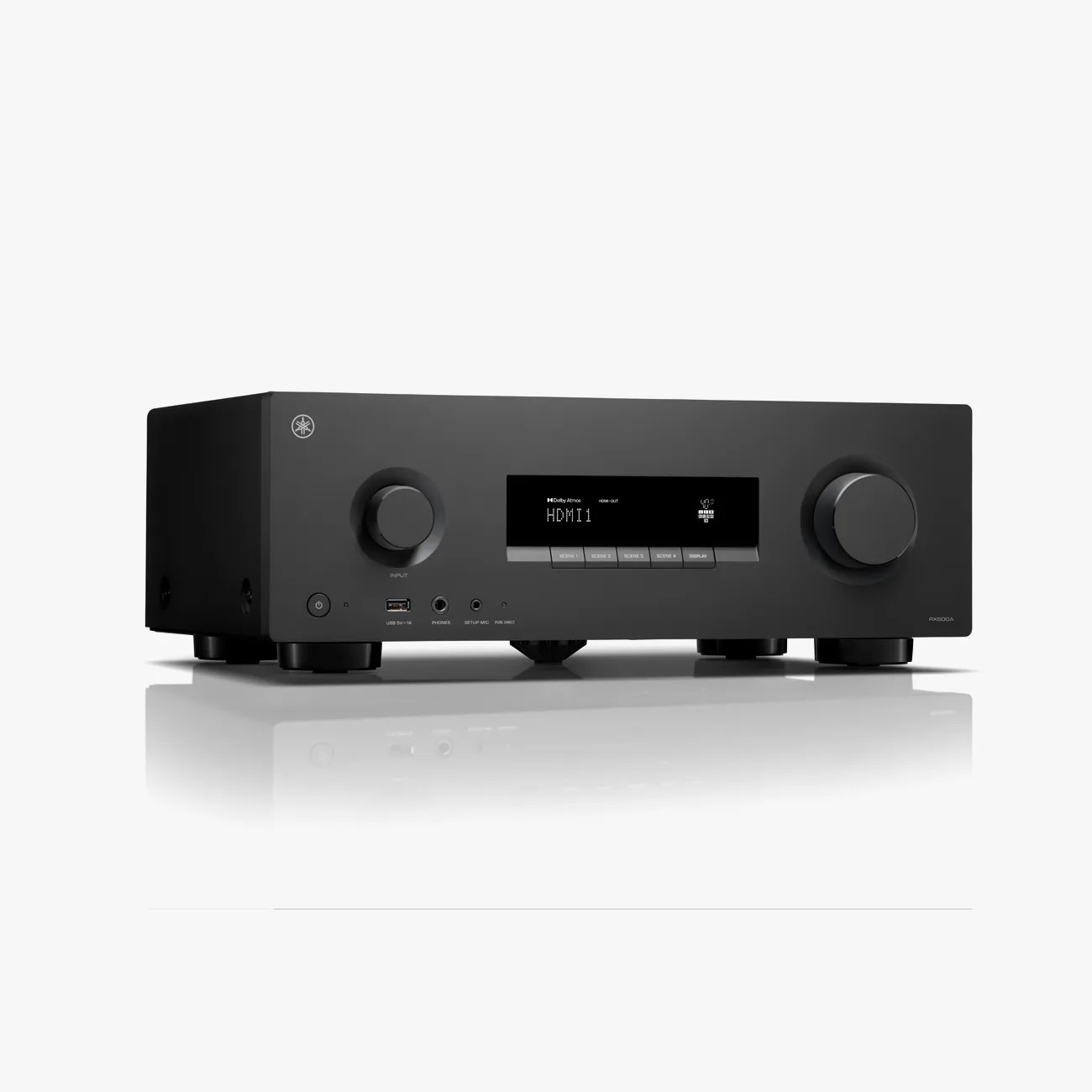 Yamaha
Yamaha RX500A
The Yamaha RX500A is an entry-level AV receiver that’s positioned as the “next step up” from the company’s RX300A. It looks almost identical, but delivers more power, supports Wi-Fi streaming and supports a more complex surround-sound system. It’s a 7.2‑channel AV receiver that can support in‑ceiling, up‑firing, and virtual layouts.
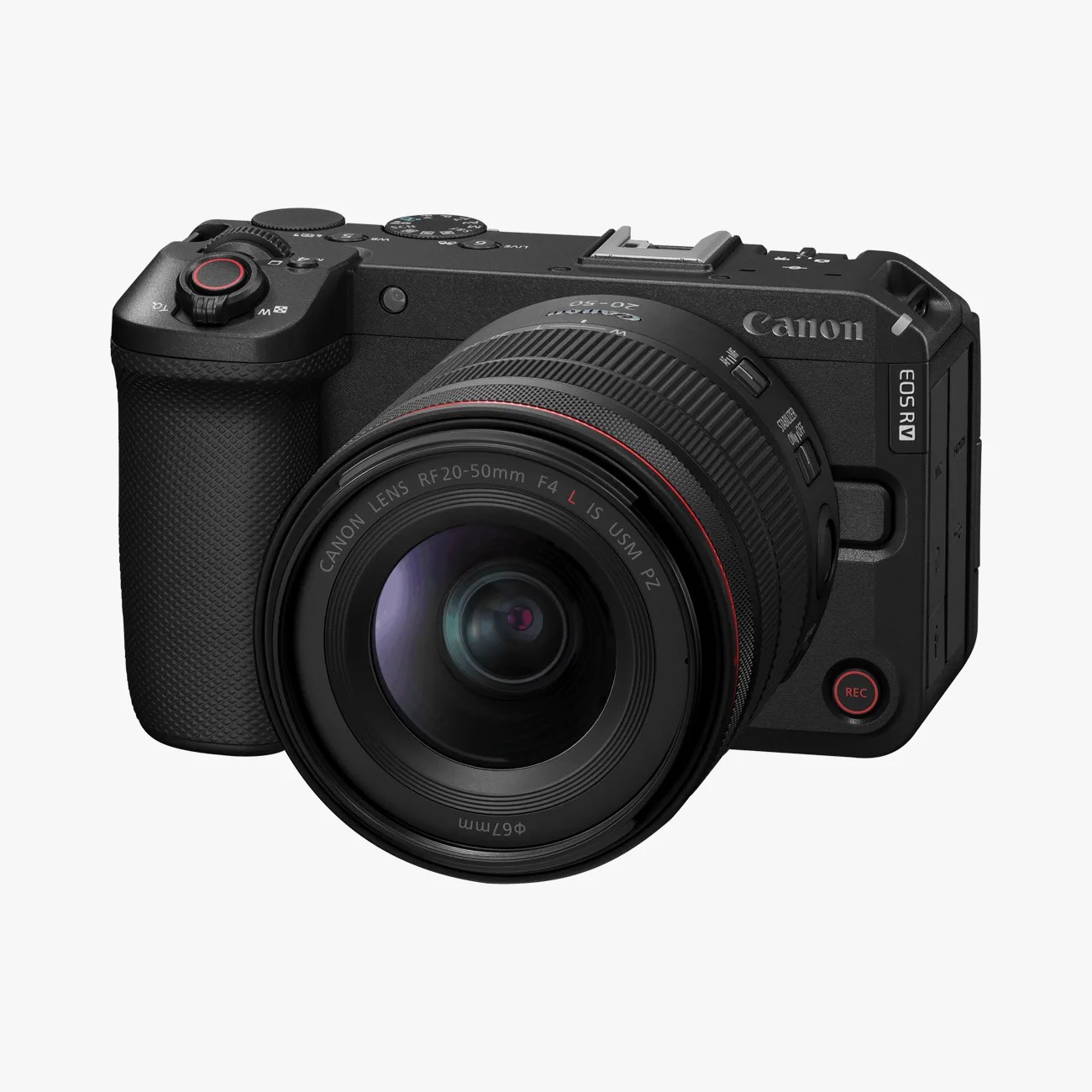 Canon
CanonCanon EOS R6 V
Canon EOS R6 V is the company’s first full-frame camera that’s squarely aimed at vloggers. It inherits the same 32.5-megapixel sensor used in the EOS R6 III ($2,799), as well as the same 7K/60p RAW video shooting capabilities. However, it lacks the electronic viewfinder in favor of a lighter design. According to the brand, the R6 V is “designed for creatives who capture video on a daily basis who want control, operability, and reliability, with limited creative constraints.”
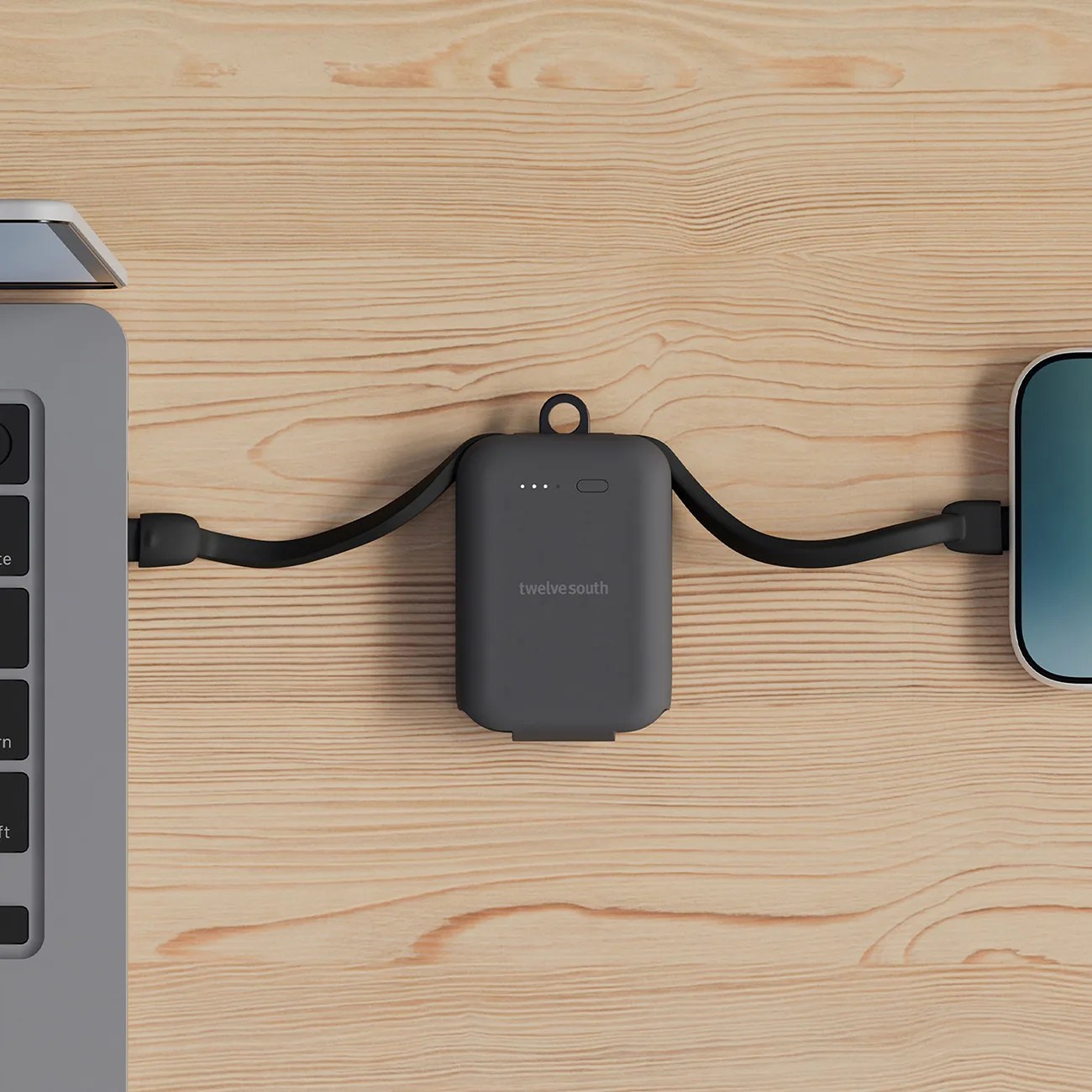 Twelve South
Twelve South PowerClip
Twelve South’s PowerClip is a ultracompact portable power bank that’s about the size of an AirPods Pro case. It has a 2000mAh capacity, meaning it can charge most smartphones from zero to around 30-percent. It’s also integrated with two USB-C charging cables, one of which supports passthrough power. This means you can use it to draw power from a larger device (like MacBook) to simultaneously recharge the PowerClip and charge a secondary device (like an iPhone). Lastly, it has a built-in ring and an attachable carabiner, so you can clip in onto a keychain or zipper. Twelve South offers the PowerClip in five different colors.
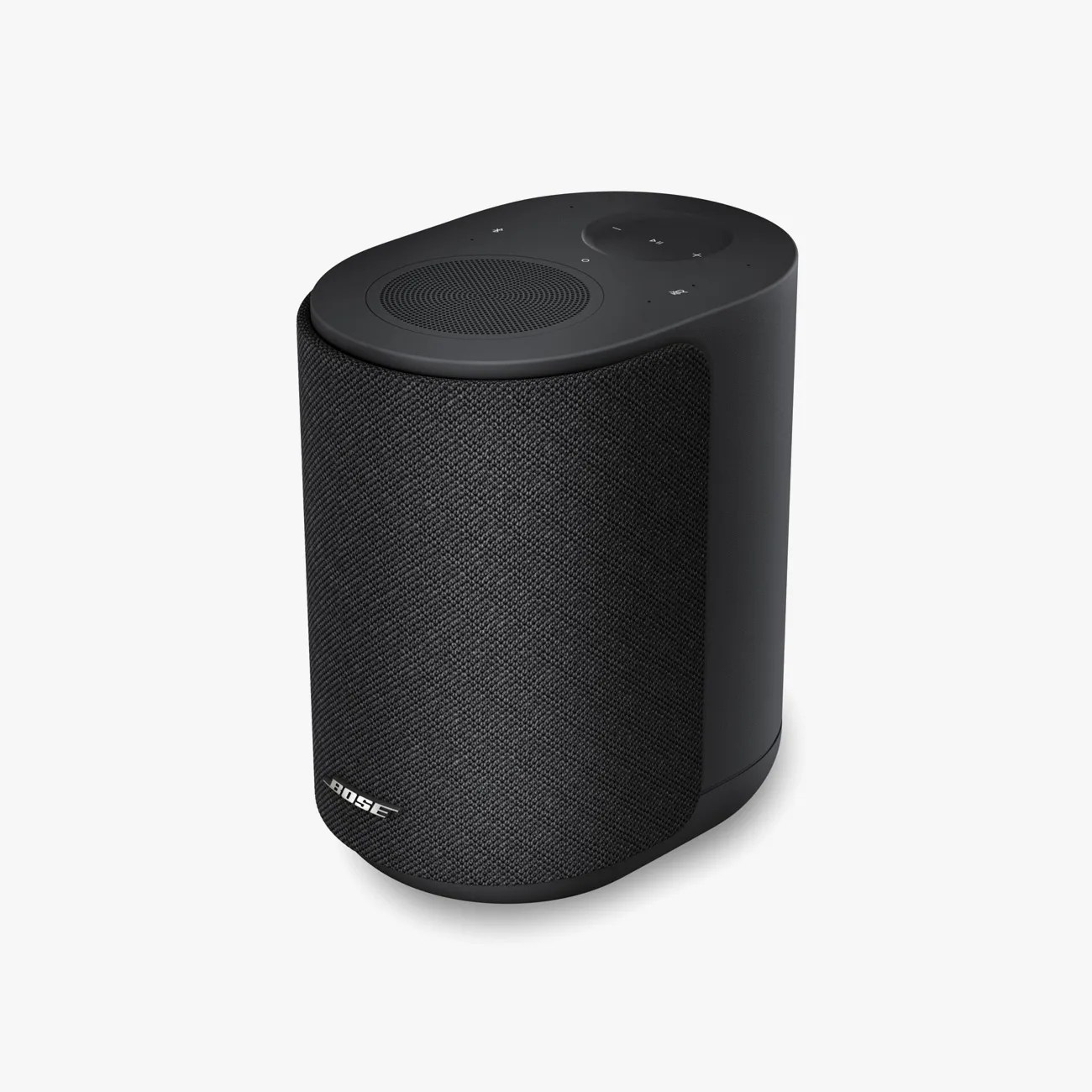 Bose
BoseBose Lifestyle Ultra Speaker
The Bose Lifestyle Ultra Speaker is the company’s new entry-level smart speaker with Wi-Fi and Bluetooth streaming capabilities. It also has an auxiliary jack, so you can use it as a wired speaker with a computer or turntable. As a standalone mono speaker, it features two front-firing and one up-firing driver. For the best stereo experience, you can configure two in a stereo pair. In Sonos terms, it can best be described as a hybrid between the Era 100 ($219) and Era 300 ($449) smart speakers.
 Google
Google Fitbit Air
The Fitbit Air is a screenless wearable designed in a similar mold to Whoop. Instead of working like an extension of your smartphone, it simply tracks your health metrics and sends them to Google’s all-new Health app (which replaces the Fitbit app). It features multiple sensors (including heart rate, accelerometer/gyroscope, infrared SpO2 and skin temperature) and supports haptic feedback for alarms. As for battery life, Google claims it can last a week on a single charge. Unlike Whoop, the Fitbit Air doesn’t require a subscription. But with one, you get access to an AI-powered health coach, which can help plan customized workout and nutrition plans.
 reMarkable
reMarkable Paper Pure
The reMarkable Paper Pure is the company’s most affordable e-ink tablet to date. As the successor to the 2020-released reMarkable 2, the Paper Pure is a 10.3-inch digital notebook that’s designed to mimic the experience of writing and drawing on paper. It shares similar features to its pricier siblings, in that it comes with an active stylus and boasts a 3-week battery life, but it’s a monochrome tablet so you can’t write or draw in color.
 Devialet
Devialet Phantom Ultimate (Roland-Garros Exclusive Edition)
Ahead of the French Open, Devialet has introduced special-edition versions of its flagship wireless speakers. They’re the same Phantom Ultimate wireless speakers released in fall 2025, but with clay red accents inspired by the tournament’s signature clay courts. Like before, they come in two different versions: the larger Phantom Ultimate 108dB and the smaller Phantom Ultimate 98dB. Naturally, these special-edition versions are a little pricier than the standard models.
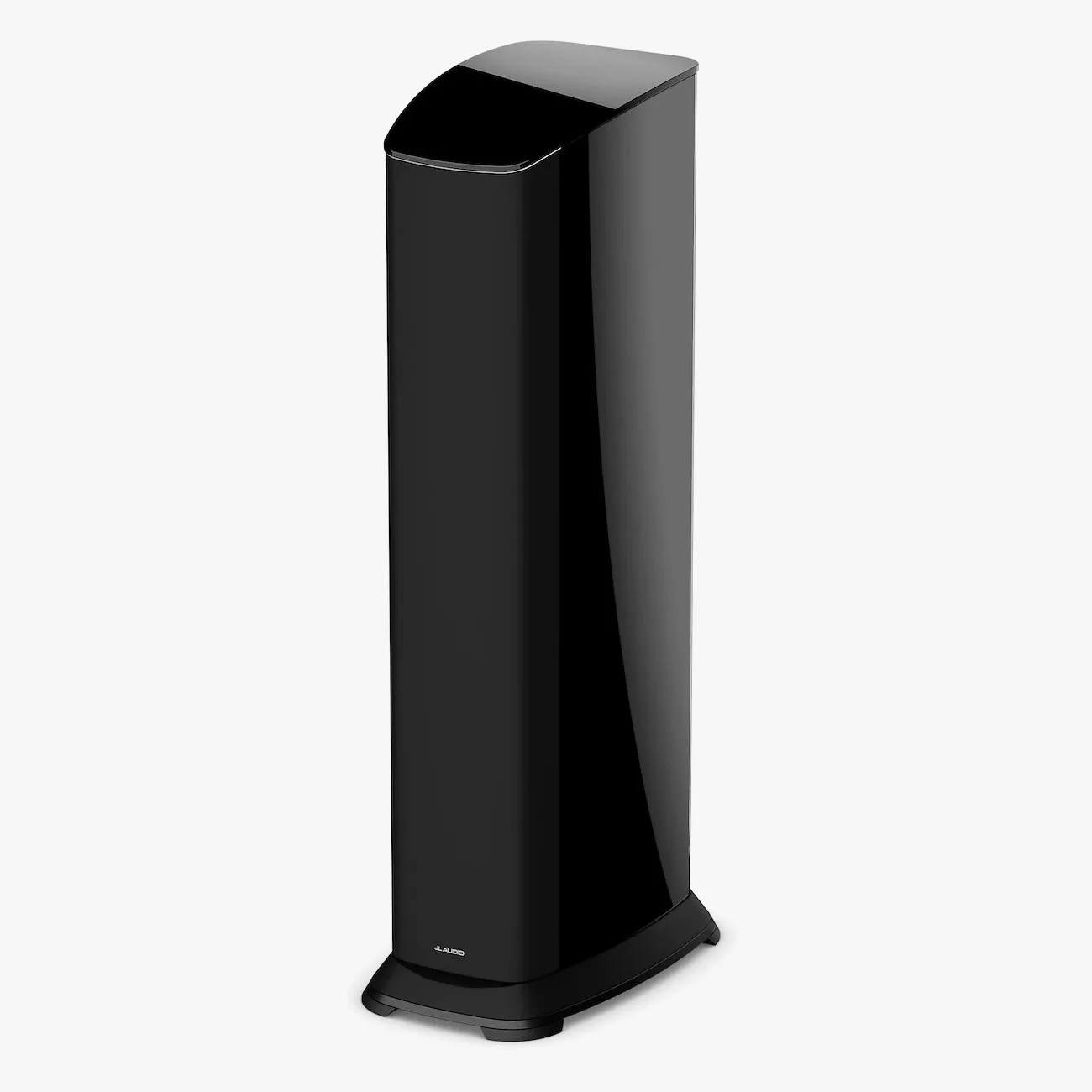 Garmin
Garmin JL Audio Primacy
Garmin acquired JL Audio, an American hi-fi brand known for its in-car and in-boat audio systems, back in 2023. Now, leveraging its expertise, has released a high-end wireless stereo system. The JL Audio Primacy consists of two active speakers (either tower or standmount) and one network streamer. The brand describes it as “a premium home audio system that offers extraordinary sound performance that’s tuned exactly for each listener’s space.”
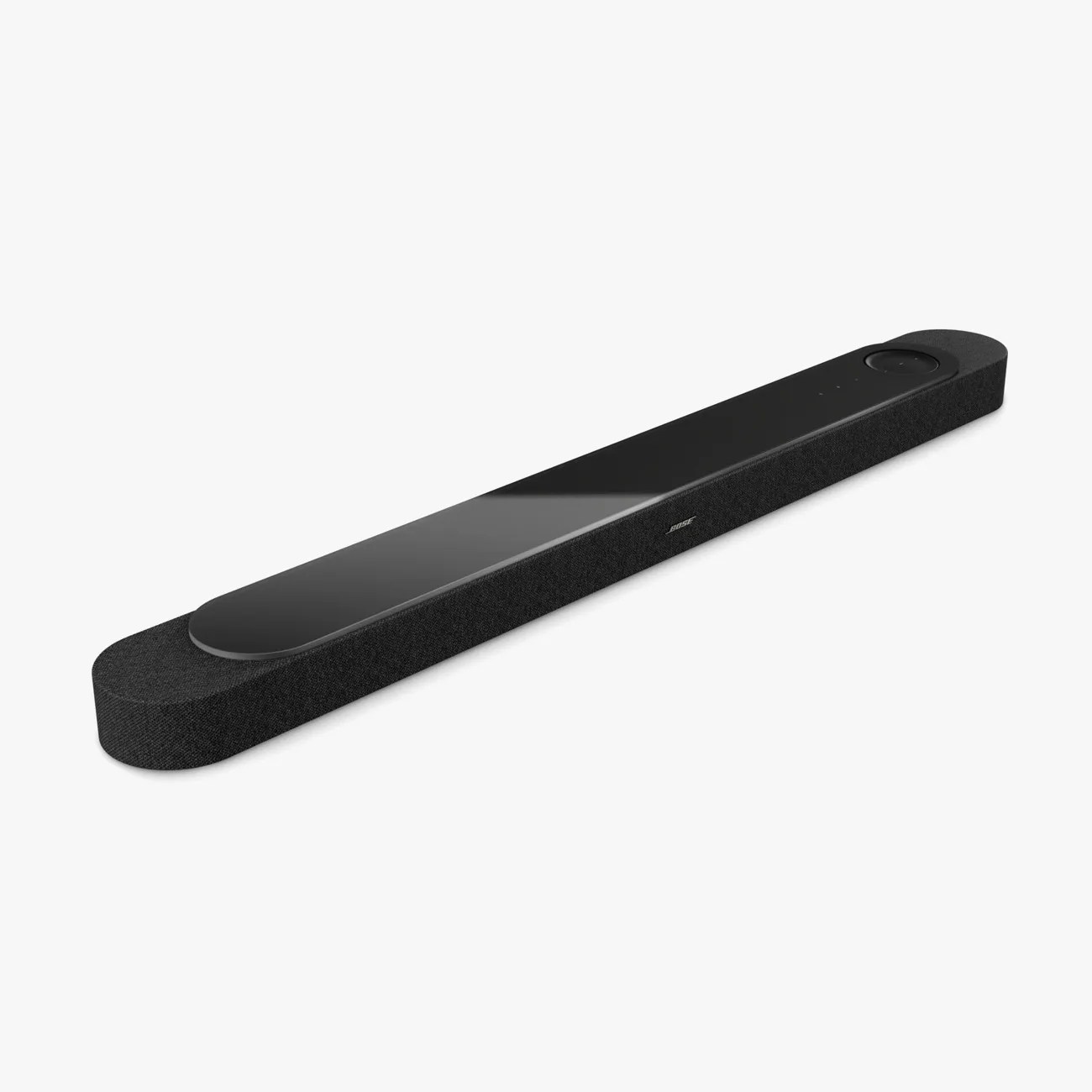 Bose
BoseBose Lifestyle Ultra Soundbar
The Bose Lifestyle Ultra Soundbar is the company’s new flagship Dolby Atmos soundbar (taking that title from Bose’s Smart Ultra Soundbar, which was released in late 2023 and priced at $999). At $1,099, it’s priced and positioned as a direct rival to Sonos’s current flagship soundbar, the $1,099 Arc Ultra. It’s a 5.2-channel soundbar with nine drivers: four front-facing full-range drivers, two up-firing full-range drivers, a center tweeter and two of Bose’s proprietary PhaseGuide drivers. According to the brand, the Dolby Atmos soundbar is “capable of playing back three-dimensional sound with lifelike realism and a convincing sense of height, all by itself.”
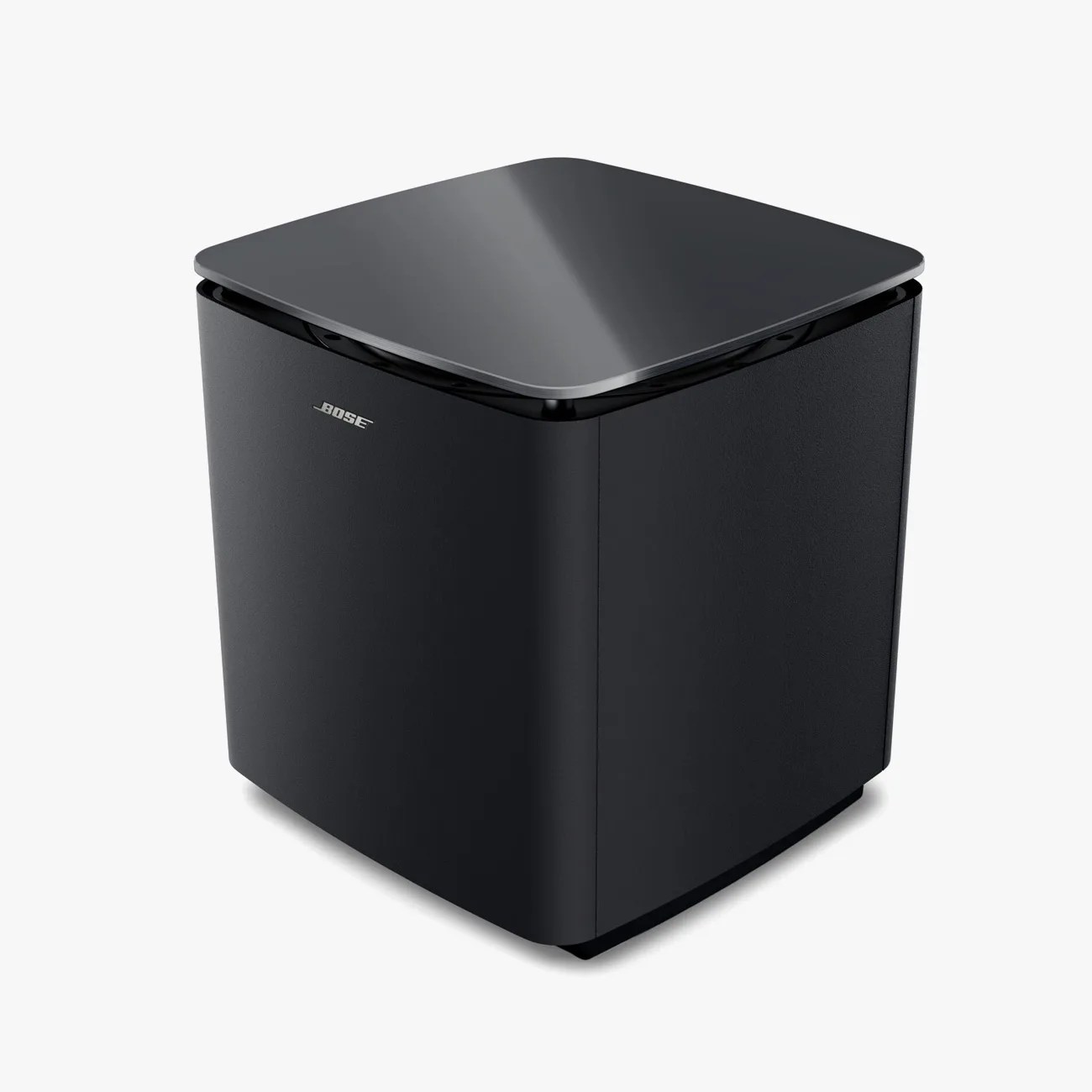 Bose
BoseBose Lifestyle Ultra Subwoofer
The Bose Lifestyle Ultra Subwoofer is the company’s flagship wireless subwoofer for 2026. Priced at $899, it’s a direct rival to the Sonos Sub 4, which costs exactly the same. According to the brand, the Lifestyle Ultra Subwoofer “delivers deep, controlled bass that remains clear at any volume, adding weight and authority for the ultimate home theater experience.”
 Jamo
JamoJamo Concert Legacy Series
The Concert Legacy is the higher-end of Jamo’s two new Concert loudspeaker ranges. It draws inspiration from the original Concert 8 and Concert 11 loudspeakers that were introduced in 1996. According to Jamo, the refreshed line “explores how those classics would have naturally progressed over three decades of innovation.” The range consists of three models: the Concert Legacy 8 bookshelf speakers, the Concert Legacy 9 compact floorstanding speakers, and the flagship Concert Legacy 11 floorstanding speakers.
 Jamo
JamoJamo Concert Element Series
The Concert Element is the more affordable and lifestyle-focused of Jamo’s two new Concert ranges of loudspeakers. Developed with HarritSørensen, a Copenhagen-based industrial design firm, the series is characterized by its innovative “The Circle over the Square” architecture. This means that each driver is hidden underneath a circular module that, according to the brand, extends “beyond the shallow rectangular enclosure, making the sound-producing element both the visual and acoustic center of the speaker.” The range consists of four loudspeaker models: the Concert Element 50 bookshelf speakers, the Concert Element 70 compact floorstanding speakers and the flagship Concert Element 90 floorstanding speakers. There’s also a wired subwoofer, the Concert Element SW10.
 DJI
DJIDJI Osmo Mobile 8P
The Osmo Mobile 8P is a higher-end version of the Osmo Mobile 8 that DJI released in November 2025. Like its non-P sibling, the 8P is a three-axis handheld gimbal that helps creators capture stabilized videos with their iPhone. The 8P has a few upgraded features, but the standout is its detachable remote control with a built-in screen. This screen mirrors the view from your iPhone and lets creators more easily record themselves away from the gimbal when it’s standing on its built-in tripod. The catch? Like many of DJI’s latest gadgets, it doesn’t have a US price or release date at this time.
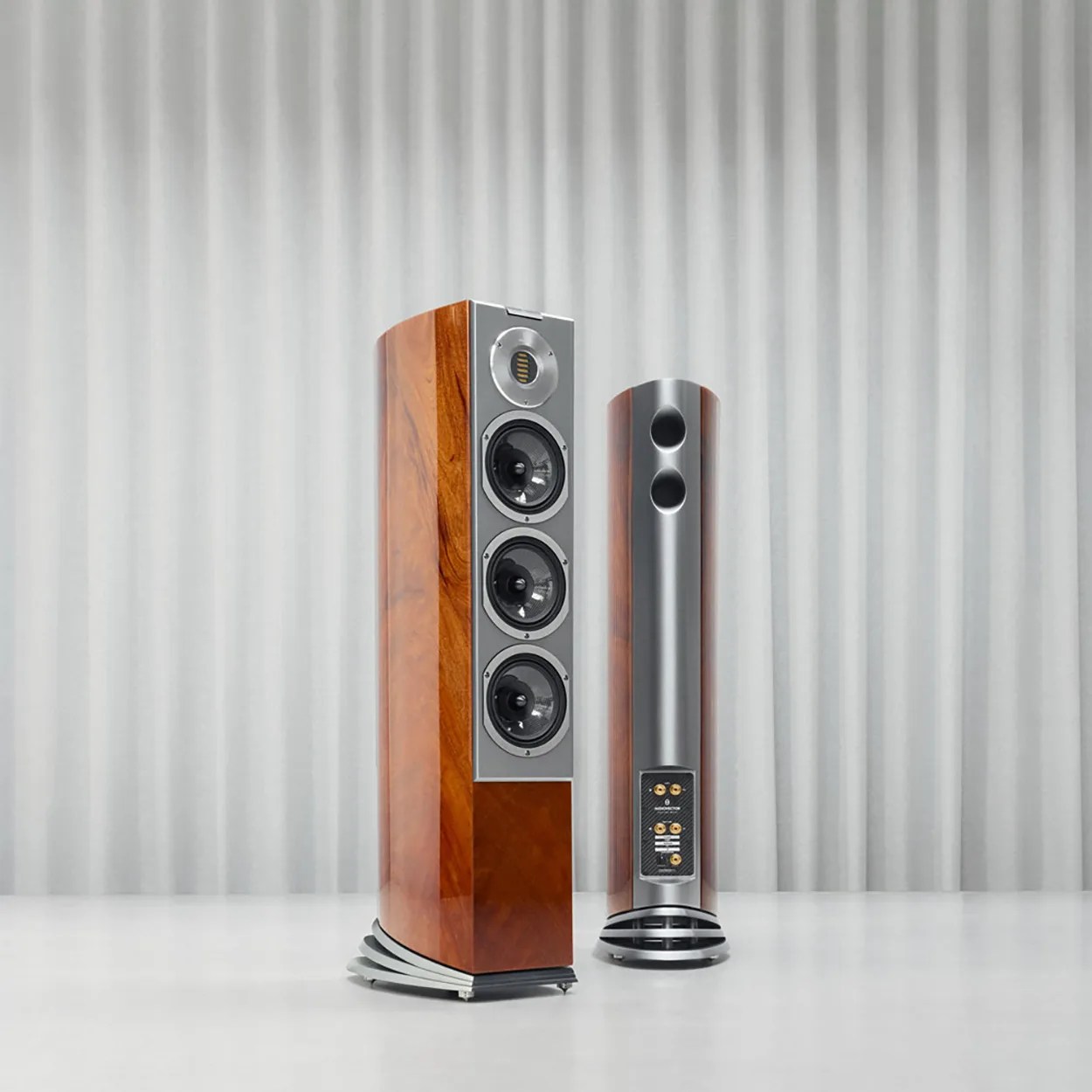 Audiovector
Audiovector R5 Arreté
Audiovector’s R5 Arreté is a pair of high-end floorstanding loudspeakers that, according to the brand, are the first models in the R Series to carry technologies inherited directly from its flagship $165,000 R10 Arreté loudspeakers. Each loudspeaker has a 3.5-way design and packs the same tweeter and midrange drivers as the R10 Arreté, but just doesn’t have as many of them (or any long-throw bass drivers). So you’re getting a loudspeaker with many of the same technologies, but in a smaller and more affordable package.
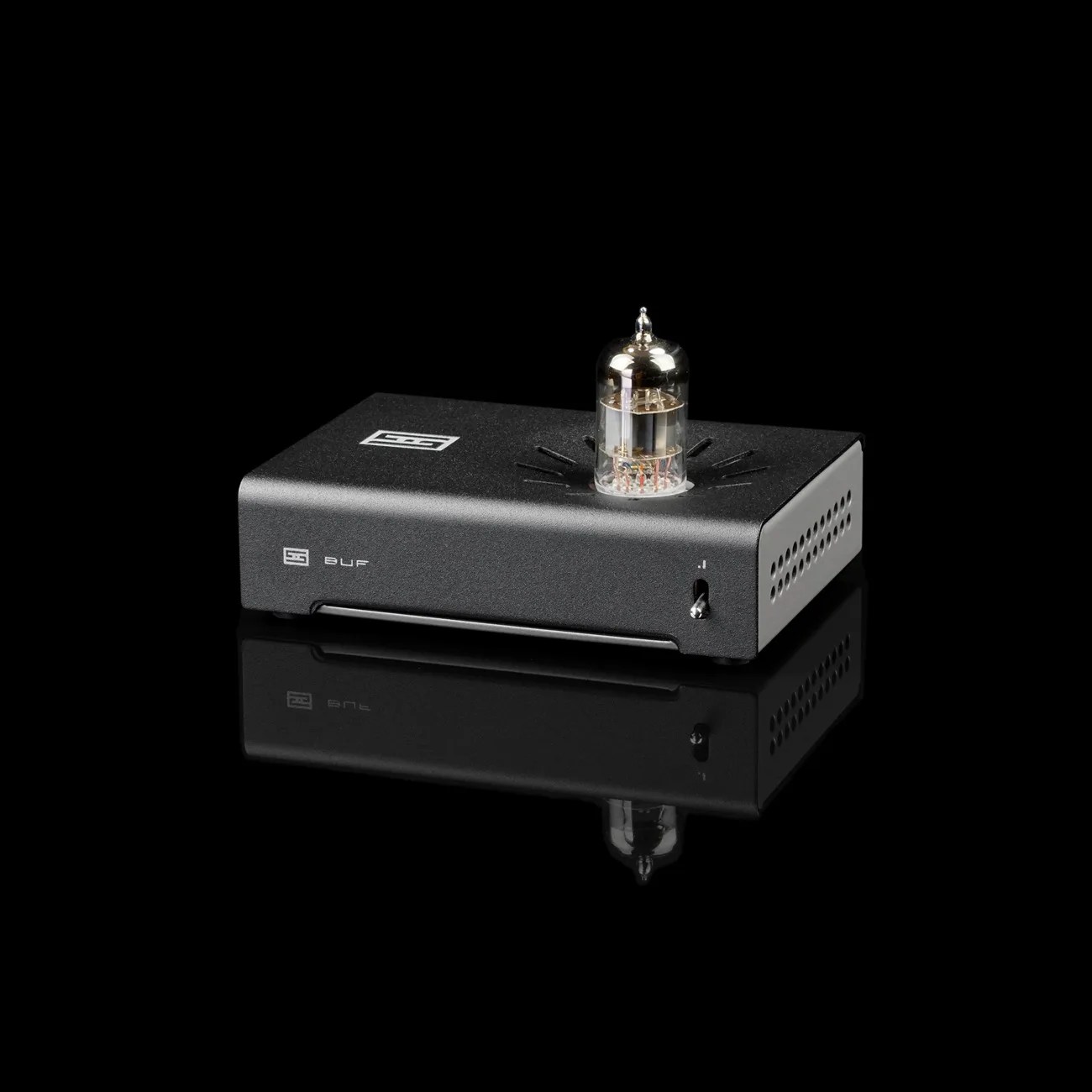 Schiit Audio
Schiit Buf
Schiit Audio’s Buf is a tube buffer that’s designed to be placed between your preamplifier and power amplifier, or between your DAC and integrated amplifier (or preamp or headphone amplifier) in your hi-fi system. The idea is that the audio signal passes through the Buf, which adds warm tones typically associated with vacuum tubes to an otherwise sterile sound. Is it necessary? No, but it’s fun. According to Schiit, you should consider the Buf if you’re bored with your system’s sound or just want to experiment with the warmth of vacuum tubes.
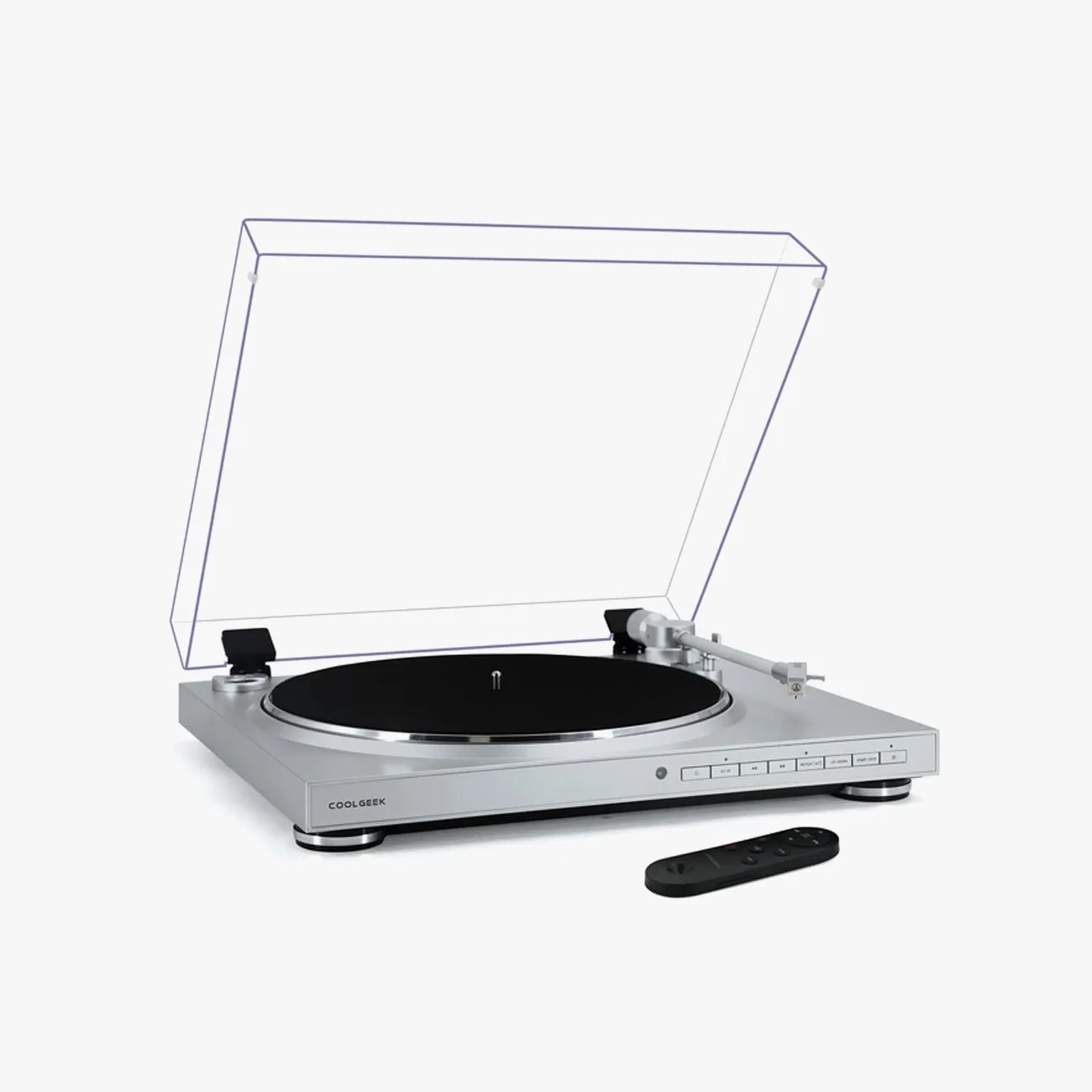 CoolGeek
CoolGeek TS-01
The CoolGeek TS-01 is a belt-drive turntable with a minimalist design and retro aesthetic. It’s fully automatic, so once you press play, the turntable does all the work for you. No need to worry about dropping the needle yourself. And it supports Bluetooth, so you can stream vinyl to wireless speakers or headphones. Additionally, it’s integrated with RGB lights beneath the platter, so the turntable appears to glow as it plays.
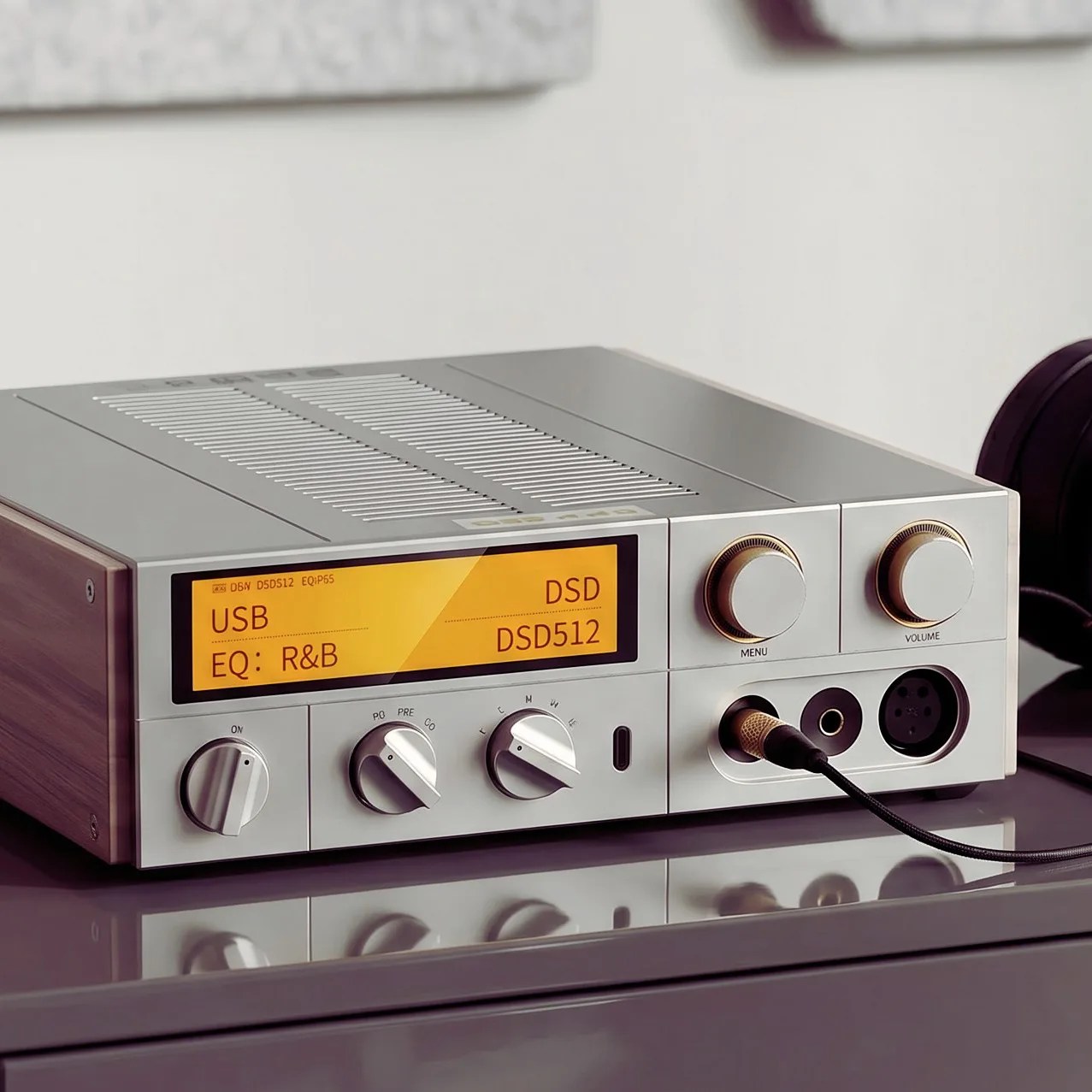 Fiio
FiioFiio K17 R2R Pro
The Fiio K17 R2R Pro is an all-in-one hi-fi component for your desktop. It combines a high-resolution DAC, streamer and powerful headphone amplifier into one box. Most notably, it features Fiio’s custom-developed DAC with a resistor ladder (R2R) architecture. According to the brand, the K17 R2R Pro is “engineered to deliver uncompromising sound quality with cutting-edge functionality.’
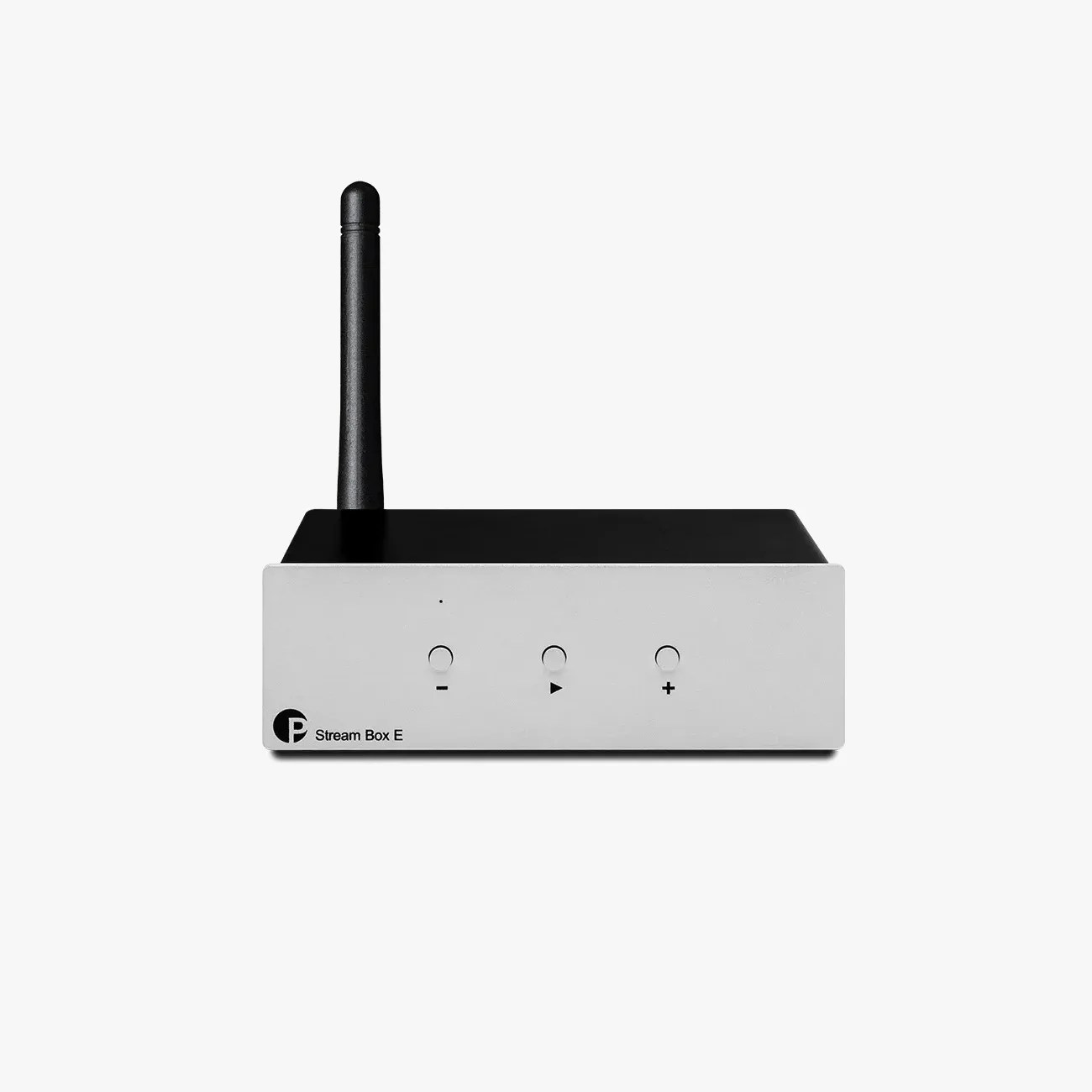 Pro-Ject
Pro-Ject Stream Box E
Pro-Ject’s Stream Box E is a music streamer designed to pair with your current integrated amplifier and passive speaker setup. It allows you to stream high-resolution audio over Wi-Fi to that system. It’s powered by WiiM OS and supports Spotify Connect, Tidal Connect, and Qobuz Connect right out of the box.
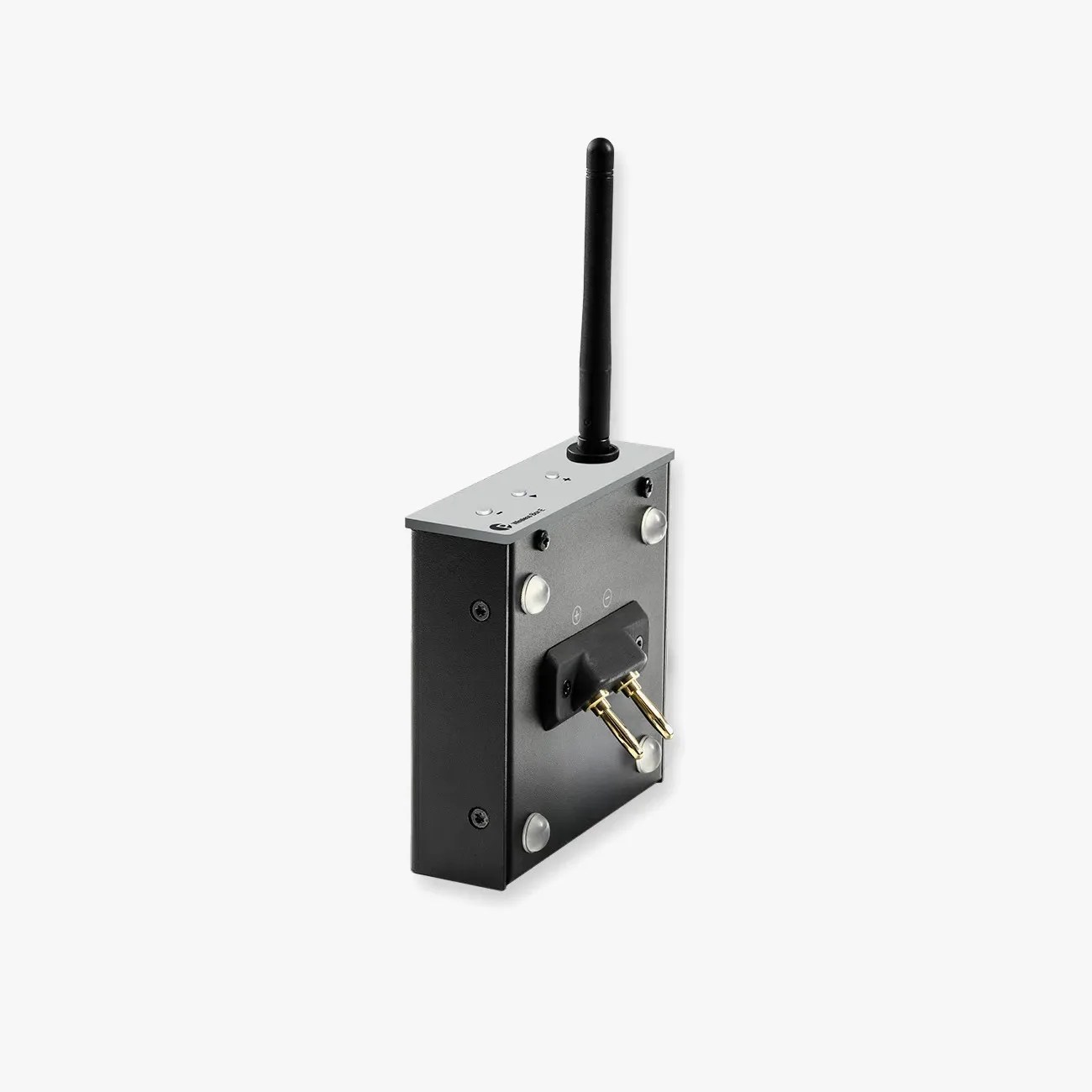 Pro-Ject
Pro-Ject Wireless Box E
The Pro-Ject Wireless Box E is a uniquely designed streaming amplifier that connects directly to the rear speaker terminals. So it looks kind of like a backpack for your bookshelf speaker. One can work as a standalone streaming amp that can transform a single passive bookshelf speaker into an active one with streaming capabilities. However, it’s really designed to work in a stereo pair, meaning you need two Wireless Box E (one connected to the back of each speaker pair). From there, the passive speaker pair works as an active speaker system. The Wireless Box E runs WiiM OS and supports Wi-Fi streaming.
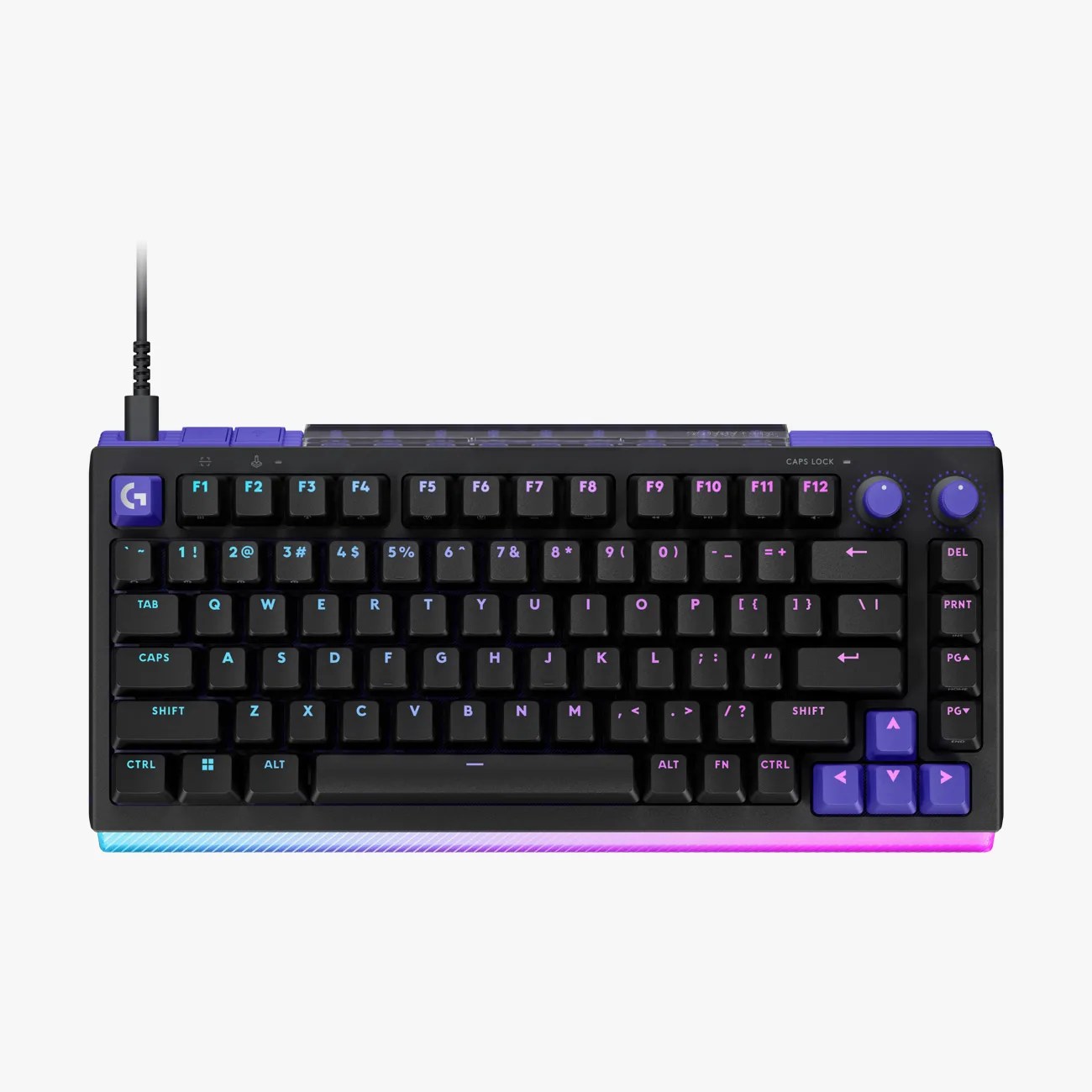 Logitech
Logitech G512 X Gaming Keyboard
The Logitech G512 X is the company’s new flagship gaming keyboard, and it’s its most advanced and customizable model yet. It’s unique because it’s the brand’s first keyboard with dual-swap technology, supporting both mechanical and analog switches. And it’s integrated with TMR (Tunnel Magneto Resistance) sensor technology, allowing players to map actions based on keypress depth. According to the brand, this makes it “perfect for flight sims, racing titles, and tactical shooters where millimeter precision is the difference between victory and defeat.” The G512 X is available in both 75 and 98 layouts, and comes in black or white finishes.
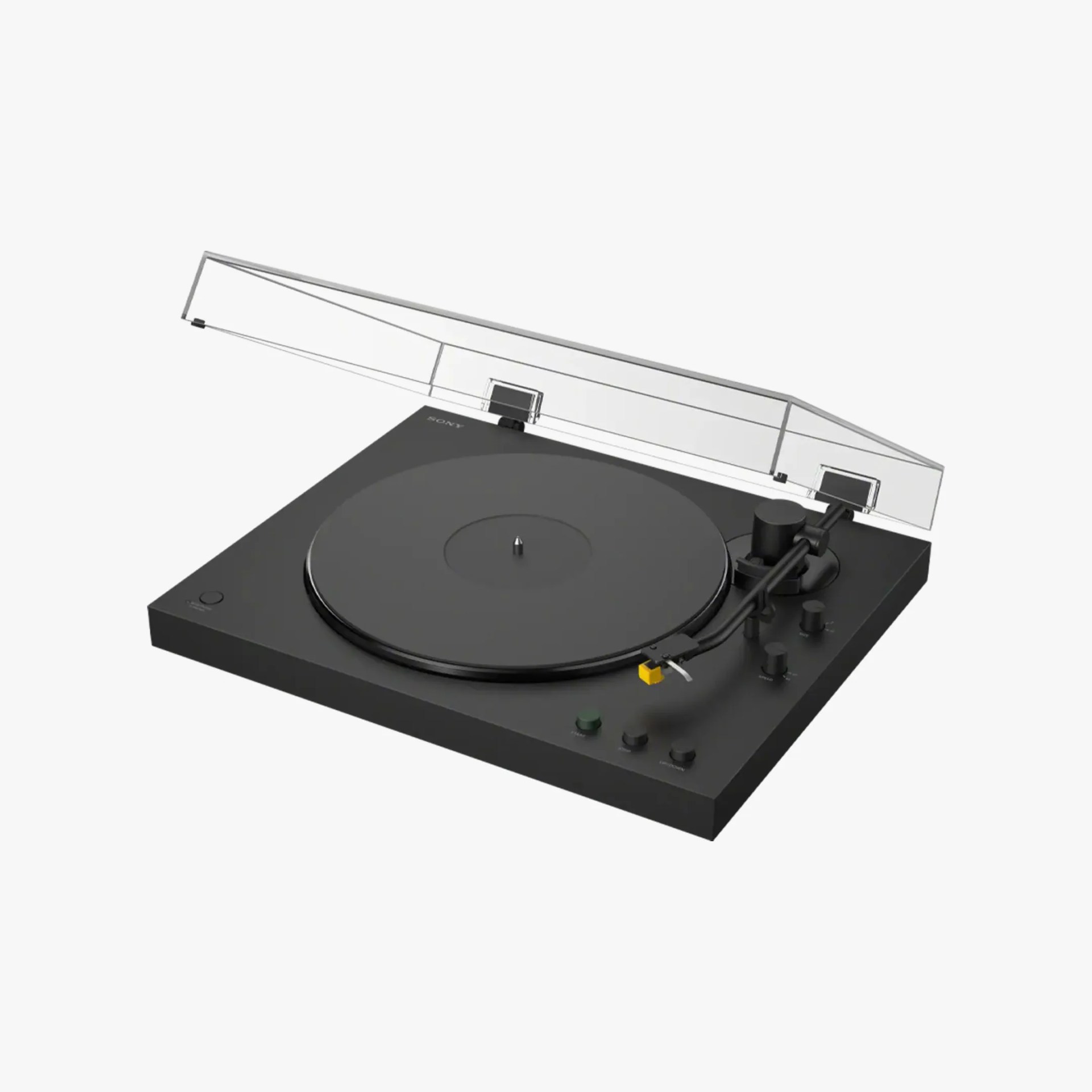 Sony
SonySony PS-LX5BT
The Sony PS-LX5BT is the brand’s other new turntable for 2026 — it’s positioned as a slightly higher-end version of the company’s PS-LX3BT. Both are fully automatic turntables with a nearly identical design and built-in Bluetooth. But the PS-LX5BT comes equipped with few more premium components, including a higher-end cartridge and gold-plated audio jacks, and is $100 more expensive.
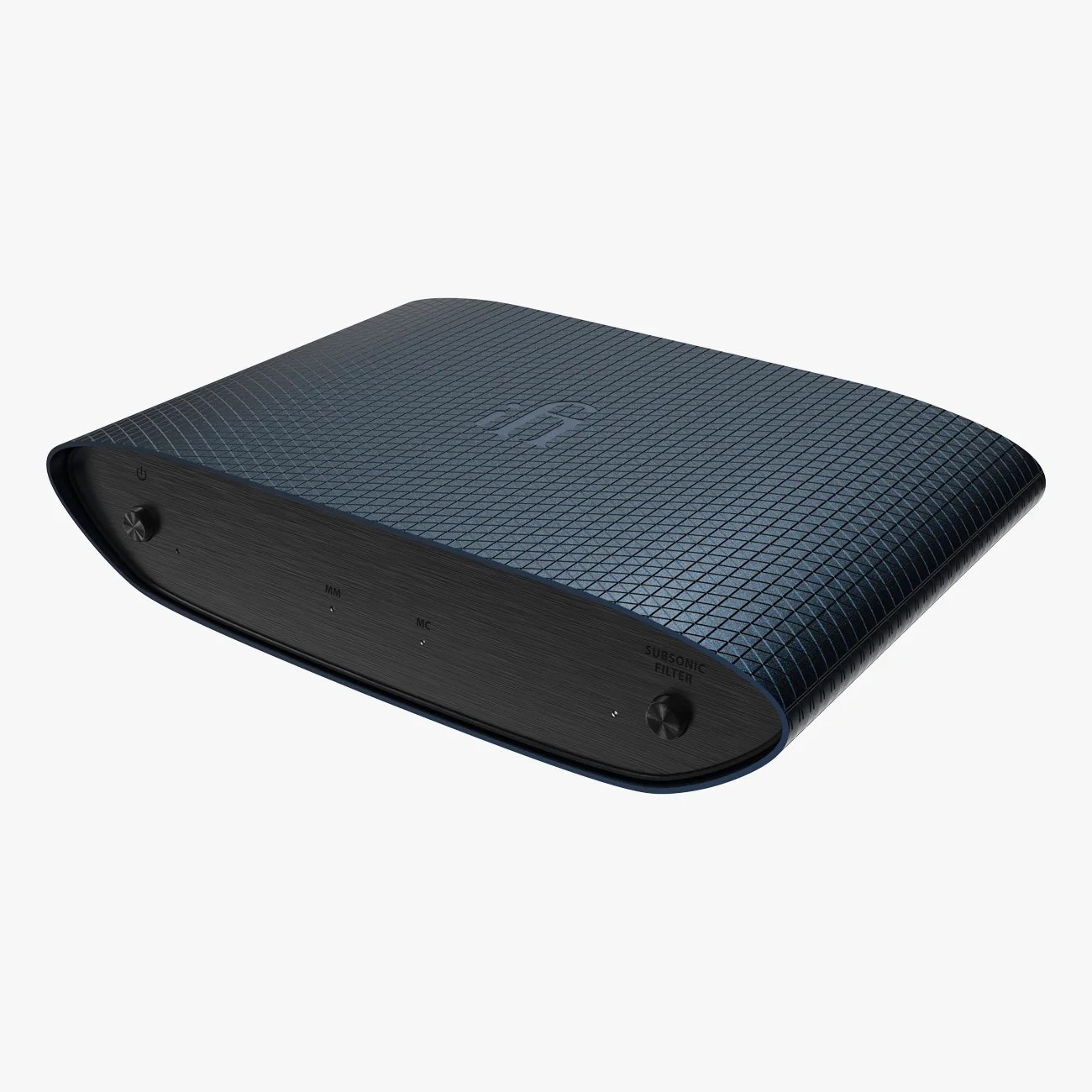 iFi Audio
iFi Zen Air Phono 2
The Zen Air Phono 2 is a new-and-improved version of the company’s original entry-level phono preamplifier, the Zen Air Phono, which was released in 2022. It looks and works quite similarly to its predecessor, as it’s compatible with either moving-magnet (MM) or moving-coil (MC) cartridges and offers switchable gains to adjust to your cartridge. But iFi integrated it with a more accurate RIAA equalizer and a new high-current power supply design. According to the brand, it “provides a drastically improved listening experience compared to the built-in phono stages of record players and amplifiers.”
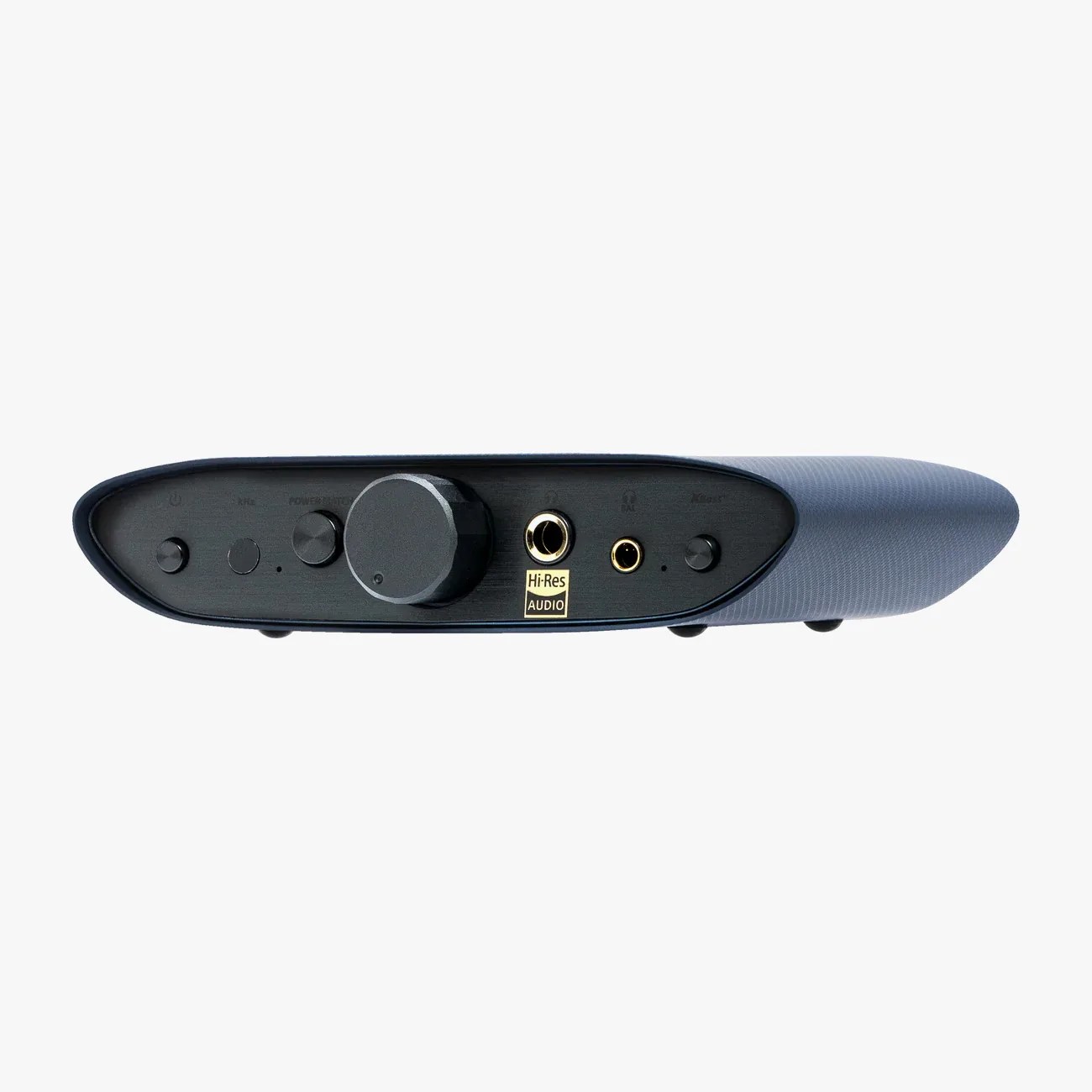 iFi
iFiiFi Zen Air DAC 2
iFi has introduced the second-generation of its entry-level desktop DAC and headphone amplifier. The Zen Air DAC 2 has a similar design to its predecessor, but features a more premium “midnight blue” finish and a new Cirrus Logic DAC, which the company says was selected for “how naturally it presents detail without sounding forced or analytical.” It also features a balanced 4.4mm headphone output and a more powerful amp that can deliver “up to 300% more headphone drive” than the previous model.
 iFi
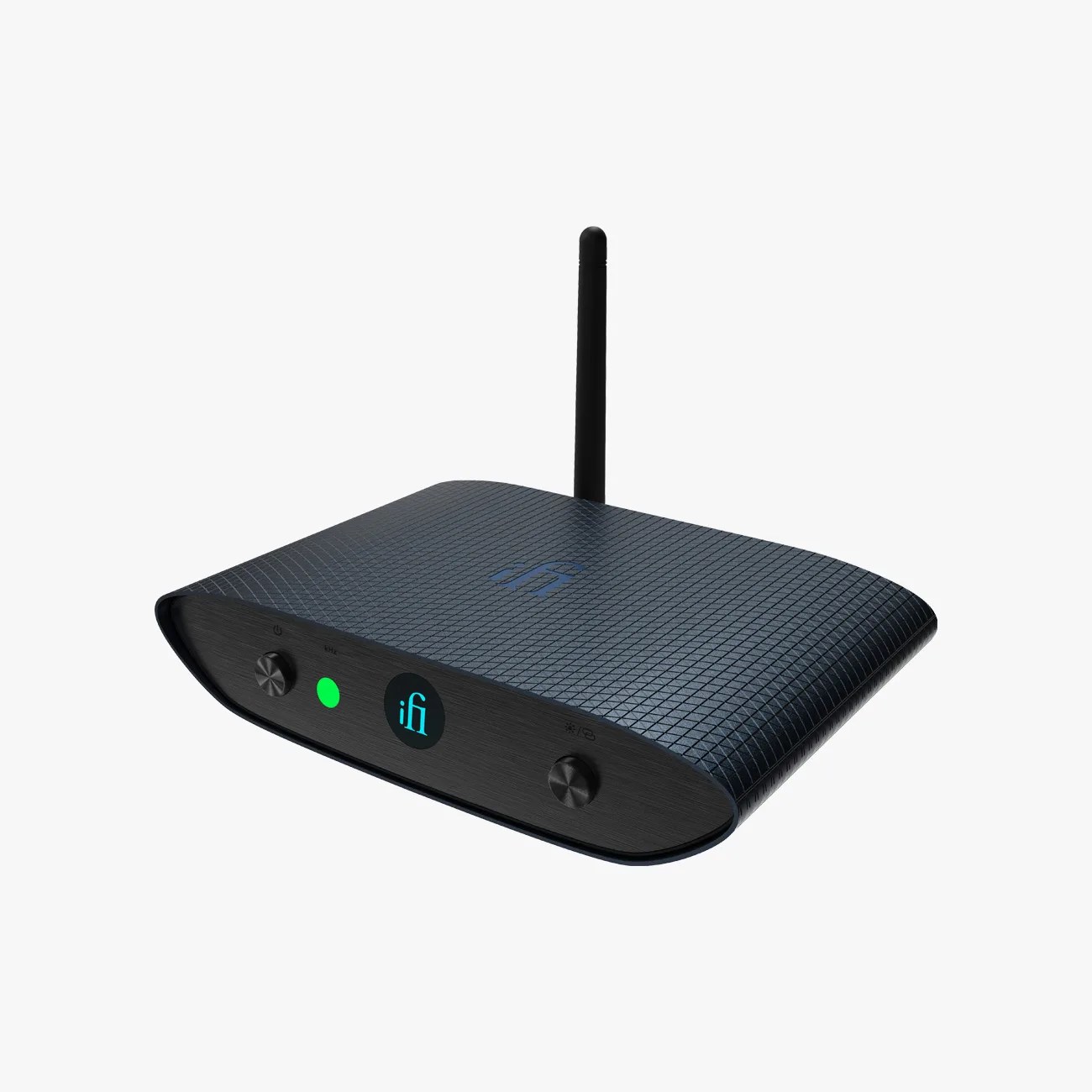
iFiiFi Zen Air Blue 2
The Zen Air Blue 2 is a refreshed version of the company’s original entry-level Bluetooth receiver, which was released in 2022. This second-generation model looks and works just like before, adding Bluetooth streaming capabilities to older hi-fi systems. But it features a new DAC and chipset that enables it to support higher-quality Bluetooth codecs, including aptX Lossless and LDAC. Plus, it adds 5-12V compatibility, so you can hook it up to your old car’s stereo system and stream audio over Bluetooth.
 DJI
DJIDJI Mic Mini 2
A year and a half after DJI introduced the original Mic Mini, which was released in late 2024, the company has come out with its successor. And it hasn’t messed with success too much. The Mic Mini 2 is the same compact wireless mic system as before, consisting of a receiver and a mic, but it adds a few new features, most notably colorful magnetic mic covers. So, basically, they’re more stylish and customizable. Unfortunately, it doesn’t look like a US release is coming anytime soon.
 Bowers & Wilkins
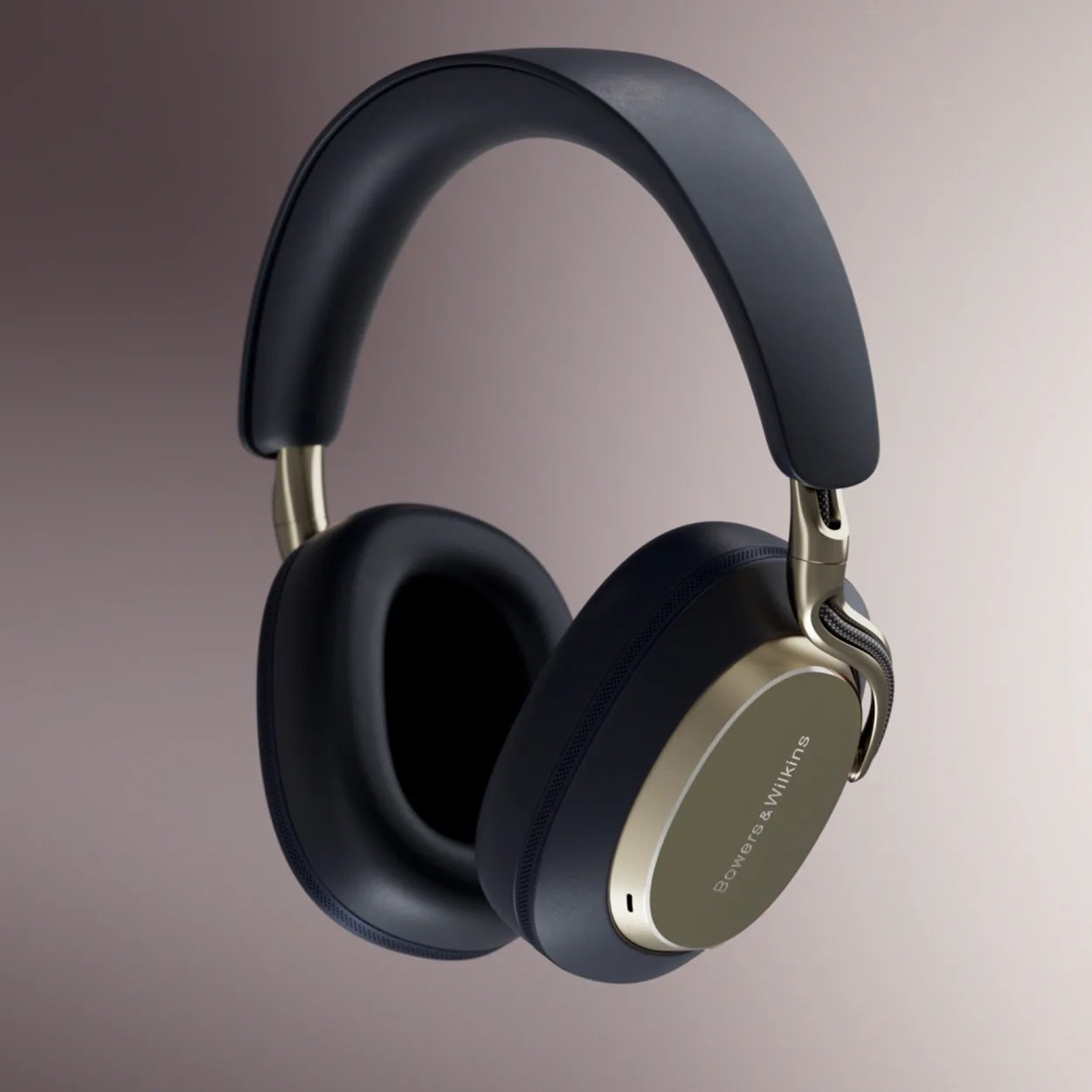
Bowers & Wilkins Px8 S2 (Midnight Blue and Pearl Blue)
Released in September 2025, the Bowers & Wilkins Px8 S2 is the brand’s current flagship pair of wireless noise-canceling headphones. They’re essentially a more premium version of the Px7 S3 (which cost $479, and are positioned as rivals to Apple’s, Bose’s and Sony’s flagship ANC cans), as they marry higher-end materials like aluminum and Nappa leather and deliver a more spacious sound. Since their release, B&W has offered the Px8 S2 in two finishes, Warm Stone and Onyx Black. As of April 2026, the company has introduced two new color options: Midnight Blue (shown) and Pearl Blue.
 NAD
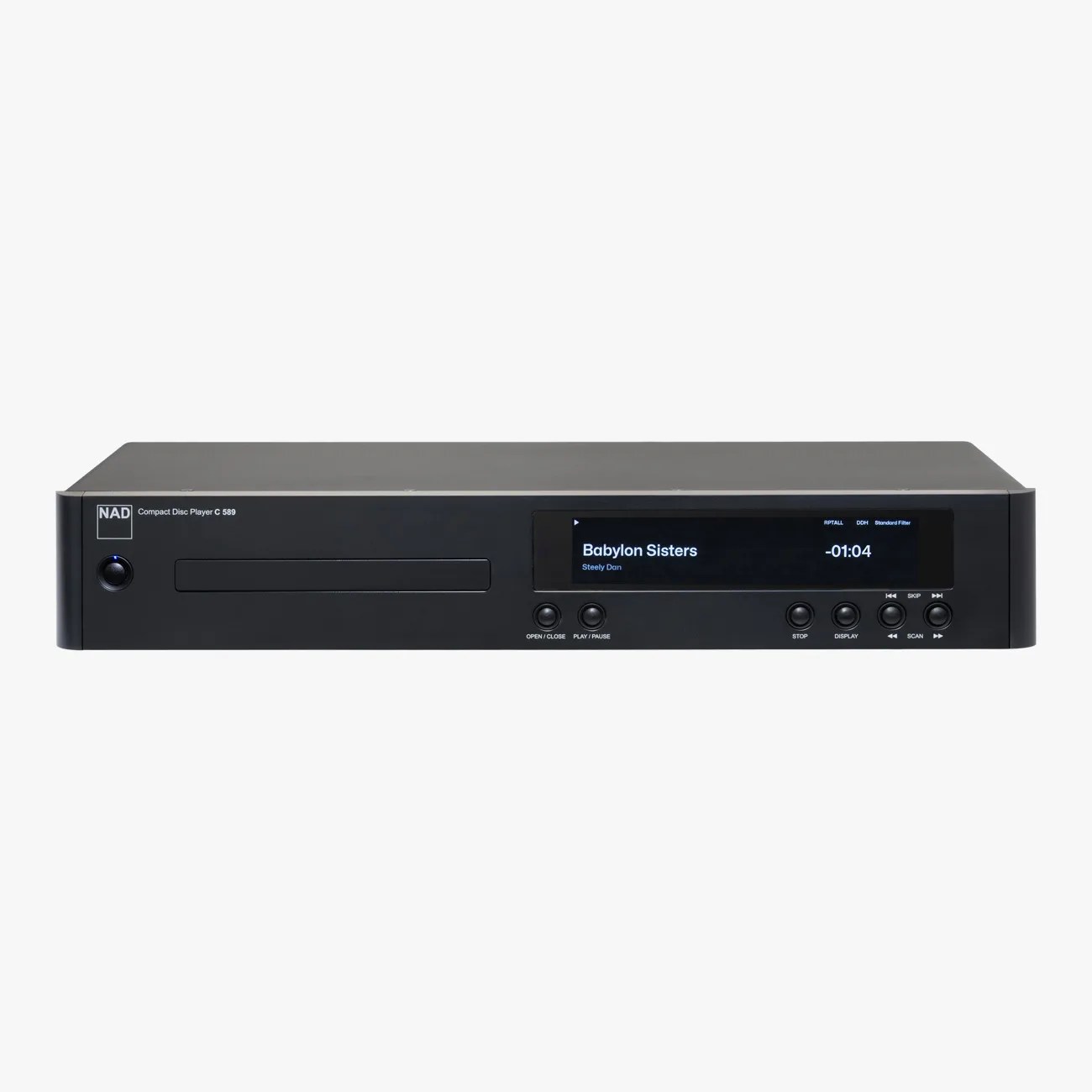
NADNAD C 589 CD Player
The NAD C 589 is a compact CD player that, according to the brand, is “a precision-engineered source component designed to extract the highest level of performance from compact discs.” It features a precision disc loader and transport mechanism that’s been engineered for smooth, quiet playback across a wide range of CDs, including older or frequently played discs. And it offers a comprehensive selection of analog and digital outputs, enabling it to work with a wide range of setups.
 Kerr Acoustic
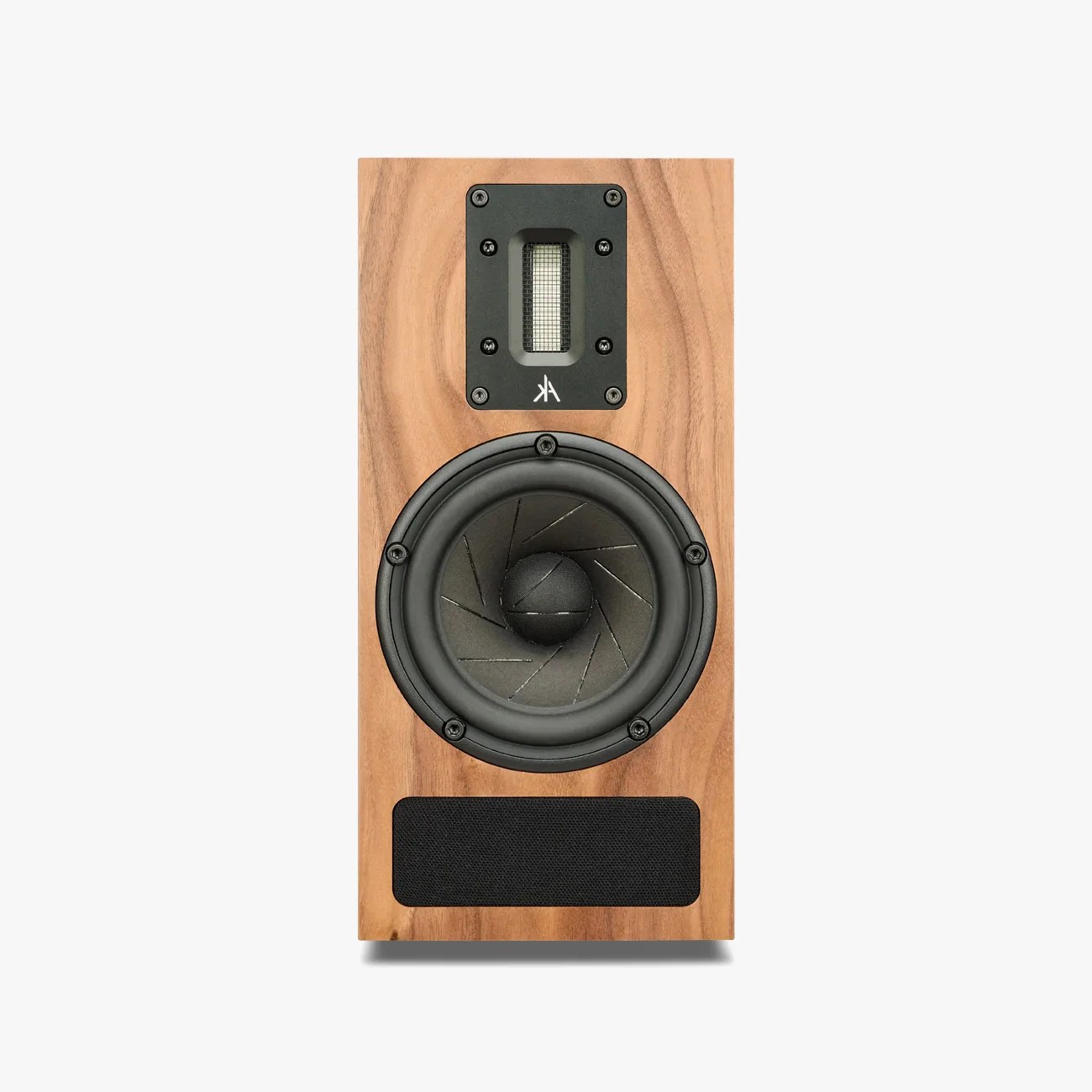
Kerr Acoustic K400
The Kerr Acoustic K400 is the brand’s most compact and affordable loudspeaker to date. It’s a two-way standmount loudspeaker that’s essentially a slimmed-down version of the company’s K300 standmount loudspeaker, which goes for upwards of $8,000/pair. According to the brand, it’s ideal for “space-restricted audiophiles or professional users looking to expand into multichannel territory.”
 Sennheiser
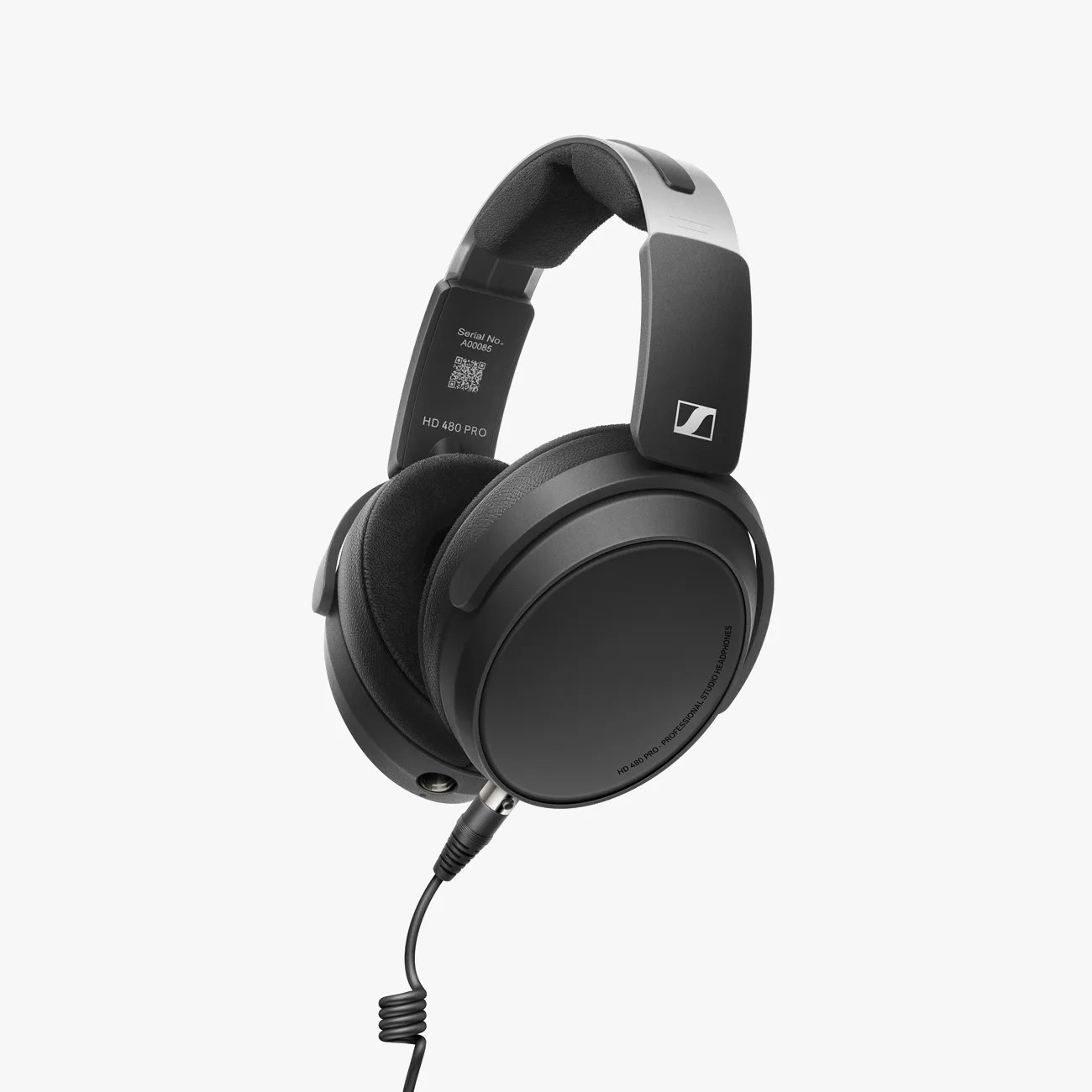
Sennheiser HD 480 Pro
The Sennheiser HD 480 Pro is a pair of wired, closed-back headphone designed for audiophiles and music professionals. It’s essentially a closed-back version of the brand’s HD 490 Pro open-back headphones, as the two have similar builds and feature the same 38mm dynamic drivers.
 Musical Fidelity
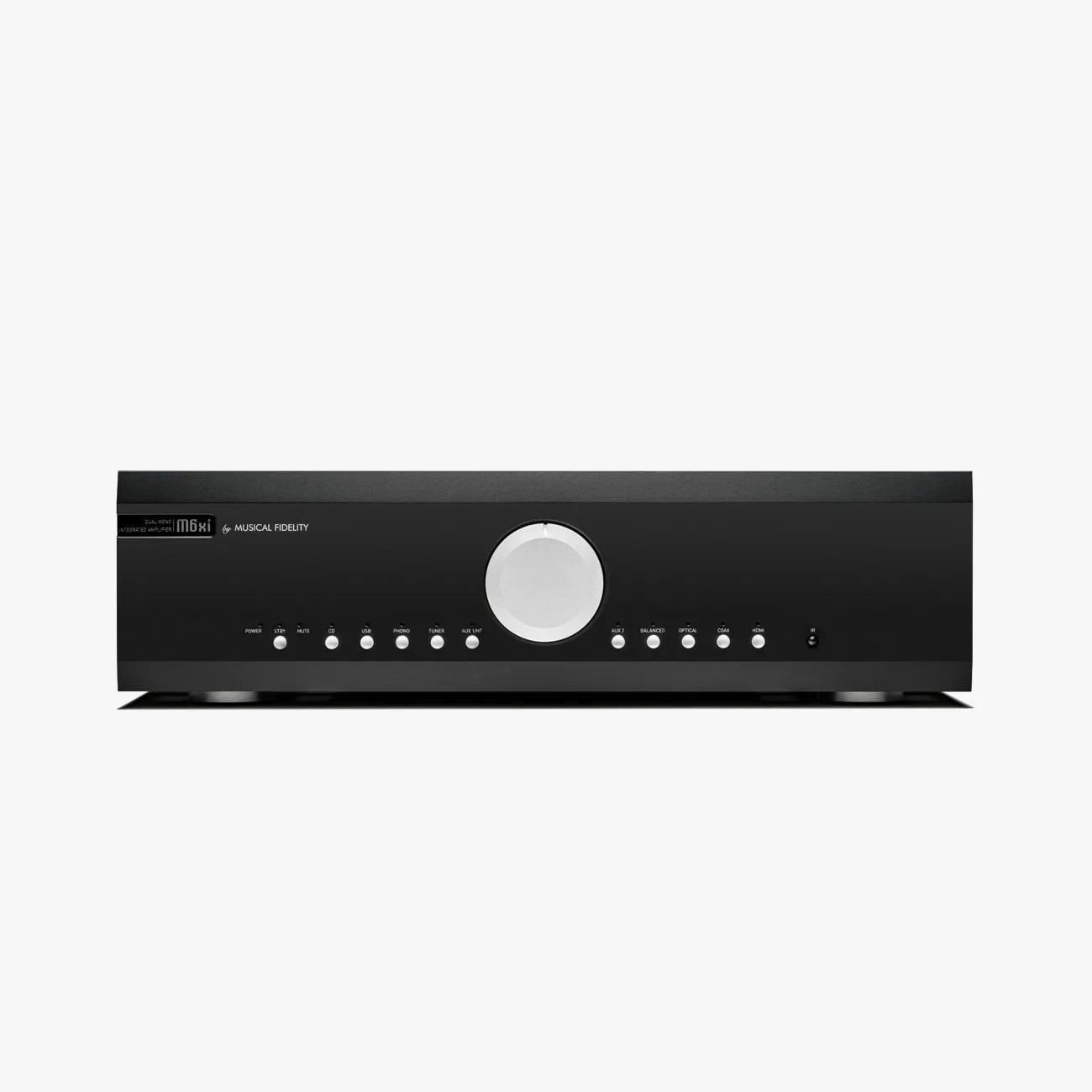
Musical Fidelity M6xi
Musical Fidelity’s M6xi is an integrated amplifier that combines a power amplifier, preamplifier, phono stage, DAC and a range of connections into an all-metal enclosure. It’s an upgraded successor to the M6si integrated amplifier, released in 2014, as the two have nearly identical designs and feature sets, but the M6xi is slightly more powerful and offers more digital inputs (including USB-C and HDMI-ARC), making it a more modern, flexible amplifier.
 Klipsch
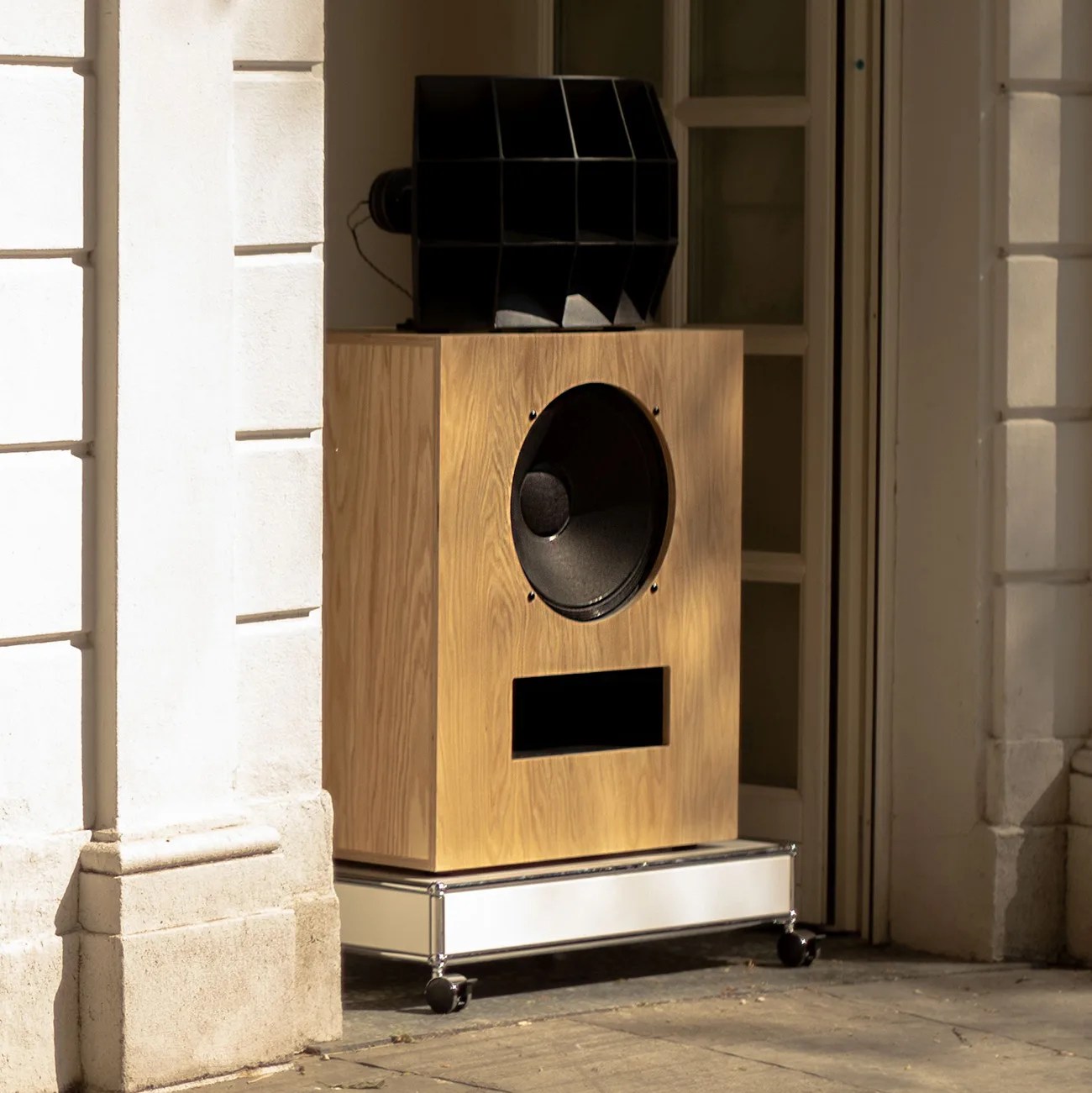
Klipsch Ojas kO-R2
Like the kO-R1, the kO-R2 is a joint collaboration between Klipsch and Devon Turnball of Ojas, the hyped New York-based audio maker that specializes in highly customized audiophile speakers. But the kO-R2 is a bigger, better speaker. It’s a two-way, sectoral horn-loaded loudspeaker built similarly to the kO-R1, but it’s a significantly larger floorstanding speaker with a more sophisticated, custom-designed horn on top.
 Beats
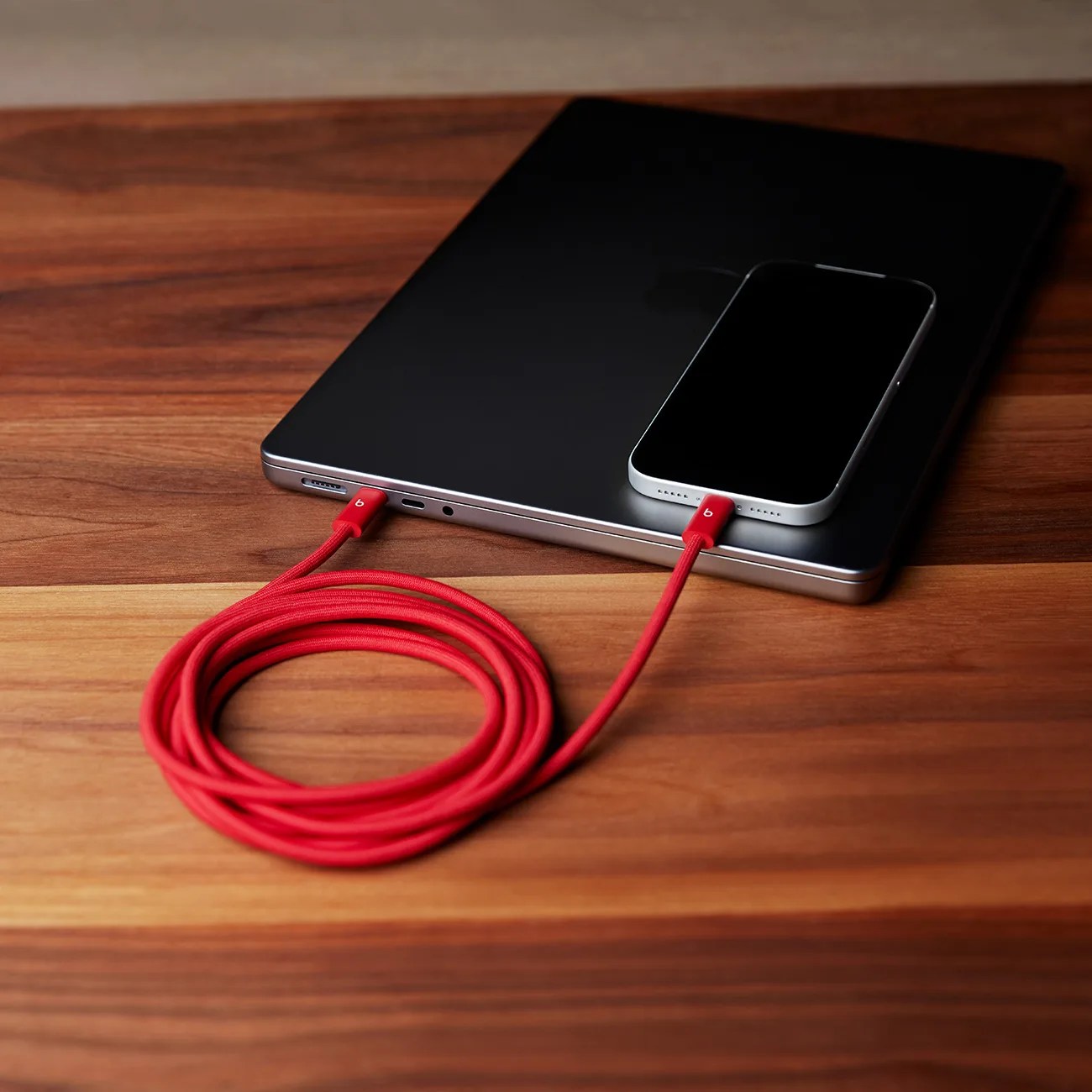
BeatsBeats USB-C to USB-C Cable (10 Feet)
Beats introduced its first collection of charging cables in early 2025. They came in several colors, supported USB-C, USB-A, and Lightning connections, and they all were 5 feet (or shorter) in length. Fast forward to 2026, and Beats has introduced its longest USB-C to USB-C cable yet. It’s 10 feet long and has the same “tangle-free woven” design as its shorter siblings. And it’s optimized for ultra-fast charging, supporting up to 240 watts. This new cable comes in four finishes: Bolt Black, Surge Stone, Nitro Navy and Rapid Red.
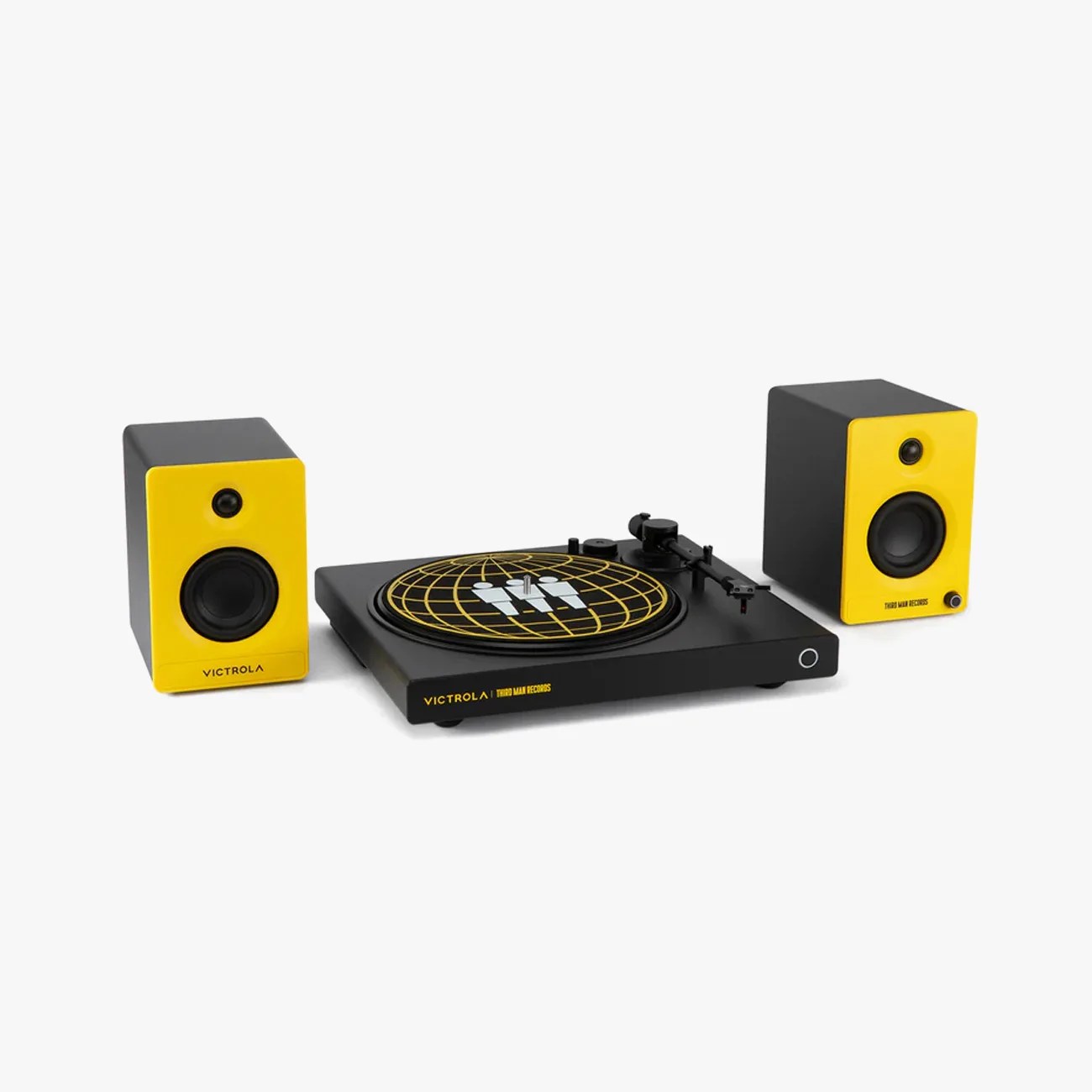 Victrola
Victrola Wave Turntable and Tempo Bookshelf Speakers (Third Man Records Edition)
Victrola teamed up with Third Man Records, the Detroit-born record label founded by Jack White, to release special-edition versions of its Wave, an entry-level Bluetooth turntable, and Tempo, a set of powered Bluetooth bookshelf speakers. Each features Third Man’s signature yellow-and-black colorway and logo. The turntable retails for $500 and the speakers retail for $250, but you can score a deal by bundling the two together for $650.
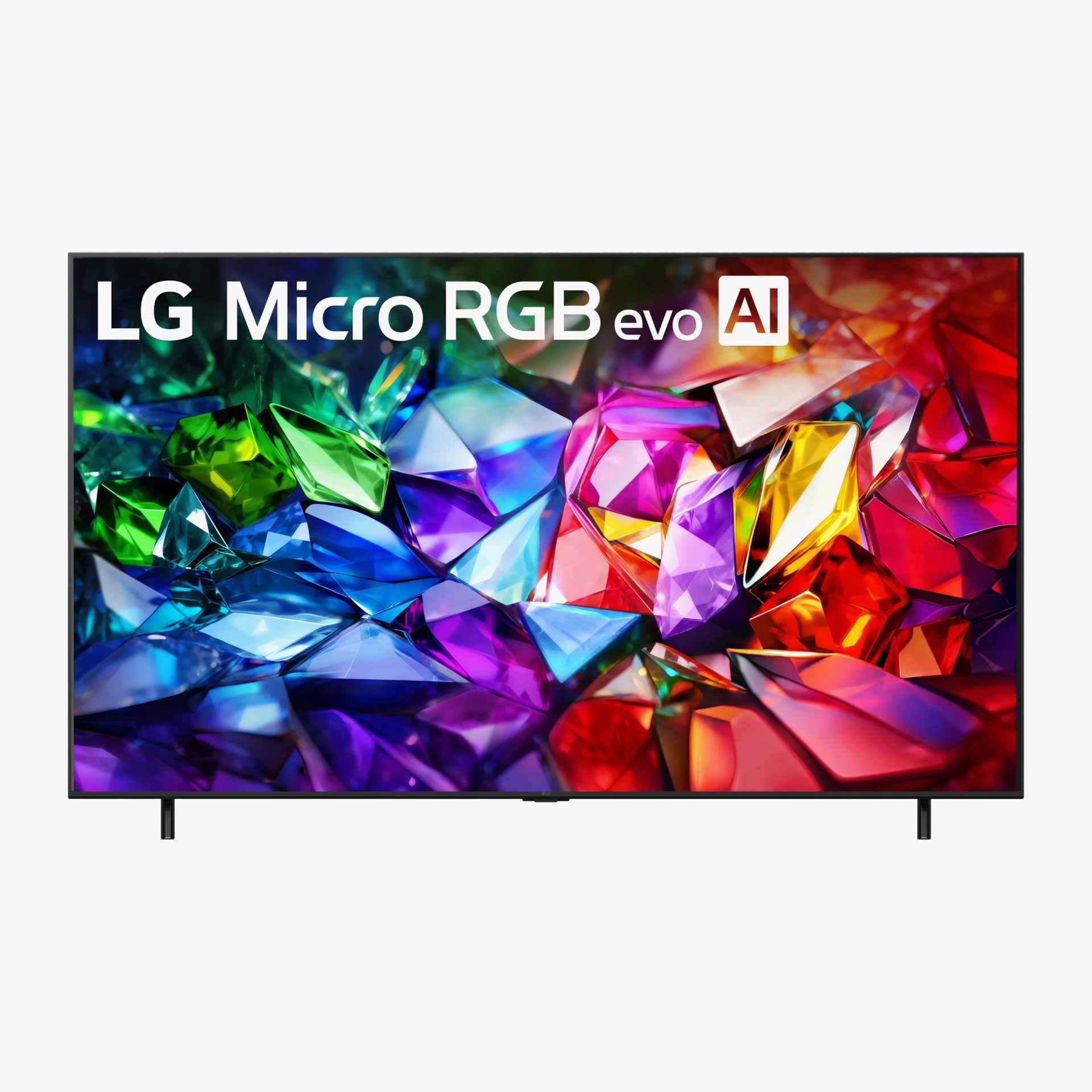 LG
LGLG Micro RGB evo TV
The LG Micro RGB evo is the brand’s first-ever flagship RGB TV. It’s an LCD TV that harnesses RGB micro-LED backlight technology and LG’s smallest individual RGB LEDs, delivering a more colorful picture than ever before. The brand is calling this display “a significant step forward from MiniLED.” The TV was first previewed at CES 2026, and pricing information has now been officially announced. It comes in three sizes: 75-, 86- and 100-inches. Pricing starts at $5,000 (75-inch) and goes up to $8,000 (100-inch).
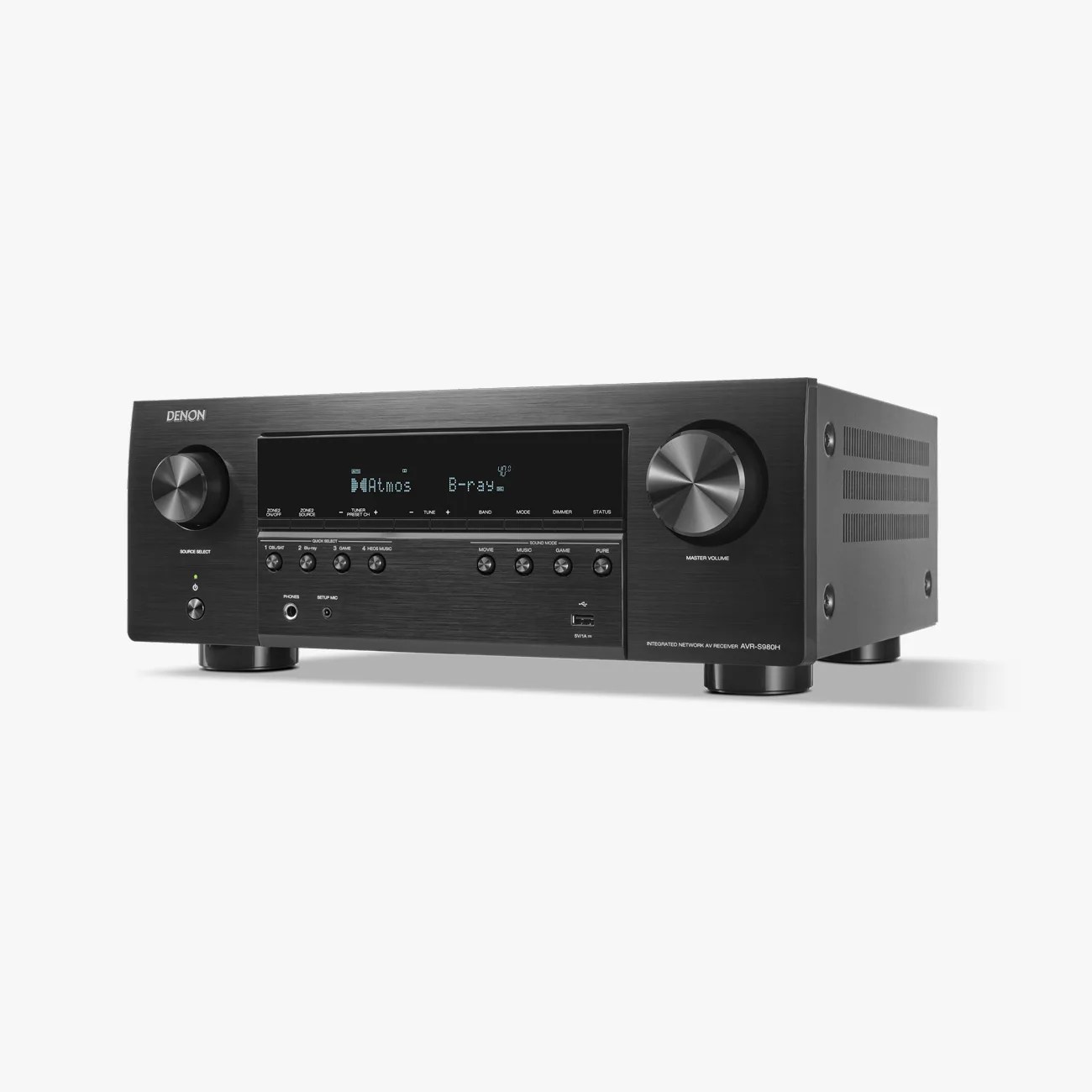 Denon
DenonDenon AVR-S980H
The Denon AVR-S980H is a 7.2-channel AV receiver that, according to the brand, is designed for people “ready to step up from a soundbar or basic audio setup into a more immersive home theater experience.” It packs a Class A/B amplifier that delivers 90 watts per channel, making it suitable for medium-sized rooms and for driving a wide variety of entry-level and midrange sound systems.
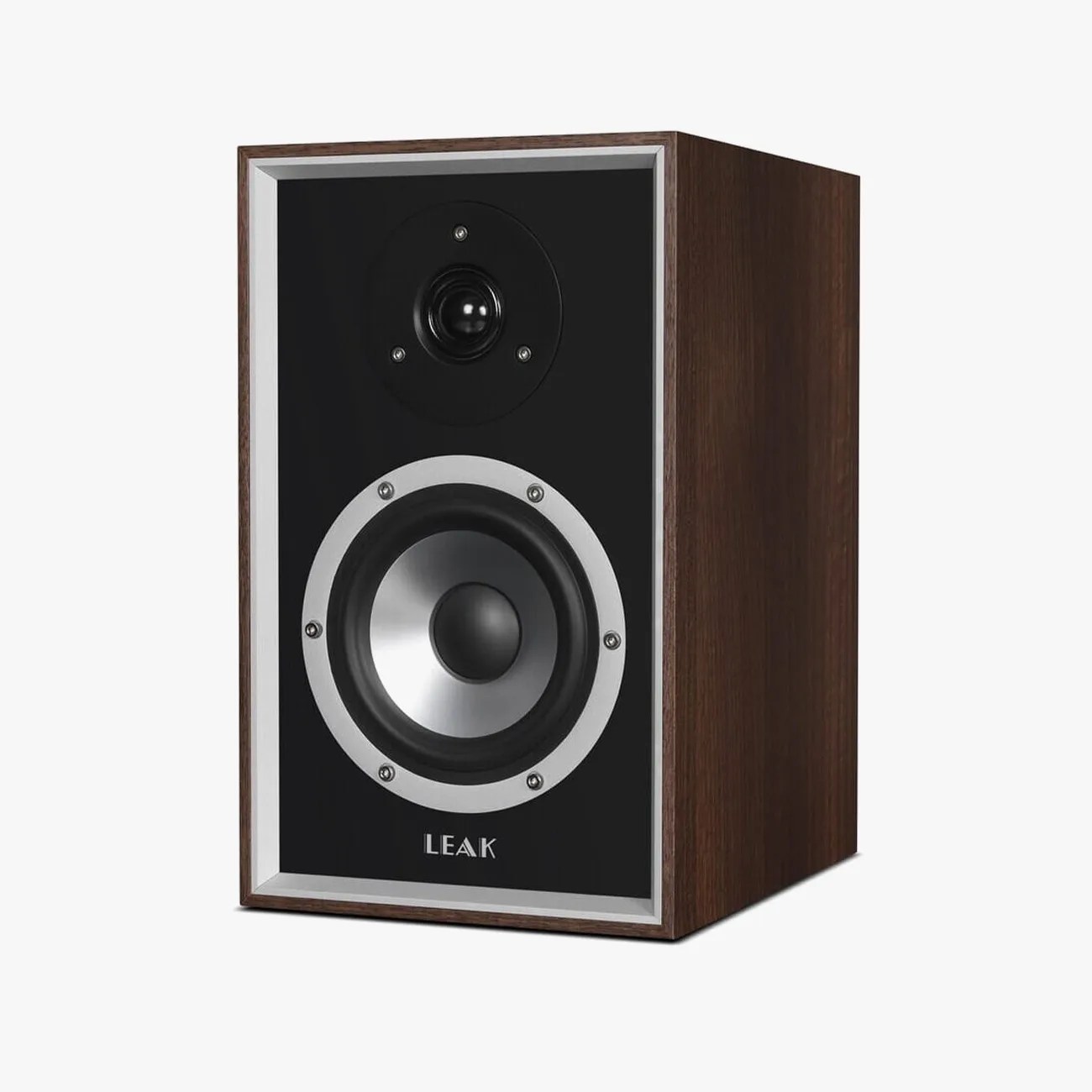 Leak Audio
Leak Sandwich 100
The Leak Sandwich 100 is a pair of bookshelf speakers modeled after the brand’s original 1961 Sandwich loudspeaker. They’re essentially smaller versions of Leak’s Sandwich 150. Despite its smaller size, Leak claims the Sandwich 100 has the same hallmark qualities as its other Sandwich loudspeakers and delivers “an engaging, natural sound across a wide range of music.”
 Wharfedale
Wharfedale Heritage Centre
The Heritage Centre is a dedicated center channel that’s designed to match Wharfedale’s other Heritage series speakers both aesthetically and acoustically. It’s aimed at Linton or Denton owners who want to transform their traditional stereo system into a 3.1- or 5.1-channel home theater system.
 DJI
DJIDJI Osmo Pocket 4
DJI isn’t messing much with success. The fourth-generation Osmo Pocket looks and works just like the Osmo Pocket 3, which was released in 2023, as it’s a three-axis handheld camera designed for vlogging and content creation. Naturally, the Osmo Pocket 4 comes with quite a few upgrades, the most notable of which being a higher-capacity battery, more storage and better 4K video capture (particularly in low light). Unfortunately, US pricing and availability aren’t yet known.
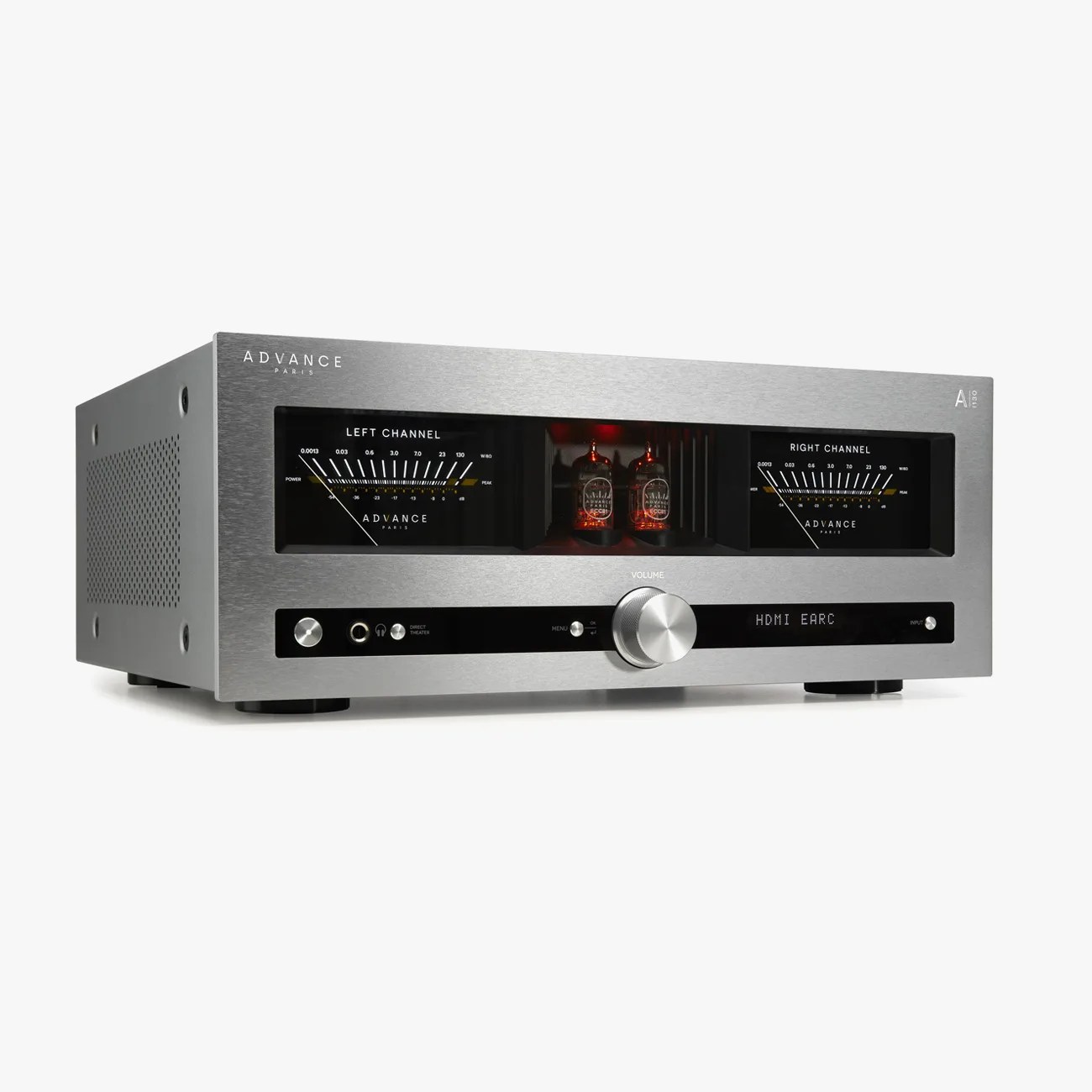 Advance Paris
Advance Paris A-i130 Nova
The A-i130 is one of two integrated amplifiers in the brand’s flagship Nova series. It combines a power amplifier, preamplifier, DAC and a wide range of connections into one box. And it’s capable of delivering 130 watts per channel. It lacks Wi-Fi and Bluetooth streaming capabilities, but Advance Paris sells accessories that are specially designed to add both.
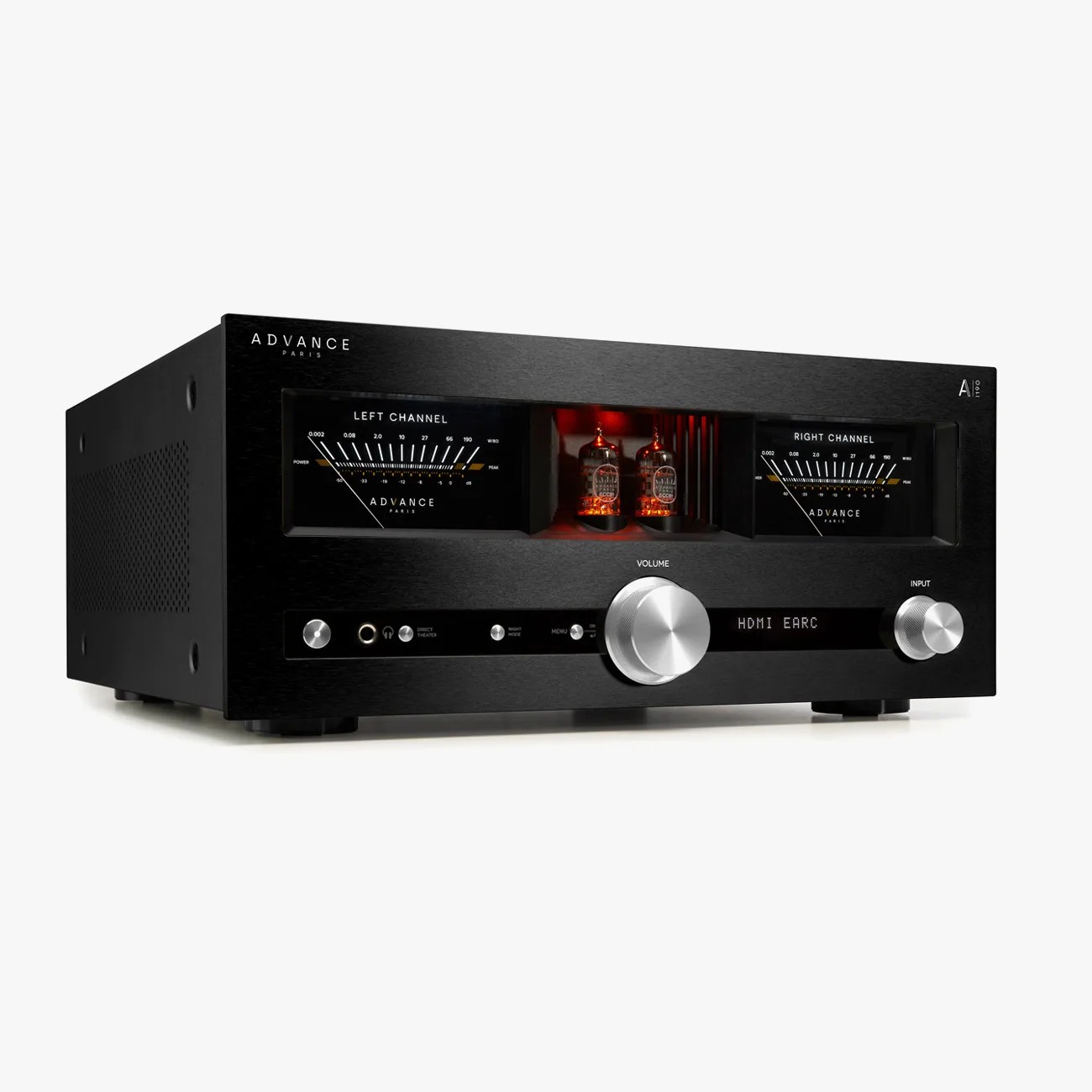 Advance Paris
Advance Paris A-i190 Nova
The A-i190 is the French audio maker’s flagship integrated amplifier. It’s quite similar to its smaller sibling, A-i130, but the A-i190 is more powerful (capable of delivering 190 watts per channel) and features more connections. Specifically, it adds XLR inputs and pre-out, two coaxial digital inputs, and an MC phono stage, so it’s compatible with higher-end turntables.
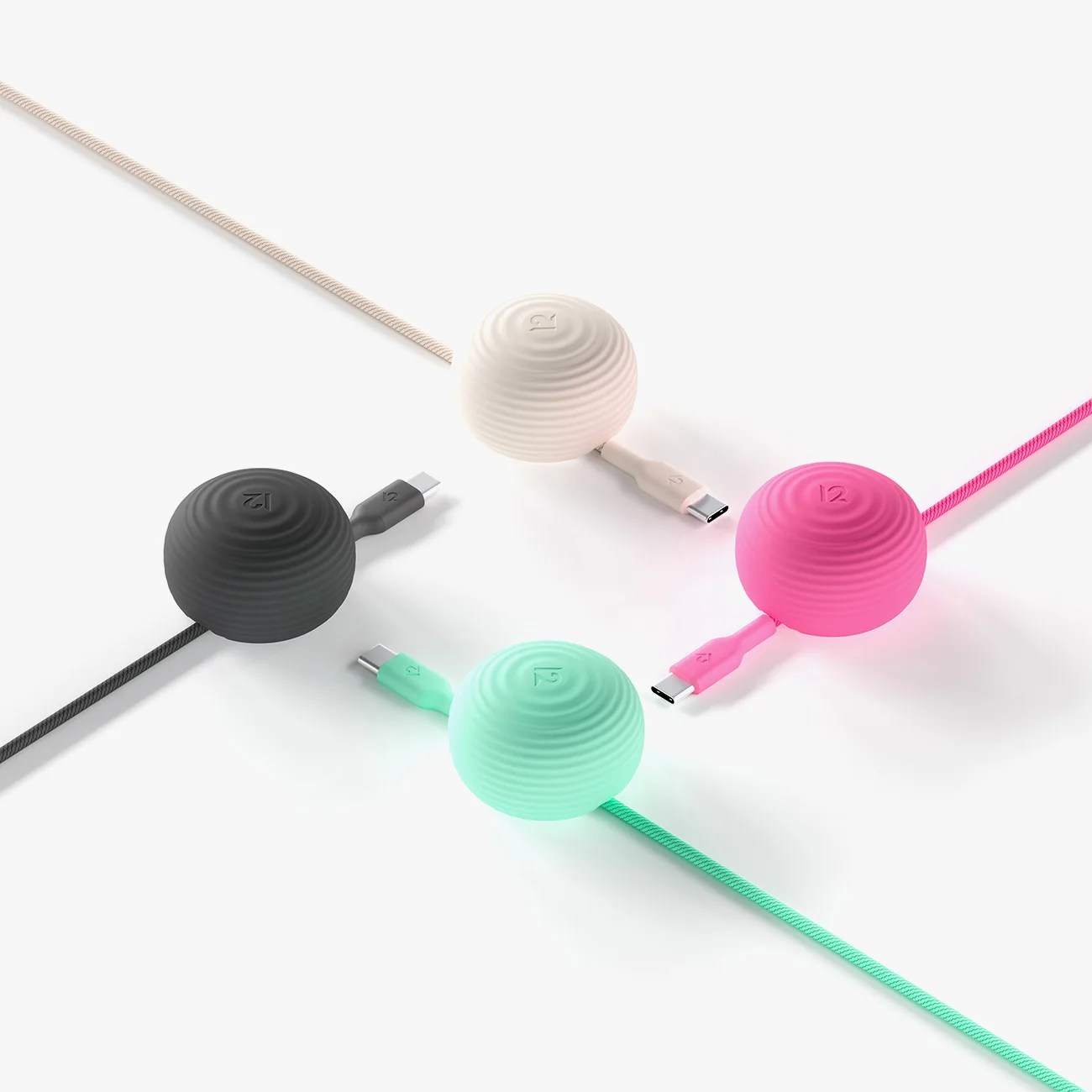 Twelve South
Twelve South CableStay
Do your charging cables keep slipping off your desk or nightstand? Enter the CableStay. It’s a five-foot, woven nylon USB-C charging cable that comes with a weighted anchor (which isn’t attached to the cable). The idea is to place the small but nearly half-pound weight on top of the cable to prevent it from falling off the ground. Neat and simple. The CableStay does not come with a wall adapter, but it accepts up to 60 watts with Power Delivery. It comes in four colors (as shown above).
 We Are Rewind
We Are Rewind WE-001 (Discogs Edition)
We Are Rewind teamed up with Discogs and Recording The Masters to release a special-edition version of its WE-001. Like before, it’s a portable cassette tape player with new-age features, such as Bluetooth connectivity and USB-C charging, but it comes in a new matte black finish with the Discogs logo front and center. Additionally, it comes bundled with RTM’s C60 Blank Cassette tape, so you can record your own mixtapes. Only 150 of these bundles will be sold.
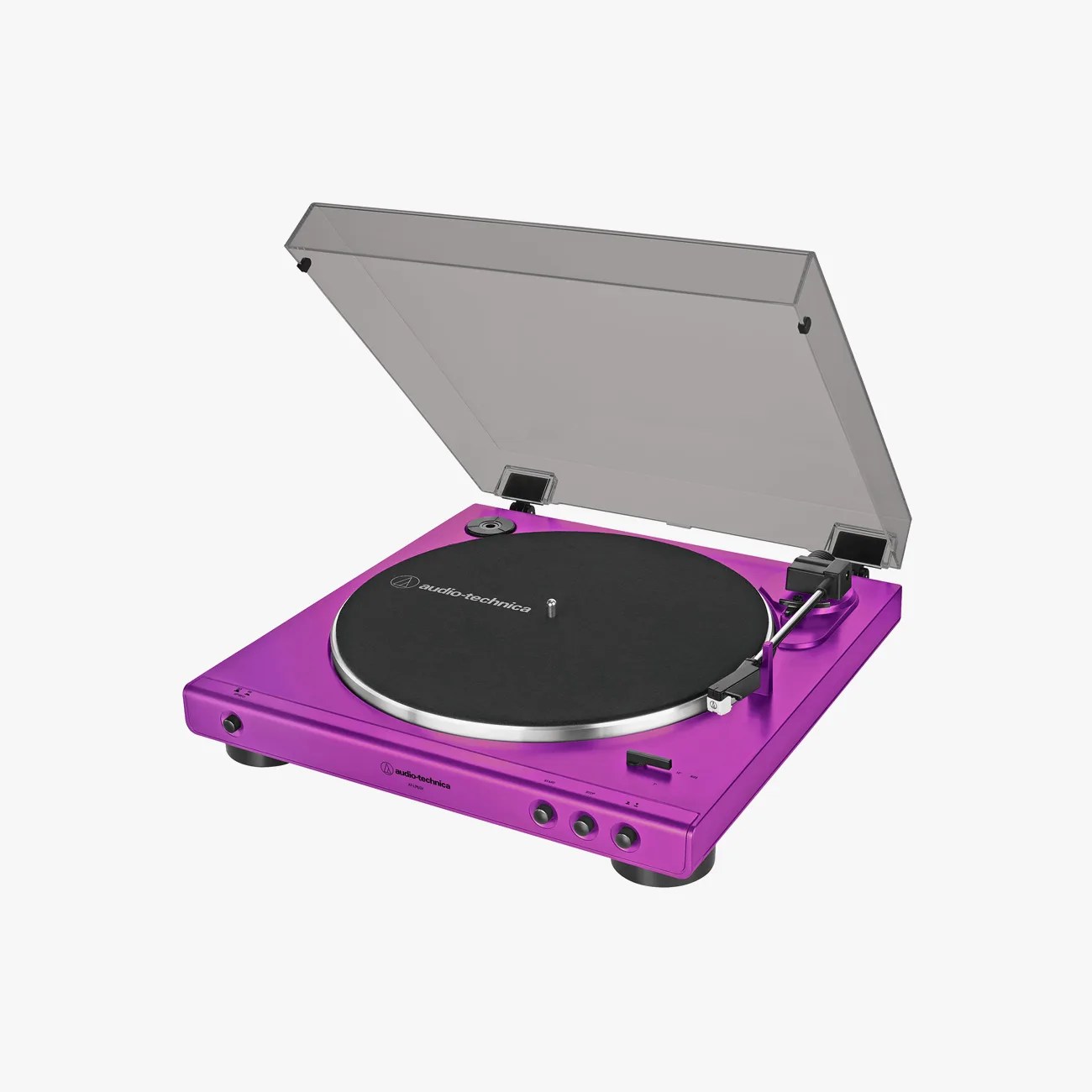 Audio-Technica
Audio-Technica AT-LP60X-PL
Audio-Technica’s AT-LP60X is the company’s most entry-level turntable. Released in 2019, it’s positioned as an affordable option for those who want to get into vinyl. The AT-LP60X-PL is a special-edition version of the AT-LP60X with a purple finish. Other than that, it’s the same fully-automatic, belt-drive turntable as before.
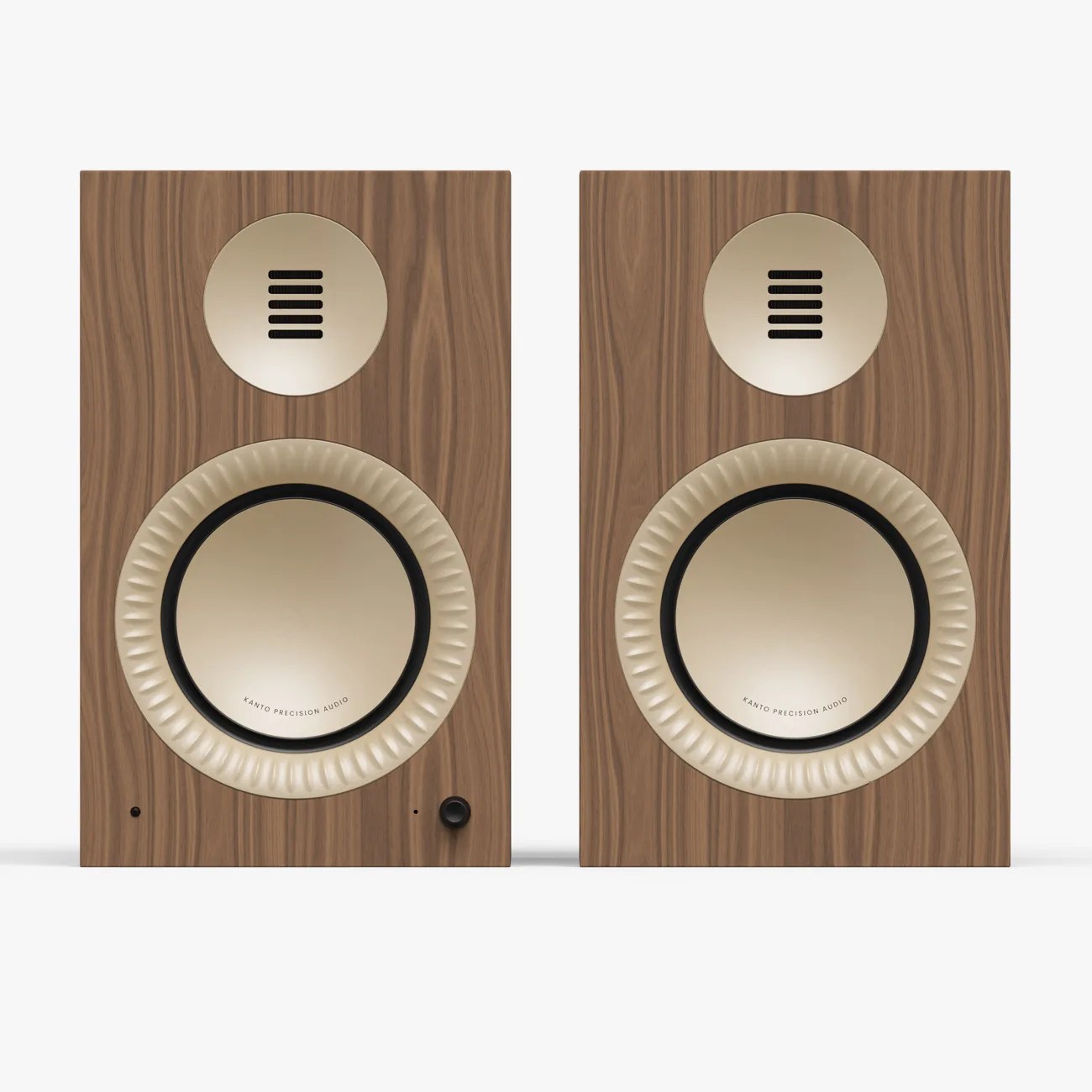 Kanto Audio
Kanto Audio Tuk Grand
The Tuk Grand is Kanto Audio’s new flagship speaker. It’s essentially a bigger and better version of Kanto’s Tuk speakers. Like the rest of its speaker lines, the Tuk Grand comes in both passive and powered models, which gives you more flexibility to build out a hi-fi system. According to the brand, the Tuk Grand “represents the most ambitious speaker Kanto has created to date.”
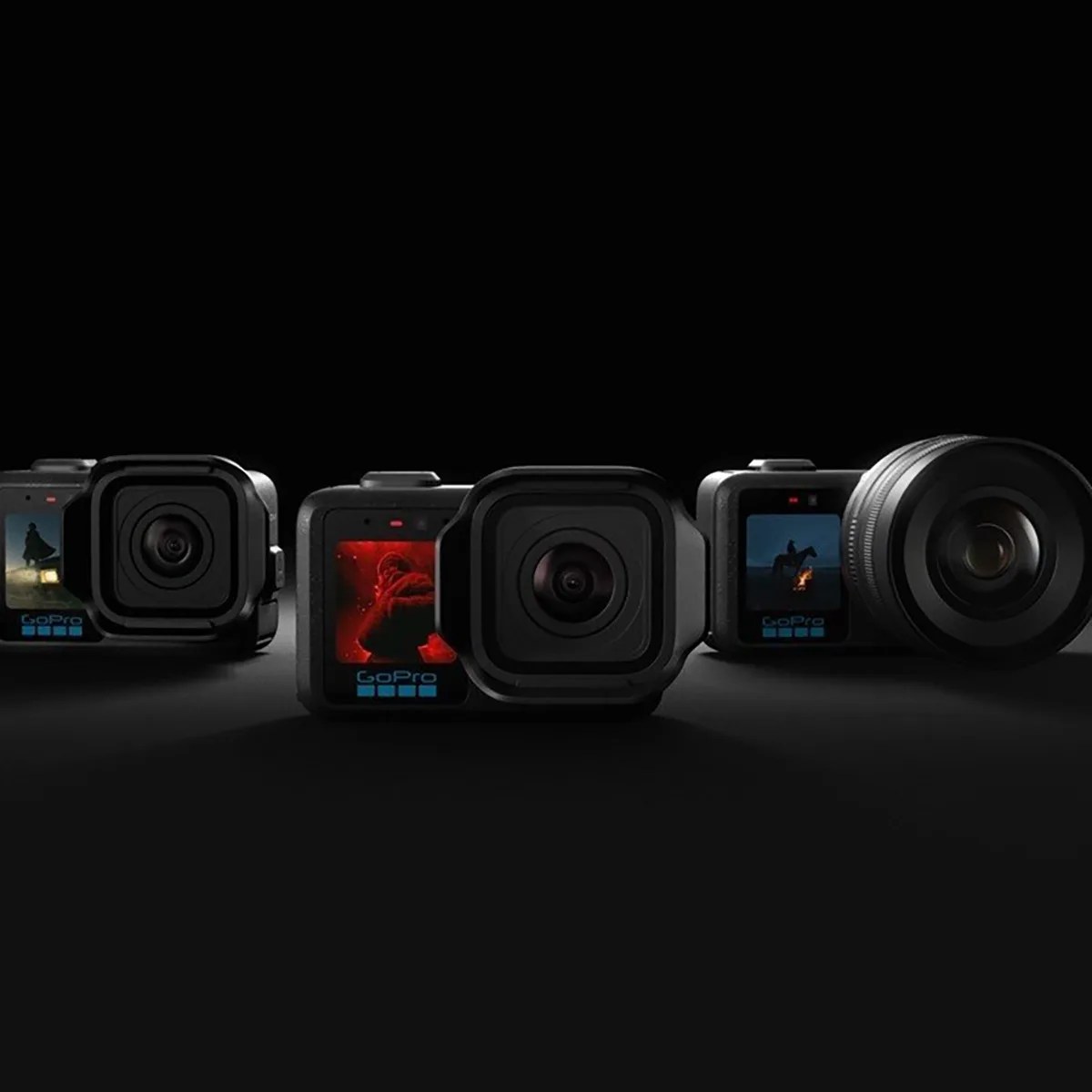 GoPro
GoProGoPro Mission 1 Series
GoPro is making the most significant change to its action camera lineup in the last two decades with the introduction of the Mission 1 Series. It comprises three different models, all of which feature a 50-megapixel 1″ sensor, GoPro’s ultra-efficient GP3 processor, and work with an interchangeable Micro Four Thirds lens system (that’s compatible with an even broader array of lenses via adapters). Designed for professional filmmakers and creators, GoPro says the series features the “world’s smallest, lightest, and most rugged 8K and 4K Open Gate cinema cameras.” At the time of writing, pricing and availability information have not been revealed.
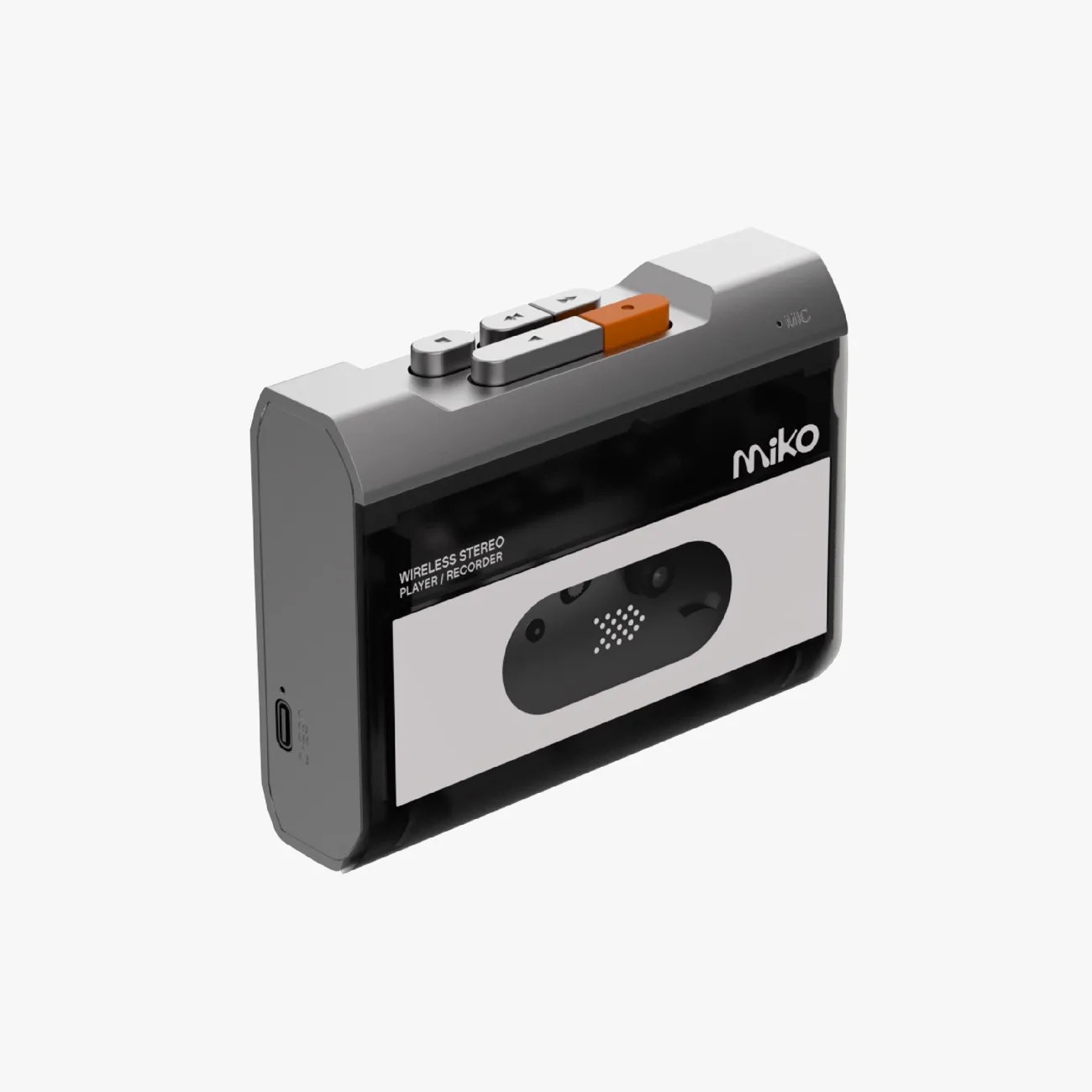 Gadhouse
Gadhouse Miko Cassette Player
The Miko is the affordable audio brand’s first foray into portable cassette tape players. And, despite its retro-inspired design, it’s very much a new-age Walkman. It has the analog feel of the players from the ’90s and early 2000s, but it also has a rechargeable battery and even supports Bluetooth, so you can use your wireless headphones.
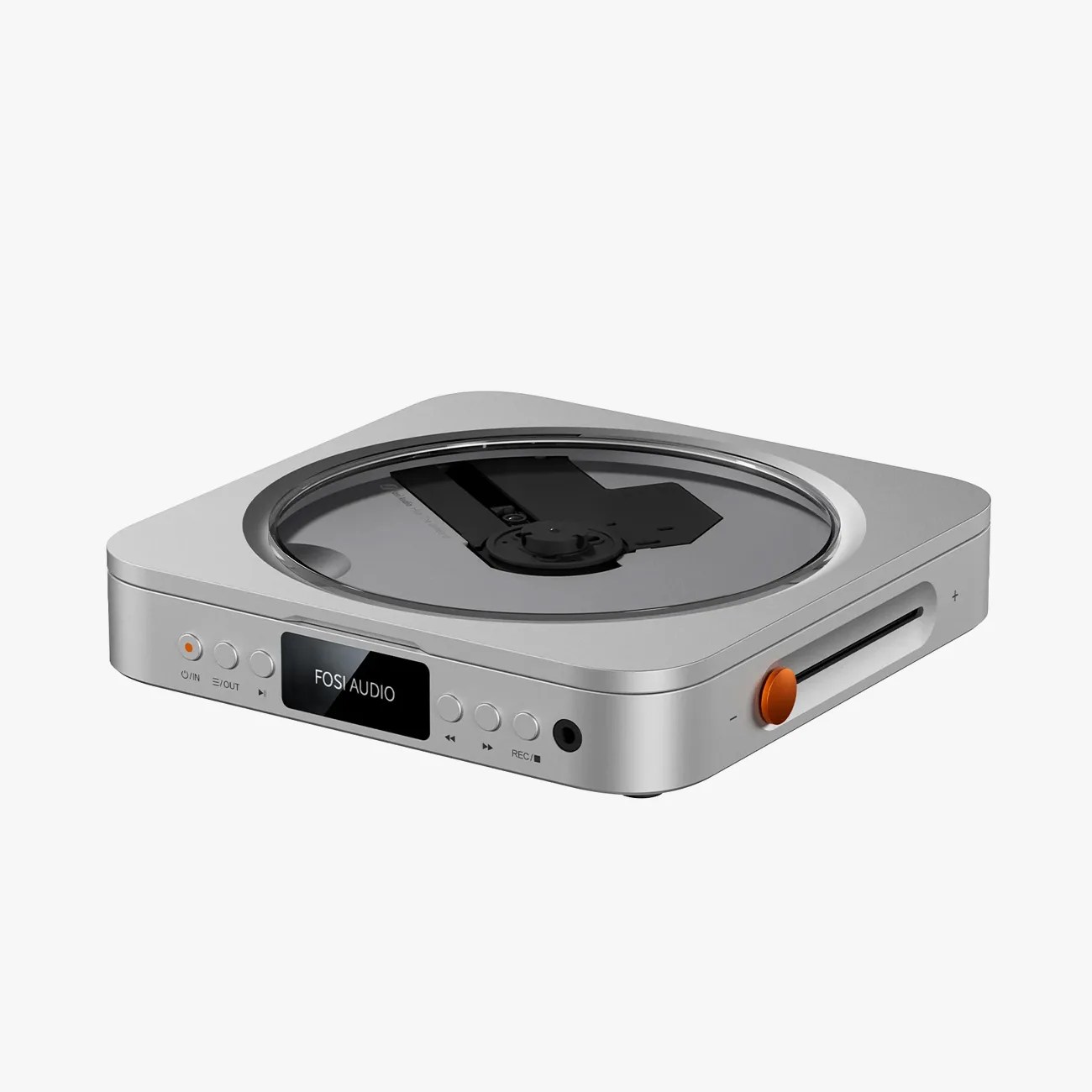 Fosi Audio
Fosi Audio Merak CD Player
The Merak is the company’s first venture into CD players. And despite looking like a new-age portable CD player (which seems to be quite the rage right now), the Merak is very much designed as a fixed desktop component. It lacks a built-in battery. In addition to working like a desktop CD player, the Merak also functions as an all-in-one digital transport, DAC and headphone amplifier. According to the brand, it offers “a versatile and high-performance solution for both casual listeners and dedicated hi-fi enthusiasts.”
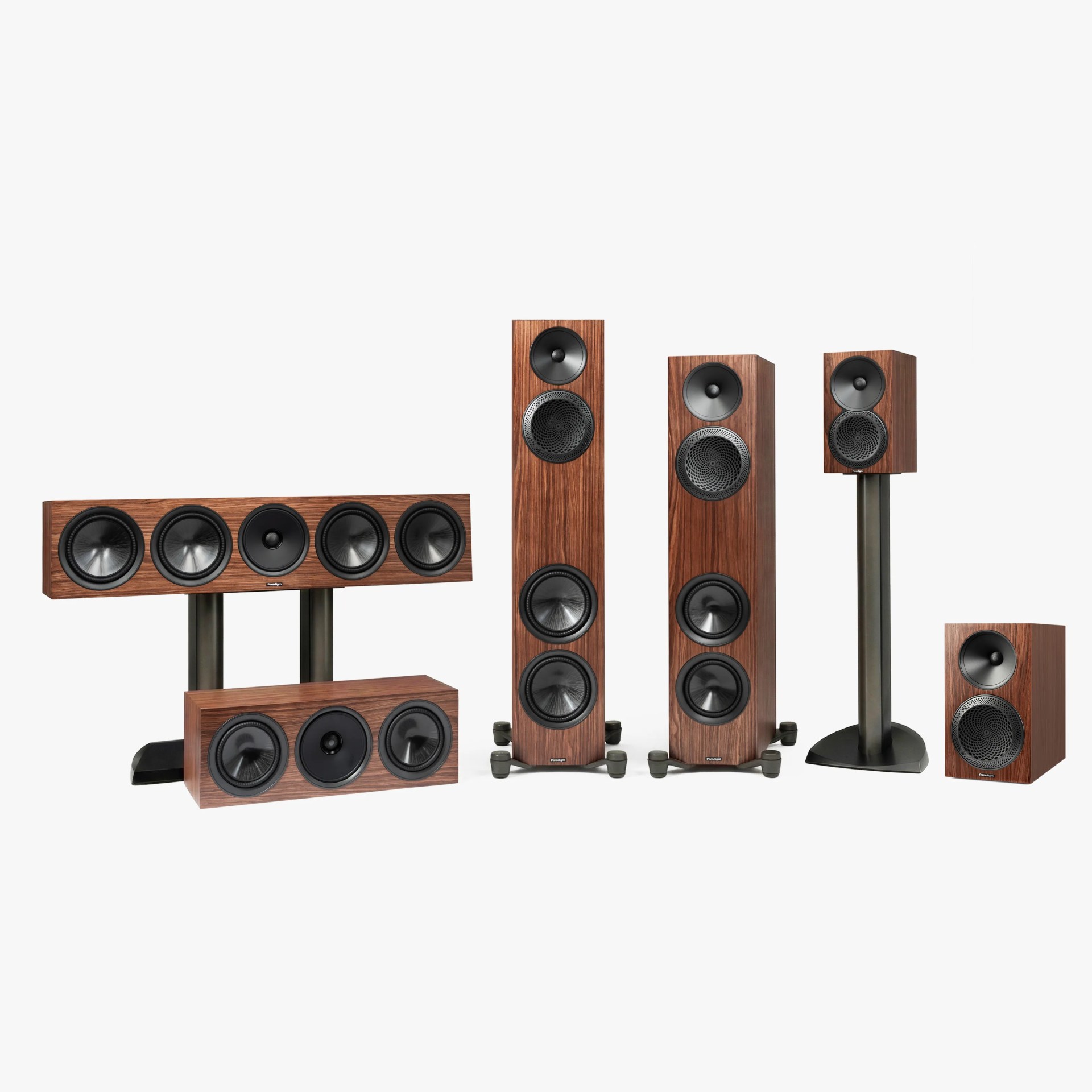 Paradigm
Paradigm Premier Series v2
Eight years after its original release, the Canadian hi-fi manufacturer has introduced a second-generation (or v2) of its Premier Series of loudspeakers. Like before, this new affordable range is designed for those looking to take “the audiophile step up.” Each of the speakers features trickle-down technologies from the brand’s high-end lines. There are six models to choose from: two bookshelf, two floorstanding, and two center-channel speakers for those building out a home theater.
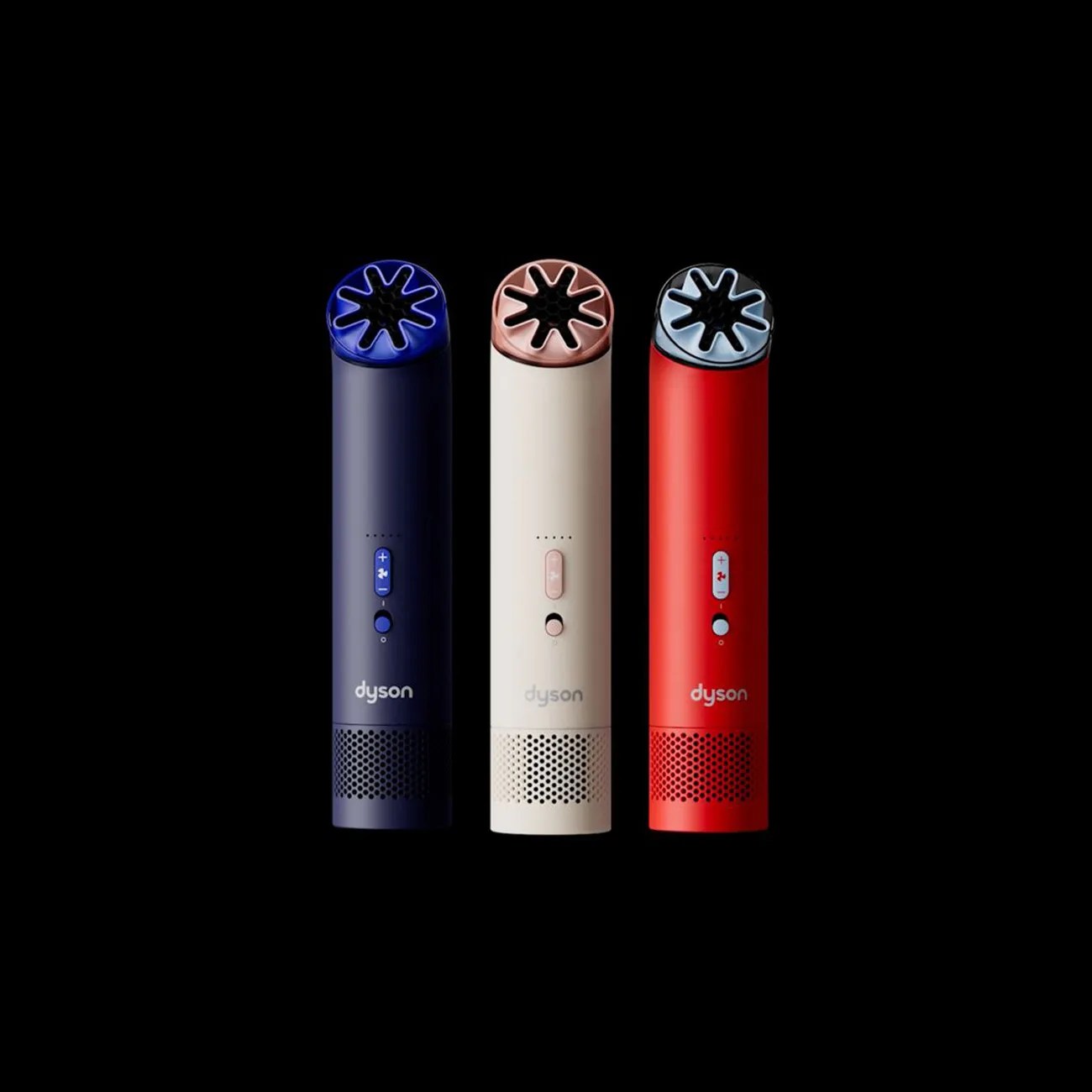 Dyson
DysonDyson HushJet Mini Cool
Summer is right around and a handheld portable fan is an EDC I think we can all get behind. Enter Dyson’s HushJet Mini Cool, which you can consider the Rolls-Royce of the category. It’s the brand’s first-ever portable fan and, naturally, it’s engineered for excellence. It features a brushless 65,000-RPM DC motor that delivers 55mph of cool air right to the face. And despite that power, it promises not to be any louder than a common desk fan. It changes via USB-C and has an “up to six-hour” battery life. At $100, it’s cheap for Dyson but wildly expensive for a portable fan.
 Polaroid
Polaroid Hi-Print 3×3
Polaroid’s Hi-Print 3×3 pulls double duty as both a portable printer and a digital picture frame. It’s designed to sit on a shelf and show off your smartphone photos digitally, as well as bring the really special ones into the physical world (so you can gift or hang on your fridge). It’s a mid-sized model that joins the company’s existing Hi-Print lineup, consisting of the smaller Hi-Print 2×3 and the desktop-friendly Hi-Print 4×6. As its name suggests, it produces 3×3-inch prints. Each model includes 10 prints right out of the box. Extra paper cartridges cost $30 for 30 sheets.
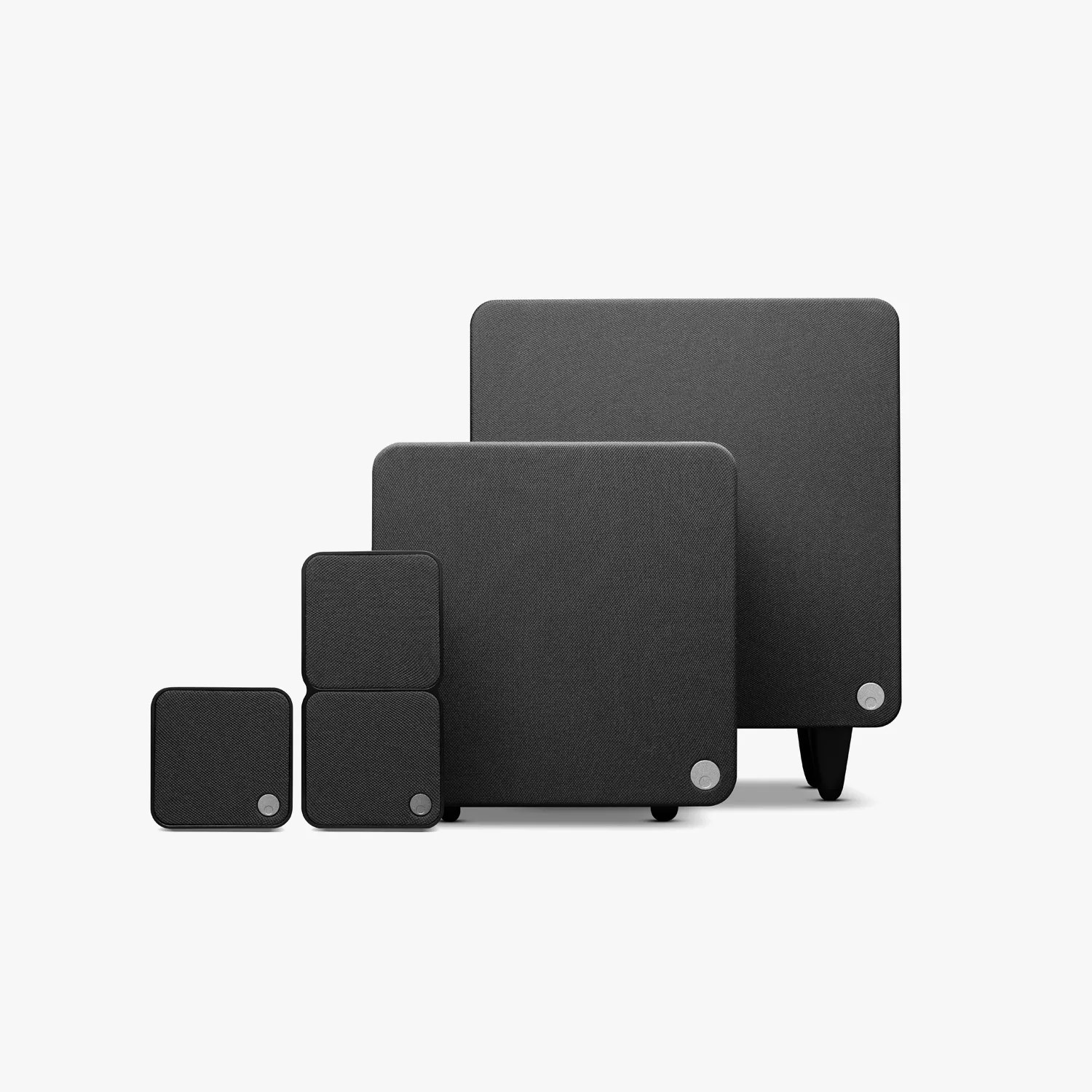 Cambridge Audio
Cambridge Audio MSX Series
The MSX Series is a reimagining (or rebirth) of the company’s popular Minx speaker range, introduced in 2011. It’s the same modular speaker system, comprising four models: two small satellite speakers and two small subwoofers. The difference between the old Minx range and the new MSX Series is mostly aesthetic, as each speaker features a more refined, contemporary design. As before, they’re ultra-small, scalable passive speakers that can be configured for a range of stereo and surround sound setups. Basically, they deliver good sound without taking up much space.
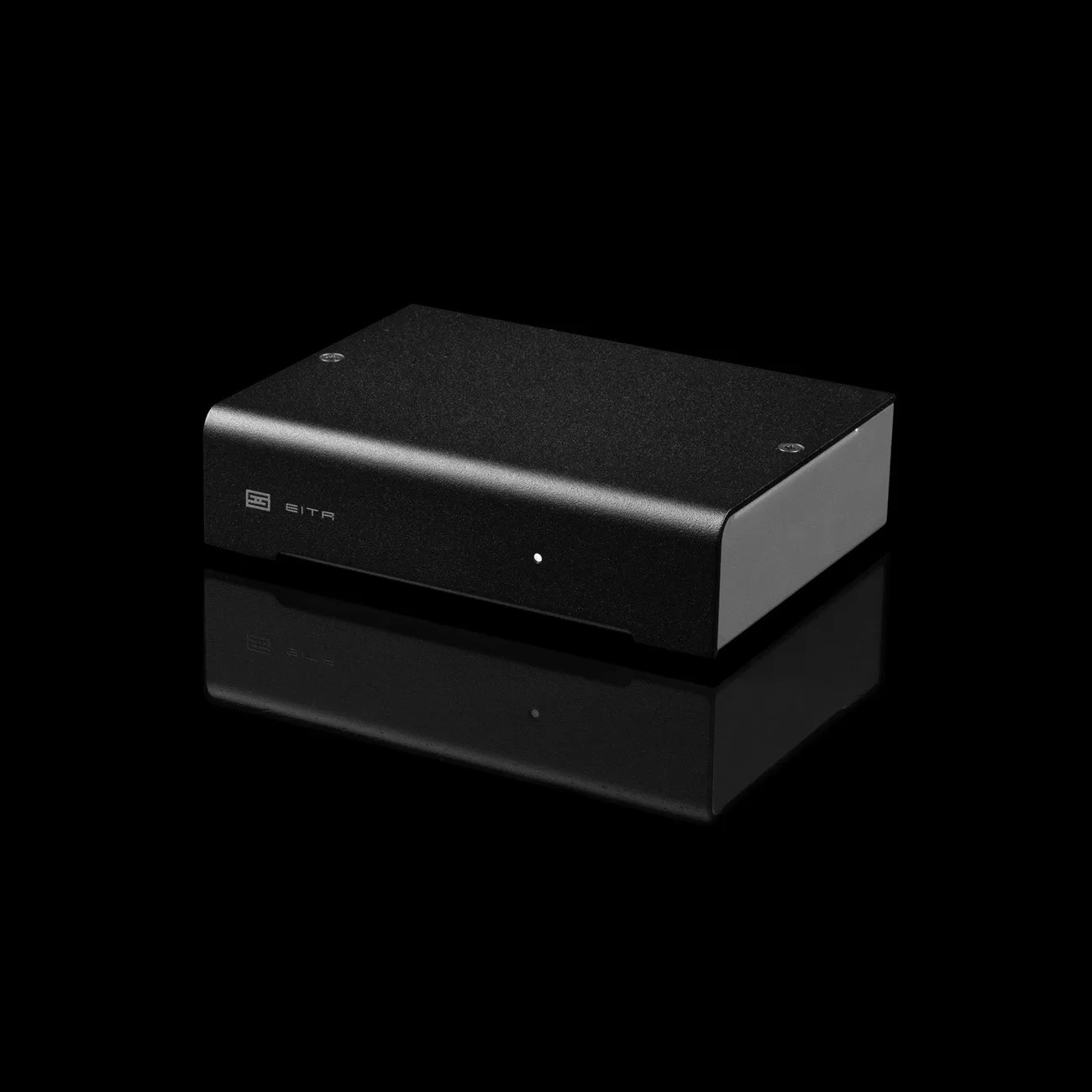 Schiit Audio
Schiit Eitr 2
The Eitr 2 is a digital-to-digital converter (DDC). It connects to your device via USB-C, reclocks the digital signal, and then outputs it to a new interface. While the original Eitr (released in 2017) only outputted via coaxial, the Eitr 2 can output via coaxial, AES/EBU, and Toslink, thus allowing it to work with a wider variety of sources. It also now supports Forkbeard, the brand’s proprietary app-based platform that gives you greater control over your system’s sound. According to Schiit, the Eitr 2 is designed to turn any old computer, tablet, or smartphone into “a world-class digital source.”
 Samsung
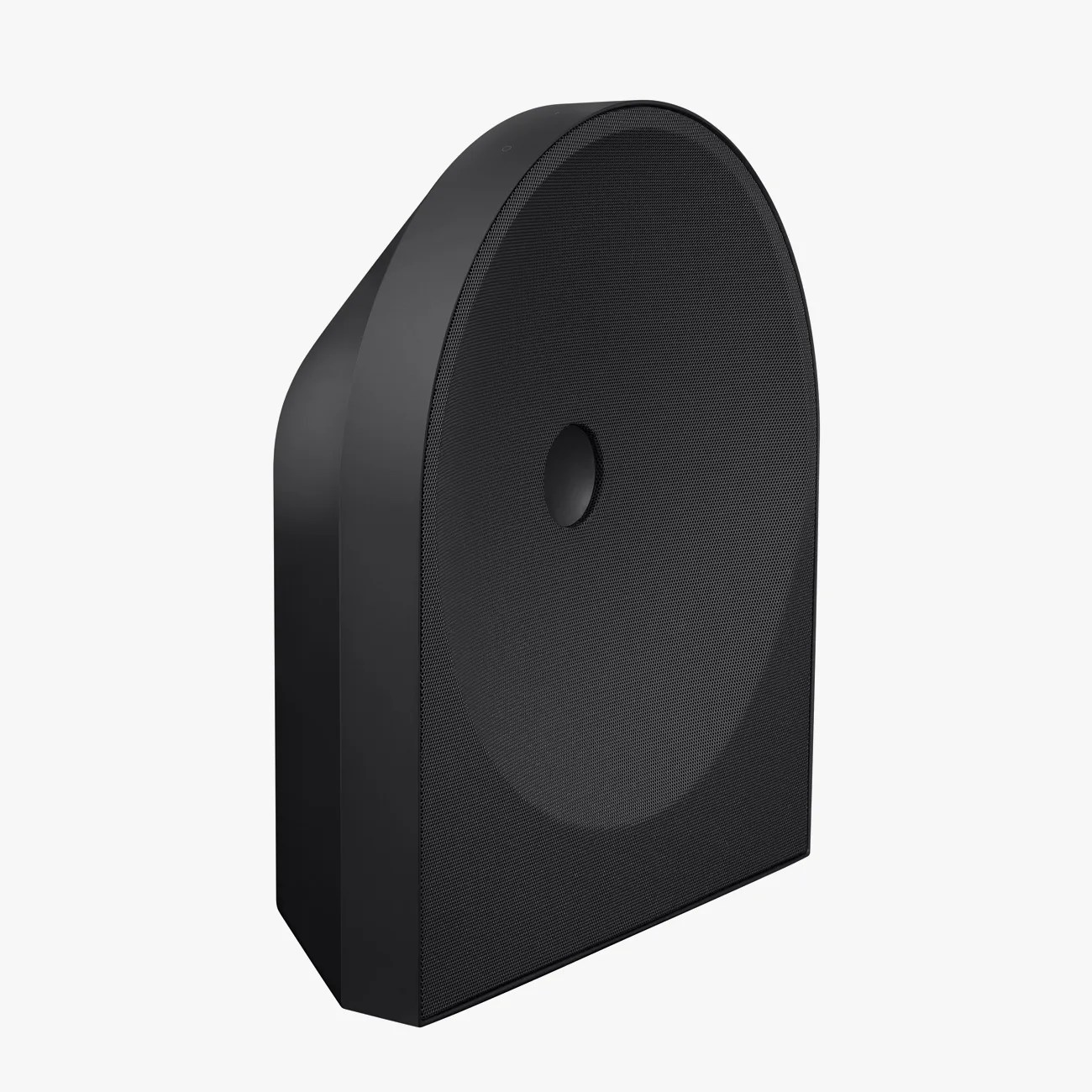
Samsung Music Studio 5
Samsung’s Music Studio 5 is a smaller version of the company’s Studio 5. It’s a wireless multi-room speaker with all the same capabilities, except it’s a 2.1-channel speaker and doesn’t have up-firing drivers. So, it supports Dolby Atmos, but can’t play as immersive a sound. Maybe most interestingly, like the Studio 7, the Studio 5 supports the company’s Q-Symphony technology, which lets you pair up to five Samsung sound devices to craft a home theater the way you want.
 Samsung
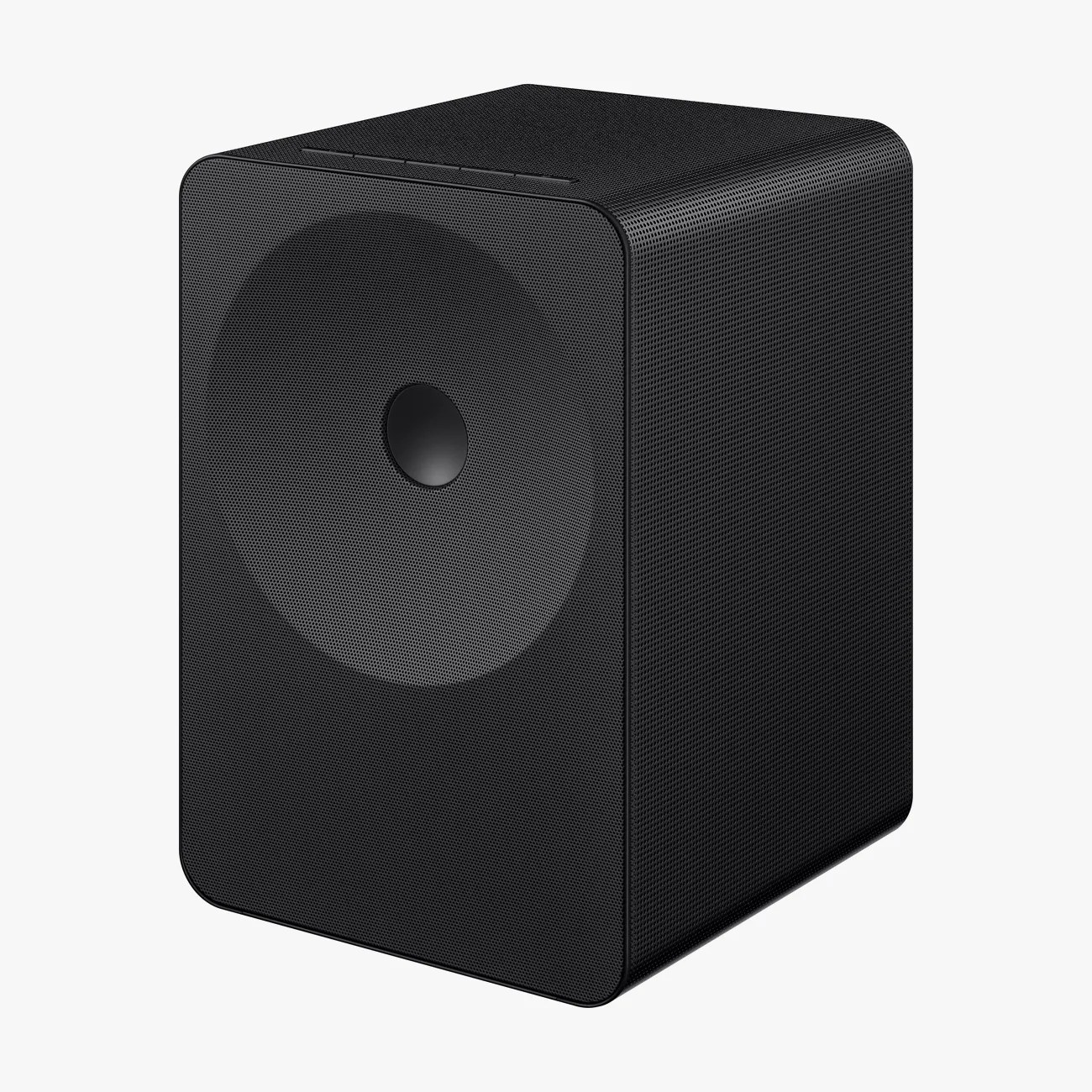
Samsung Music Studio 7
The Music Studio 7 is a wireless active speaker that’s capable of streaming high-resolution audio over Wi-Fi and can be configured in a multi-room system with Samsung’s other speakers, soundbars and TVs. And despite it looking like a bookshelf speaker, Samsung actually sells them as standalone speakers (two can be stereo-paired, of course). The speaker is essentially a rival to Sonos’s Era 300, as it features up-firing drivers and thus delivers a more immersive Dolby Atmos sound.
 Samsung
Samsung Q-Series Soundbars (2026)
Samsung has officially introduced its soundbar lineup for 2026. And there are four models. The HW-Q990H ($1,999) is the flagship. It delivers a true 11.1.4 channel sound, thanks to wireless surrounds and a wireless subwoofer. Then there’s the entry-level HW-QS90H ($1,000), which is the brand’s “first all-in-one Samsung soundbar,” promising 7.1.2-channel sound without a separate subwoofer. Rounding out the lineup are the HW-Q900H ($1,500) and the HW-Q800H ($1,100), both of which fall as new mid-range options.
 Panasonic
Panasonic ErgoFit Wired Earphones (USB-C Compatible)
Panasonic’s ErgoFit has been one of the most popular affordable wired earphones for years. And now, finally, the company has introduced new versions with a USB-C connector (instead of 3.5mm) so that they can connect directly to your smartphone, laptop or tablet. Other than the new connector, everything about these wired earphones is the same: drivers, microphone and design. They are available in three finishes: white, blue or black.
 Bang & Olufsen
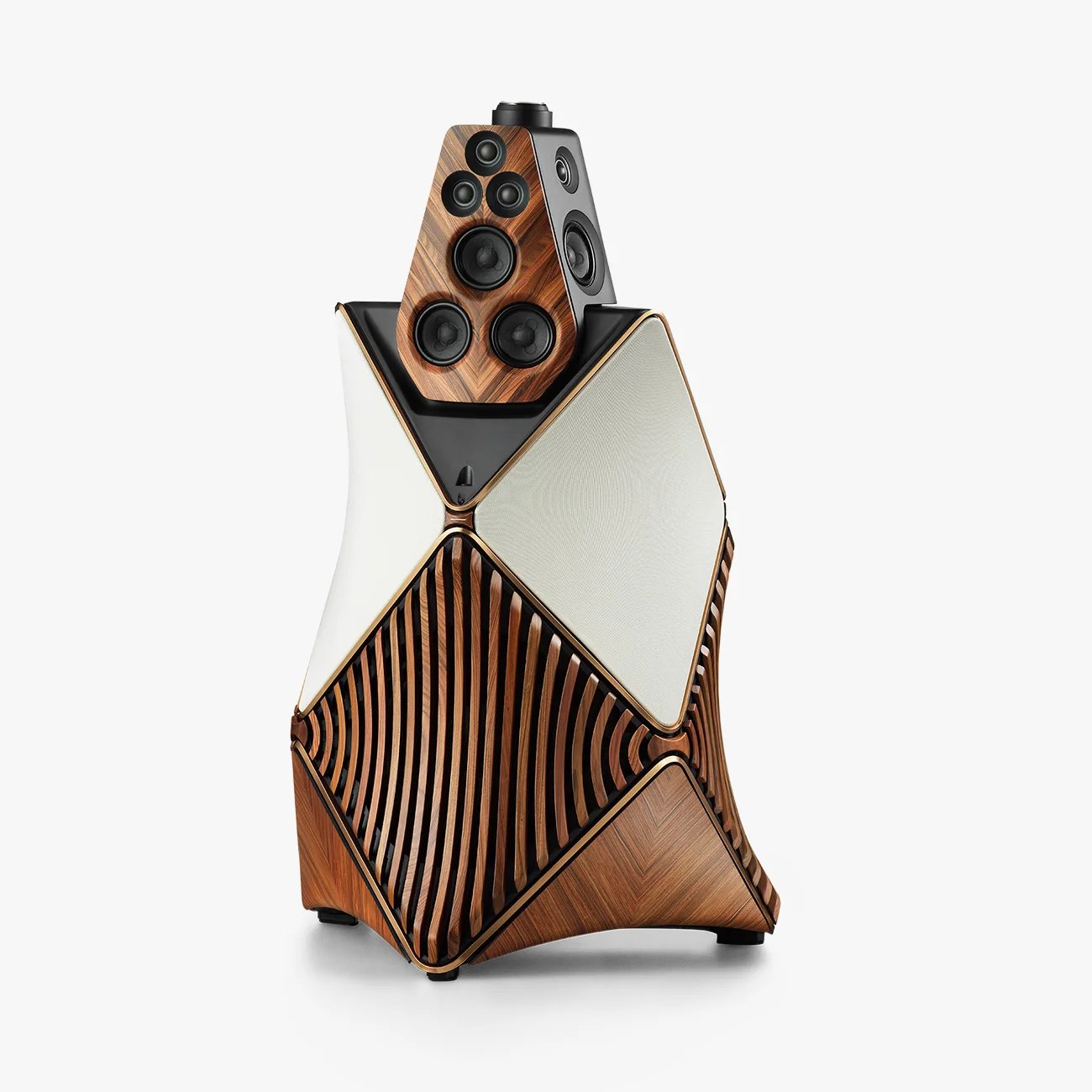
Bang & Olufsen Beolab 90 (Monarch Edition)
The Monarch Edition is an extremely limited edition version of the company’s flagship Beolab 90. It’s the same active loudspeaker, but it was created through the Atelier program, which leverages the brand’s master artisans that produces custom versions of its products. It combines angled rosewood lamellas (the decorative panels) and precisely finished aluminum elements. B&O claims the design “transforms the flagship speaker into a flowing, sculptural object.”
 Bang & Olufsen
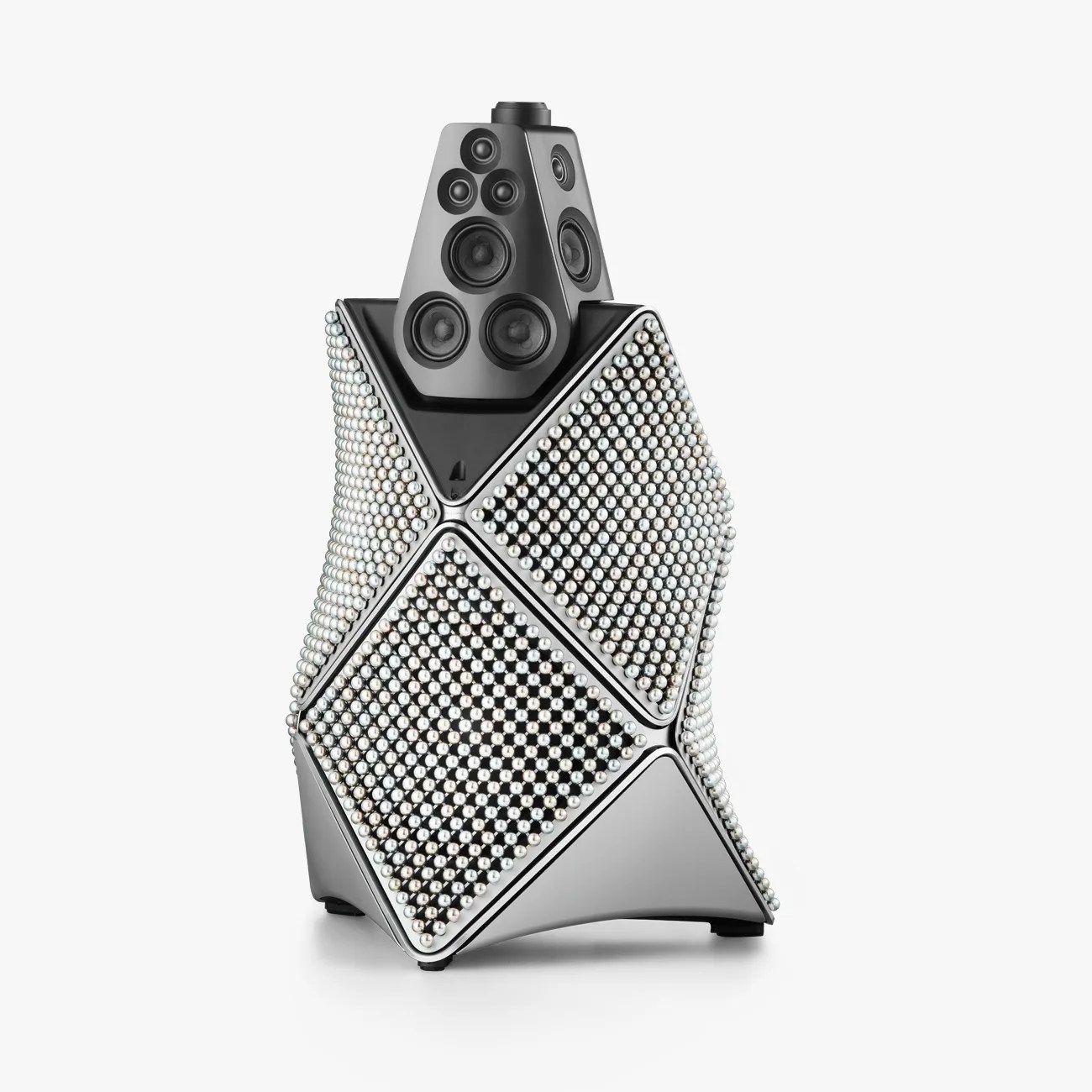
Bang & Olufsen Beolab 90 (Zenith Edition)
Like the Monarch Edition, the Zenith Edition is an extremely limited-edition version of the company’s flagship Beolab 90, created through the Atelier program. It’s the same active loudspeaker, but it’s six panels are each integrated with 289 anodized aluminum spheres that are arranged in seven bespoke pearl-inspired colors. According to the brand, it creates “a shimmering, reflective surface that interacts with light and the environment.”
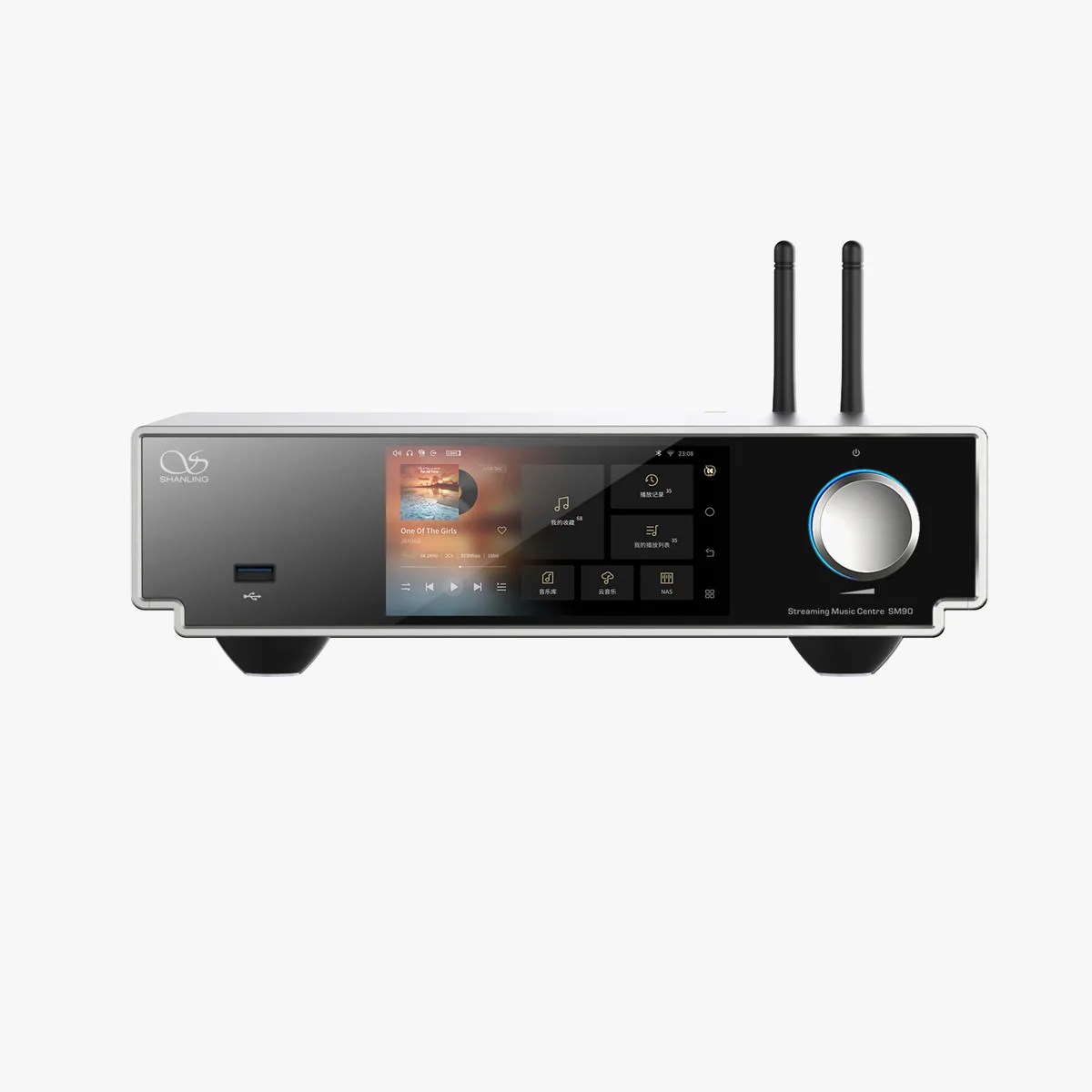 Shanling
Shanling SM90
The Shanling SM90 is a music streamer and network player designed to work with the company’s “90” line of compact hi-fi components, including the CT90 CD transport. It features a classic dual-AKM architecture, runs Android, and supports most major streaming apps natively. Aside from a steamer, it can function as a DAC for external digital sources thanks to USB, optical and coaxial inputs. It has also been integrated an HDMI ARC input (a first for Shanling), allowing it to be used between both your home hi-fi and home theater systems.
 JBL
JBLJBL Go 5
The JBL Go 5 is the latest iteration of the company’s ultra-portable Bluetooth speaker. It shares the same square-ish and rugged design as its predecessors, but JBL has upgraded the sound, promising to deliver deeper bass and get 10% louder, and a longer battery life. Maybe the most notable improvement is AirTouch; if you have two Go 5 speakers, you can simply tap their sides together, and they’ll automatically form a stereo pair. JBL offers the speaker in 10 different colors.
 JBL
JBLJBL Xtreme 5
JBL Xtreme 5 is the fifth-generation model of its large portable Bluetooth speaker. It looks quite similar to past Xtreme speakers, but JBL gave it a new acoustic design with dual tweeters, a subwoofer , and enhanced power so that it delivers more of a “pro” sound. Additionally, it supports a new AI-powered SmartEQ mode, where automatically adjusts the EQ based on what you’re listening to.
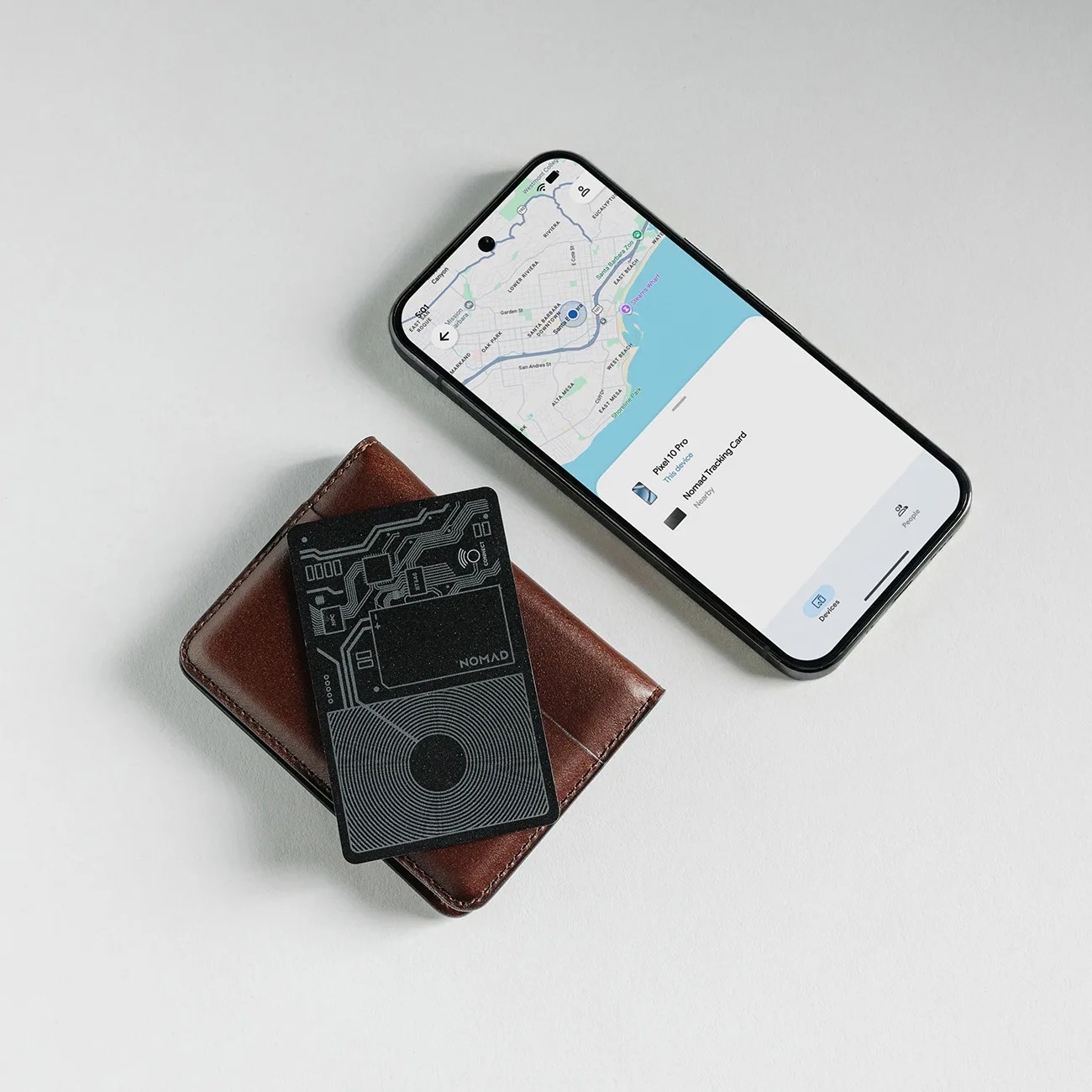 Nomad
NomadNomad Tracking Card Air (Google Find Hub)
Nomad launched the Tracking Card Air in early 2025. It’s a credit card-sized Bluetooth tracker that works with Apple’s Find My network; it’s effectively an AirTag that can fit in your wallet. As of March 2026, the company has introduced a version of the Tracking Card Air for Android users. It looks exactly the same, but it works with Google’s Find Hub network.
 Samsung
Samsung The Frame and The Frame Pro (2026)
Samsung’s 2026 lineup of lifestyle TVs, consisting of The Frame and The Frame Pro, doesn’t mess too much with a proven formula. Each looks identical to its predecessor, placing a TV in a picture frame so that it can be disguised as a piece of digital art when the TV isn’t playing. What’s new, aside from the typical picture upgrades and improved glare-free technology, is that The Frame has built-in connections rather than housing them in a separate box (which connects to the TV via a thin cable). The Frame Pro still uses the company’s Wireless One Connect Box, which transmits the signal up to 30 feet away for all its connections and has an updated Neo QLED 4K display that promises a better picture with greater contrast. Both models will be available in sizes ranging from 55 to 85 inches.
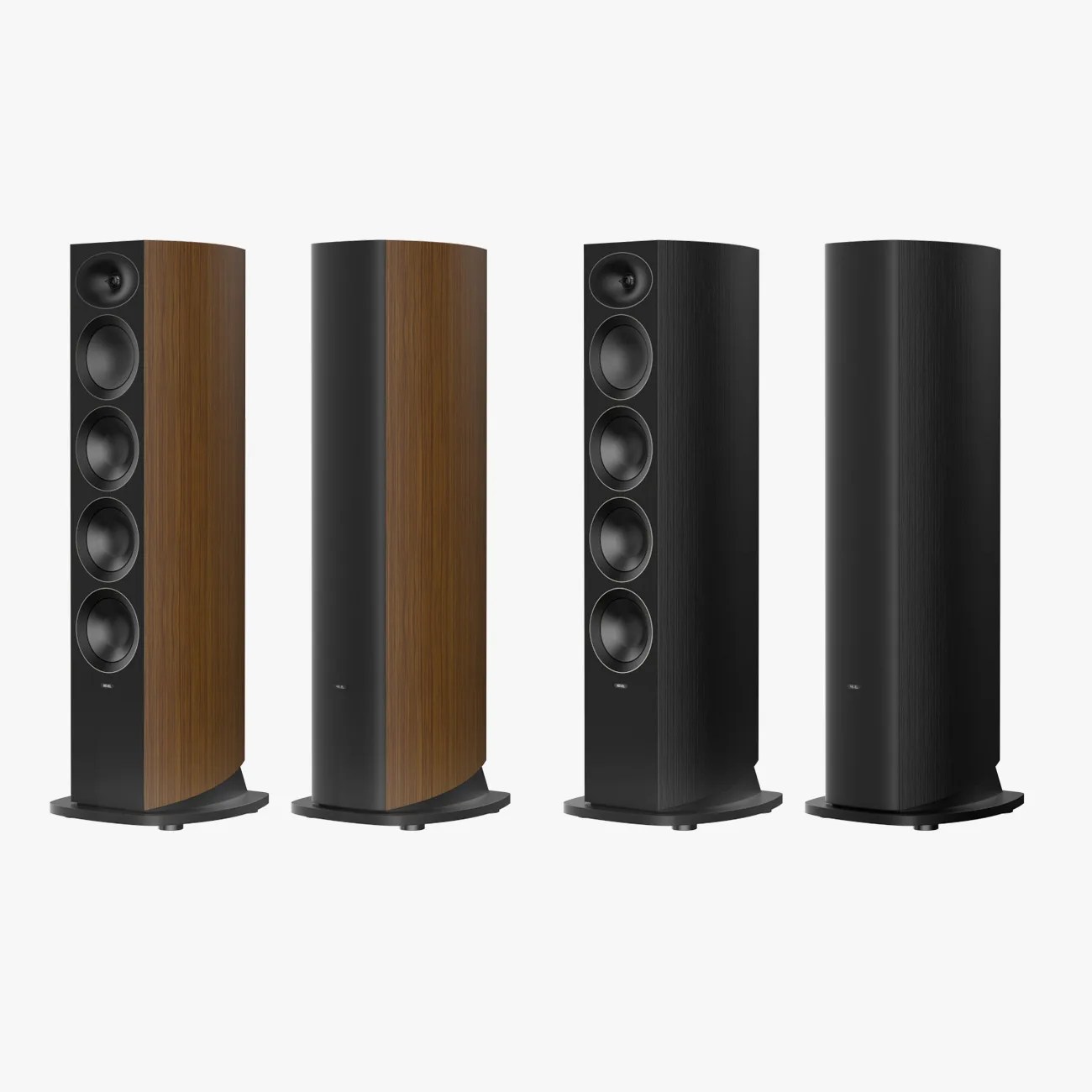 Revel
RevelRevel Performa4 Series
Revel’s Performa4 series sits just below the company’s PerformaBe series of loudspeakers, which can cost upwards of $17,000 (depending on the model). The range consists of seven different loudspeakers, including two floorstanding models, two bookshelves, a dedicated center channel and a powered subwoofer. According to the brand, the range is “engineered to deliver music with the utmost purity, exactly as the artist intended.”
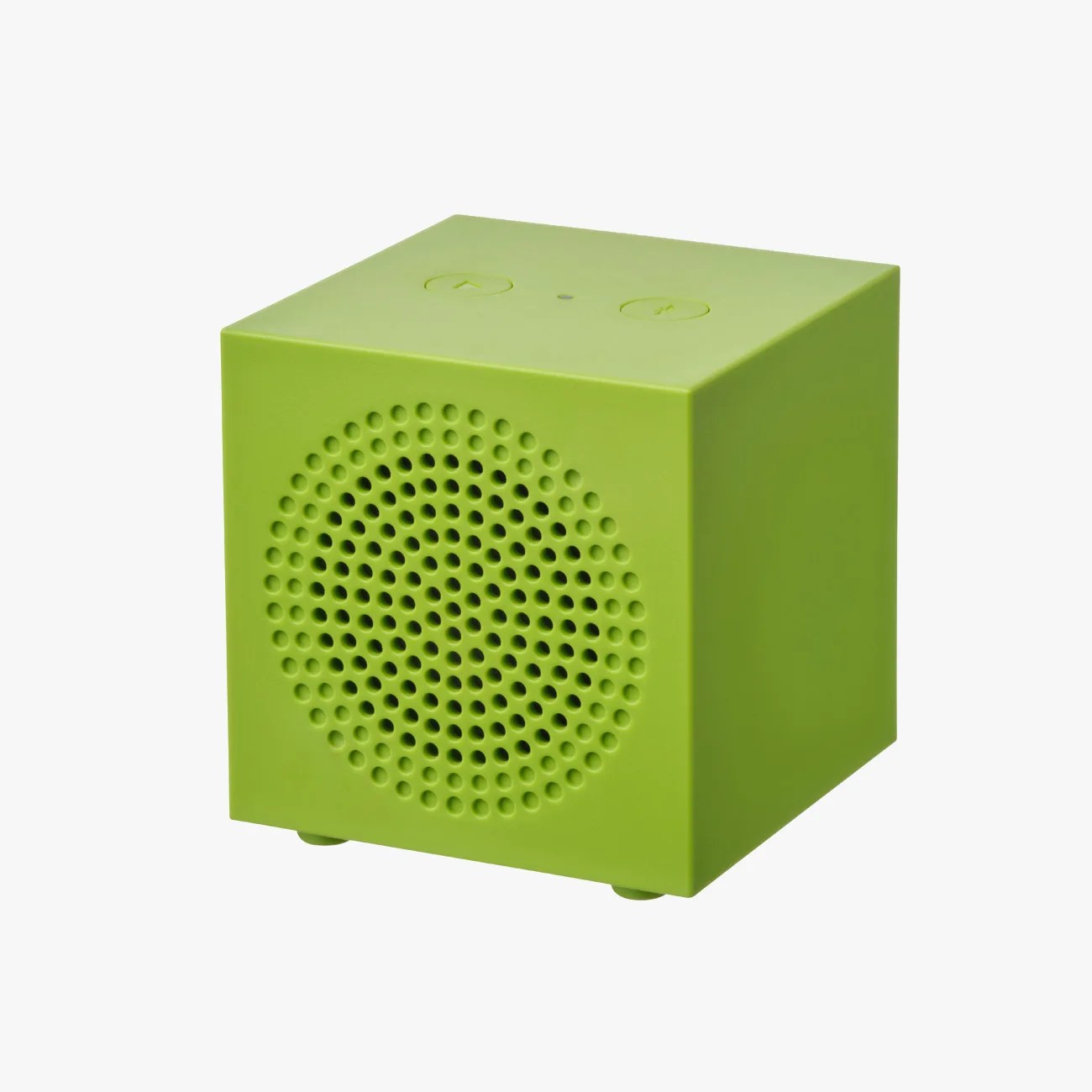 Ikea
IkeaIkea Kallsup
Ikea’s Kallsup is a compact, ultra-portable, cubed Bluetooth speaker. Roughly the size of a coffee mug, the Kallsup cube speaker boasts the ability to interconnect with up to 100 additional Kallsup units for a comprehensive multi-speaker arrangement. But the best part, in addition to being available in a variety of colors, is that the Kallsup speaker costs just $10. The idea? Buy a bunch of them.
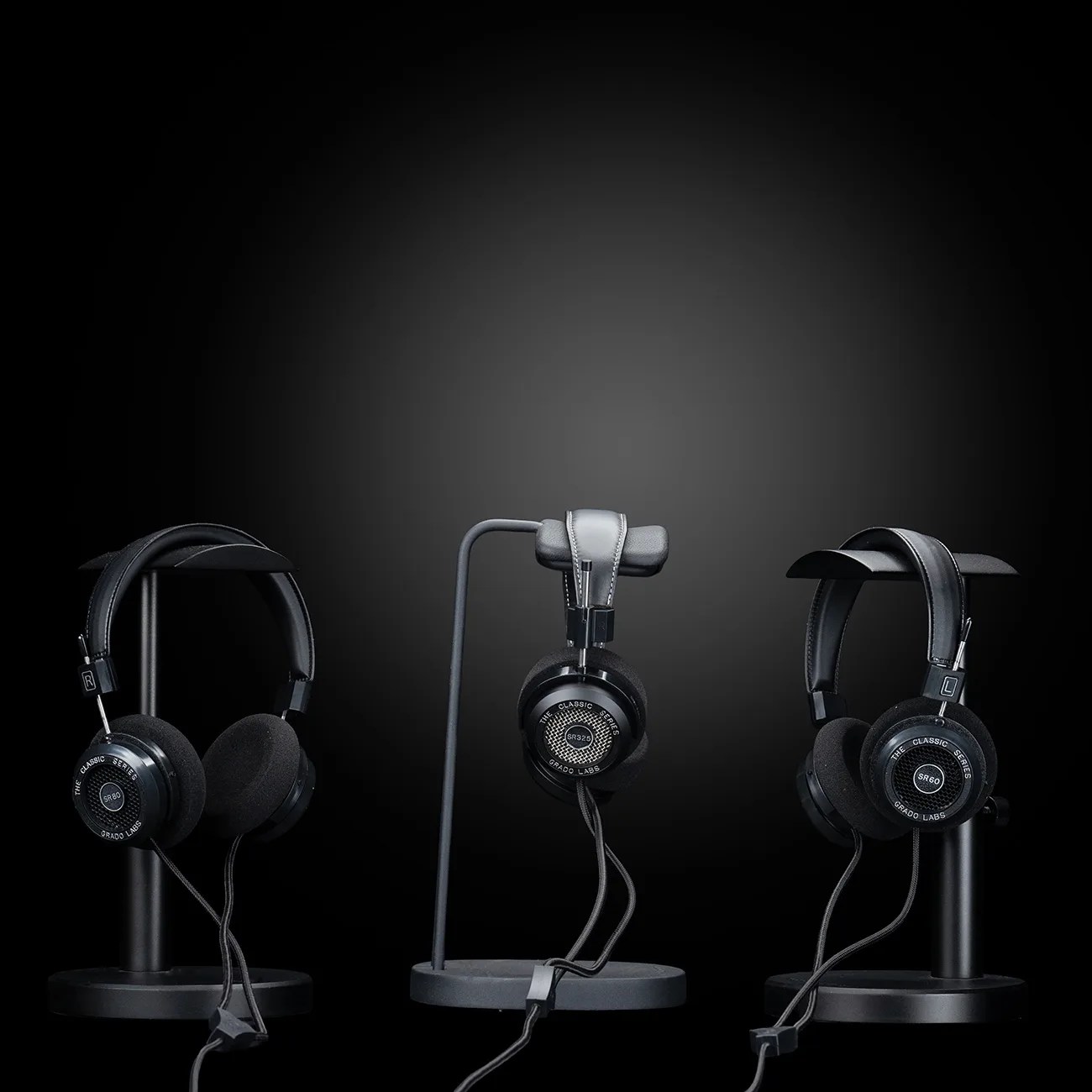 Grado Labs
Grado Classic Series
The American hi-fi company has introduced the Classic Series. It comprises seven of the brand’s most recognizable open-back headphones, ranging from its entry-level SR60 ($125) to its flagship GS3000 ($3,000), but each one has been updated with Grado’s new X2 driver platform along with updated cable assemblies and refined build components. (Note: each of these headphones has a traditional hard-wired construction; for listeners looking for detachable cables, check out Grad’s Signature Line.)
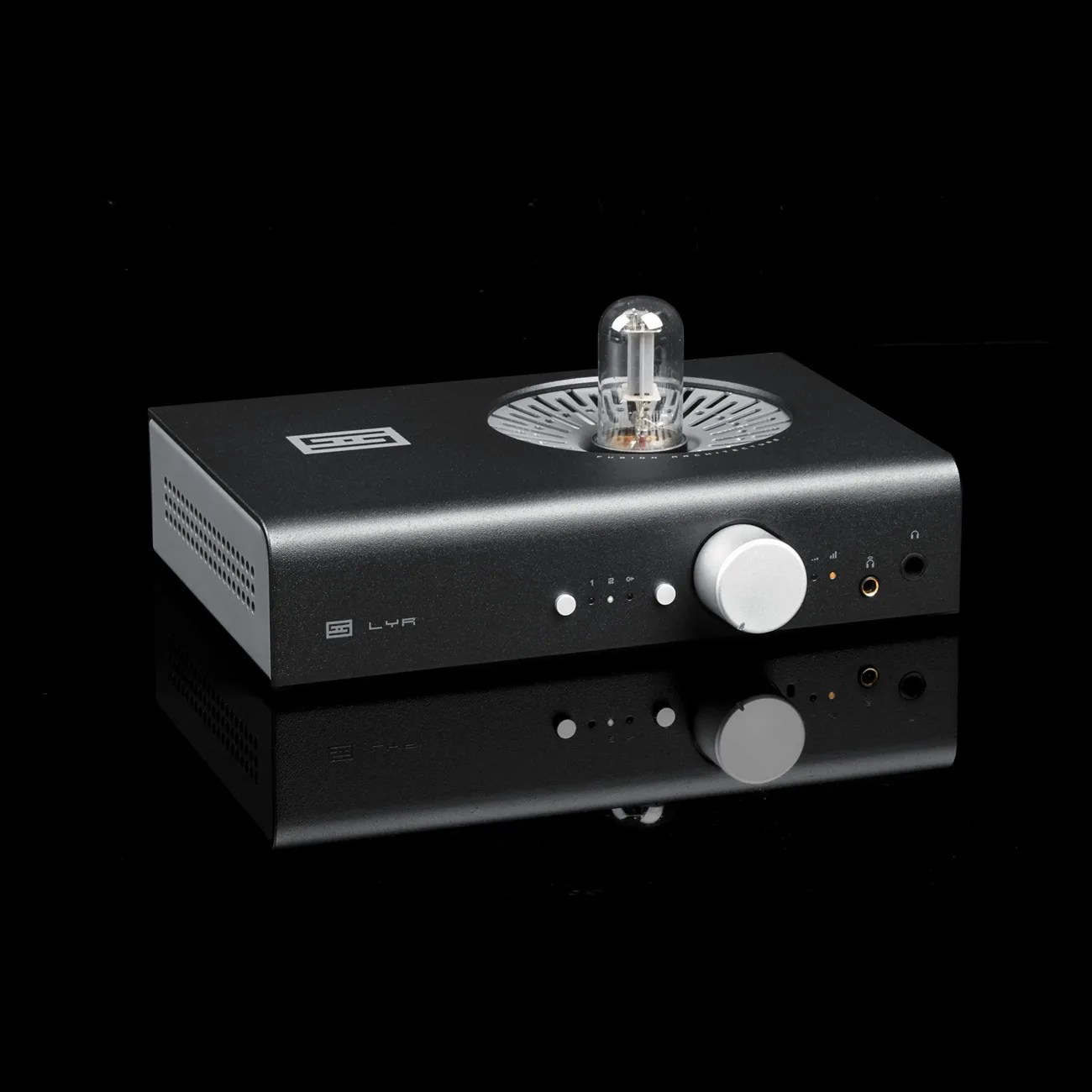 Schiit Audio
Schiit Lyr 5
The Schiit Lyr 5 is a desktop amplifier destined to drive high-performing wired headphones. And, most interestingly, it has a hybrid design that gives you two different gain modes for doing just that: either vacuum tube or solid-state. Depending on the headphones, you can easily switch between modes. (Tubes generally deliver a warmer and layered sound, while solid-state delivers a cleaner and purer sound.) Additionally, the Lyr 5 is Texas-based maker’s first headphone amplifier to have Forkbeard, its app that lets you adjust EQ, balance, loudness, and volume, as well as monitor advanced system settings.
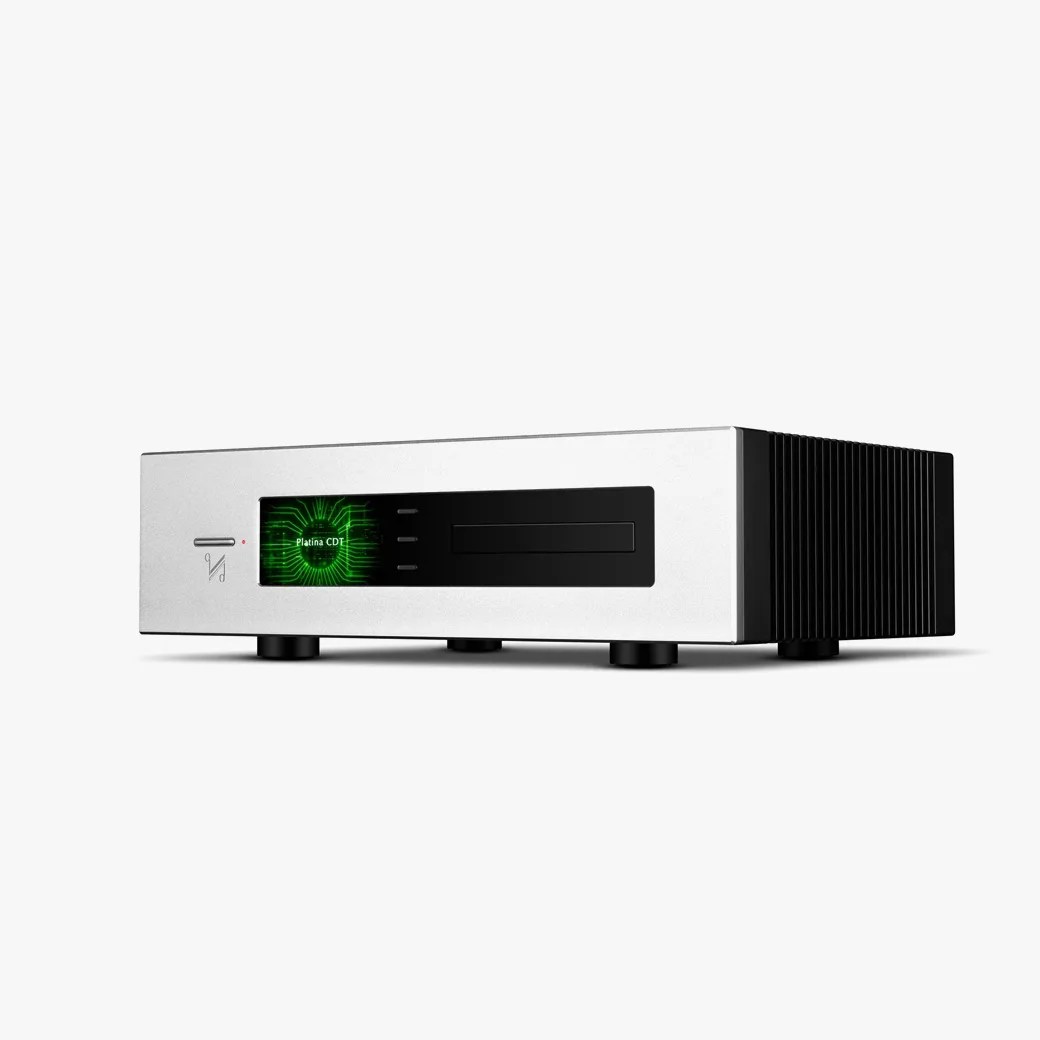 Quad
QuadQuad Platina CDT
The Quad Platina CDT is a high-end CD transport designed to match the look, footprint and playback capabilities of the company’s existing Platina Series components, including the Platina Integrated and Platina Stream. As its name suggests, it’s a CD transport only, meaning it handles the CD mechanism and CD playback and requires a separate DAC (which is why is designed to work with the brand’s integrated amplifier). It’s capable of playing traditional audio CDs, as well as higher-performing CD-R, CD-RW, and data CD formats.
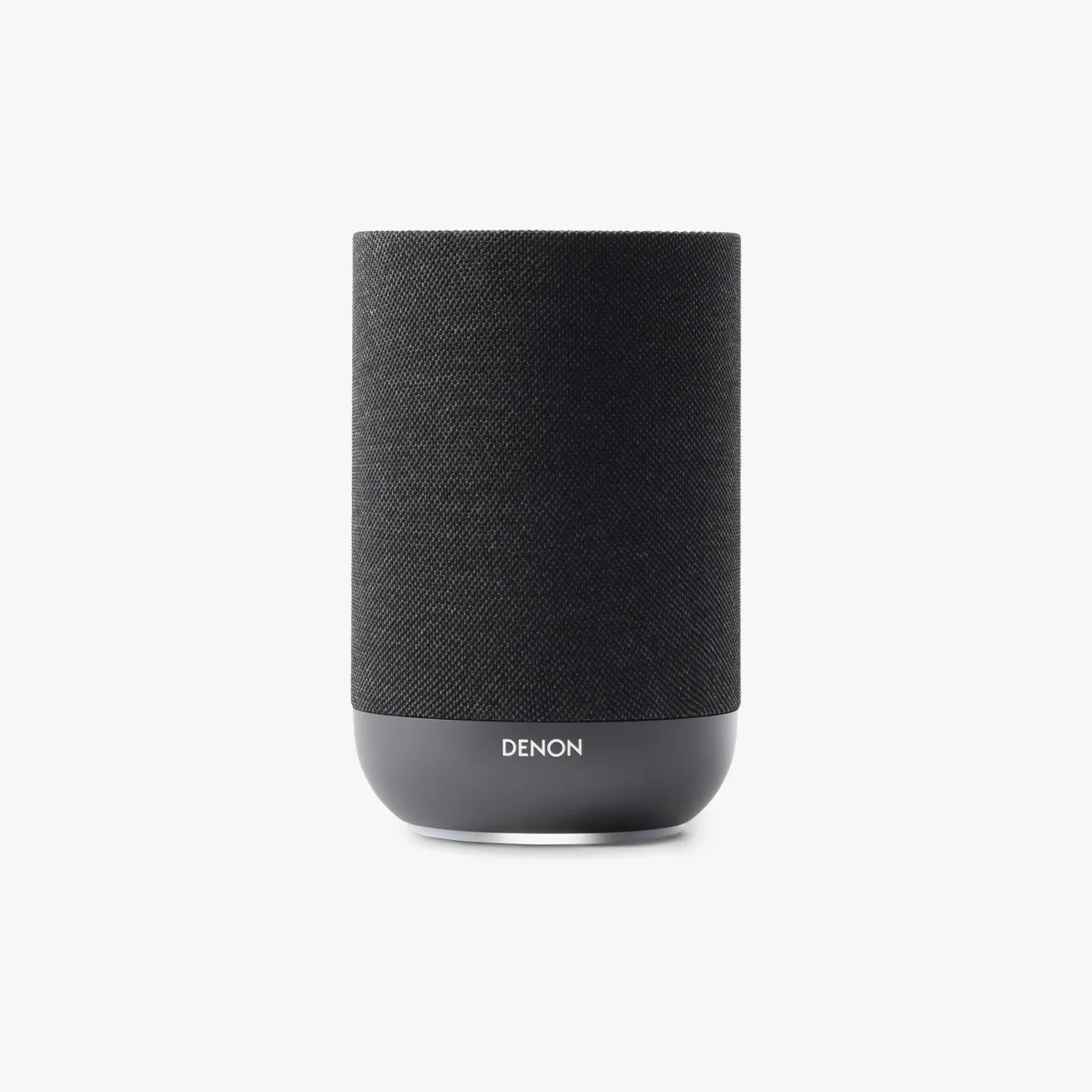 Denon
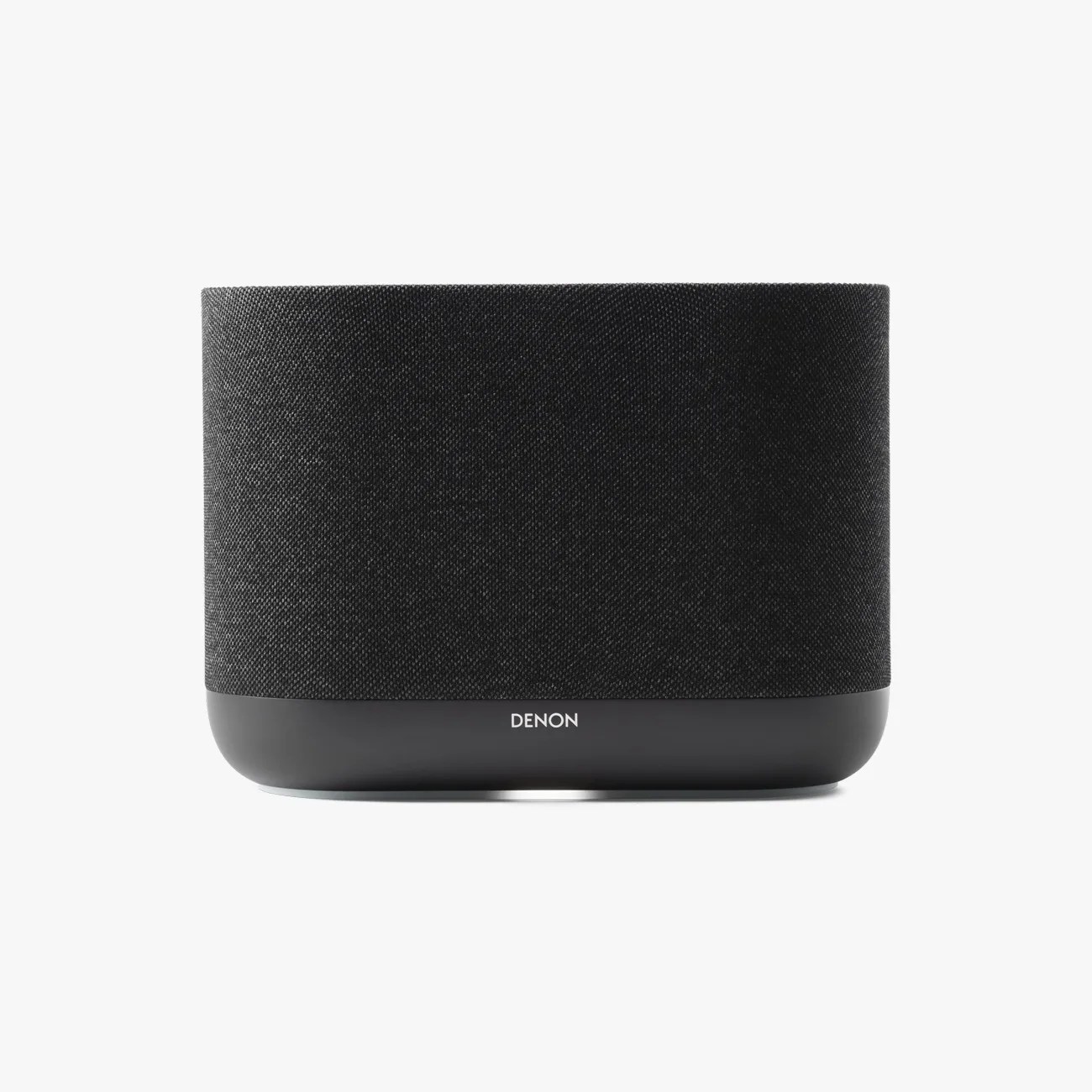
DenonDenon Home 200
The Home 200 is the smallest of Denon’s refreshed lineup of multi-room speakers for 2026. Like the larger Home 400 and Home 600, the Home is a versatile speaker that runs on Denon’s HEOS platform, allowing it to be grouped with other HEOS-compatible speakers, soundbars and AV receivers. You can think of it as a rival to Sonos’ Era 100 (even if it looks more like a Move 2).
 Denon
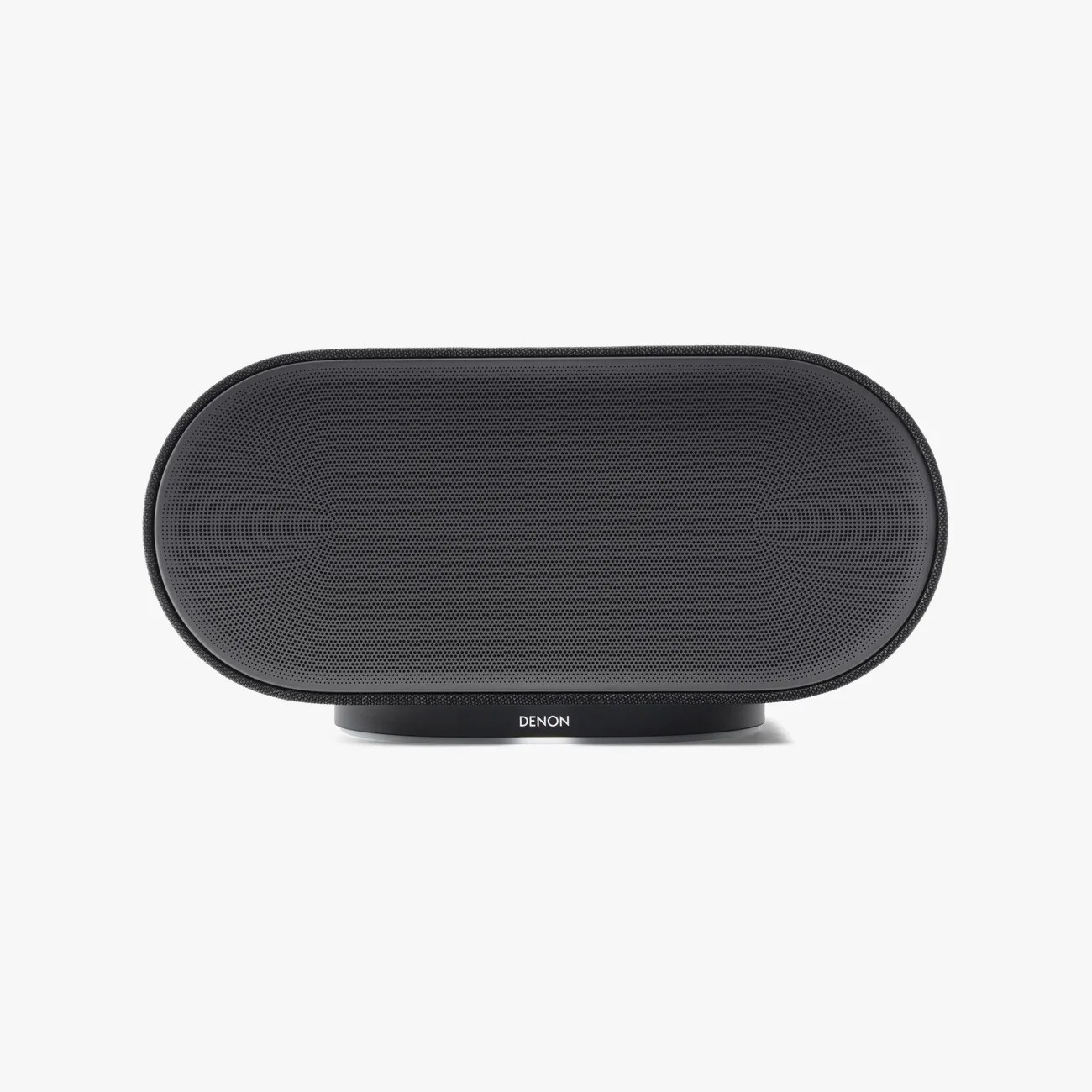
DenonDenon Home 400
The Home 400 is the middle-sized option in Denon’s refreshed 2026 lineup of multi-room speakers. It has twice as many drivers as the Home 200 and, most notably, features up-firing drivers to deliver a more immersive Dolby Atmos experience. According to the brand, it’s built for those who “want deeper immersion and more presence from their speaker, wherever they choose to place it.” You can think of it as Denon’s answer to the Sonos Era 300.
 Denon
DenonDenon Home 600
The Home 600 is the largest and most powerful of Denon’s three new multi-room speakers for 2026. It features dual, opposing 6.5‑inch woofers, along with an array of tweeters, midrange, and up-firing drivers. The latter of which promises to actually make it a more immersive-sounding speaker than the Sonos Five. According to the brand, the Home 600 “delivers deep, authoritative bass from its built‑in subwoofer system, revealing the full depth of your music.”
 Ècoute
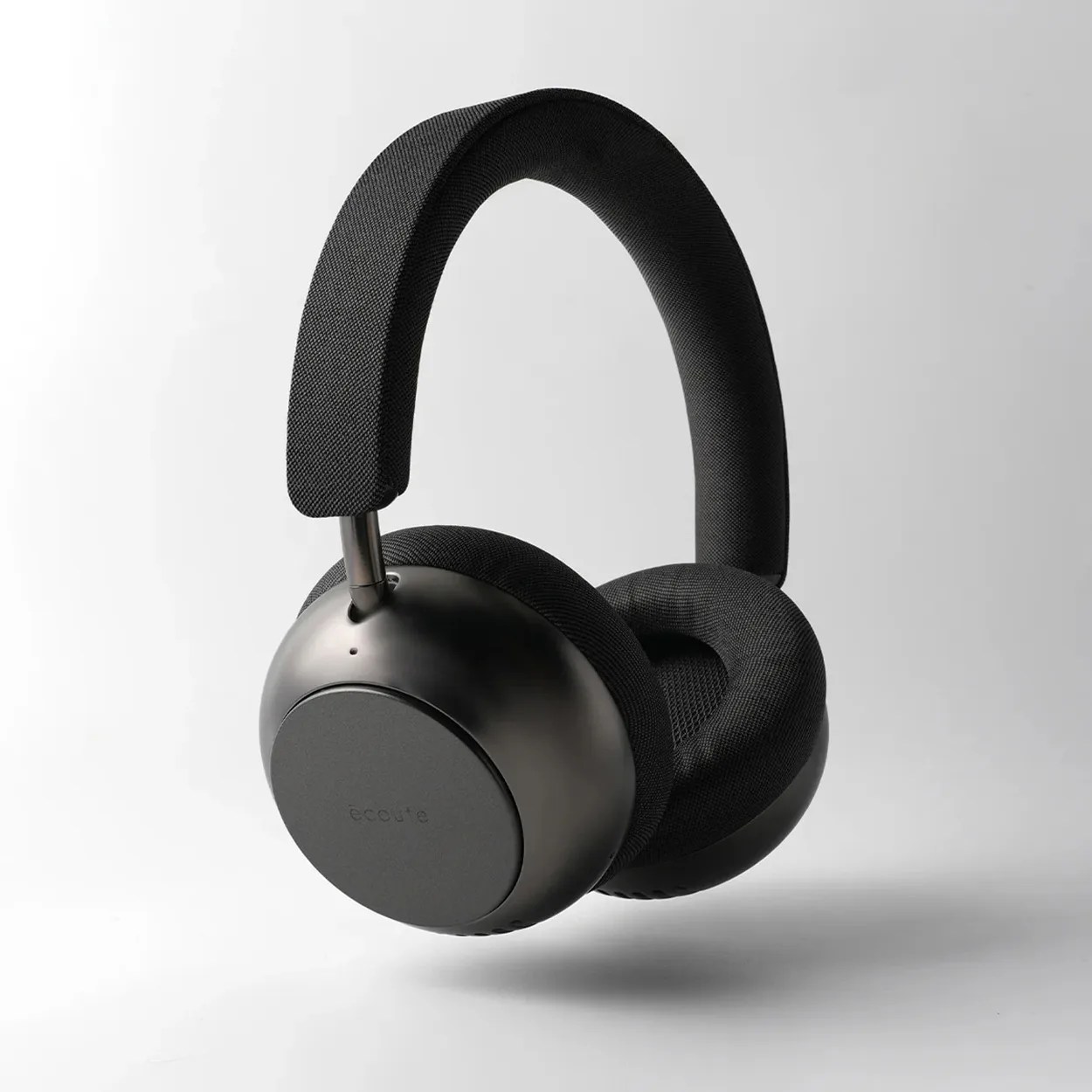
Ècoute TH1
Ècoute TH1 is a pair of premium, wireless over-ear headphones that are designed for audiophiles. It holds the unique distinction of being the first wireless headphones with a built-in vacuum-tube preamp and amplifier. This helps it deliver a warm, high-resolution sound that’s typically associated with analog hi-fi setups. The headphones support LDAC for hi-fi streaming and can also work as wired headphones via USB-C and 3.5mm inputs. According to the brand, the TH1 “combines the performance of high-end wireless audiophile headphones, a headphone DAC, and a portable vacuum tube headphone amplifier in one design.”
 Cambridge Audio
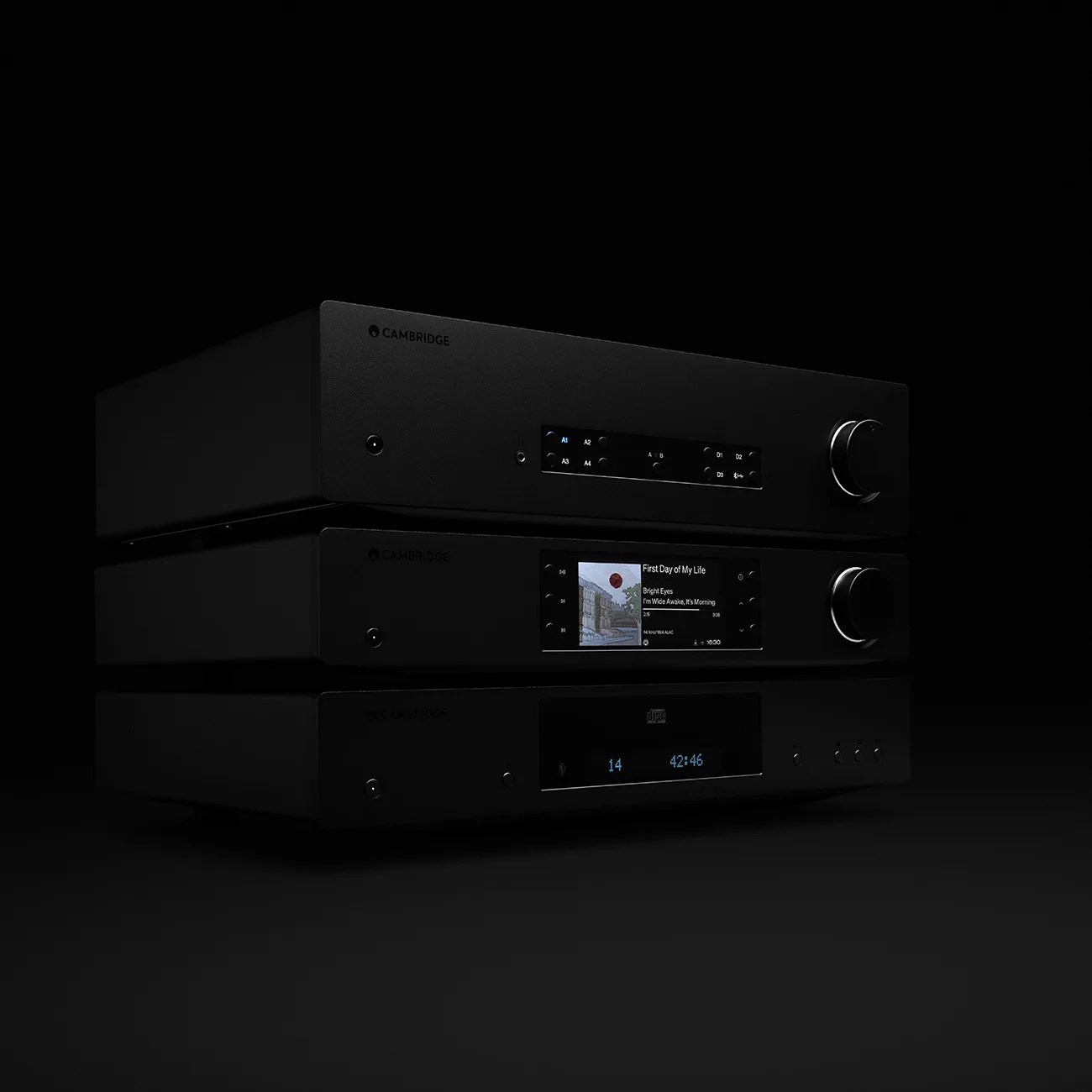
Cambridge Audio CX Black Series
The CX Black Series consists of three of Cambridge Audio’s existing hi-fi components: the CXA81 Mk II integrated stereo amplifier, the CXC CD transport and the CXN100 SE music streamer. But while each was previously only available in the brand’s signature Lunar Grey finish, the British hi-fi brand is now offering each in a refined matte black finish. (The CXN100 SE music streamer is technically an updated version of its CXN100 SE, but the only thing new is that the SE adds an HDMI eARC input, making it easy to connect your TV directly to your hi-fi system.)
 Fosi Audio
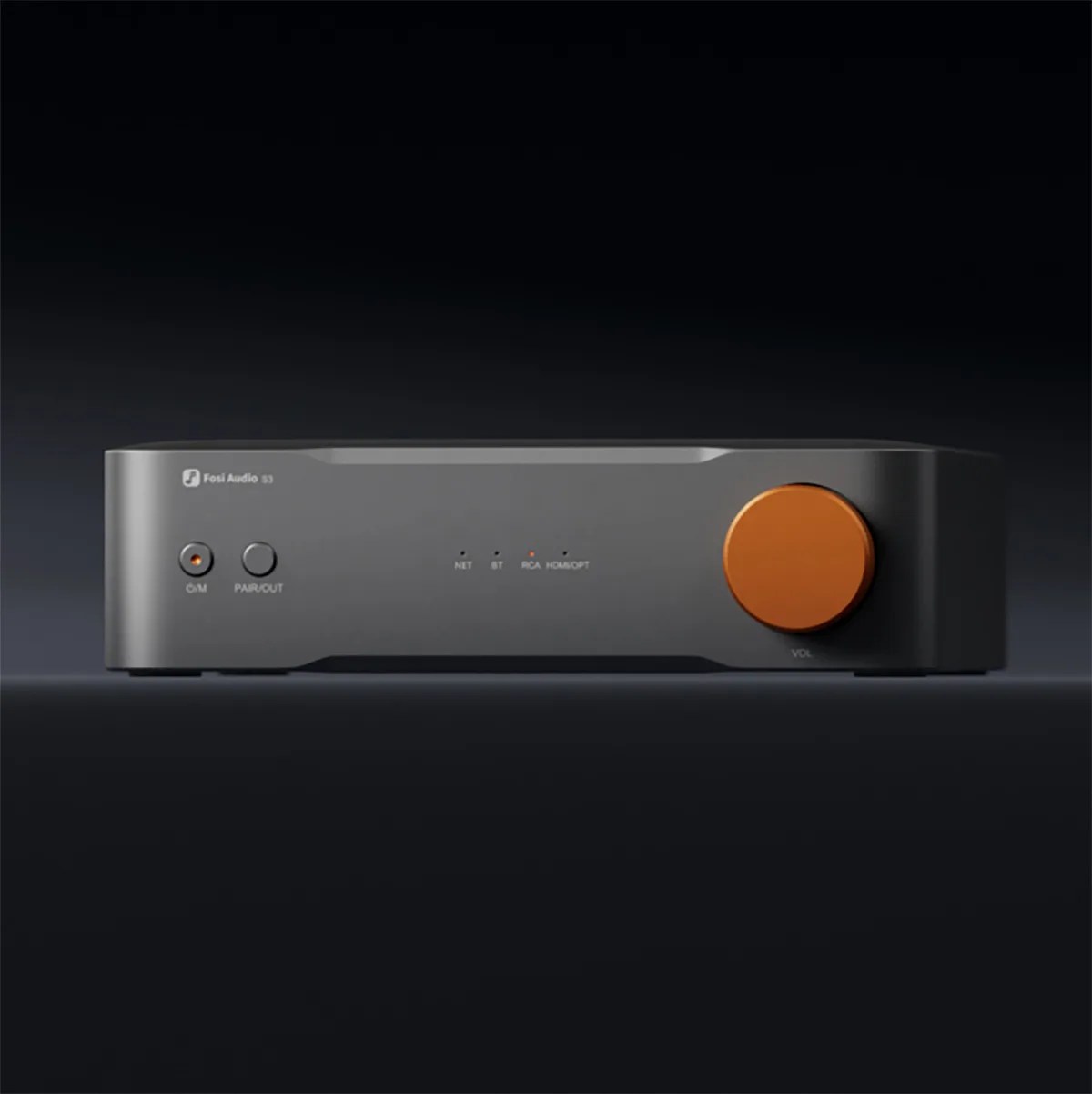
Fosi Audio S3
The Fosi Audio S3 is the company’s first foray into high-resolution streaming. It’s a network streamer, a high-resolution DAC and a preamp, designed to bring your home’s traditional hi-fi system up to today’s modern streaming standards. It supports a wide range of streaming protocols, including Spotify Connect, TIDAL Connect, AirPlay 2, Google Cast, and DLNA. More than a streamer, the S3 can function as a standalone digital transport, DAC or preamp, allowing it to work in a wide range of home stereo and home theater systems. According to the brand, it can “serve as the centerpiece of a 2.1 system or a traditional hi-fi setup.”
 Sony
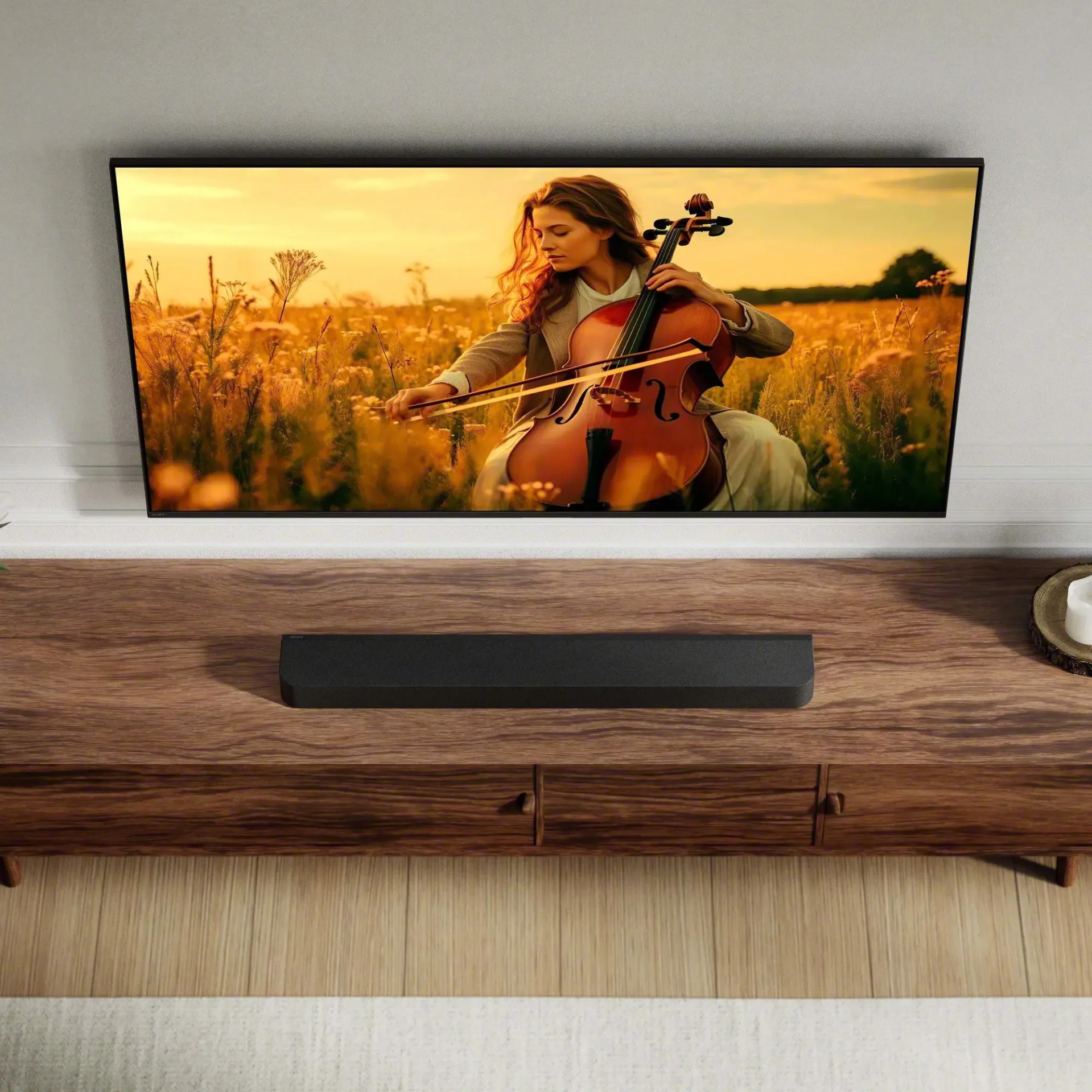
SonySony Bravia Theater Bar 7
Sony’s Bravia Theater Bar 7 is a Dolby Atmos soundbar that sits just under the brand’s more premium Bravia options, the Bar 8 and Bar 9. The Bar 7 packs nine total drivers, including two up-firing and two side-firing, enabling it to deliver an immersive sound. The Bar 7 comes bundled with the company’s small subwoofer, the Sub 7 (which costs $330 on its own).
 Satechi
Satechi Slim LX3 Wired Keyboard and Slim LX Wired Mouse
Satetchi has introduced a budget-friendly keyboard and mouse that match Apple’s Space Black or Silver finishes. Both the Slim LX3 keyboard and Slim LX mouse are wired accessories and thus need a constant connection to your Mac or PC. Each has a USB-C cable, but also comes with a USB-C to USB-A adapter, allowing them to work with a wide variety of accessories. The Slim LX3 has a physical OS switch for swapping between Mac and Windows.
 Technics
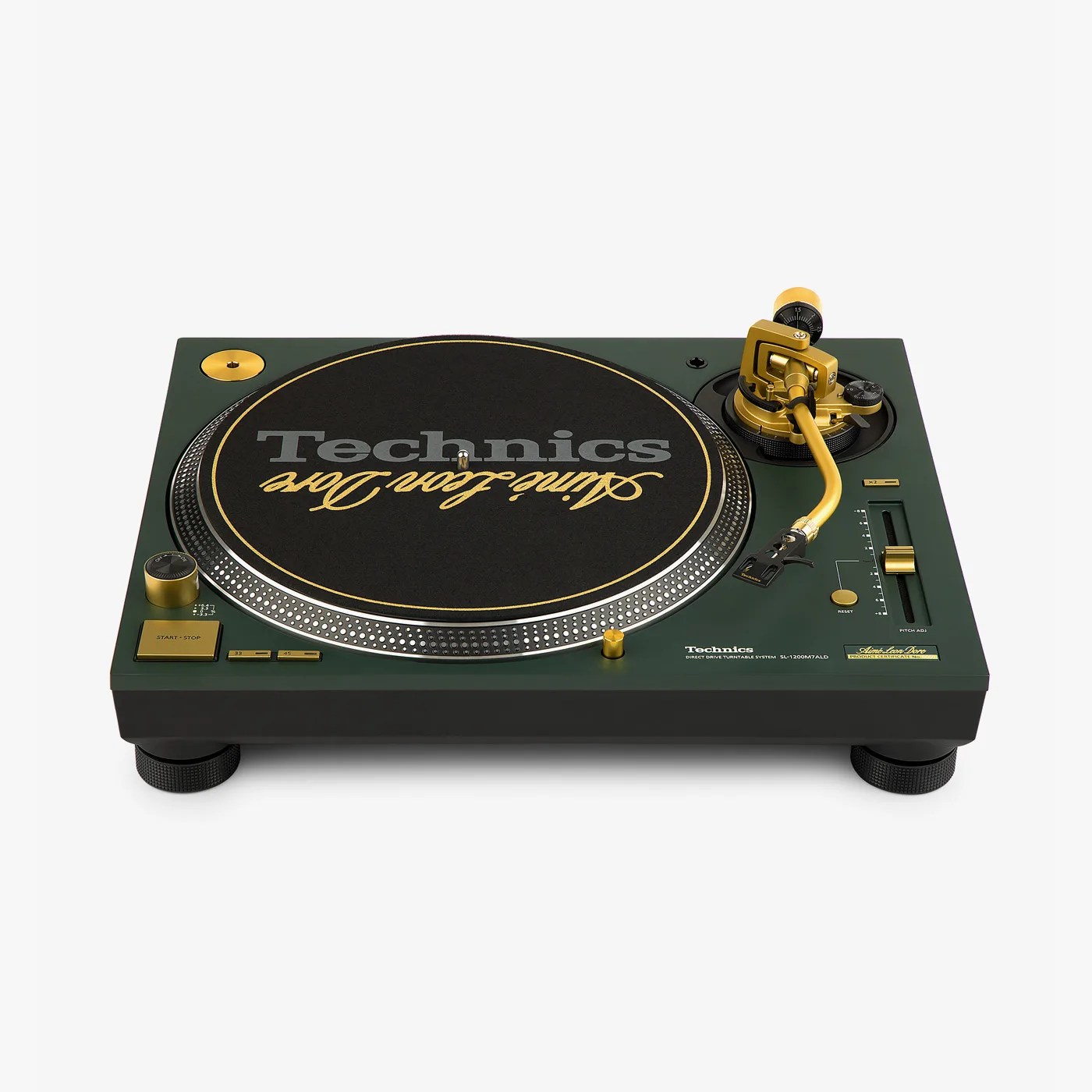
Technics SL-1200M7ALD
The Technics SL-1200M7ALD is a special-edition version of the company’s SL-1200MK7 direct-drive turntable, which was released in 2021 and costs $1,300. It’s identical in every way (same coreless direct-drive motor, S-shaped aluminum tonearm and vibration-dampening platter), but, as it’s a collaboration with Aimé Leon Dore, it dons the fashion brand’s signature Mulberry Green finish, along with bespoke gold detailing.
 Beats
BeatsBeats Powerbeats Pro 2 (Nike Special Edition)
The Powerbeats Pro 2 continue to be one of the best workout earbuds for anybody with an iPhone. Released in February 2025, they feature Apple’s latest H2 chip and thus have many of the same features as the latest AirPods. They support active noise-cancellation and transparency modes. And, similar to the latest AirPods Pro, they have a built-in heart rate monitor so you can get advanced workout metrics that you’d typically need an Apple Watch for. Now, Beats has teamed up with Nike to release these special edition models featuring a new colorway and custom paint job for the case. The price remains the same at $250.
 Casio
CasioCasio S100X (Japanese Lacquer Edition)
The Casio S100X has been the company’s flagship desktop calculator since its 2024 release. It has a premium build with a shaved aluminum alloy body, rubberized back, and tactile concave keys. And it costs $350. As of March 2026, Casio has introduced a special-edition version of that calculator, called “The Special One,” with a traditional Japanese lacquer finish that takes a month to apply. Casio says it’s an evolution that “elevates the aesthetic beauty” of its flagship calculator to new heights.
 Apple
AppleApple AirPods Max 2
Five years after its original release, Apple has introduced second-generation versions of the AirPods Max (and this isn’t just a change to a USB-C charging port). The design hasn’t changed, but the new models have been updated with a new high-dynamic-range amplifier, promising better audio. And they now feature Apple’s H2 chip (same as the AirPods Pro 3), which unlocks numerous features, including Live Translation.
-
$549 (7% off)
 Elipson
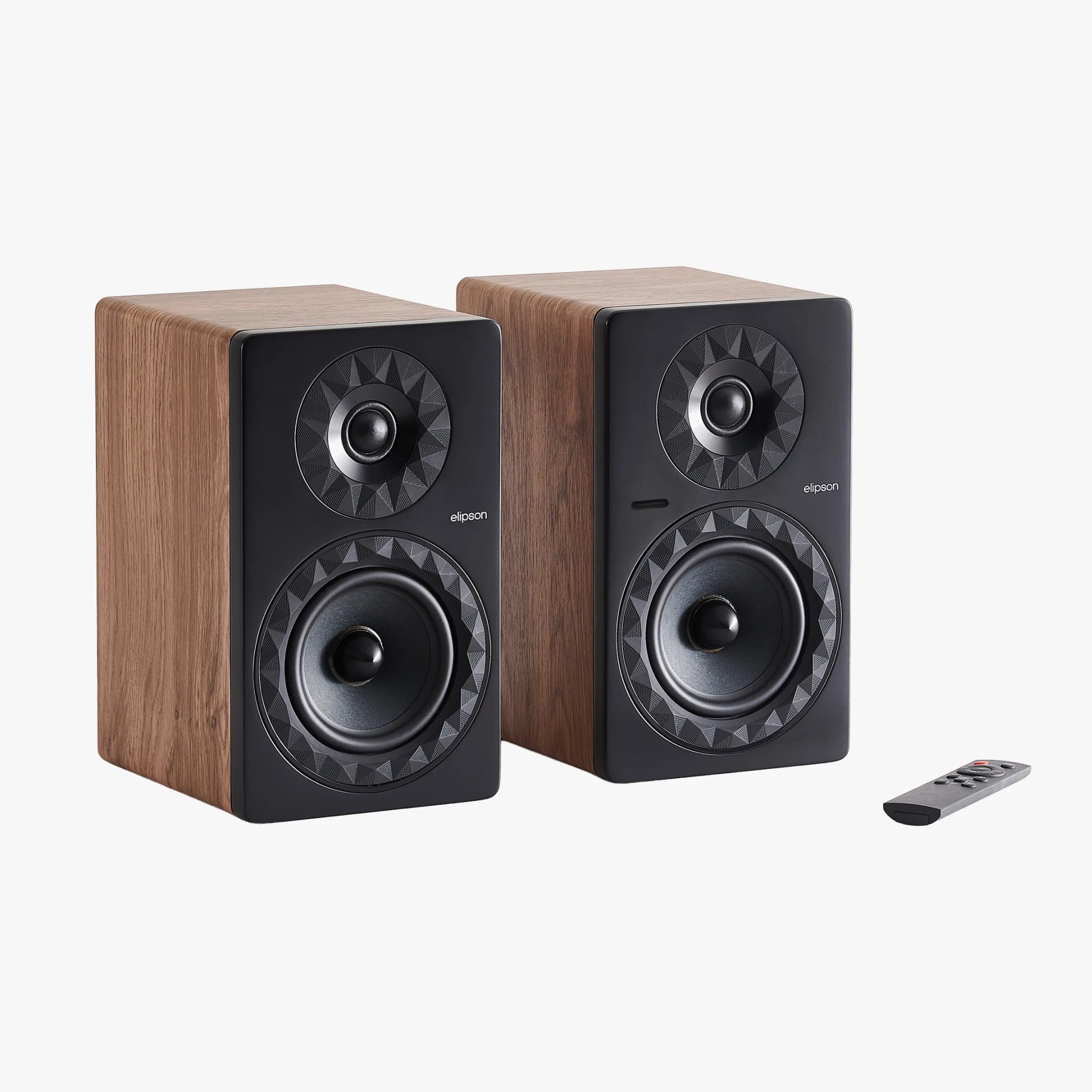
Elipson Prestige Facet II 6 Active BT
The Prestige Facet II 6 Active BT is an active wireless system that boasts a range of modern connections and supports Bluetooth streaming. According to the French loudspeaker maker, it “builds on the fundamentals of the Prestige Facet II series while introducing expanded connectivity.” The speakers feature Class D amplification that delivers 100 watts (or 50 watts per channel). It boasts inputs for USB-C and HDMI ARC, allowing you to use them as computer or TV speakers, respectively. And it’s integrated with a moving magnet (MM) phono stage, so you can easily use it as a turntable speaker system.
 Denon
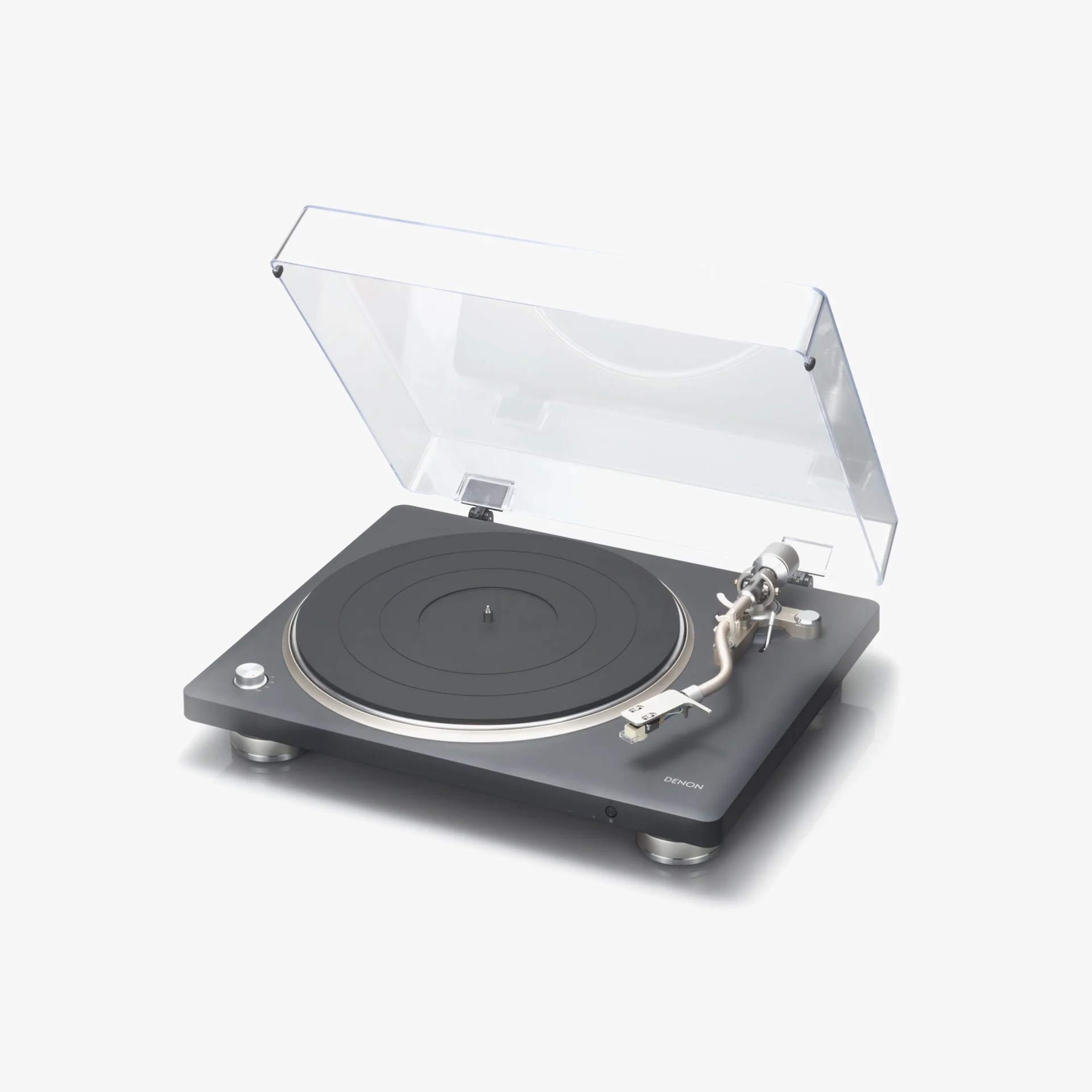
DenonDenon DP500-BT
The Denon DP-500BT is a premium belt-drive turntable that holds the distinction of being the brand’s first turntable to support Bluetooth streaming. It supports the aptX, aptX HD, and aptX Adaptive codecs, enabling high-fidelity audio streaming to wireless headphones and speakers. Of course, it comes with a switchable phono preamplifier and analog connections so you can integrate it into a more traditional hi-fi setup, too.
 Fujifilm
Fujifilm Instax Mini 13
The Instax Mini 13 is a pretty modest update to the company’s popular predecessor, the Instax Mini 12, which was released in 2023. The two entry-level film cameras are basically identical in every way, but Fujifilm gave Instax Mini 13 a self-timer button, with two and 10-second options, so you can take more creative selfies. It’s available in several different finishes and, like before, uses the company’s Instax Mini Instant Film.
 Activo
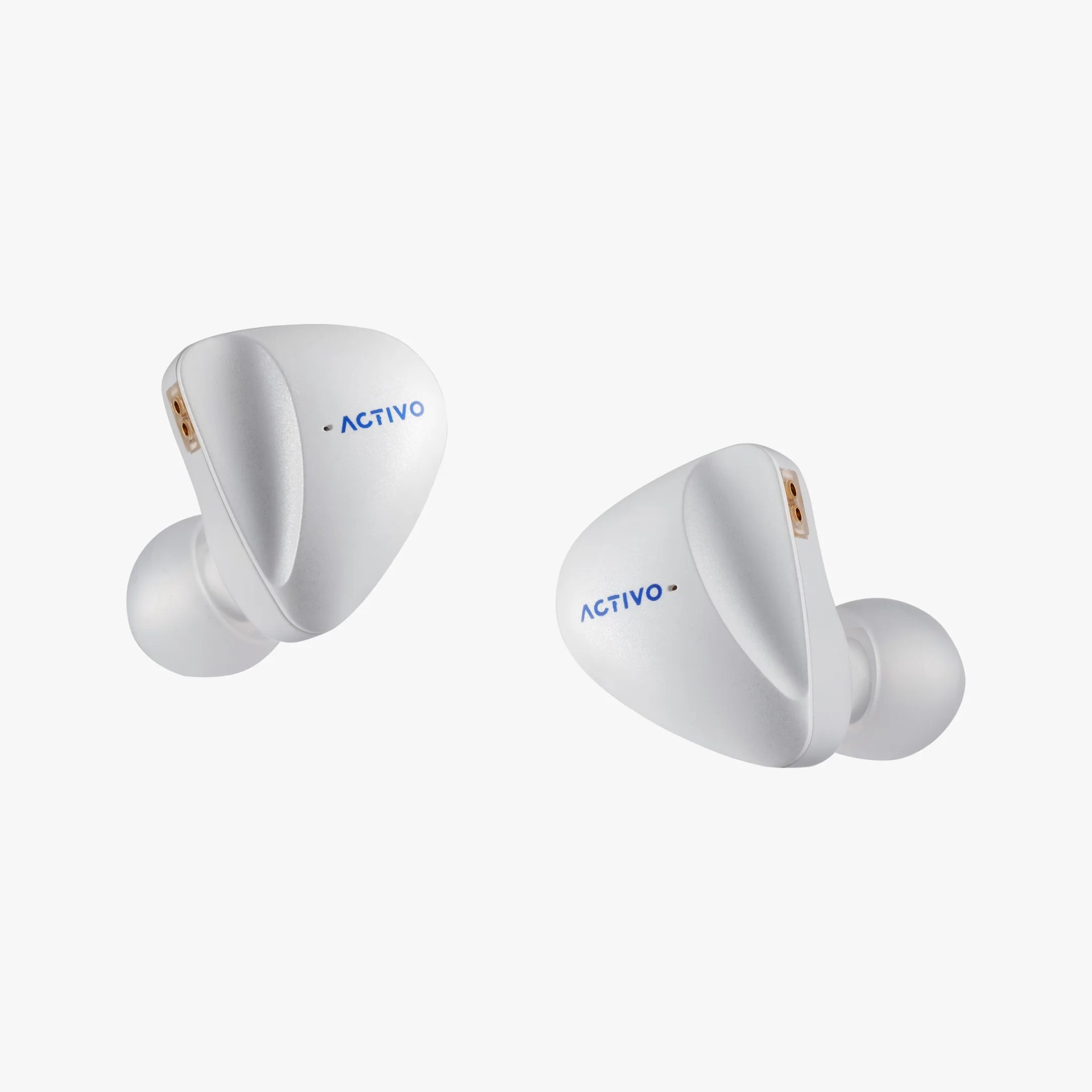
Activo Scoop
The Activo Scoop is an affordable pair of IEMs that come with detachable cables and adapters for USB-C, 3.5mm and 4.4mm (balanced), so you can use them with your smartphone, laptop, portable games console and dedicated hi-fi player. According to the brand, they promise a combination of flexibility and performance rarely seen at this price point.
 Marshall
Marshall Bromley 450
Marshall’s Bromley 450 is a portable party speaker that, like many of the company’s speaker offerings, is designed in the image of its classic guitar amplifiers. It’s effectively a smaller (albeit it’s still 27 pounds) and more affordable version of Marshall’s Bromley 750. Like its larger sibling, it supports Bluetooth streaming and the brand’s True Stereophonic 360-degree sound. It features microphone or instrument inputs, too. And its integrated lighting system is a fun addition that gives the speaker a stage show vibe.
 Buchardt Audio
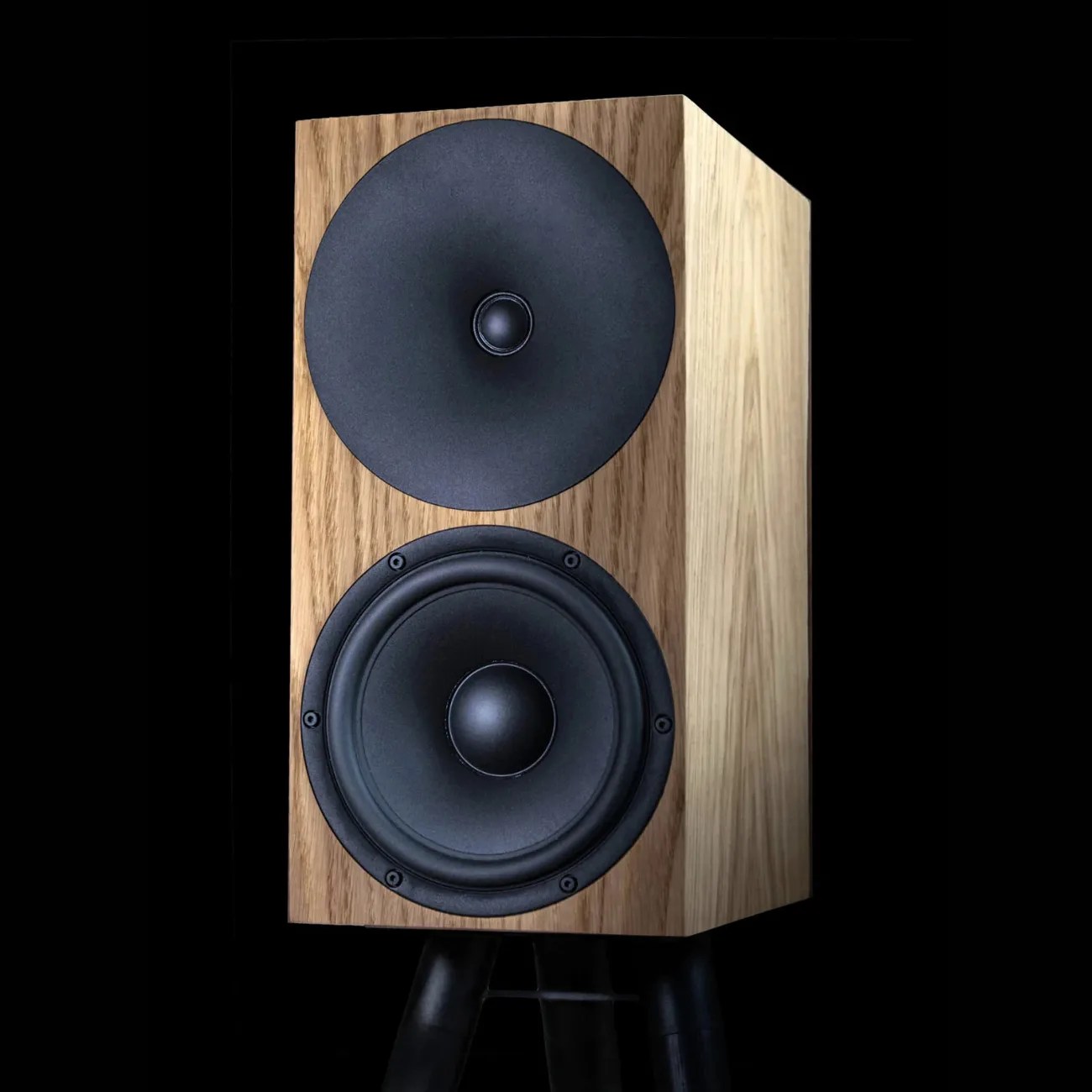
Buchardt Audio S400 MK3
Buchardt Audio’s S400 MK3 is the third-generation of the Danish company’s S400 bookshelf speakers. And almost everything about the bookshelf speakers is new, except the binding posts. The S400 MK3 speakers are 18 percent bigger, feature new drivers, and have transitioned from a passive-radiator design to a bass-reflex system. Buchardt Audio says these upgrades allowed them to “push the performance envelope further while maintaining the elegant proportions of the original design.”
 Sonos
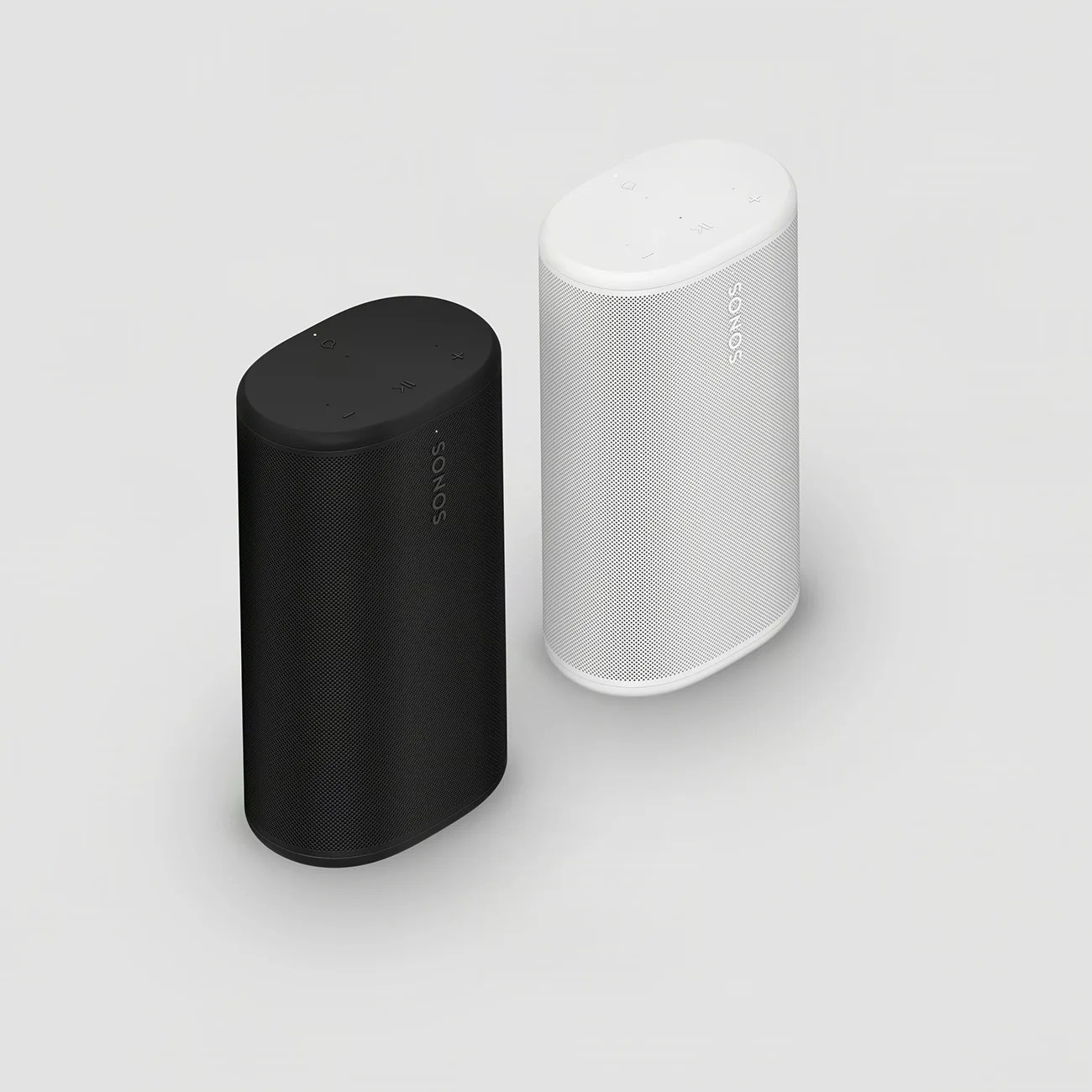
SonosSonos Play
The Sonos Play is a portable speaker that’s sized (and priced) between the company’s Roam 2 and Move 2, and it works quite similarly to both. It has Bluetooth and Wi-Fi streaming capabilities, so you can integrate it with your home’s existing Sonos system or use it as a standalone Bluetooth speaker outside. Like the Move 2, the USB-C port on the Play’s back supports charging and line-in audio, so you can connect it directly to your computer or turntable (with a built-in preamplifier) and use it as a wired speaker.
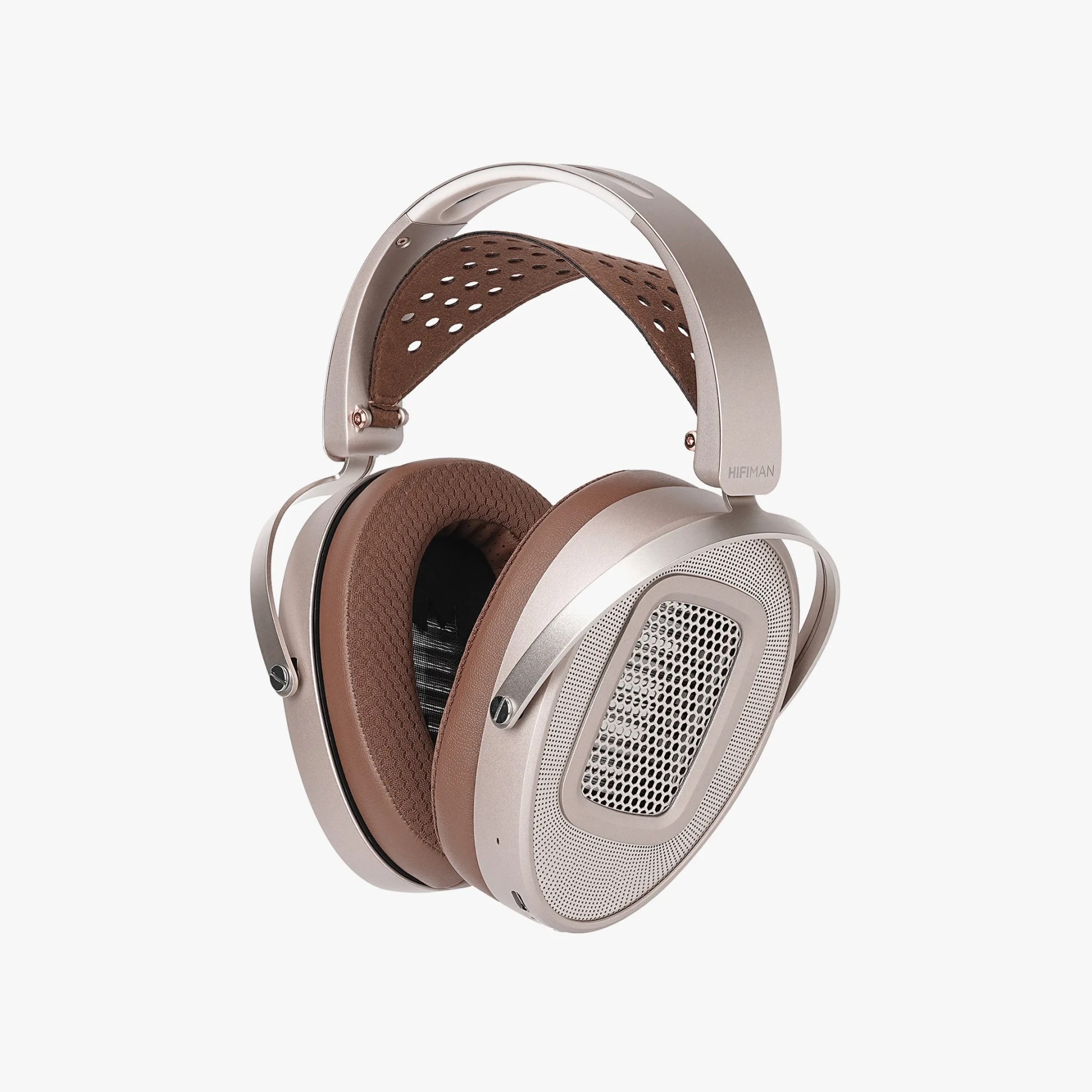 HiFiMan
HiFiMan HE1000 WiFi
HiFiMan’s HE1000 WiFi is a reimagined version of the company’s wired HE1000. It’s an open-back headphone with planar magnetic drivers, but each unit integrates an onboard DAC, a Class A/B amplifier, a proprietary processor, and a battery. As its name suggests, its main feature is Wi-Fi streaming. So it’s designed for audiophiles who want a superior wireless listening experience at home, in the studio, or in any quiet listening space.
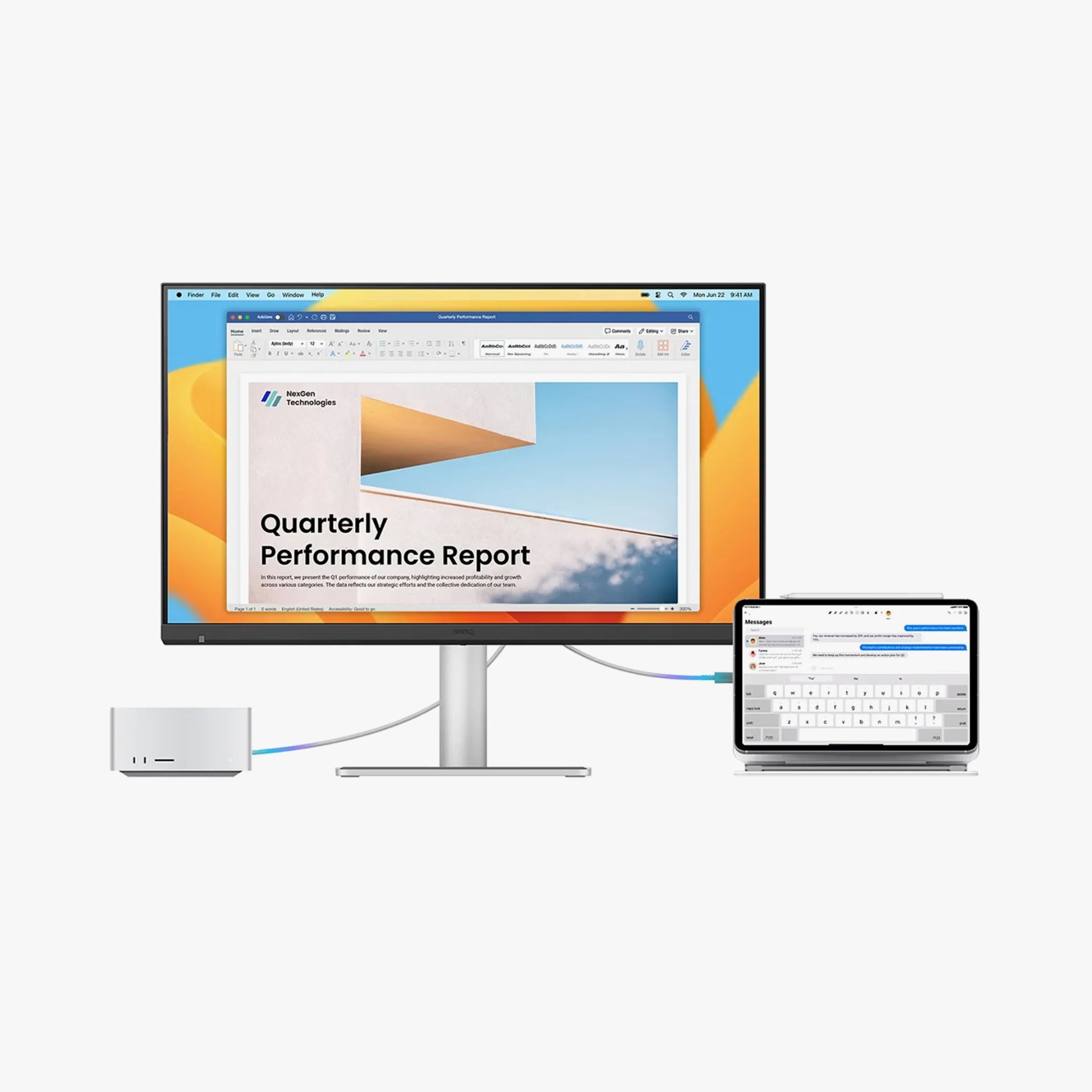 BenQ
BenQBenQ MA270S
BenQ’s 27-inch monitor, the MA270S, is positioned as an affordable rival to Apple’s recently refreshed Studio Display. It’s the same size, features a Nano Gloss panel with true 5K resolution, wide P3 color support, and single-cable Thunderbolt connectivity, so it works seamlessly with Macs. The main trade-offs are that it lacks a built-in speaker system and a fancy webcam, but at $600 less, it could be a bargain for many Mac users.
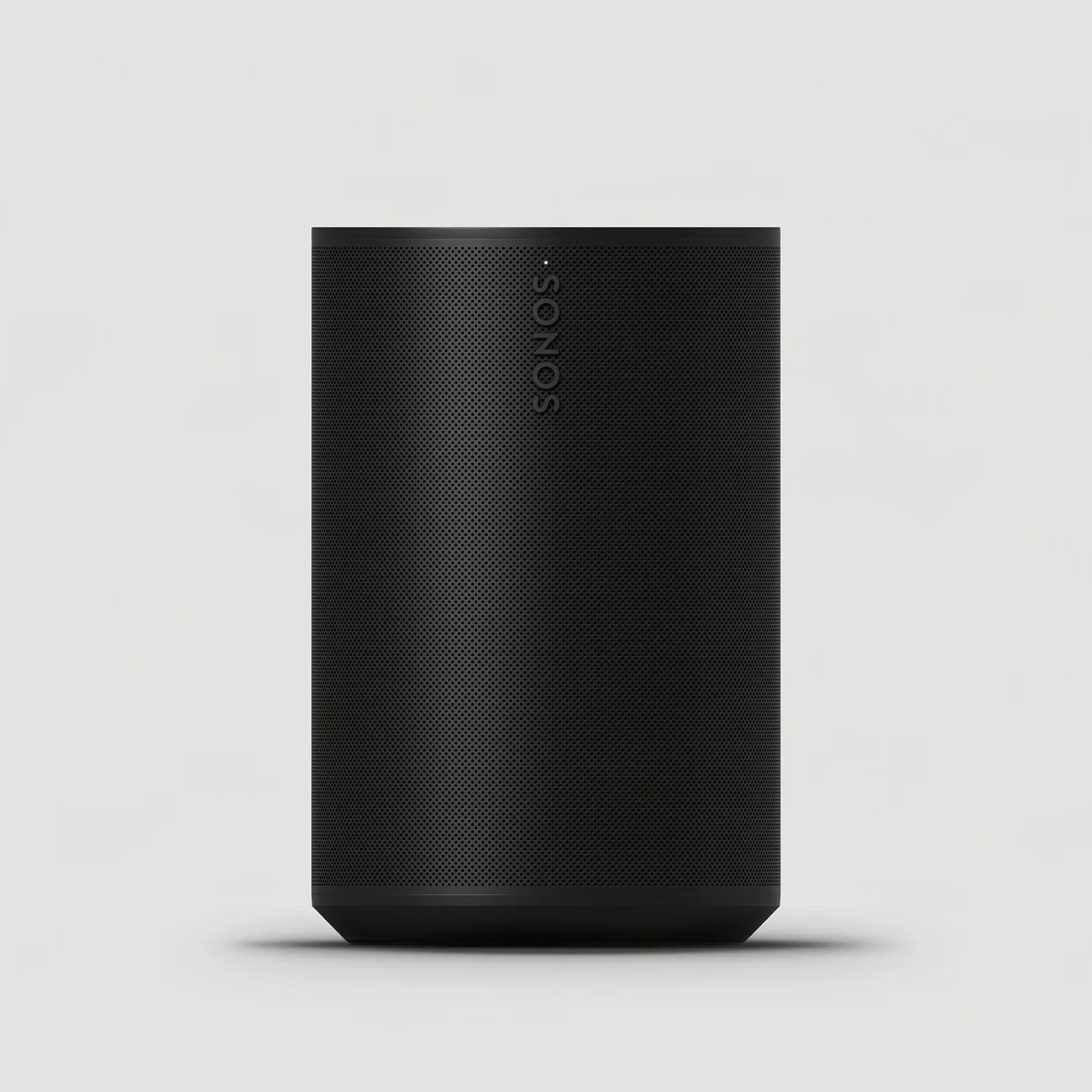 Sonos
SonosSonos Era 100 SL
The Era 100 SL is a microphone-less version of the company’s Era 100, meaning it can’t be integrated with a voice assistant. Other than that, it looks and works the same. Two can be used as a stereo pair or as rear-channel speakers with a Sonos soundbar. It’s primarily designed for people who already have numerous Sonos speakers in their home and just want an affordable addition to their system.
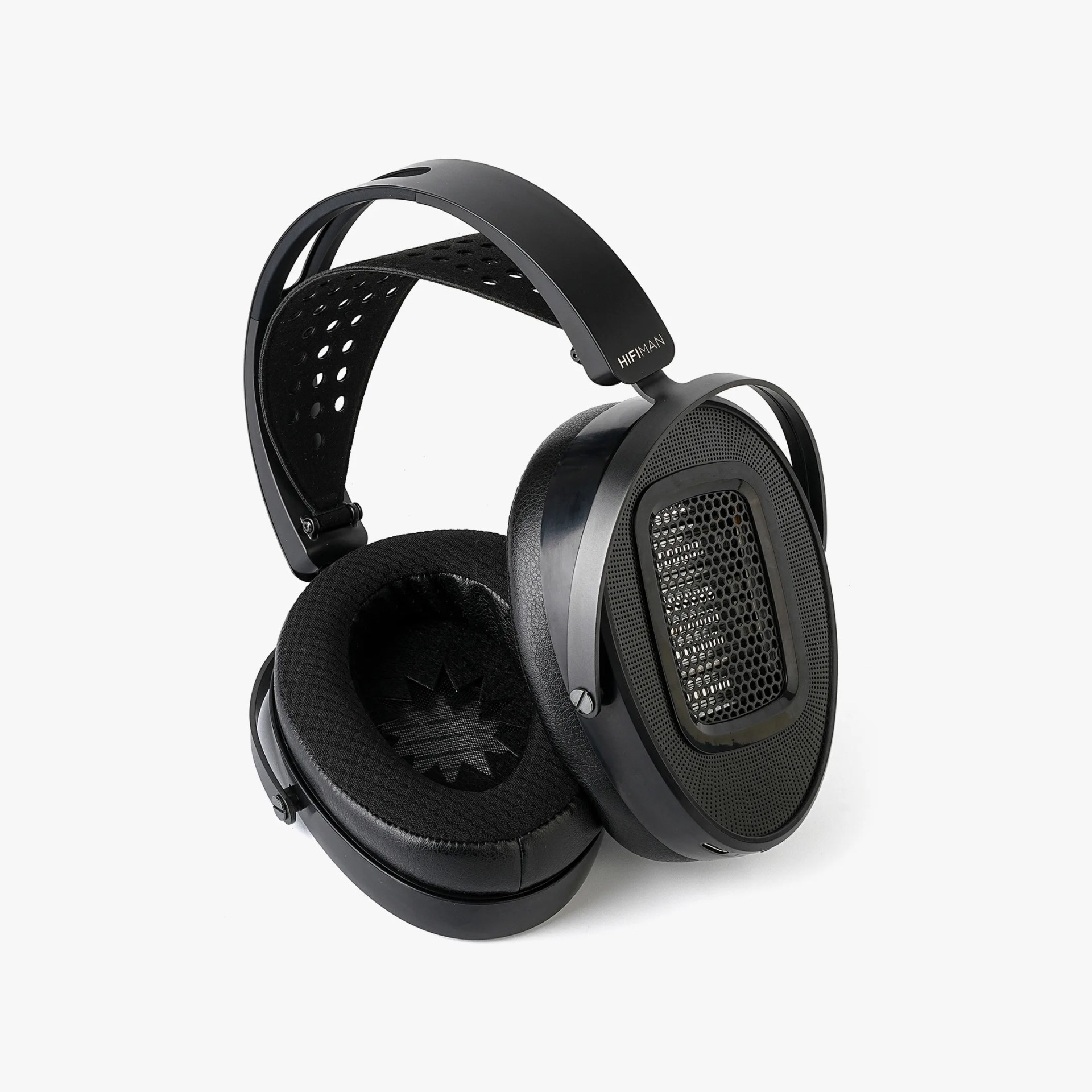 HiFiMan
HiFiMan Arya WiFi
The Arya WiFi is a reimagined, wireless version of HiFiMan’s Arya open-back wired headphones. Designed for audiophiles who want to listen to wireless headphones at home (or at work), they support Wi-Fi streaming and thus can play significantly higher-resolution audio than over Bluetooth. When streaming over Wi-Fi, each device can stream up to 32-bit/768kHz audio, with support for DSD512 and PCM (44.1kHz to 768kHz).
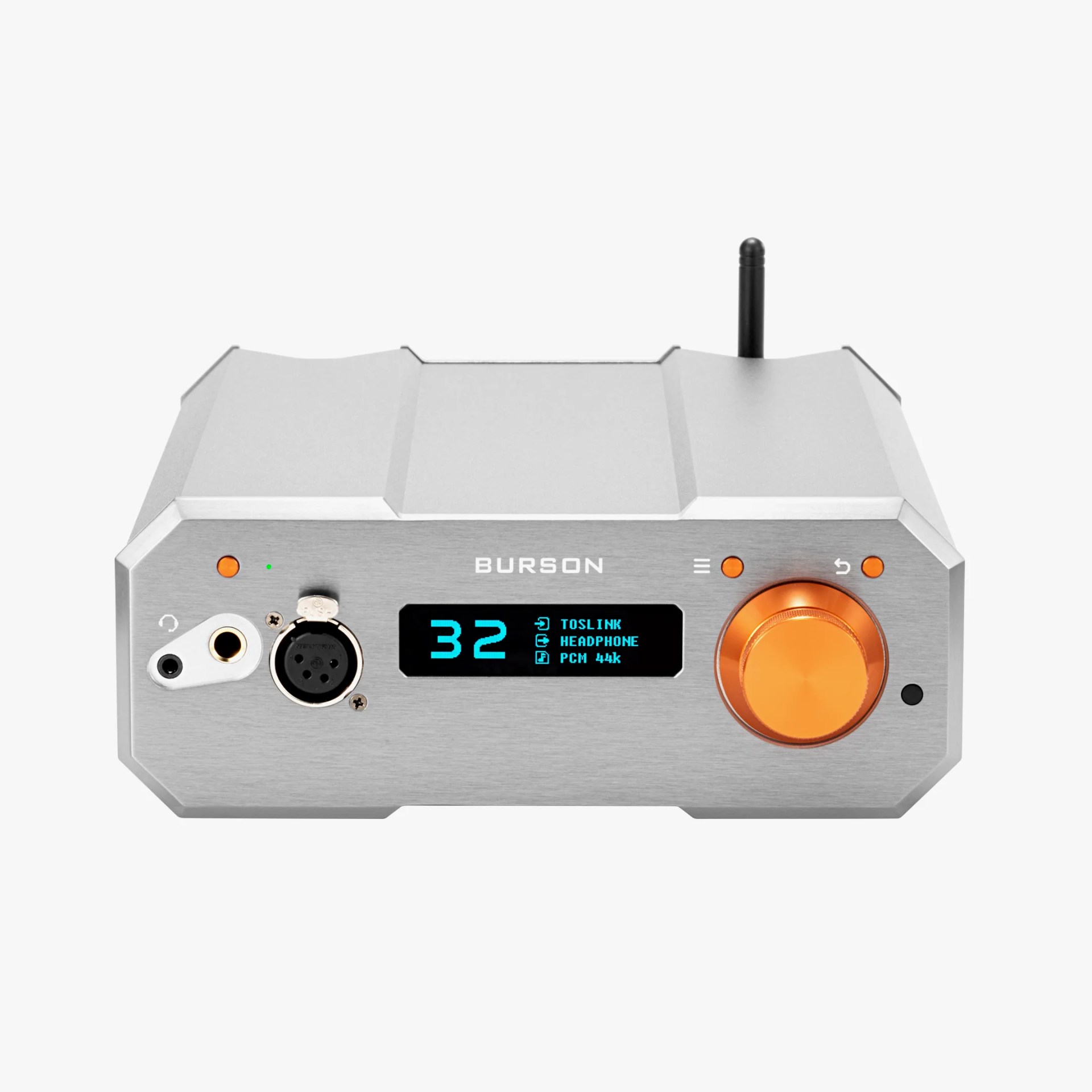 Burson Audio
Burson Conductor Stellar
The Conductor Stellar combines a high-resolution DAC, a Class-A headphone amplifier, and a desktop preamp in a single spacecraft-inspired box. It’s positioned between the company’s entry-level Party Playmate 3 ($599) and Conductor Grand Tourer 4 ($2,799). Naturally, the Conductor Stellar is designed to effortlessly power any type of headphone, including demanding planar magnetic models, but it’s really optimized for high-end in-ear monitors thanks to a dedicated ultra-low-noise IEM amplification stage. The brand claims it sets a new benchmark for IEM listening.
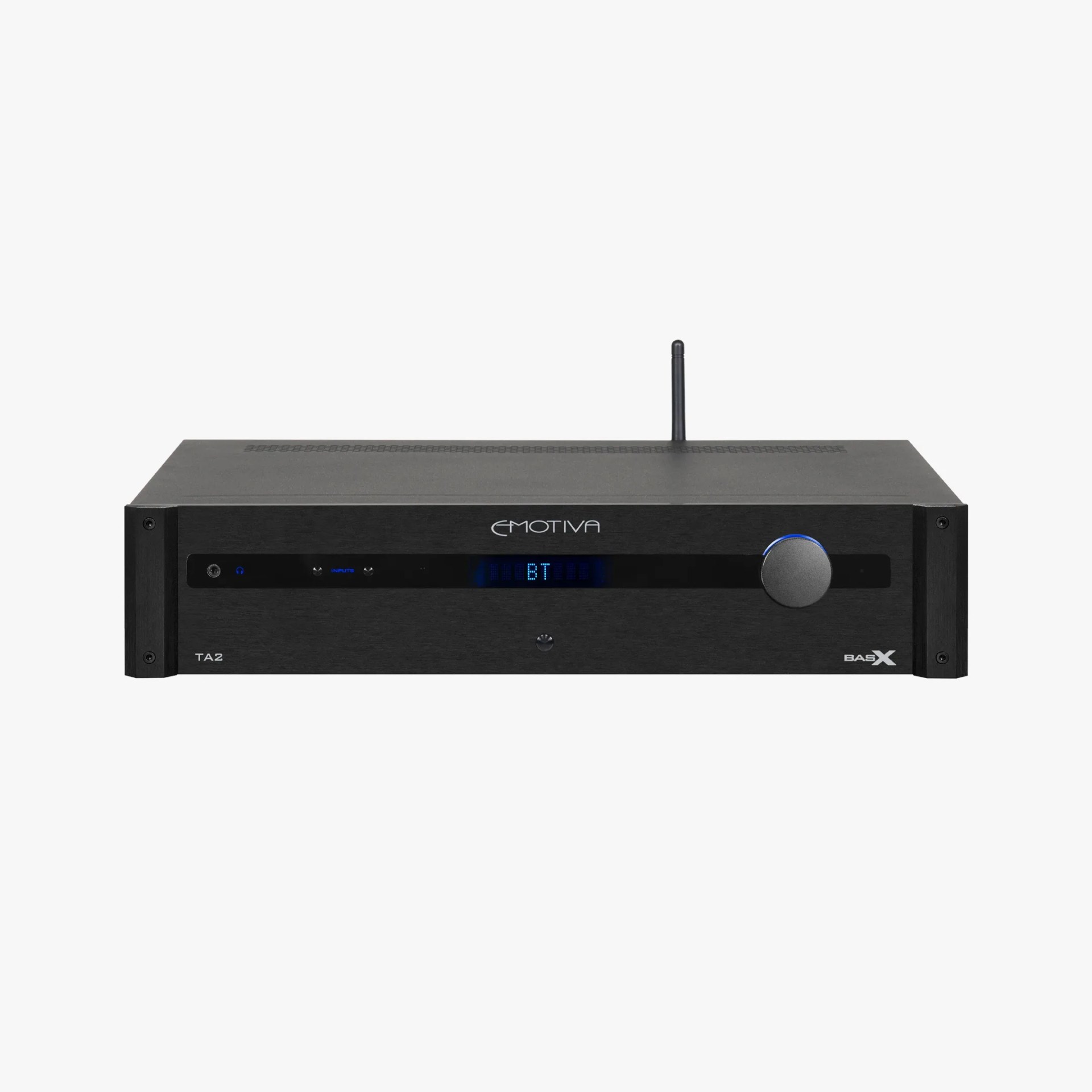 Emotiva
Emotiva BasX TA2+
The BasX TA2+ is a “no fuss” stereo integrated amplifier designed to be the hub of an entry-level hi-fi system. It packs an amplifier, preamplifier, DAC and tuner into a bespoke black box. Compared to its predecessor, the 2023-released BasX TA2, the primary difference with BasX TA2+ is that it adds way more modern connections. Emotiva has given it HDMI Arc and USB-C inputs, allowing you to connect your TV, computer or tablet.
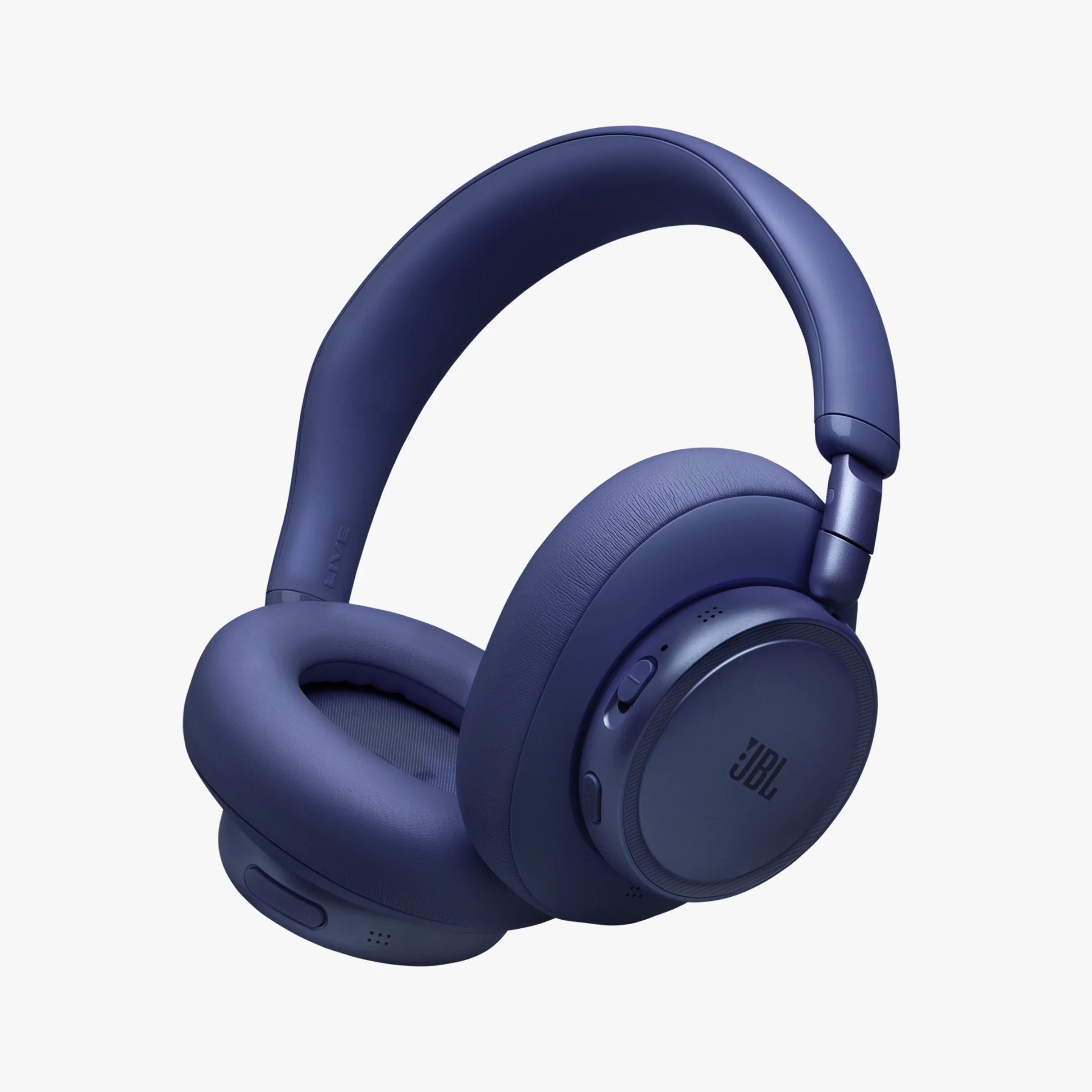 JBL
JBLJBL Live 780NC
The JBL Live 780NC is a pair of wireless over-ear headphones with active noise-cancellation. (They are slightly higher-end than the company’s wireless on-ear headphones, the Live 680NC.) They feature 40mm dynamic drivers, support spatial audio, and, as their name suggests, are designed to deliver a vibrant sound similar to a “live” concert. Their other headline feature is an incredible 80-hour battery life when ANC is off. Available in five different finishes.
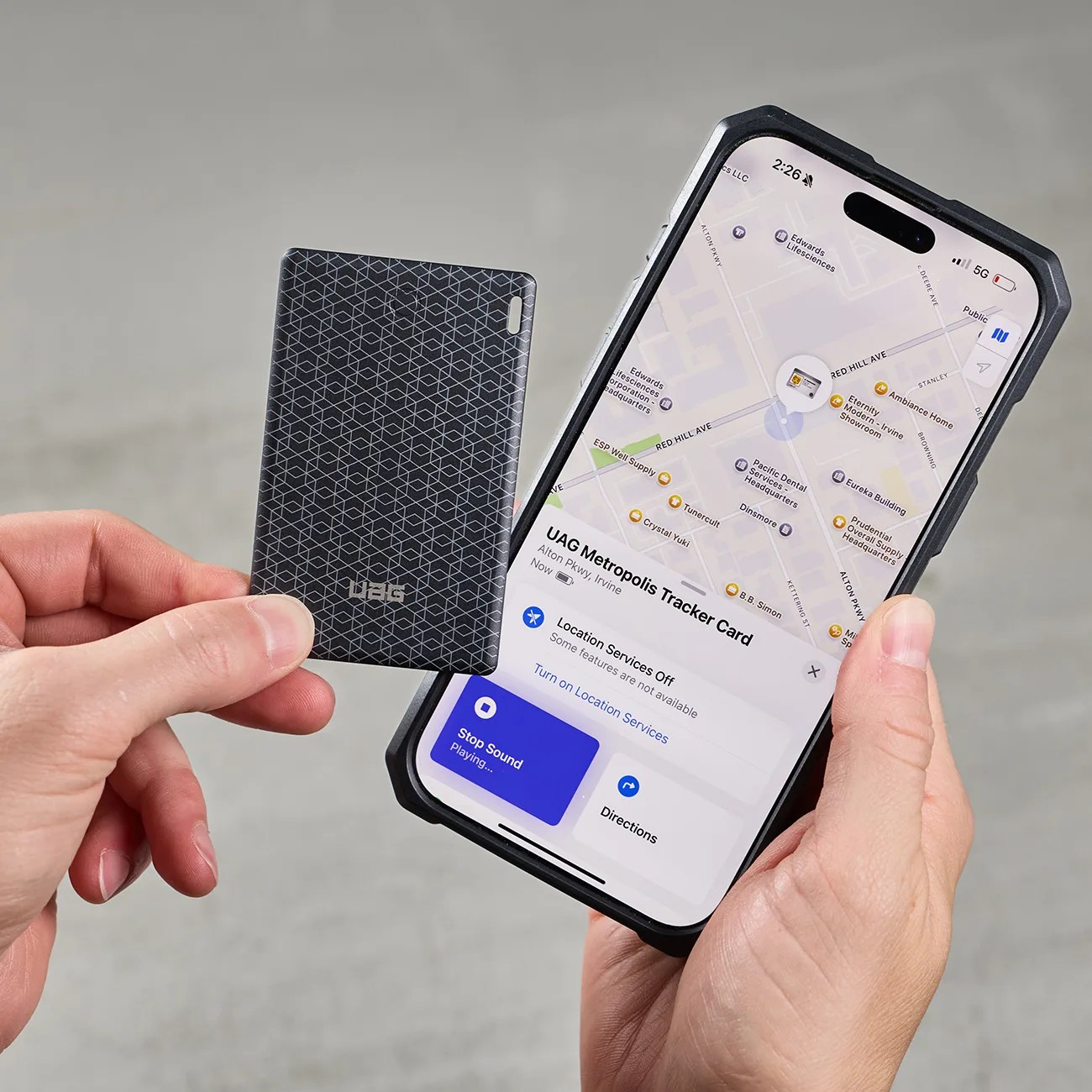 UAG
UAGUAG Metropolis Tracker Card
UAG’s Metropolis Tracker Card is a credit card-shaped Bluetooth tracker that works with both Android smartphones and iPhones — it’s designed to help you keep track of your wallet. It has a high-quality polycarbonate housing and supports wireless charging (via Qi or MagSafe). Also, it has a built-in speaker to help you easily locate it if you misplace it.
 Satechi
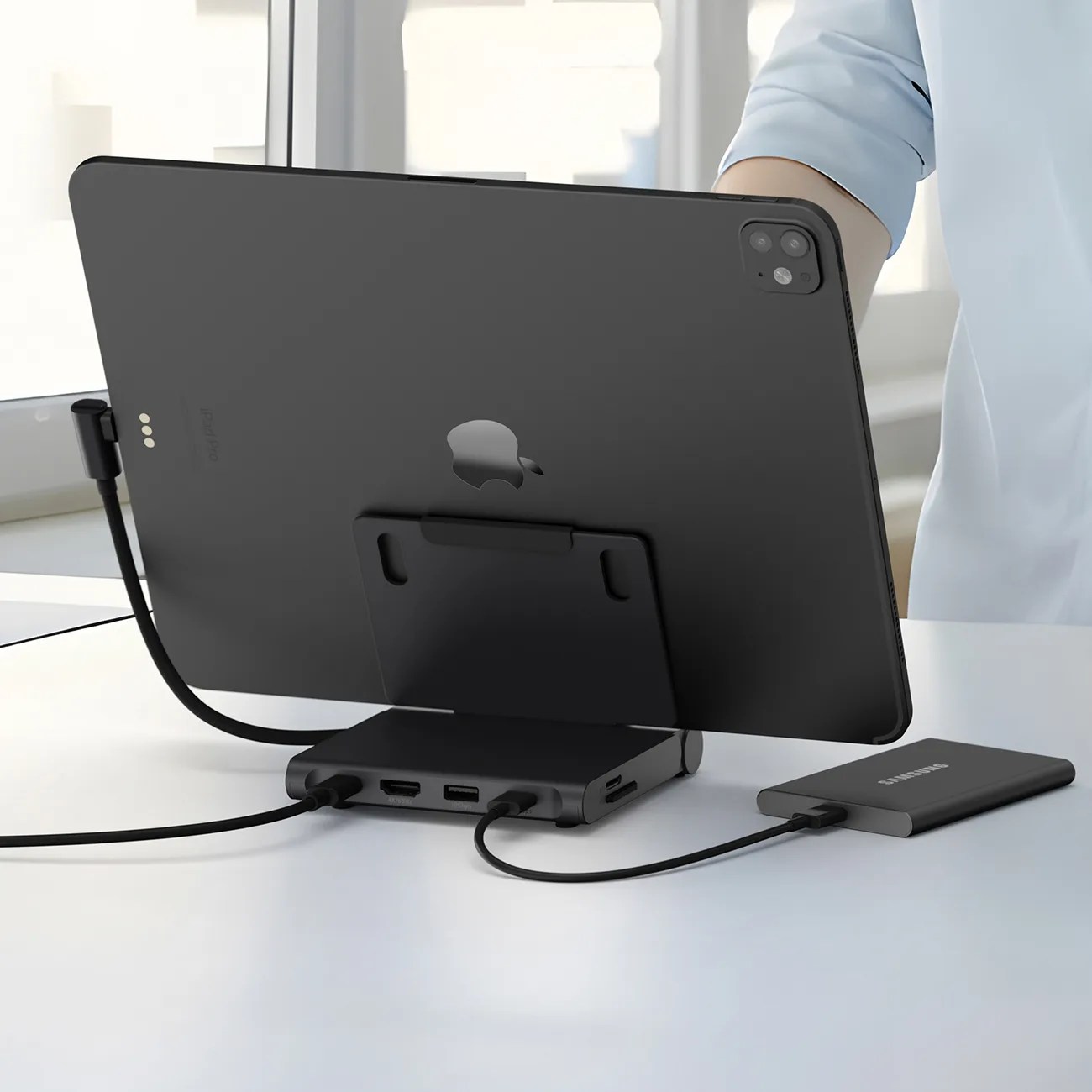
Satechi OntheGo Foldable Stand Hub
Satechi’s Foldable Stand Hub is the newest addition to the brand’s OntheGo collection of travel-friendly accessories for various Apple gadgets. As its name suggests, it’s a stand and hub optimized for the iPad Pro, iPad Air, and iPad mini (2021 and later). The hub adds USB-C and USB-A ports for connecting various accessories, microSD card and SD card slots, and an HDMI port so you can pair the tablet with an external display (up to 4K@60Hz). And when you’re not using it, the stand folds flat for easy transport.
 Final Audio
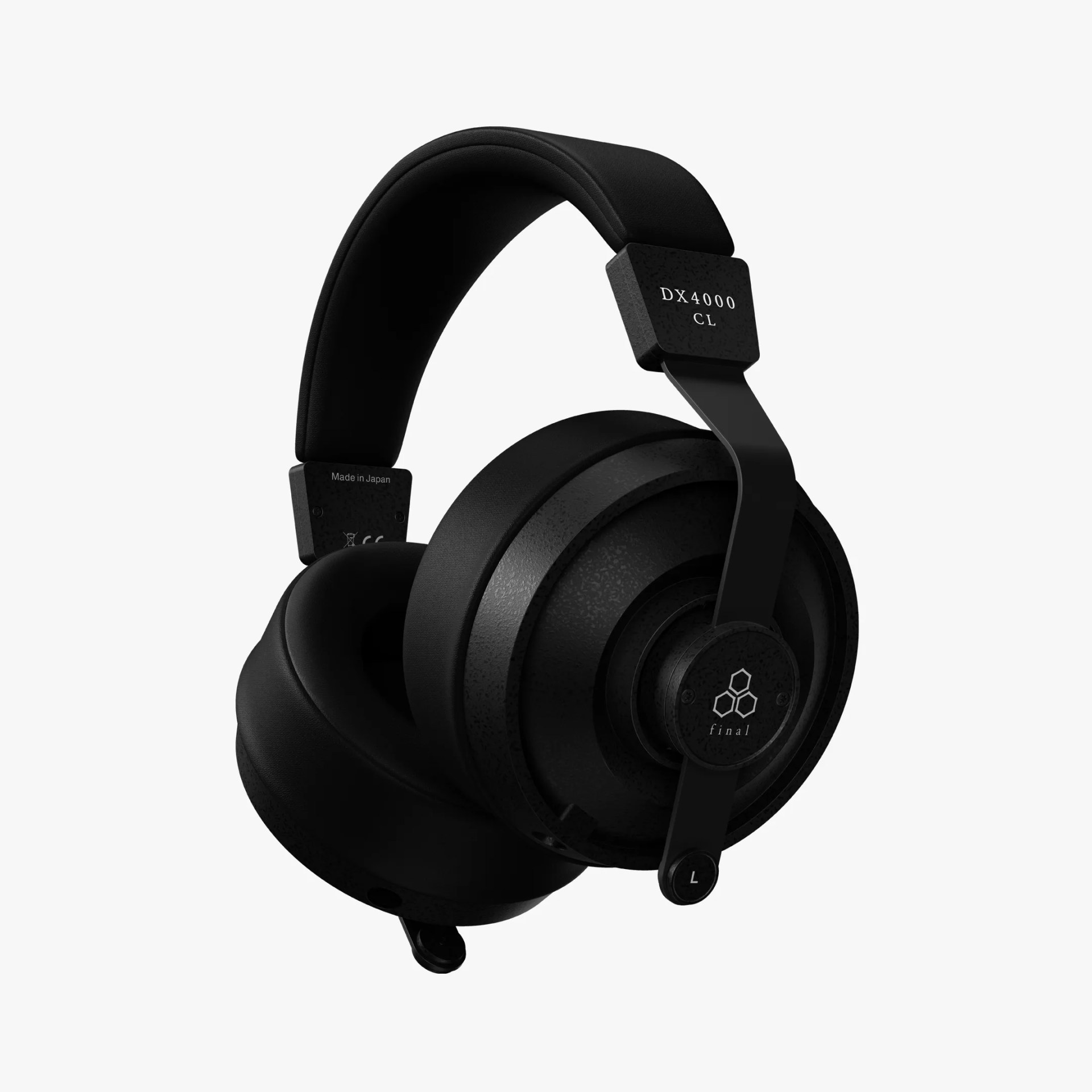
Final DX4000CL
The Final DX4000CL is the newest addition to the brand’s DX series of closed-back wired headphones, slotting between its $599 DX3000CL and its flagship $1,999 DX6000CL. And like those other headphones, the DX4000CL aims to deliver a more natural, balanced sound than traditional closed-back headphones, which often lean toward bass-heavy sound.
 Skullcandy
Skullcandy Push 540 Open
Skullcandy’s Push 540 Open is a pair of wireless earbuds with an open-ear design, so you can hear your surroundings while you run, bike or workout. The most interesting thing is that they come with a detachable neckband that magnetically clips to each earhook, providing added security so you don’t have to worry about the earbuds falling out of your ears. This cable doubles as a carry strap for the case. Available in two finishes: bone (white) or black.
 Apple
AppleApple MacBook Neo
The MacBook Neo is really a first for Apple. It’s a new ultra-affordable laptop that starts at just $599, making it nearly half the price of the new Airs. Like those Airs, the Neo is a 13-inch laptop that promises to deliver a familiar Mac experience — including Apple’s signature “all day” battery life. Naturally, there are a few trade-offs to keep the price low. The Neo runs Apple’s A18 Pro chip, which was featured in last year’s iPhone 16 Pros, so it’s far from a productivity powerhouse. On the hardware side, its 1080p webcam doesn’t support Center Stage, its keyboard isn’t backlit, and it lacks MagSafe charging. It’s a laptop positioned for students and budget-conscious shoppers.
 Leak Audio
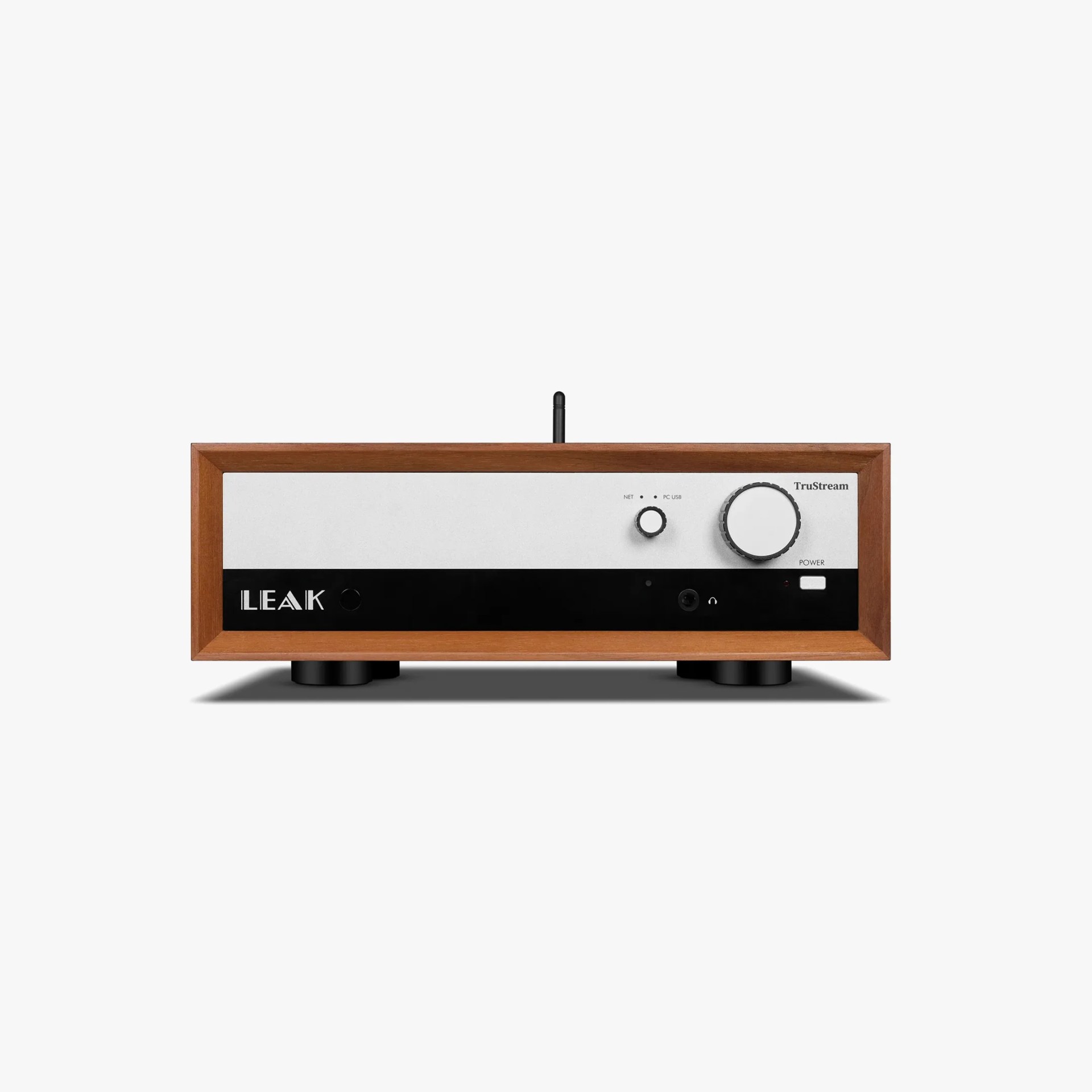
Leak TruStream
The TruStream is Leak Audio’s first dedicated music streamer. It’s designed to match and pair with the company’s vintage-inspired integrated amplifiers, the Stereo 130 and Stereo 230. It works with most of today’s streaming services and technologies, including Spotify Connect, Tidal Connect, Qobuz Connect, TuneIn, Internet Radio, and AirPlay 2. It’s also Roon Ready. And it packs a 32-bit DAC (ESS Sabre ES9038Q2M) and thus supports high-resolution streaming.
 Grado
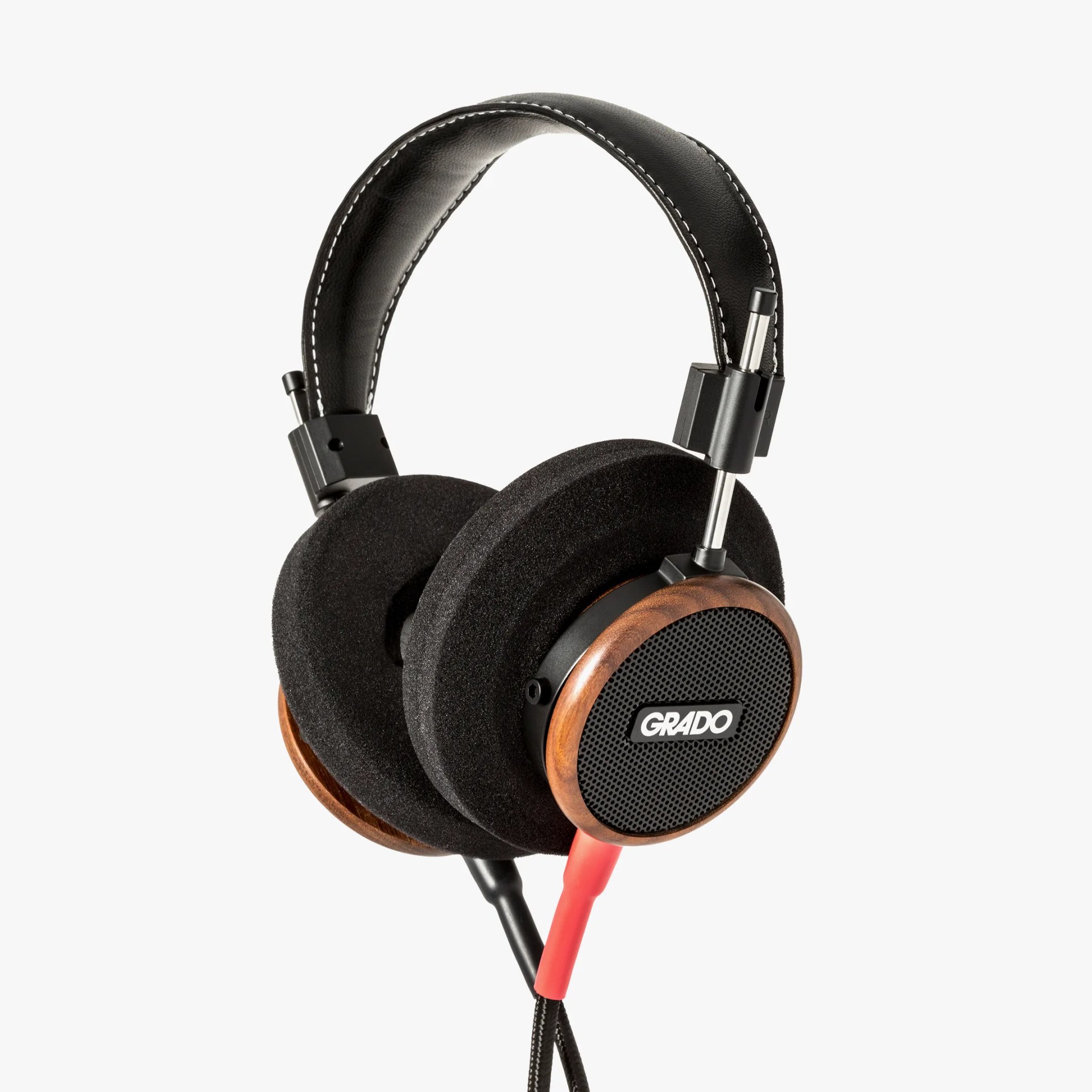
GradoGrado Signature S550
The Signature S550 is the most affordable pair of open-back headphones in Grado’s flagship Signature series. Positioned as more affordable alternatives to the brand’s Signature S750, which are nearly twice as expensive, the S550 has the same 50mm S2 dynamic drivers, but they have been tuned specifically for its all-wood enclosure (instead of wood, the Signature S750 has an all-aluminum housing). According to the brand, they offer “a more relaxed presentation while preserving the speed, detail, and immediacy that have long defined the Grado sound.”
 Apple
AppleApple MacBook Pro (M5 Pro/M5 Max)
Apple has refreshed its MacBook Pro lineup for 2026. It didn’t reinvent the wheel as the new Pros look identical to last year’s models, but the big news is they’re configurable with Apple’s new M5 Pro and M5 Max chips. For the first time, they’ve been built around Apple’s new Fusion Architecture, which, according to Apple, “combines two dies into a single system on a chip, providing tremendous performance boosts.” Like with the new MacBook Airs, Apple has increased the price of the new Pros, but also increased the base storage.
 Apple
AppleApple MacBook Air (M5)
Apple refreshed its MacBook Air for 2026. It’s mostly the same as last year’s M4 model — in fact, it’s identical (it comes in the same four colors and 13- and 15-inch sizes) — but Apple upgraded it with its M5 chip, thus promising improved performance and AI capabilities. The base model also comes with double the base storage (now 512GB), but that comes at a $100 price increase. Additional upgrades include Apple’s N1 wireless chip for superior Wi-Fi and Bluetooth connectivity, and a more powerful 40-watt power adapter is included in the box.
 Apple
AppleApple Studio Display and Studio Display XDR (2026)
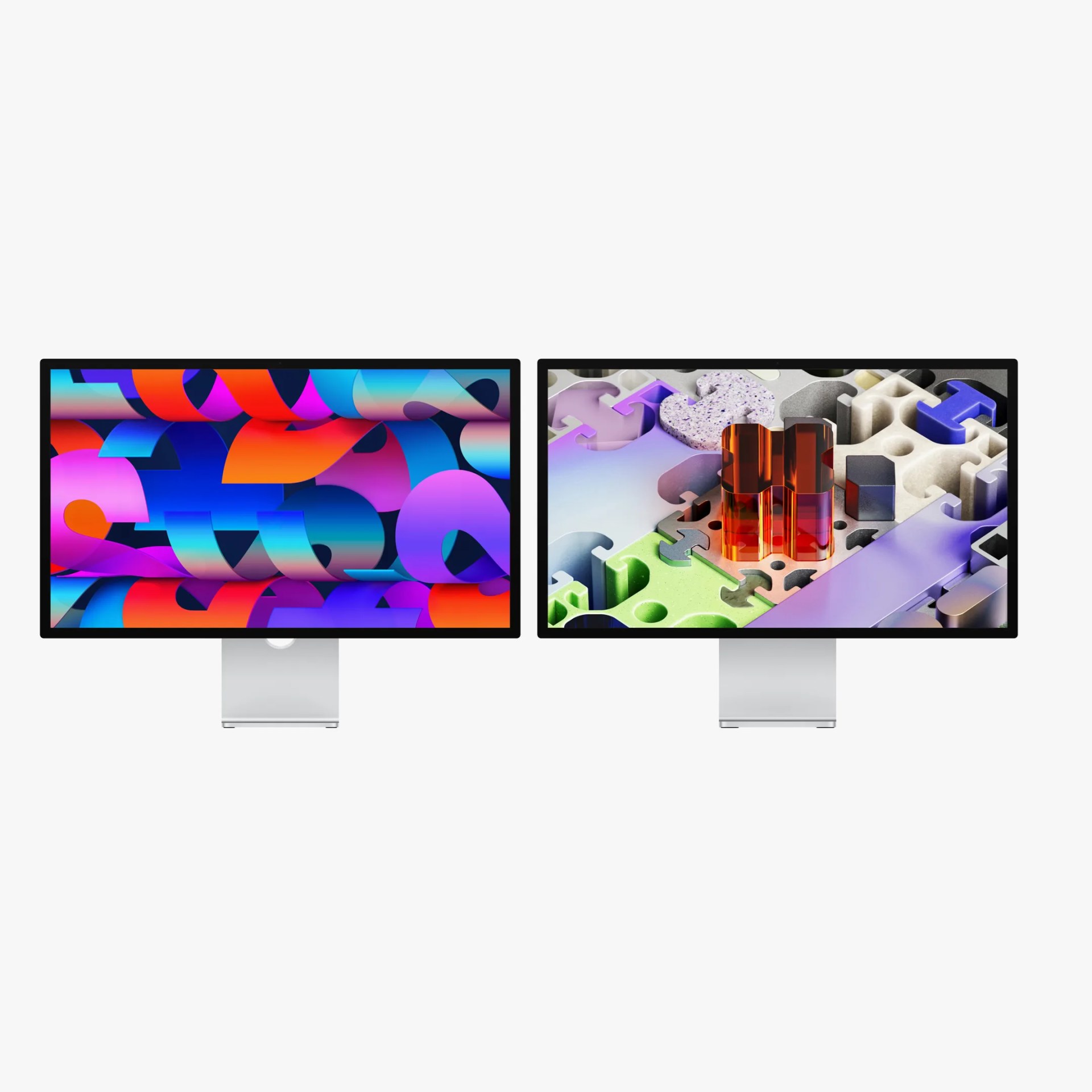
Alongside its M5 MacBook Air and M5 Pro/Max MacBook Pros, Apple has also introduced new Studio Display monitors. There are two models: the refreshed Studio Display replaces its 2022-released predecessor, while the all-new Studio Display XDR replaces the 2019-released Pro Display XDR. Both are 27-inch monitors that feature upgraded cameras and speakers, a more beautiful display and improved connectivity thanks to Thunderbolt 5 ports. The Studio Display XDR is the more professional-grade option, featuring mini-LED backlighting (for superb brightness and contrast) and a 120Hz refresh rate. Both are available in nano-texture glass options.
 Meze Audio
Meze Astru
The Astru is the Romanian hi-fi brand’s most premium pair of in-ear monitors to date. According to the brand, they are meant for “listeners who demand true high-end performance without crossing into flagship pricing territory.” The earbuds feature a 10mm multilayer composite dynamic driver diaphragm, meticulously engineered to balance speed, control, and musical weight. They have a beautiful titanium housing, detachable cables and feature a gold-plated 4.4 mm balanced termination. A 3.5mm adapter is included so you can use it with most traditional sources.
 Nothing
Nothing Headphone (a)
Nothing’s Headphone (a) is a more affordable alternative to the company’s first wireless noise-canceling headphones, the 2025-released Headphone (1). The two models share a similarly unique, semi-transparent design, but the Headphone (a) comes in several more colors and, interestingly, has a way longer battery life (up to 135 hours, which is insane, with ANC turned off). The main tradeoff with these headphones is that, unlike the Headphone (1), they aren’t tuned by KEF, so you can expect a drop-off in audio quality. But at $199, the headphones are also $100 less expensive.
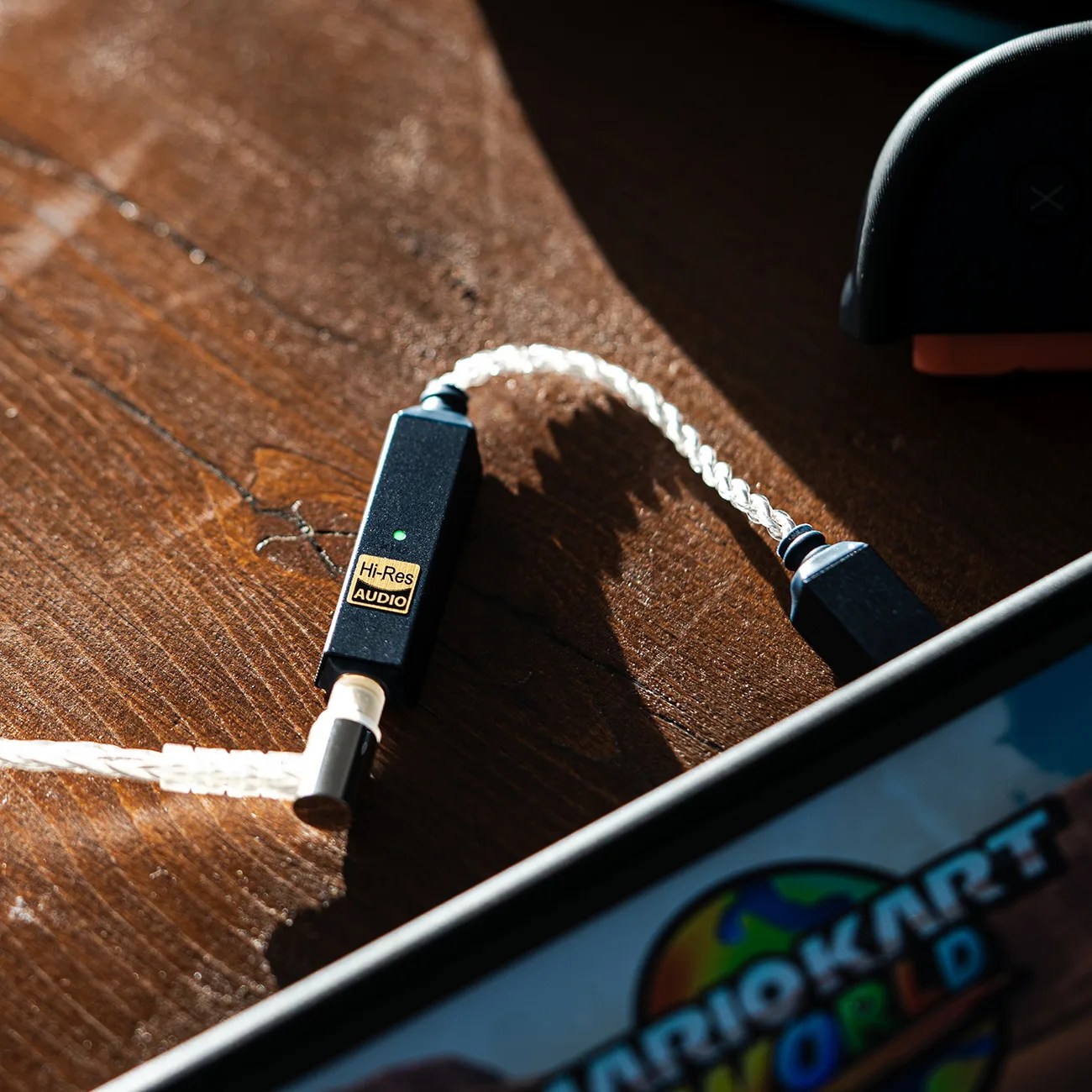 iFi
iFiiFi Go Link 2
iFi’s Go Link 2 is an affordable gadget designed to give your smartphone, tablet or computer an audio boost when listening to wired headphones. The portable DAC (ESS Sabre) and headphone amplifier connects to your device via USB-C and supercharges your wired headphones so you can really hear the difference of lossless tracks (which are now supported by most major services, including Spotify and Apple Music). Compared to its predecessor, the 2022-released Go Link, this second-generation model is eight percent smaller and costs exactly the same.
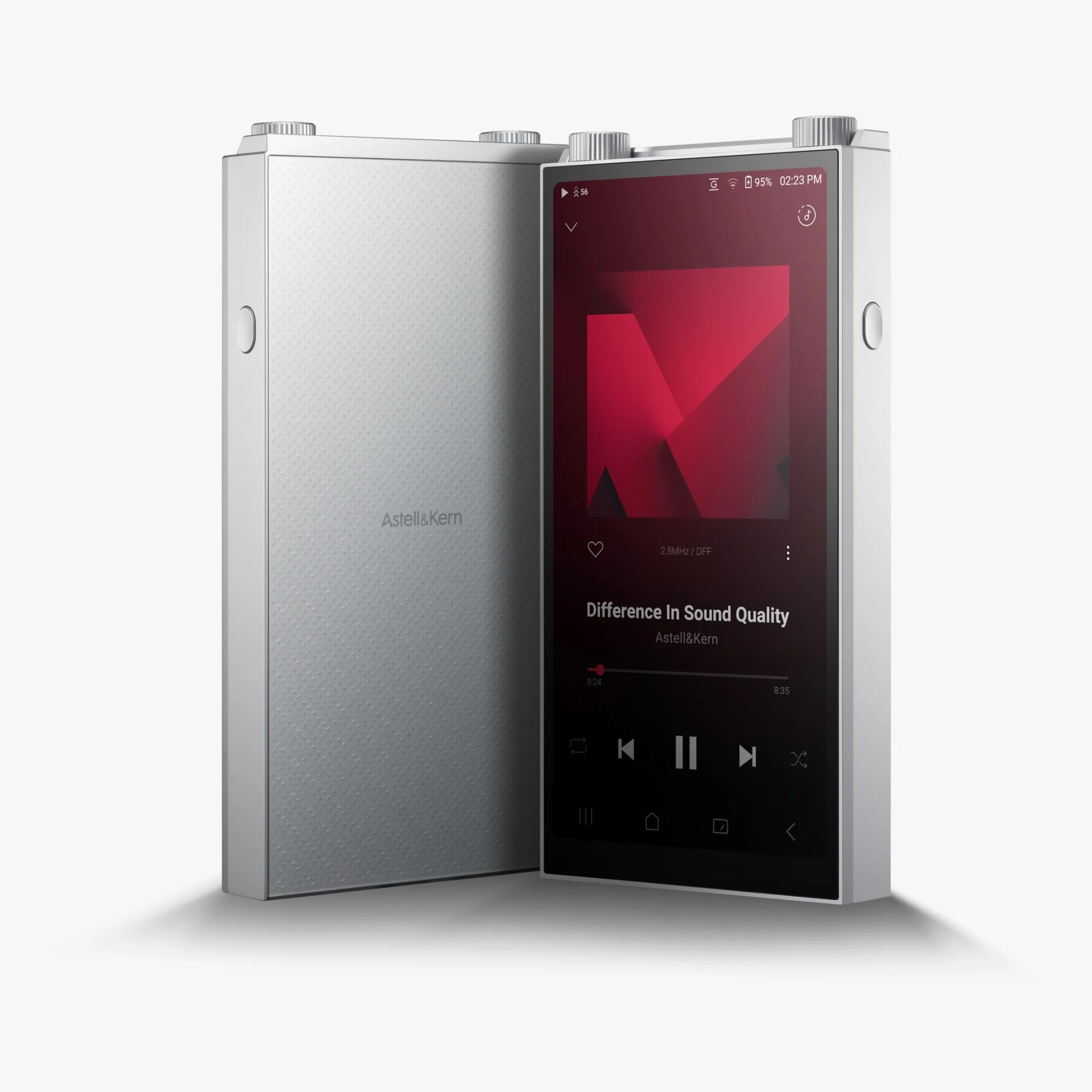 Astell&Kern
Astell&Kern PD20
The Astell&Kern PD20 is a beautifully designed, portable hi-fi player that blends premium design (and materials) with high-resolution playback capabilities. It’s unique because it’s the company’s first model to administer a hearing test and then adjust its equalizer settings based on your hearing. According to the press release, this Personal Sound system “analyzes individual hearing characteristics and compensates independently for left and right ears to create a uniquely tailored listening profile.” Basically, it promises to deliver a more personal audio experience than other portable hi-fi players.
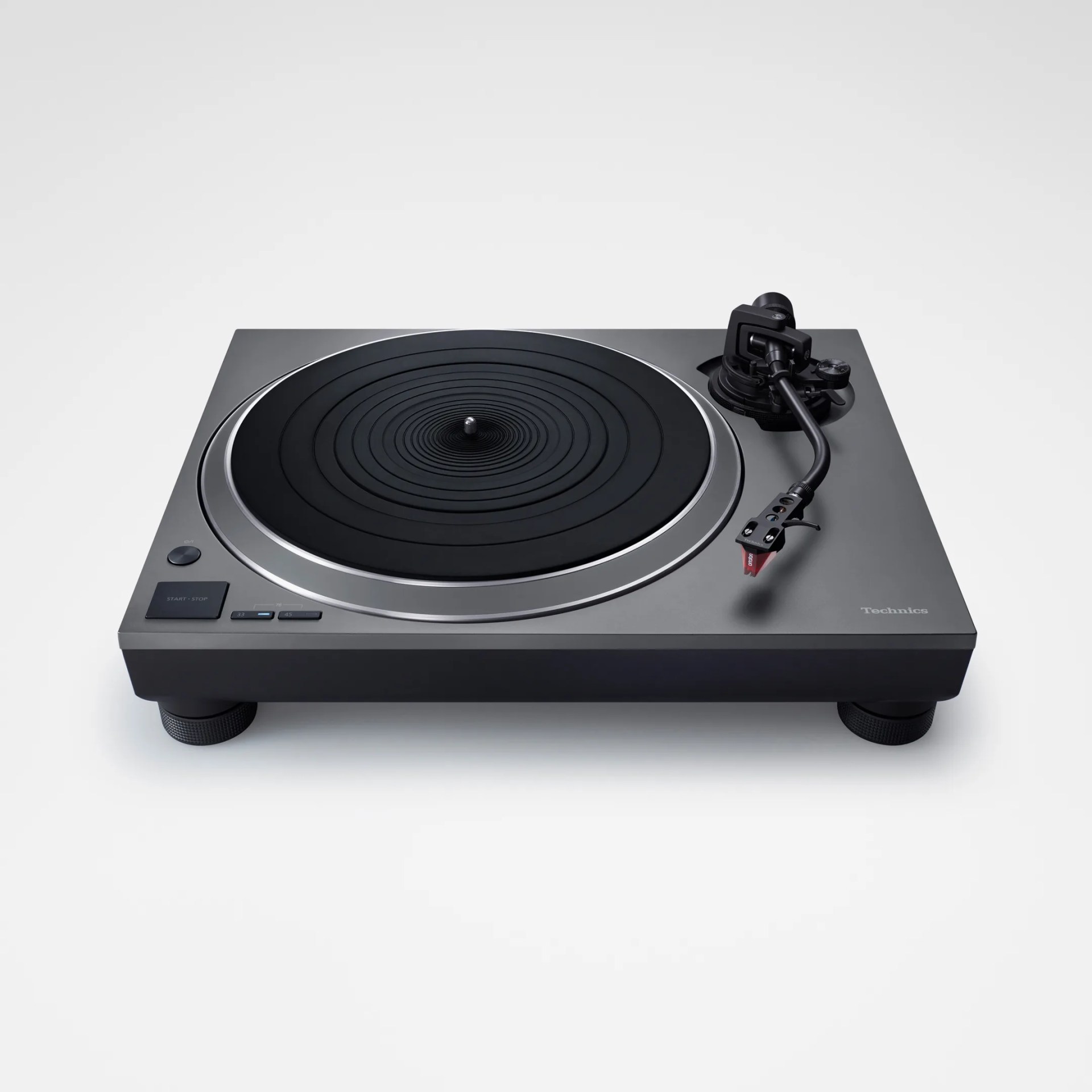 Technics
Technics SL-1500CS
The Technics SL-1500CS is a direct-drive turntable with a built-in phono preamplifier. It’s essentially an updated version of the SL-1500C, which was released in 2019. The SL-1500CS looks nearly identical and even comes equipped with the same Ortofon 2M Red cartridge. But the new model has been upgraded with Technics’ ΔΣ (DeltaSigma) Drive technology, which it also featured in its more expensive turntables, the 2023-released SL-1200GR2/1210GR2 ($2,500), as well as the 2024-released SL-13000G ($4,000). According to the brand, the new SL-1500CS “achieves sonic performance levels far beyond the perceived standards of its class.”
 Apple
AppleApple iPhone 17e
The iPhone 17e is Apple’s budget-friendly iPhone for 2026. Compared to last year’s iPhone 16e (which replaced the 2022-released iPhone SE), the two smartphones are quite alike. Both have a body similar to the iPhone 14, featuring a 6.1-inch display with a notch — no Dynamic Island — that supports Face ID. And they both have an Action button and support for wireless charging. That said, the iPhone 17e packs a number of upgrades, headlined by an updated processor (A19), a C1X modem and double the storage (now starting at 256GB). Most notably, it also supports MagSafe so you can use it with all your existing magnetic accessories. Apple is selling it at the same $599 price.
 Apple
AppleApple iPad Air (M4)
Apple’s new iPad Air lineup for 2026 is a pretty modest upgrade over last year’s models. Like before, the iPad Air comes in two sizes — 11- and 13-inches — and it looks exactly like its predecessor. The big upgrade is that these newest iPad Airs now have an M4 chip, which Apple claims makes them “up to 30 percent faster” than last year’s M3 models. Apple has also given its new iPad Airs more RAM, an N1 wireless networking chip (for superior Wi-Fi connectivity) and, for its cellular models, its custom C1X modem. The M4 iPad Airs are the same price as last year’s models.
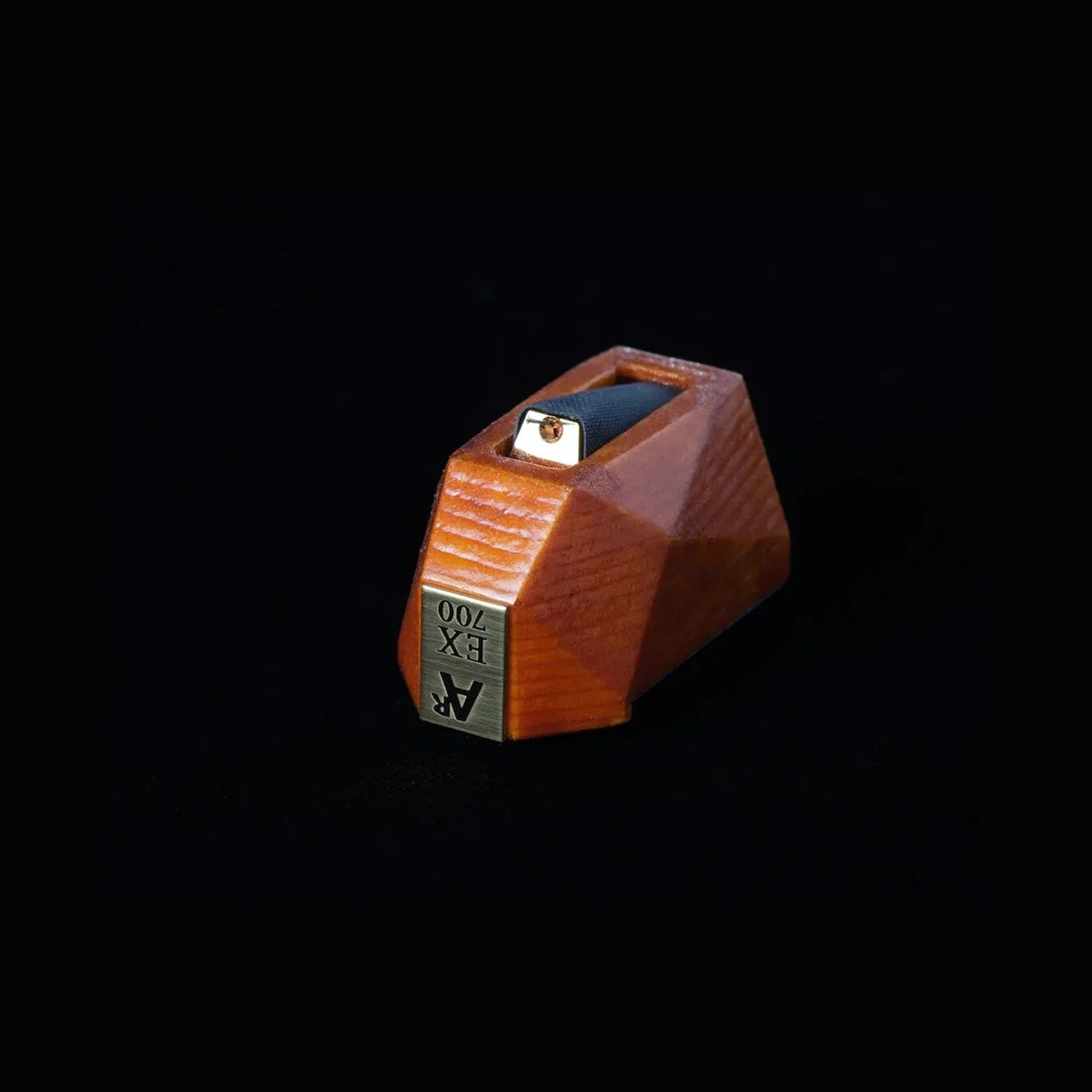 Analog Relax
Analog Relax EX-700 Phono Cartridge
Analog Relax specializes in elite moving-coil (MC) phono cartridges. Its latest model, the EX-700, falls somewhere in the middle of its offerings. Its standout feature is that its body is made from the spruce harvested in the South Tyrol region of Northern Italy. This is the same source of the wood used for Stradivarius violins. It costs $13,500.
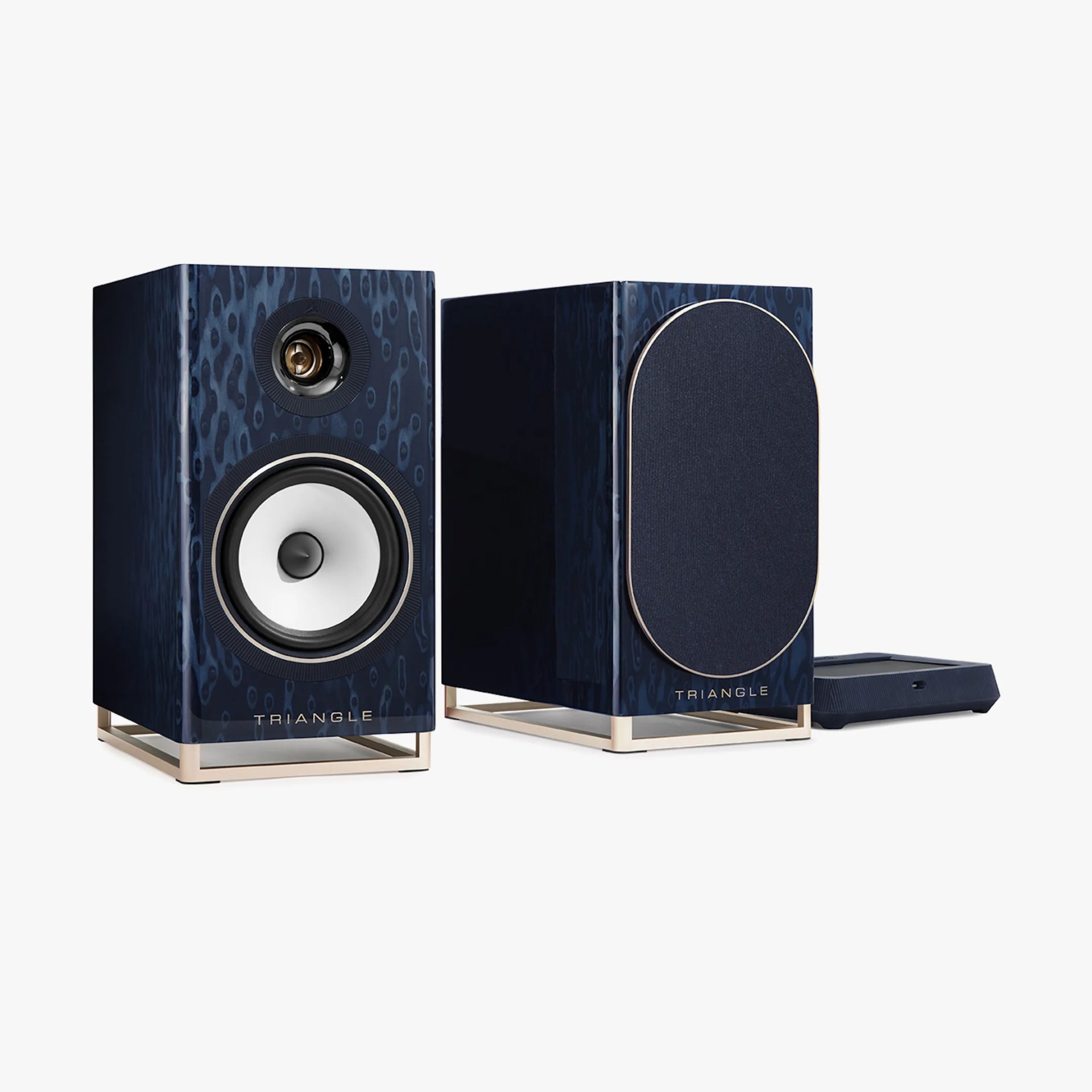 Triangle Hi-Fi
Triangle Capella 2
Triangle’s Capella 2 is a second-generation version of its 2024-released wireless active speaker system. It’s composed of two active speakers, each delivering 100 watts of Class D bi-amplification, along with a stereo hub that handles all wired and wireless connections. While the speakers are largely the same, the main difference with the Capella 2 is that it has a significantly upgraded streaming hub, named the Stereo Hub 2, which has an updated processor, more wired connections and native support for more high-resolution streaming, including Spotify Lossless, Tidal Connect and Roon Ready.
 Google
Google Pixel 10a
Google’s Pixel 10a is its latest entry-level smartphone, designed to deliver a similar experience as the rest of its Pixel 10 lineup, but at a more affordable price. The Pixel 10a works and looks quite similar to the Pixel 10 — both have a 6.3-inch display — but, naturally, the Pixel 10a comes with a few tradeoffs. Most notably, it has last year’s processor (Tensor G4), a less premium build and display, and a dual-camera system that lacks a telephoto lens. But, at $499, it’s $300 less expensive than the Pixel 10.
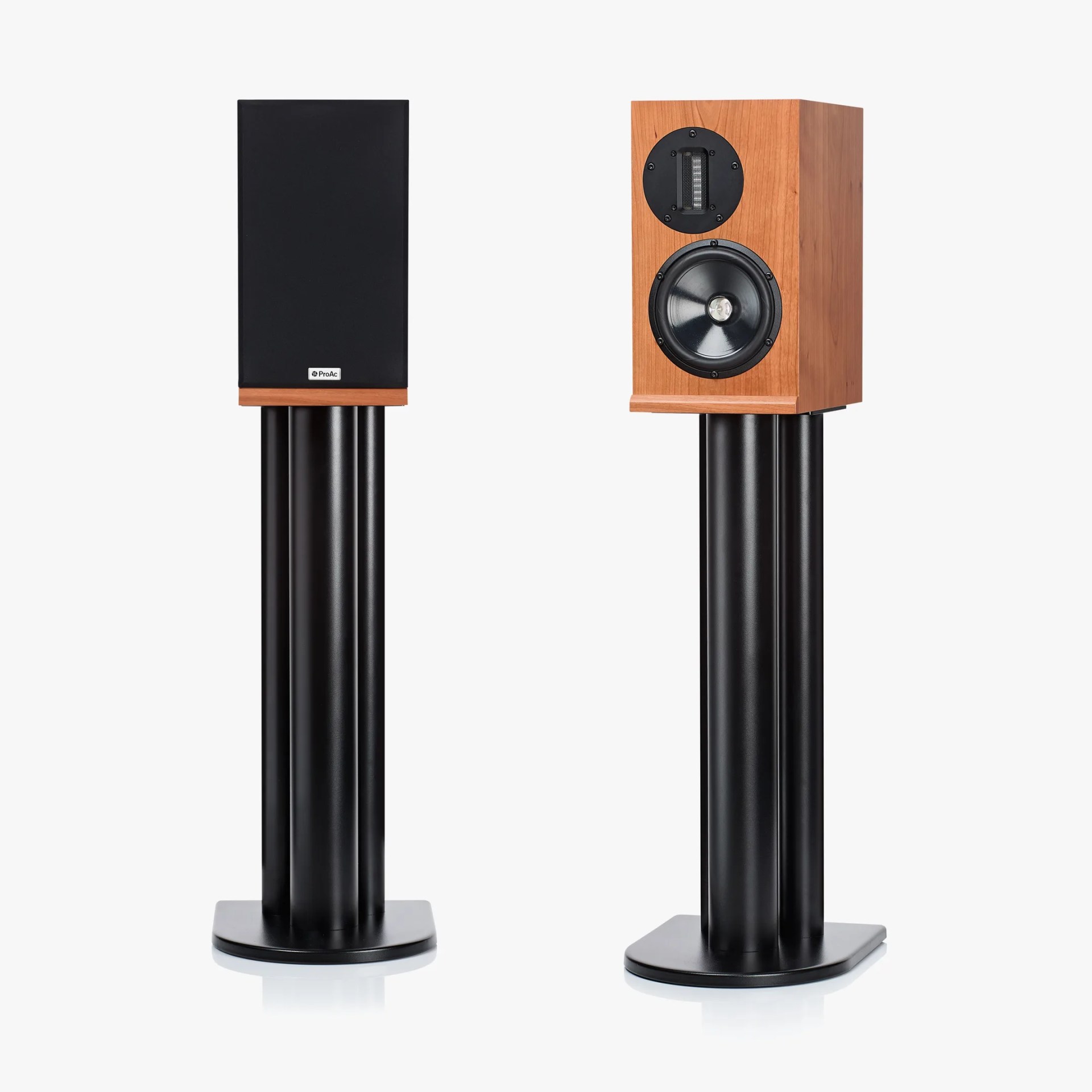 ProAc
ProAcProAc Response DB1R
ProAc’s Response DB1R is an updated version of its Response DB1, a compact standmount (or bookshelf-sized) loudspeaker, which was introduced in 2016. The new models are mostly the same — same size and featuring the same rear port and long-throw woofer — but they’ve been upgraded with a new ribbon tweeter, which ProAc also incorporates in its larger Response-range loudspeakers. According to the brand, this takes its performance “to the next level.”
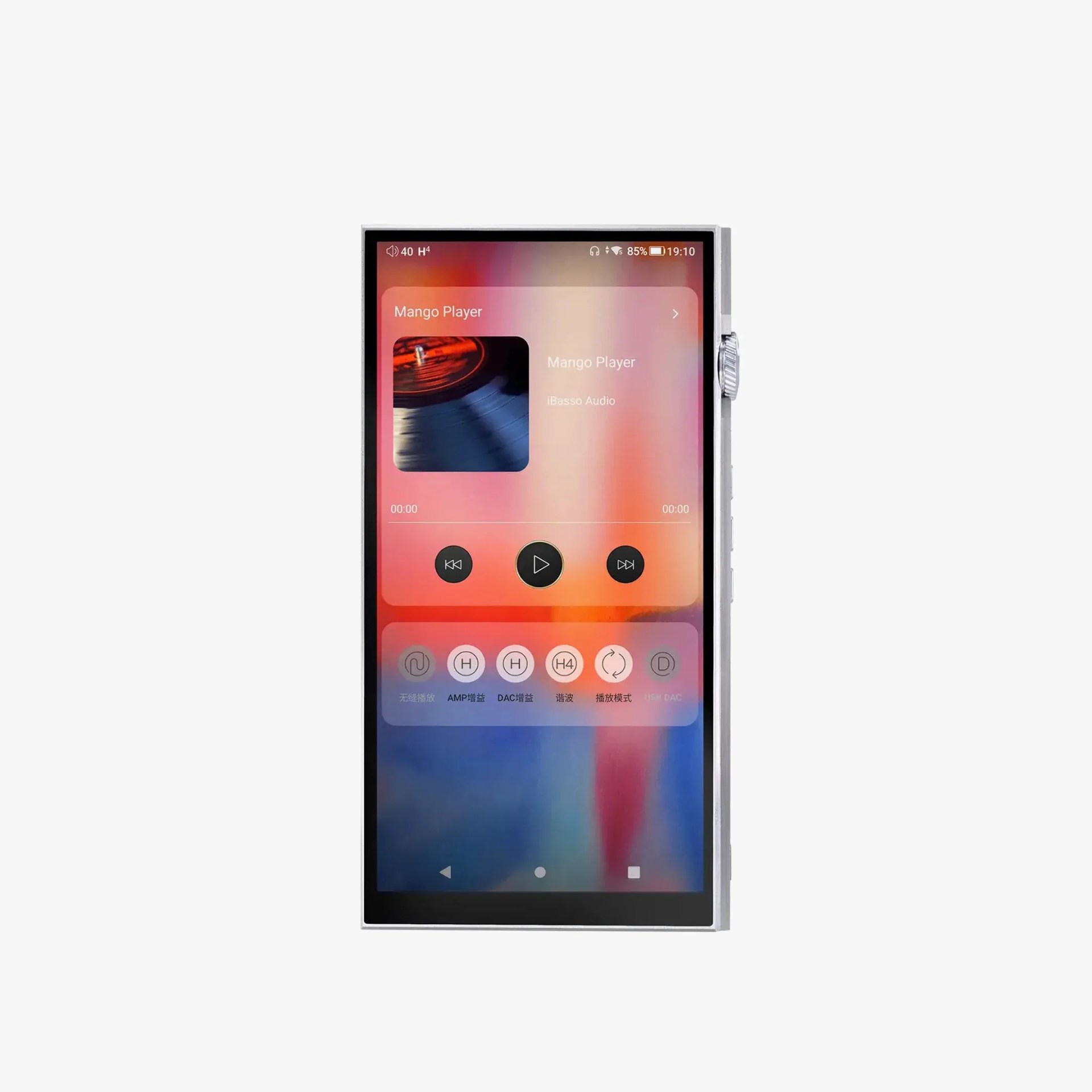 iBasso
iBasso DX340 (Titanium)
In early 2025, iBasso introduced the DX340, a new flagship portable hi-fi player targeting on-the-go audiophiles seeking a premium device for high-fidelity audio that their smartphones couldn’t deliver. It is priced at $1,999. This limited-edition version comes in titanium — specifically, a CNC-milled body — and promises to look and feel more premium than the standard model, which has a stainless steel body with black accents. It’s $200 more expensive.
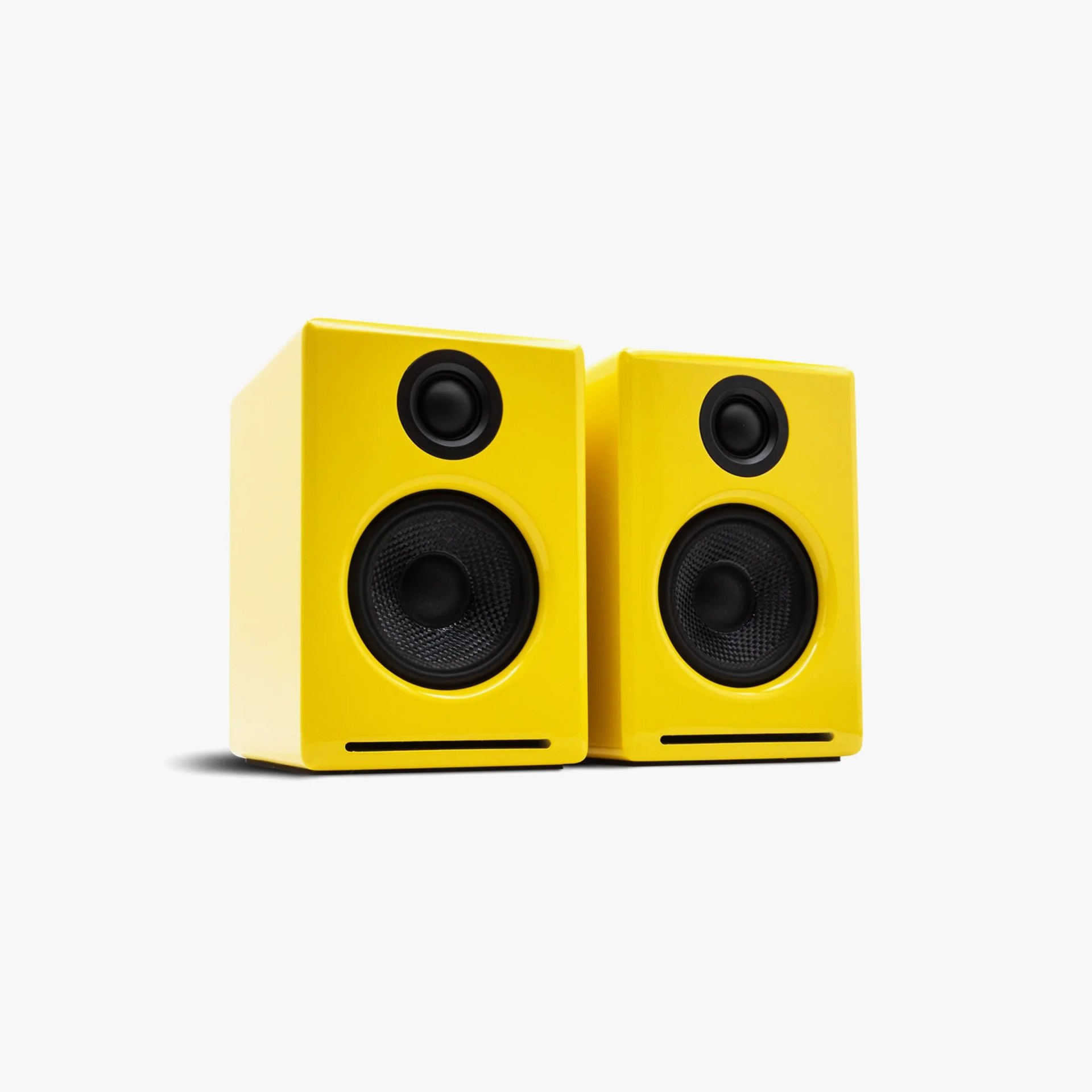 Audioengine
Audioengine A2+ Next Gen (Limoncello Yellow)
Audioengine’s “Color of the Year” is an annual initiative where fans vote on what color they want to see its speakers in. The winner for 2026 is High-gloss Limoncello Yellow. So now you can buy the Texas-based hi-fi brand’s most popular desktop speaker system, the A2+ Next Gen, in the color. Additionally, for the first time, the brand is introducing its S6 subwoofer and DS1M speaker stands in the same color finish. This way, everything matches.
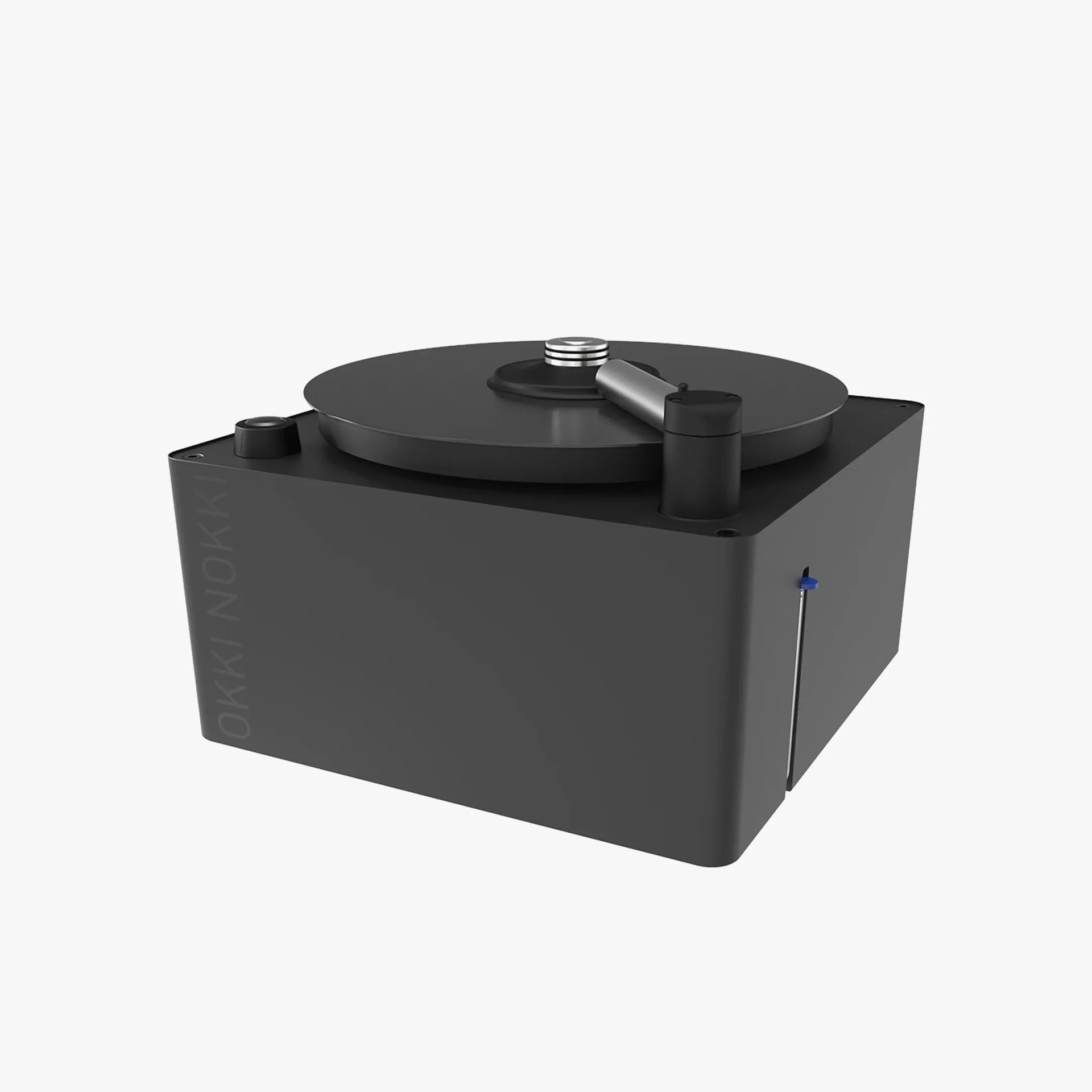 Okki
OkkiOkki Nokki One DV Record Cleaning Machine
A vacuum-based record-cleaning machine uses high-powered vacuums to suction debris (and fluid, which is applied during the cleaning process) and improve the sound quality of vinyl records. Basically, it’s something reserved for audiophiles who take vinyl very seriously. Okki Nokki’s One DV is the successor to the brand’s well-loved MK II RCM, and it’s got a couple of notable upgrades. It features a unique unibody design, an integrated reservoir tank and a configurable vacuum arm so it can clean 7-, 10- and 12-inch records. No changing arms required.
-
$749 (0% off)
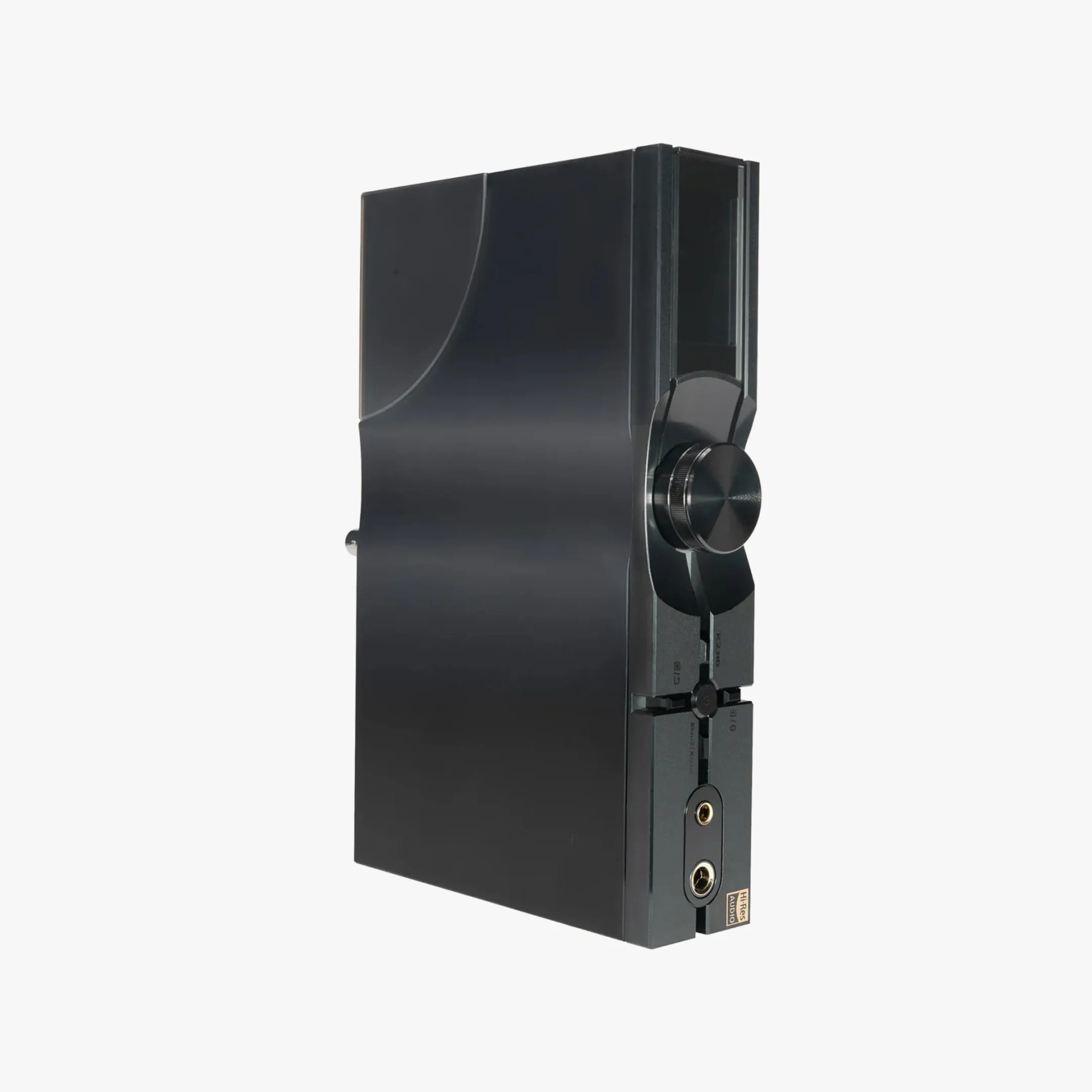 iFi Audio
iFi Neo iDSD 3
iFi’s Neo iDSD 3 is a pretty serious DAC and headphone amplifier that’s designed to be the central hub of a desktop hi-fi system. It features a Burr-Brown DAC architecture with support for PCM (up to 768kHz) and DSD512. Like the brand’s more expensive DAC/amps, it’s integrated with JVCKENWOOD’s K2HD processing technology, which can either restore a track’s original resolution or upscale it. As an amplifier, it can comfortably drive more headphones and IEMs. It even has built-in Bluetooth (with support for aptX Lossless and LDAC), so you can stream higher-quality audio to your wireless headphones.
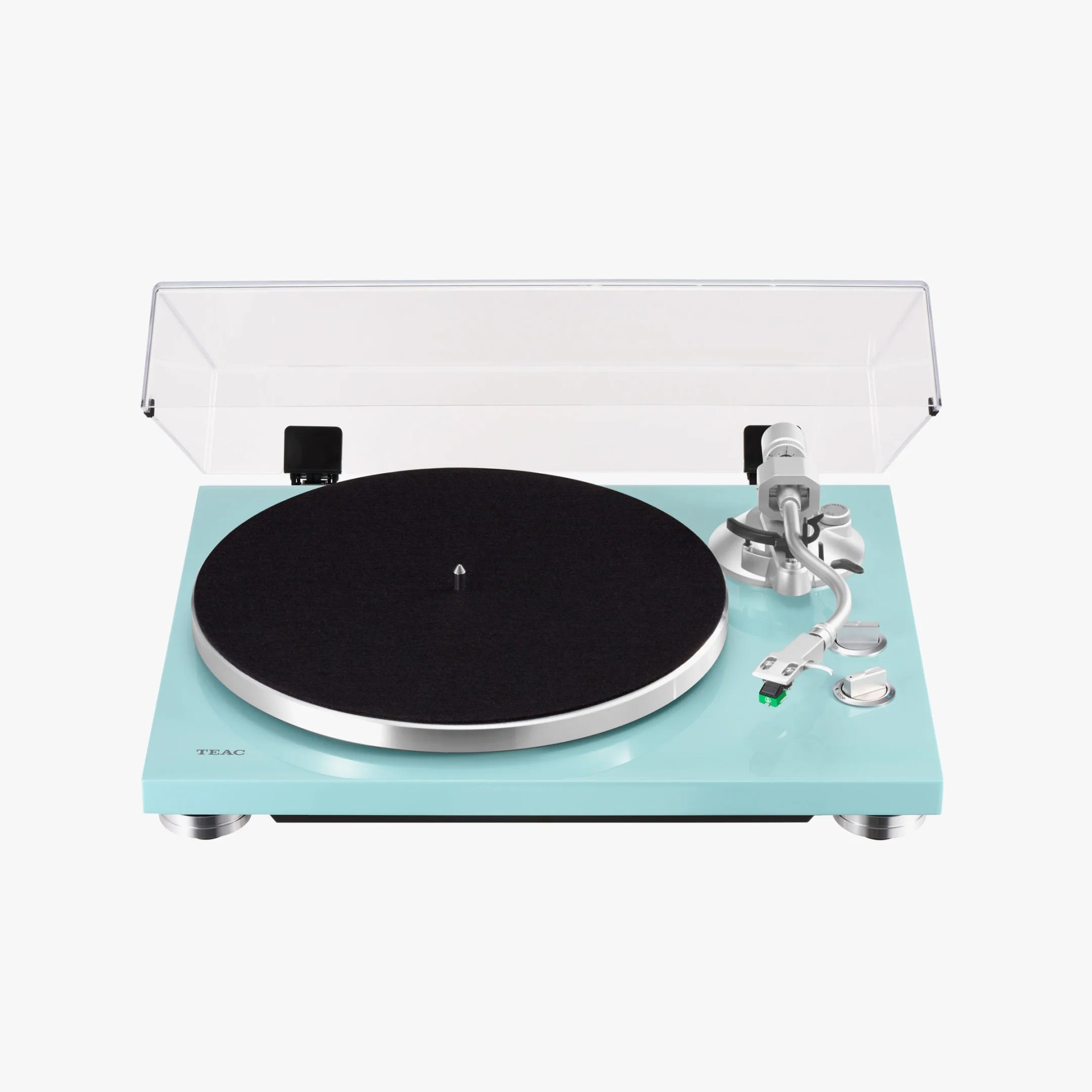 Teac
TeacTeac TN-400BTX/TB
The Teac TN-400BTX/TB is a special-edition version of the Japanese audio maker’s TN-400BTX turntable, which was released in 2024. It’s the exact same manual-belt-drive turntable, combining premium components and modern features (such as Bluetooth streaming and a built-in phono preamp), but instead of a walnut finish, the “TB” version comes in a glossy-lacquer Turquoise Blue finish. Only a limited number of models will be sold.
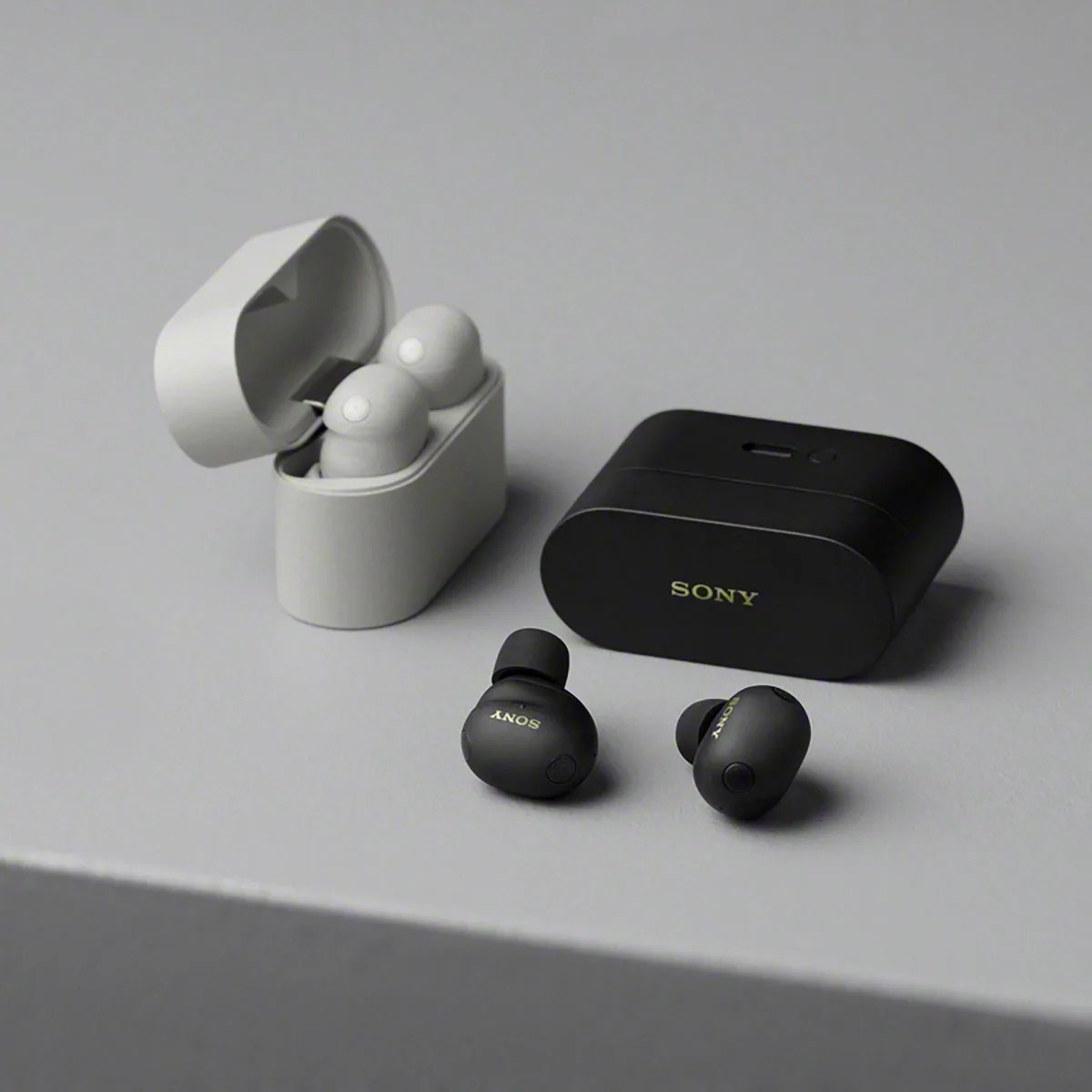 Sony
SonySony WF-1000XM6
The Sony WF-1000XM6 are the company’s new flagship wireless earbuds with active noise cancellation. As next-gen versions of the 2023-released WF-1000XM5, they have been updated in numerous ways. They promise significantly better active noise cancellation, sound and call quality. Sony tweaked the design and shape of the earbuds, making them 11 percent slimmer (but not necessarily smaller) and more ergonomic so they fit more securely in your ears. Additionally, they’re compatible with a new app, Sony Sound Connect, that lets you further fine-tune EQ and audio settings. Available in two finishes: black or platinum silver.
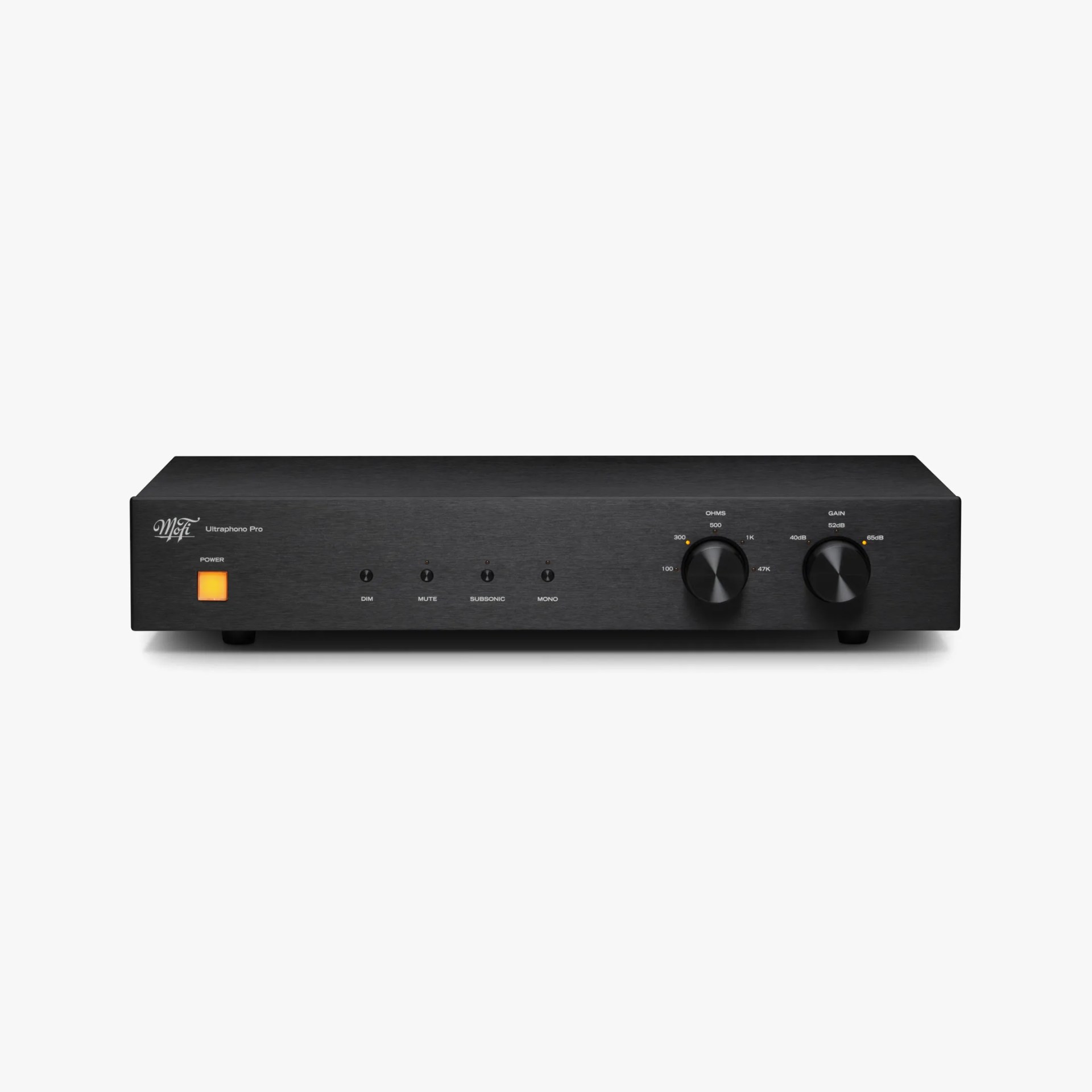 MoFi Electronics
MoFi Electronics UltraPhono Pro
The UltraPhono Pro is a high-end phono preamplifier that’s effectively a streamlined and more affordable version of the brand’s flagship MasterPhono, which costs $6K. It shares many features with its more expensive sibling. It’s built around a fully discrete J-FET and MOSFET gain stage and a passive, zero-feedback RIAA network, and a seven-stage regulated balanced power supply. According to MoFi Electronics, it “brings much of the performance DNA of its flagship MasterPhono to a more accessible price point.”
 Majority
Majority Bowfell Halo Atmos
The Bowfell Halo Atmos is Majority’s affordable Dolby Atmos surround sound system. The 5.1-channel system consists of a compact soundbar, two satellite speakers and a wireless subwoofer. And it supports Bluetooth streaming when not playing TV audio. The best part? The complete system costs around $230. It launches on February 16th.
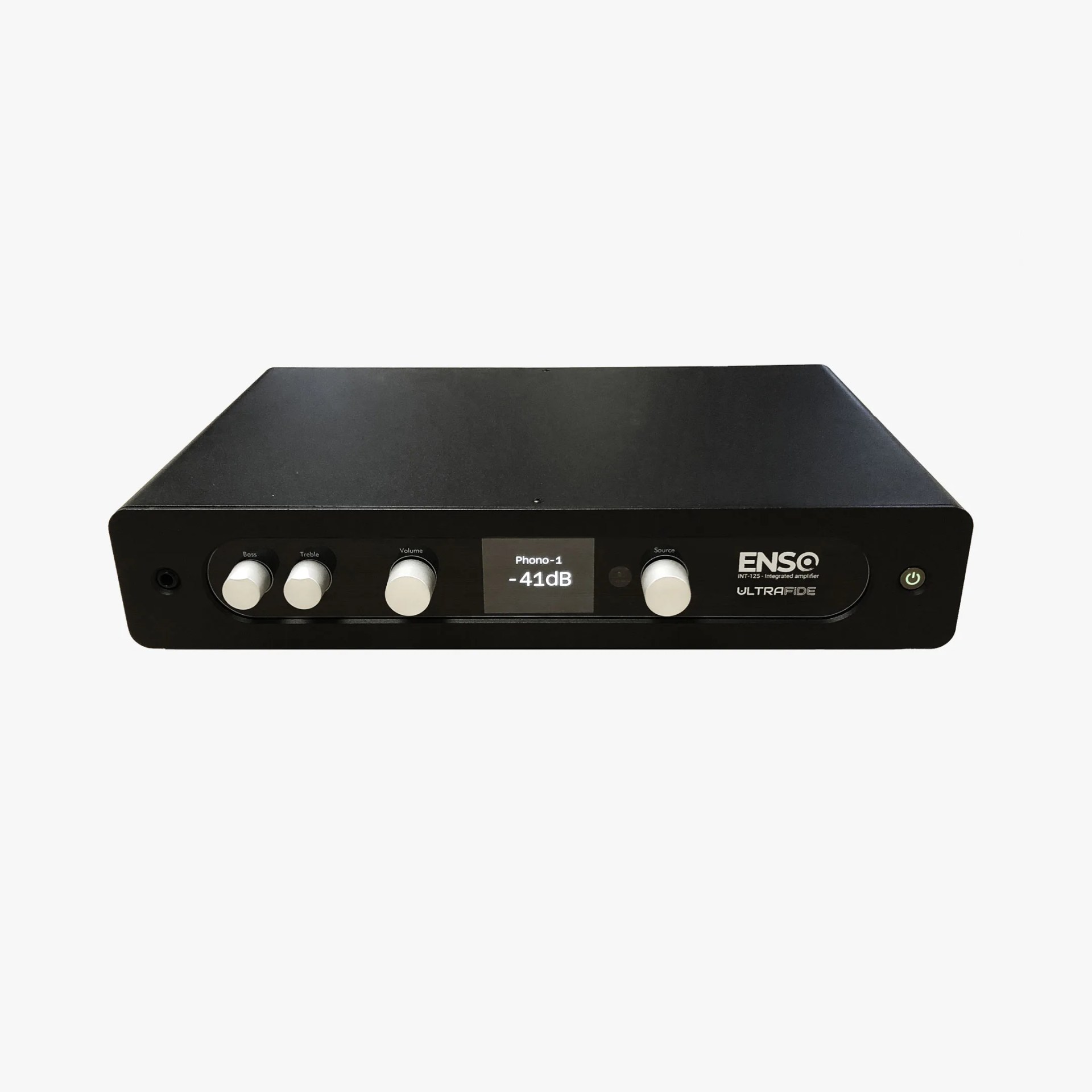 Ultrafide Audio
Ultrafide Enso (INT-125)
Ultrafide Audio is a British hi-fi company specializing in ultra-high-end amplifiers typically used in professional studios and live venues. Basically, its gear not designed for average consumers. But the Enso (INT-125) is part of the brand’s “pro to home” movement. It’s its first-ever integrated amplifier, well-suited to serve as the hub of a traditional stereo hi-fi system. It combines a power amplifier, a preamplifier, and a built-in moving-magnet phono stage — there’s no streaming support of any kind. It delivers 125 watts (into 8 ohms) or 250 watts (into 4 ohms) per channel and is designed to drive high-end loudspeakers.
 Mophie
Mophie Powerstation Plus 10K (Gallery Edition)
Mophie has introduced special-edition versions of its portable power bank, the Powerstation Plus 10K. It works just like before — boasting a 10,000mAh capacity (which should be enough to recharge your smartphone a few times over) and having integrated Lightning and USB-C cables — but these “Gallery Edition” versions are decorated with designs inspired by iconic artists like Picasso, Botticelli, Monet, van Gogh and more. At the time of writing, there are 25 different options to choose from.
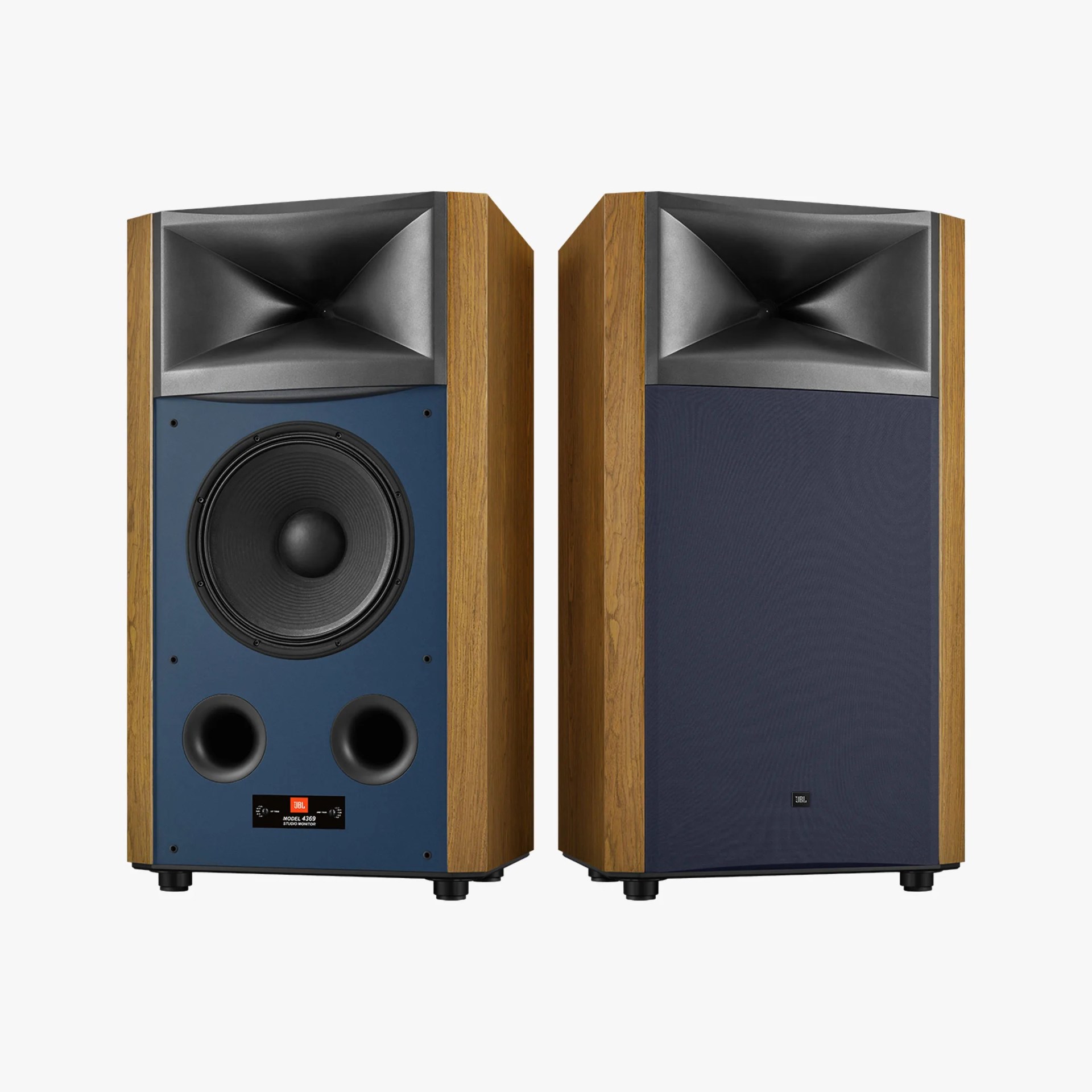 JBL
JBLJBL 4369 Studio Monitor
JBL’s 4369 Studio Monitor is the brand’s flagship passive floorstanding speaker; each stands over three feet tall and weighs 140 pounds. The 4369 is essentially a new and improved version of its predecessor, the 2015-released 4367. At first glance, the two loudspeakers look basically identical. Both have the same two-way design with dual front-firing ports. And they share a vintage aesthetic that mimics the brand’s original studio monitors from the ’70s. But JBL claims it has elevated every aspect of the 4369, including upgraded driver technologies, a more refined cabinet design, and a next-generation crossover network.
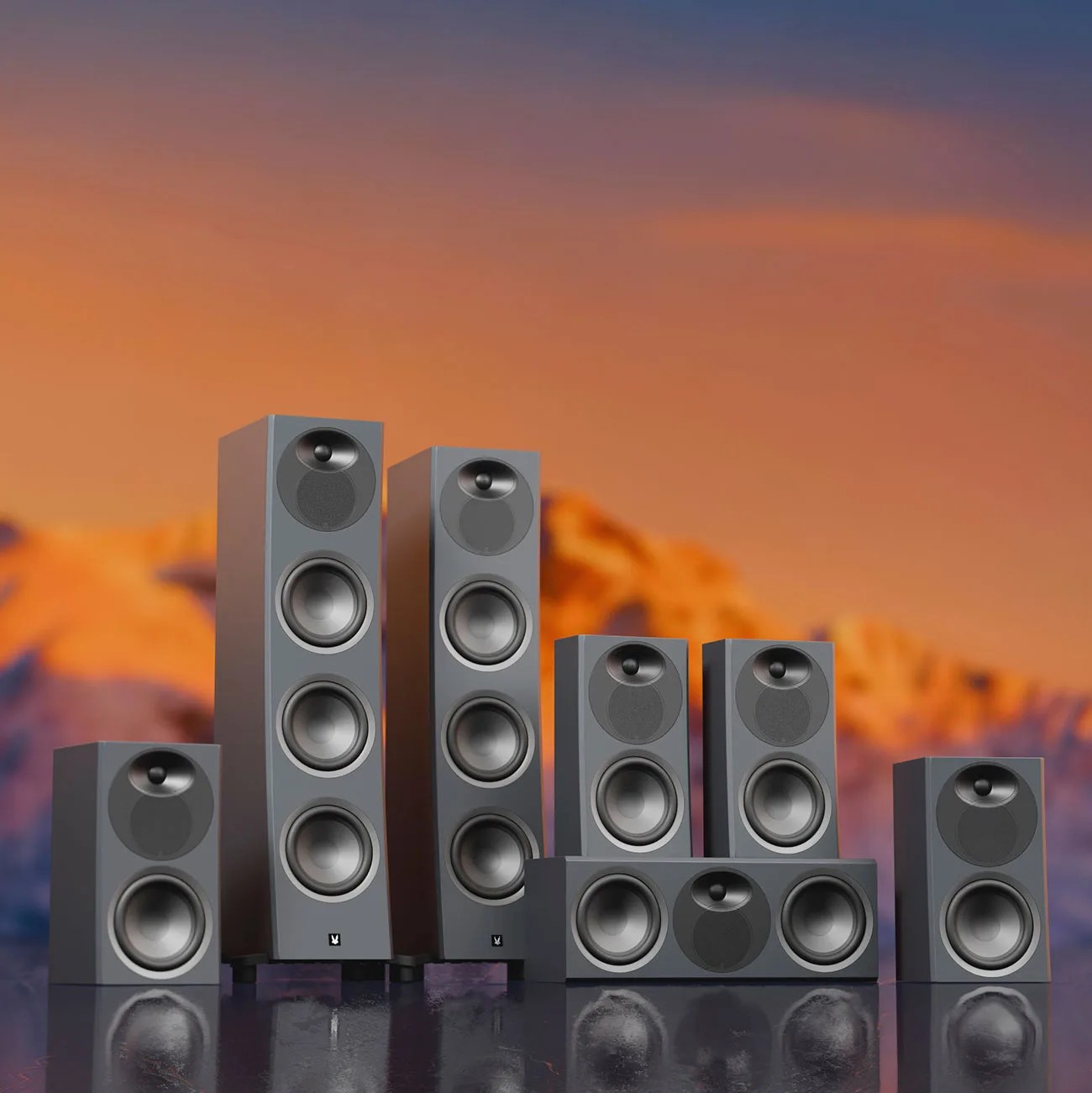 Arendal Sound
Arendal 1610 Series
The 1610 series of loudspeakers is positioned just below the Norwegian company’s flagship 1528 range. Each loudspeaker in the range borrows design elements and acoustic technologies from the flagship range while costing substantially less. The range consists of four different models: one floorstanding, one bookshelf, one center channel and one slim (designed for on-wall or close-to-wall installation). According to the brand, they are more practical and accessible for hi-fi enthusiasts with more traditional living rooms.
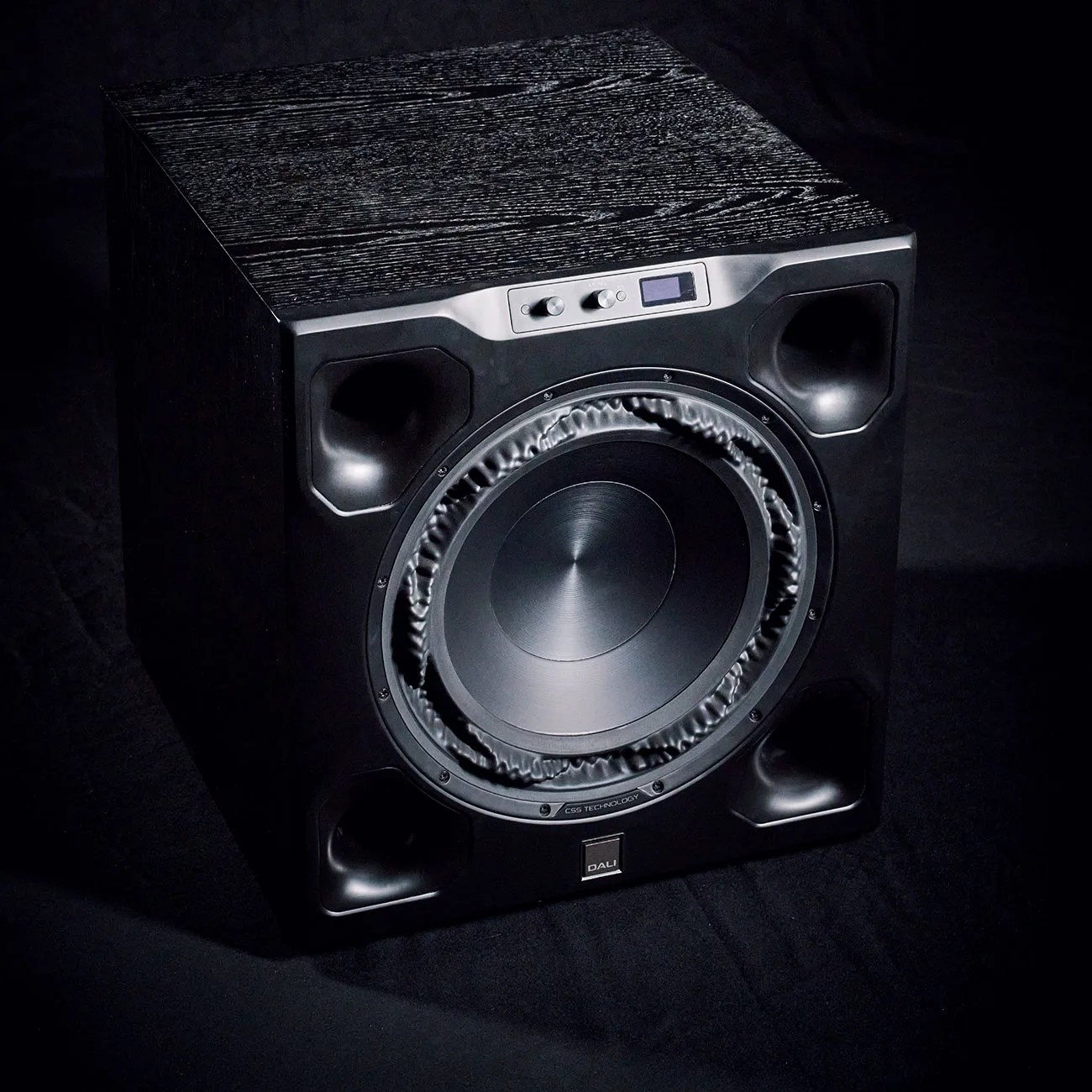 Dali
DaliDali V-16 F
The Dali V-16 F is the Danish hi-fi maker’s flagship subwoofer. It features a custom-engineered 16-inch bass driver backed by an ultra-low-distortion 1,500-watt amplifier. According to the brand, it was built to “redefine what’s possible in premium home cinema sound.” As of February 2026, the V-16 F has achieved THX Certified Dominus status, which is the highest (and best) THX rating for a large home cinema.
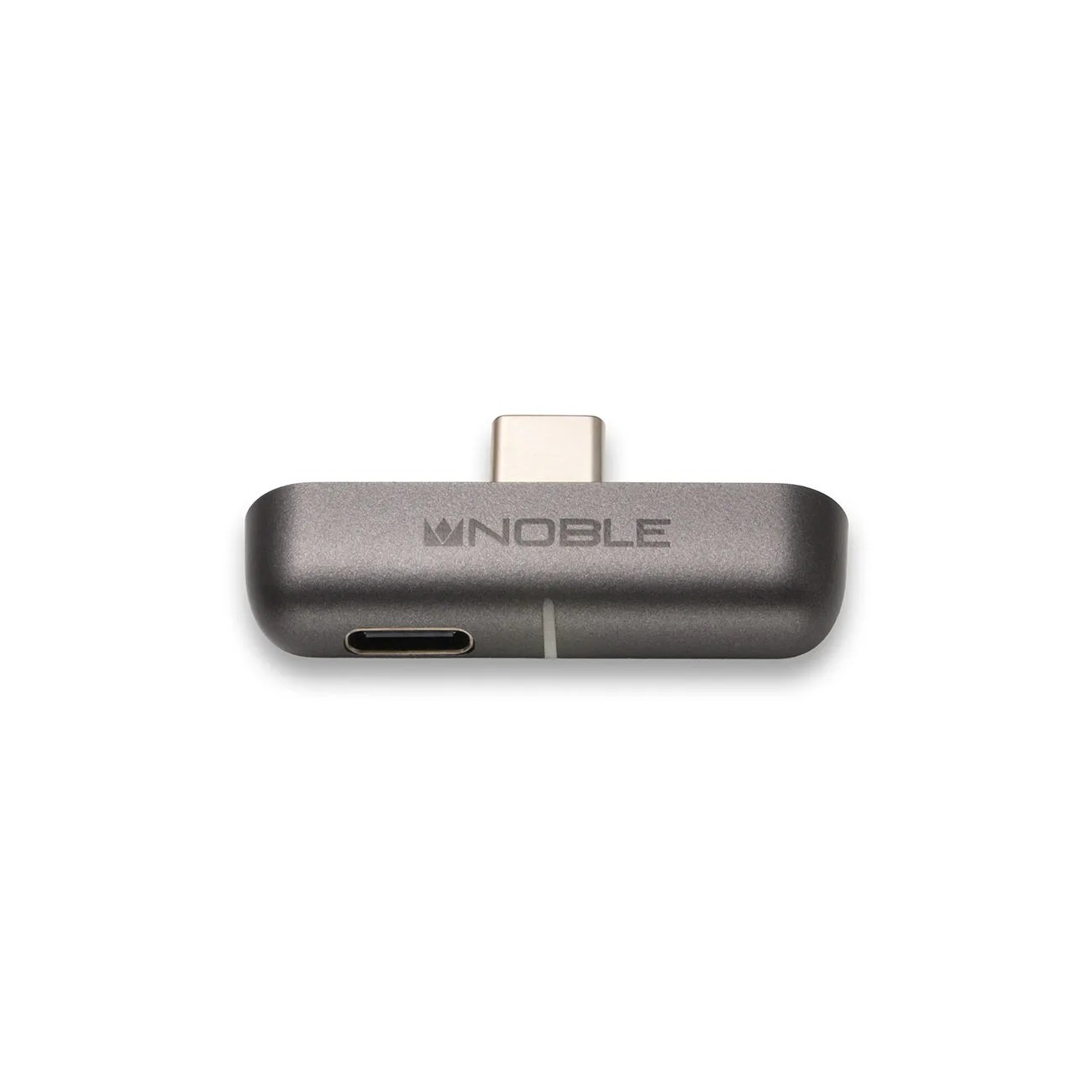 Noble Audio
Noble Audio Spectre
Many of today’s best wireless headphones support high-resolution Bluetooth codecs, such as LDAC and aptX Adaptive, but most of the devices we use to stream (like your iPhone) still do not, which prevents the headphones from sounding their best. That’s where Noble Audio’s Spectre comes in. It’s a USB-C Bluetooth transmitter that adds support for these high-resolution Bluetooth codecs to your device — it’s compatible with iOS, Android and Windows. And its charge-through USB-C design lets you use it while charging your smartphone.
 Analogue
Analogue 3D (Prototype Editions)
Analogue officially released the 3D, its reimagined N64 console that works on today’s 4K televisions, in the fall of 2025. Then, a month later, in December, it released special-edition transparent colorways of the console. And now, the company is releasing another five new color variants that, it claims, were officially prototyped for the original Nintendo 64 but were never released. These “Prototype Editions” come in Atomic Purple, Extreme Green, Ocean, Glacier, and Ghost and are color-matched perfectly to those never-released models. Just like before, these will be available in extremely limited qualities and will definitely sell out in seconds. They go on sale from the company’s website on Monday, Feb 9, at 11am EST (or 8am PST).
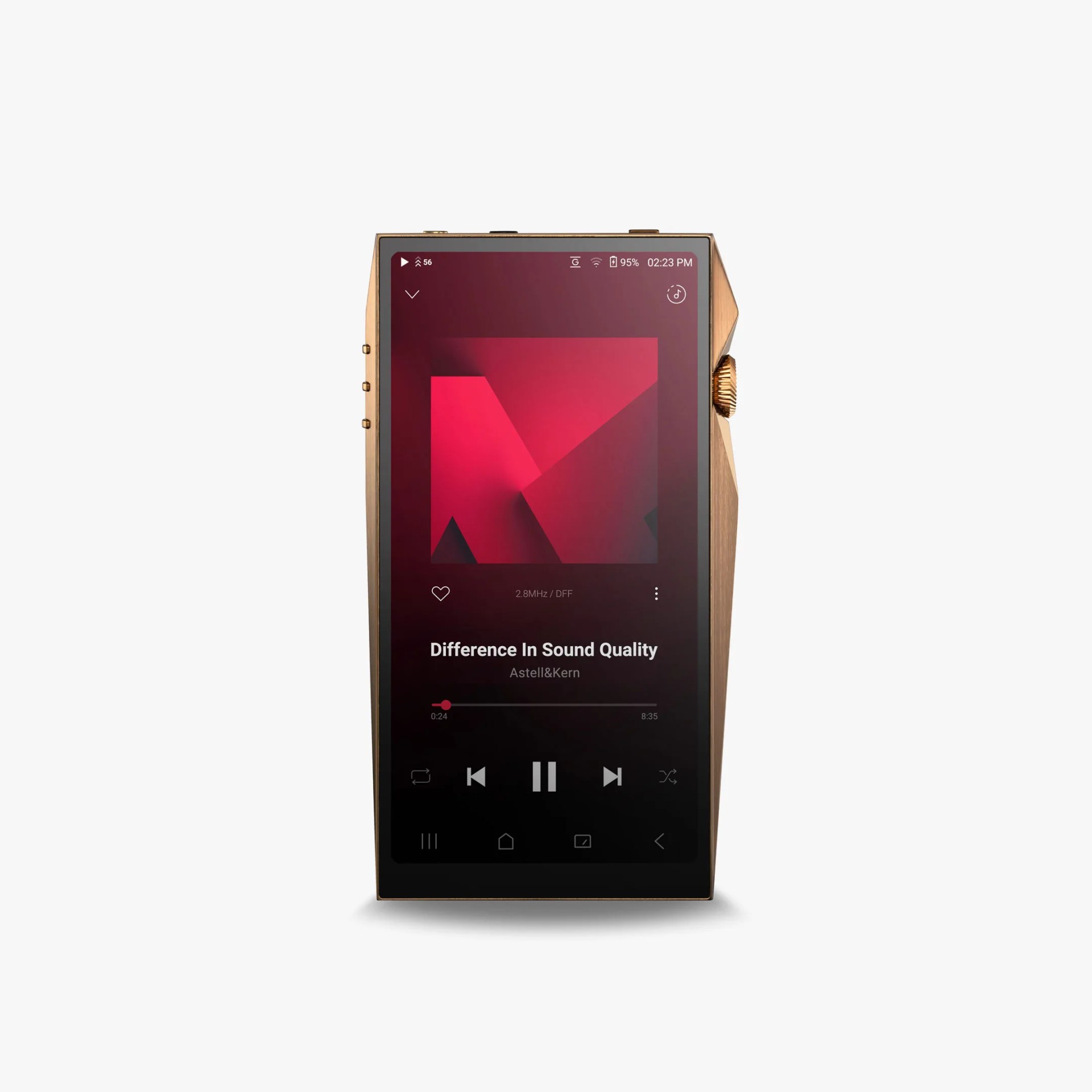 Astell&Kern
Astell&Kern A&ultima SP4000 (Copper Edition)
This is a special-edition version of Astell&Kern’s flagship portable hi-fi player, the 2025-released SP4000. Instead of the standard stainless steel body, it is made out of 99.98% pure copper, giving it a new look and new sonic characteristics. According to the brand, the copper edition model “delivers deep, authoritative bass, a rich and articulate midrange, and treble that decays with natural ease, all presented as a seamless, emotionally engaging whole.” Aside from the finish, it has all the same internals and specs as its stainless steel siblings.
 Canon
CanonCanon PowerShot G7 X Mark III
In celebration of the 30th anniversary of the first PowerShot camera, Canon has created a limited-edition version of its PowerShot G7 X III compact camera. Along with a special graphite color and a knurled front ring, Canon has also added 30th logo printed on the body. What’s more, as part of the bundle, each camera includes an exclusive Peak Design cuff wrist strap and a 32GB SD card. Between a 20.1MP sensor and a 24-100mm f/1.8-2.8 zoom lens, as well as a flip-up touchscreen and Wi-Fi streaming, it’s an ideal option for vloggers.
 Revival Audio
Revival Audio Atalante Grande Réserve
Revival Audio has released a special-edition version of its flagship Atalante 7 Évo stand-mounted loudspeakers. The “Grande Réserve” models feature new RASC Évo tweeter and midrange drivers, a re-engineered 12-inch BSC Grande Réserve woofer, and a refined cabinet construction. According to the French loudspeaker specialist, it is “conceived for listeners who seek reference-grade performance in refined proportions. Only 300 pairs will be made.
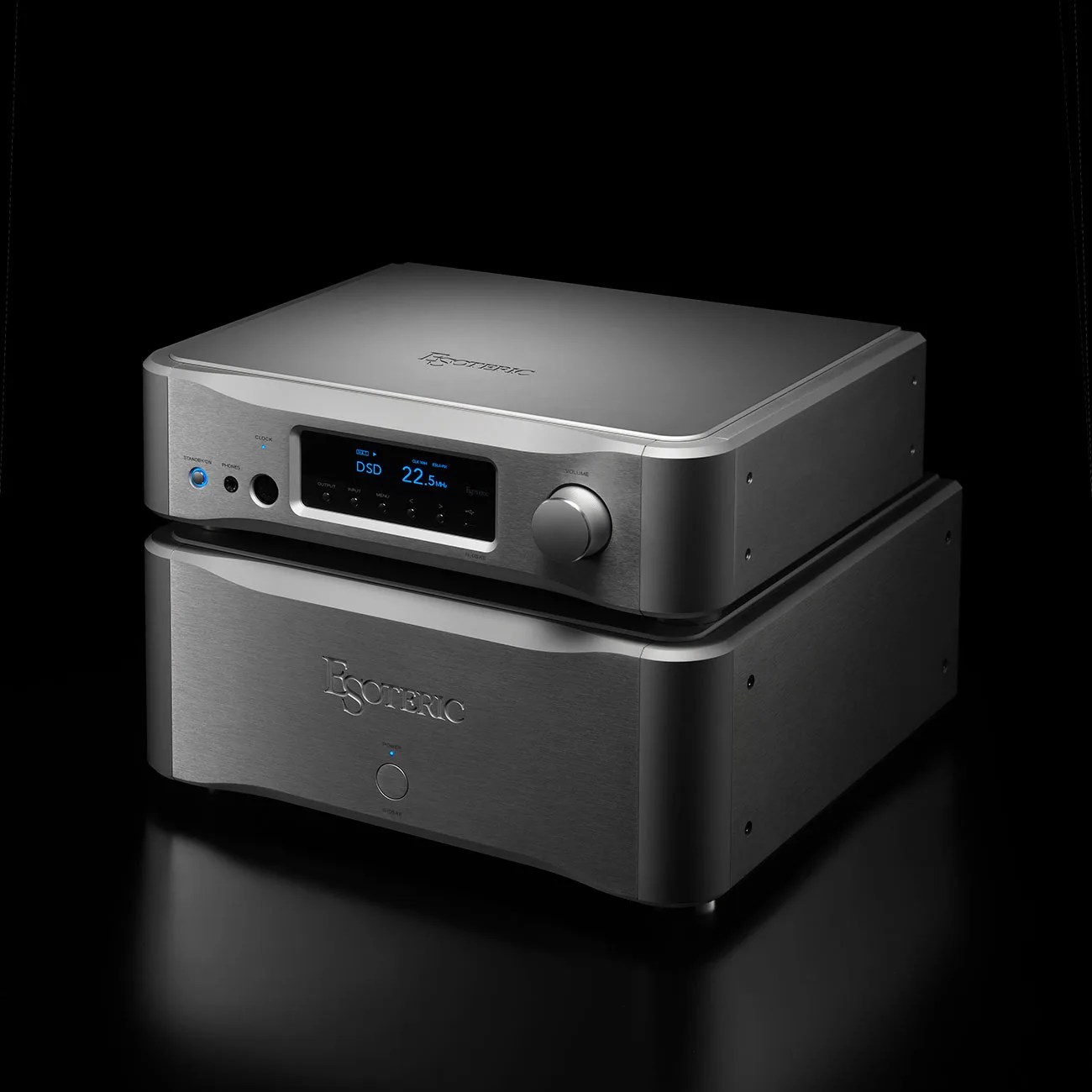 Esoteric
Esoteric N-05XE and S-05XE
Esoteric, a high-end Japanese audio manufacturer, has released upgraded versions of its best-selling stack. The N-05XE is a network streaming, DAC and preamplifier that features a new discrete DAC and advanced network-engine technologies to support even higher-resolution audio. And the S-05XE is a no-compromise stereo power amplifier with Class A amplification. Both are optimized to work together and be the hub of a truly elite modern hi-fi system.
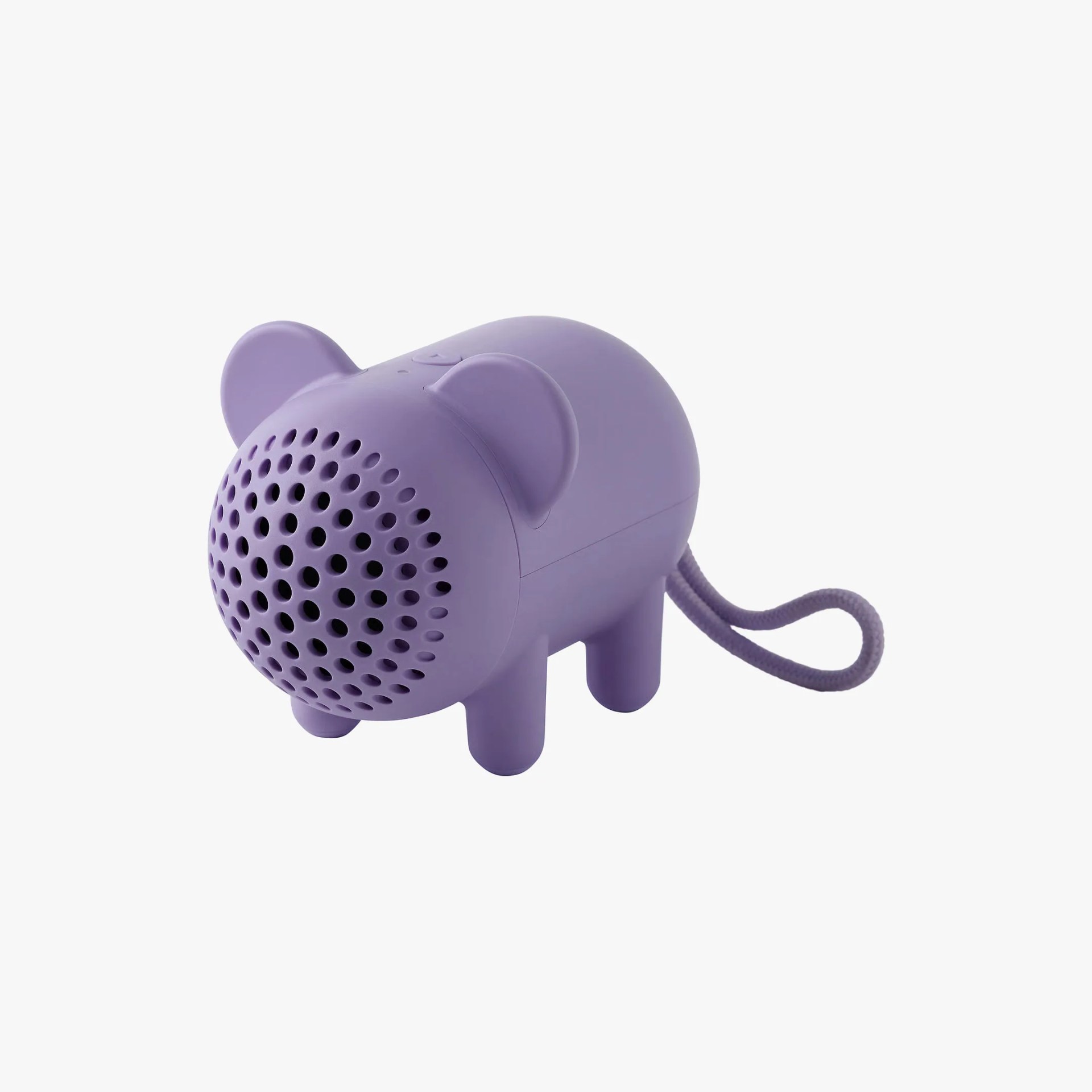 Ikea
IkeaIkea Grejsimojs Bluetooth Speaker
The Ikea Grejsimojs is a miniature portable Bluetooth speaker that looks like a purple mouse — the tail is a lanyard that can hook onto household objects, thus allowing you to hang the speaker. It’s designed as both a children’s toy and a speaker for young parents looking to keep their kids occupied. It’s a pretty simple-to-use speaker that charges via USB-C and has a 24-hour battery life.
 Logitech
Logitech G325 Lightspeed
The Logitech G325 Lightspeed is the company’s new gaming headset, designed to deliver immersive 24-bit audio and crystal-clear comms at a budget-friendly price — it costs $80. The headset supports Bluetooth and has a discreet, beam-forming mic, so you can easily use it as a traditional pair of wireless headphones when not gaming. They are available in three colors: black, white and lilac.
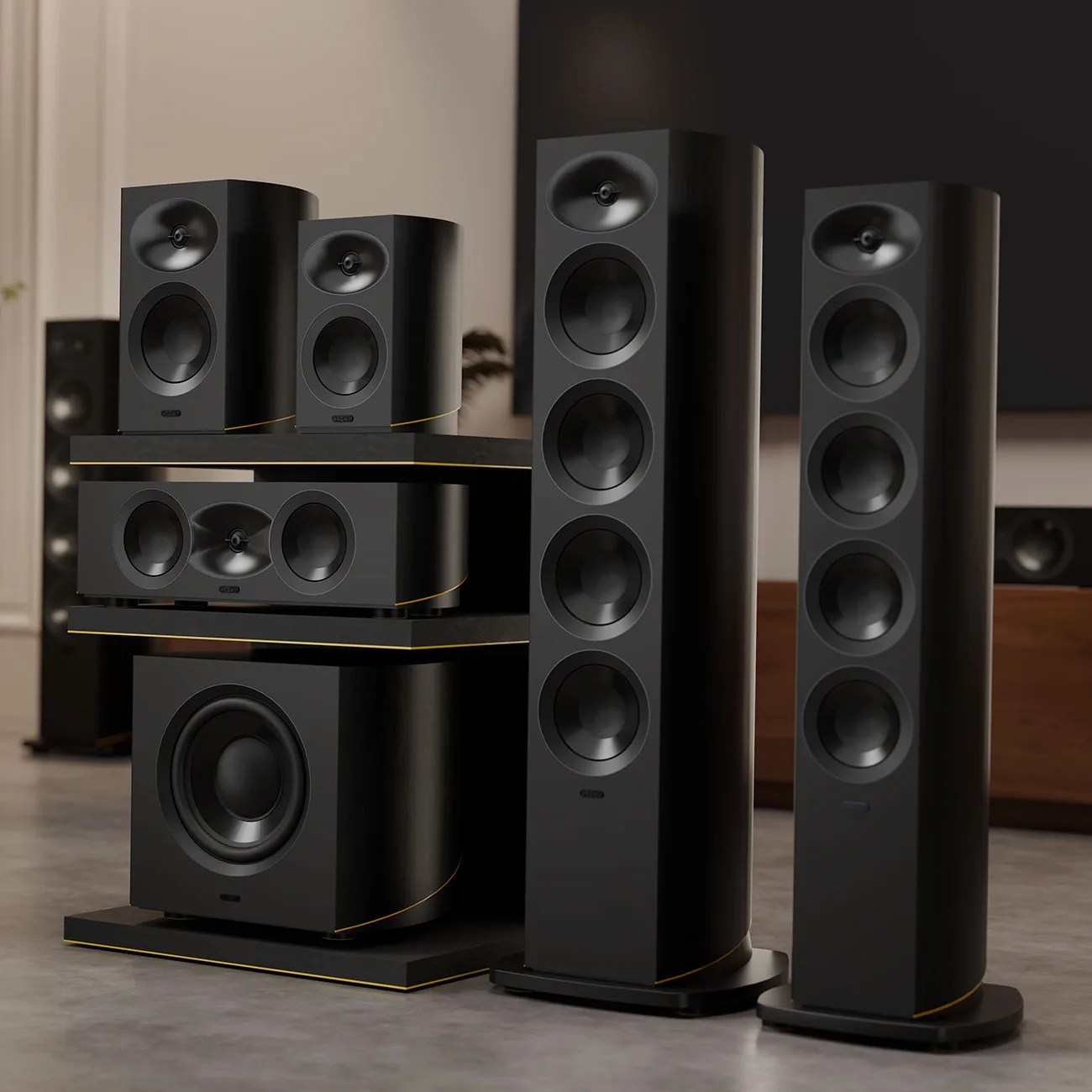 Arcam
ArcamArcam Radia Loudspeakers (2026)
The British hi-fi manufacturer has introduced a Radia range of loudspeakers, which are optimized to work with its existing amplifiers and hi-fi equipment. Most interestingly, they’re its first new loudspeakers in over a decade. The range consists of six models, suitable for building either a traditional stereo hi-fi setup or a more immersive home theater system. There are two different bookshelf and floorstanding models, as well as a center channel and a subwoofer.
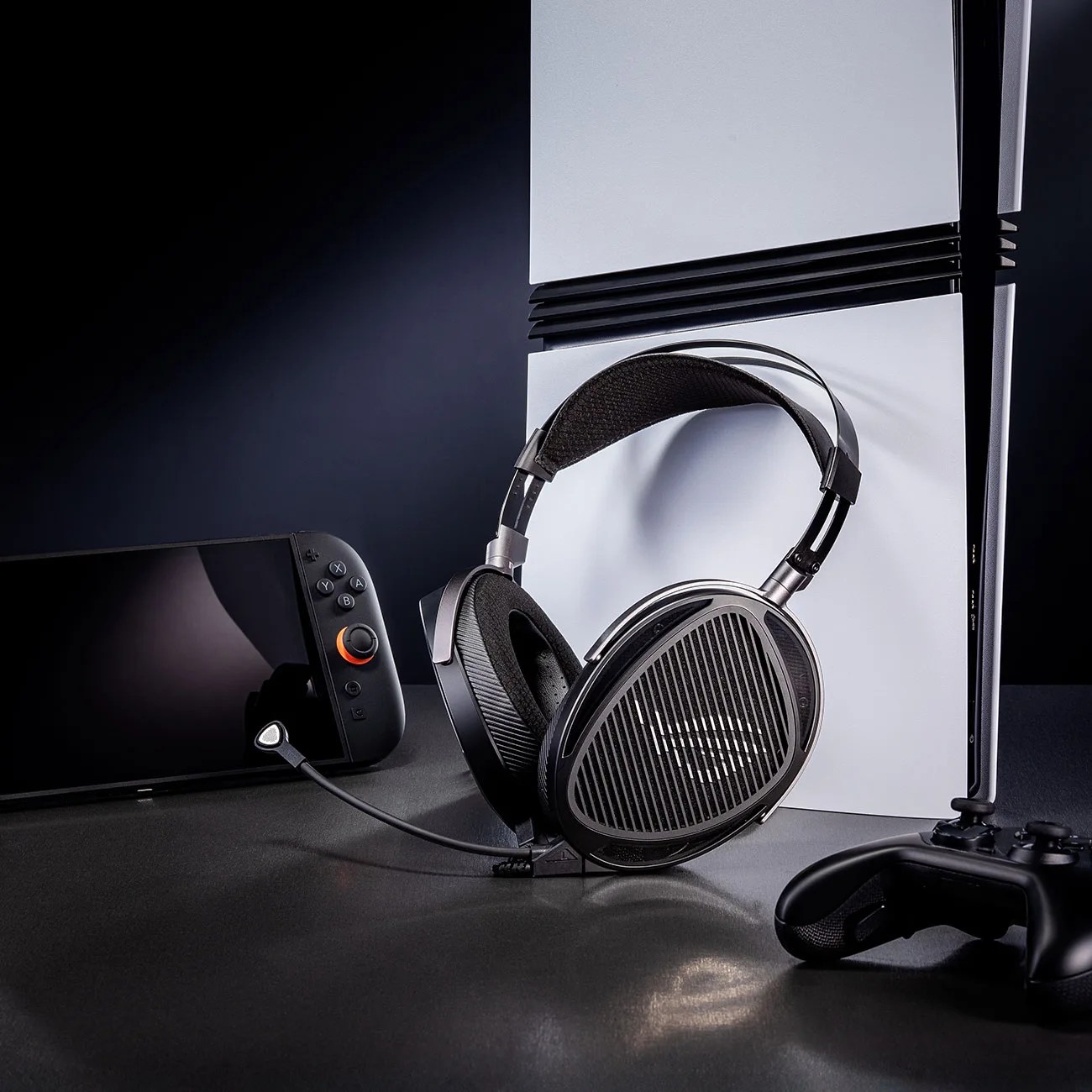 Asus
AsusAsus Rog Kithara
Asus’s Rog Kithara is a collaboration with the high-end headphone manufacturer, HiFiMan. It’s the company’s first pair of open-back headphones with planar magnetic drivers. According to the brand, it’s designed to deliver “uncompromising audiophile-grade sound for gamers who demand absolute clarity, precision and realism.”
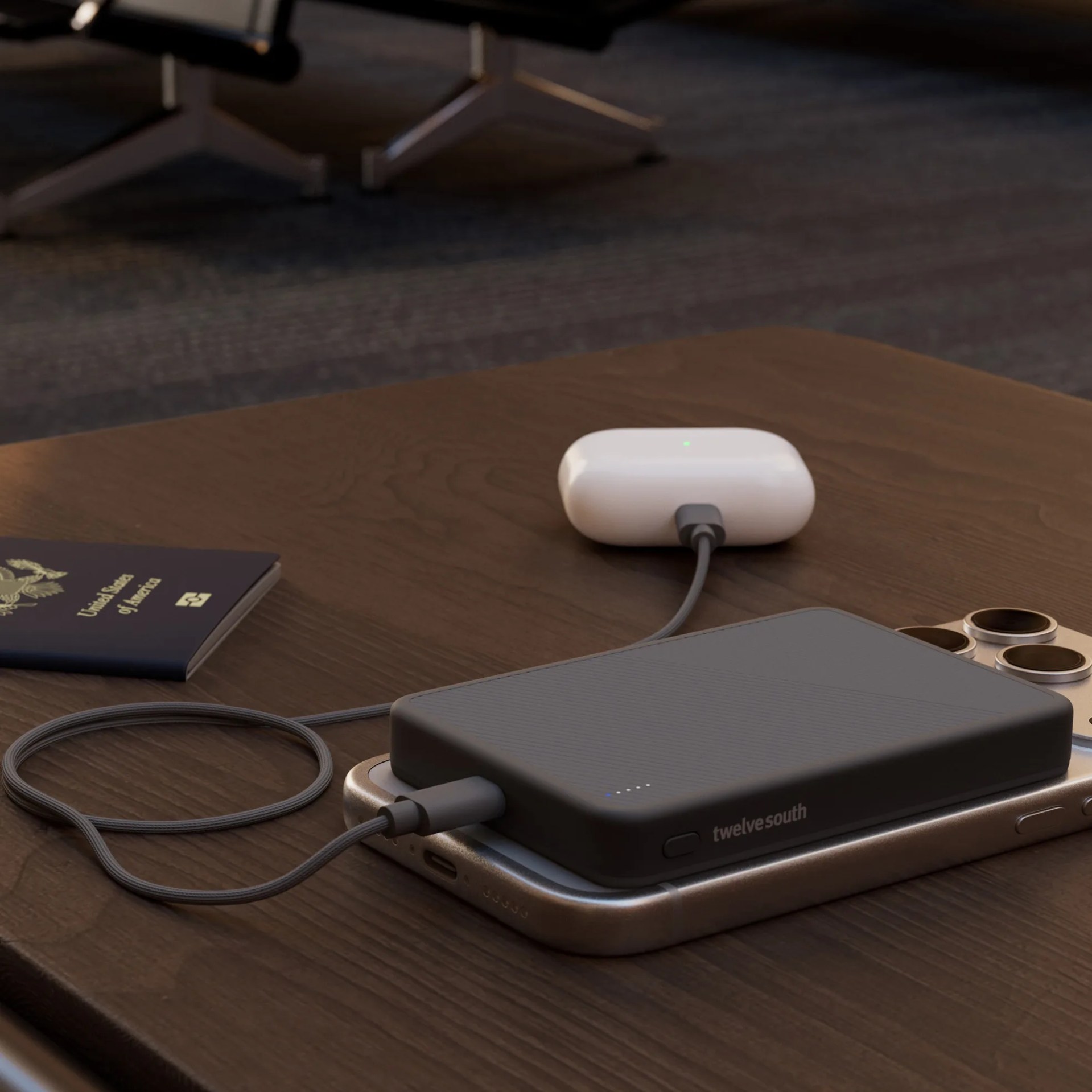
Twelve South PowerCapsule
Twelve South’s PowerCapsule is a magnetic wireless battery pack that brings Qi2 charging and a USB-C port for wired charging. Accordingly, along with a MagSafe-compatible magnetic attachment, it offers the option of two different capacities — 5,000mAh and 10,000mAh — as well as pass-through charging for convenient top-ups while you’re charging the PowerCapsule. Made with a satin-finished zinc alloy frame, it touts a cactus-based synthetic inlay for extra grip.
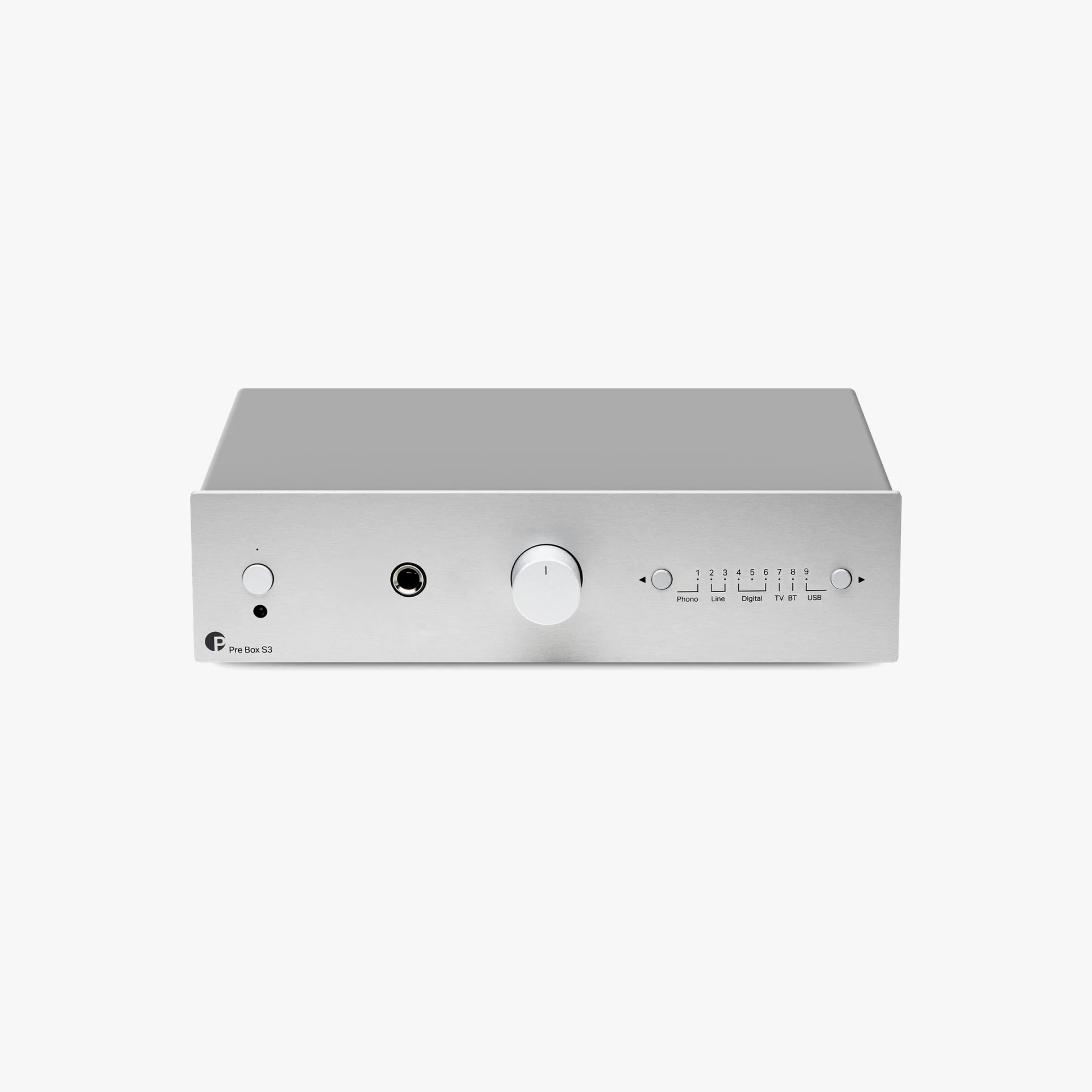 Pro-Ject
Pro-Ject Pre Box S3
Pro-Ject’s Pre Box S3 is a compact stereo preamplifier that the company describes as an “all-in-one control centre” for your home hi-fi system. It basically handles everything except for the jobs of the power amplifier and the speakers. The real magic of the Pre Box S3 is its incredible versatility — it can connect your turntable, TV, desktop, CD transport and smartphone (via streaming) in one unified hi-fi system.
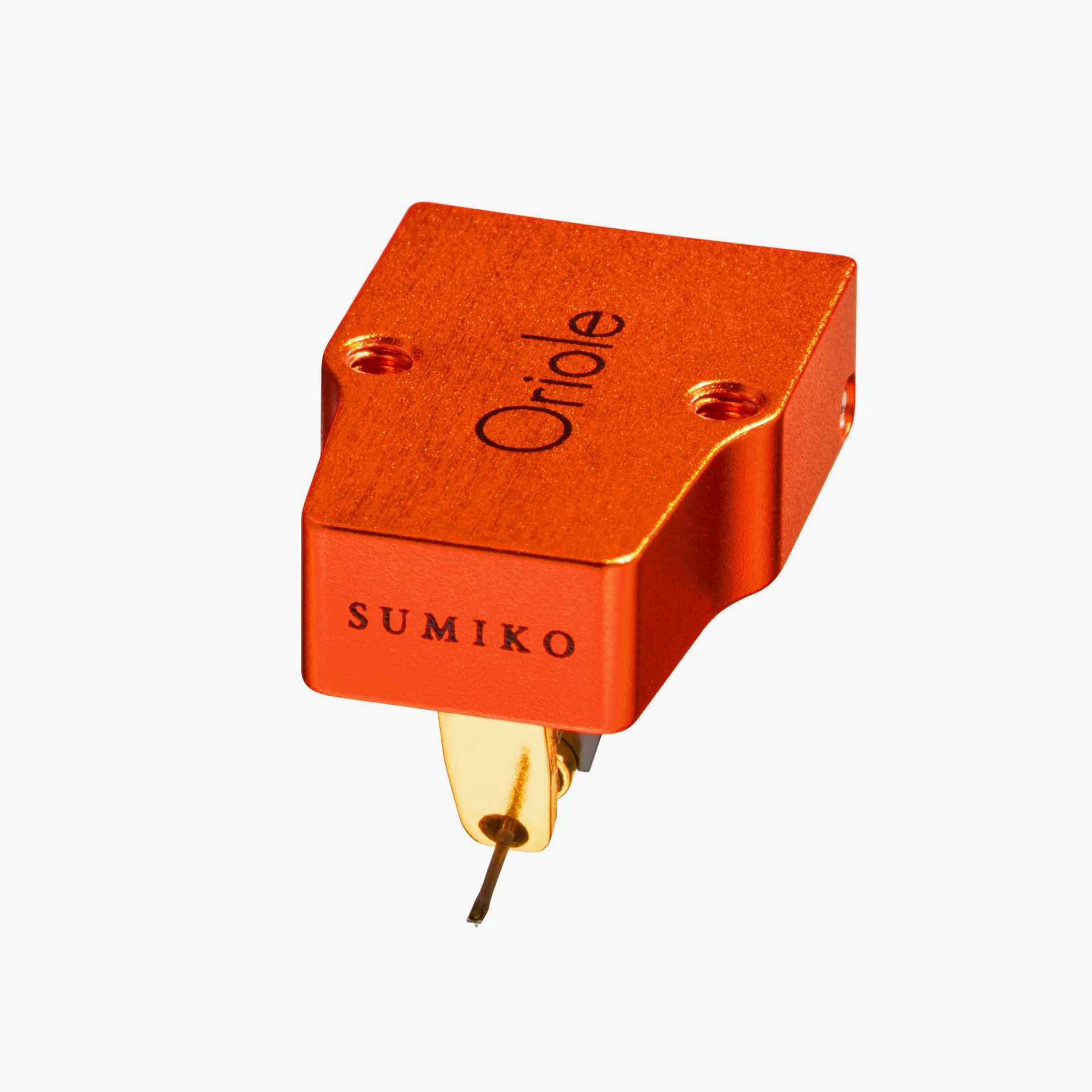 Sumiko
Sumiko Oriole Phono Cartridge
Sumiko has been handcrafting high-end phono cartridges for decades, and with the Oriole, the Japanese-based hi-fi manufacturer claims that it is setting a new benchmark. Positioned between its Songbird and Starling models, the Oriole is a moving-coil cartridge featuring a nude Shibata stylus and a low-impedance generator rated at 5.5Ω (0.3 mV output). Sumiko says it’s ideal for turntables in the $1,000-$5,000 range.
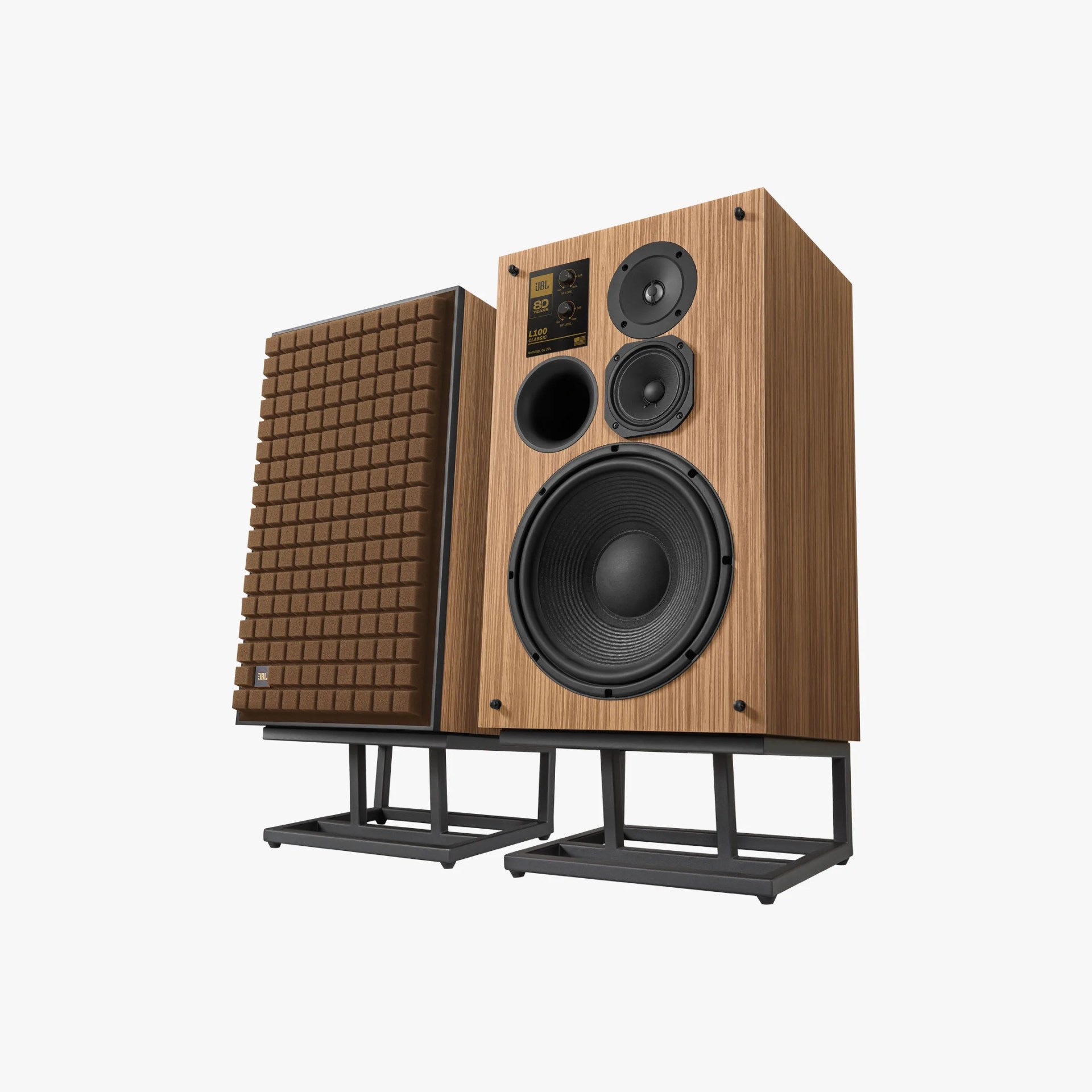 JBL
JBLJBL L100 Classic 80
To celebrate the brand’s 80th anniversary, JBL has introduced a special edition version of its L100 Classic MKII, which is a modern version of its legendary L100 loudspeakers, which were originally released in 1970. The L100 Classic 80 has the same three-way design, drivers, and tuning as its predecessor, but has a new look. Instead of orange, blue or black, their signature Quadrex foam grilles come in a vintage-inspired brown that matches the speakers’ natural wood veneer. There are gold-and-black JBL logos and badges on the front and back of each speaker, identifying them as special editions. JBL says that production is limited to just 800 matched pairs.
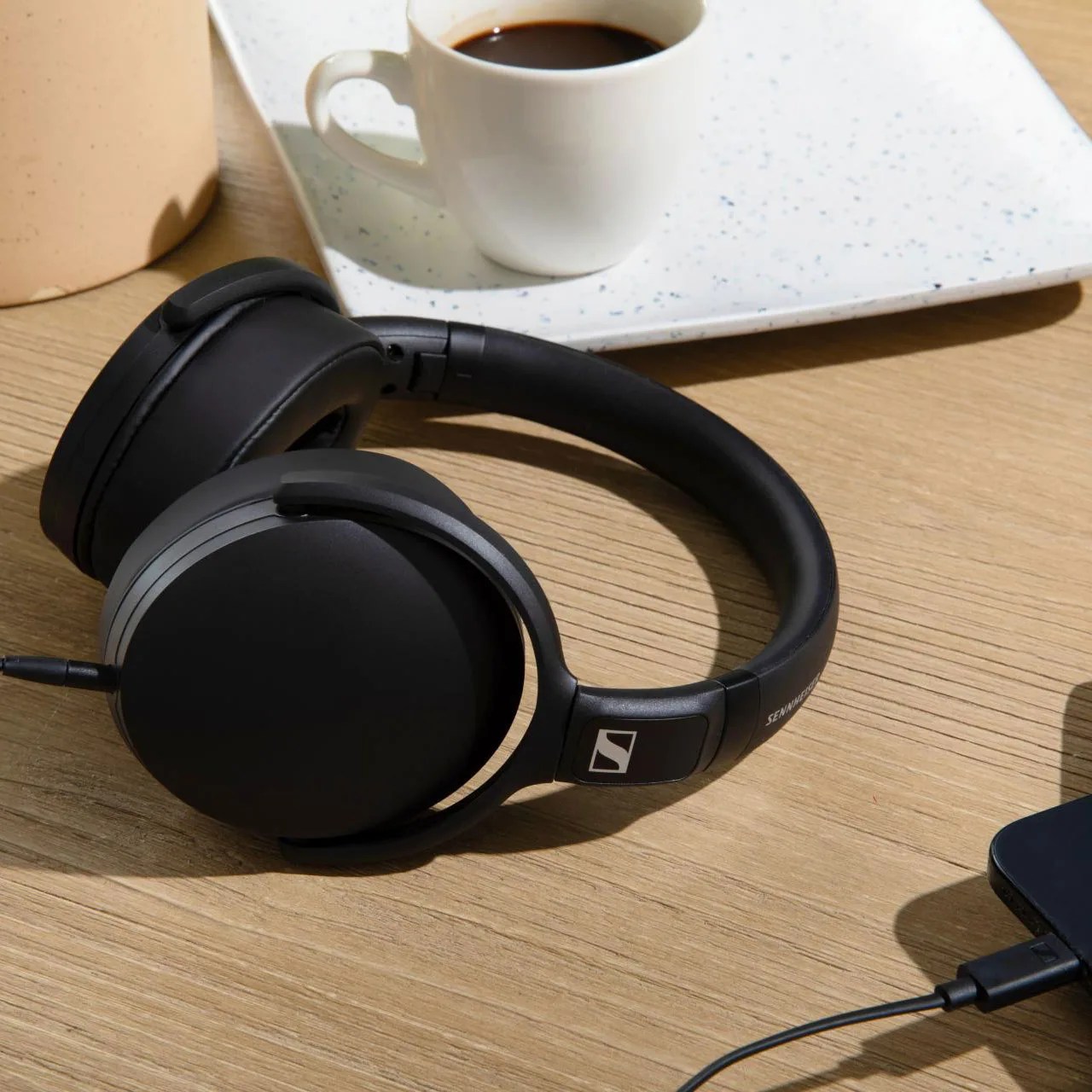 Sennheiser
Sennheiser HD 400U
The Sennheiser HD 400U is a pair of closed-back wired headphones with dynamic drivers. They are a new version of the company’s HD 400S, which was released in early 2019. The big update with the 400U is that they feature a USB-C wired connection (instead of traditional 3.5mm jack) and thus are better suited for modern smartphones and laptops. They support lossless audio up to 24-bit/96kHz. Best of all? The cost just $100.
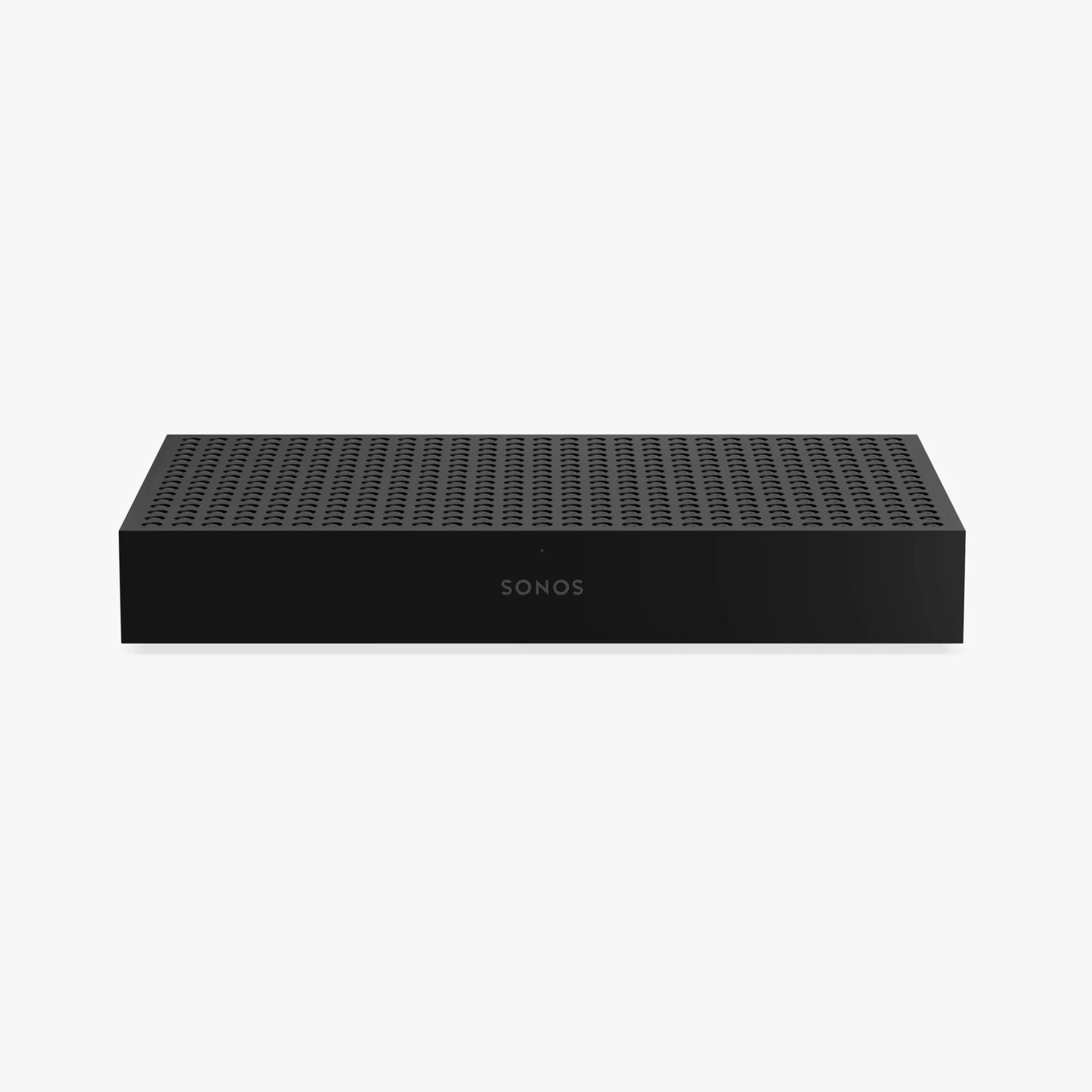 Sonos
SonosSonos Amp Multi
The Sonos Amp Multi is the company’s most advanced streaming amplifier to date — but instead of being designed for consumers, it’s designed for professional installations. It’s an 8-channel amplifier that can deliver 125 watts per channel across four zones. Sonos claims it leverages advanced GaN technology and post-filter feedback (PFFB) to achieve greater efficiency, clarity, and control. At the time of writing, Sonos hasn’t revealed exact pricing or availability information.
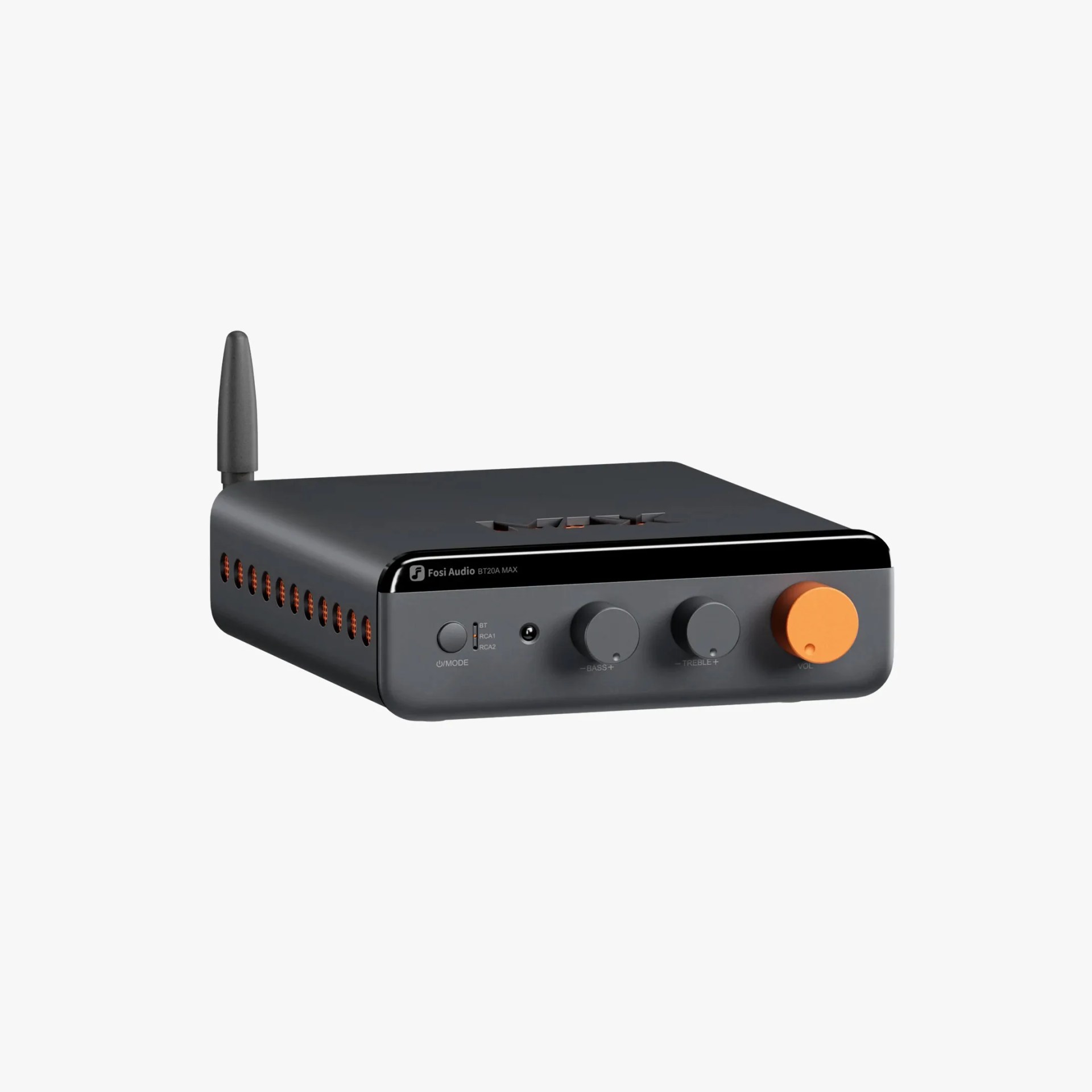 Fosi Audio
Fosi BT20A Max
Fosi’s BT20A Max is a compact integrated amplifier designed to power a pair of passive bookshelf speakers. It has a built-in DAC, modern wired connections and support for Bluetooth streaming. According to the brand, it’s “well suited for desktop audiophiles, apartment dwellers, and budget-conscious hi-fi enthusiasts seeking strong performance without the size or complexity of a traditional integrated amplifier.”
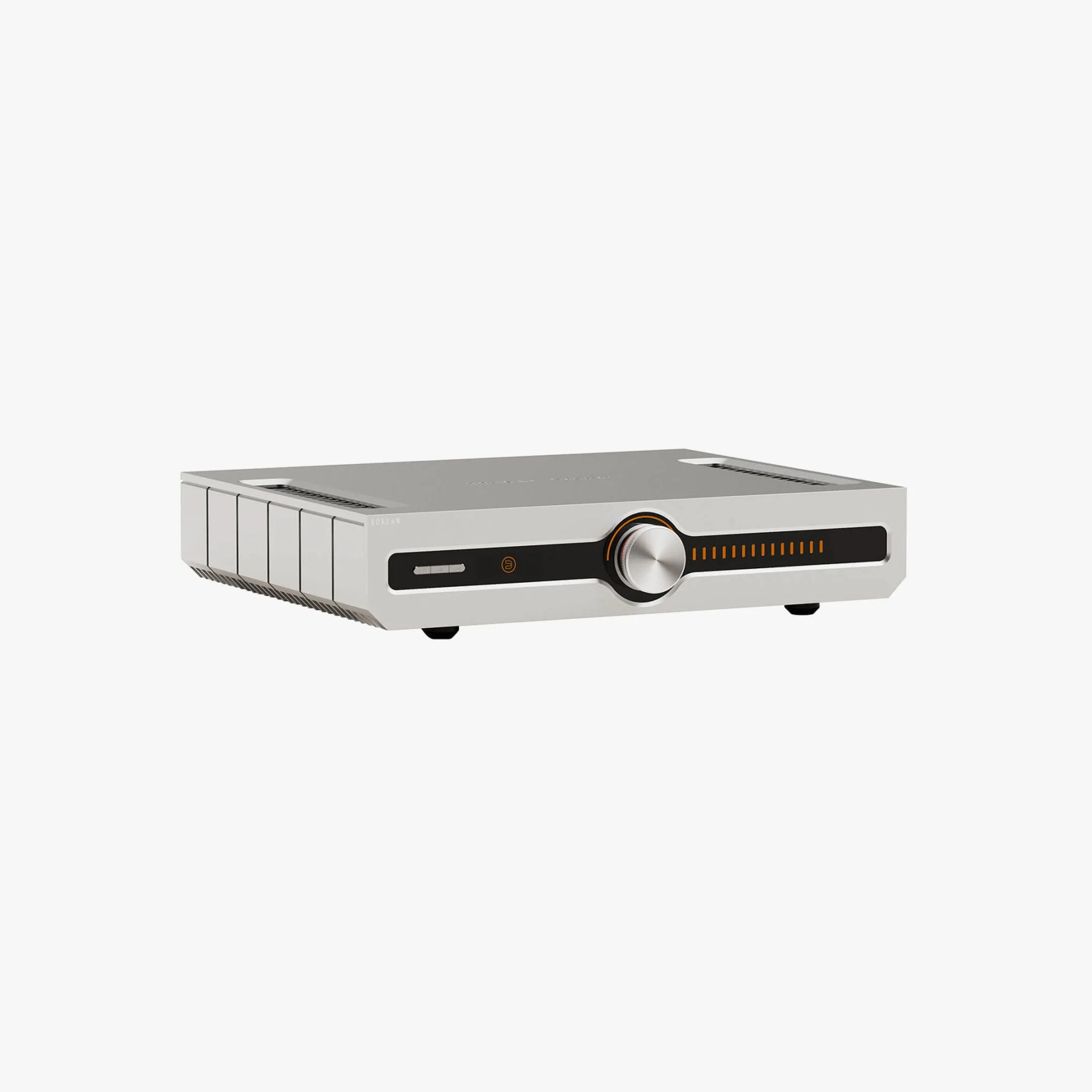 Roksan
Roksan Caspian 4G Streaming Pre-Amplifier
The Caspian 4G Streaming Pre-Amplifier acts as the control hub to a home’s hi-fi system, handling all the streaming, playback controls and wired connections. It has built-in BluOS — a preferred multi-room streaming platform among audiophiles — and can stream high-resolution audio (up to 24-bit/192kHz) over Wi-Fi. It has a built-in MM and MC phono stage, enabling it to connect to a wide range of turntables. And it has an HDMI eARC input, so you can connect your TV and use it as a home theater.
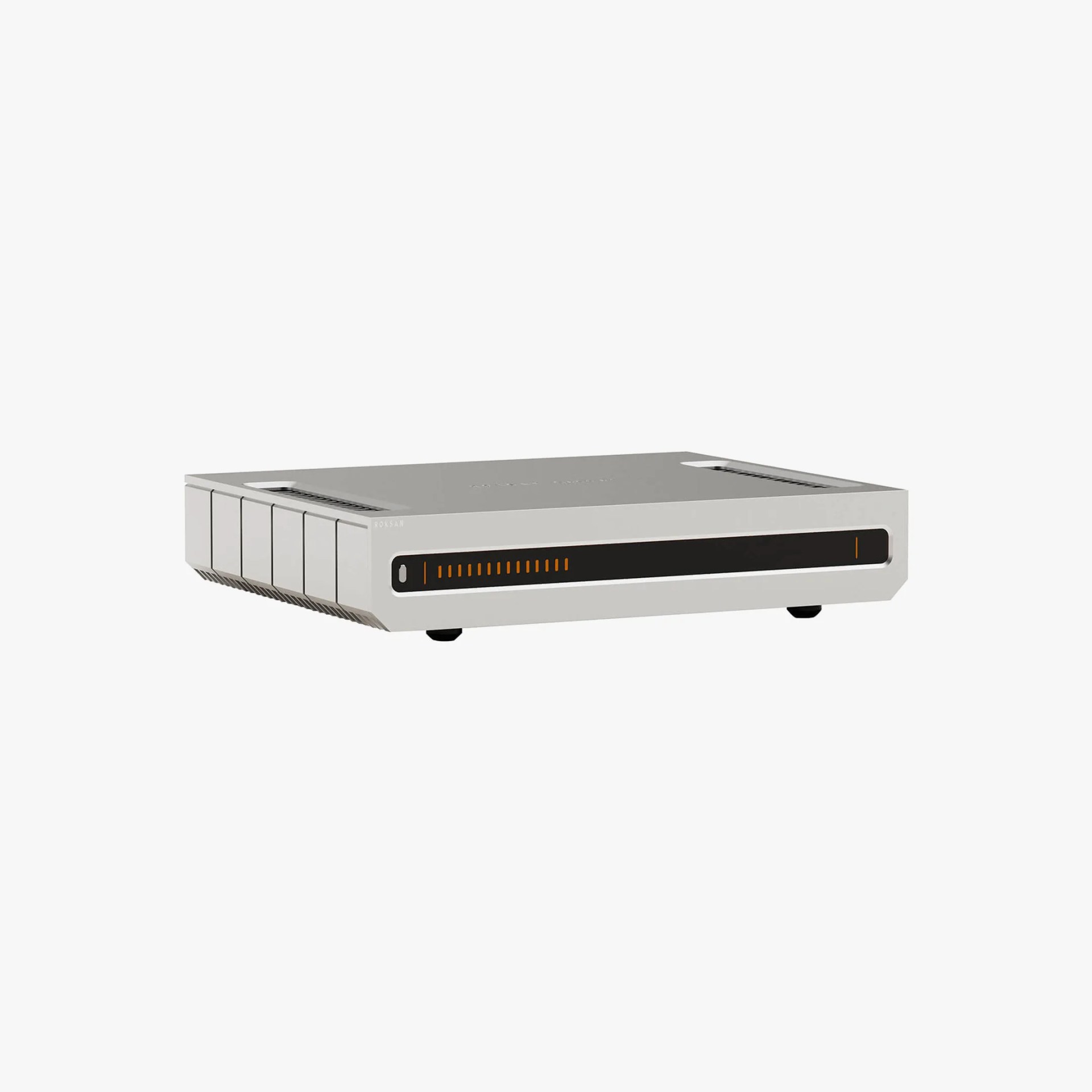 Roksan
Roksan Caspian 4G Power Amplifier
This is a power amplifier in the brand’s high-end range of Caspian 4G components. When used in a stereo setup, the amp is capable of delivering 105 watts per channel (into 8 Ohms), 200 watts (into 4 Ohms) or 420 watts (into 8 Ohms). In a mono-block configuration, it can deliver 630 watts (into 8 ohms). When paired with the Caspian 4G Streaming Pre-Amplifier, Roksan claims the “result is exceptional resolution, scale, and musicality — allowing the full character of every performance to shine through.”
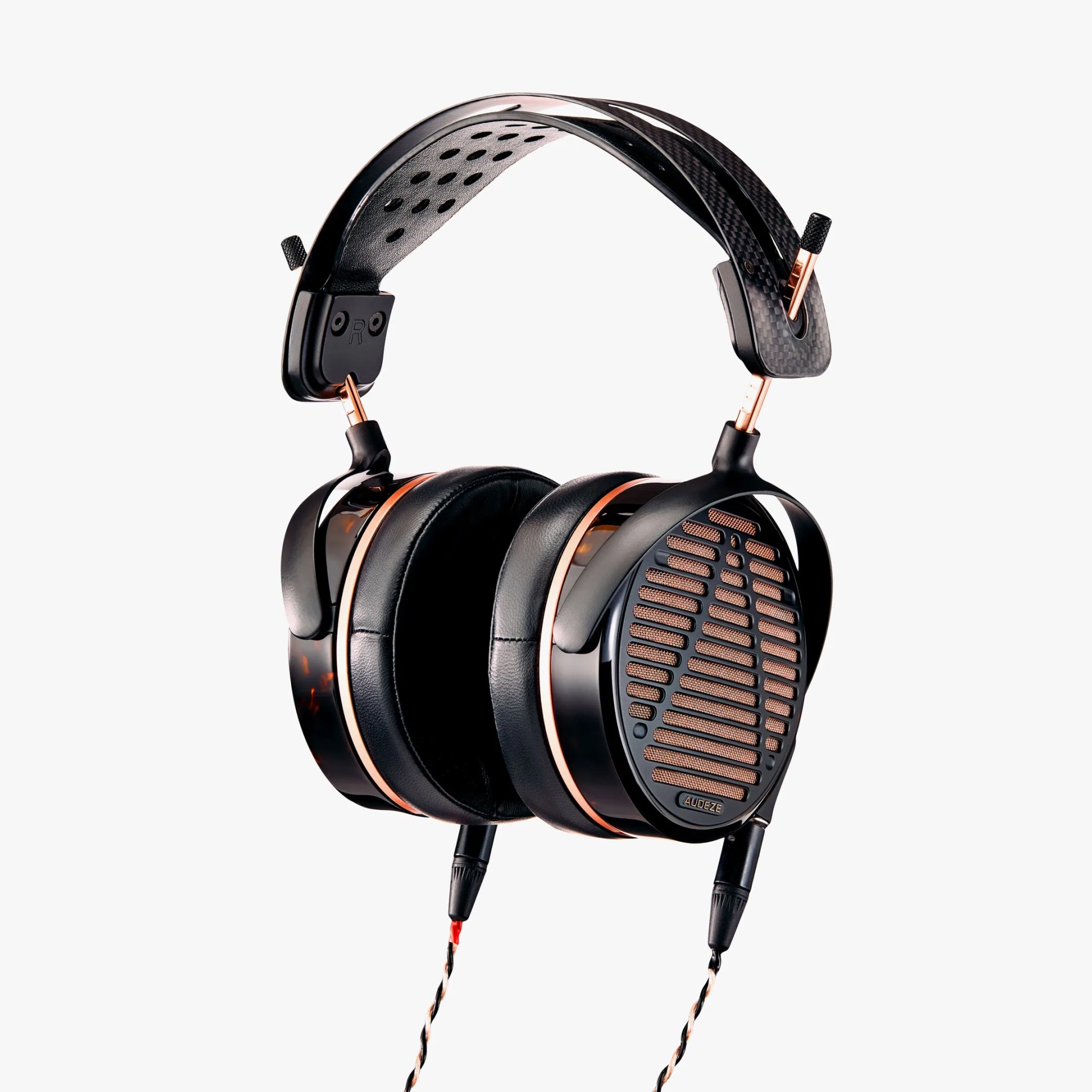 Audeze
Audeze LCD-5s
Audeze has introduced next-generation versions of its flagship planar magnetic headphones, the LCD-5, which were released in 2021. As the “s” in their name suggests, the most notable aspect of the LCD-5s is that they have been integrated with the brand’s Symmetric Linear Acoustic Modulator (SLAM) technology, which promises to help them deliver deeper bass and a wider soundstage than their predecessors. The American headphone maker claims that the LCD-5s “represents the pinnacle of planar magnetic engineering and luxury build.”
 Apple
AppleApple AirTags (2nd Generation)
Nearly five years after the original’s release, Apple has finally introduced second-generation AirTags. It hasn’t messed too much with what is the world’s most popular Bluetooth tracker, granted, as the new AirTags look exactly the same (meaning they’re compatible with all the old accessories). However, Apple has made several key “under-the-hood” upgrades. The new AirTags have significantly better range, a louder speaker and they support Precision Finding from the Apple Watch. And they cost exactly the same: $29 for one, or $99 for a four-pack.
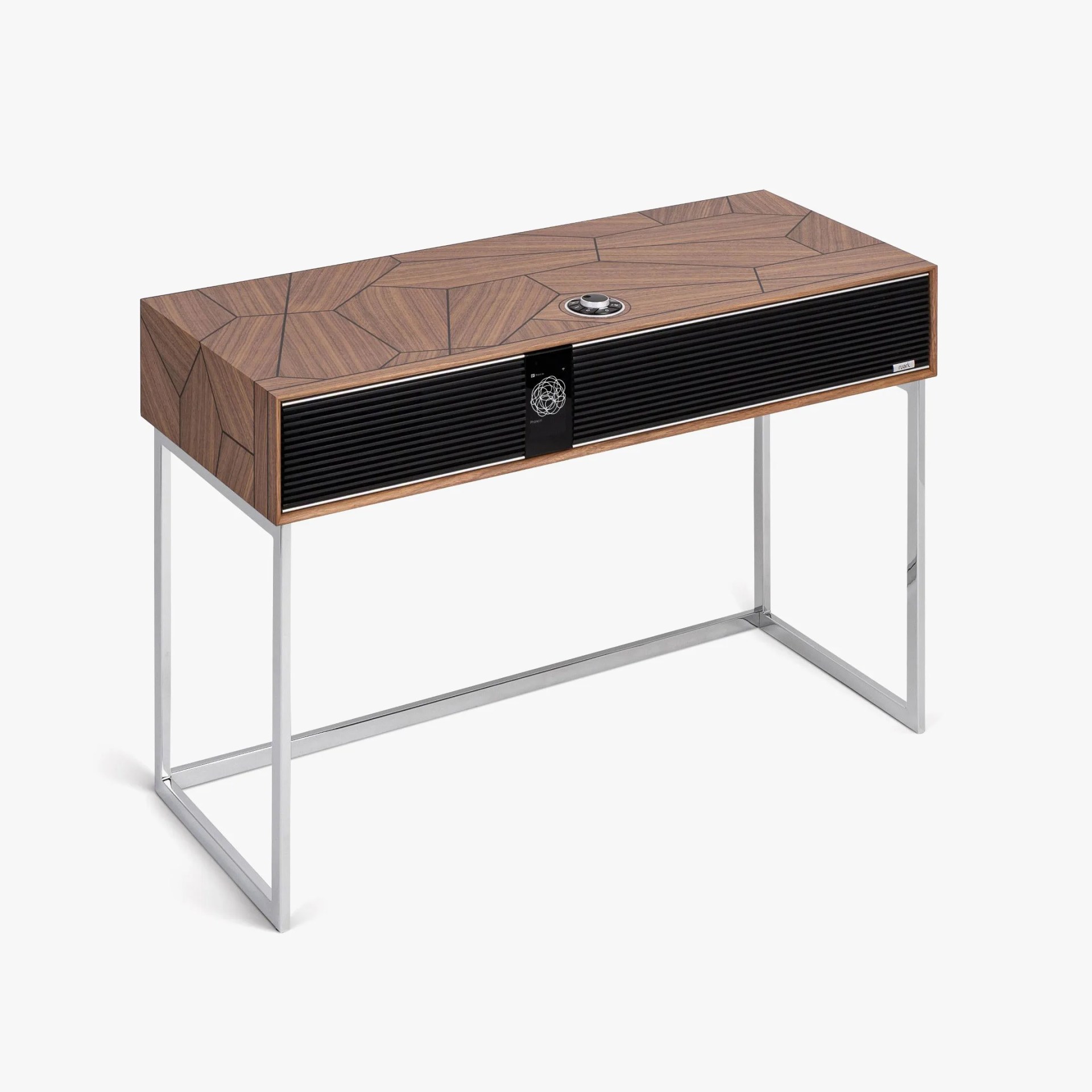 Ruark Audio
Ruark R810 MiE Radiogram
The Ruark R810 MiE is a special-edition version of the brand’s R810, an all-in-one wireless speaker released in 2023. Designed to celebrate the British hi-fi brand’s 40th anniversary, it’s part of its “Made in England” initiative, which specializes in premium versions of its existing components. The difference between the R810 MiE and the R810 is purely aesthetic. Ruark partnered with Storm Furniture, an artisan maker based in Norfolk (and a proud member of the Guild of Master Craftsmen), to hand-build the cabinet and grille components using a centuries-old art called “marquetry.” It comes in two finishes: Penta-Chord Walnut and Leaf-Line Oak. Only 50 of each — so, 100 total — will be made.
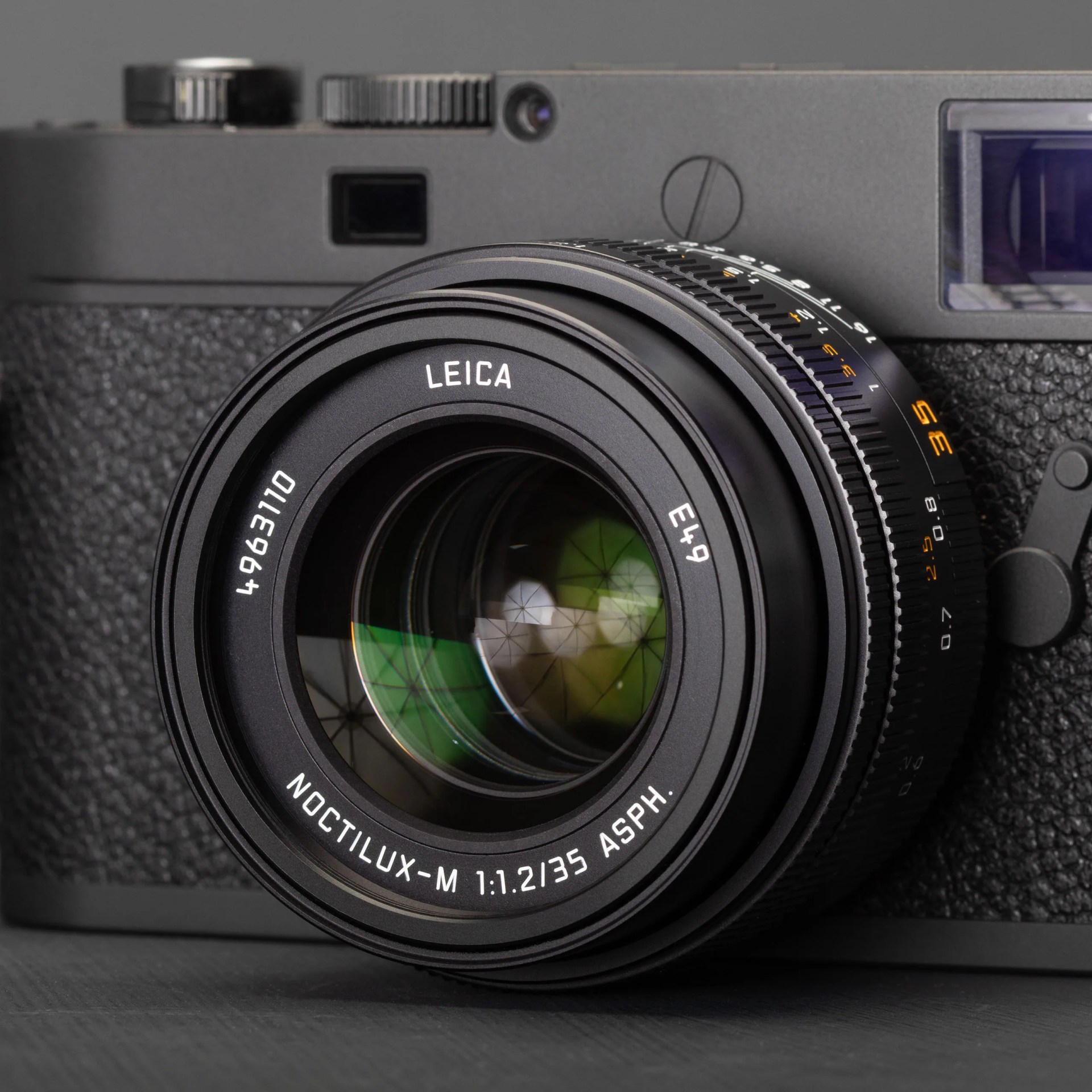 Photo by Mitchell Clark for DPRReview and Gear Patrol
Leica Noctilux M 35mm F1.2 Asph.
The Noctilux M 35mm F1.2 Asph. is the latest lens to join Leica’s fast primes. However, it’s the first to feature a 35mm focal length (most Noctilux lenses since the 1960s have been 50mm). Like the others, it features a manual focus design and was made using the brand’s in-house Precision Glass Molding process. Read the full writeup on DPReview.
 Sony
SonySony LinkBuds Clip
Since 2022, Sony has been one of the industry leaders for wireless earbuds with an open-ear design; this is optimized for running, biking and workouts, as it allows you to hear the world around while still listening to music. But with the LinkBuds Clips, it’s the brand’s first open-ear wireless earbuds that clip to the outside of your ears — a design made popular by the Bose Ultra Open Earbuds. The earbuds are IPX4-rated and offer an impressive “up to 37-hour” battery life. And they come in four different color options: black, greige, green and lavender.
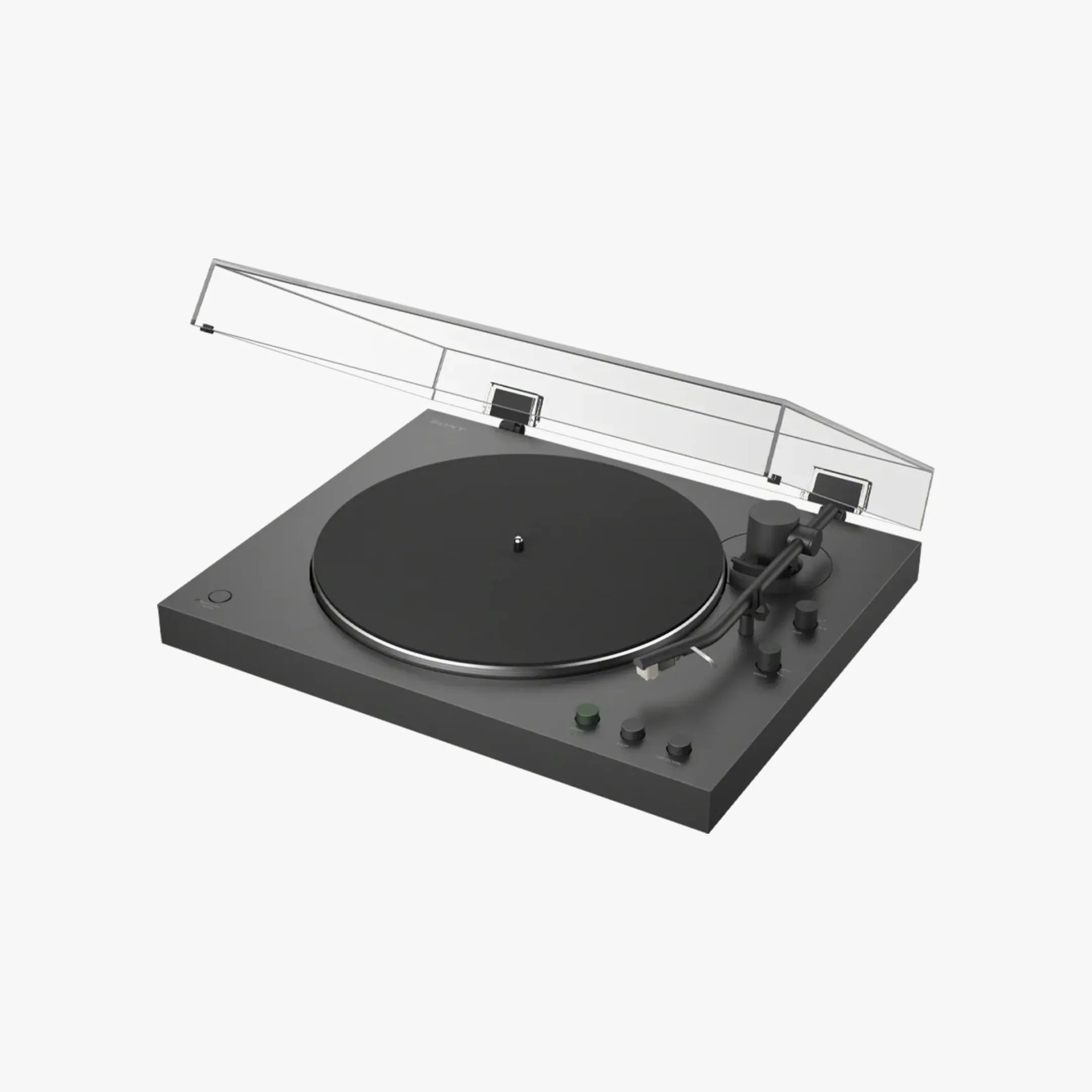 Sony
SonySony PS-LX3BT
The Sony PS-LX3BT is an entry-level turntable billed as the direct successor to the brand’s popular PS-LX310BT, released in 2019. It’s a fully automatic turntable with a belt-driven design and built-in Bluetooth, supporting high-end codecs like aptX and aptX Adaptive, so you can stream vinyl records directly to wireless headphones or speakers. Sony claims it’s “perfect for newcomers to vinyl or those seeking a simple, lifestyle-friendly setup.”
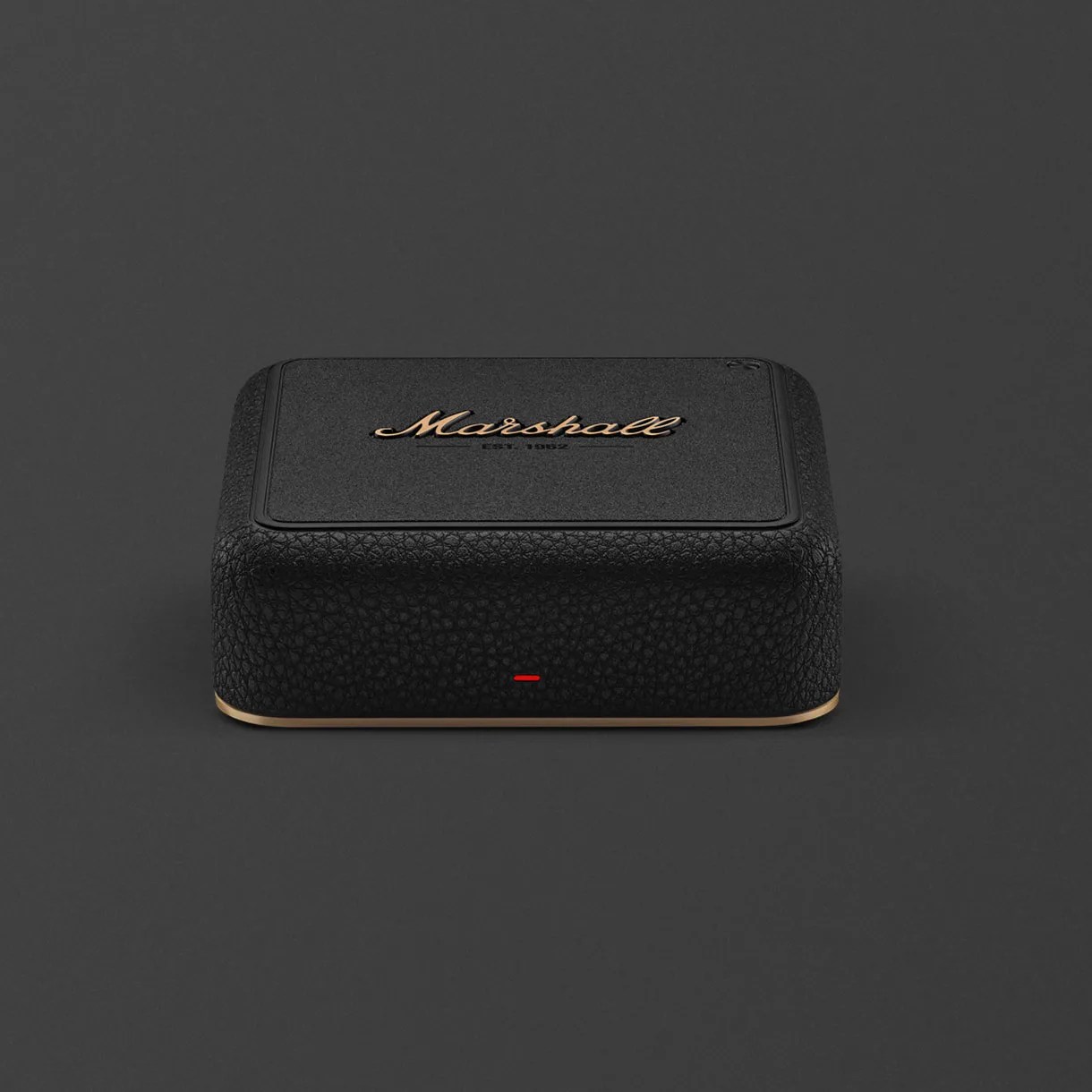 Marshall
Marshall Heddon
Marshall’s Heddon is a wireless streaming hub that adds new capabilities to its third-generation Bluetooth speakers — the Acton III, Stanmore III and Woburn III — making them more versatile than ever. It connects to Wi-Fi and enables you to stream audio to these speakers via Spotify Connect, Tidal Connect, Google Cast and AirPlay. It also broadcasts audio to those Bluetooth speakers via Auracast, allowing you to configure them in a Sonos-esque multi-room audio system.
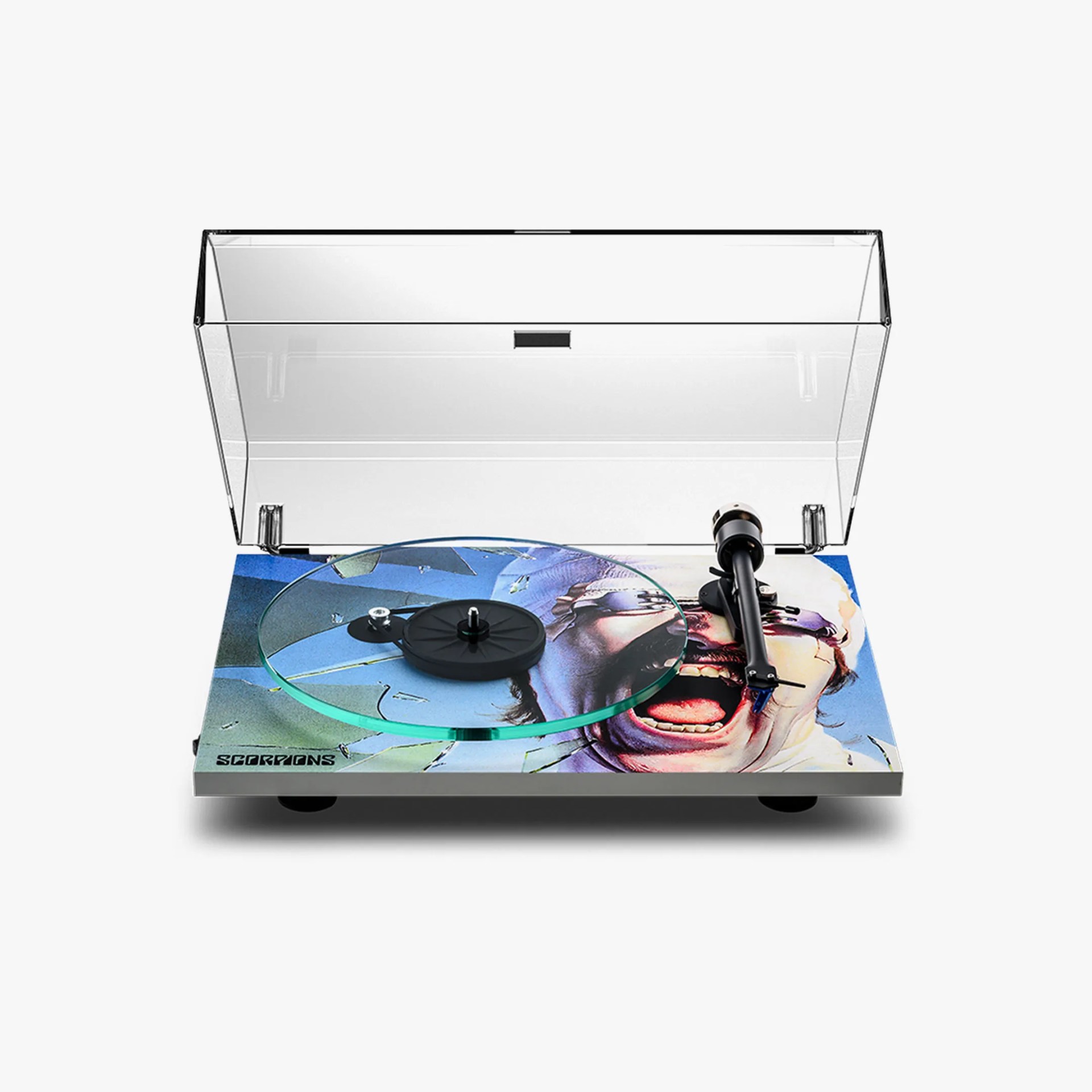 Pro-Ject
Pro-Ject Scorpions Turntable
Pro-Ject has added a new turntable to its Artist Series, which pays homage to some of the most iconic musicians and bands of the past. This time, it’s the legendary metal band Scorpions’ turn. The special-edition turntable features artwork from the band’s iconic Blackout album, which was released in 1982. Like others in the collection, the turntable is based on Pro-Ject’s T2, which sells for $649, and comes equipped with a Pick it 25A Moving Magnet Ortofon cartridge.
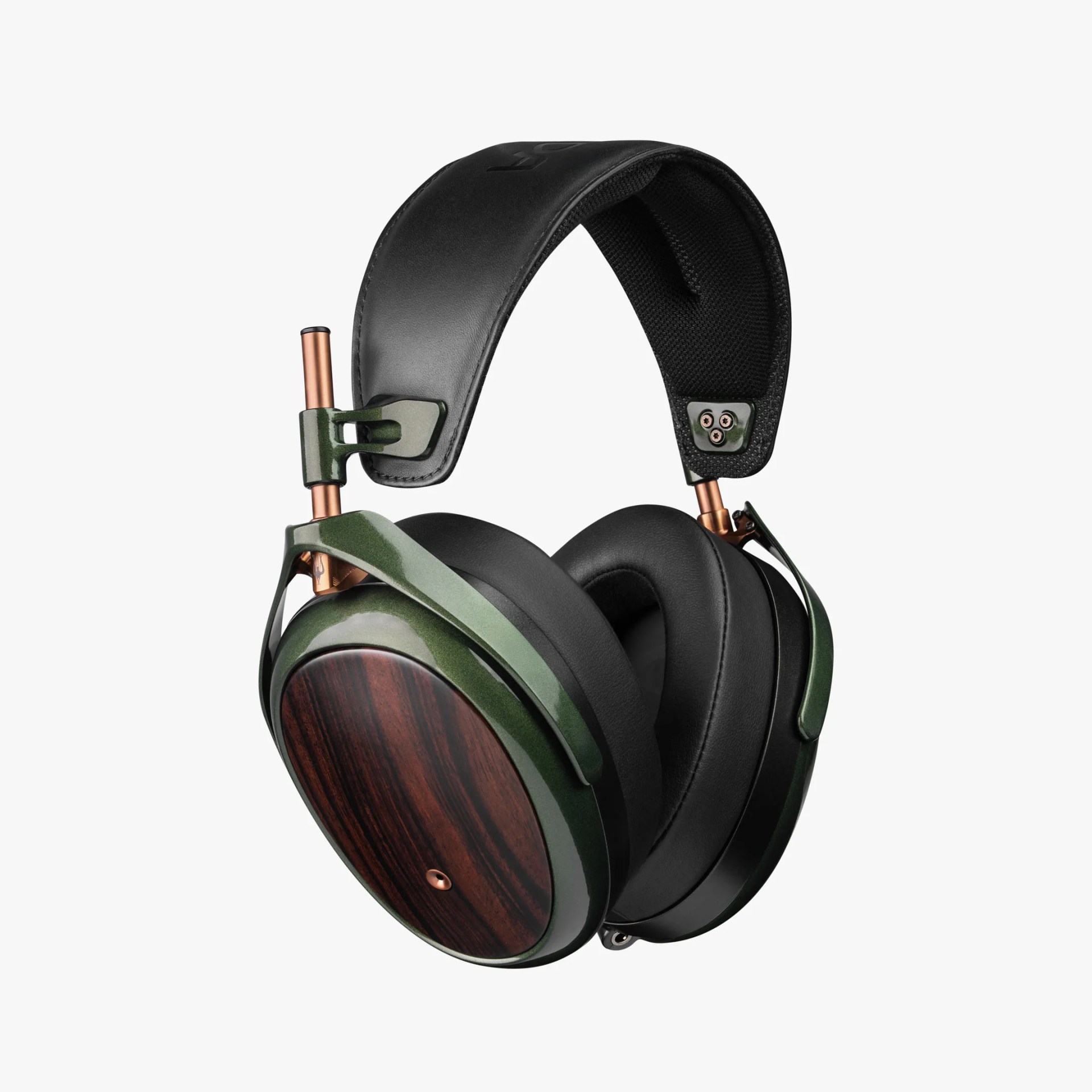 Meze Audio
Meze Strada
Meze’s Strada is a new pair of closed-back headphones with dynamic drivers that are designed to look as good as they sound. Each pair is made of high-end materials, combining a magnesium frame (hand-painted deep green) with Macassar ebony hardwood ear cups — ensuring that no two are alike — and the ear cushions and a headband are both made out of genuine leather. They feature the same 50mm dynamic drivers as the brand’s 109 Pro open-back headphones, which cost $799, but they’ve been tuned for closed-back performance. Meze claims that they “set a new benchmark in closed-back dynamic headphones.”
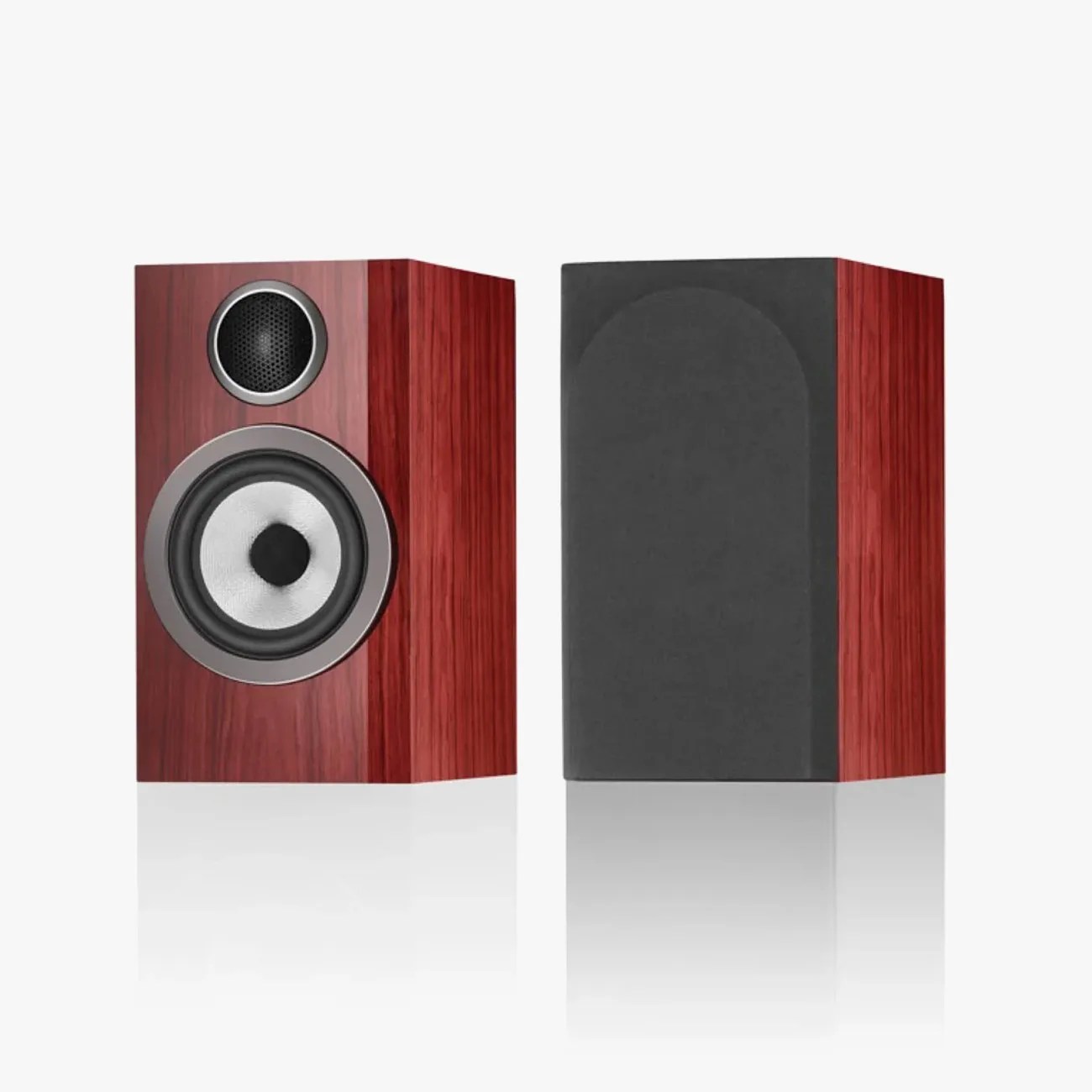 Bowers & Wilkins
Bowers & Wilkins 707 S3 Prestige Edition
Bowers & Wilkins has introduced a limited-edition version of its 707 S3 bookshelf speakers. The “Prestige Edition” models aren’t too much different than the standard models, boasting the same two-way design with identical drivers, but they’ve been updated with a new luxurious Santos Gloss finish. Additionally, they have a new tweeter grille and upgraded speaker terminals, both features borrowed from the brand’s higher-end stand-mounted loudspeakers, the 705 S3 Signature. B&W is calling them its “ultimate bookshelf loudspeaker.”
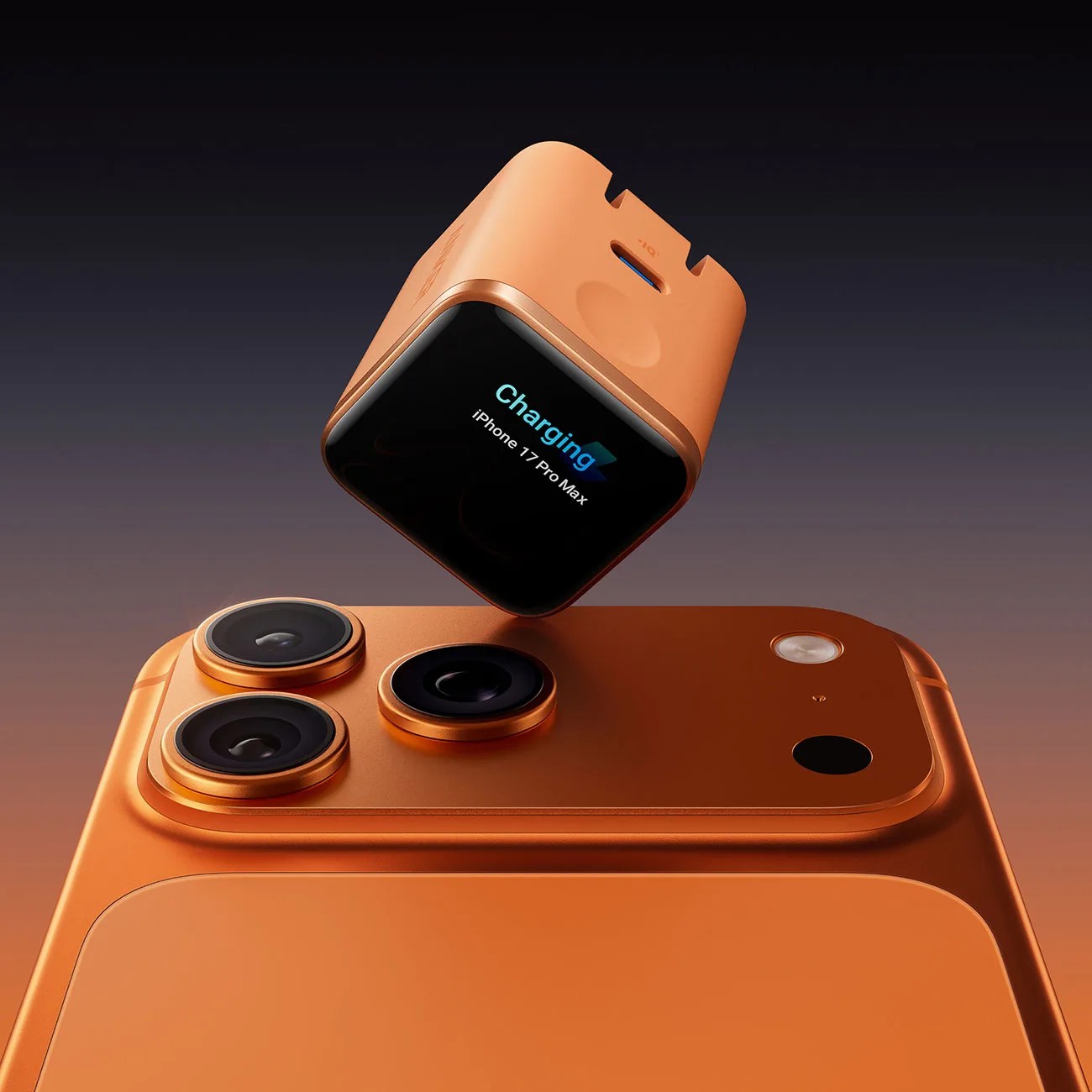 Anker
AnkerAnker Nano 45W with Smart Display
Anker has added a tiny power adapter to its Nano series, only this one is quite the outlier. That’s because the Anker Nano 45W has a built-in display for showing charging metrics. It’s also the world’s first adapter to recognize the type of iPhone (or iPad) it’s charging and adjust charging speeds accordingly. Additionally, the adapter’s other standout feature is its adjustable foldable prongs — it can lock in at 90-degree and 180-degree angles, giving you more flexibility to plug it into wall outlets, desk plugs and other tight spaces.
-
$40 (25% off)
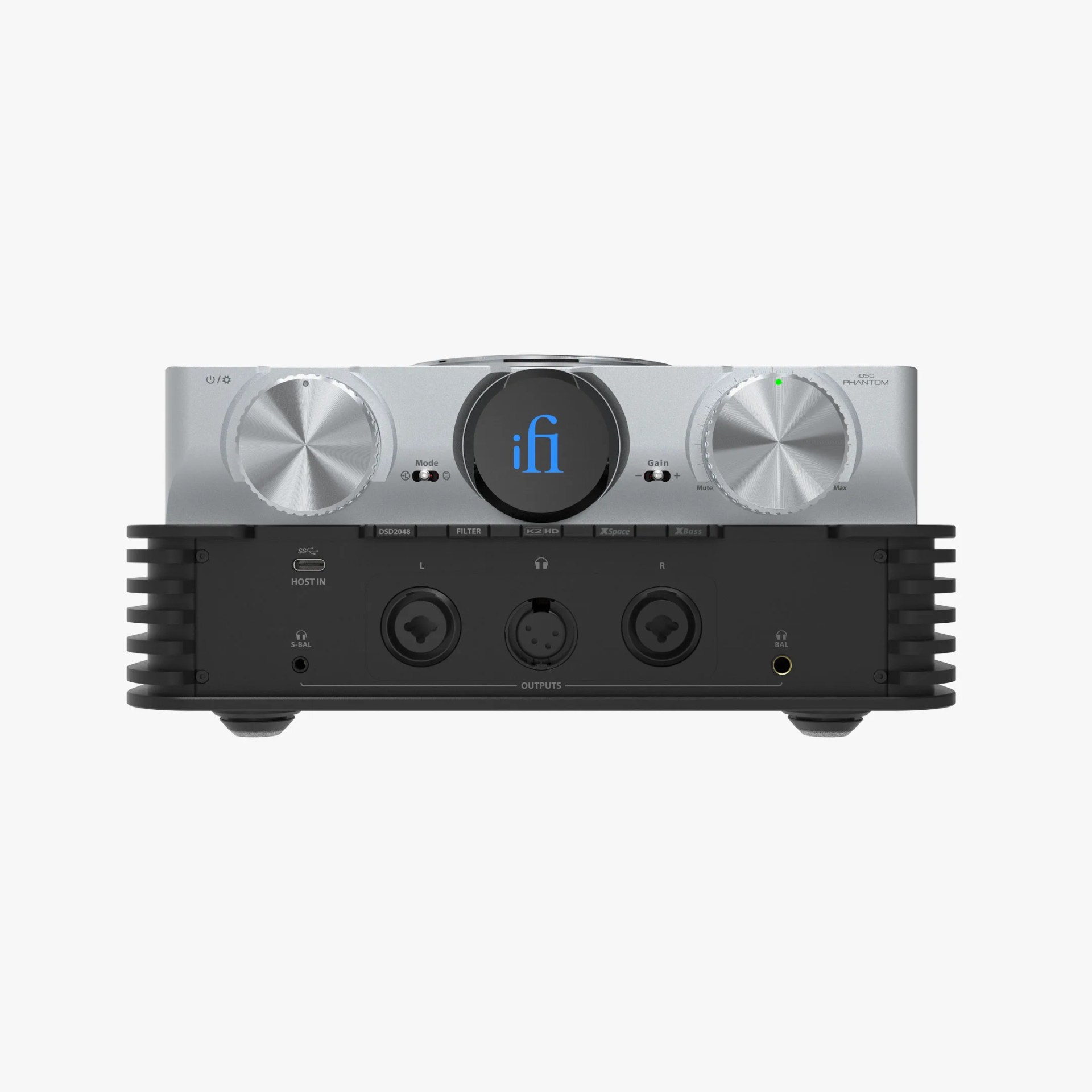 iFi
iFiiFi iDSD Phantom
iFi’s iDSD Phantom is a high-end, “just add headphones” hi-fi component that combines a DAC, network streamer, and headphone amplifier into a single box. It’s the successor to the brand’s previous flagship player, the Pro iDSD, but iFi claims it’s been basically built from the ground up with a new “streaming engine, higher-precision conversion, markedly greater output headroom, and more granular user-control.”
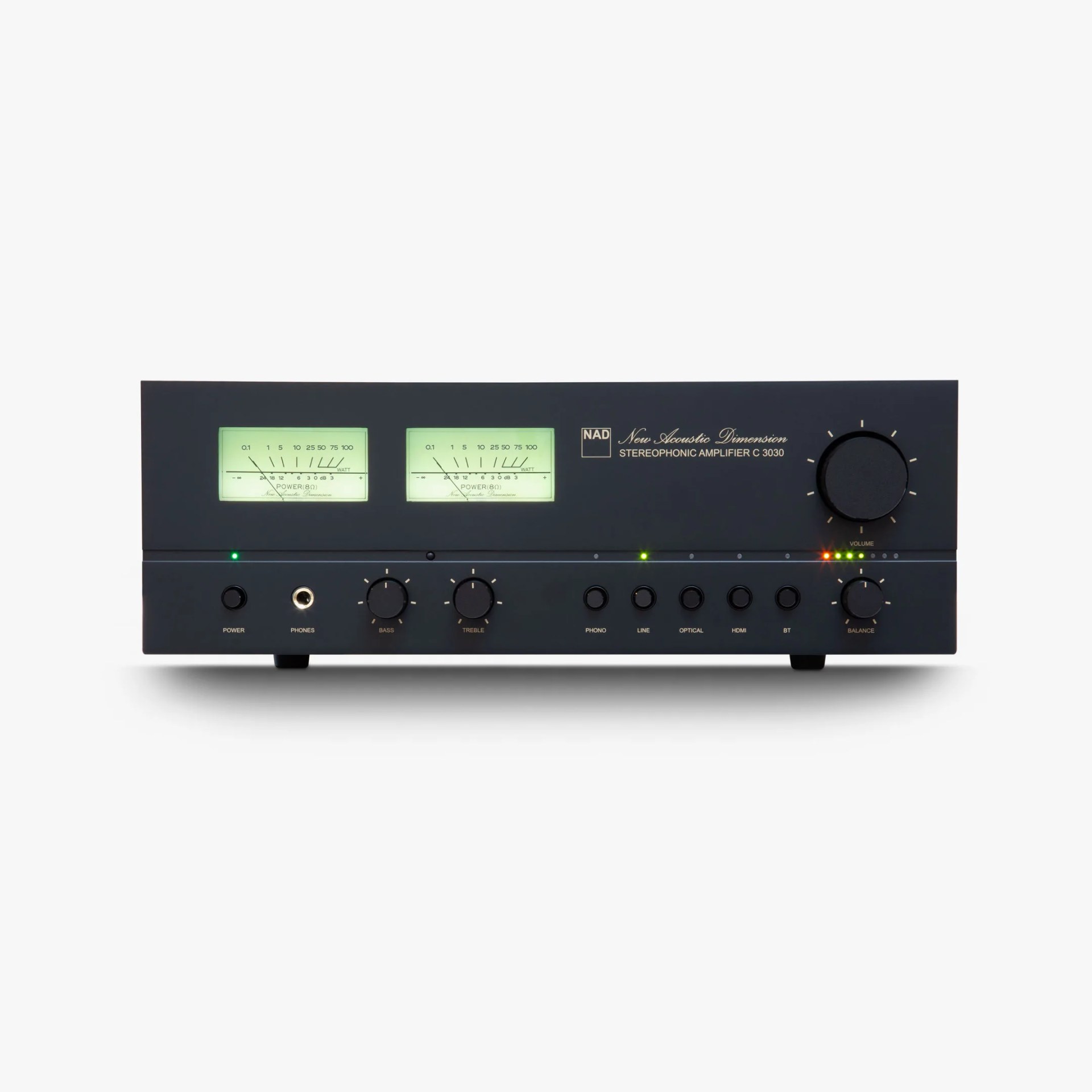 NAD
NADNAD C 3030 and NAD C 3030S
The NAD C 3030 and C 3030S are integrated streaming amplifiers that are the newest additions to the brand’s Classic Series, combining a vintage aesthetic with modern functionality. The NAD C 3030 and C 3030S are mostly the same, both capable of driving 50 watts per channel and sharing a similar design. The more premium C 3030S adds support for higher-resolution streaming over Wi-Fi and a built-in phono preamplifier for easier turntable connectivity. The C 3030 just supports Bluetooth streaming.
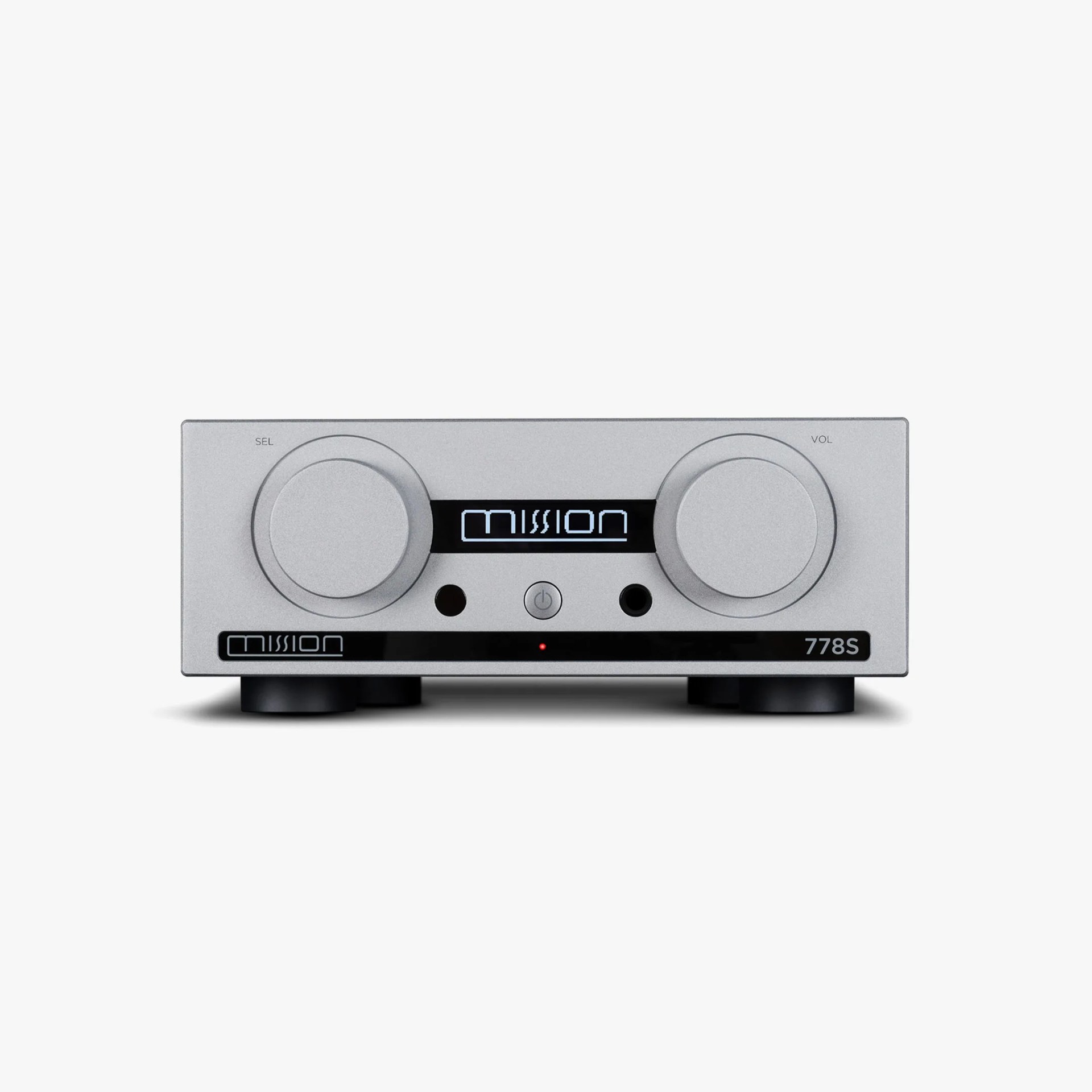 Mission
Mission 778S
The Mission 778S is the British hi-fi manufacturer’s first-ever music streamer, designed to be the perfect digital partner for its 778X amplifier. It adds high-fidelity Wi-Fi streaming to traditional audio systems. It supports most major streaming services and protocols, including AirPlay 2, Spotify Connect, Tidal Connect, Qobuz Connect and TuneIn Radio. According to Mission, the 778S “completes the system,” which consists of the 778X stereo amplifier and the 778CDT CD transport, as they are stackable and share a matching half-width design.
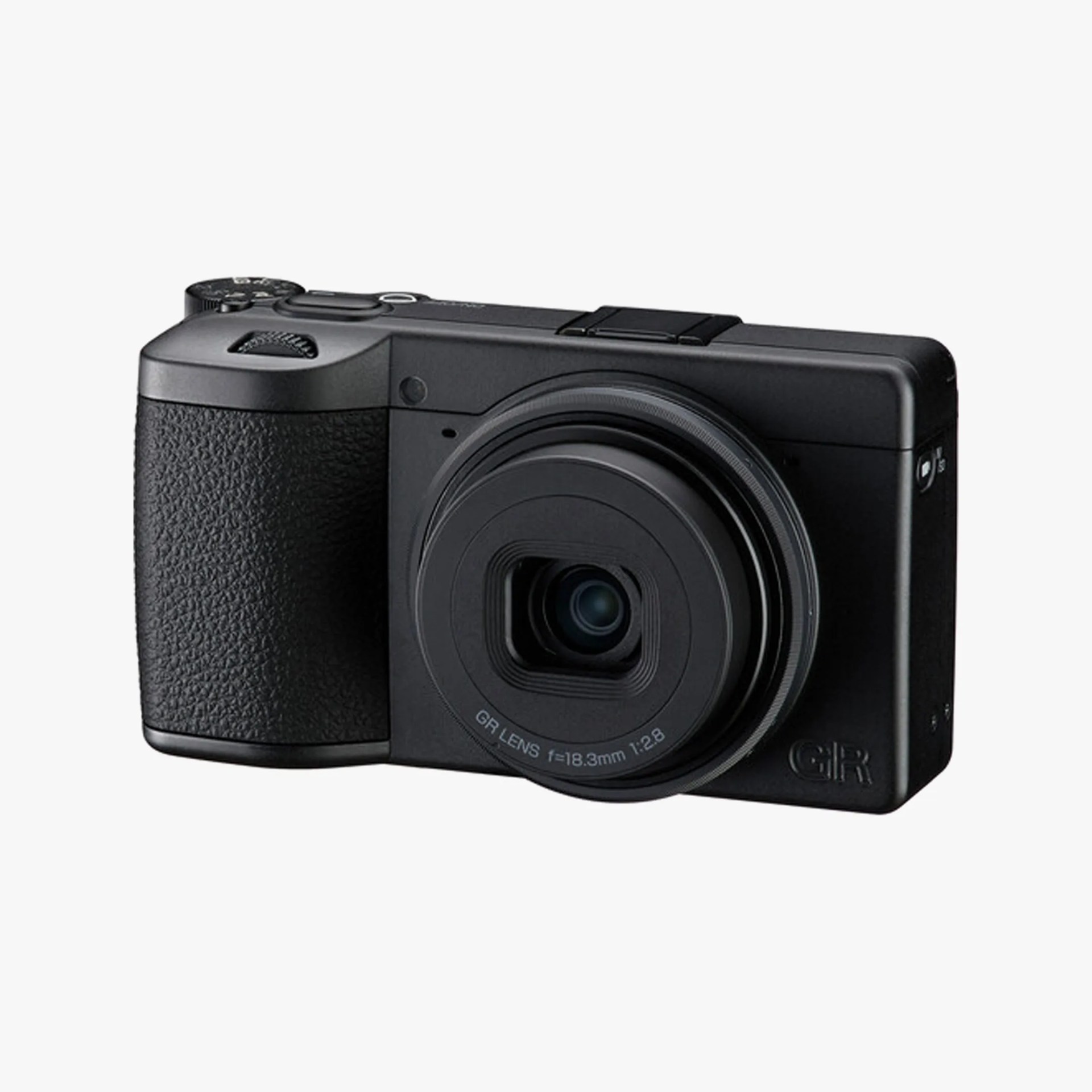 Ricoh
RicohRicoh GR IV Monochrome
In September 2025, Ricoh introduced GR IV, marking the first time in six years it added a new model to its popular GR line of compact cameras. Now, just a few months later, it has revealed a monochrome version of that GR IV — it’s notable because it’s the first Ricoh GR camera dedicated to black-and-white photography. Most everything about the camera is the same, including its 28mm-equivalent lens and 25.7-megapixel sensor, but it has some monochrome-specific controls. Also, it’s $700 more expensive than the GR IV.
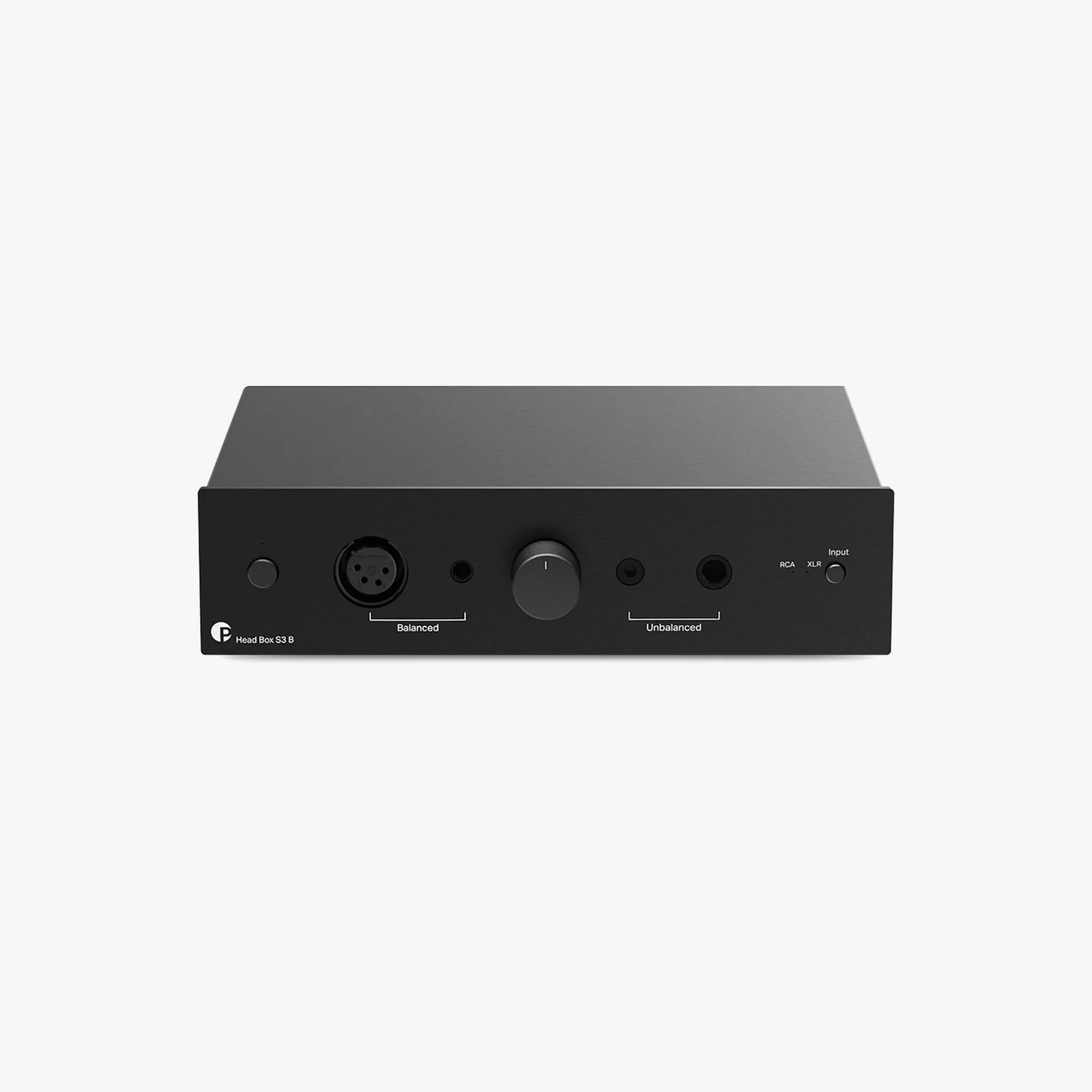 Pro-Ject
Pro-Ject Head Box S3 B
Pro-Ject’s Head Box S3 B is a compact headphone amplifier with a fully balanced circuitry. It’s optimized for headphones with balanced 4.4mm or XLR connections, but it supports single-ended headphones via their 3.5 mm and 6.3 mm outputs, too. Pro-Ject says it can integrate “seamlessly into modern desktop and hi-fi systems.” (Note: this is a more affordable alternative to the brand’s $699 Head Box DS3 B.)
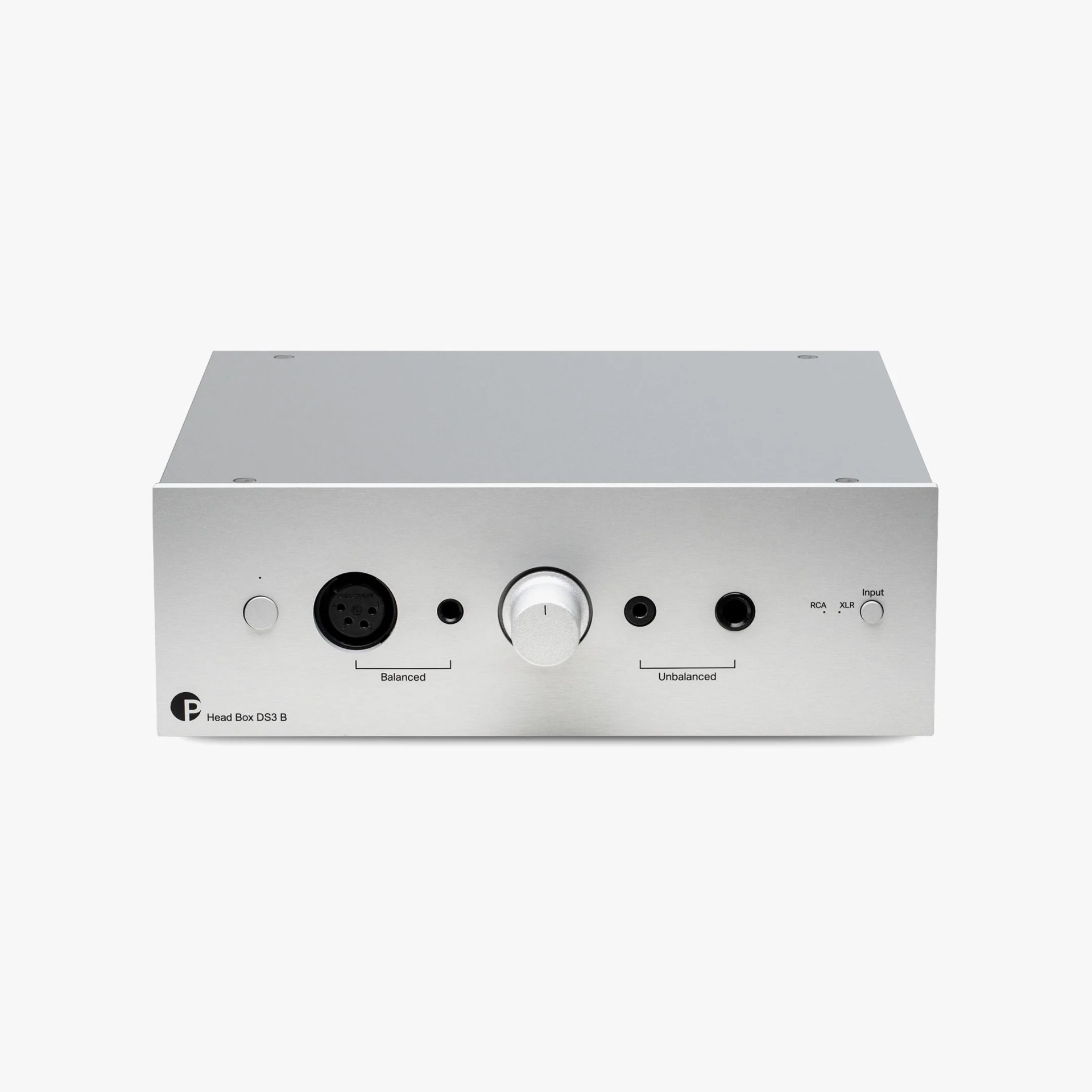 Pro-Ject
Pro-Ject Head Box DS3 B
The Pro-Ject Head Box DS3 B is a fully balanced headphone amplifier that works with a wide range of headphones (both balanced and single-ended). It’s essentially a higher-end version of Pro-Ject’s S3 B, as this “D” model has a fully discrete topology that results in a warmer sound. It’s also capable of delivering up to 1500mW into 30 ohms, making it a better fit for higher-end headphones with lower sensitivities.
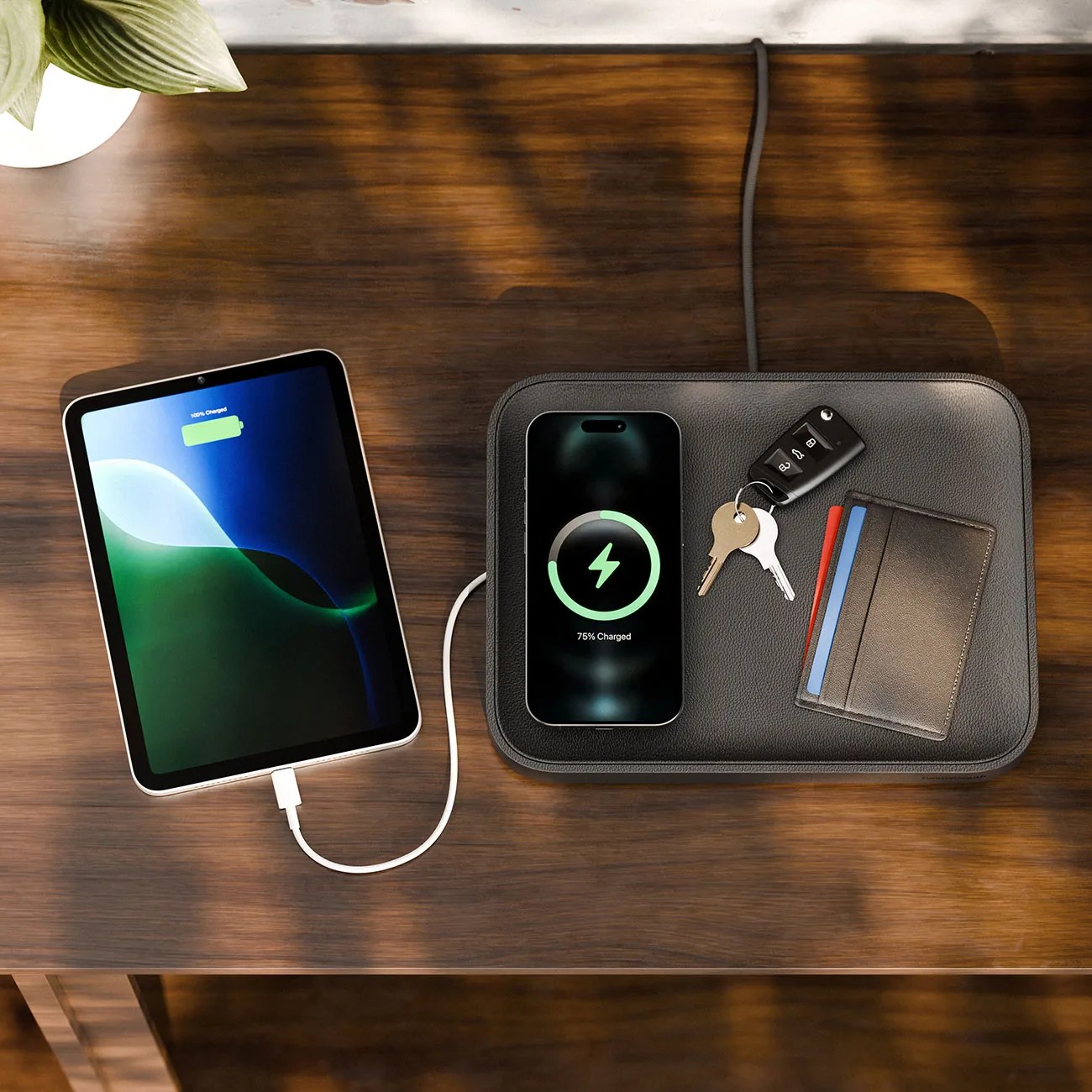 Twelve South
Twelve South Valet
Twelve South’s Valet is a valet tray for tech enthusiasts. It’s a tray designed to hold your everyday carry — wallet, keys, etc — when you get home, so you can quickly grab them when you head out the door. Given that your smartphone is an everyday carry, it’s also integrated with a Qi2 wireless charger. Other features include an additional USB-C port for charging a second device. The whole thing is weighted and built with premium materials (such as Nappa leather). And Twelve South offers it in eight different frame/base finishes.
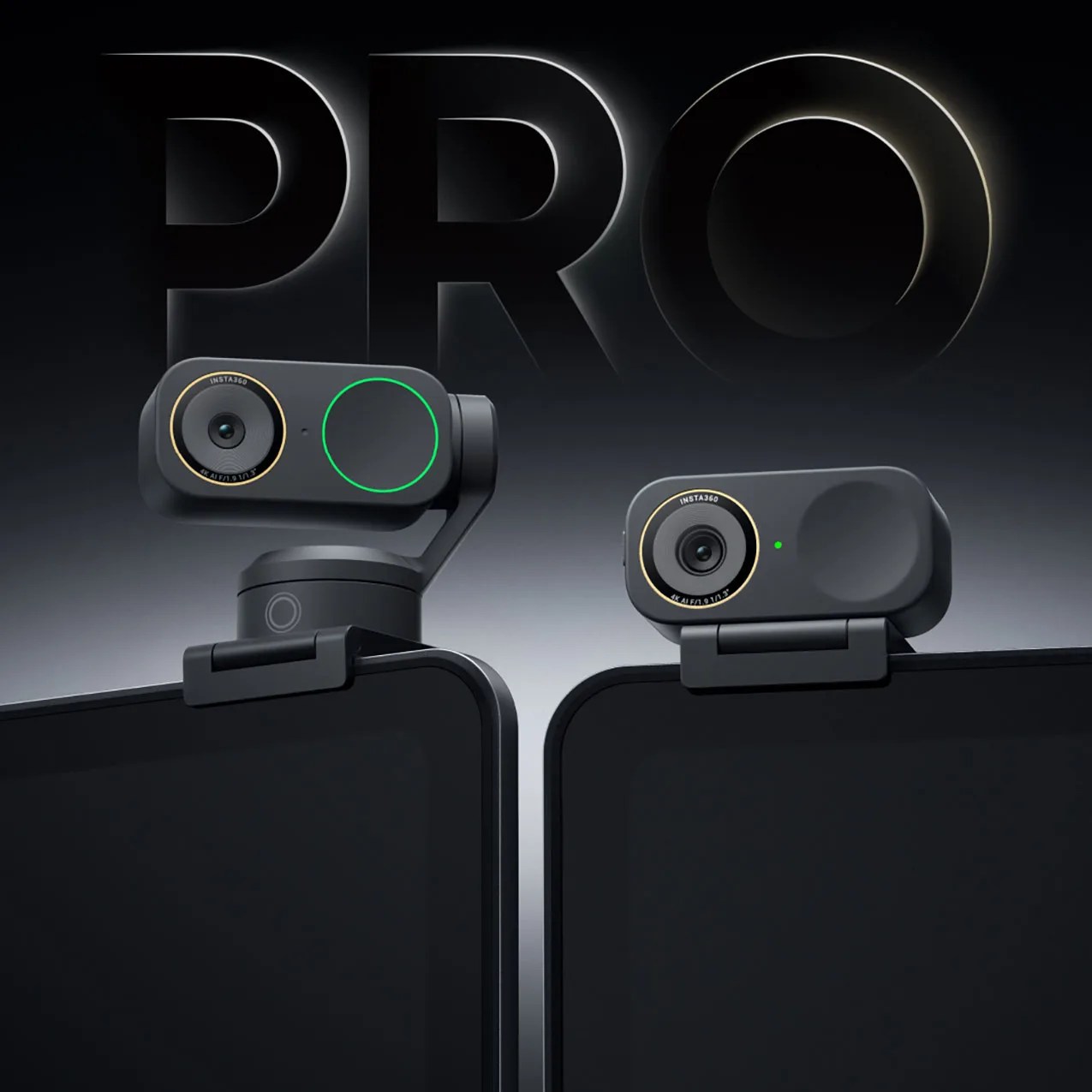 Insta360
Insta360 Link 2 Pro and Link 2C Pro
Insta360 has launched the next-generation Link webcams for 2026. Both the Link 2 Pro and Link 2C Pro have a larger 1/1.3-inch sensor and thus promise improved image quality (maxing out at 4K at 30 fps). They also support new AI-powered features and gesture controls. The two webcams are identical in most regards, but the Link 2 Pro has a 2-axis gimbal (similar to many drones) and supports more advanced tracking and framing features. The more affordable Link 2C Pro has a more traditional design without a gimbal.
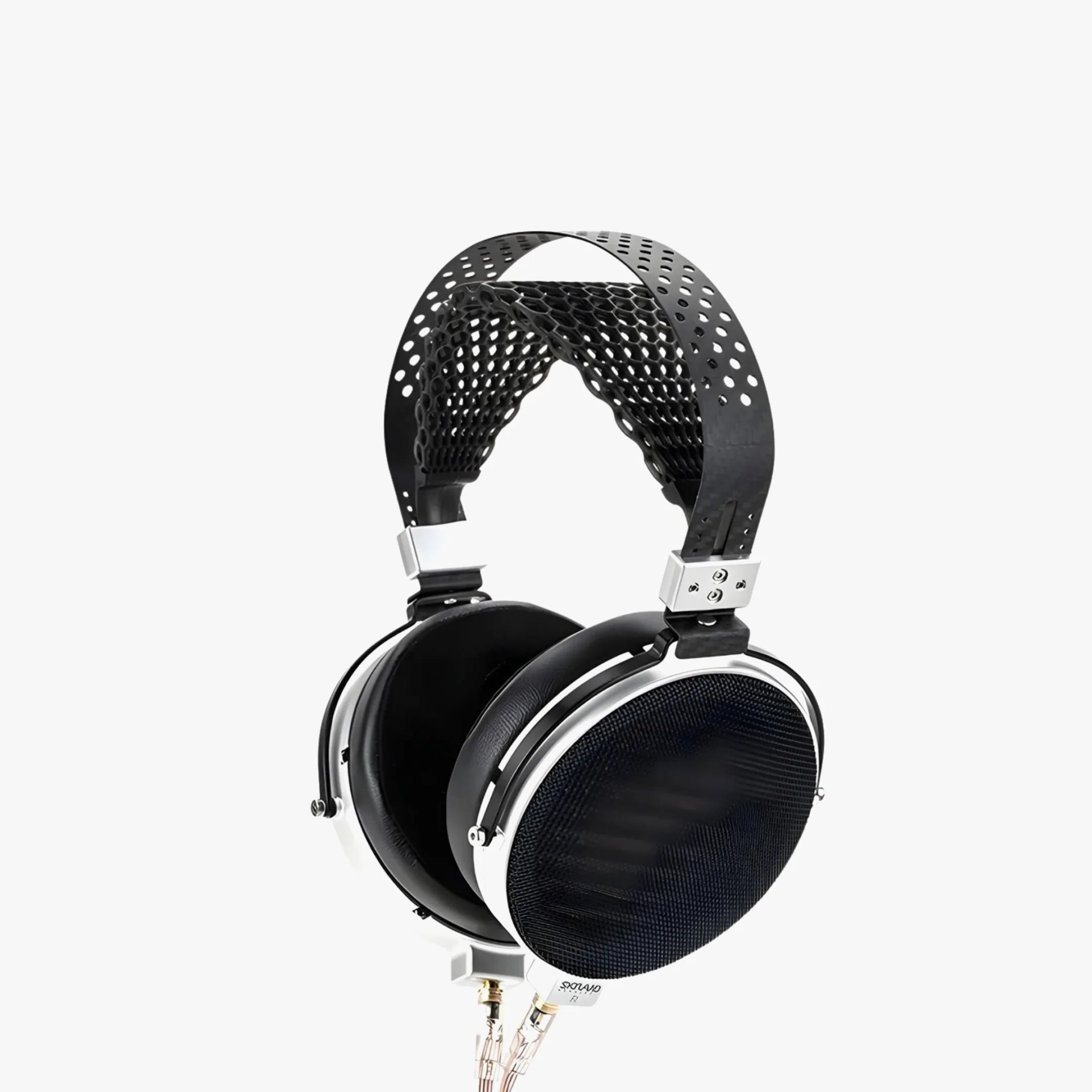 Moondrop
Moondrop Skyland
Moondrop’s Skyland is a wired, open-back headphone with planar magnetic drivers. Each pair features large 100mm planar magnetic drivers with an ultra-thin 500nm diaphragm, which is designed to move quickly and accurately, and ultimately deliver an incredibly detailed sound. They also incorporate Full Drive Technology (FDT), which the brand claims helps them achieve performance levels closer to those of electrostatic headphones.
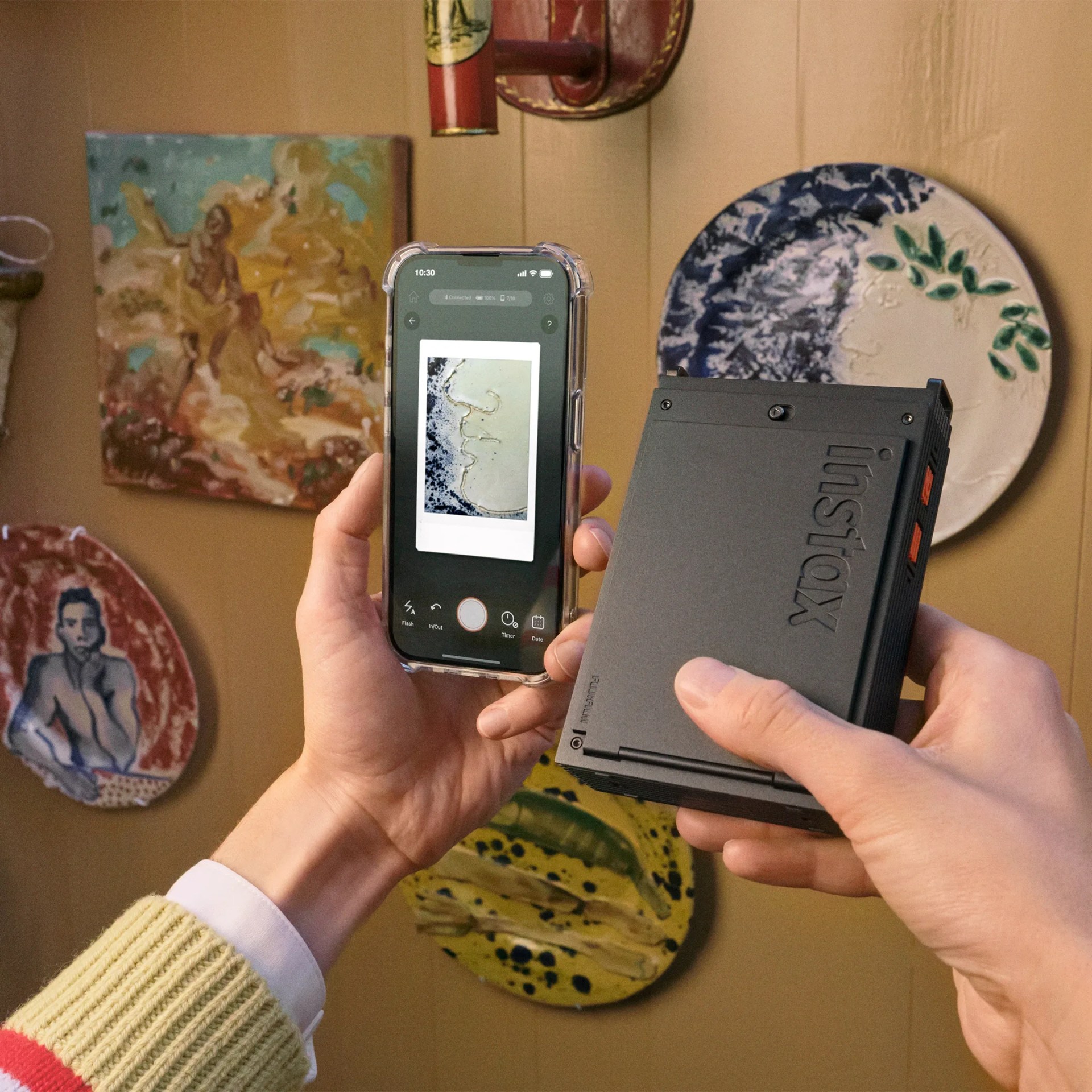 Fujifilm
Fujifilm Instax Mini Link+
Fujifilm just revealed a newly updated printer for smartphone photos and it’s called the instax mini Link+. As a follow-up to its previous versions of instax, the mini Link+ benefits from a smaller and sleeker design with a reworked app alongside. It’s the latest solution for printing photos on-the-go, harkening back to the days of the good ‘ol classic Polaroid instant-print film cameras. But because it’s 2026, the instax mini Link+ has additional after-effects available through the smartphone app, allowing users to add graphics, text and other overlays to enrich their captures.
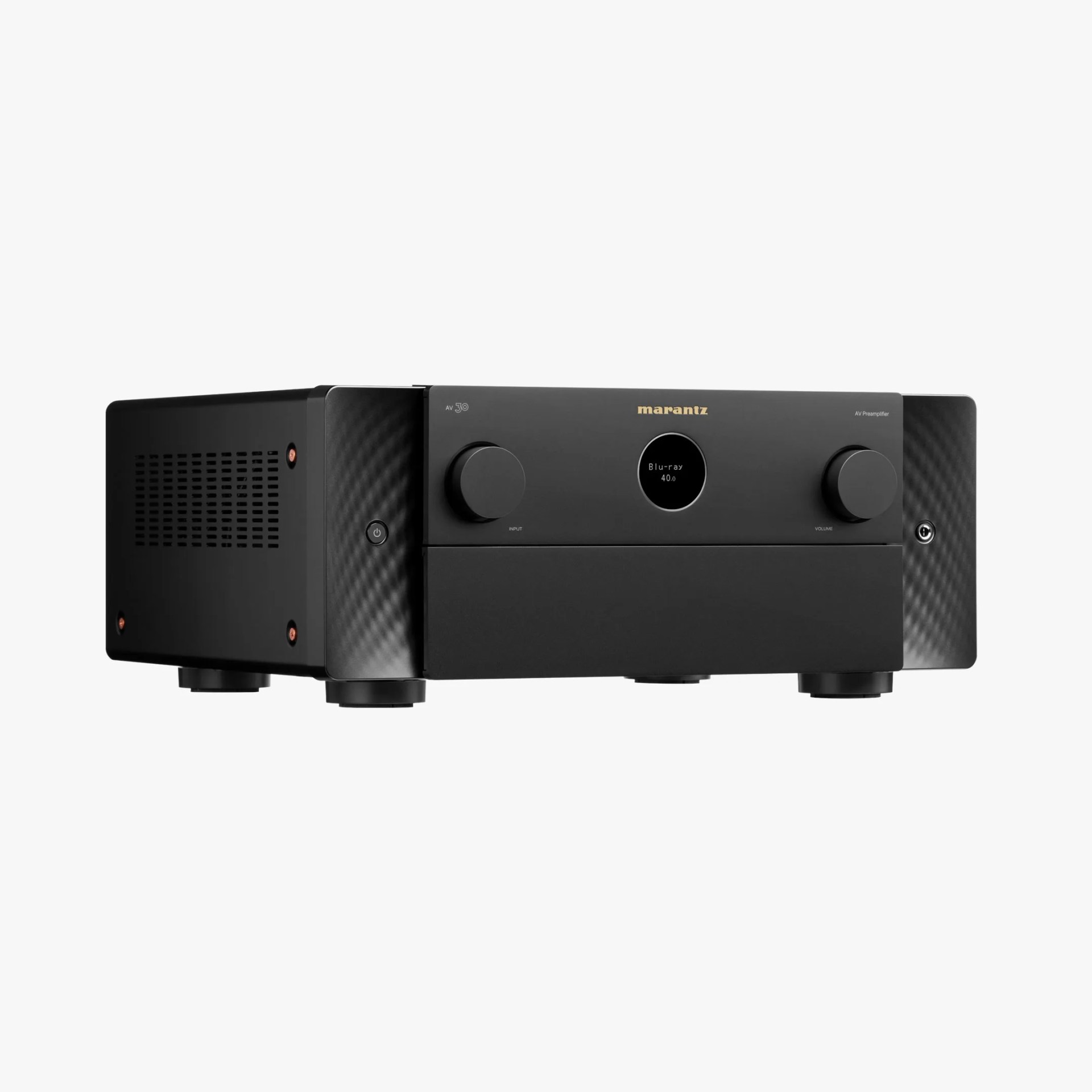 Marantz
Marantz AV 30
The AV 30 is an 11.4-channel preamplifier and AV processor that is designed to partner with Marantz’s AMP 30 power amplifier. The home theater component features the latest and most powerful dual-core DSP chipset (Analog Devices SHARC) and two high-quality 32-bit DACs, enabling it to support most of the latest surround sound technologies, such as Dolby Atmos, IMAX Enhanced, DTS:X and AURO-3D. (Note: It’s positioned as a more affordable version of Marantz’s AV 20.)
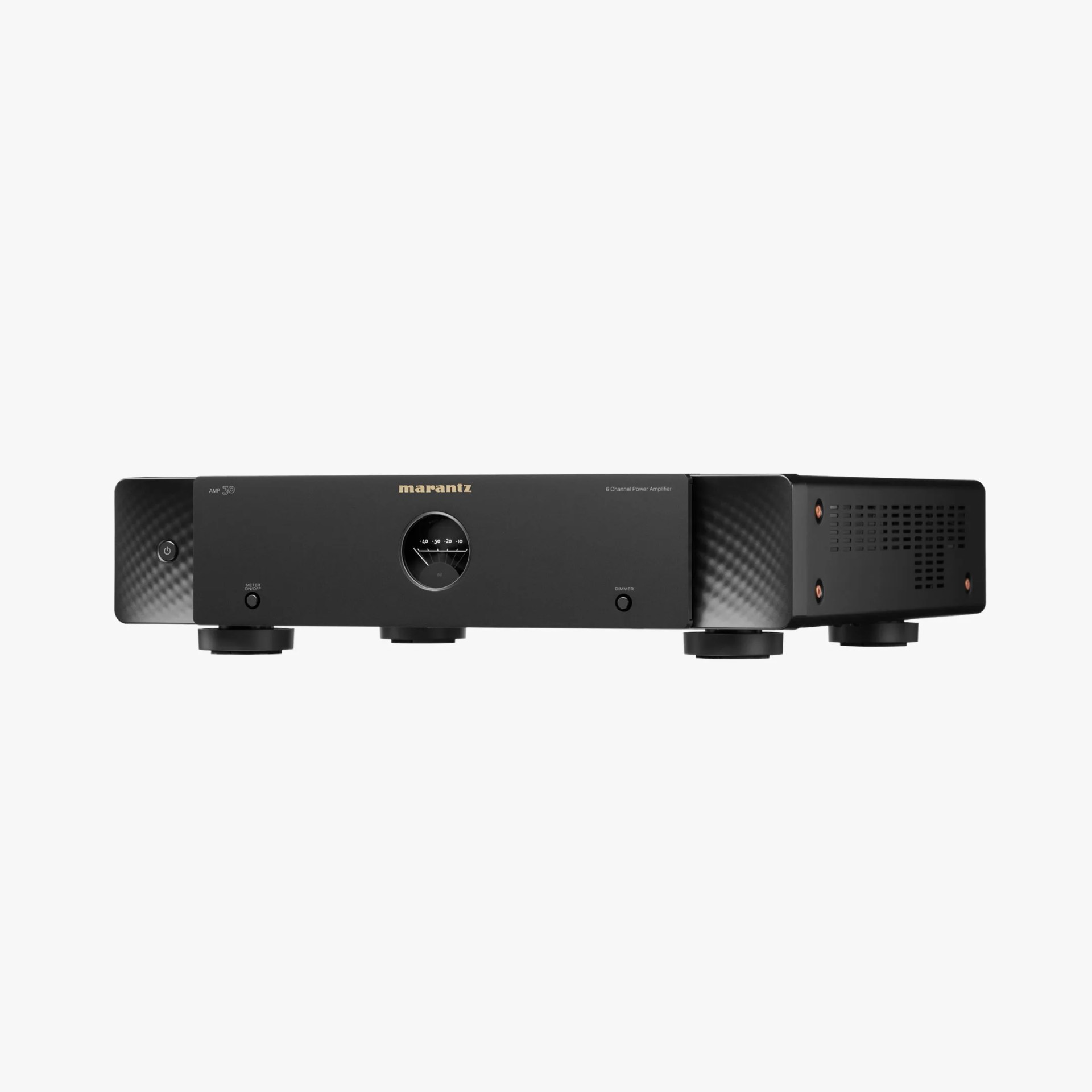 Marantz
Marantz AMP 30
Marantz’s AMP 30 is a 6-channel power amplifier that’s capable of driving 200 watts per channel, which is sufficient to drive multiple different speaker configurations and speaker layouts. It’s designed to partner with the brand’s AV 20 preamplifier and be the hub of a high-end home theater system. (Note: It’s positioned as a more affordable version of Marantz’s AMP 20.)
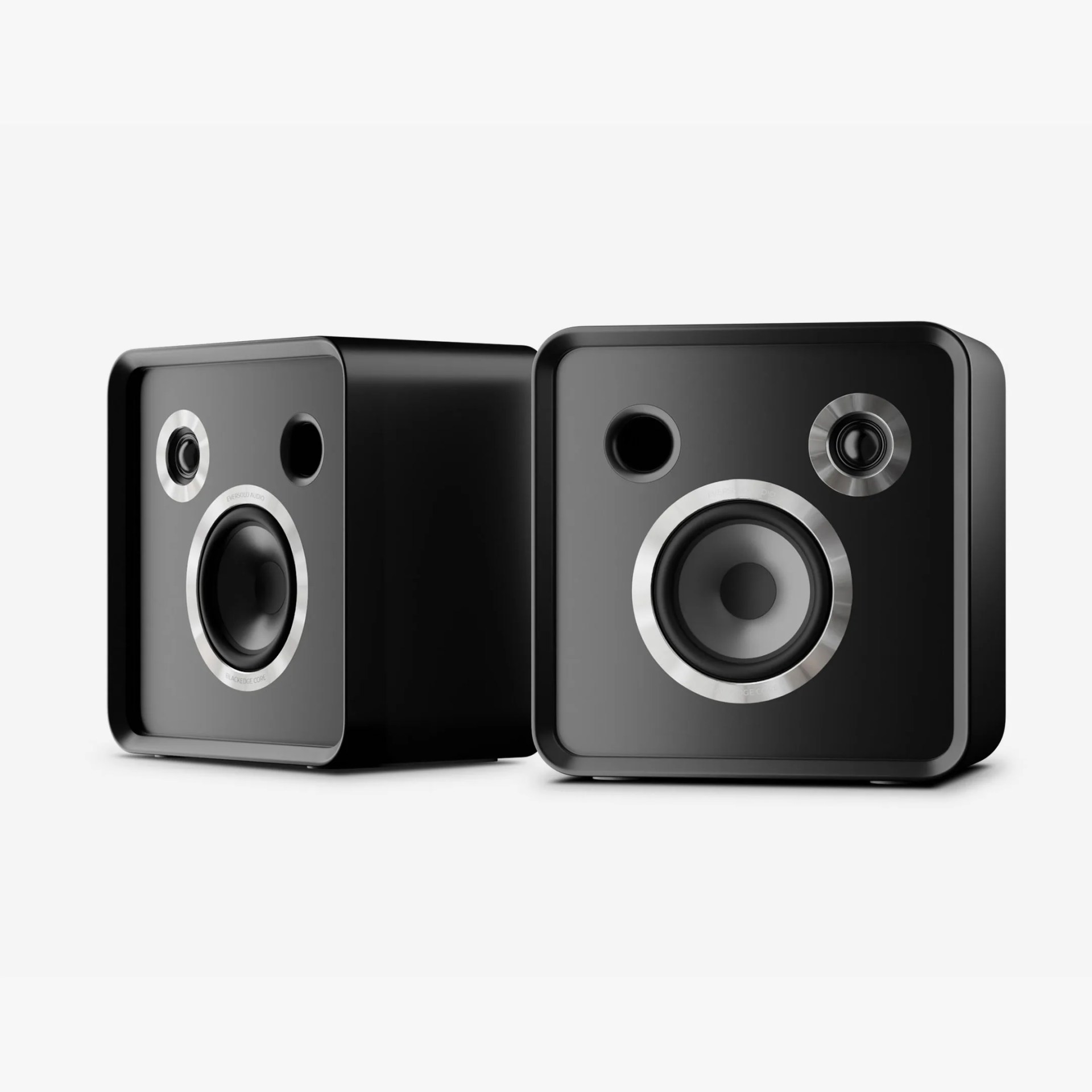 Eversolo
Eversolo SE100
The Eversolo SE100 is the brand’s first pair of passive bookshelf speakers. And, most interestingly, they have a unique square design that fits perfectly inside the cubicles of Ikea’s Kallax, its widely popular shelving system. According to the brand, the speakers achieve a “seamless ‘modular’ fusion from audio equipment to home décor.”
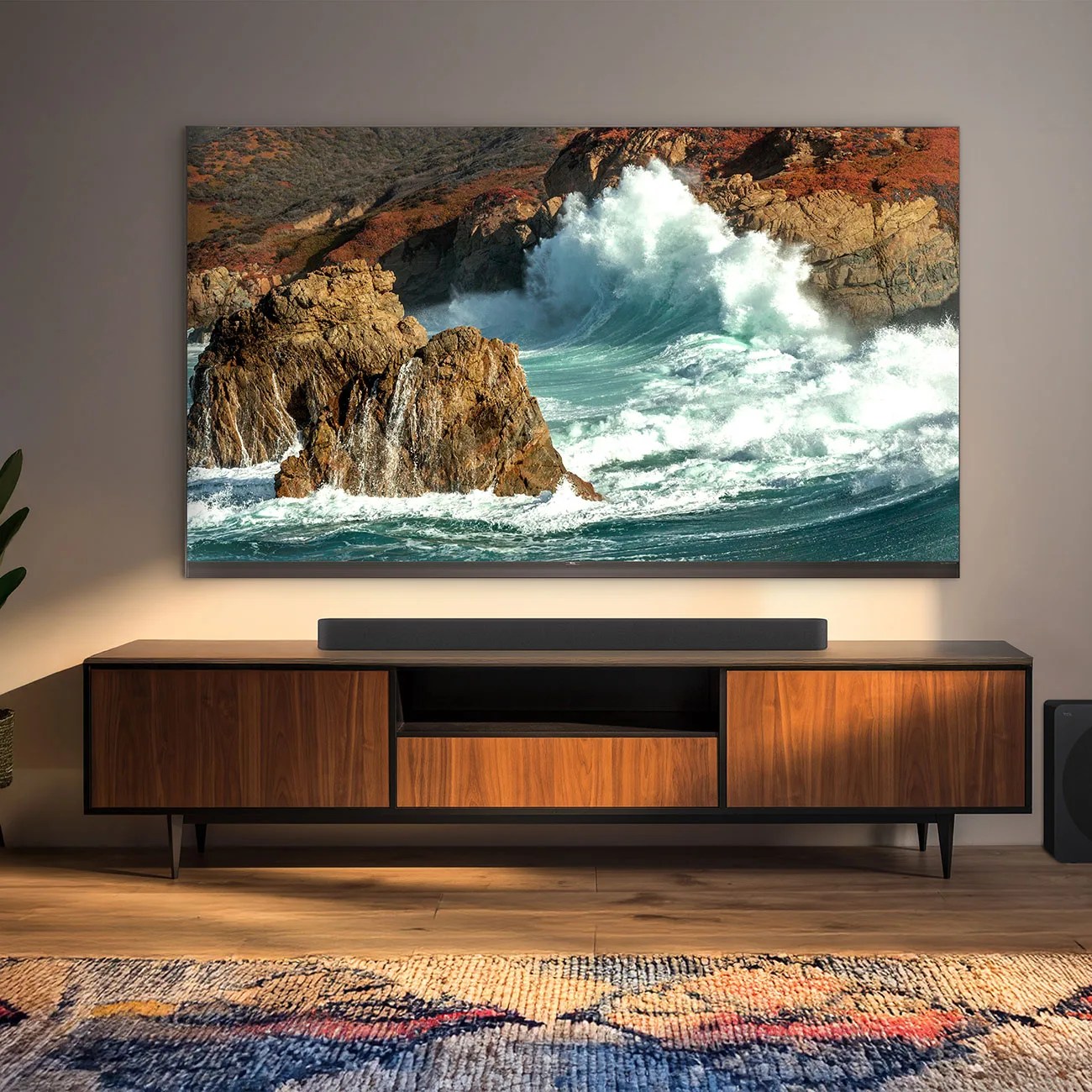 TCL
TCLTCL A65K Soundbar
The TCL A65K is the company’s new midrange soundbar for 2026 and appears to be a genuine rival to the Sonos Beam (Gen 2). It’s unique because it supports Dolby Atmos and features two dedicated up-firing drivers to deliver an immersive sound experience — a feature typically reserved for larger, flagship soundbars. The 3.1.2-channel system comes with a compact wireless soundbar and, in total, pushes out 460 watts of power. Pricing and availability info have yet to be released.
 TCL
TCLTCL X11L SQD-Mini LED TV
The TCL X11L is the brand’s flagship TV for 2026. It’s an SQD (Super Quantum Dot) Mini-LED TV that boasts 20,000 dimming zones and a peak brightness of 10,000 nits. It comes baked with a Google TV operating system and audio tuned by Bang & Olufsen. It comes in three sizes — 75″ ($7,000), 85″ ($8,000) and 98″ ($10,000) — and is available now.
 Pro-Ject
Pro-Ject Debut Reference 10
Pro-Ject’s Debut Reference 10 is the most high-end and expensive turntable in the company’s popular Debut range. And naturally, it adds even more premium components and features to the Debut’s familiar, minimalist design. The most notable upgrade is that it has a hybrid carbon and aluminum tonearm (a first for a Debut turntable) that “offers full adjustability for both azimuth and vertical tracking angle.” It also comes with a higher-end Pick It PRO Balanced moving-magnet cartridge, a new power generator, and elevated accents.
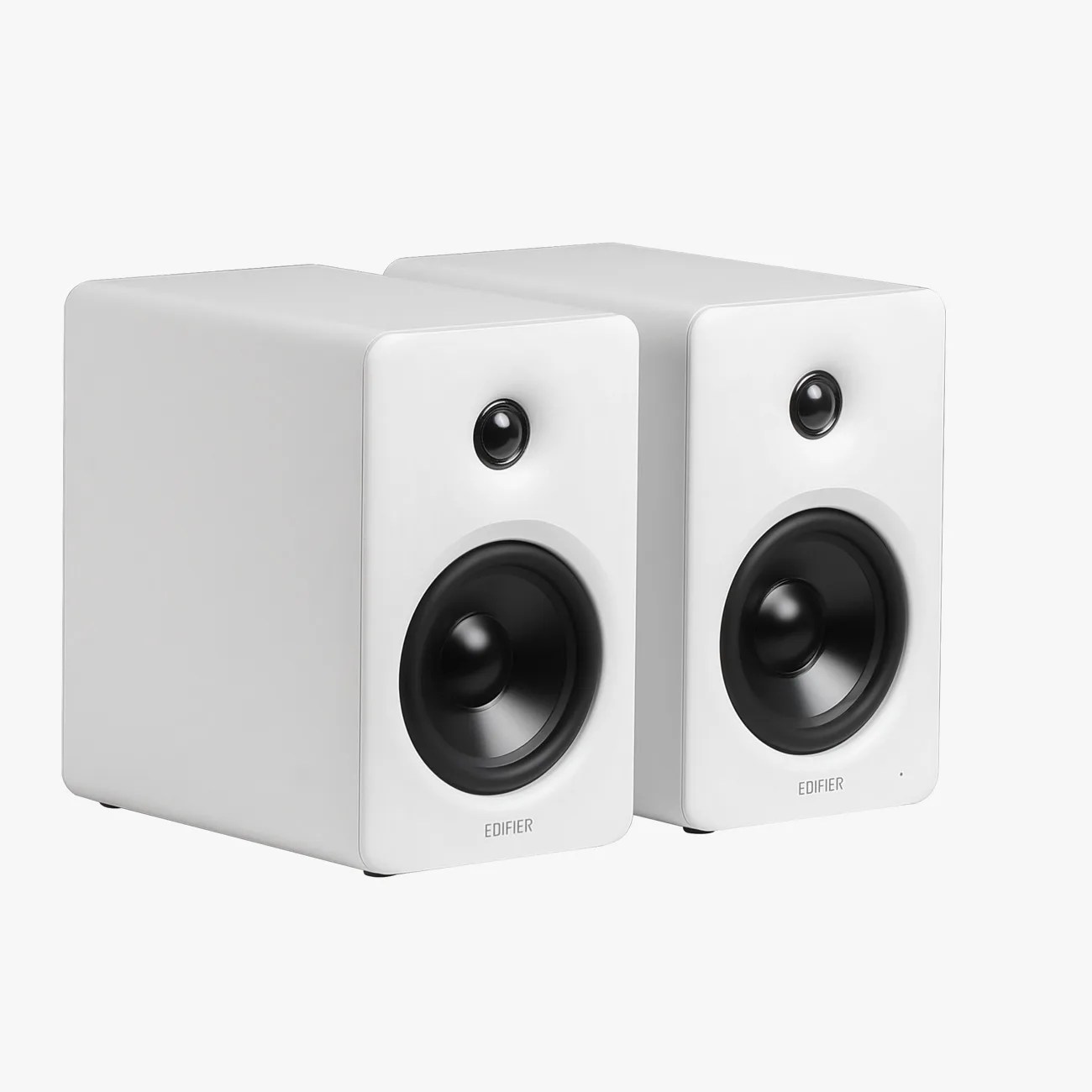 Edifier
Edifier M90
The Edifier M90 is a compact active speaker system that’s exceptionally versatile. It’s primed for desktop use, but it can be used with a TV (thanks to HDMI eARC) or a turntable (via AUX or USB-C). It has built-in Bluetooth with support for high-resolution codecs, including LDAC, so you can stream music to the system from your smartphone. Each speaker features a two-way design with a 1-inch silk-dome tweeter and a 4-inch mid-bass driver. In total, the system delivers 100 watts of output. Available in white or black finishes.
 Audio-Technica
Audio-Technica AT-LP7X
The AT-LP7X is a fully manual belt-drive turntable with a minimalist design that costs $999 — it’s sort of like a belt-drive alternative to the brand’s direct-drive AT-LP8X, which also costs roughly $1,000. Both turntables feature a matte-black finish, premium materials and a J-shaped aluminum tonearm that is inspired by Audio-Technica’s classic turntables from the 1960s and ’70s. However, the AT-LP7X differs slightly: Audio-Technica built in a phono preamplifier compatible with both MM and MC cartridges. This means you can hook a turntable directly to a pair of powered or active speakers, for example.
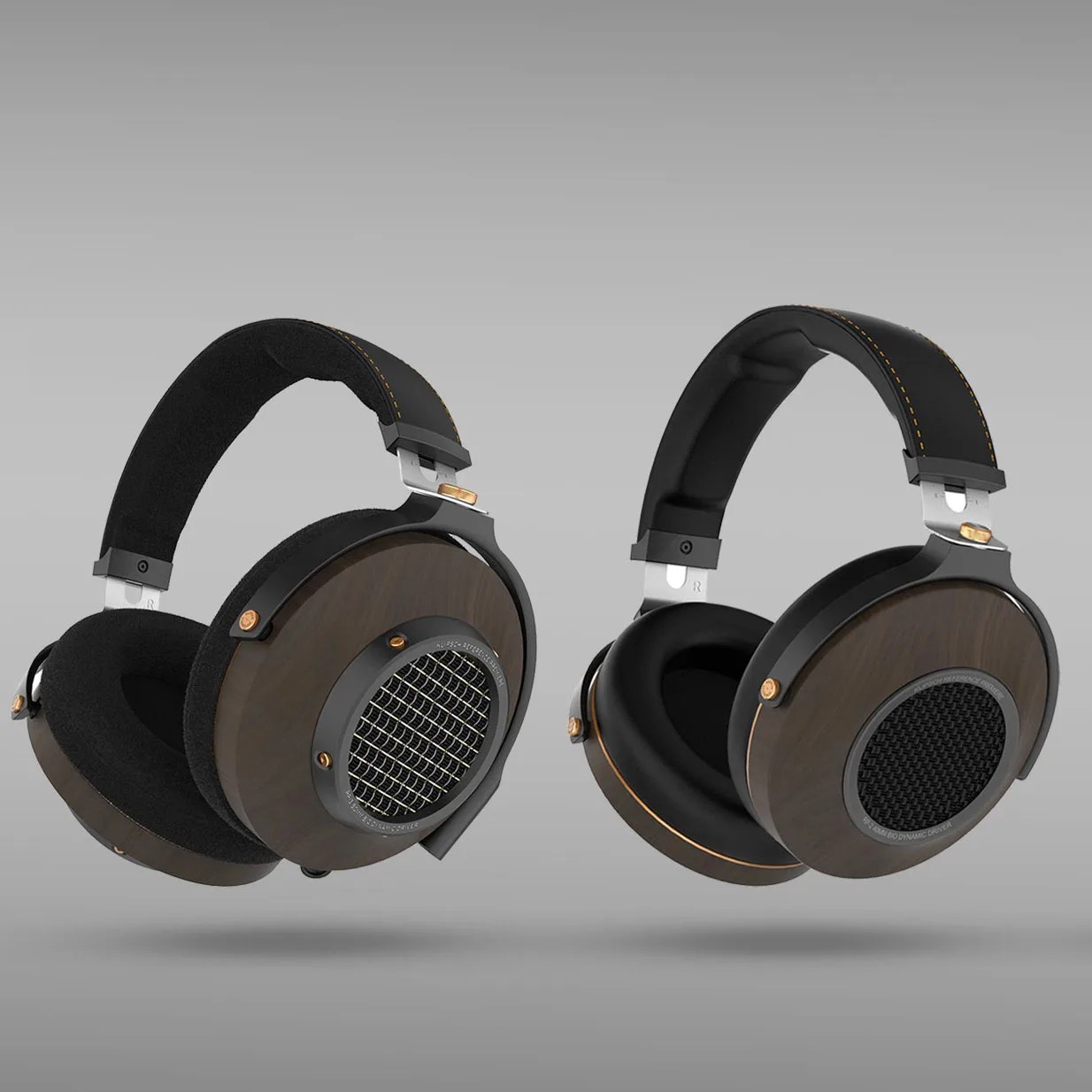 Klipsch
Klipsch Atlas Series of Headphones
Klipsch is getting back into the headphone game with its Atlas series — they’re the American loudspeaker specialist’s first new headphones in a decade. The series consists of three different over-ear headphones: the HP-1 (not pictured), the HP-2 and the flagship HP-3. The HP-3 are semi-open-back hi-fi headphones designed for serious audiophiles. The HP-2 are closed-back headphones that fall in the middle. And the HP-1 are wireless headphones with active noise-cancellation. Pricing and availability information have yet to be revealed.
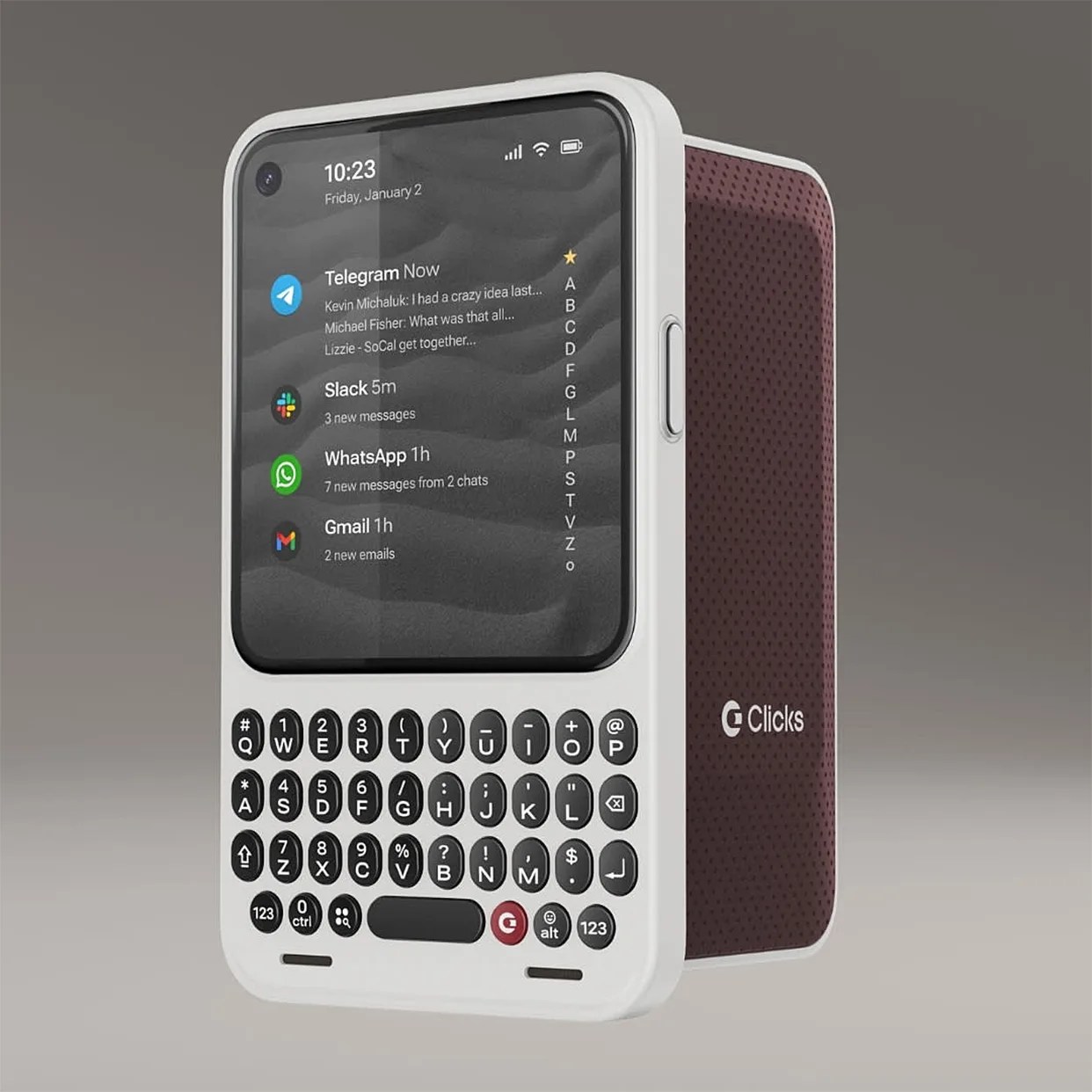 Clicks
Clicks Communicator
Clicks utilizes the retro interface of 2000s Blackberrys to meet the rising desire to disconnect from overwhelming tech. A 4-inch OLED screen, tactile keyboard, Bluetooth and Wi-Fi compatibility, a 50MP main camera and a 24MP front camera support most modern communication platforms, and a fingerprint scanner in the spacebar provides enhanced security. It runs on Android 16, is charged via USB-C or wirelessly and has an expandable microSD storage of up to 2TB.
-
$499 (20% off)
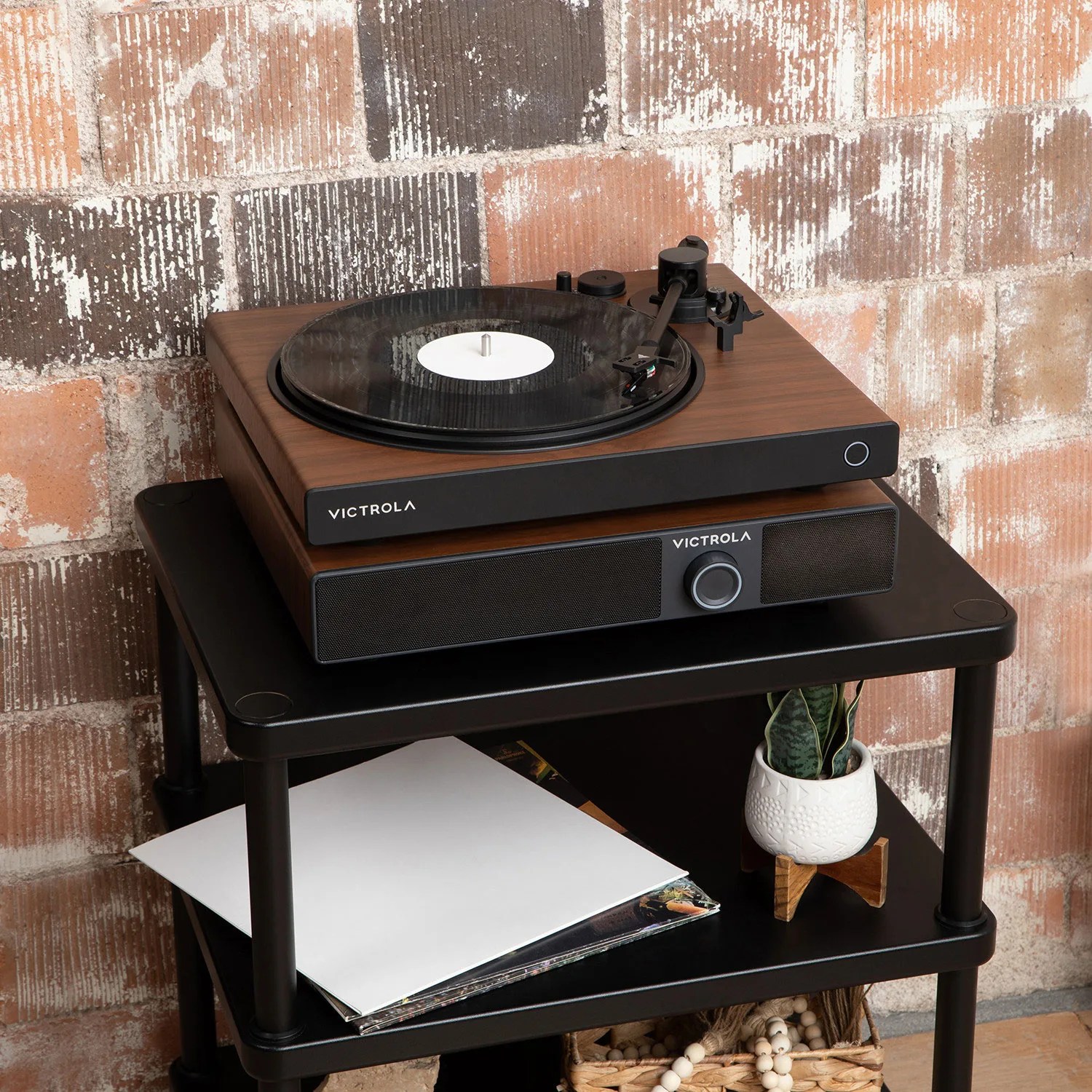 Victrola
Victrola Soundstage
Victrola’s Soundstage is a compact stereo speaker that’s specifically designed to sit under your turntable. Unlike most speakers, it features a vibration-isolated design that won’t shake the turntable and degrade vinyl playback quality. Additionally, it supports built-in Bluetooth so you can stream music when you’re not playing records. It comes in two finishes, black or walnut, and will be available in summer 2026.
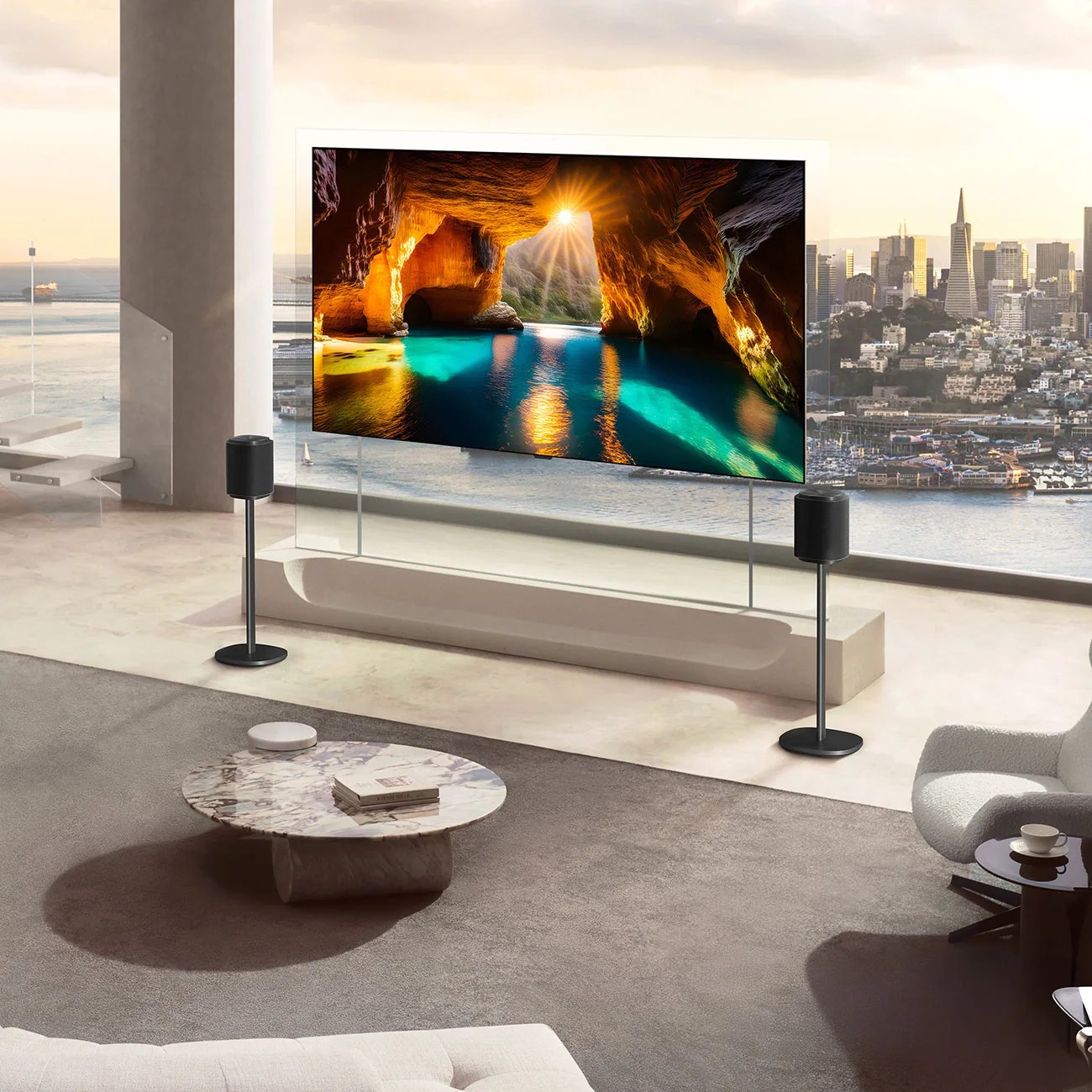 LG
LGLG OLED evo W6
LG has revived its super-thin “Wallpaper TV” that was first introduced in 2017 (and then discontinued in 2020). This 2026 iteration, dubbed the OLED evo W6, is again being touted as the “world’s thinnest” TV — it is just 9mm thick and sits flush against the wall when mounted. The key difference from its predecessor is that it’s compatible with the brand’s Zero Connect Box, which houses all the inputs and wirelessly connects to the TV, so no wires appear to be coming out of the TV. LG also added several other next-gen upgrades, including a new processor and support for modern display features, such as LG’s Hyper Radiant Color Technology. LG has yet to reveal sizing, pricing and availability information.
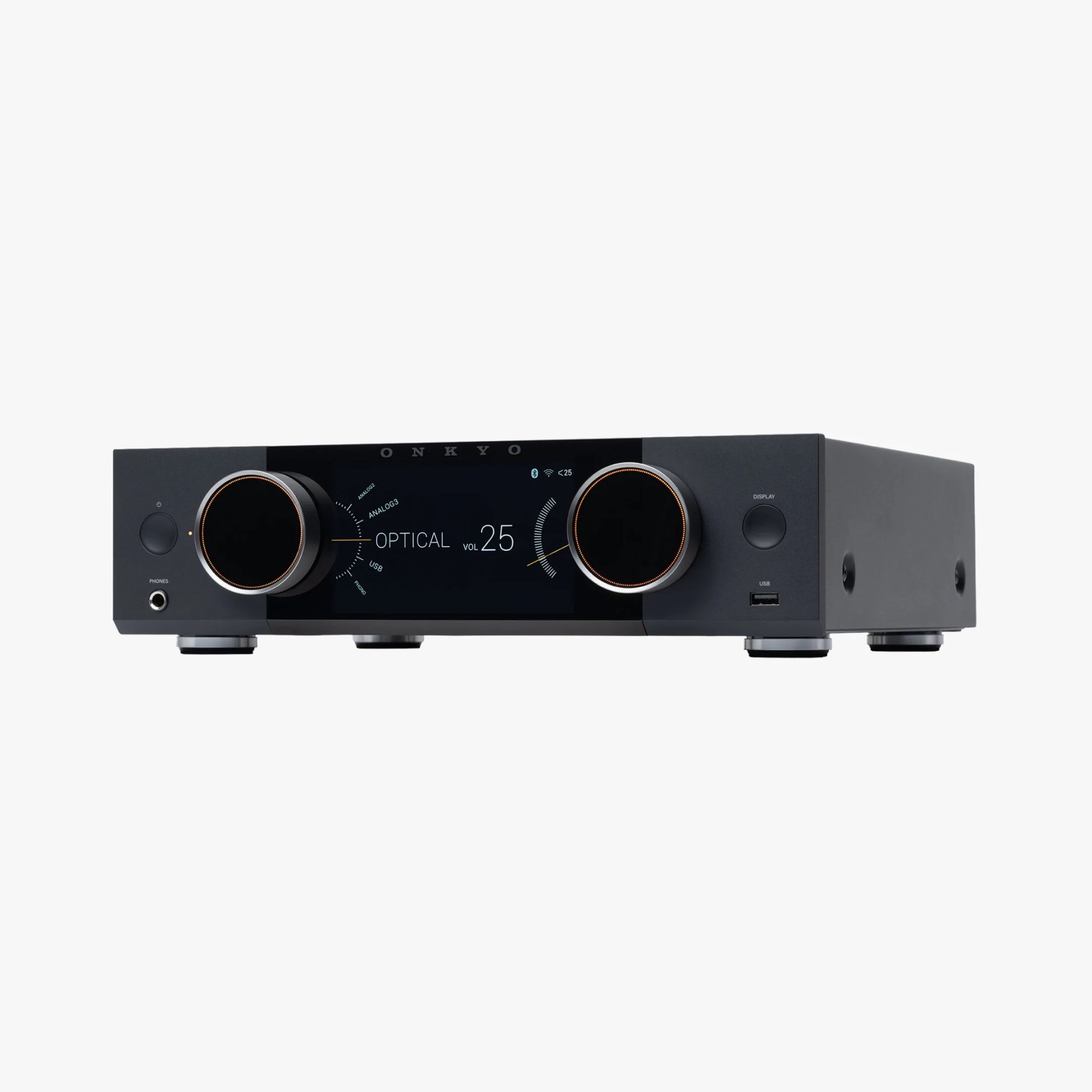 Onkyo
OnkyoOnkyo Muse Y-50
Onkyo’s Muse Y-50 is an integrated streaming amplifier that is essentially a more powerful version of the brand’s Y-40. It shares the same design, physical connections, and high-resolution streaming capabilities, but it delivers 250 watts per channel (into 4 ohms) and thus can drive higher-end, more demanding loudspeakers. According to the brand, it delivers “unparalleled high-fidelity performance and cutting-edge streaming technology.”
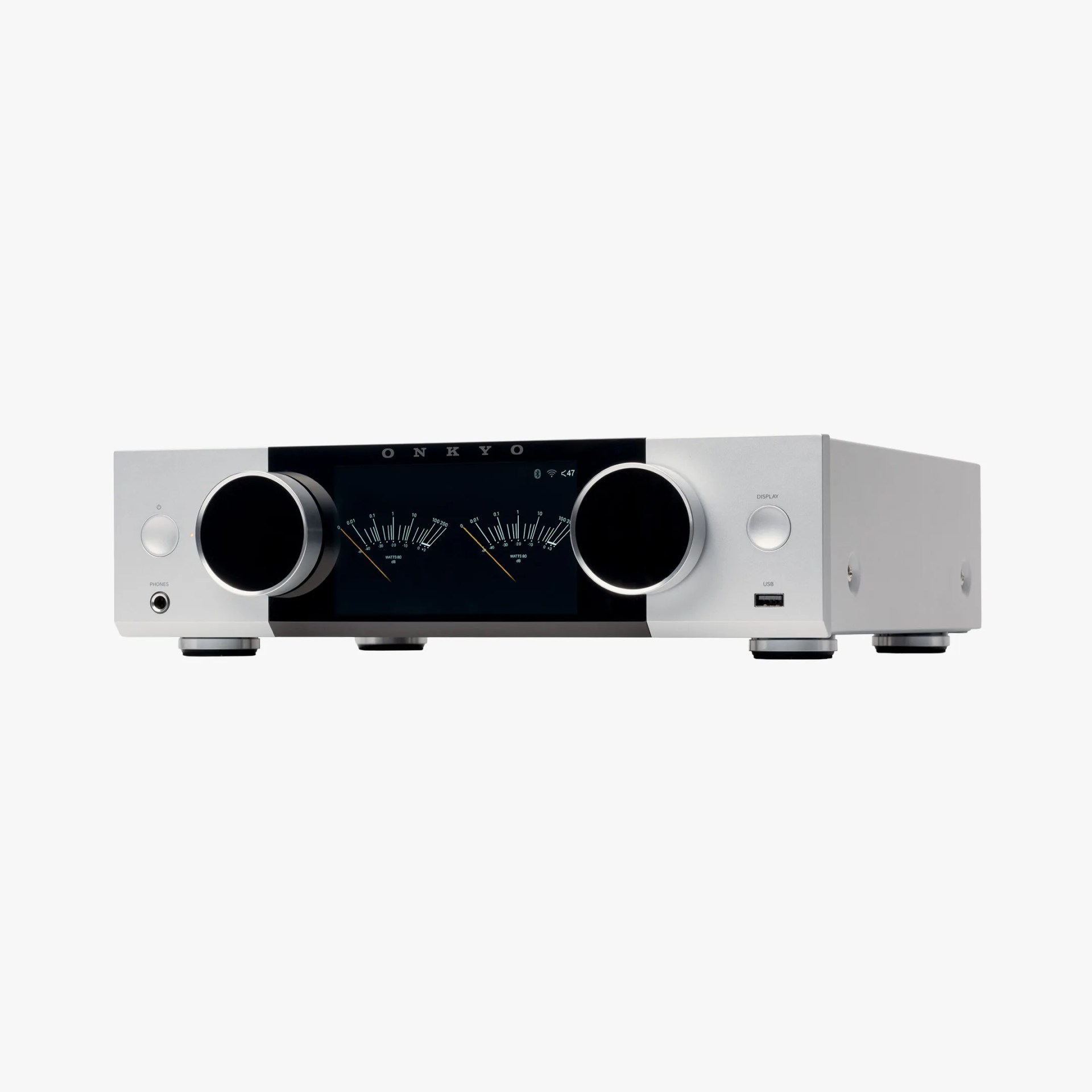 Onkyo
OnkyoOnkyo Muse Y-40
The Onkyo Muse Y-40 is an integrated amplifier with a fully digital circuit design, Class D amplification, a wealth of wired connections and support for high-resolution streaming over Wi-Fi. It’s designed as “just add speakers” hi-fi components. It’s essentially a scaled-back version of the flagship Y-50, as it delivers 150 watts (instead of 250 watts) per channel into 4 ohms.
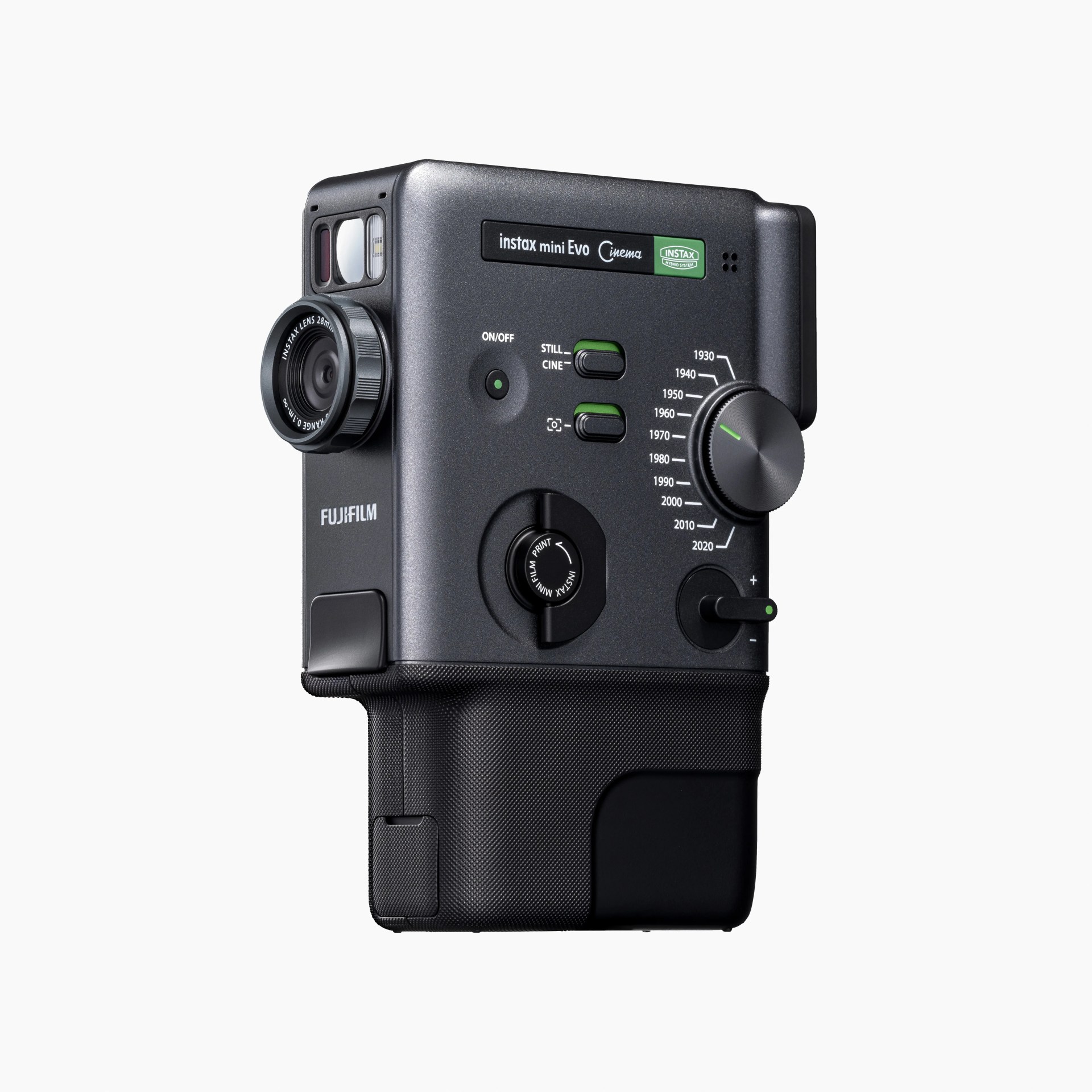 Fujifilm
Fujifilm Instax Mini Evo Cinema
Following the success of its wildly popular instant film cameras, Fujifilm has expanded the lineup with an all-new dual-purpose option called the Mini Evo Cinema. As such, even though the design was inspired by the Super 8 originally introduced in 1965, the camera is capable of shooting both still images and videos. In practice, this means that it not only prints physical Instax images but also converts captured video data into a shareable QR code. And, as if that wasn’t enough, Fuji has also included a handy “Direct Print Function” that allows for printing of smartphone images in Instax format. Initial release is limited to Japan.
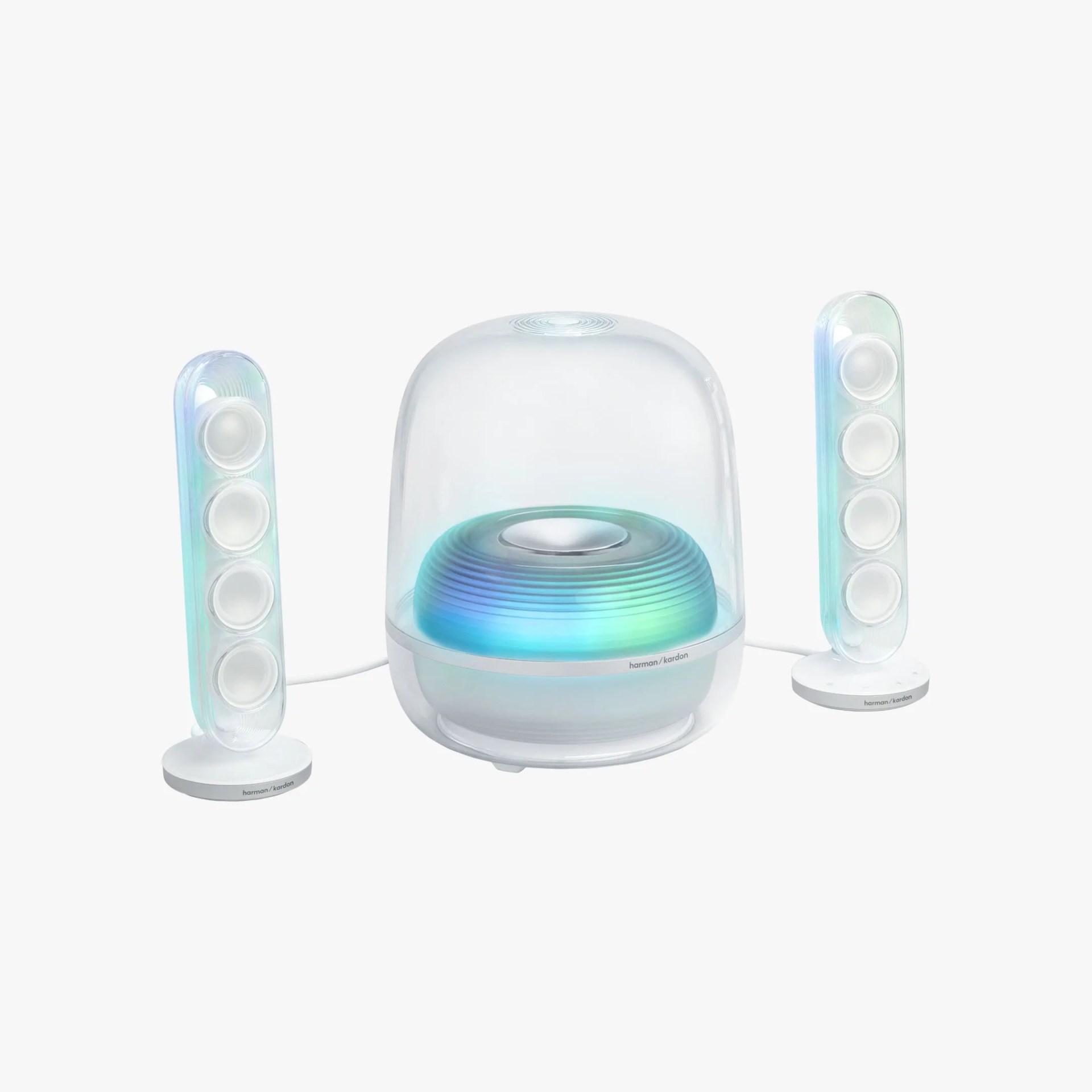 Harman Kardon
Harman Kardon SoundSticks 5 Wi-Fi
Harman Kardon’s SoundSticks is one of the most iconic and recognizable desktop speaker systems of all time. Originally released in the 2000s, the speaker-and-subwoofer combo has a futuristic, transparent design that earned it a place in the Museum of Modern Art (MoMA). And, because it was first developed with Apple’s Jony Ive, many consider it the desktop speaker system that Apple would’ve made. Now, Harmon Kardon has introduced a 5th-gen version that supports Wi-Fi streaming.
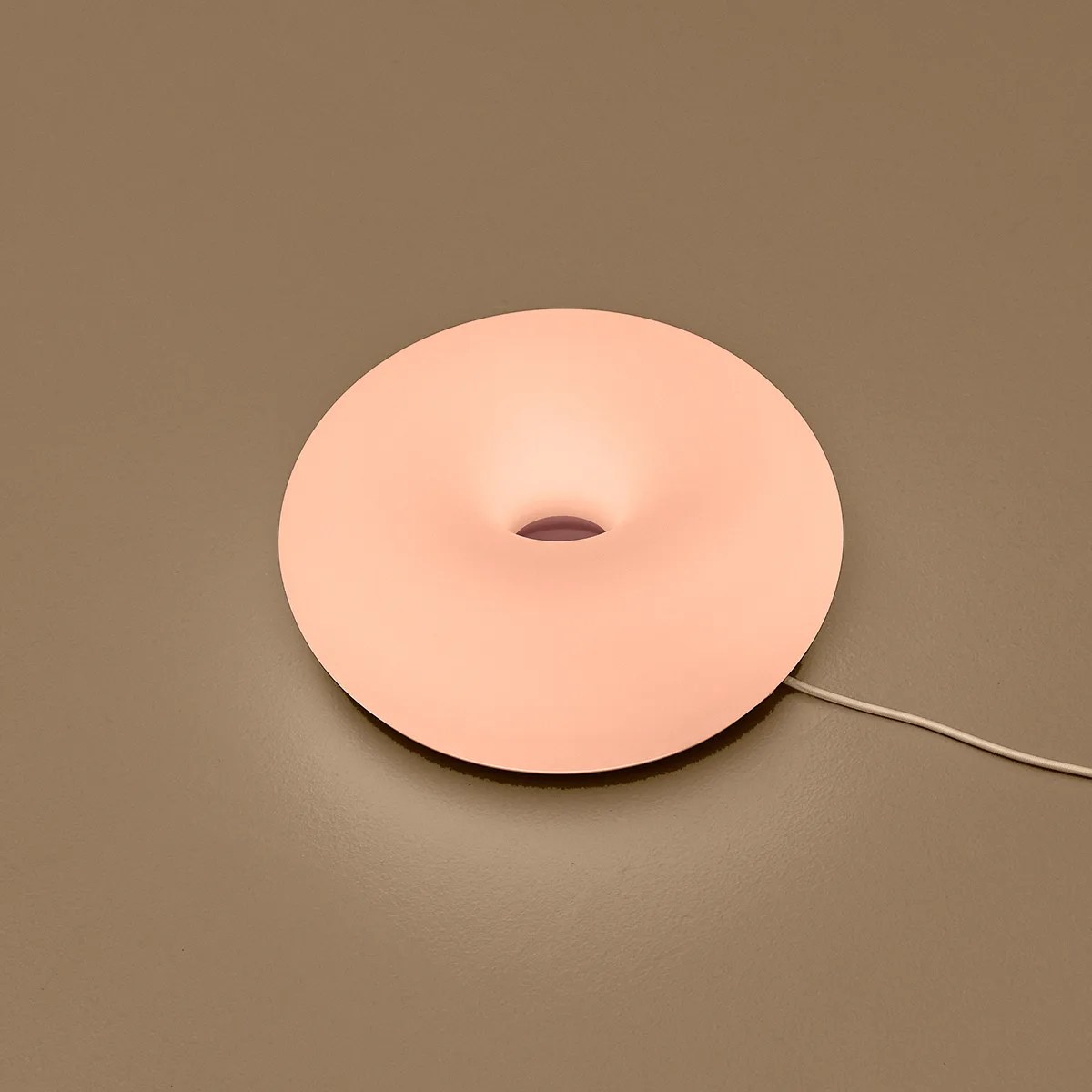 Ikea
IkeaIkea Varmblixt Smart LED Lamp
The smart version of Ikea’s viral Varmblixt donut lamp arrives with Matter-compatible smart functionality. Control the lamp using the included Bilresa remote to cycle through 12 preset colors curated by designer Sabine Marcelis, or connect it to the Ikea Home Smart app via a Dirigera hub for access to over 40 shades. The new design features a matte white glass surface that diffuses light from within, creating smooth color transitions that transform any room’s atmosphere with ease.
 Klipsch
Klipsch The Nines II
Klipsch’s The Nines II is a second-generation version of the brand’s 2023-released The Nines. Like before, it’s a large powered speaker system with a vintage-inspired design, but it’s upgraded with Onkyo’s electronics and amplification, Wi-Fi streaming capabilities, and support for Dolby Atmos and thus promises to be a better TV speaker system. (Klipsch also released gen-two versions of its smaller The Sevens and The Fives.)
 Fiio
FiioFiio M33 R2R
The Fiio M33 R2R is the brand’s mid-range portable hi-fi player — it sits below its flagship player, the M27, which costs $1,800. The M33 R2R features a 24-bit R2R resistor array, modern hardware and is capable of playing hi-res audio files up to 24-bit/384kHz. Its built-in amplifier delivers a total output of 2200 mW, enabling it to drive a wide range of headphones. According to the brand, it’s “designed for listeners who demand uncompromising sound quality, flexibility and performance.”
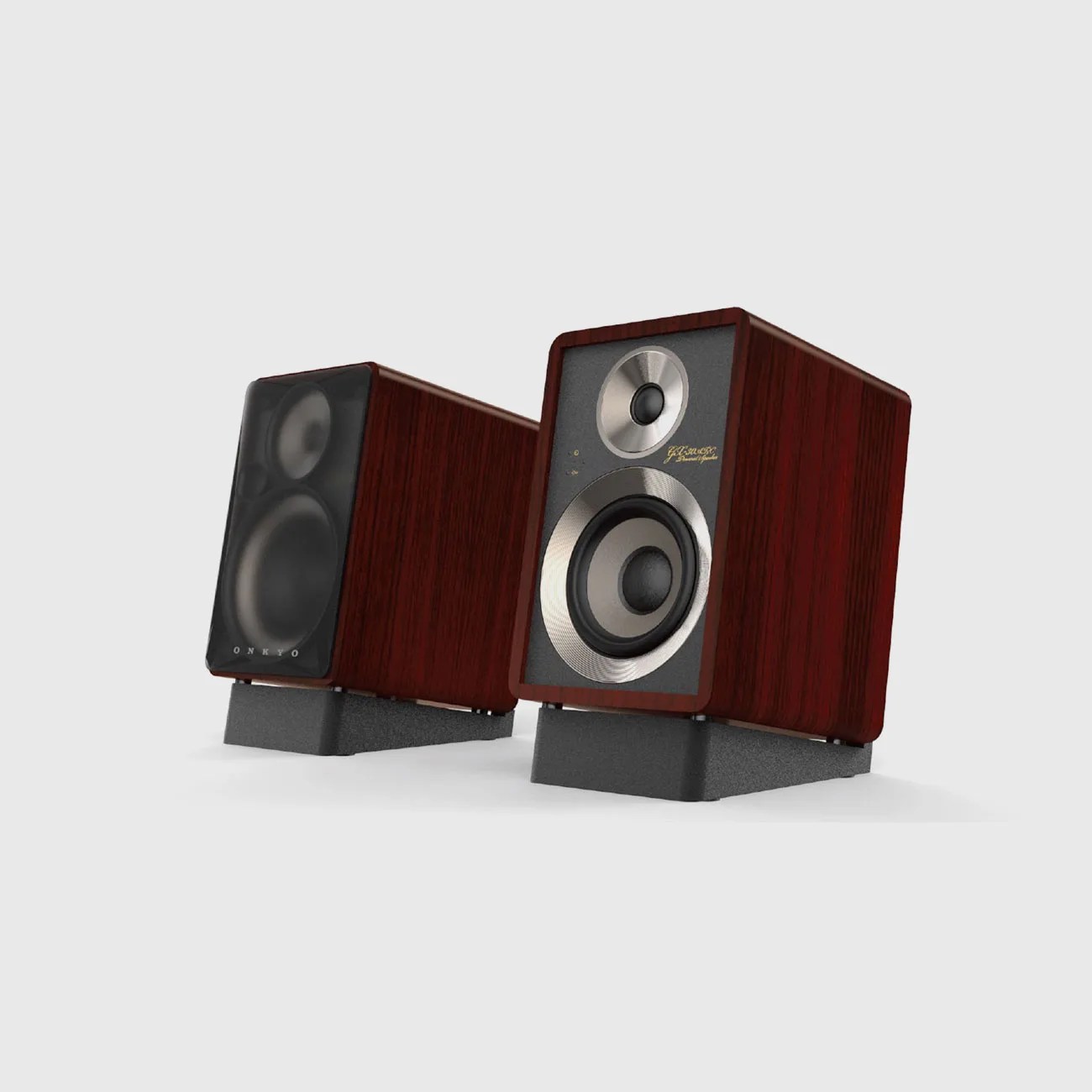 Onkyo
OnkyoOnkyo Creator Series GX-30 & GX-10 (80th Anniversary Editions)
As part of the Japanese brand’s 80th anniversary celebrations, Onkyo has introduced special-edition versions of its Creator Series powered speakers inspired by its D-200 bookshelf speakers, released in the late 1980s. Each speaker has PVC walnut cabinetry, silver trim rings and textured black baffles that, according to the brand, give it “a classic, furniture-like appeal.” Aside from aesthetics, they are the same desktop speakers that were released in 2025.
 LG
LGLG UltraGear GX7
The LG UltraGear GX7 is the brand’s fastest and brightest OLED gaming monitor to date. The 27-inch monitor integrates the brand’s RGB Tandem OLED technology, delivering 335 nits of brightness and a 540Hz refresh rate (when at QHD resolution, or 720Hz at hD). According to the brand, it’s “built for gamers who want every visual and competitive advantage.”
 HP
HPHP EliteBoard G1a Next Gen AI PC
HP’s latest desktop computer sports an AMD Ryzen AI 300 series processor with up to 50 TOPs NPU, a Radeon 800M graphics card, has an optional integrated 32W internal battery and can be affixed with a fingerprint scanner for additional security. However, none of that is specifically what makes it interesting. You see, all of this comes in the form of a keyboard. Yes, really. The entirety of the computer’s guts is built into a full-sized, spill-resistant keyboard, making it perfect for coworking spaces and dedicated offices alike. All you have to do is plug in a monitor and you’re good to go.
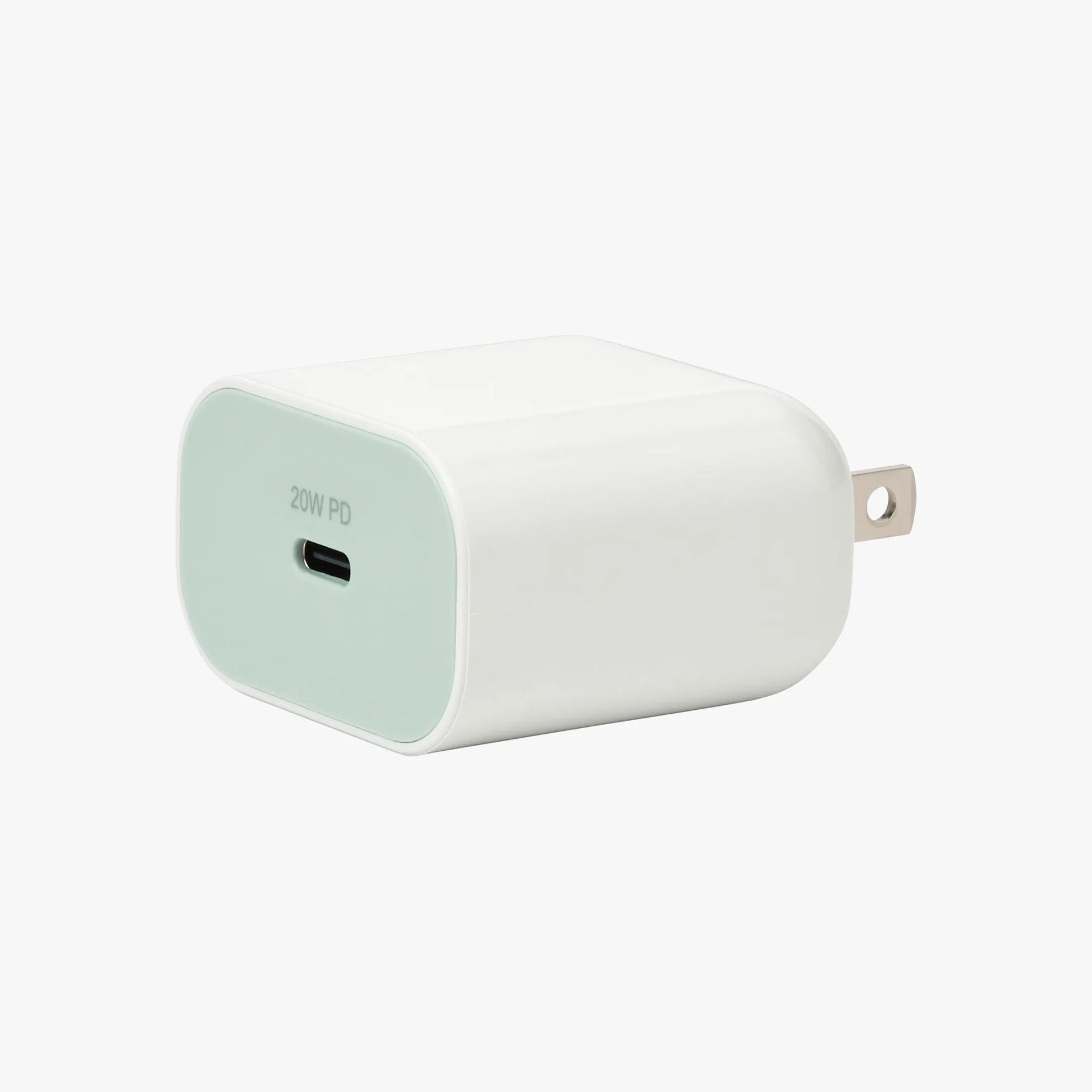 Ikea
IkeaIkea Sjöss 20W
The Sjöss 20W is the smallest and most affordable USB-C power adapter in Ikea’s Sjöss line. It’s a 20-watt adapter that supports Power Delivery (PD), enabling fast charging for smartphones and other small devices. Its headline feature is its price — at just $4, it’s a fraction of the cost of other 20-watt USB-C adapters yet promises the same performance.
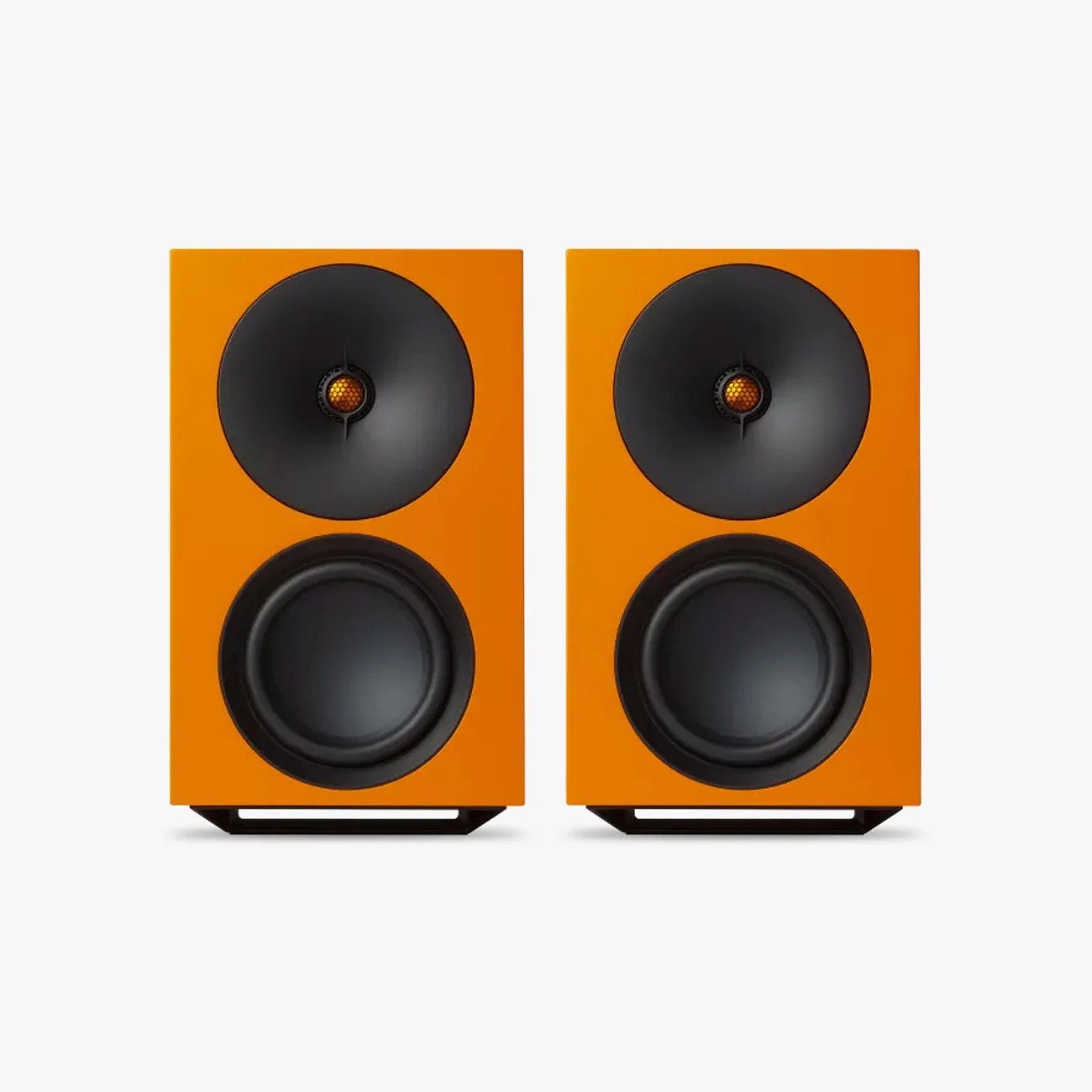 Cambridge Audio
Cambridge Audio L/R Series
Cambridge Audio’s L/R Series comprises three systems (from smallest to largest): the compact L/R S ($549), the mid-sized L/R M ($1,599), and the flagship L/R X ($2,299). Each is an active stereo speaker system with built-in streaming and comes in a range of colors. The two larger models share the most in common, as they have the same wired connections and support for Wi-Fi streaming. The smallest models lack the built-in phono stage and HDMI eARC inputs; they also only support Bluetooth streaming.
 Samsung
Samsung Music Studio 5 and 7
Samsung’s Music Studio 5 (pictured) and Music Studio 7 are wireless powered speakers that support streaming over Wi-Fi. The smaller of the two, the Music Studio 5, looks quite similar to Ikea’s recently released Nattbad Bluetooth speaker. It features a 4-inch woofer and dual tweeters, and supports Bluetooth streaming as well. The larger Music Studio 7 looks more like a bookshelf speaker and supports higher-resolution streaming (up to 24-bit/96kHz). It can also wirelessly sync with Samsung’s latest TVs (via its Q-Symphony technology) and be used as TV speakers. Pricing and availability info have not yet been released.
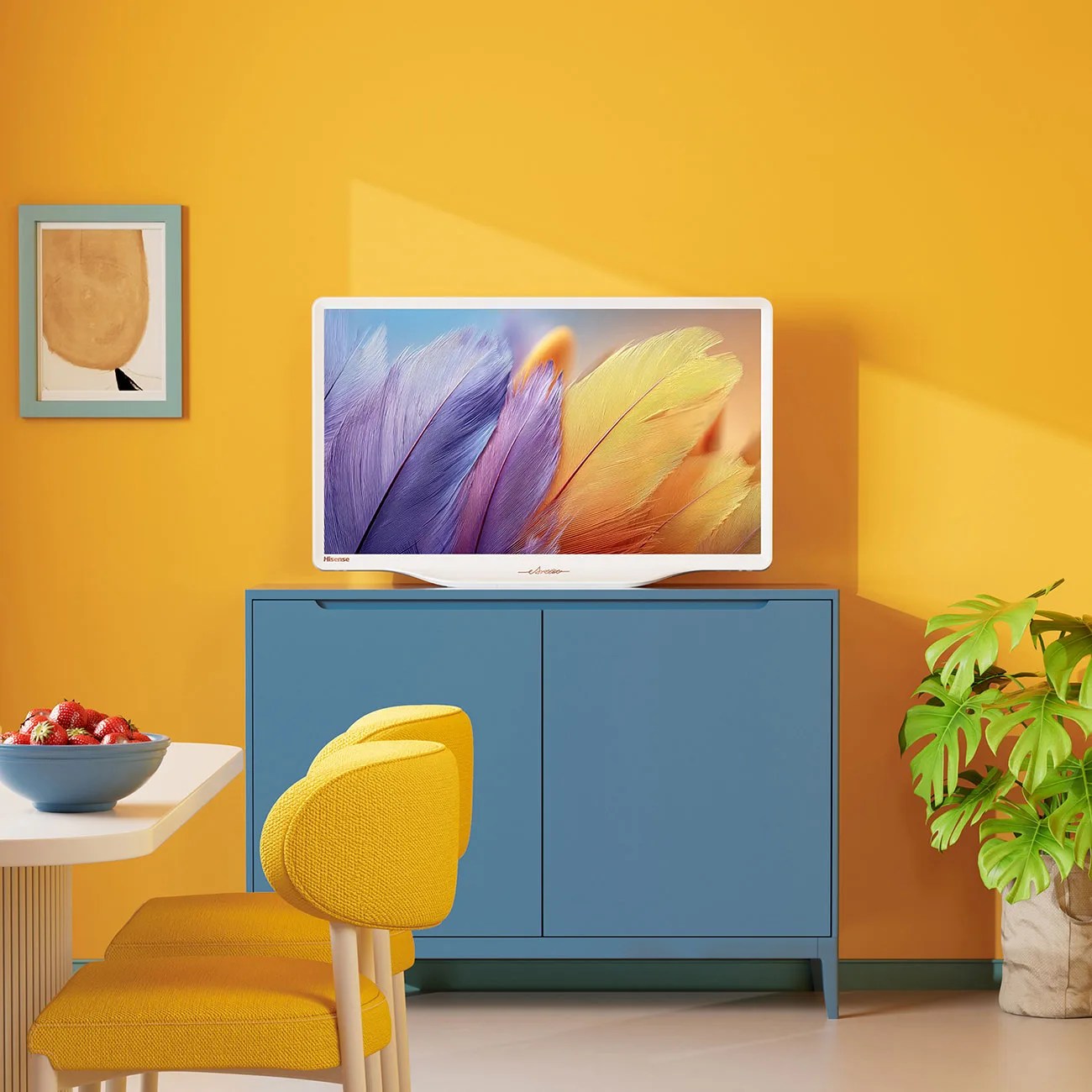 Hisense
Hisense S5 DécoTV
Hisense is bucking the big-screen trend by introducing the S5 DécoTV, a 32-inch “lifestyle” TV designed to fit in smaller or secondary rooms. It’s a Full HD display that supports the brand’s Hi-QLED Color technology, delivering a bright, vibrant picture. It is integrated with Amazon’s Fire TV and, via its remote, supports Alexa commands. It also supports Apple AirPlay and HomeKit, making it a good fit for those with Apple devices.
-
$300 (17% off)
 Samsung
Samsung Micro RGB TVs (2026)
Last year, Samsung introduced its first purchasable Micro RGB TV. At 115 inches, it was absolutely massive. And at $30,000, it was well out of pretty much everybody’s price range. Fast forward a year and Samsung is bringing this advanced backlit technology to the masses, as its 2026 lineup of Micro RGB TVs will be available in 55-, 65-, 75-, 85-, 100- and 115-inch models. More details (including price and availability) will be revealed in a few weeks at CES 2026.
Read More


Want to stay up to date on the latest product news and releases? Add Gear Patrol as a preferred source to ensure our independent journalism makes it to the top of your Google search results.