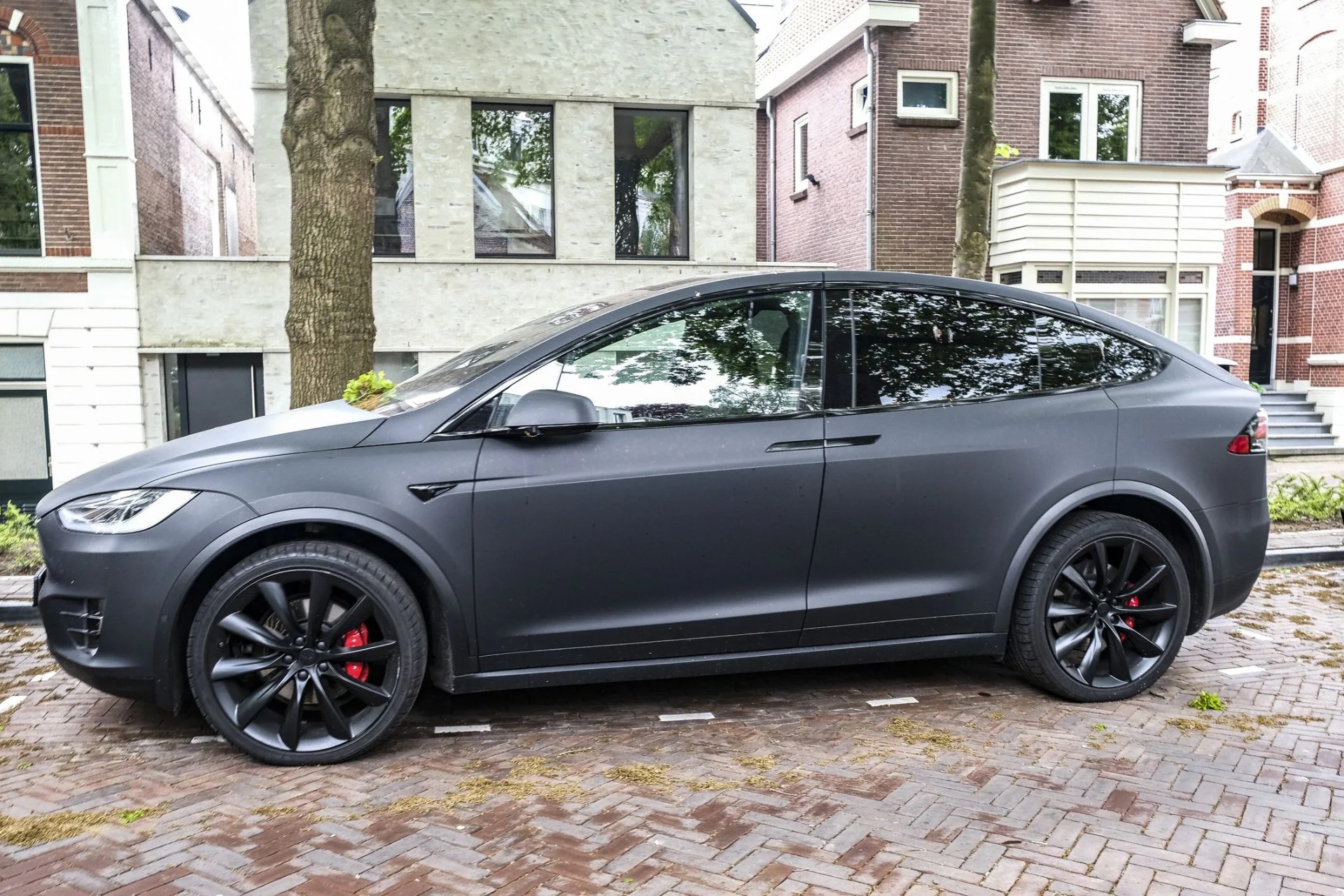
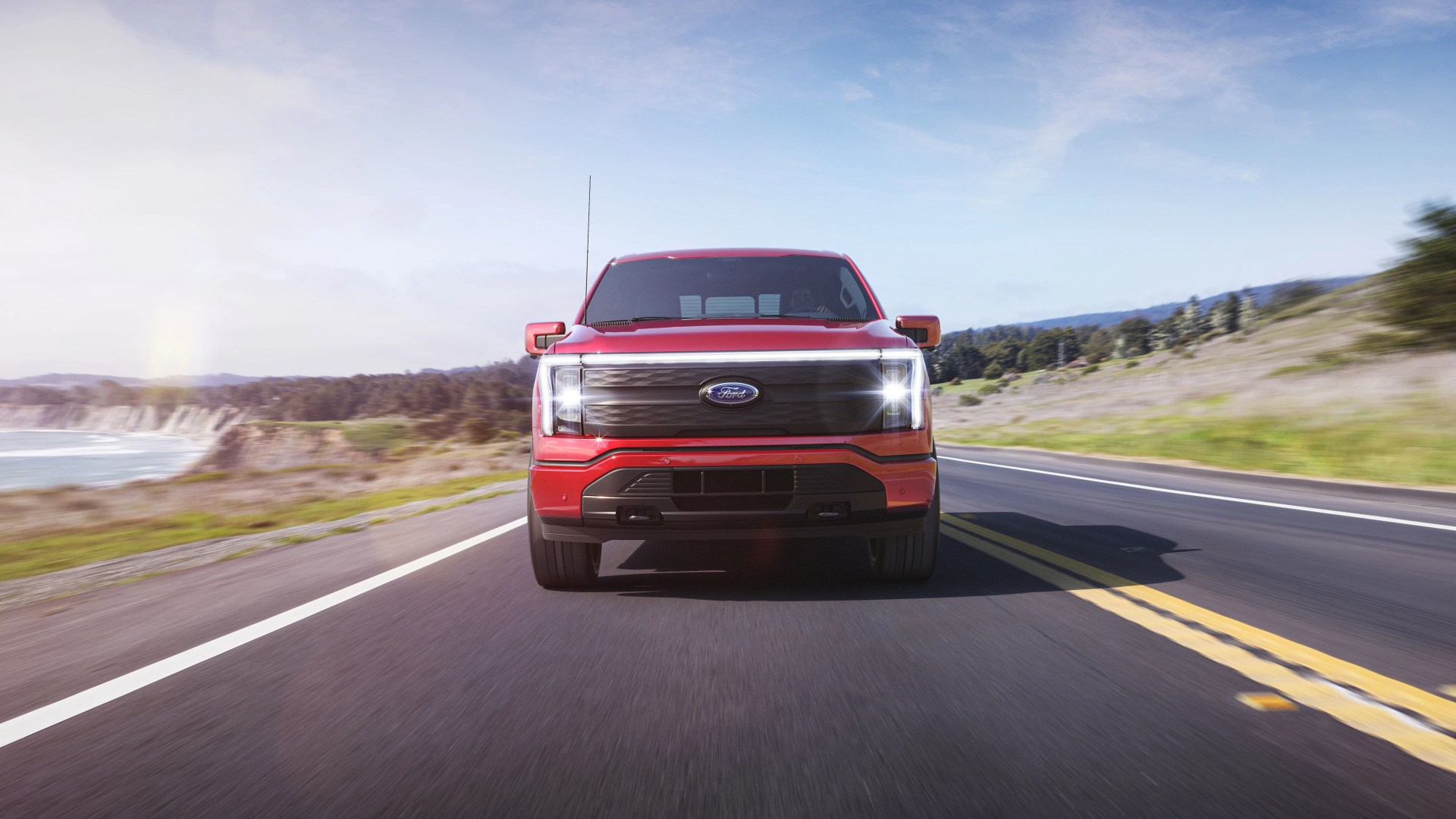
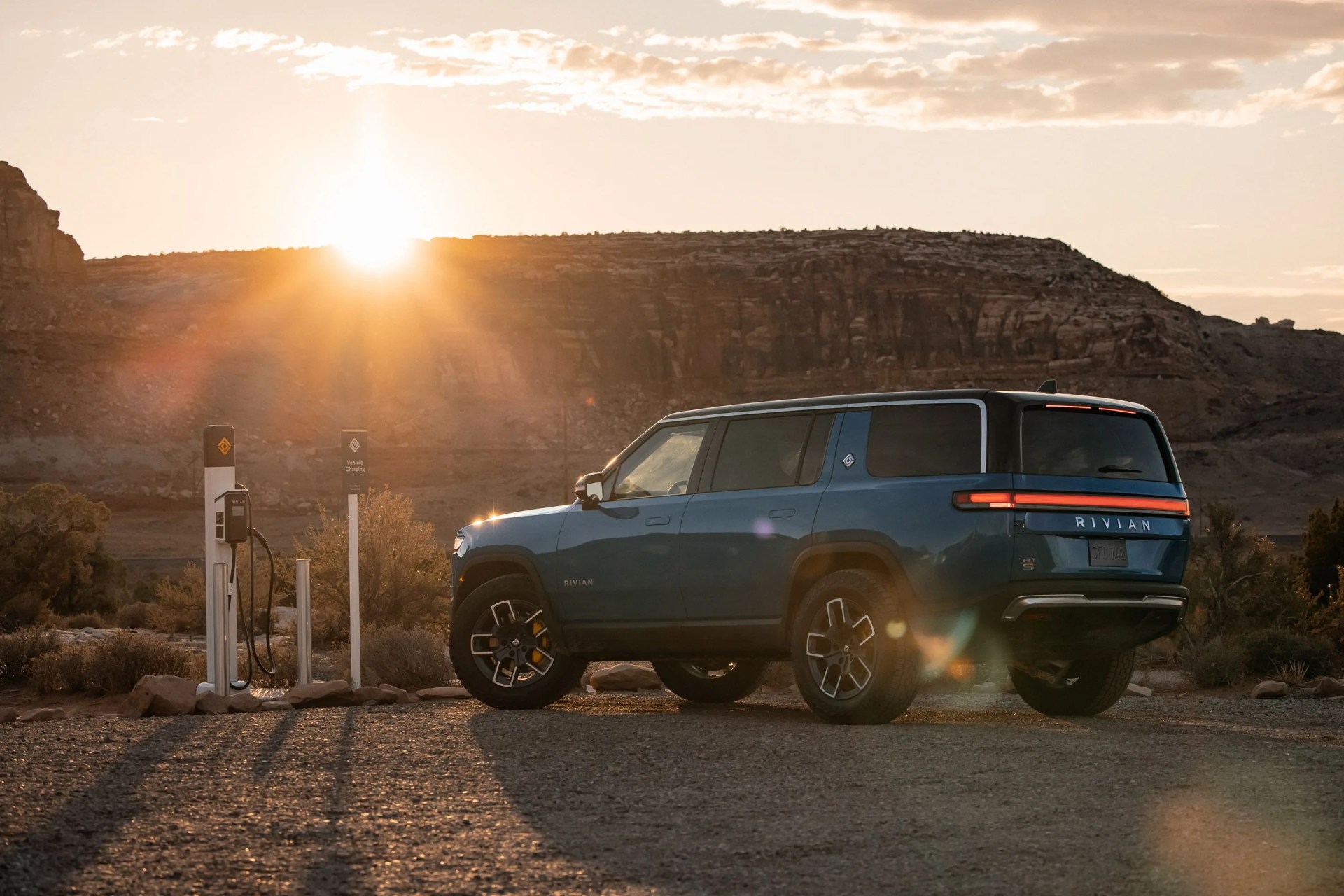
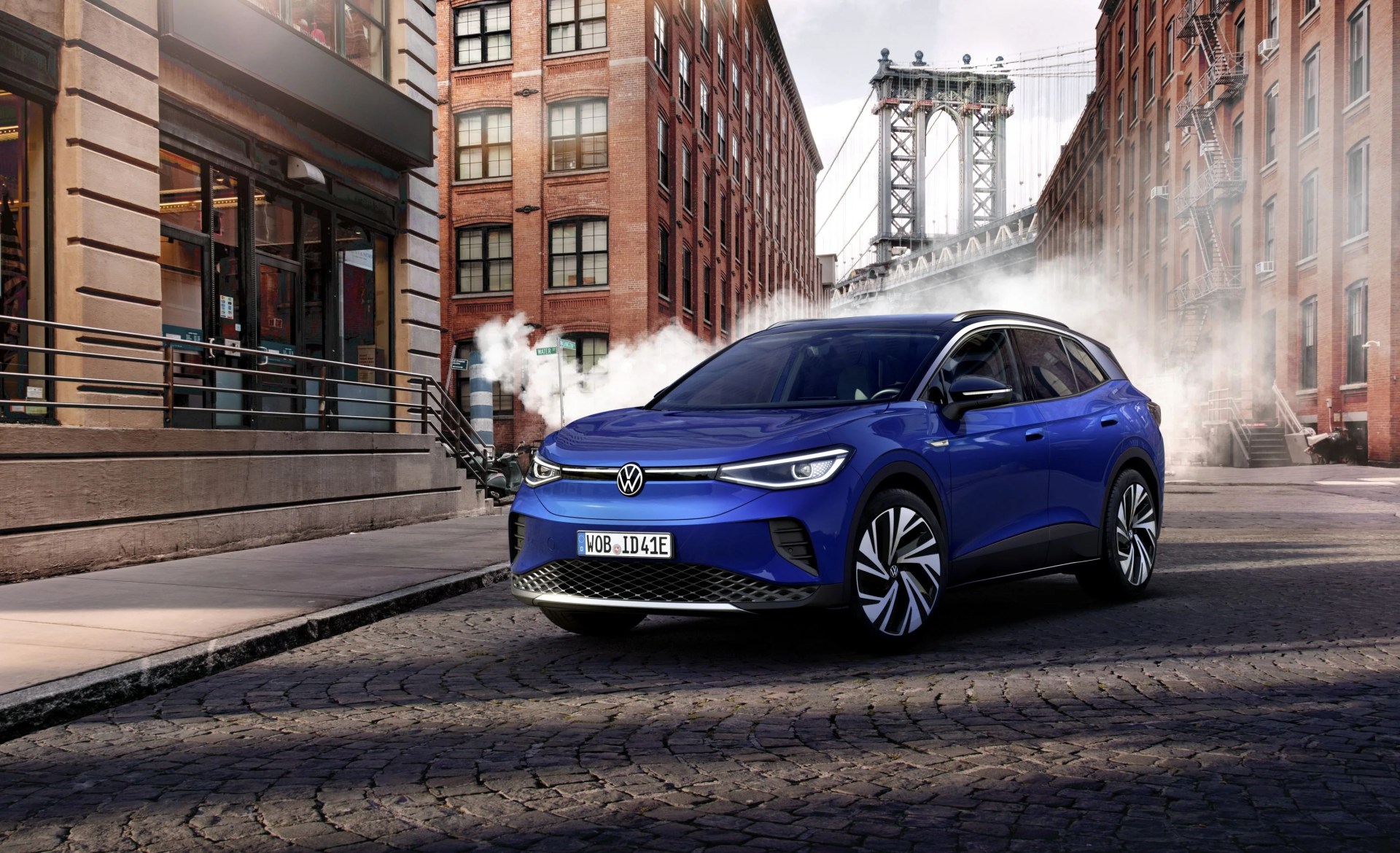
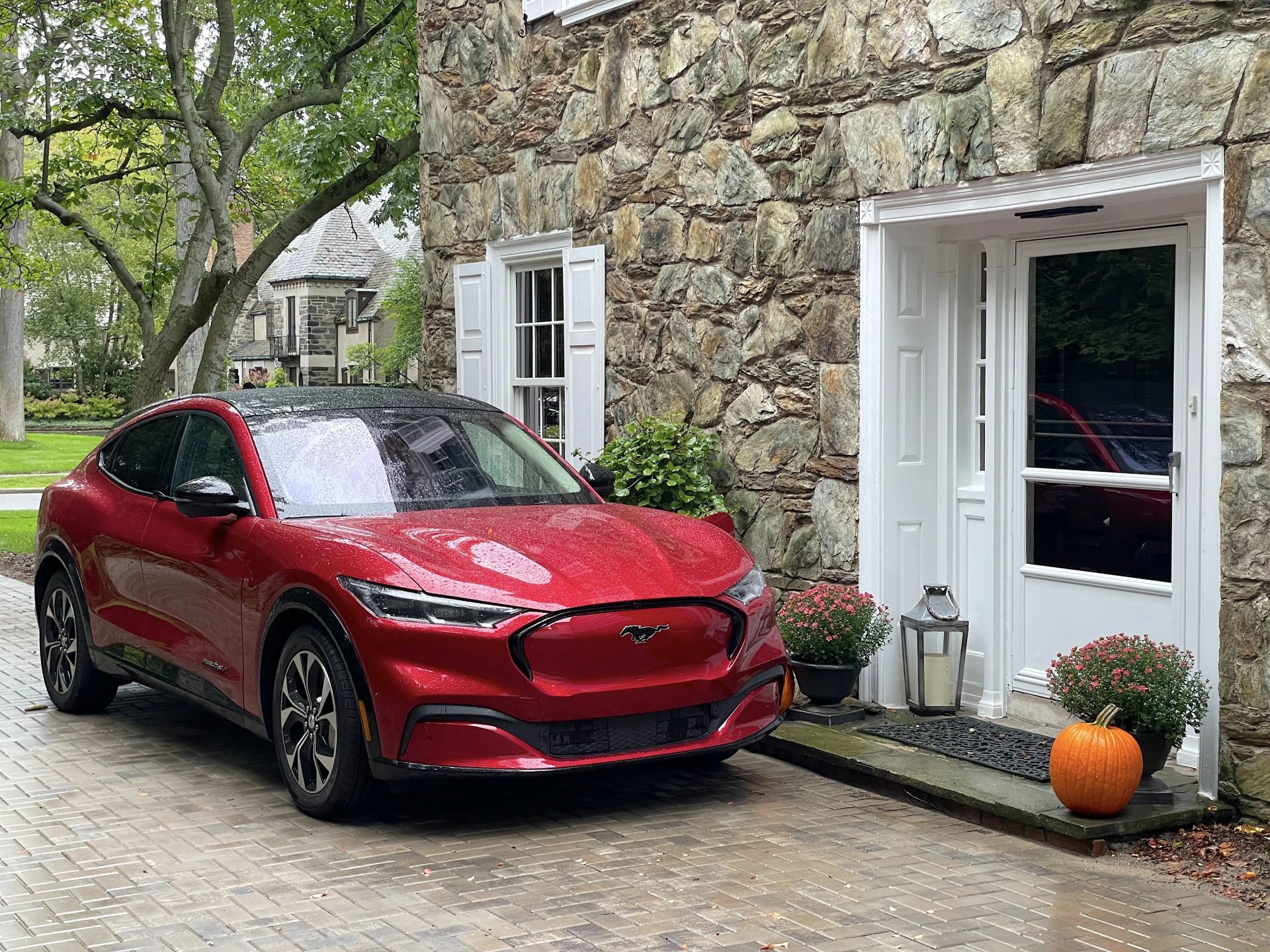
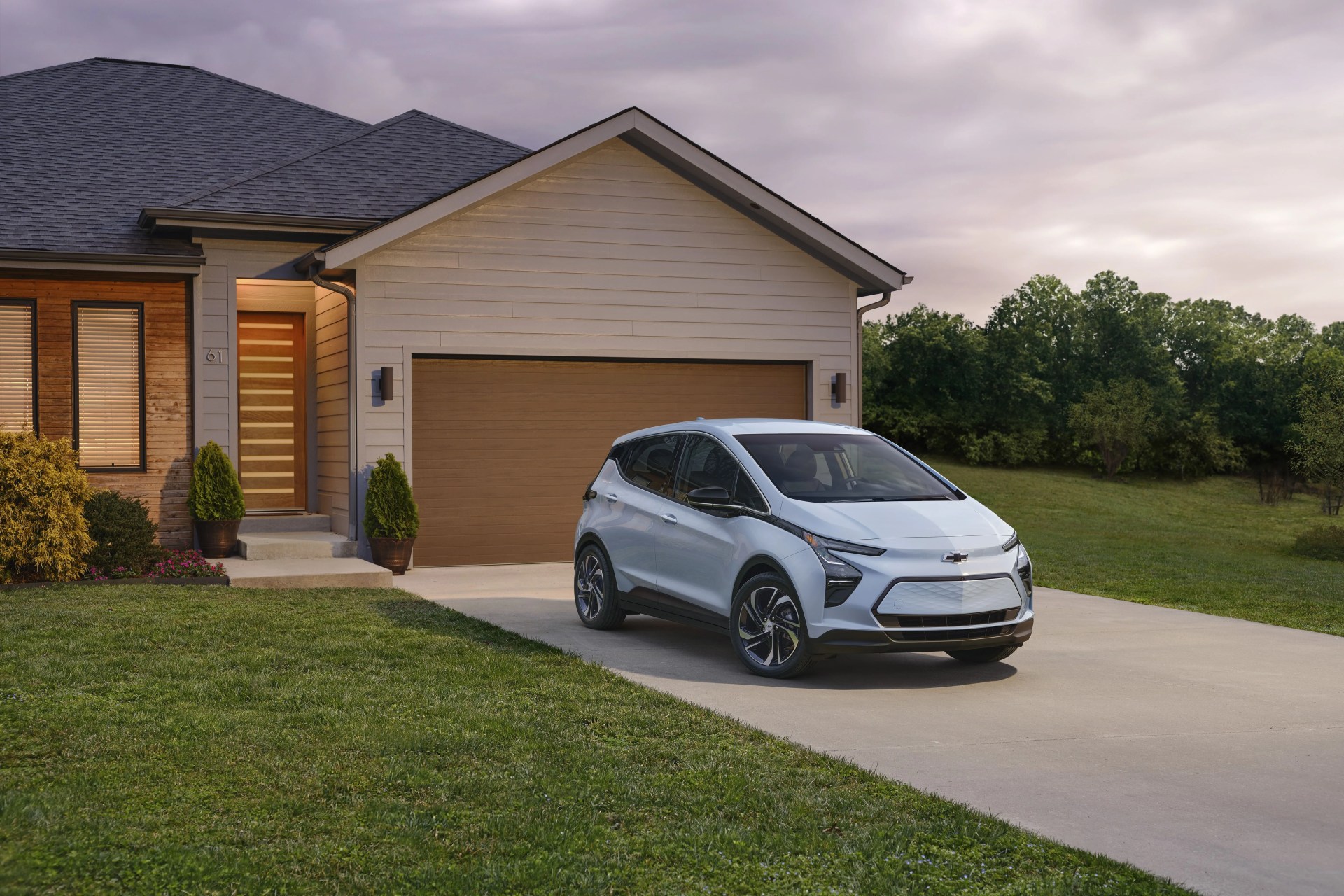
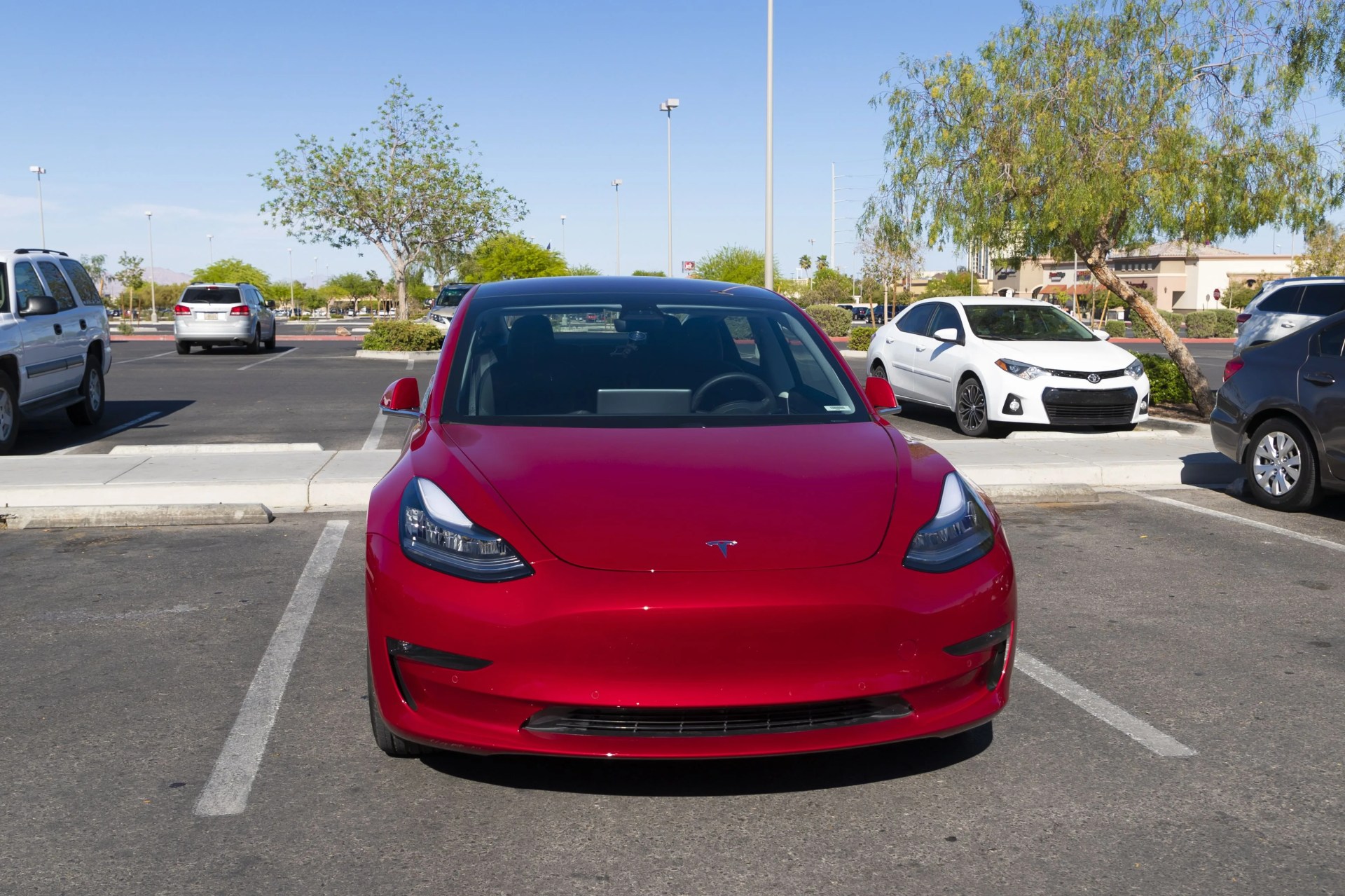
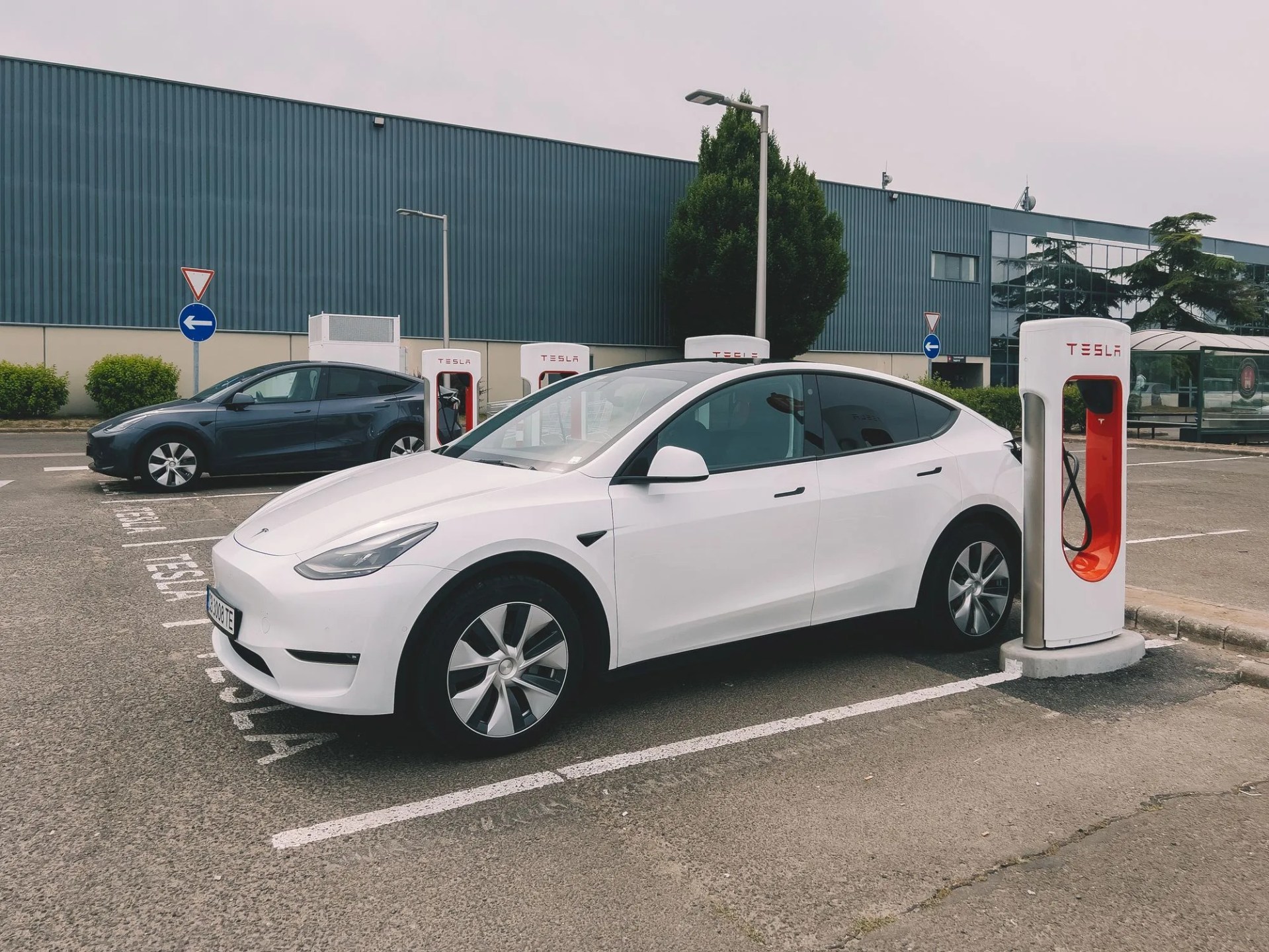
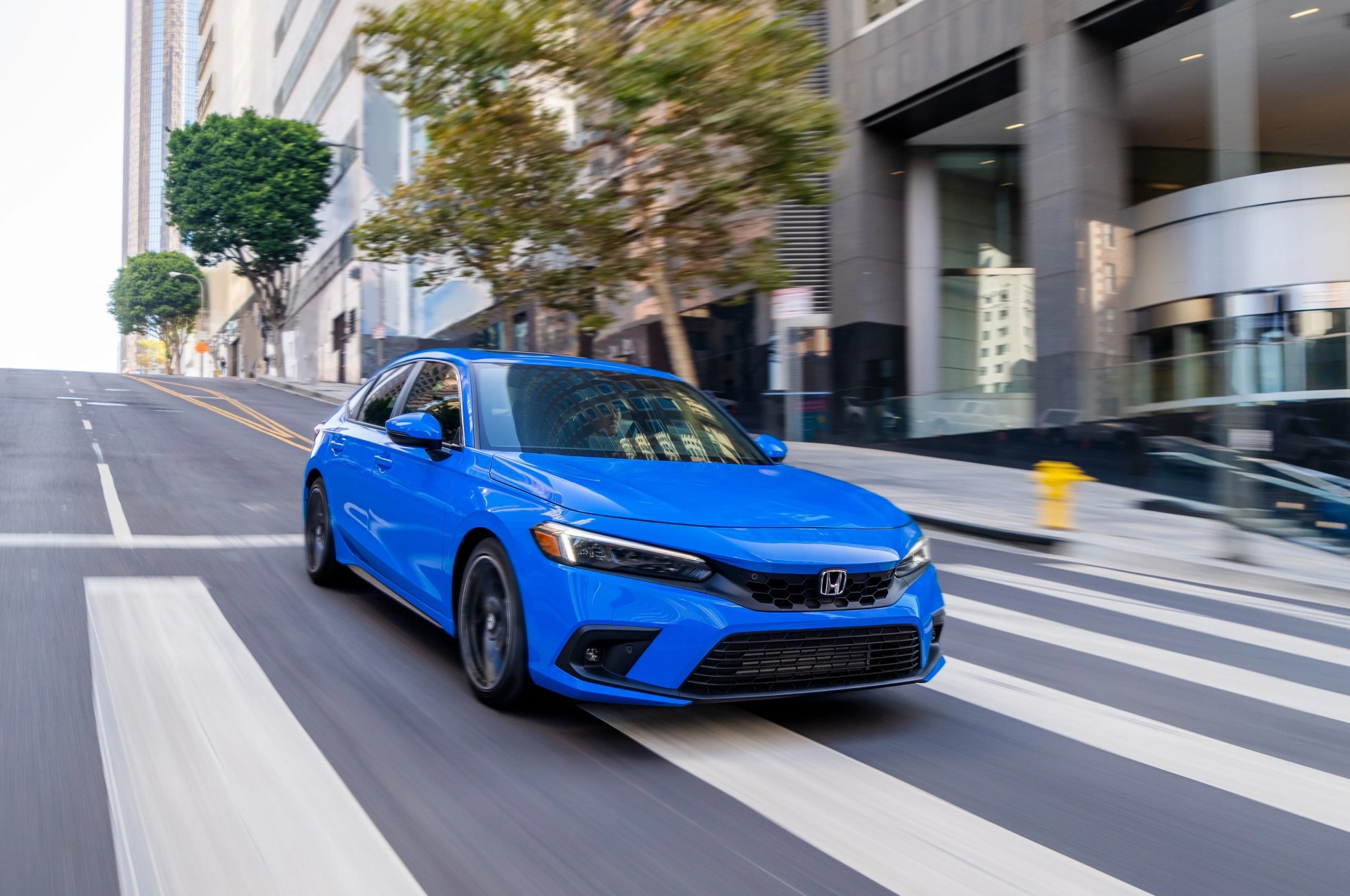
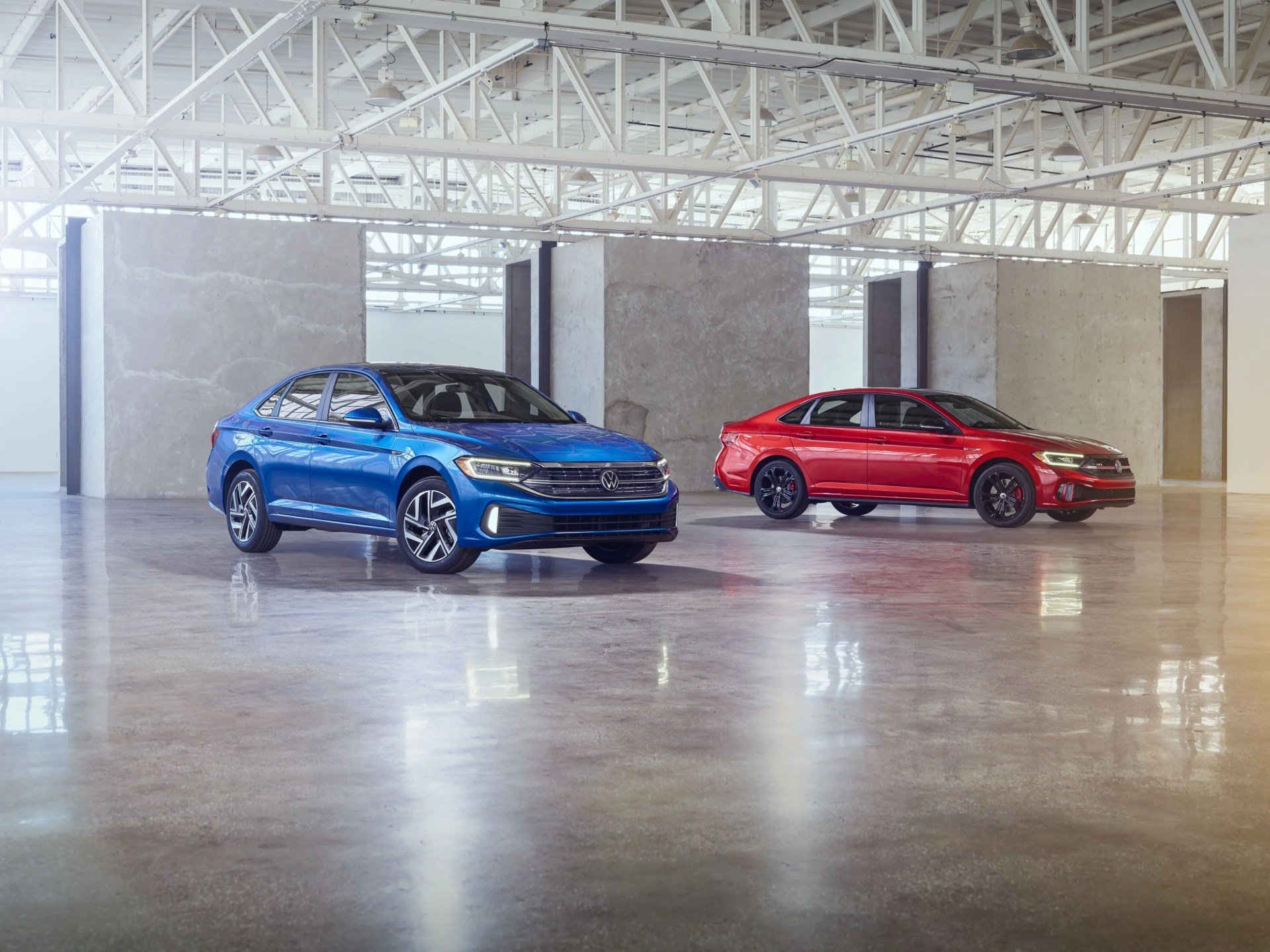
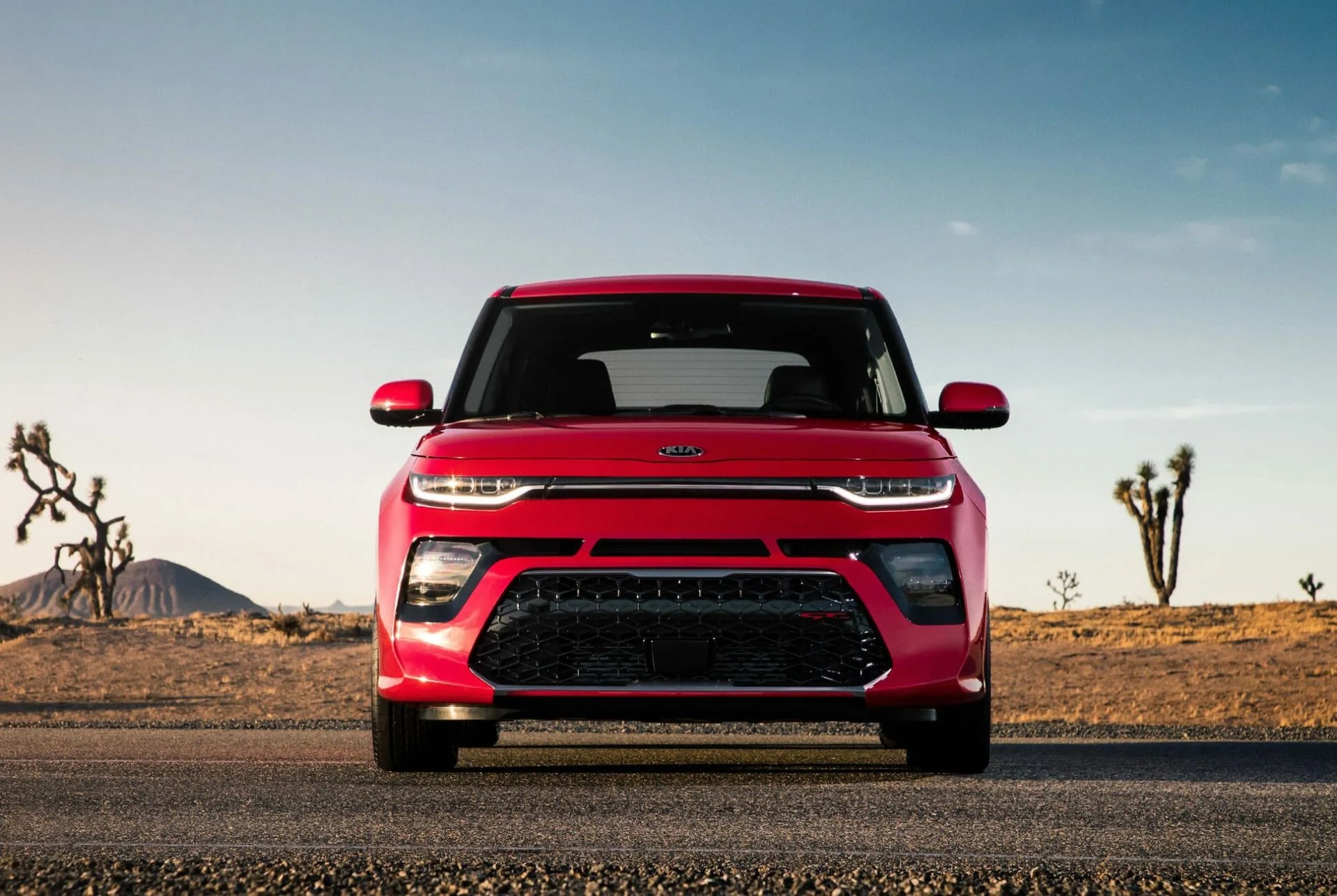
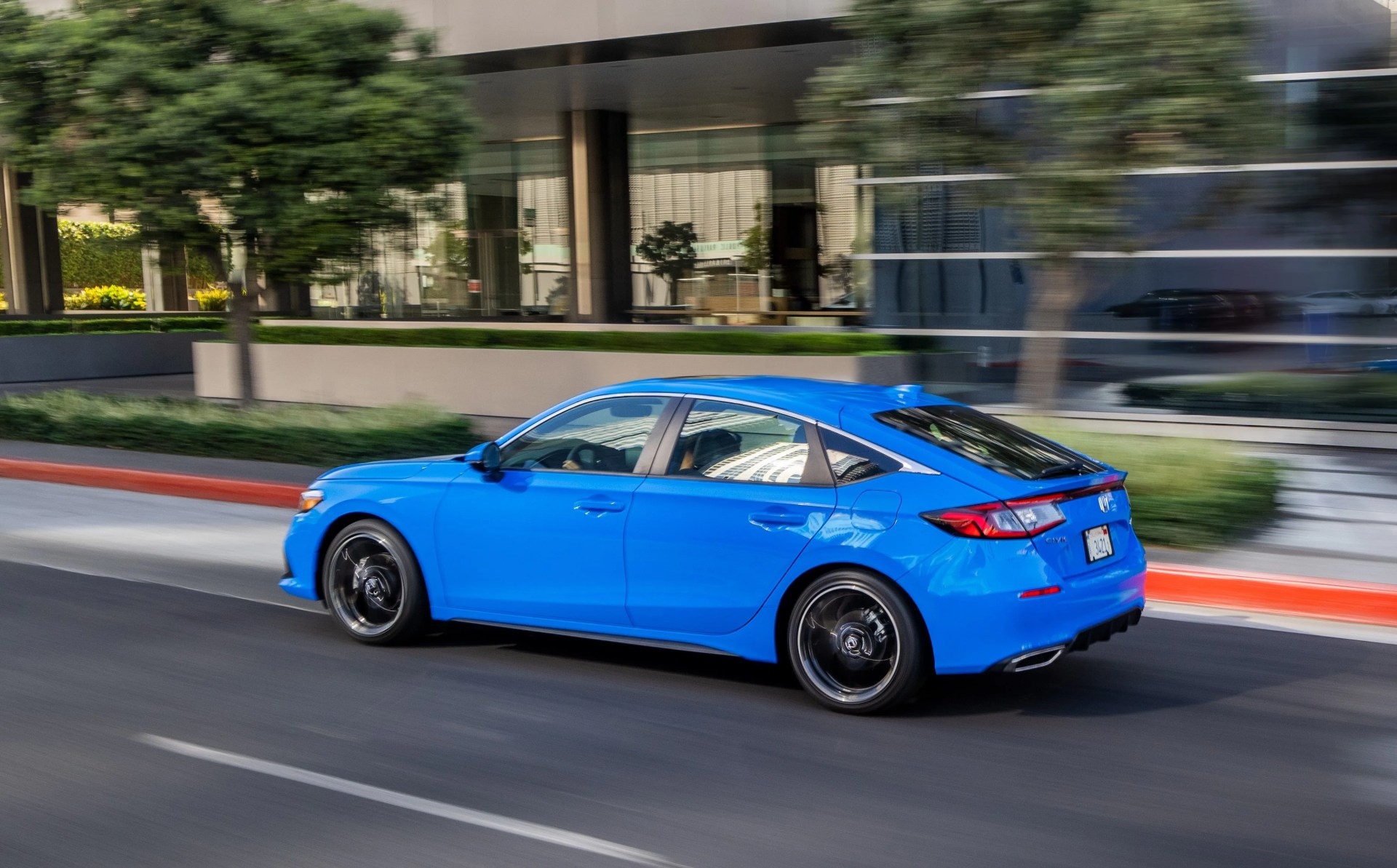
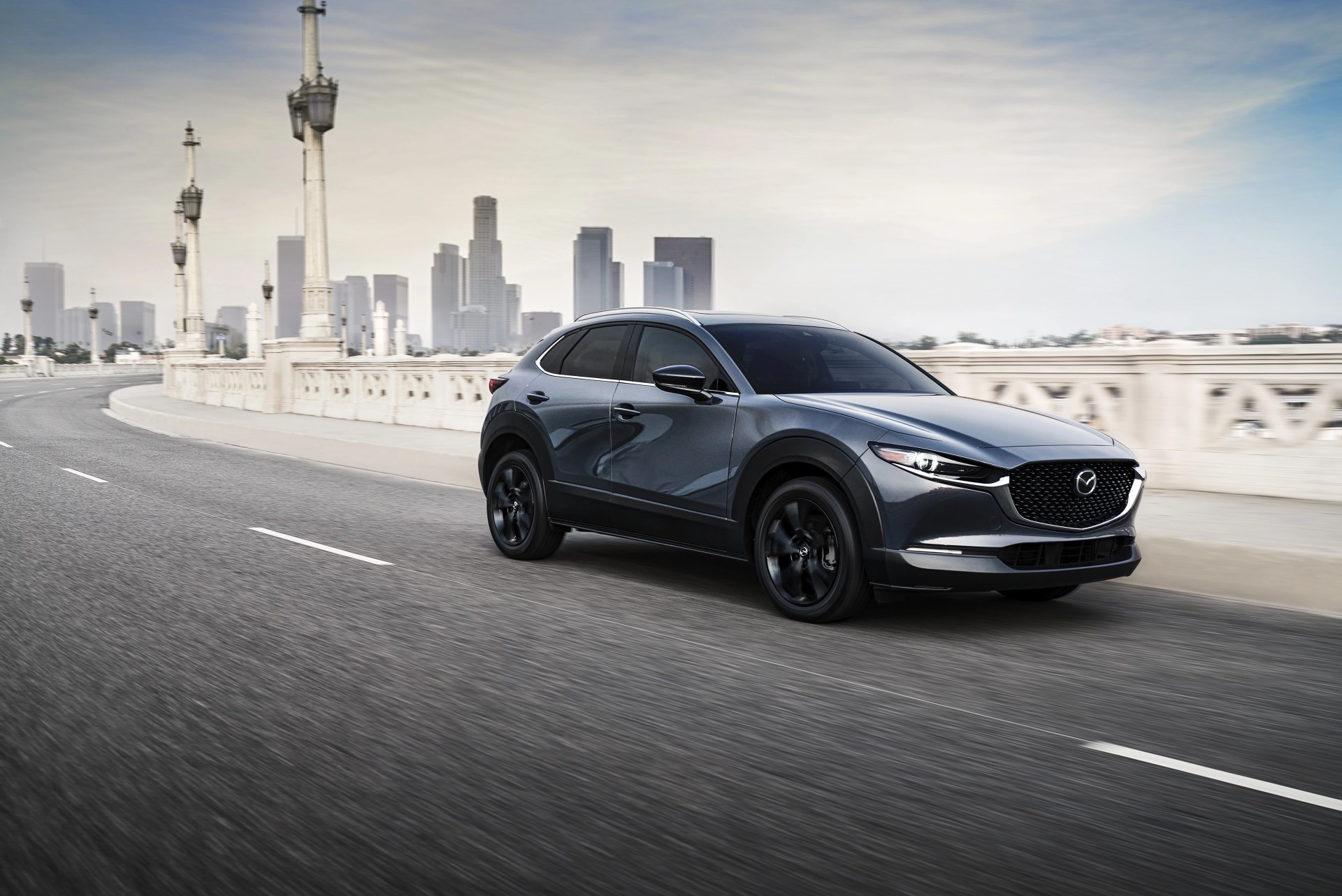
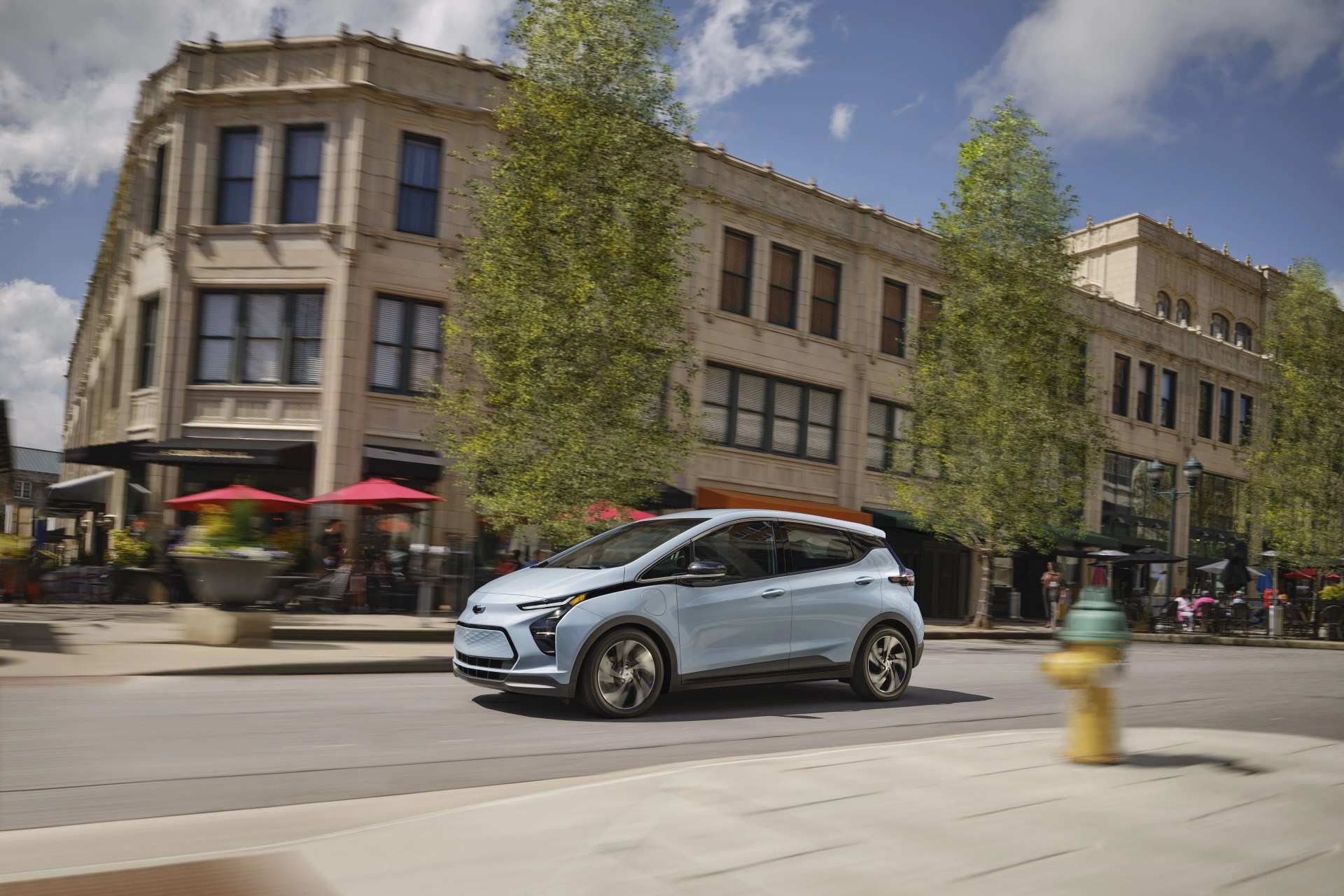
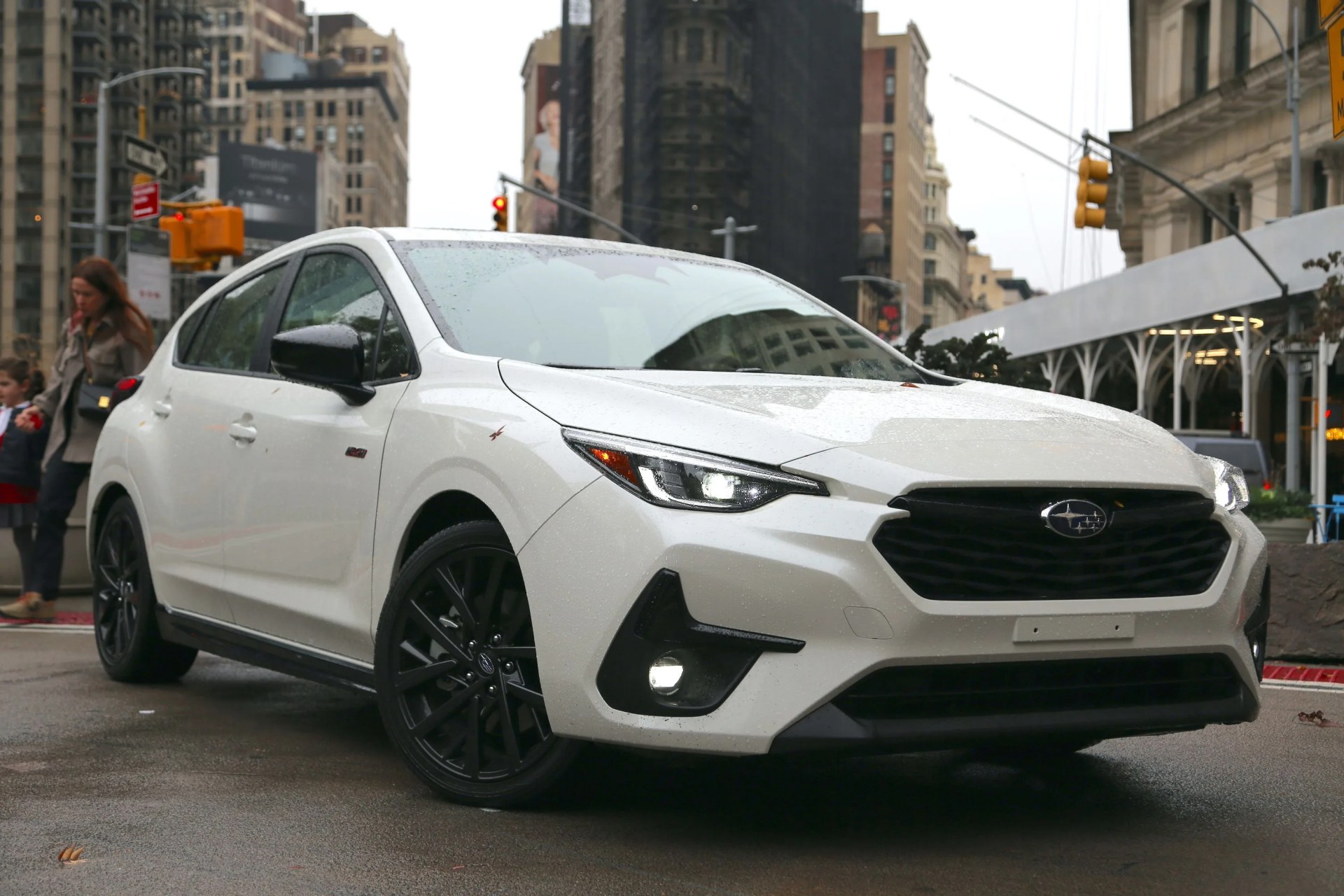
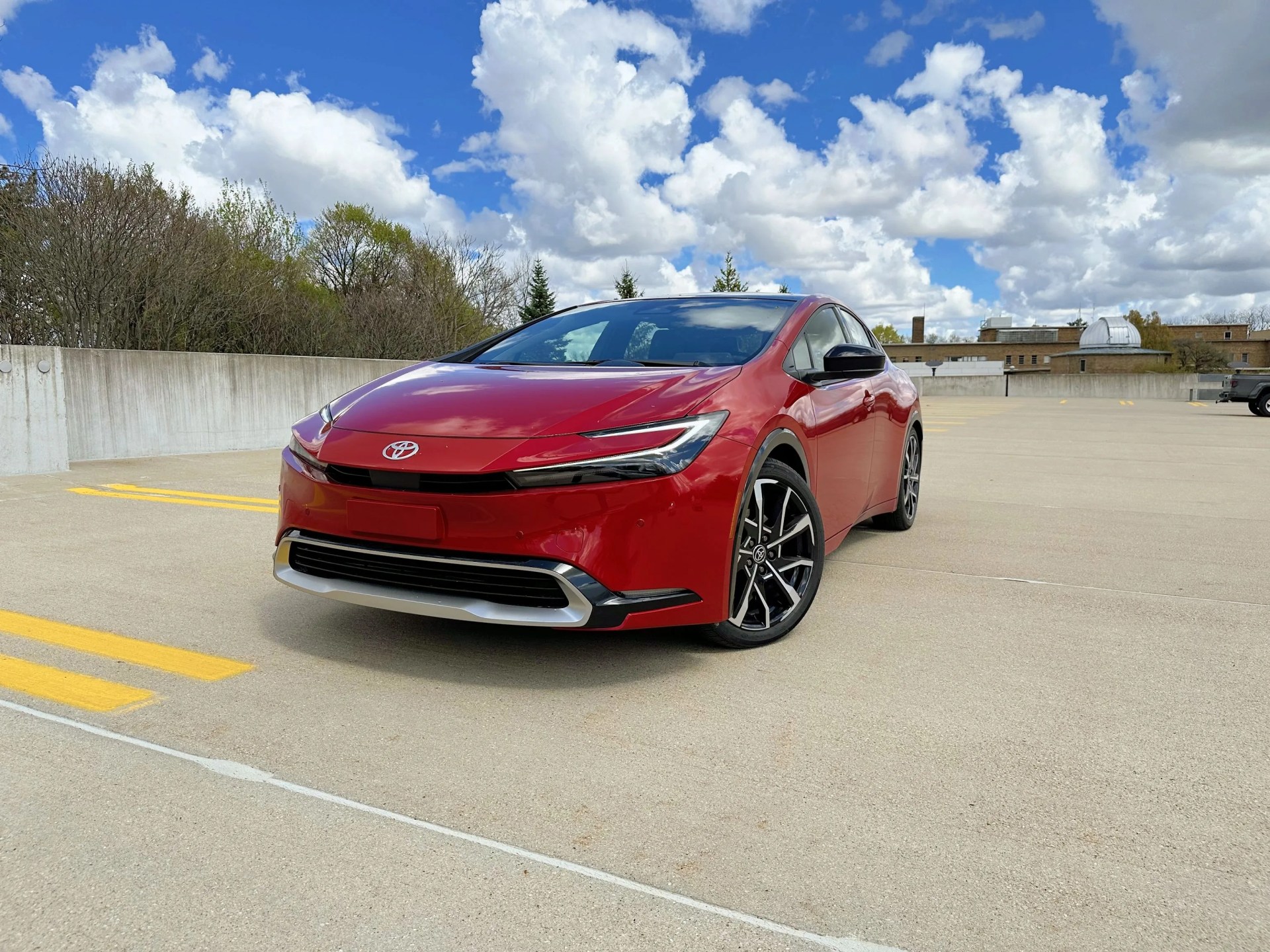
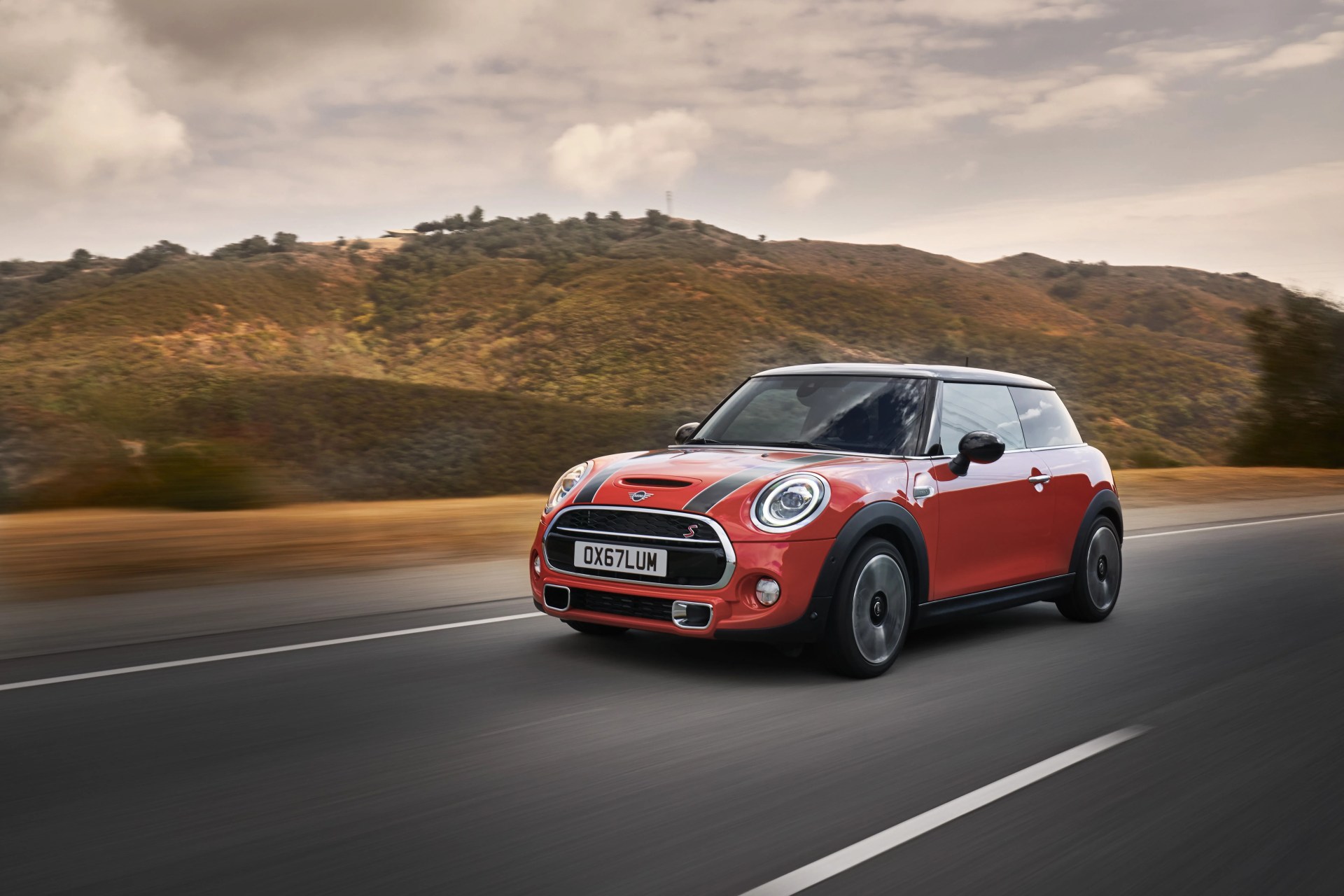
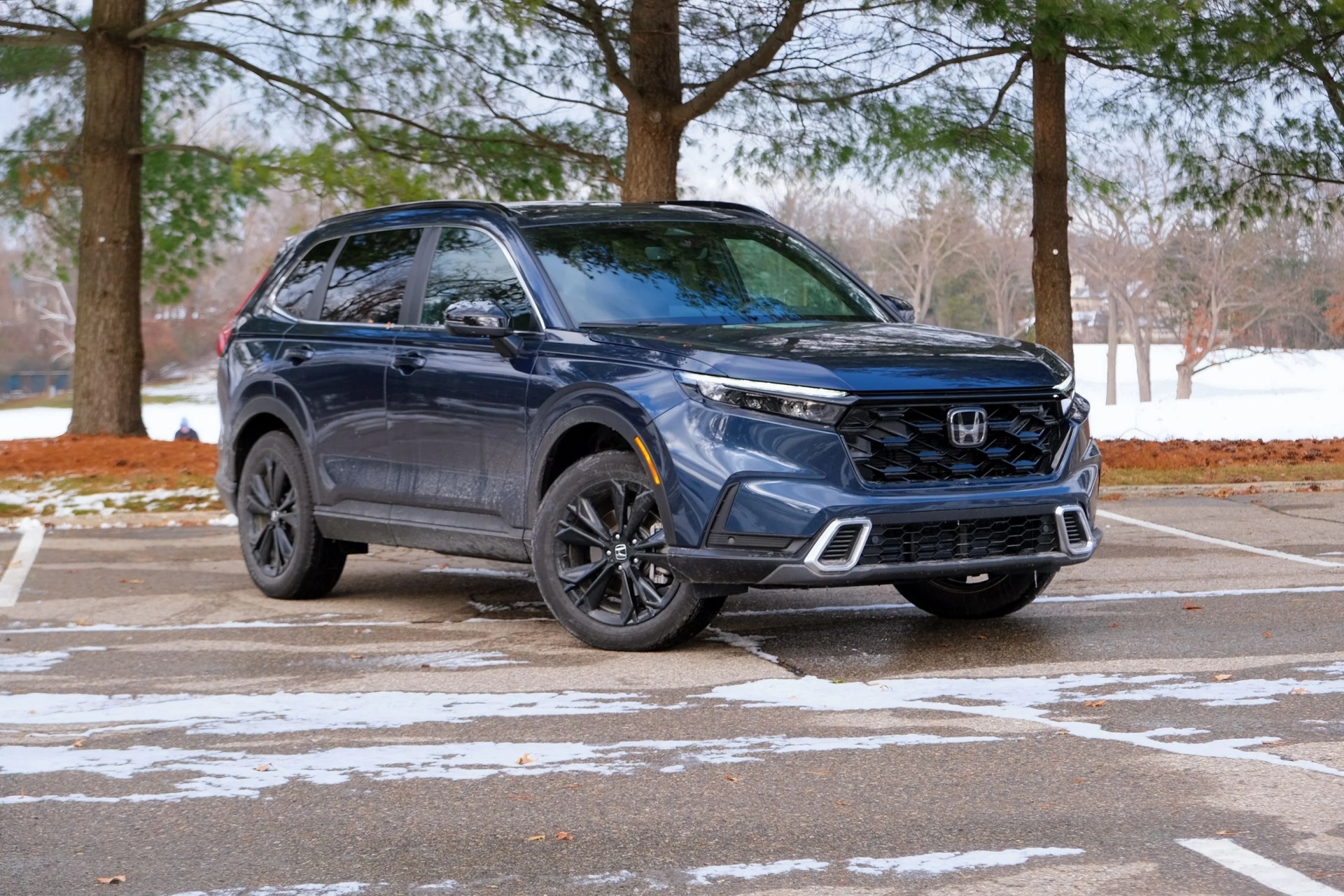
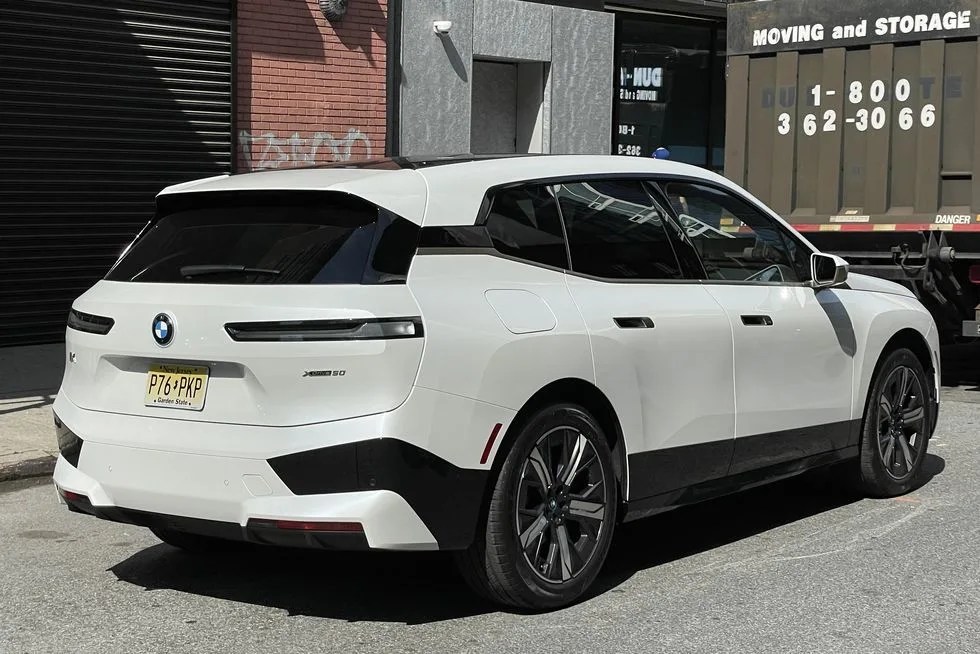
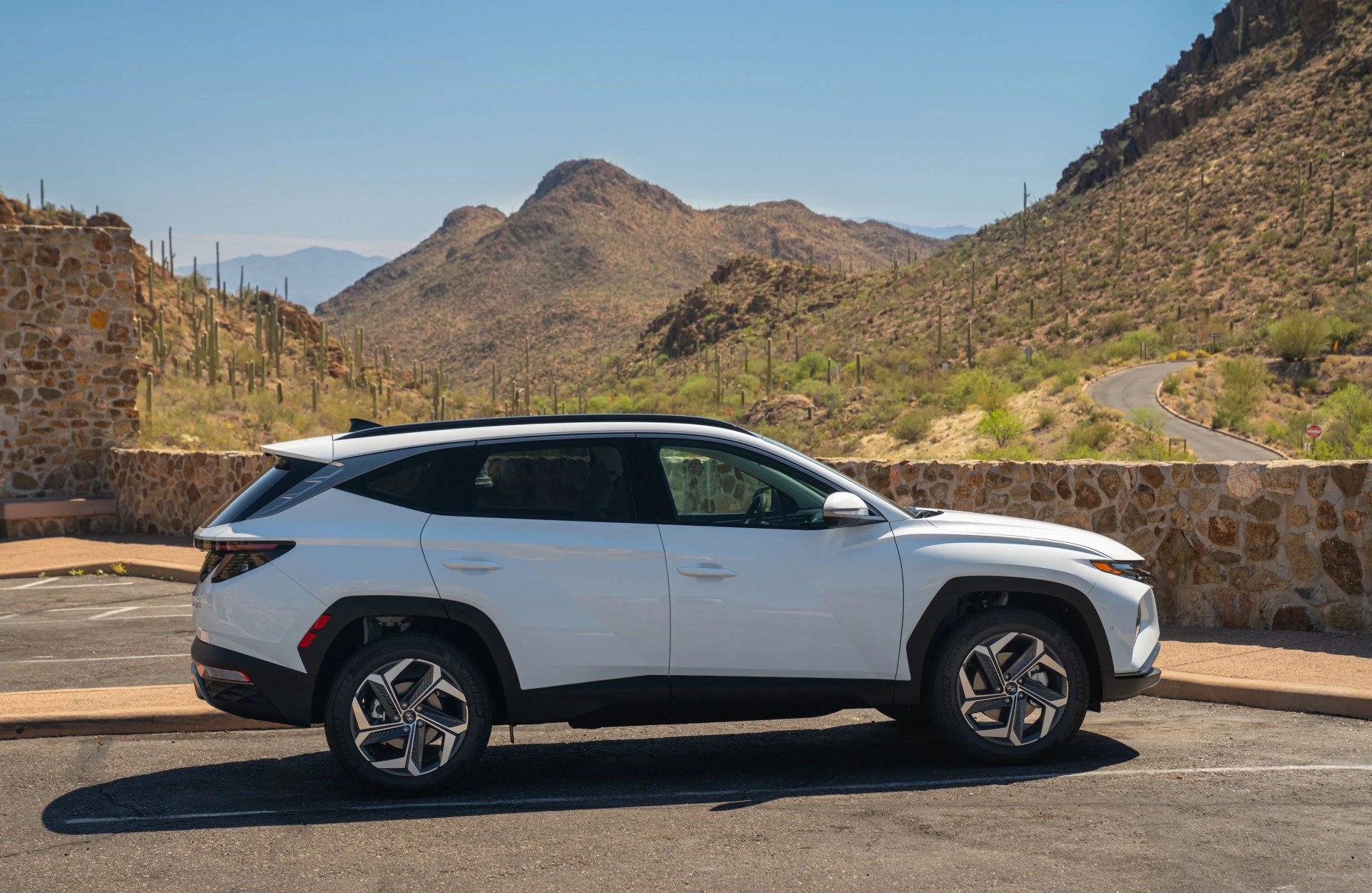
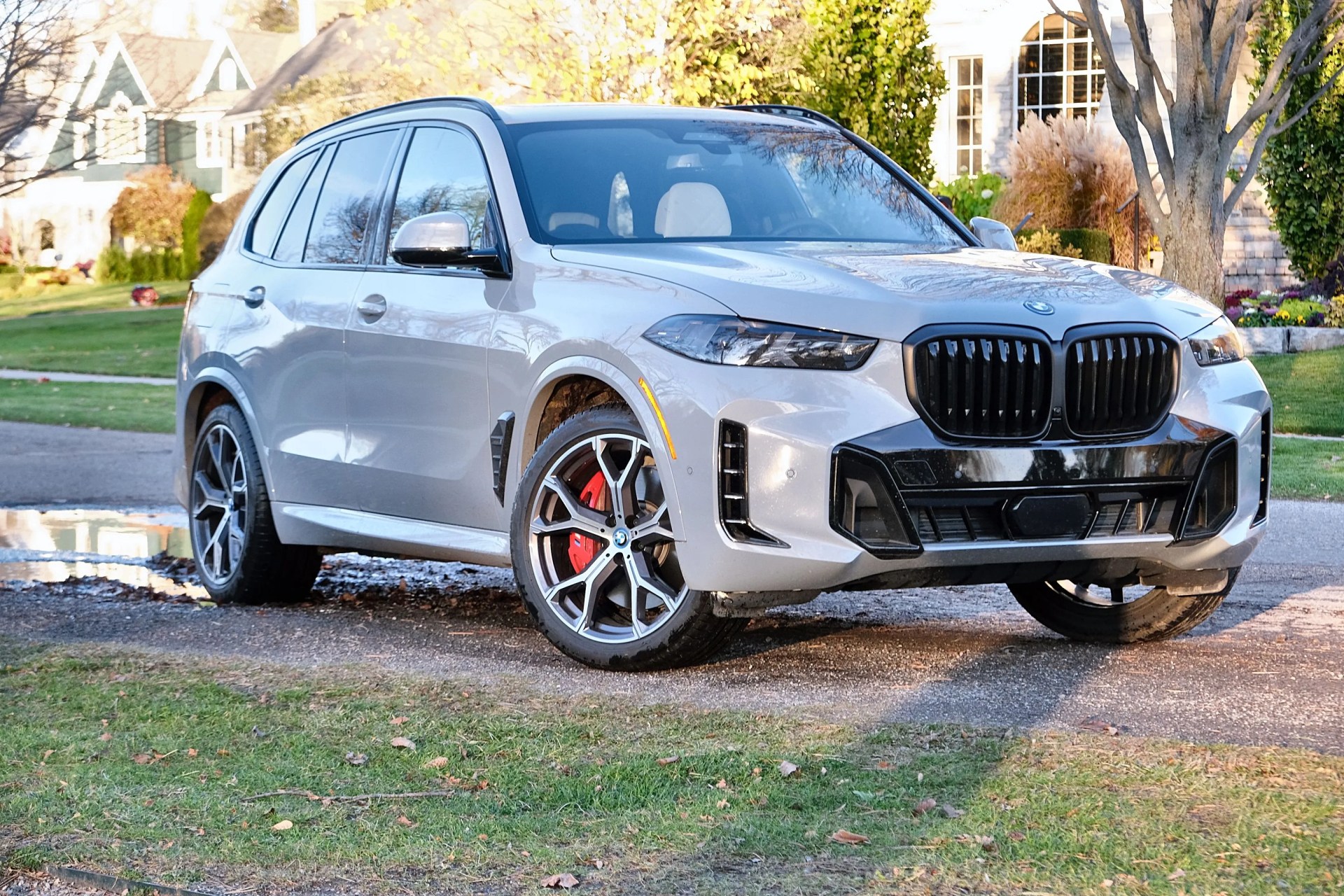
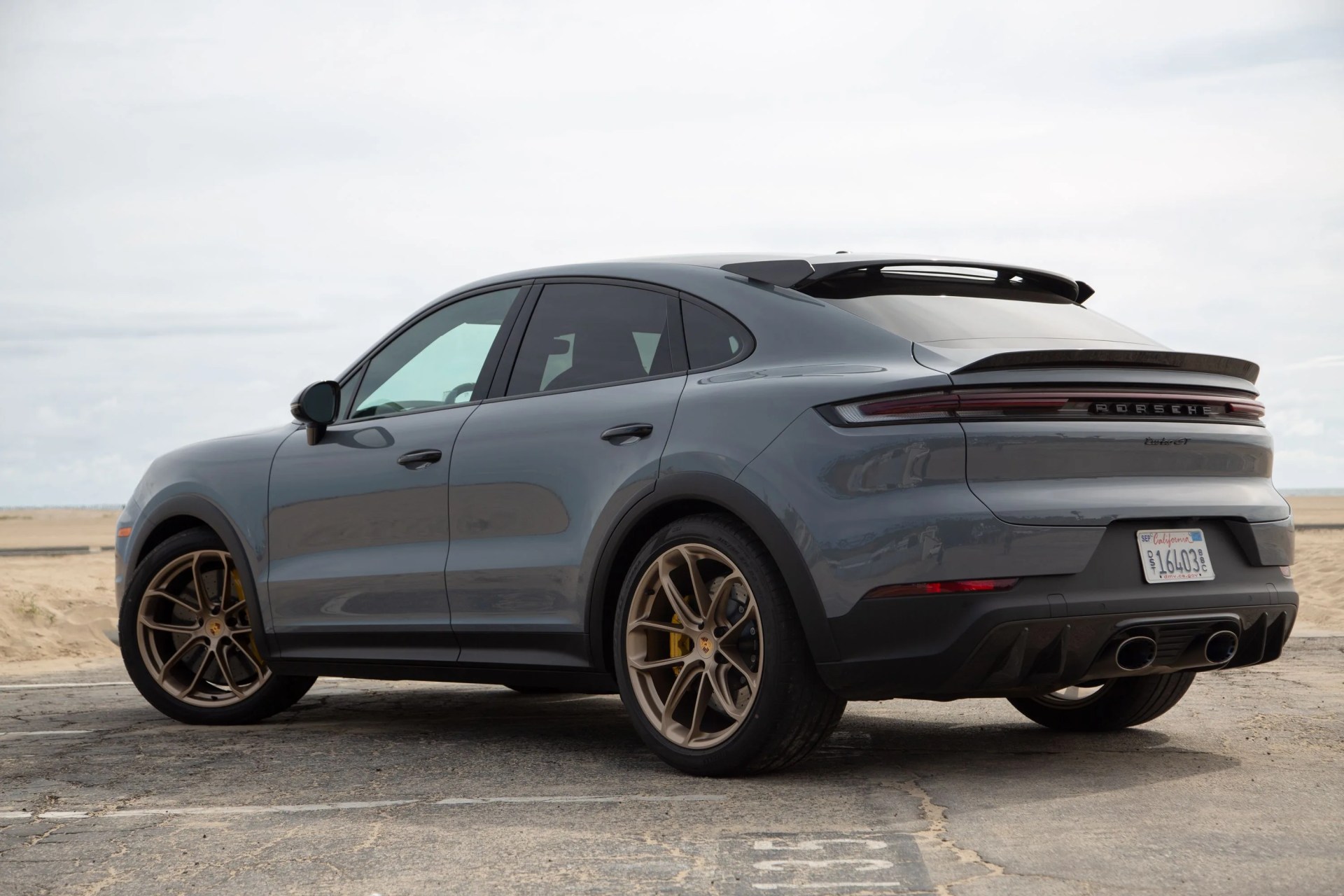
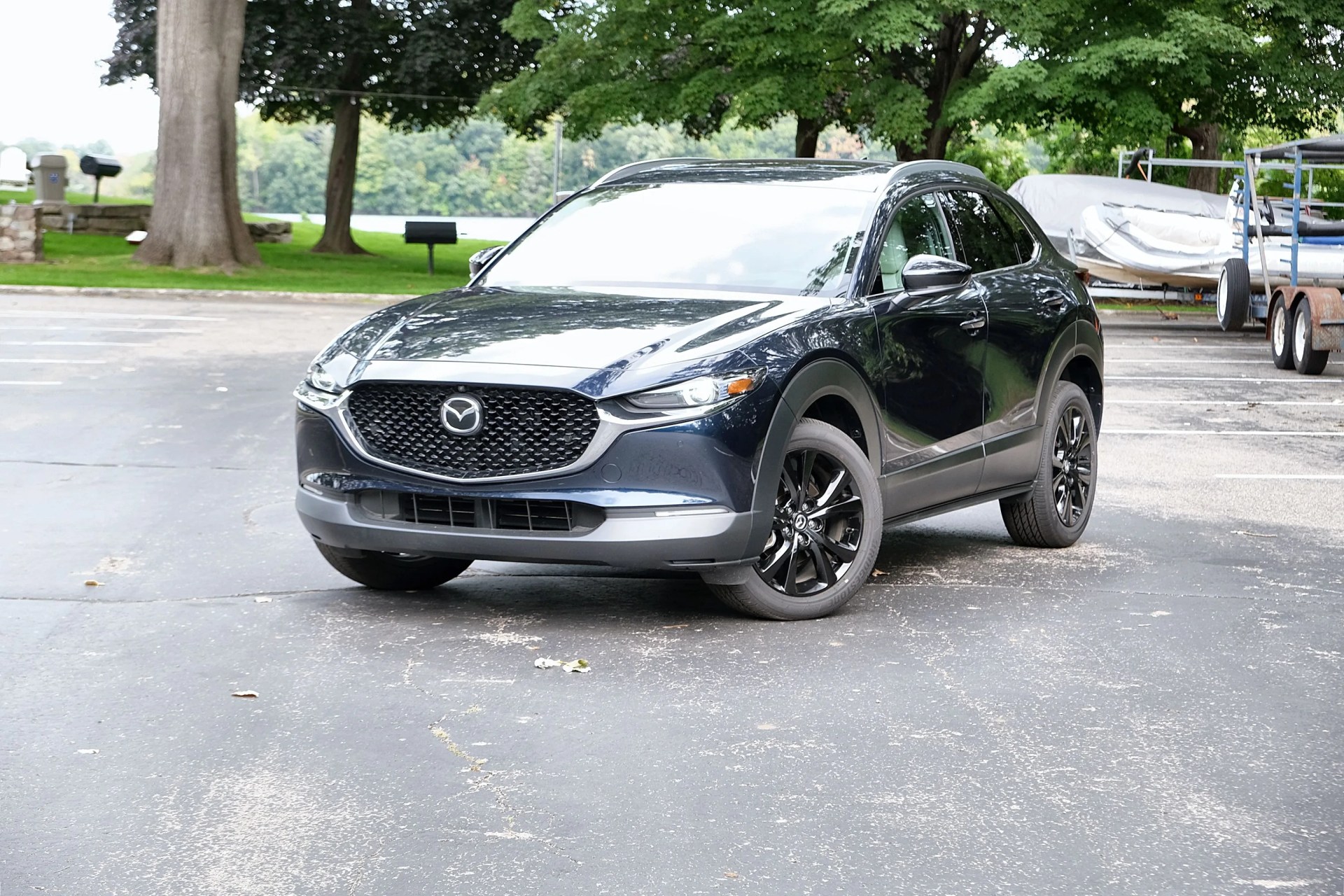
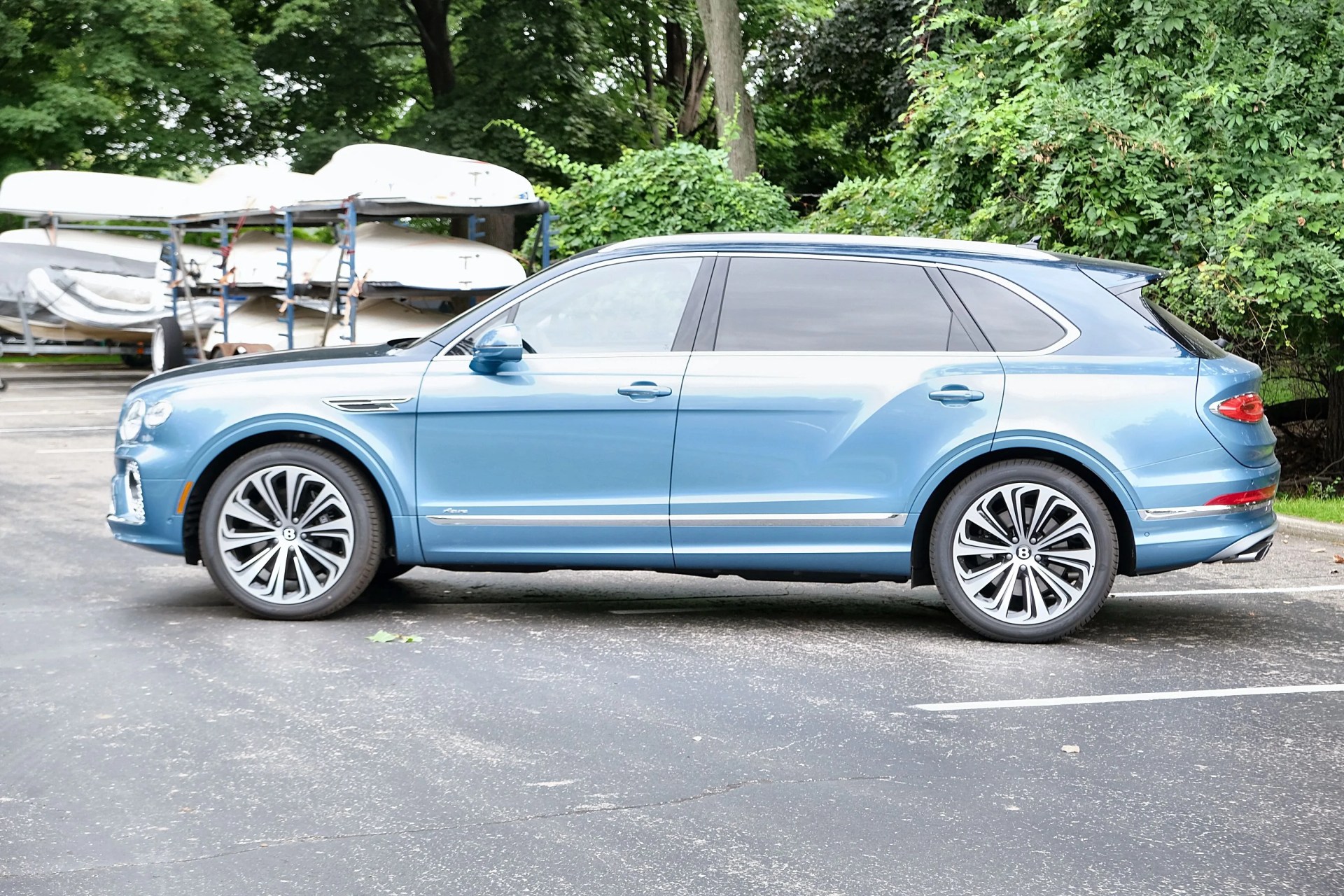
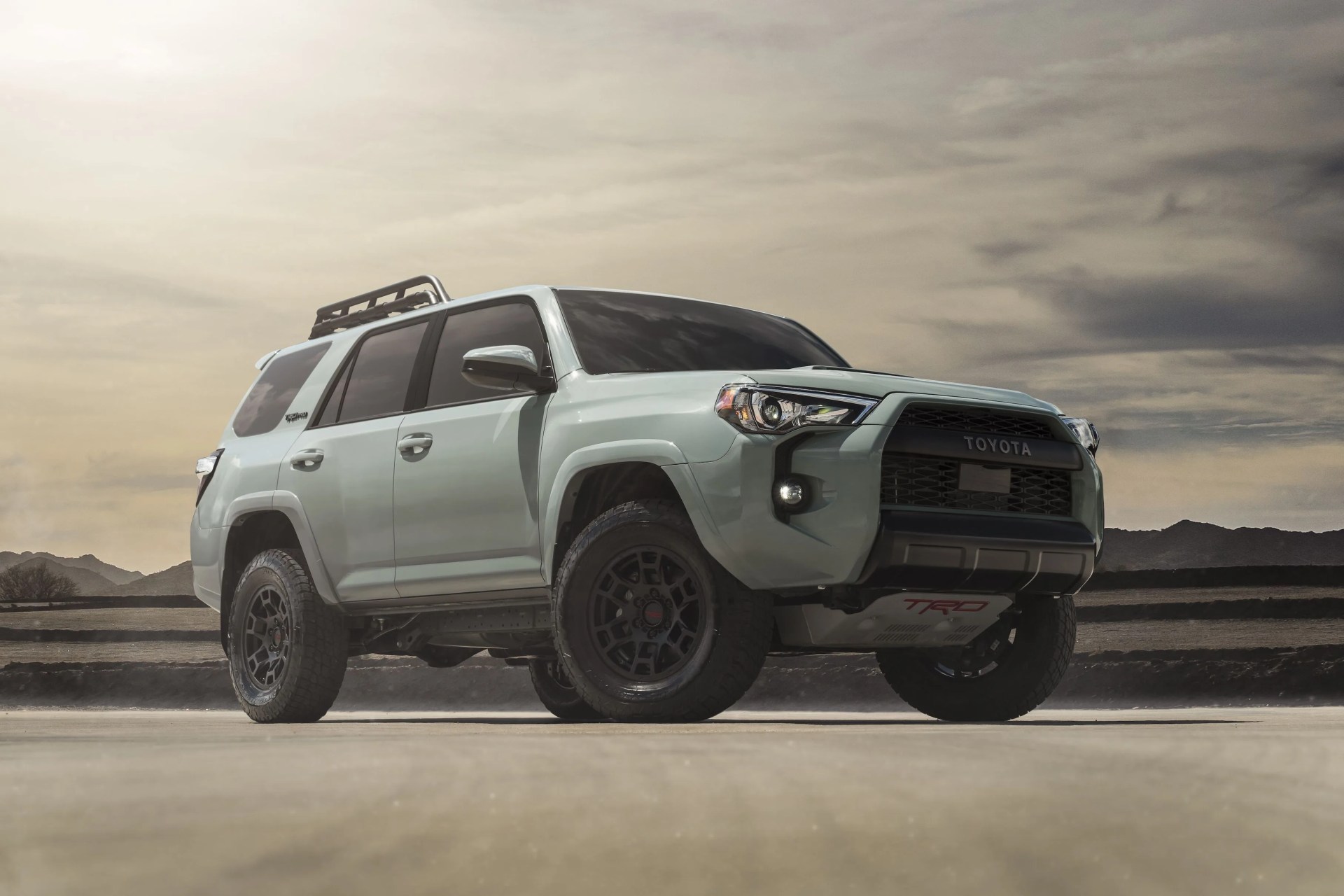
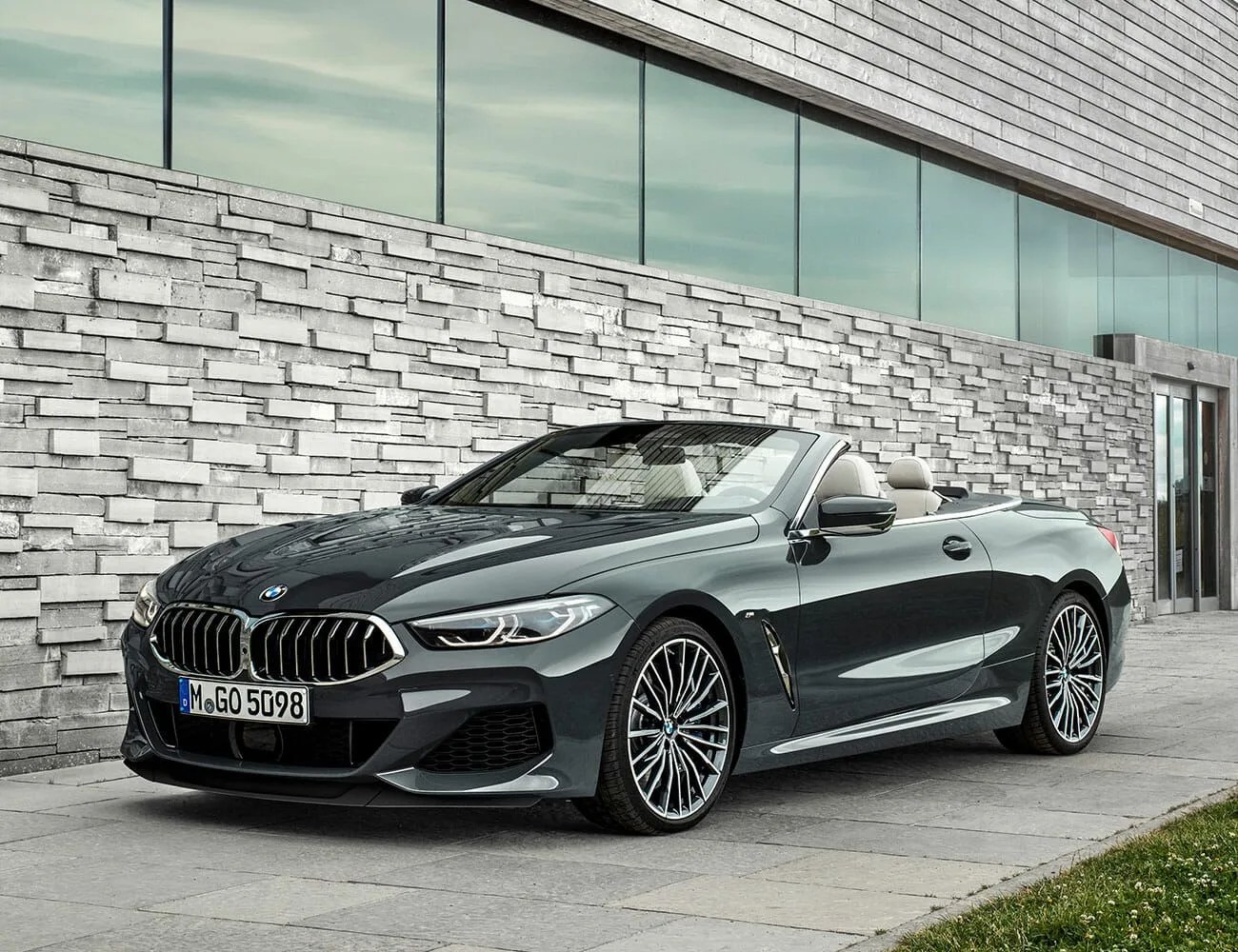
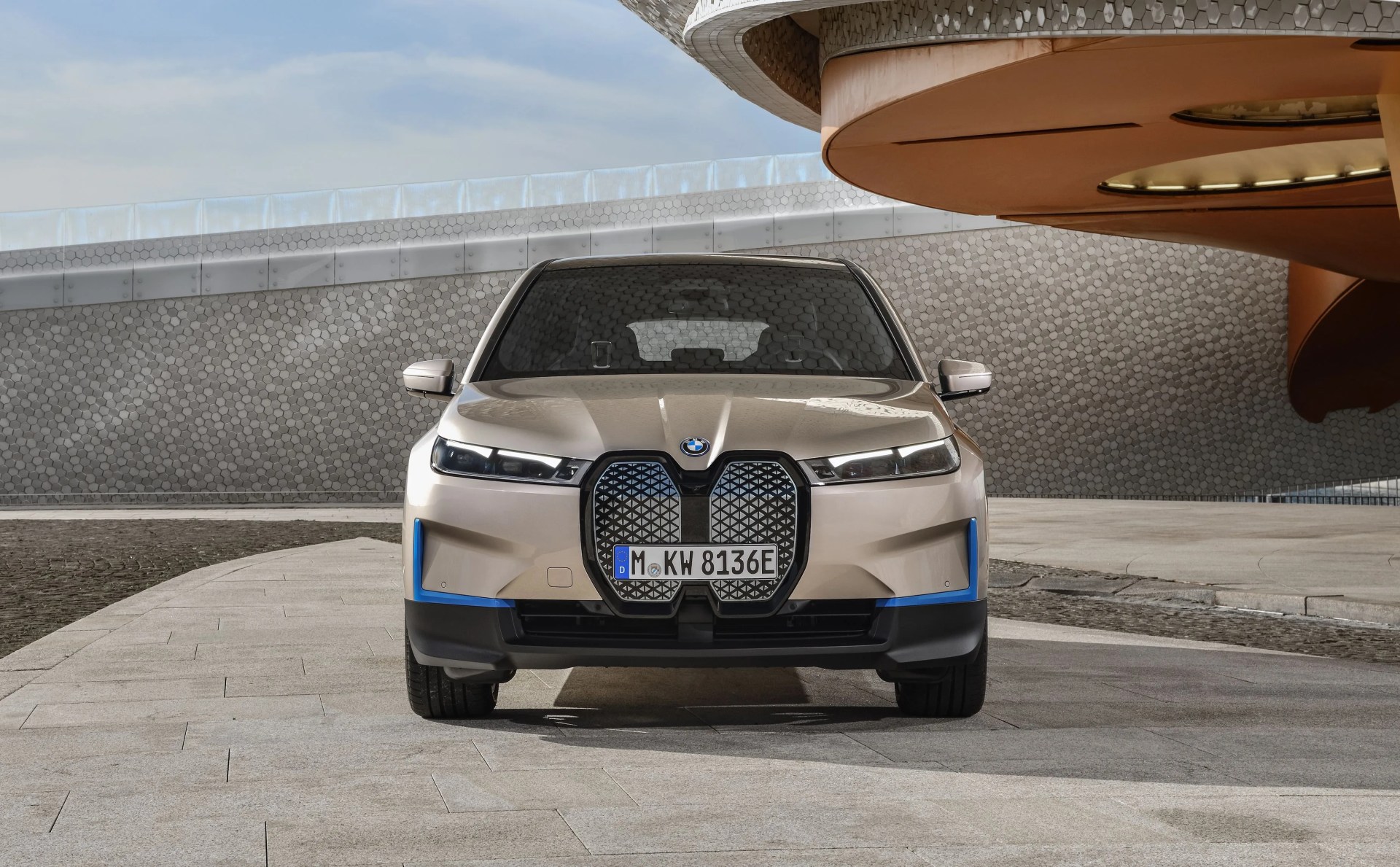
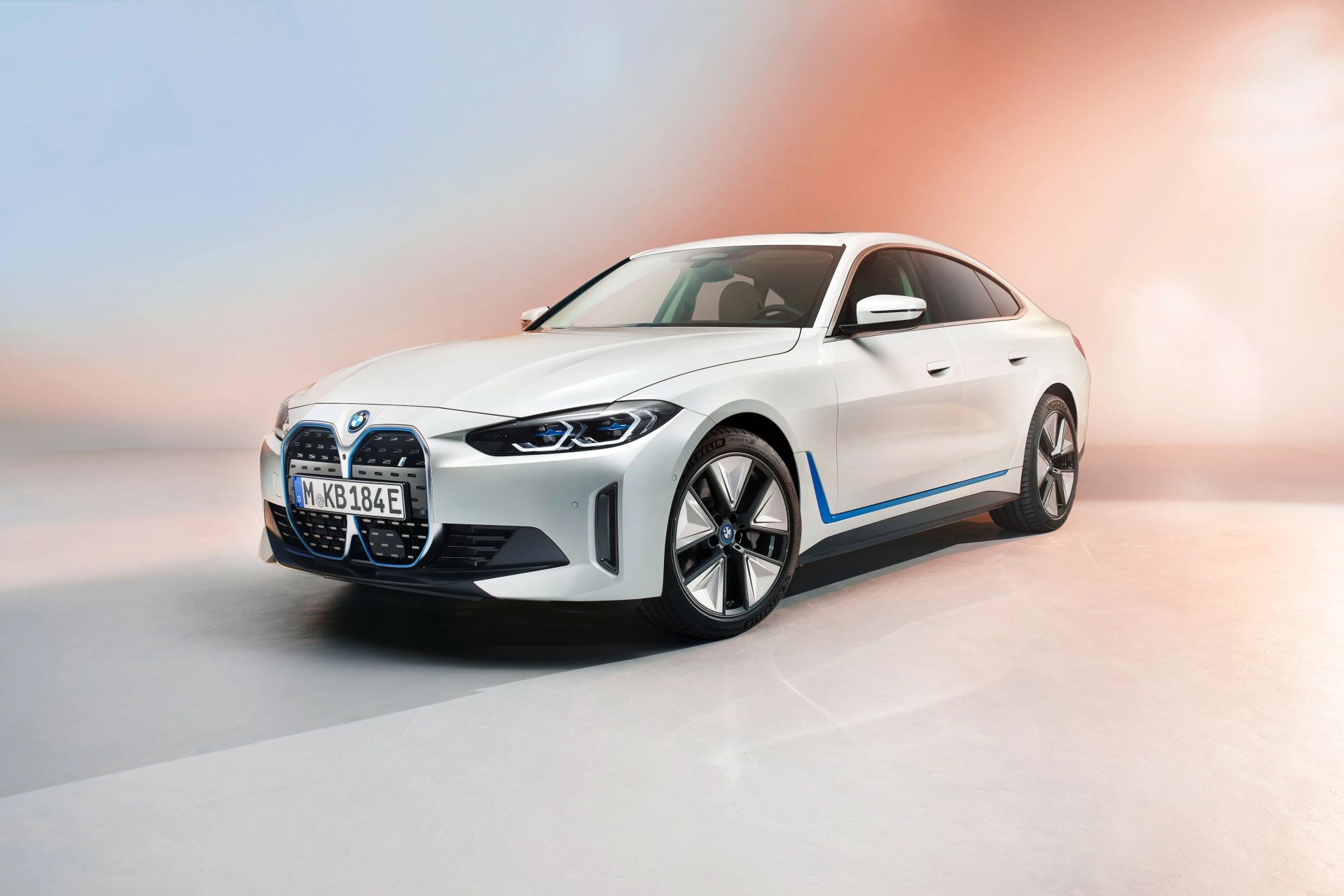
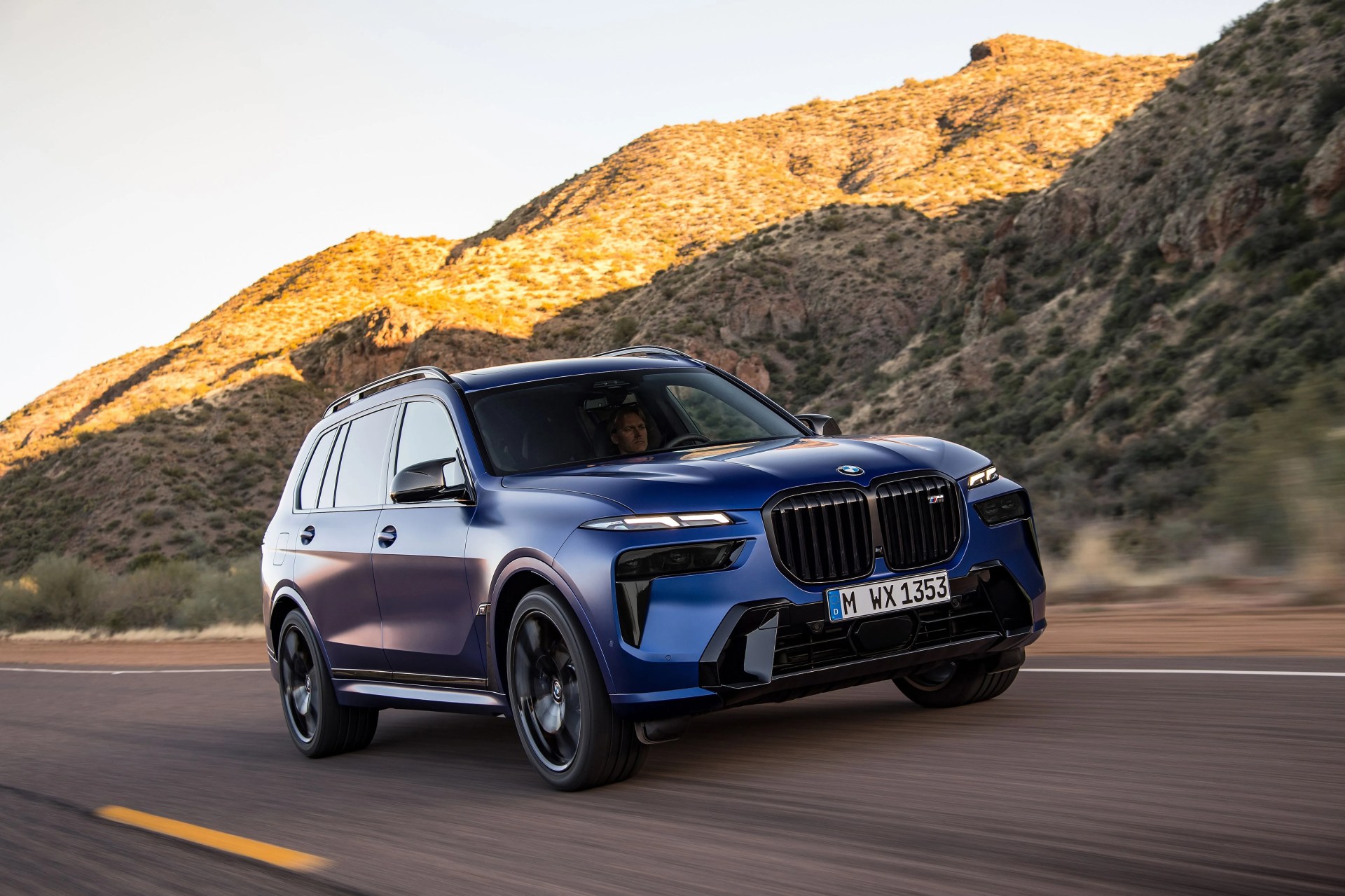
The automotive world is going electric. And while EVs aren’t the dominant segment of the market — at least, not yet — uptake is still growing rapidly. According to an analysis from Kelley Blue Book, American buyers bought 1.2 million EVs in 2023. EVs made up 7.6 percent of the total market share in 2023, up from 5.9 percent in 2022. KBB is forecasting that share will be north of 10 percent in 2024.
Still, with all the different models on sale, what EVs are Americans actually buying? We crunched the numbers on the best-selling electric vehicles in 2023 to find out.
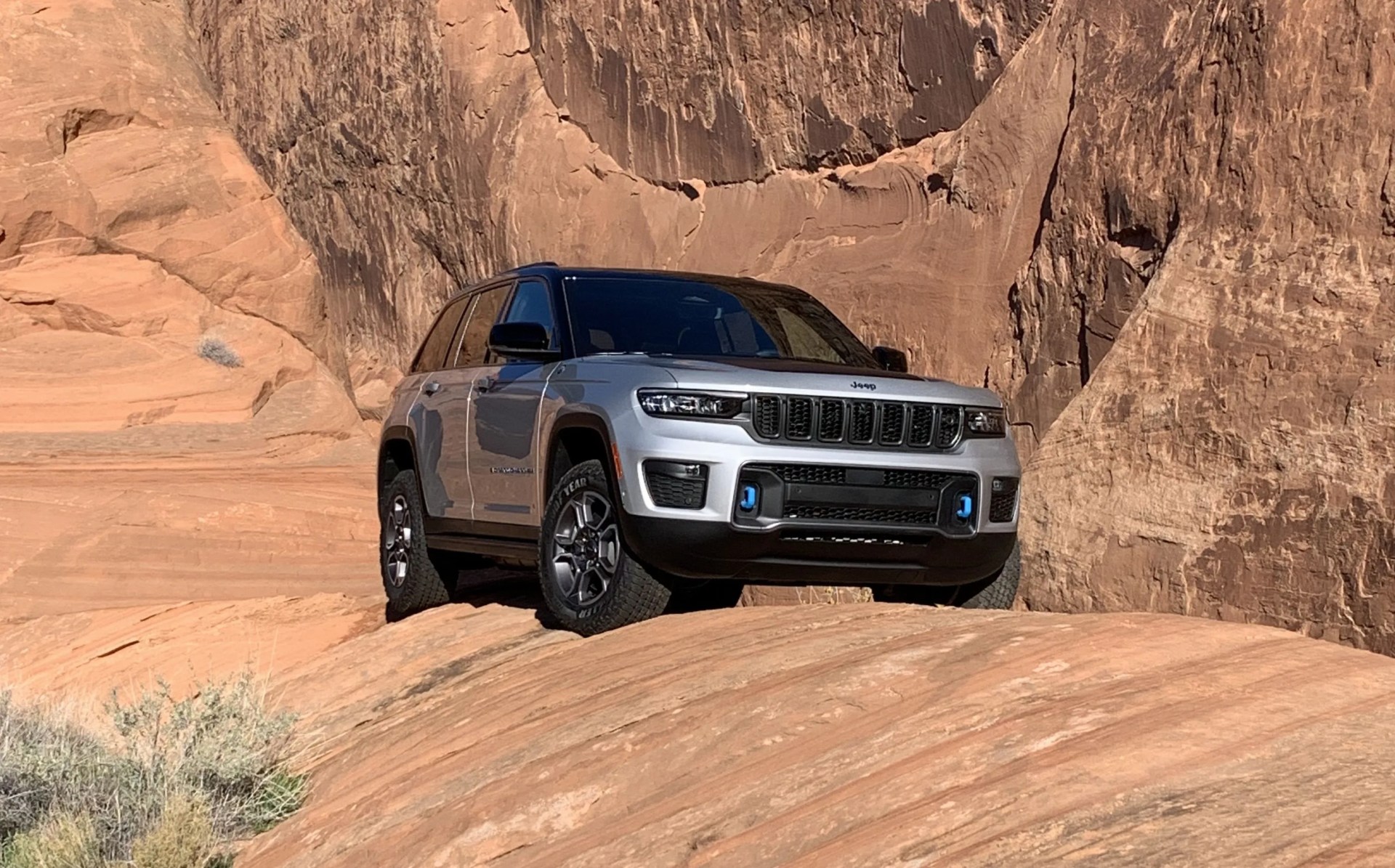
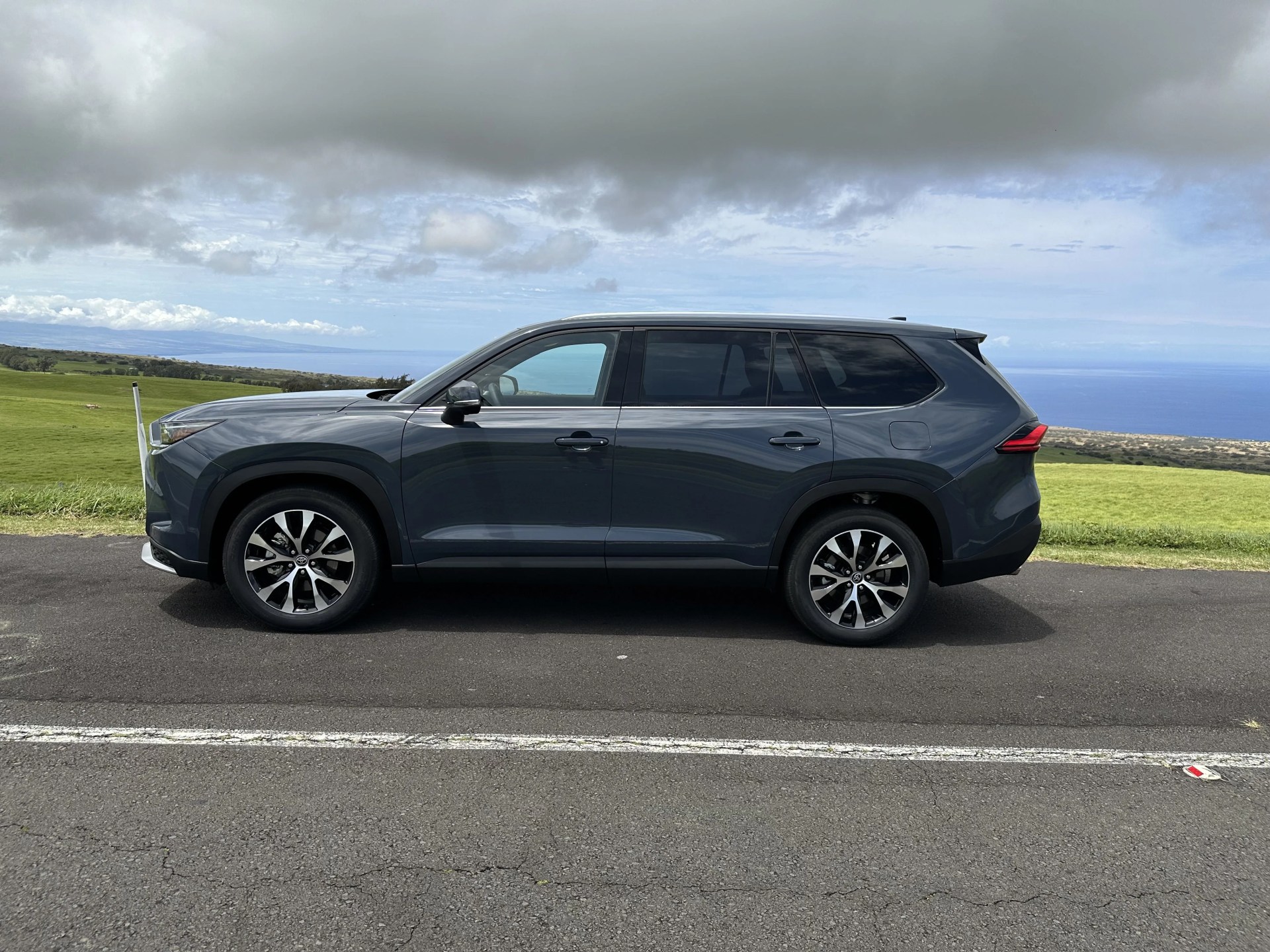
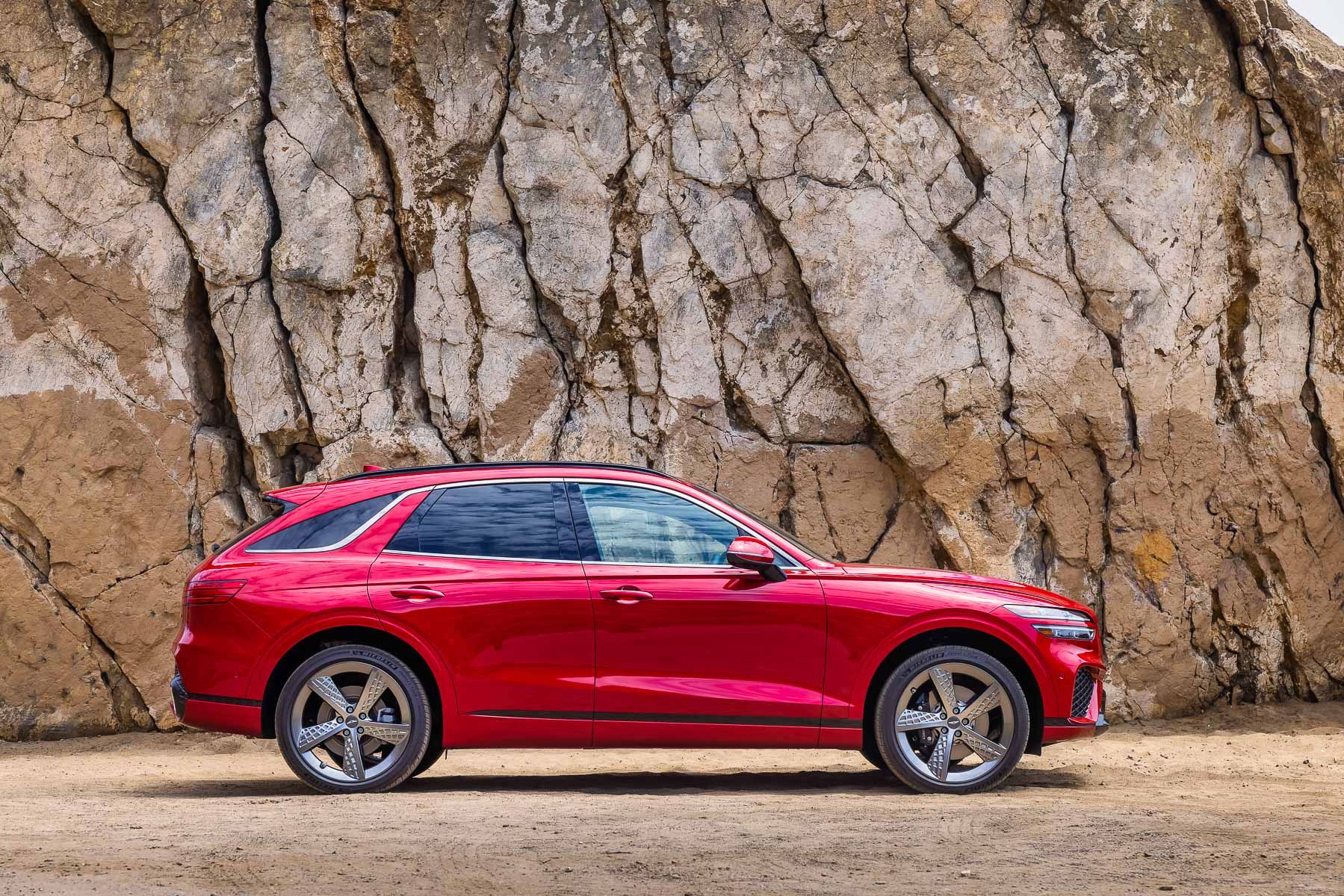
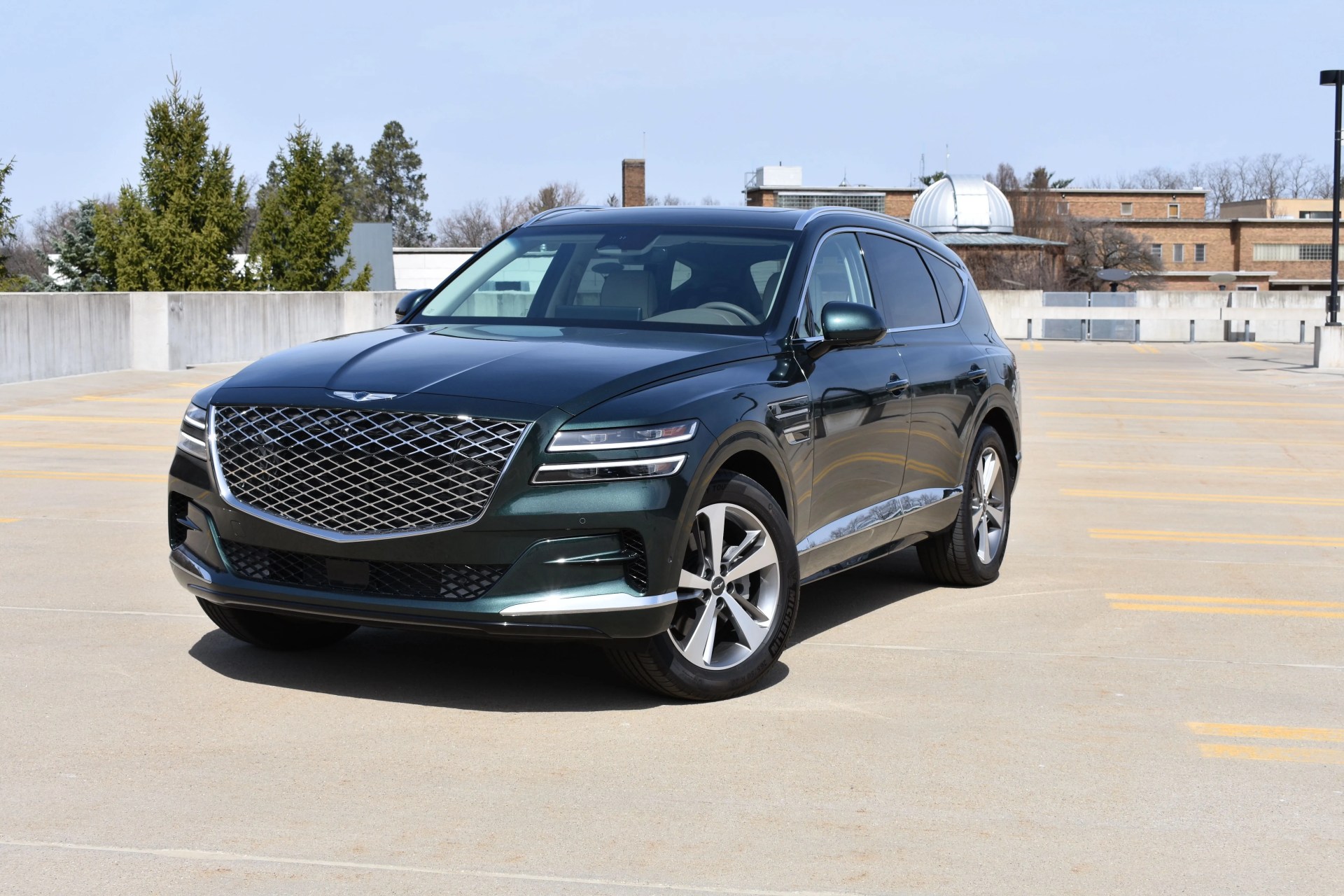
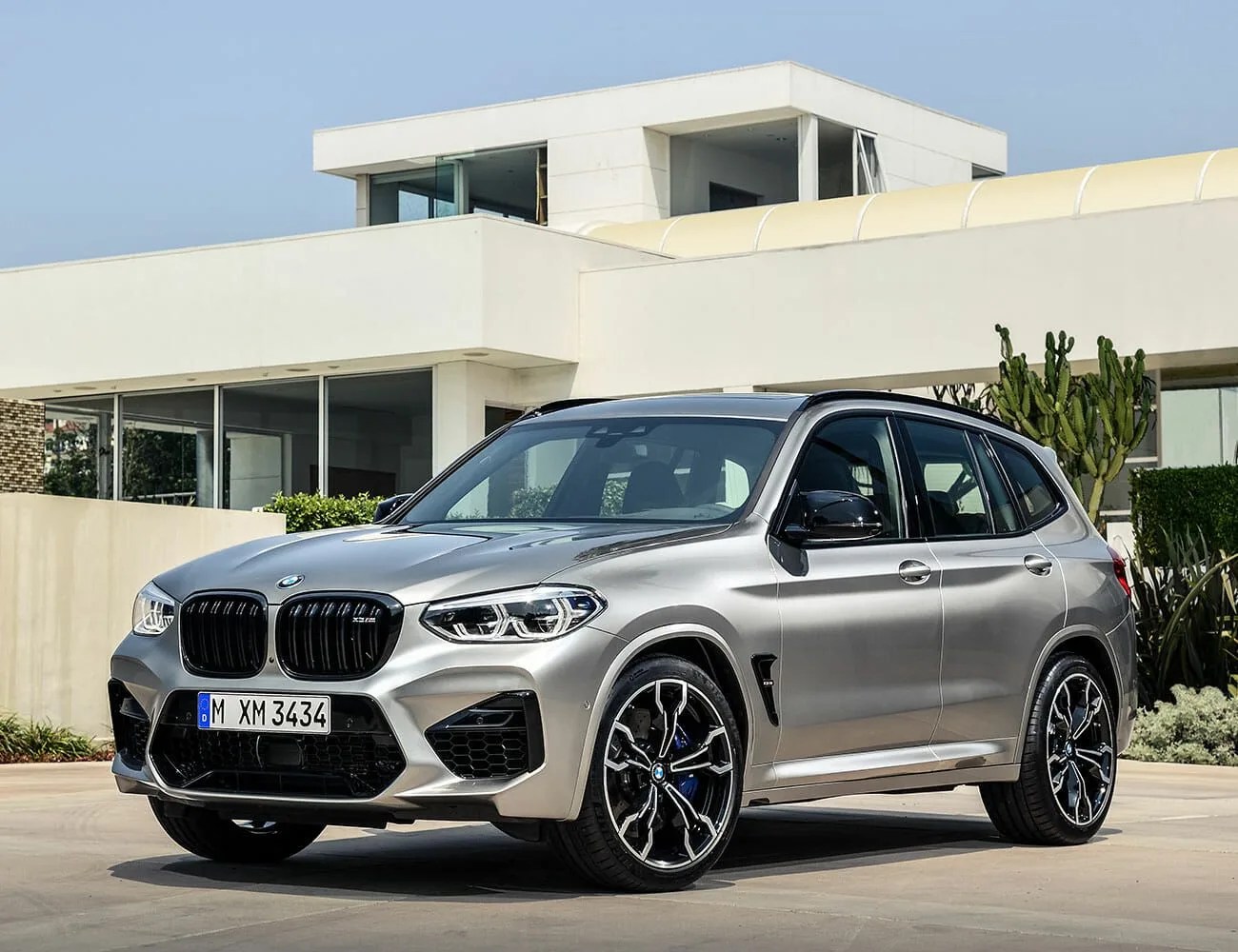
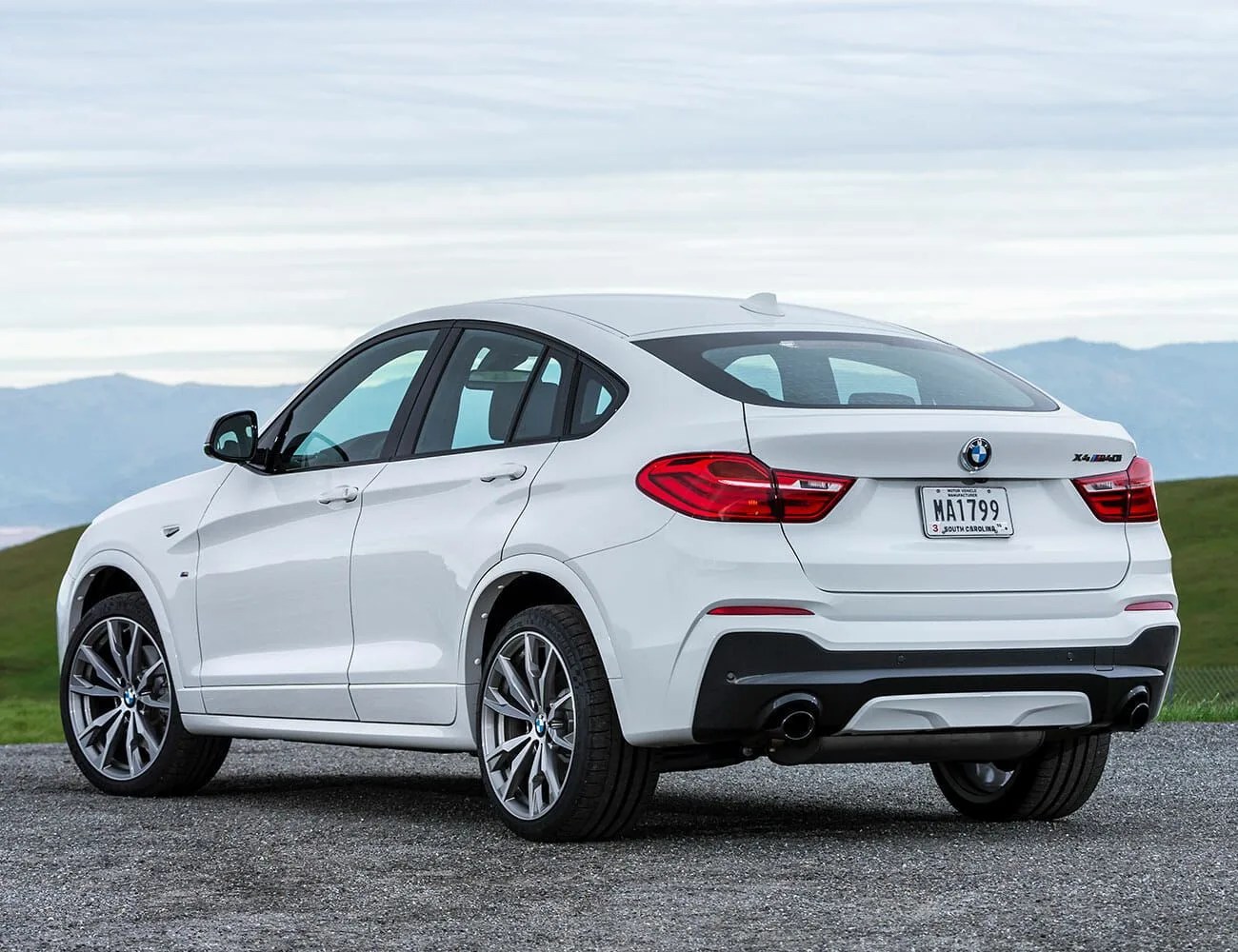
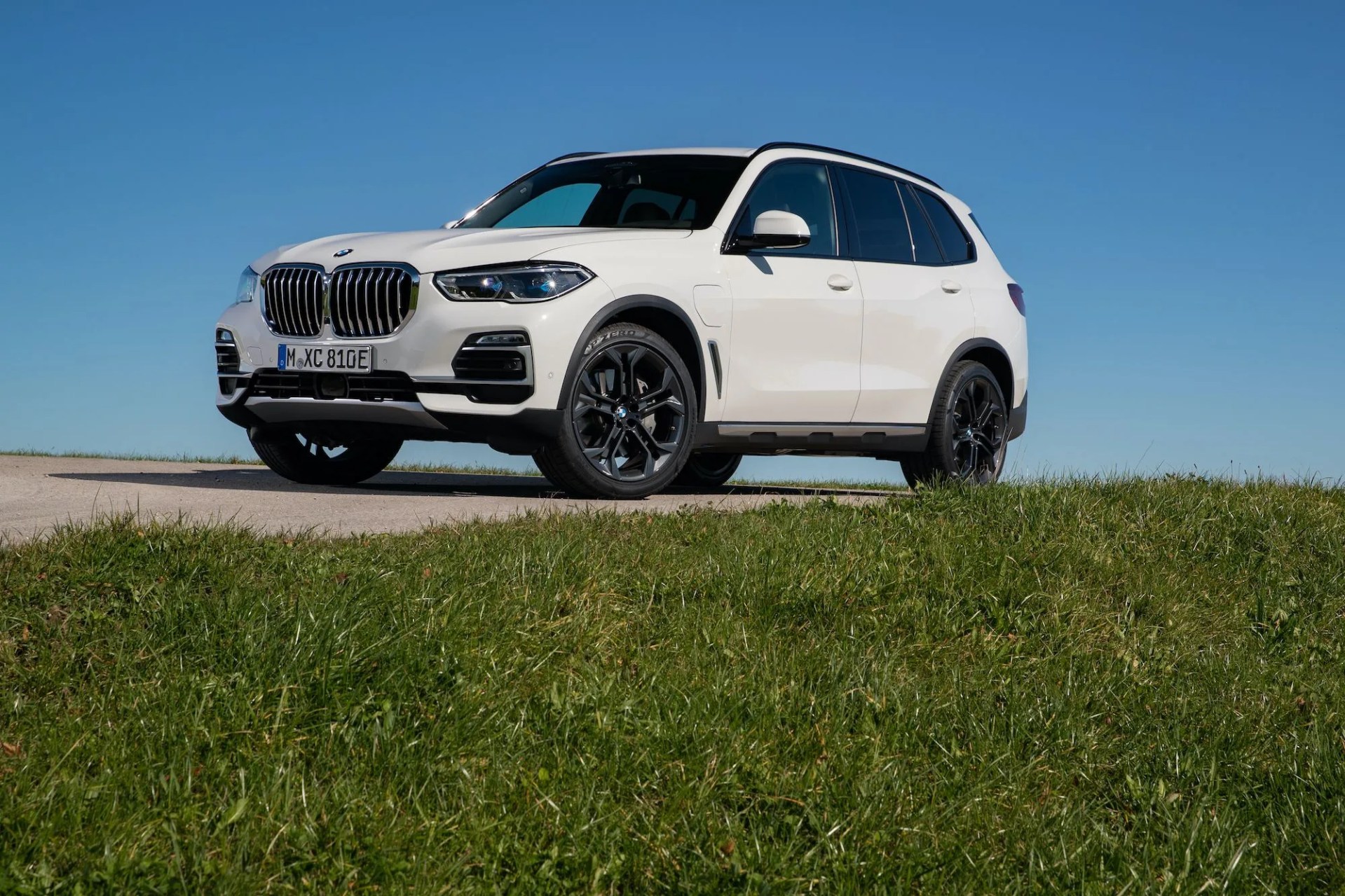
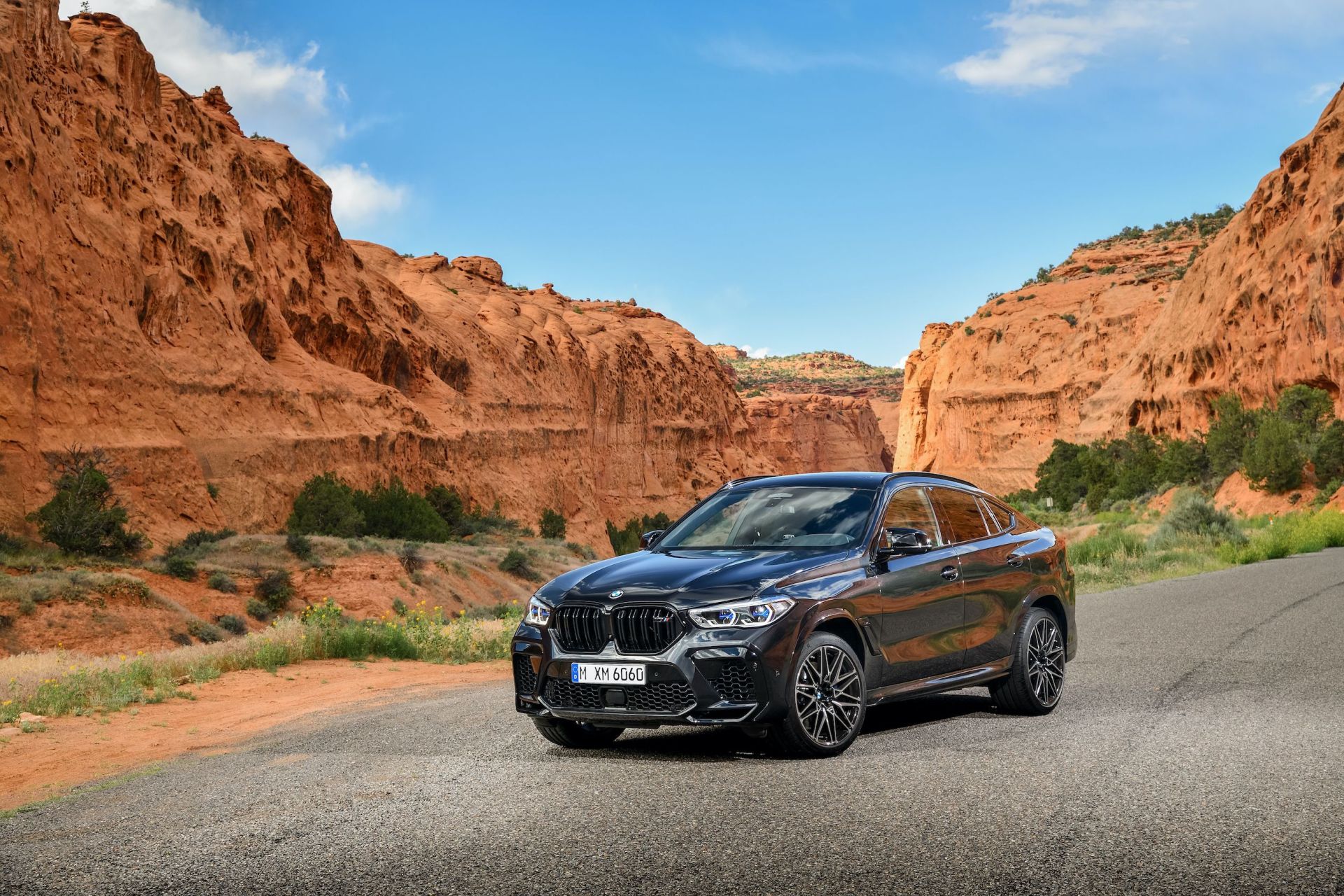
Not surprisingly, EV buyers like SUVs the same way as everyone else; electric sport-utes accounted for seven of the Top 10 vehicles. Also, American EV buyers like cars that are readily affordable. The top six best-selling EVs all start below the price of an average new car, which was hovering above $48,000 in December.
Here are the 10 best-selling electric vehicles in America for 2023.
Note: sales figures for some models are estimates courtesy of Kelley Blue Book and Car and Driver, as some brands do not release per-model sales data.
If you buy from a link, we may earn a commission. Learn more
Earlier this year, Apple attempted to steal CES’s thunder by announcing the availability of the Vision Pro headset: it’ll be up for pre-order on January 19 and available everywhere on February 2. And while it definitely worked, it didn’t exactly stop the world’s largest electronics show. A bunch of innovative new TVs, laptops, futuristic cars, hi-fi equipment, smart home appliances, wellness devices and all sorts of other gadgets still caught our attention at the show.
Looking back on the week that was, we’re highlighting the coolest new gear and gadgets that were revealed at CES 2024. Check out our favorite products from the show below.
The Rabbit R1 has undoubtedly been one of the stars of this year’s CES. It’s an adorable AI-powered device (designed in collaboration with Teenage Engineering) that’s meant to help you do simple tasks while keeping your smartphone in your pocket. The tiny device also has its own virtual assistant that can help you answer questions, call friends, play music and even do app-based tasks like ordering food or a rideshare.
By far the most interesting TV announced at CES 2024 was the LG Signature OLED T — it’s the company’s first transparent OLED TV (yes, the “T” stands for transparent). It’s a 77-inch TV with a contrast panel that can raised or lowered with the press of a button. When raised, the OLED T looks like a normal TV. When lowered, it creates this 3D floating effect. The idea is when you’re not actually watching TV, you can lower the panel and have custom visuals playing that make it seem like you’re looking at a fireplace or a fish tank. The LG Signature OLED T is going to wildly expensive and, if we’re being honest, impractical for the vast majority of people … but we’ve never seen a TV like it.
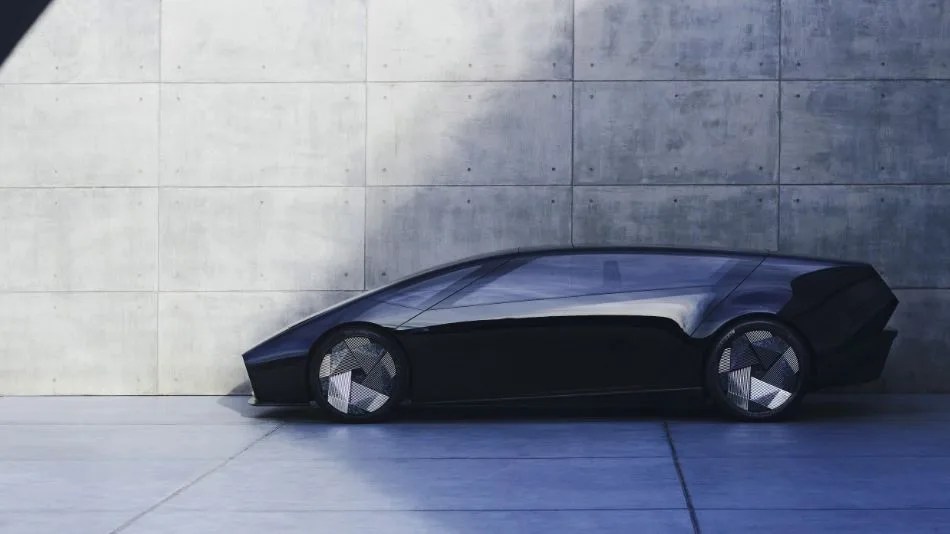
Honda has had a sluggish start to the modern electric vehicle era, at least in North America. But at CES 2024, Honda offered us the best preview of what its future will look like in the form of the “0 Series” concept cars. The more notable of the two was the 0 Series Saloon, which looks like the Bizzarrini Manta. Believe it or not, Honda says it’s coming to North America in 2026, and the company’s CEO says the final product will keep “90 percent” of the concept’s appearance.
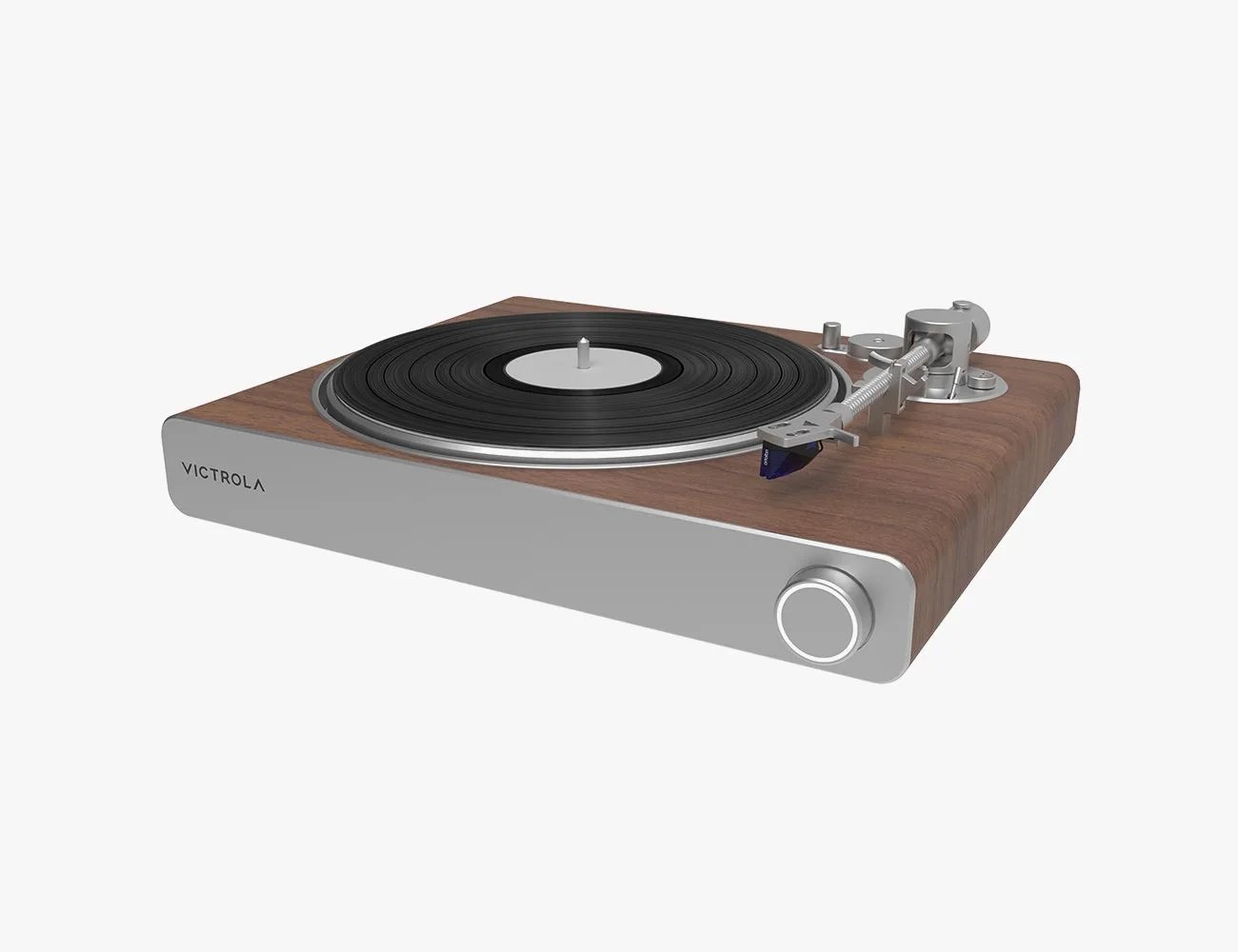
The standout turntable from this year’s show was Victrola’s Stream Sapphire. It’s essentially a way more premium version of the company’s Stream Carbon ($699) — and yes, it also “Works with Sonos” so you can wirelessly stream music to your Sonos sound system, no additional components needed. The new model is made of more premium materials, higher-quality components (including a brushless motor and a Ortofon Blue 2M cartridge) and has more advanced streaming capabilities. The Stream Sapphire supports Roon and UPnP and is capable of streaming lossless FLAC audio files (up to 24-bit/48kHz).
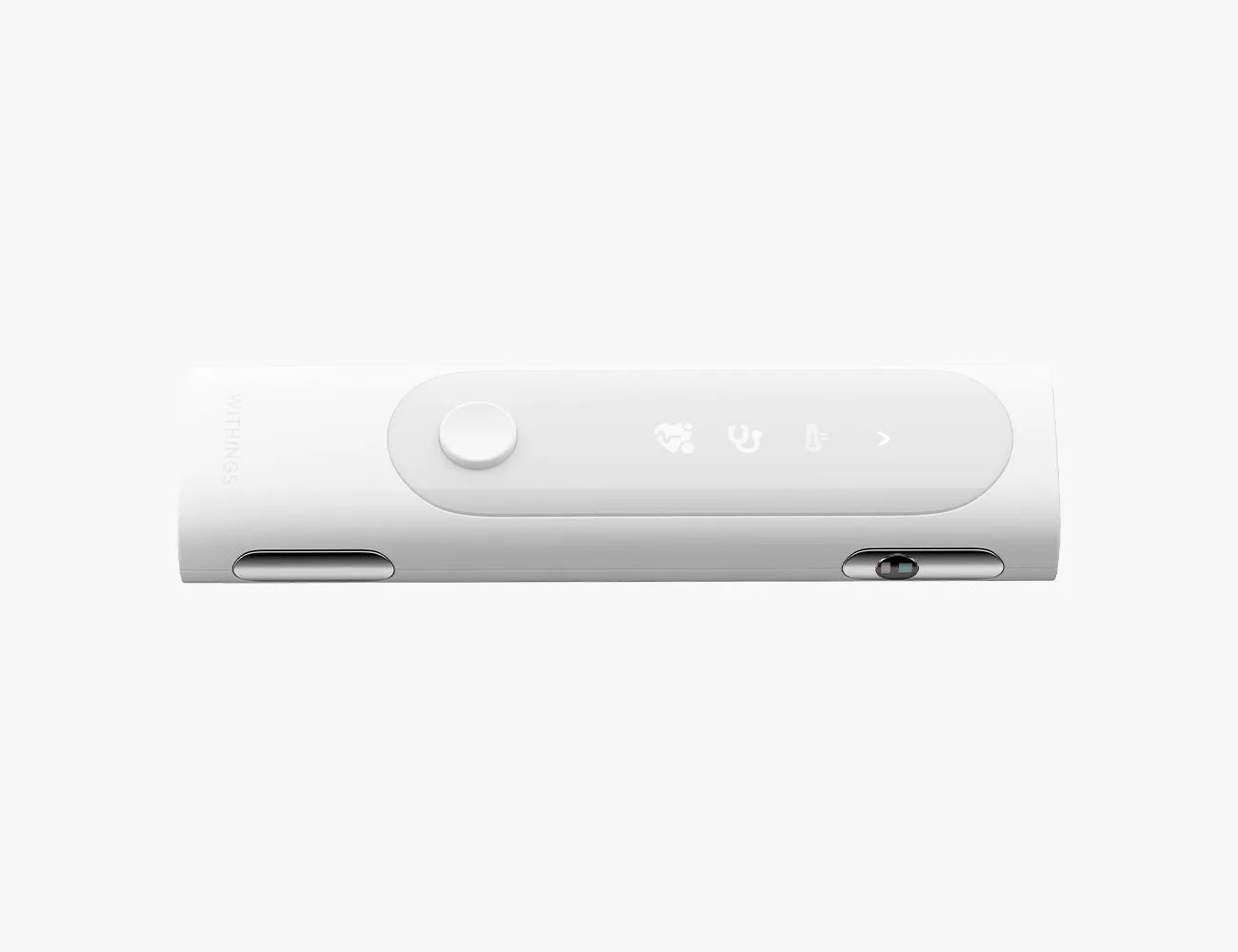
The BeamO is probably the coolest health and wellness gadget we’ve seen at this year’s show. It’s an innovative device that’s loaded with sensors for monitoring the health of your heart and lungs, as well as general health with body temperature. Basically, it promises to serve as a thermometer, digital stethoscope, oximeter and EKG that you can use in your home or bring with you on your travels. It’s expected to be available this summer (likely June) assuming that it’s cleared by the US Food and Drug Administration.
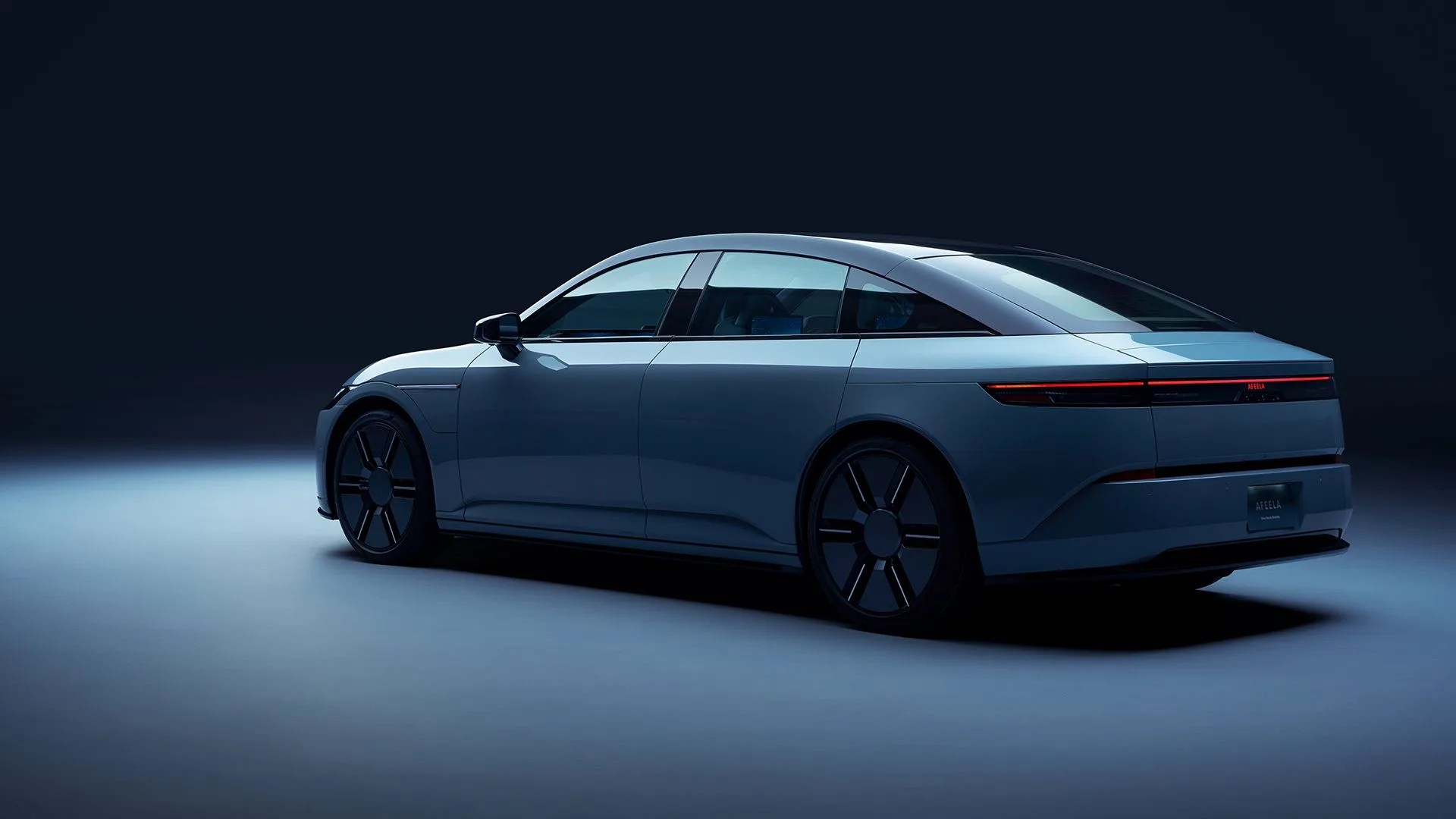
Last year, Sony unveiled the Afeela concept, an EV designed with Honda that seemed like a flight of fancy – but the tech brand insisted this follow-up to its 2020 concept car was production-bound. We had our doubts … until this year, when Sony and Honda brought a revised version of the Afeela to CES that seems much more production-ready. The revised front end has proper headlamps and physical side-view mirrors — a sure sign of production intent in a concept car these days. The Afeela will use two 241-hp motors for all-wheel-drive, but potential buyers will more likely be excited by the ability to stream movies and play video games in a home theater-like interior.
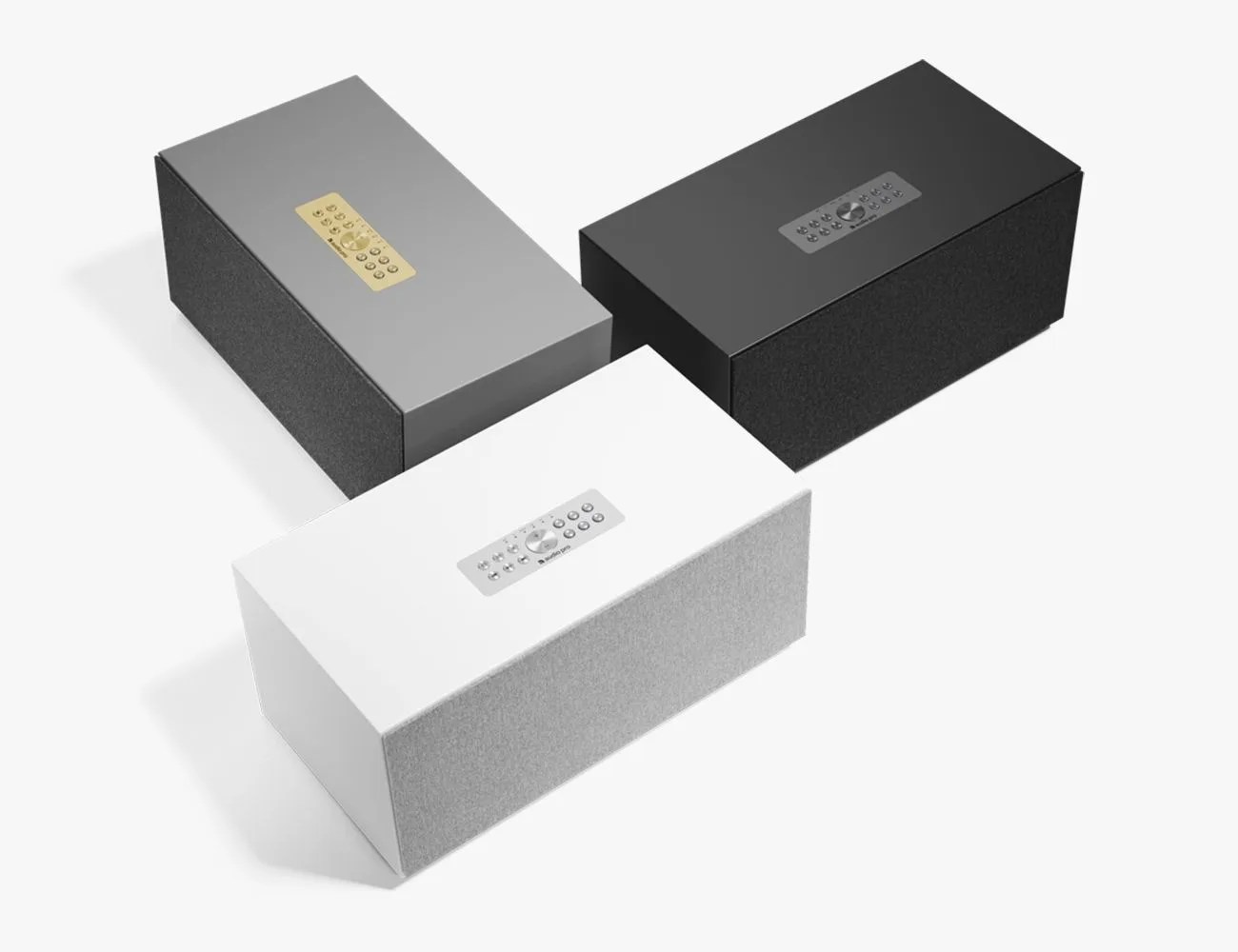
The Audio Pro C20 was the standout wireless speaker at CES 2024 because it can just about do it all. It supports Wi-Fi (AirPlay 2, Google Cast, Tidal Connect, Spotify Connect) and Bluetooth streaming. It has an HDMI ARC input so you can use it as a miniature soundbar for your TV, and it has a built-in MM phono stage for connecting a turntable. Throw in the fact that it has a minimalist design (available in three finishes) and it’ll probably blend into most folks’ existing home decor.
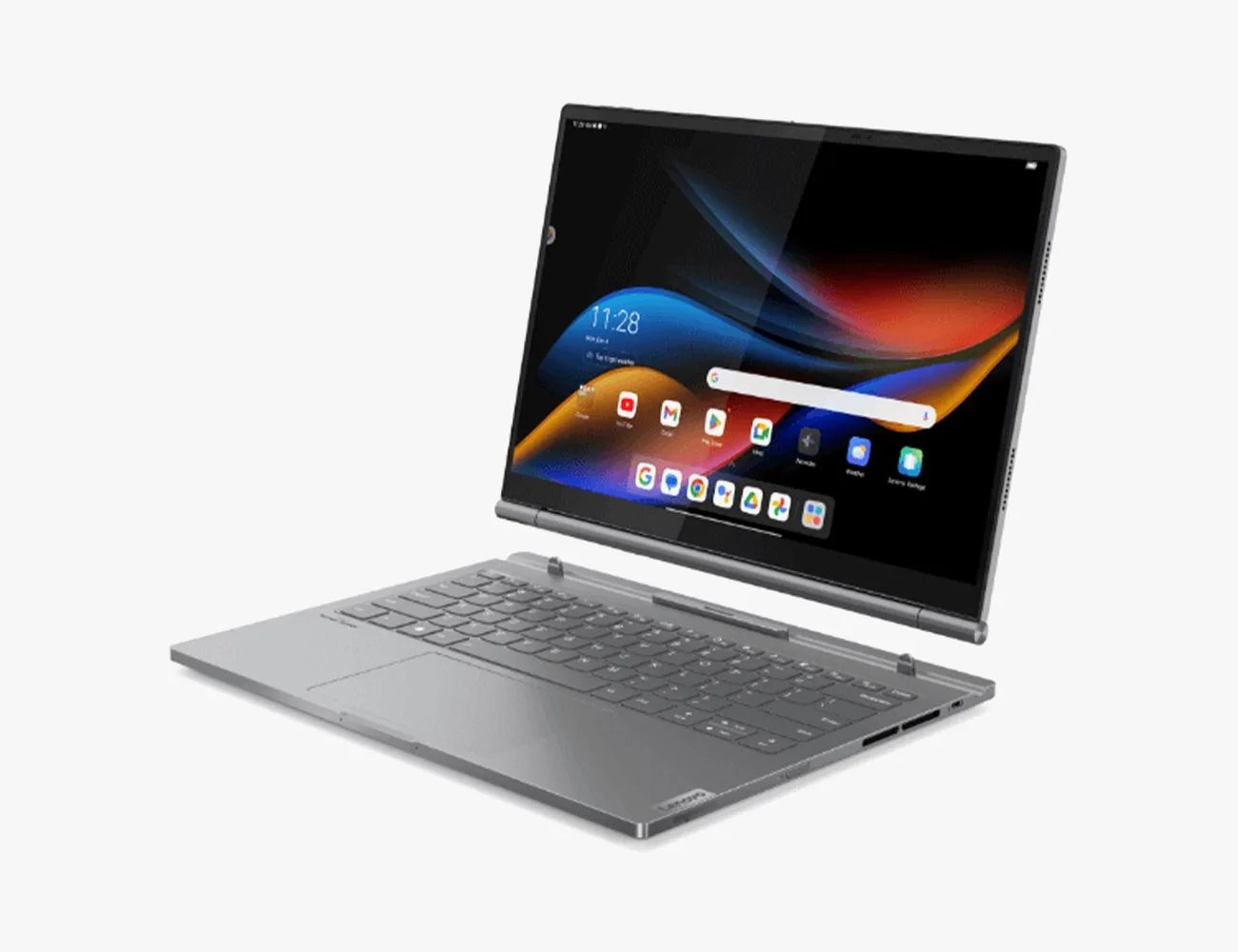
The Lenovo ThinkBook Plus Gen 5 Hybrid is a standout 2-in-1 because it’s capable of running two operating systems, Android or Windows, and promises to switch seamlessly between the two depending on what mode it’s in. When its detachable keyboard is connected and it’s in laptop mode, the ThinkBook Plus Gen 5 Hybrid runs Windows. When the keyboard is detached, it switches to Android. Pretty cool.
Mercedes made all sorts of announcements at CES 2024, but many of them were of a rather minor sort — an improved in-car voice assistant that uses A.I. to behave more naturally, software developed with will.i.am that turns your electric car into a rolling instrument, etc. The quiet show-stopper, though, was an apparent production-ready (or at least near-production-ready) version of the electric G-Class that’s been in the works for several years. Based on the gas-guzzling regular G-wagen, it’ll pack quad-motor all-wheel-drive and should offer utterly insane off-road capability, without ever using a drop of fuel. It’s expected to go on sale before the end of 2024.
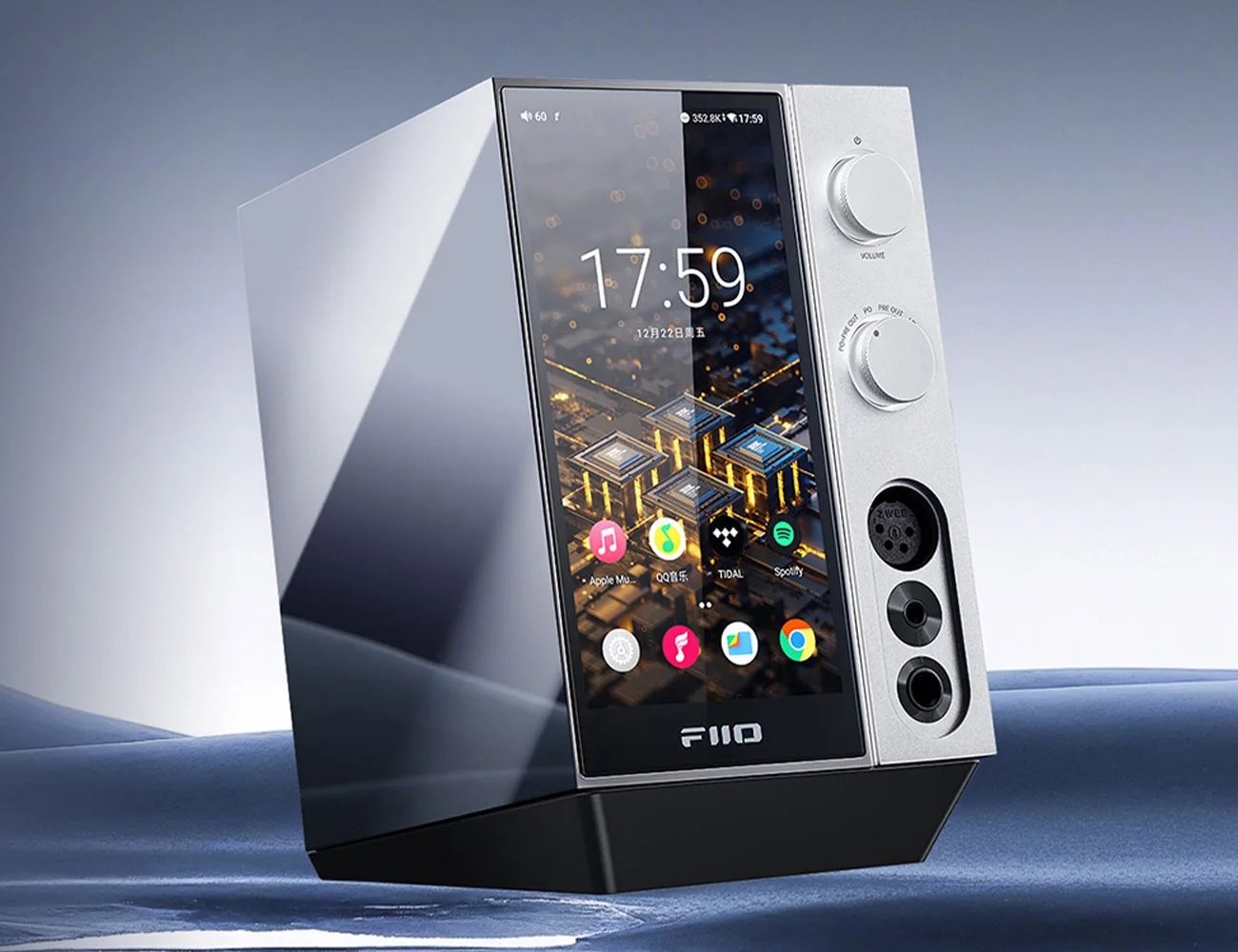
The FiiO R9 is an upgraded version of last year’s GP100-worthy R7. Like its predecessor, the R9 is an all-in-one desktop hi-fi solution. It’s a high-end streaming DAC and headphone amplifier with its own Android operating system and a multitude of wireless and wired connections. The difference with R9 is that it has an improved Qualcomm Bluetooth chip, improved twin DACs (now ESS Labs 9030PRO) and a twice-as-powerful amplifier. It also adds an HDMI ARC port in case you want to connect it to a TV.
We’ve been promised flying cars for about as long as the car has existed, but in spite of many false starts, it’s never come to pass. Nevertheless, the next few years may see that dream finally come to fruition … at least in a manner of speaking, as electric vertical-takeoff-and-landing (e-VTOL) crafts finally offer something close to the mix of automotive ease of use and airplane-like flight. Supernal is Hyundai’s air mobility division, and the S-A2 is its latest product. The brand says it’s only as loud as a dishwasher when taking off, can travel 120 mph at up to 1,500 feet and packs a commute-worthy range of 25 to 40 miles. Thanks to the input of Hyundai design boss Luc Donckerwolke, the S-A2 looks like something George Jetson might take to work … which makes it close enough to a flying car for us.
If you buy from a link, we may earn a commission. Learn more
If you’ve been following CES — the world’s biggest consumer electronics show — in recent years, you know that one of the biggest draws is the TVs. It’s the time of year where a lot of them get announced. Most industry leaders (like LG, Sony, Samsung and more) reveal their upcoming flagships that will invariably be released later in the year. But there are a lot of crazy concepts and prototype TVs, too, and some of them are just crazy.
Well, it’s early January and CES is in full swing — it runs from January 9th through January 12th this year. We’ve rounded up the coolest new TVs and monitors (many take advantage of similar display technologies) announced at this year’s show.
The most interesting TV announced at CES has to be the LG Signature OLED T — a transparent OLED TV. It’s got a 77-inch 4K screen with a contrast panel that you can raise or lower with the press of a button. When raised, the OLED T looks like a normal TV. When lowered, it creates this 3D floating effect. The idea is when you’re not actually watching TV, you can lower the panel and have custom visuals playing that make it seem like you’re looking at a fireplace or a fish tank. LG hasn’t revealed pricing or availability information, but you can expect it will be wildly expensive. (For more information, check out The Verge‘s hands-on coverage.)
Last year, Hisense announced the first mini-LED in its most high-end ULED X series. It was 100 inches. This year, the company has added 98-inch and 110-inch (shown) sizes to the series. The larger 110UX ULED is the standout because it has 40,000 dimming zones and a super 10,000 nits of brightness — it might just be the brightest TV to date.
LG announced its 2024 lineup of OLED TVs — there’s the G4, C4 and entry-level B4, which are successors to last year’s G3, C3 and B3, respectively. Each of the OLED TVs look similar to their predecessors but boast improved variable refresh rates (up to 144Hz). The biggest update is with the G4, which has a new AI processor that apparently offers 4 times the performance of last year’s model.
Roku released its first smart TVs last year. Fast forward a year and it’s making more premium models. The new Pro Series models feature a Mini LED display that delivers a better picture with improved contrast and brightness. They also have a more premium build and a superior built-in speaker system. They’ll come in 55-, 65- and 75-inch models, all available this spring.
Samsung announced the next generation of its premium Neo QLED 8K and 4K TVs. These are the company’s most advanced TVs with Mini LED backlighting, which allows for better control over dimming zones for an overall brighter and more colorful picture with great contrast. The big news with the 2024 models is that they are decked out with, according to the press release, “the most innovative Samsung TV processor yet”; this enables some advanced AI features for upscaling, eliminating motion blur and delivering a better overall picture.
Samsung announced a refreshed version of its flagship OLED TV, the S95D, with two big upgrades over last year’s model. First, it will get roughly 20 percent brighter (with a peak brightness of 1,600 nits). And second, it’ll have a new anti-glare coating to eliminate reflections when in brighter rooms. Samsung also announced a 2024 version of its S90D, a less premium OLED, which has improved brightness but lacks the new anti-glare coating.
The standout TV announcement from TCL was this behemoth. The TCL QM891G is a 115-inch mini-LED with 20,000 local dimming zones and peak brightness of 5,000 nits. At nearly 10 feet from corner to corner, it’s the company’s largest mini-LED to date and can rival the screen size created by a projector.
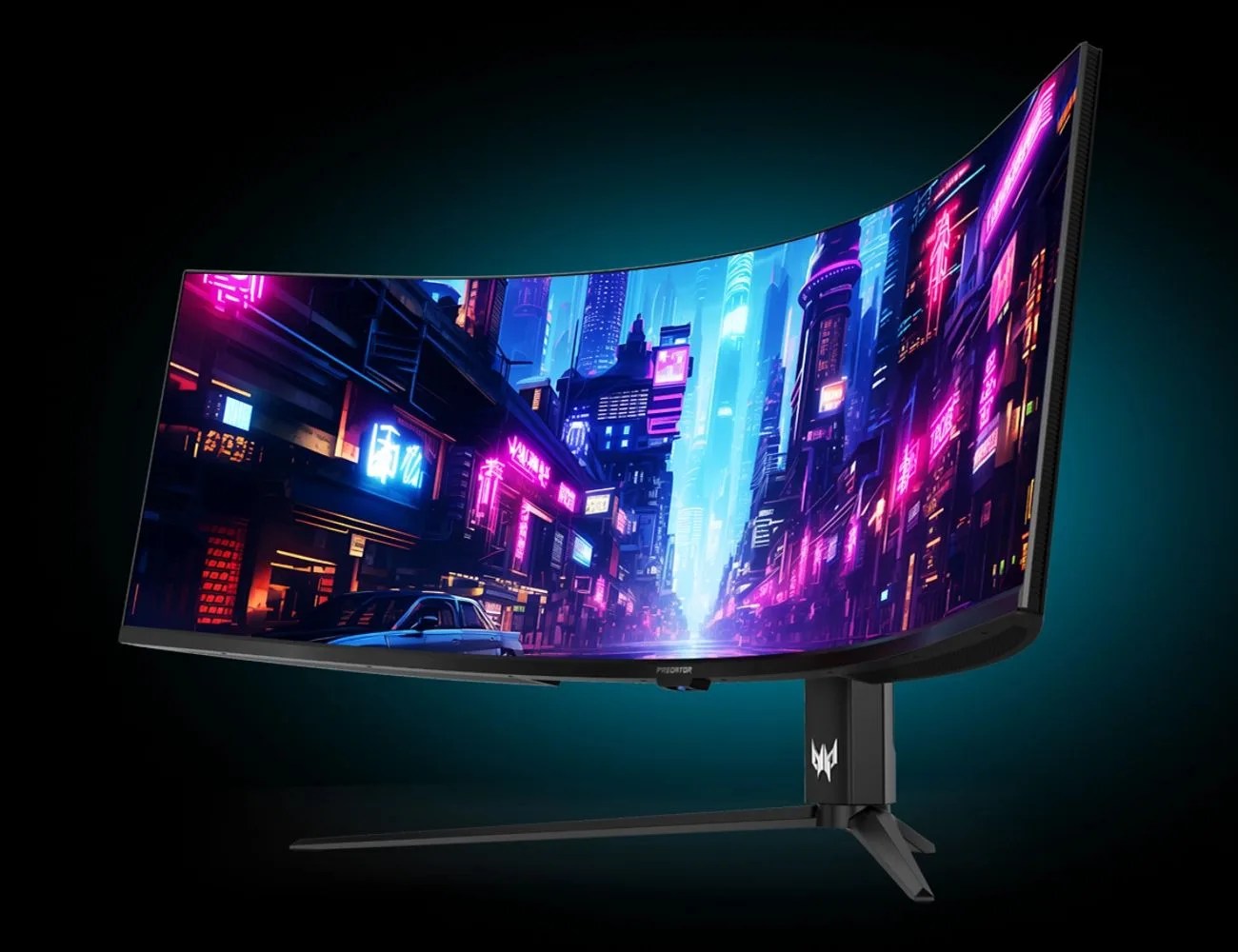
The Acer Predator Z57 is one of the standout gaming monitors of CES thus far. It’s a ginormous 57-inch curved monitor with Mini-LED backlighting, so it should be able to deliver a better picture with superior contrast versus a typical LED monitor. Additionally, it comes decked out with gaming features including a 120Hz refresh rate, support for AMD FreeSync Premium and dual HDMI 2.1 ports. It’s expected to be released in Q2 of 2024.
The Odyssey OLED G8 (G80SD) is a 32-inch gaming monitor. It has a flat — not curved — 4K OLED display with a 16:9 aspect ratio and a super-fast 240Hz refresh rate. It is VESA DisplayHDR True Black 400 certified, comes with a number of new-age ports (including two HDMI 2.1 ports) and features Samsung’s built-in Smart TV OS, so you can stream shows when not connected to your computer.
At 27 inches, the Odyssey OLED G6 (G60SD) is the smallest of Samsung’s gaming monitors. The G6 is a flat OLED monitor, like the G8. It has a lesser 144op resolution display but packs an incredibly fast 360Hz refresh rate. It also is VESA DisplayHDR True Black 400 certified and comes with several new-age ports (including two HDMI 2.1 ports).
LG announced several new and updated OLED gaming monitors ahead of CES, with the UltraGear OLED (model 32GS95UE) being the most interesting. It’s a 32-inch 4K monitor with 240Hz refresh rate, but it’s also the company’s first UltraGear monitor to support Dual-Hz; with a click, you can quickly switch to an HD picture with an even higher refresh rate, up to 480Hz, which is ideal for fast-paced FPS games.
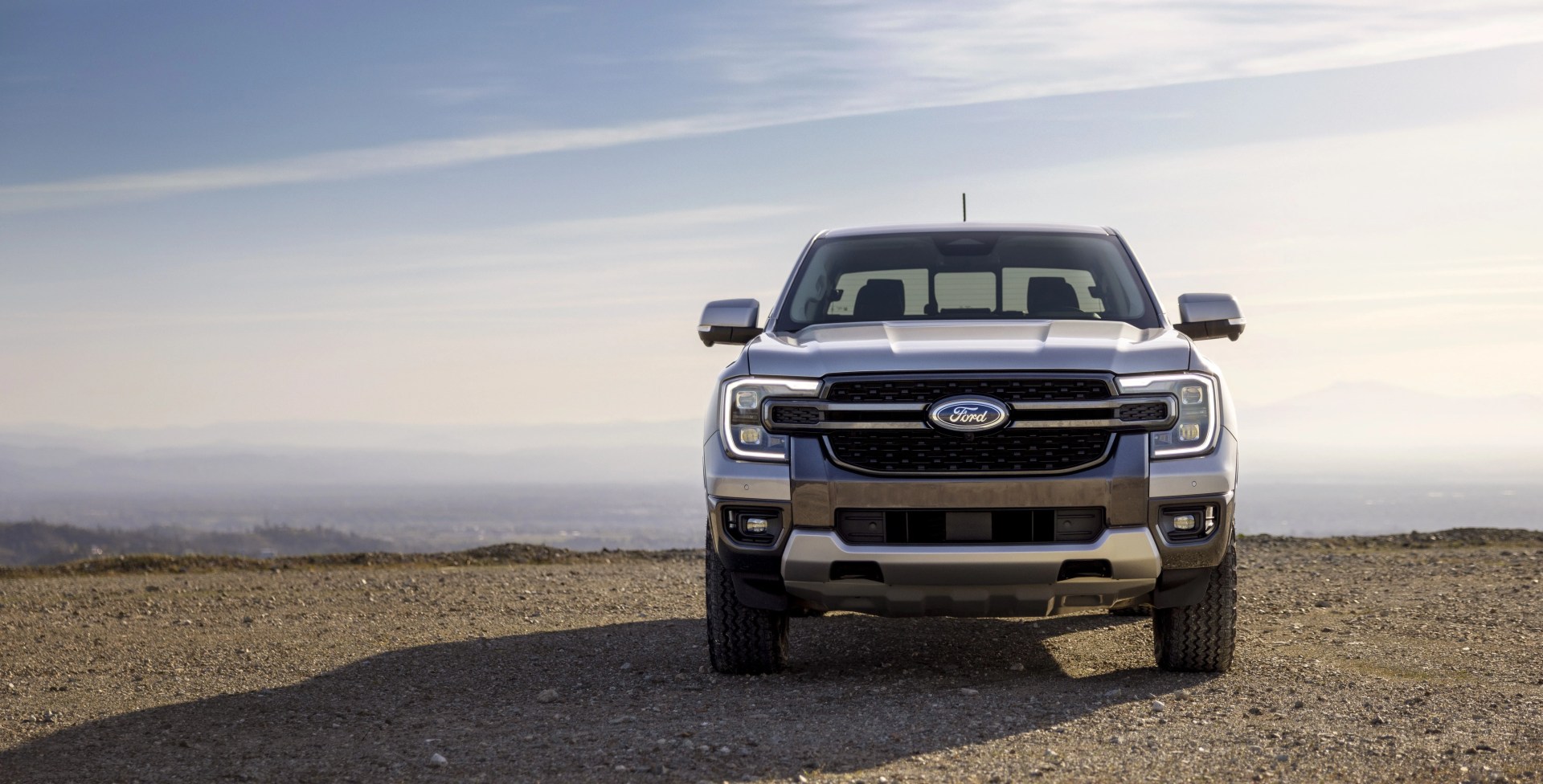
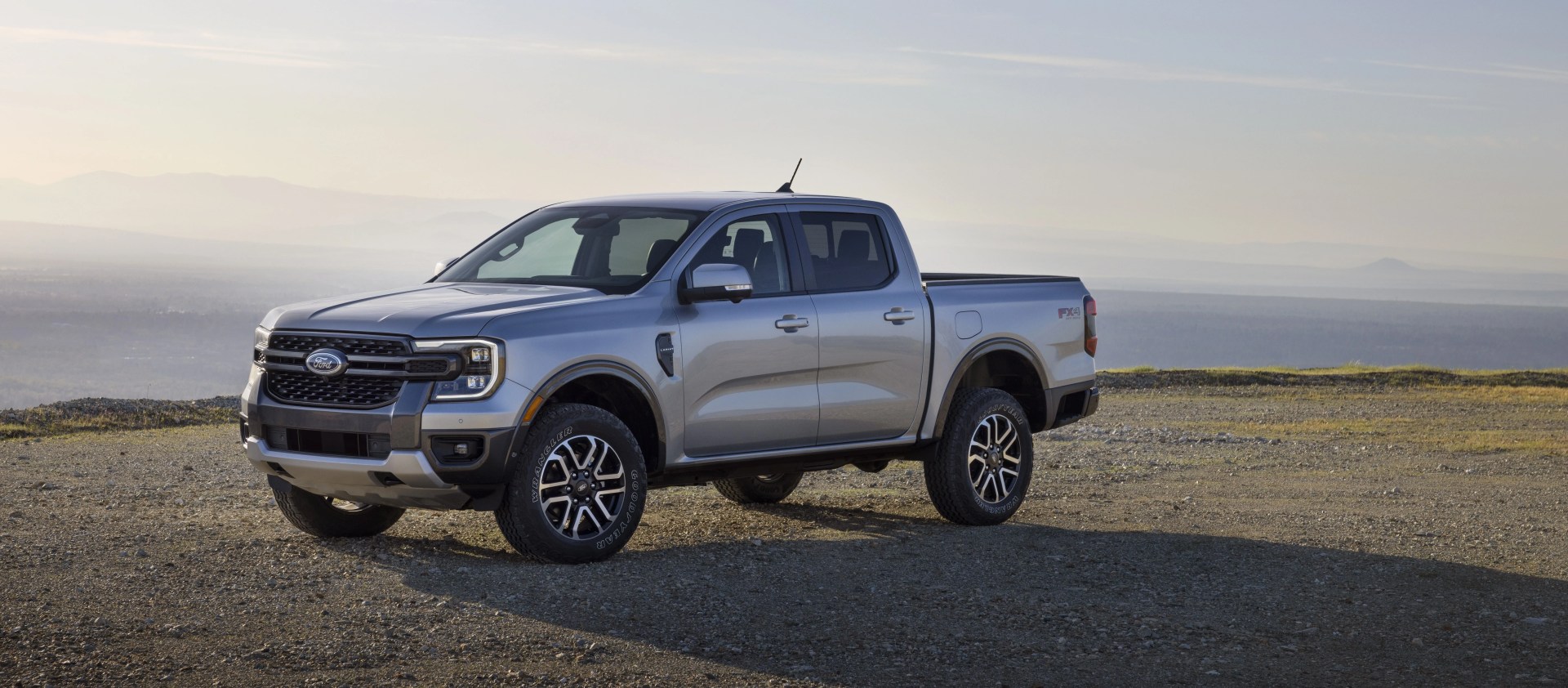
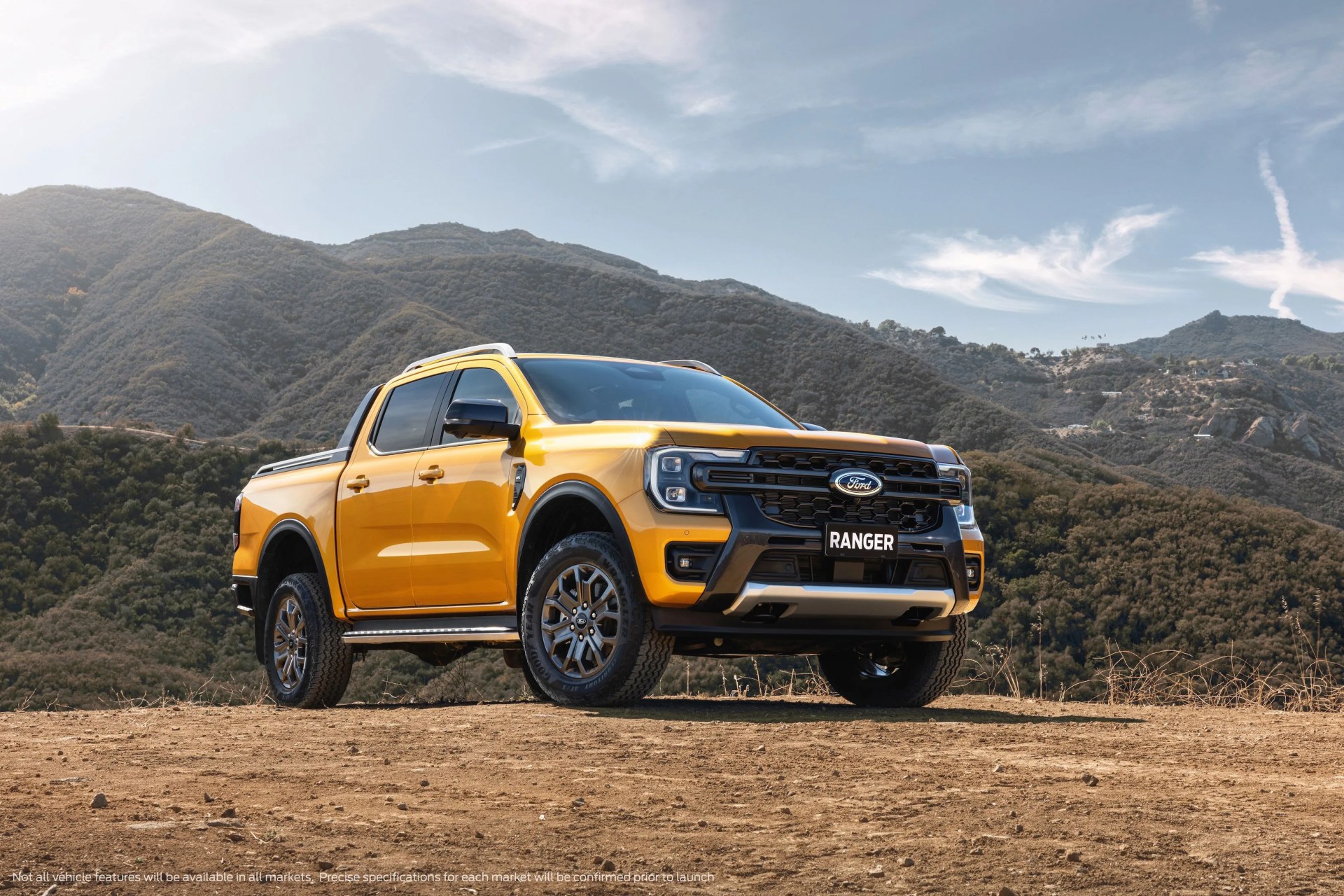
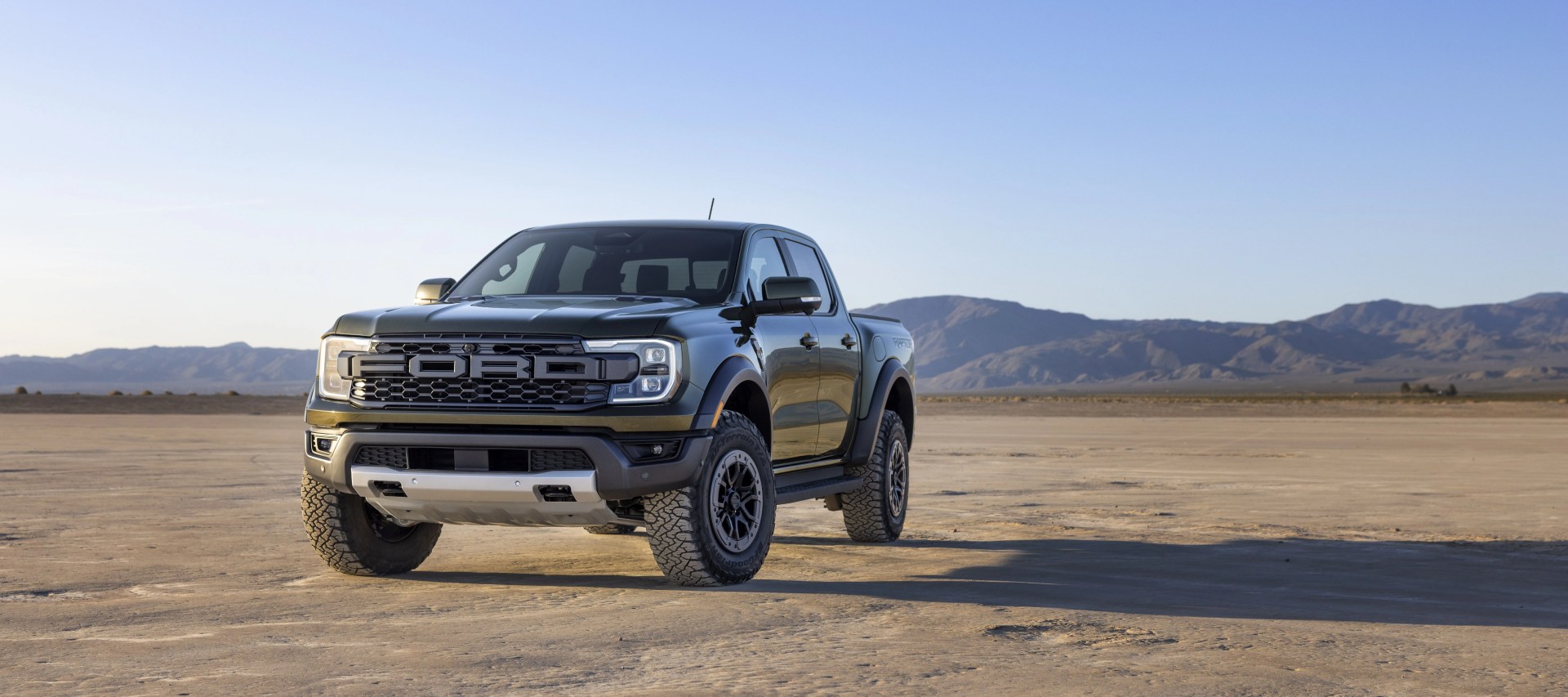
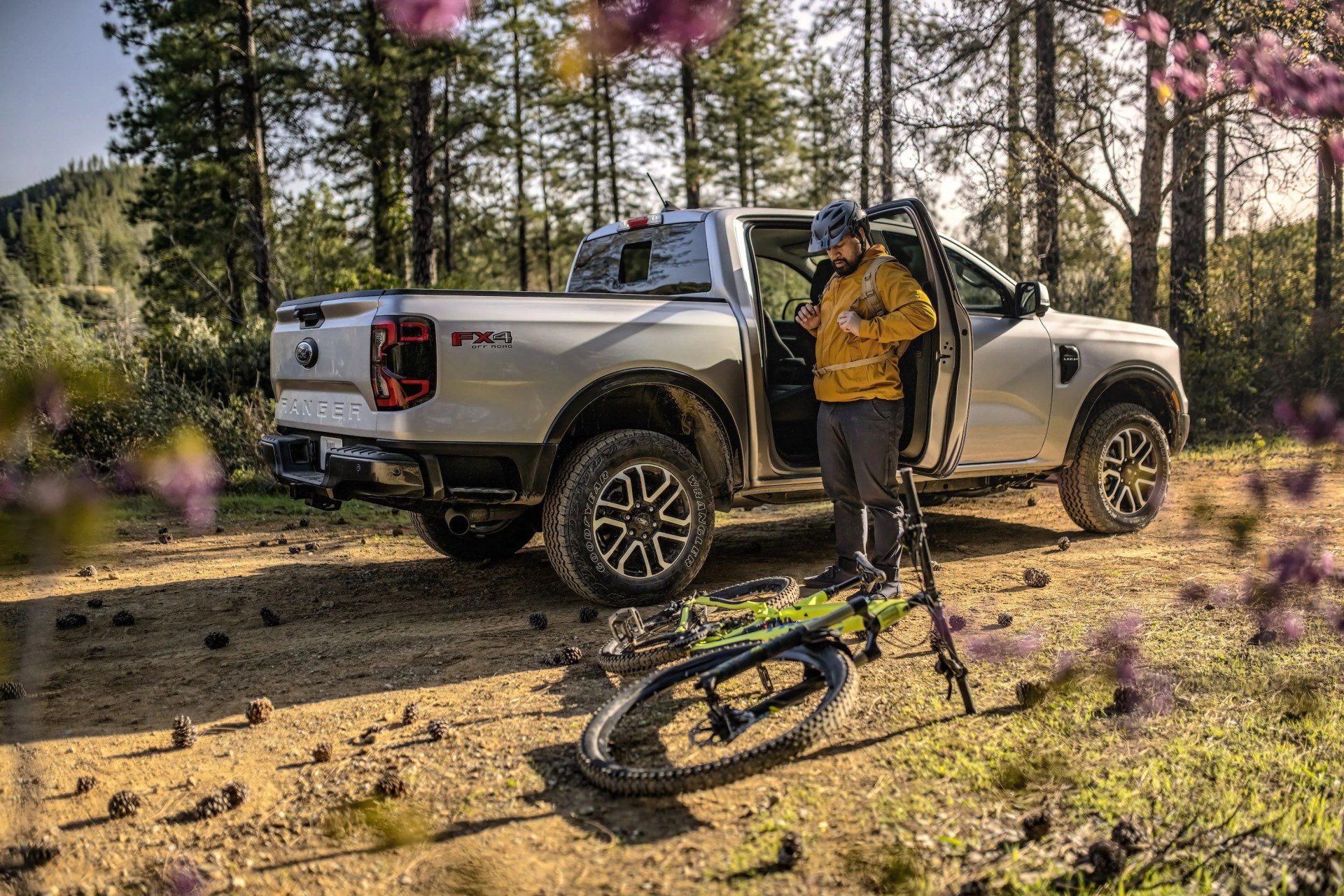
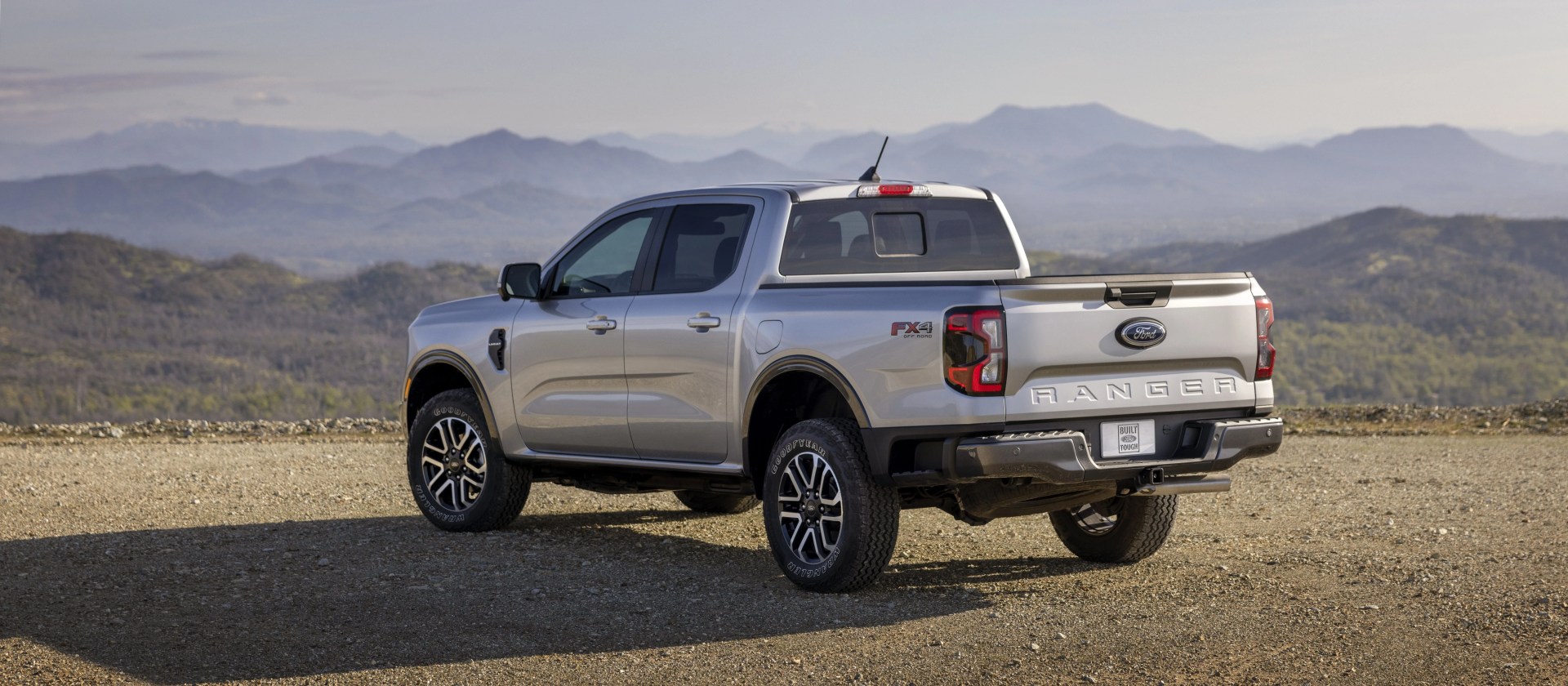
Last year, Ford debuted the all-new Ranger for America that’s arriving in showrooms in 2024. We’re getting a Ranger Raptor model this time around, unlike in the past — but Ford did not follow Toyota’s lead and bring a hybrid version of the Ranger for the U.S.
That said, Ford has introduced a PHEV version for global markets. Will Ford bring a plug-in hybrid Ranger pickup to America? Here’s what we know so far.
Ford has a plug-in hybrid Ranger for other parts of the world
Ford
Ford has already unveiled a Ranger PHEV for global markets, based on the 2.3-liter turbocharged inline-four engine. Ford has not provided the full performance specs for it yet, but we do know that it offers 28 miles of EV-only range (admittedly, under the generous WLTP standard, not the EPA’s test), 7,700 pounds of towing capacity, Ford’s Pro Power Onboard system and at least 443 lb-ft of torque.
Ford has NOT said America will get the Ranger PHEV …
Ford
Discussing a PHEV Ranger for America, Ford told Car and Driver that it believes it offers sufficient electrified alternatives, what with the hybrid Maverick and both hybrid and all-electric versions of the F-150 available.
… but Ford HAS said it’s pivoting toward hybrids
Ford
Ford CEO Jim Farley pumped the brakes a bit on Ford’s transition to EVs in 2023, noting that Ford would lean into new hybrids (in non-traditionally hybrid vehicles) with plans to quadruple hybrid sales by 2028. A Ranger PHEV sounds like it would fit in with that movement.
Ford could still add a Ranger PHEV to U.S. showrooms on schedule
James Lipman
While the Ranger PHEV has been announced for global markets, it’s not arriving until the 2025 calendar year. There’s typically a time lag between Ranger developments abroad and in America; the new Ranger did not debut for the U.S. until more than a year after the global model emerged.
Rolex dominates the luxury watch space, with the brand alone accounting for nearly a third of the Swiss watch market. So perhaps it’s time for the Crown to expand and find another industry to dominate. Specifically, the smartphone market. Or, at least, that’s what a new report would have us believe.
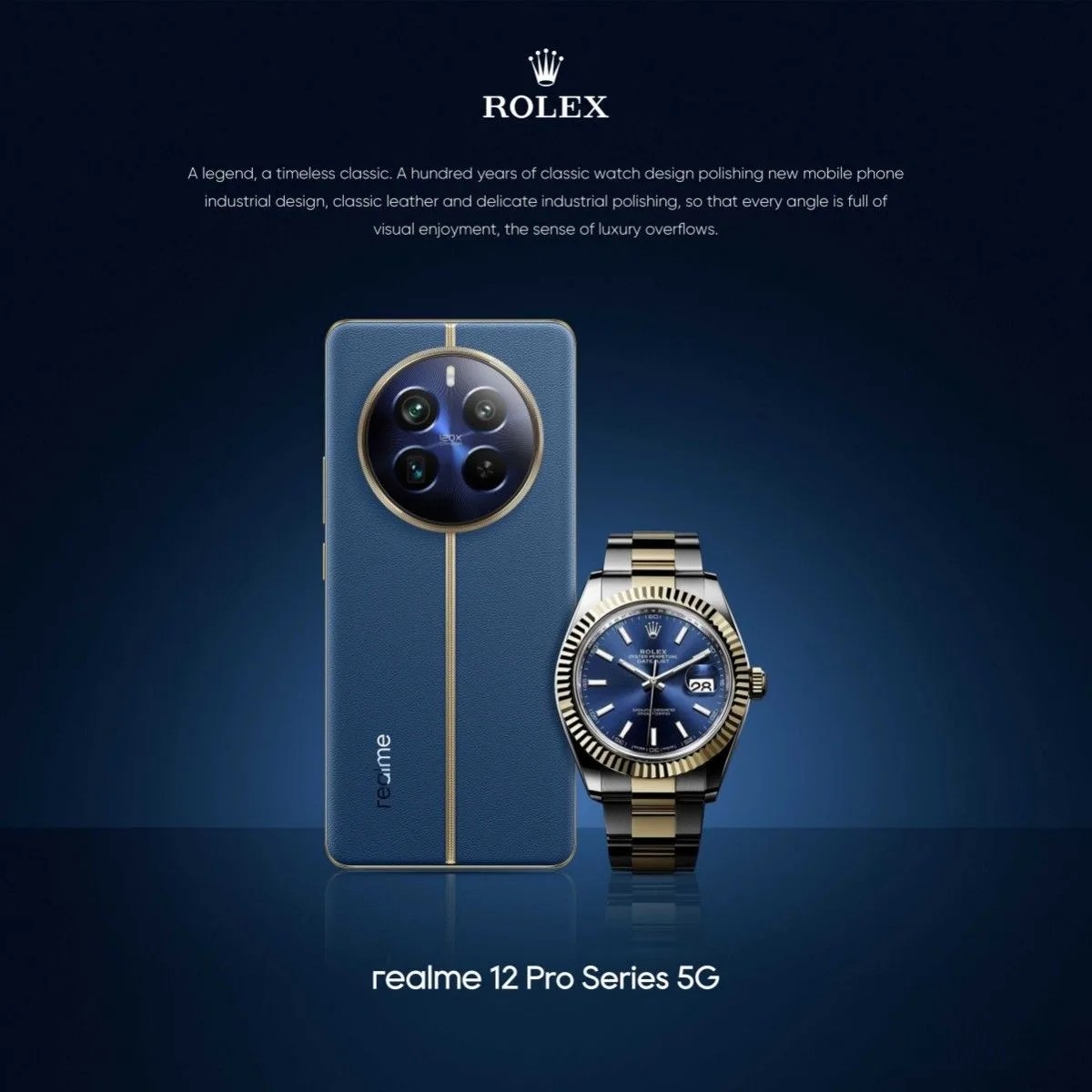
On January 10, mobile phone news and reviews site GSMArena published a story claiming that Chinese technology brand Realme was partnering with Rolex on a special version of its upcoming Realme 12 Pro smartphone. The report is based on an allegedly leaked image of an ad showing the phone alongside a Rolex Datejust, with copy in the ad describing the collaboration. But is it real, or is the image a hoax?
The cited source of GSMArena’s image is X (formerly known as Twitter) user @ZionsAnvin, who appears to be an India-based tech reporter. His original tweet shares the image with the following commentary: “Here is the Realme 12 Pro+ … Seems like a co-brand with Rolex.”
The allegedly leaked ad … seems sus, as the kids say.@ZionsAnvin on X
So … not a whole lot to go on.
Digging a little deeper, we begin to notice some cracks in the story. For one, the Rolex shown in the ad — a Datejust in yellow Rolesor with fluted bezel and dark blue dial on an Oyster bracelet — does not exist in either 36mm or 41mm variants. GSMArena speculates this could be because the watch is a special edition set to be released alongside the phone. I’m not so sure.
Now, onto the copy of the alleged ad. Here’s what it says:
A legend, a timeless classic. A hundred years of classic watch design polishing new mobile phone industrial design, classic leather and delicate industrial polishing, so that every angle is full of visual enjoyment, the sense of luxury overflows.
Obviously, I’ve got a few issues with this copy, the first of which is that it doesn’t make any sense. It seems like it was written in another language and then translated to English, but why would the ad exist in English at all if the phone is intended for the Chinese market? Outside of the nonsensical wording, the details are also wrong. Rolex has been around as a brand since 1908, making it 116 years old, so why would a brand so closely linked with precision be so imprecise when describing its own age?
There Is an Actual Realme Watch Collab
I am firmly in the camp of believing that this Rolex x Realme collab is a hoax, but I can also see where it may have originated. Realme itself recently revealed that the Realme 12 Pro was designed in conjunction with Ollivier Savéo, a bespoke luxury watchmaker who, as far as I can tell, has no affiliation with Rolex. I think it’s likely someone saw the words “luxury watch,” thought of the brand most associated with the genre — i.e., Rolex — and then had a little fun in Photoshop.
The Realme 12 Pro was designed in conjunction with watch designer Ollivier Savéo.realme
Finally, roughly 11 hours after the original tweet of the supposedly leaked ad, Realme revealed the 12 Pro smartphone in a tweet of its own. The phone is the exact same image as the one from the “Rolex” ad, sporting a blue leather back with gold accents and a fluted gold ring around the camera lens assembly. What it’s lacking, however, is any mention of Rolex, and instead describes the “Submarine Blue” design (not Submariner Blue) as being derived from “luxury watch design.”
There’s the Realme 12 Pro … note the absence of Rolex branding. @realmeglobal on X
There Is No Rolex Smartphone
I was already feeling quite confident in my assessment that Rolex has not partnered with Realme on a smartphone. Rolex is an extremely cautious brand that makes very calculated moves, and a random collab with an unassociated watchmaker and a Chinese smartphone brand that mainly produces products that look a whole lot like Apple products doesn’t seem very likely. Just to be sure, though, I reached out to Rolex for comment on the story and was told simply, “This information is false.”
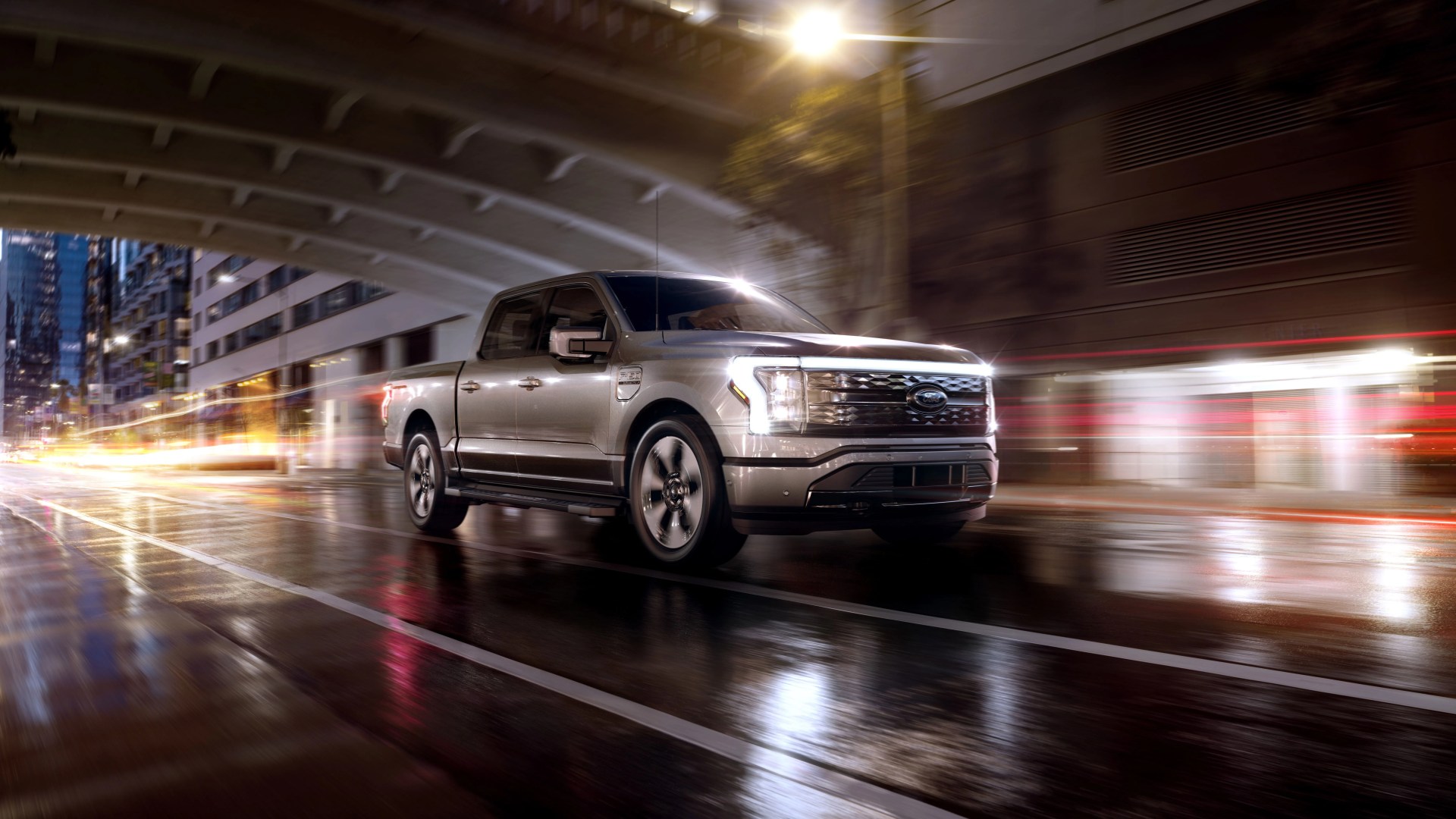
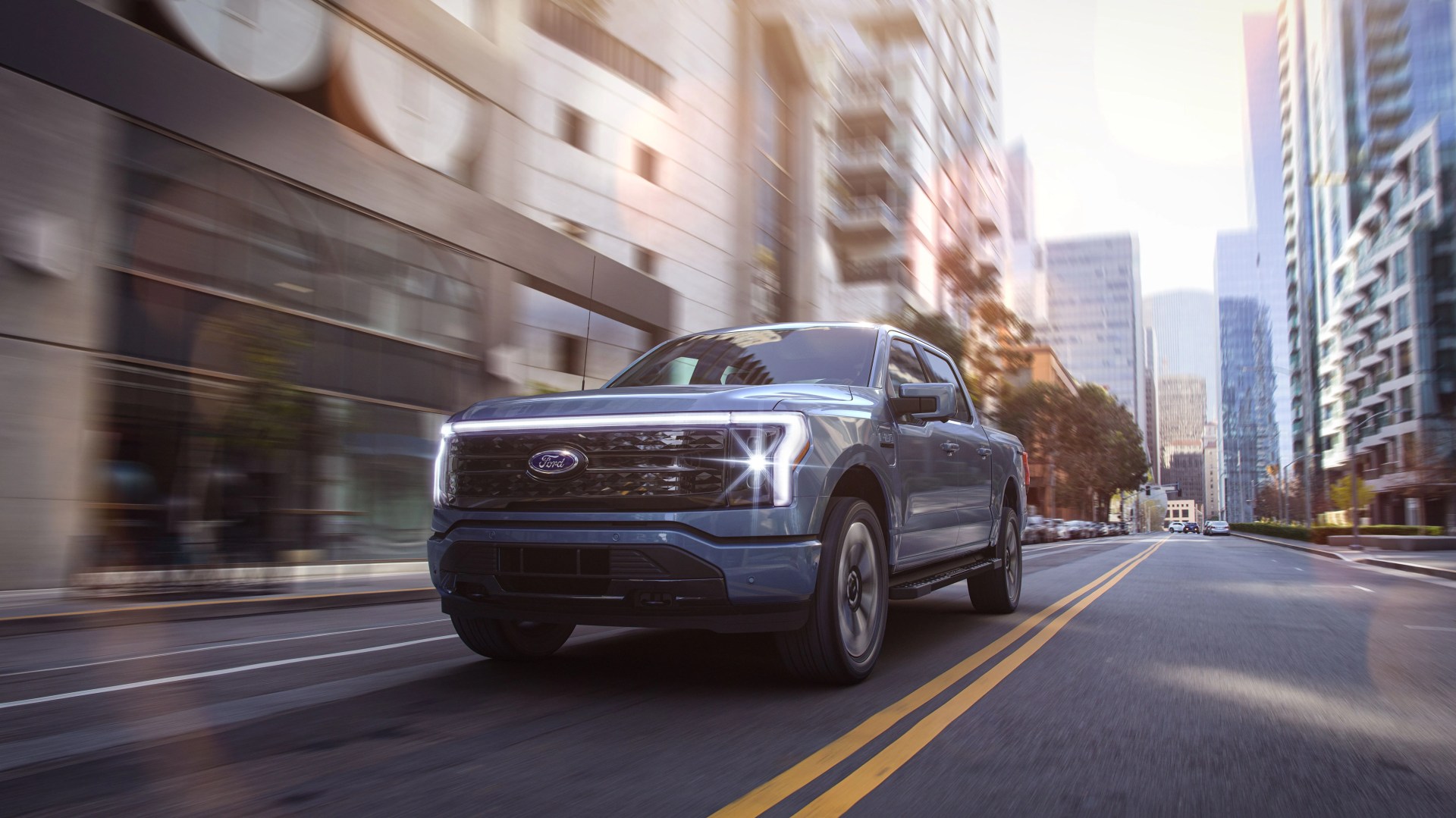
Going that route was beneficial; Ford got an electric pickup to market far sooner than competitors. But the F-150 Lightning is hamstrung by its combustion-oriented platform. With competitors like the Silverado EV, the GMC Sierra EV and the Ram 1500 REV, GM and Stellantis are skipping the “F-150 Lightning” development stage to build new, ground-up electric trucks on dedicated EV platforms. Those trucks — when they get to market — will exceed the range and capability of the F-150 Lightning. But Ford has no plans to be caught flat-footed.
During the production launch for the F-150 Lightning, Ford CEO Jim Farley confirmed that Ford was already working on a new EV truck to match competitors. For now, Ford is publicly referring to the truck under code name “Project T3,” which stands for “Trust The Truck.” We expect the truck to receive some form of F-Series branding.
Here’s everything we know about Ford’s Project T3 electric truck so far.
Patent filings may reveal the platform Ford will use for the electric F Series
Ford
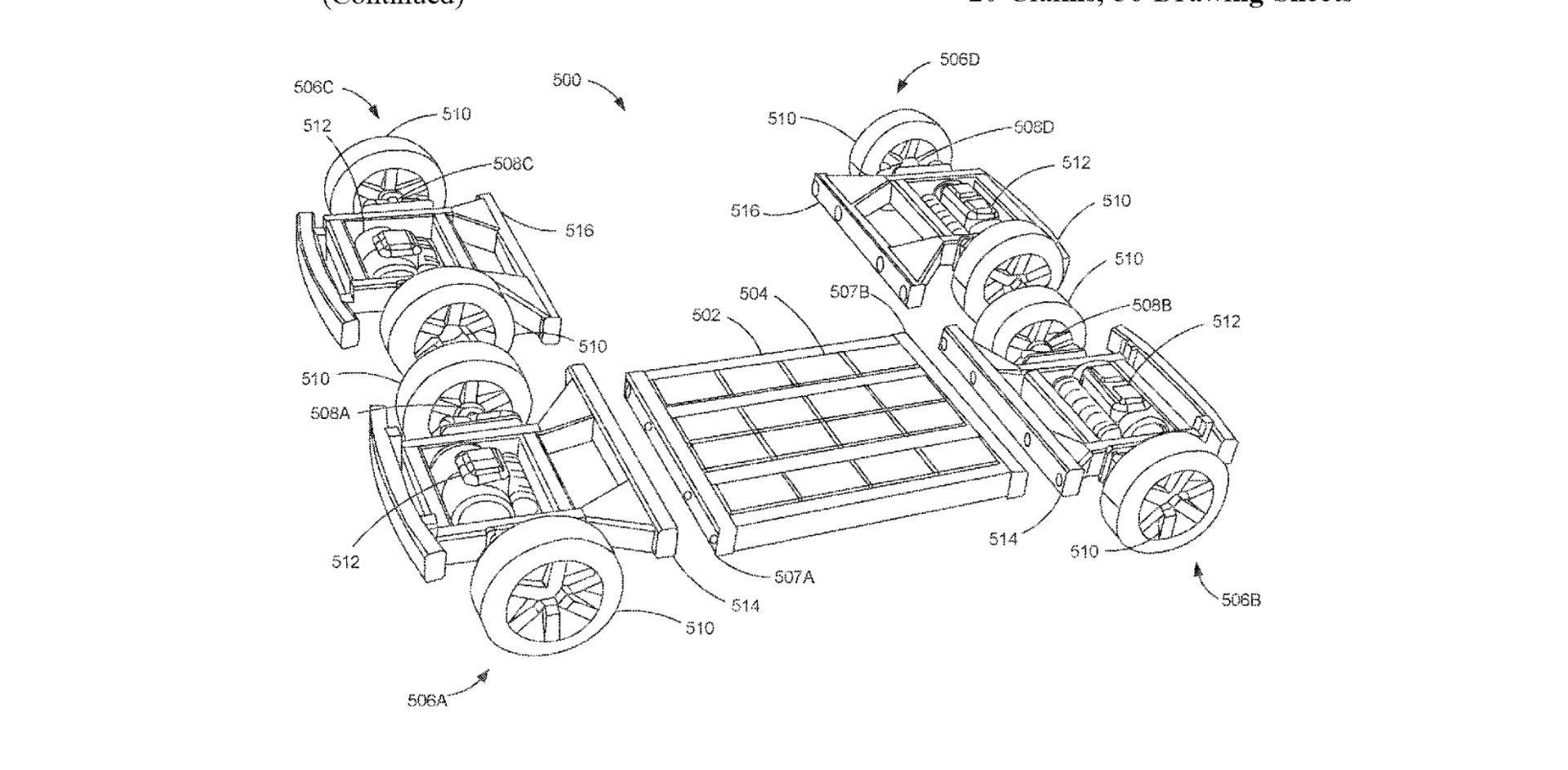
In January 2024, Road & Track uncovered a Ford patent for a modular electric vehicle platform granted that same month. The system looks broadly similar to GM’s Ultium platform: a battery compartment in the center, plug-and-play electric motor and suspension units front and rear and the ability to accommodate different wheelbases.
We don’t know whether this is the EV truck platform yet. That said, Ford did include the F-150 Lightning in one of the patent drawings.
The electric F-Series could offer innovative frunk storage options
Ford
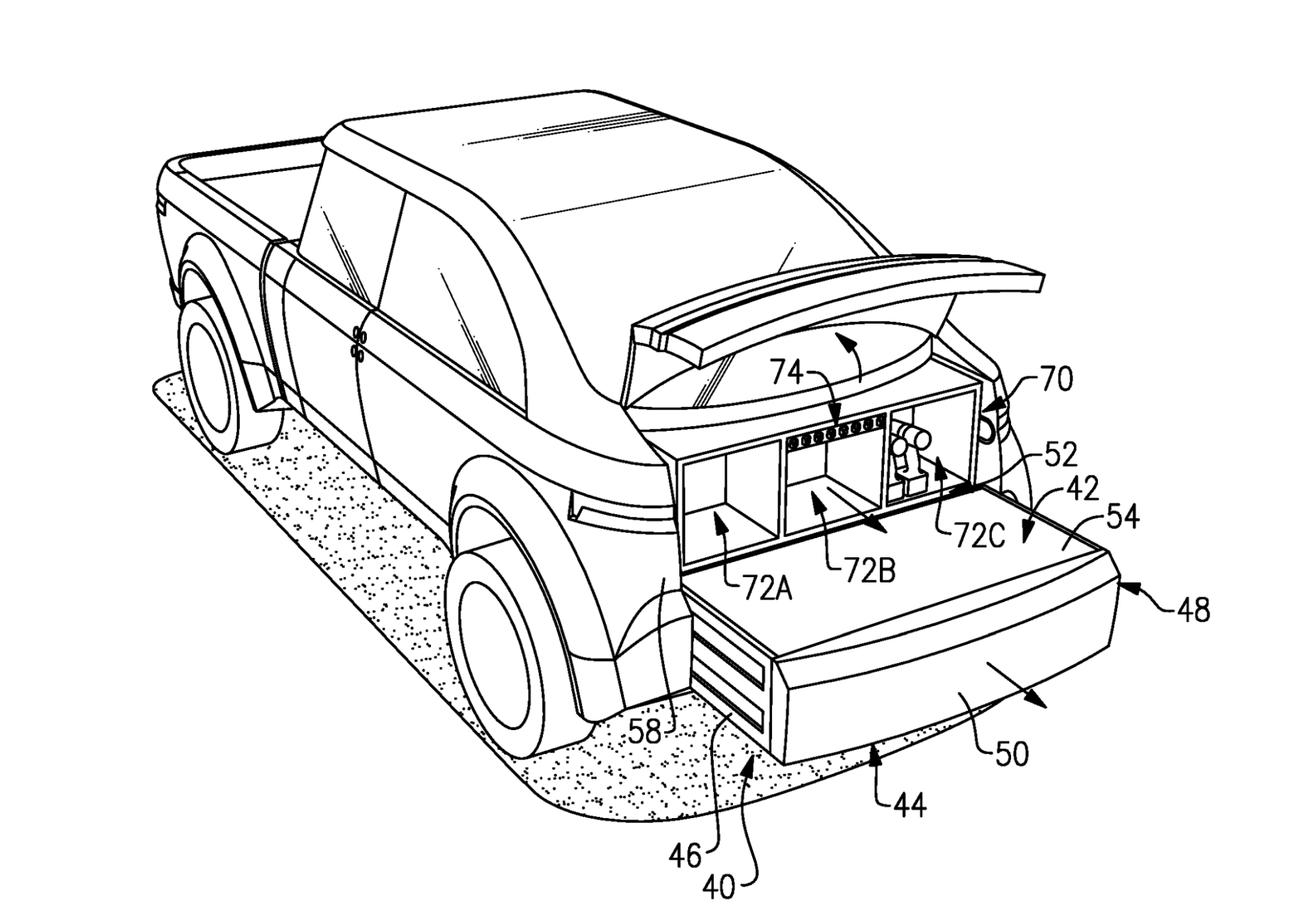
Motor Trend uncovered a Ford patent application from December 2023 showing storage solutions for an electric pickup’s frunk. Drawings depict cubbies to store tools or other items and, more interestingly, a slide-out drawer integrated into the front fascia.
That design would not work with the current design of the F-150 Lightning. So a presumable application for this design would be on Ford’s next-generation electric pickup. The drawings depict a cab-over design — think kind of like the Tesla Cybertruck — but we think that may be for illustration; the T3 will likely look more like a conventional pickup.
What specs will the Ford Project T3 electric pickup have?
Ford
Ford hasn’t gone into specifics yet on Project T3. But the brand has alluded to several items. Expect Ford’s EV truck to have a digital platform for over-the-air software updates, faster charging, a longer range than the Lightning’s 320 miles, the latest edition of Blue Cruise hands-free driving and for the truck to be even better at charging your home.
One interesting contention is that the truck will be “impossibly quick,” which suggests it will be quicker than the F-150 Lightning. Keep in mind that the F-150 Lightning can accelerate from 0 to 60 mph in 4.0 seconds flat.
Ford’s CEO compared Project T3 to the Millennium Falcon
Ford
Ford hasn’t really gone into specifics yet about the new truck’s capabilities. But Jim Farley did compare the new truck to the Millennium Falcon.
“PJ O’Rourke once described American pickups as ‘a back porch with an engine attached.’ Well, this new truck is going to be like the Millennium Falcon – with a back porch attached,” Farley said. We assume Farley is not taking the Star Wars reference too literally with regard to the vehicle’s styling, and is just attempting to portray that the truck will be impressively quick and capable.
Ford filed trademark applications for “F-150 Thunder,” “Ranger Thunder” and “Maverick Thunder,” which could be a potential name for the trucks. Thunder does come after lightning, after all.
Will the new Ford electric truck kill off the F-150 Lightning?
Why Rolex is so popular after being around for over a century, especially now that so many other excellent watch brands are around, is a legitimate question. A Rolex is partially assembled by hand, and partially by machine, and certainly one can find more affordable watches that are ostensibly just as accurate, handsome and sturdy. So how does Rolex continue to stay on top of the Swiss mechanical watch game?
On the surface, one has to accept that Rolex has effortlessly maintained its place among today’s most recognizable status symbols, cutting across cultures and geography as a truly global brand. It’s hard to watch a tennis match, yachting regatta, auto race or golf tournament without the Rolex crown pasted all over it. Famous actors, musicians and many politicians sport Rolexes. Good luck even getting through a major airport without seeing a Rolex clock reminding you of the brand’s ubiquity.
No watch brand in the world can match Rolex’s recognition.Photo by Zen Love for Gear Patrol
Certainly, Rolex’s brand cachet motivates a good portion of sales, but it doesn’t account for the fact that Rolex watches — old and new alike — are a surprisingly great value and incredibly well made. When all of Rolex’s proprietary mechanical technology, cutting-edge materials and timeless designs are accounted for, Rolex has always made excellent watches that simply don’t cost as much as their equivalents from other brands. (With Omega billed as a perennial exception.)
The solid value of a Rolex is a little hard to see at first glance (they are certainly not inexpensive), but after shopping around for equivalents, most agree that Rolex is doing things right — including, in some cases, with regard to pricing. Rolex’s steel sports watches exhibit value better than many others, and that has made them especially hard to get.
Buying a new Rolex can be a complicated endeavor because for several years now, Rolex has been unable to keep up with demand on more than a few models (especially steel sports models), thus creating years-long waitlists at the brand’s vast network of authorized dealers. Getting on those lists is itself a challenge requiring investment of time and money. Buying a pre-owned Rolex is also a complicated endeavor because there are myriad details that can be significant in determining the value and desirability of any individual watch, and unless you’re purchasing a Certified Pre-Owned Rolex, you’ll be on the hook to evaluate the watch’s condition, inside and out, yourself.
How to Buy a New Rolex
Pricing
Authorized dealers are not allowed to jack up the prices on any Rolex, an interesting point when you consider that a percentage of folks lucky enough to get a new steel Rolex sports watch immediately flip them for multiples of the sticker price. However, it would seem that most authorized Rolex dealers shun flippers and try to weed them out, considering association with these profiteers bad for business, and alienating to those seeking a good relationship with an authorized Rolex dealer.
In 2023, Rolex purchased Bucherer, the world’s largest watch retailer and its biggest retail partner. While the two companies are operating independently, at least so far, the deal ultimately gives Rolex even more control over its pricing, distribution and dealer network than ever before.
Availability
Walk into any authorized Rolex dealer, and you’re going to see a lot of Datejusts, Day-Dates, Oyster Perpetuals, perhaps an Air-King and probably some of the new 1908 dress watches. You’ll always see a swath of women’s models. You might see a few sport models in precious metals like a Sky-Dweller, a Yacht-Master or even a Submariner; or you might not. Prices on new Rolexes are typically non-negotiable, and if you find what you like among the Rolexes on offer, then it’s a fairly straightforward purchase.
Photo by Zen Love for Gear PatrolPhoto by Zen Love for Gear Patrol
What you likely won’t see at an authorized Rolex dealer these days are steel sport watches — Daytonas, Submariners, Sea-Dwellers, Sky-Dwellers, GMT-Masters and Explorers (I and II) in Oystersteel are nowhere to be found. From the legendary Parisian dealer Bucherer to the lovely Betteridge Jewelers in Vail, Colorado and Greenwich, Connecticut, to the Rolex boutique on Madison Ave in NYC, we (mostly) haven’t seen a steel Rolex sports on display for at least a few years. If you’re pushy, as we were recently in Paris, you might convince the salesperson to pull a steel Rolex sports watch out of the safe just to check it out, but even that is a rare privilege, perhaps afforded only to pushy journalists.
Why is that steel Rolex in the safe? And who’s gonna get to purchase it?
The Waitlist
That steel Rollie is in the safe waiting for whomever is next on the dealer’s waitlist for that model. Getting on that list isn’t easy. At Betteridge Jewelers in Greenwich (a town full of hedge fund types and, thus, gorgeous watch boutiques), our request to get on the waitlist for a steel Sk-Dweller was politely rejected.
“Well, those models are going to go to people who have a long-standing relationship with the owner.”
“Could I get on the list?” we asked.
“We have a gold one I can show you,” came the well-rehearsed answer. Not even a pushy watch journalist was going to simply waltz onto that list.
Rolex sports models like the GMT-Master II are nearly impossible to purchase quickly at retail without connections.Zen Love
And so, the reality of getting a current model year steel Rolex sports watch involves either building a positive, long-term, close relationship with an authorized Rolex dealer (which we highly recommend to those hungry for late model steel Rolexes).
Most authorized Rolex dealers shun flippers, considering association with these profiteers bad for business, and alienating to those seeking a good relationship with an A.D.
Building a relationship with an authorized Rolex dealer will likely involve becoming a regular customer — and browsing won’t cut it; you have to make purchases. All this may smack of nepotism, but it’s really just an extension of mutual loyalty between retailer and customer, akin to getting a table at an impossible-to-book restaurant, getting inked by a renowned tattoo artist or being fitted by a celebrated tailor. Persistence, patience and loyalty can eventually earn you access to the waitlist. And then, you’ll wait.
How to Buy a Certified Pre-Owned Rolex
Of course, there is an alternative to waiting years to get the watch you want: Just buy pre-owned. In 2023, that prospect became safer and arguably easier to do than ever, thanks to Rolex’s new Certified Pre-Owned program. The program, which debuted in Europe in 2022 and made its way to the US in the spring of 2023, sees Rolex approving and certifying its own pre-owned watches for resale for the first time ever.
Certified Pre-Owned Rolexes come with a seal similar to the one included with new watches from the brand.Rolex
Hypothetically, this gives Rolex even more control over the market for its watches, allowing it to set the ceiling of what its pre-owned pieces should go for and forcing other non-certified sellers to keep prices lower to compete. Technically, the dealers participating in the program are allowed to set their own prices, but we don’t see them gouging anyone if they want to stay on the Crown’s good side — remember Rolex’s rule when it comes to ADs raising prices on new models.
Three-Year-Old Watches with Two-Year Guarantees
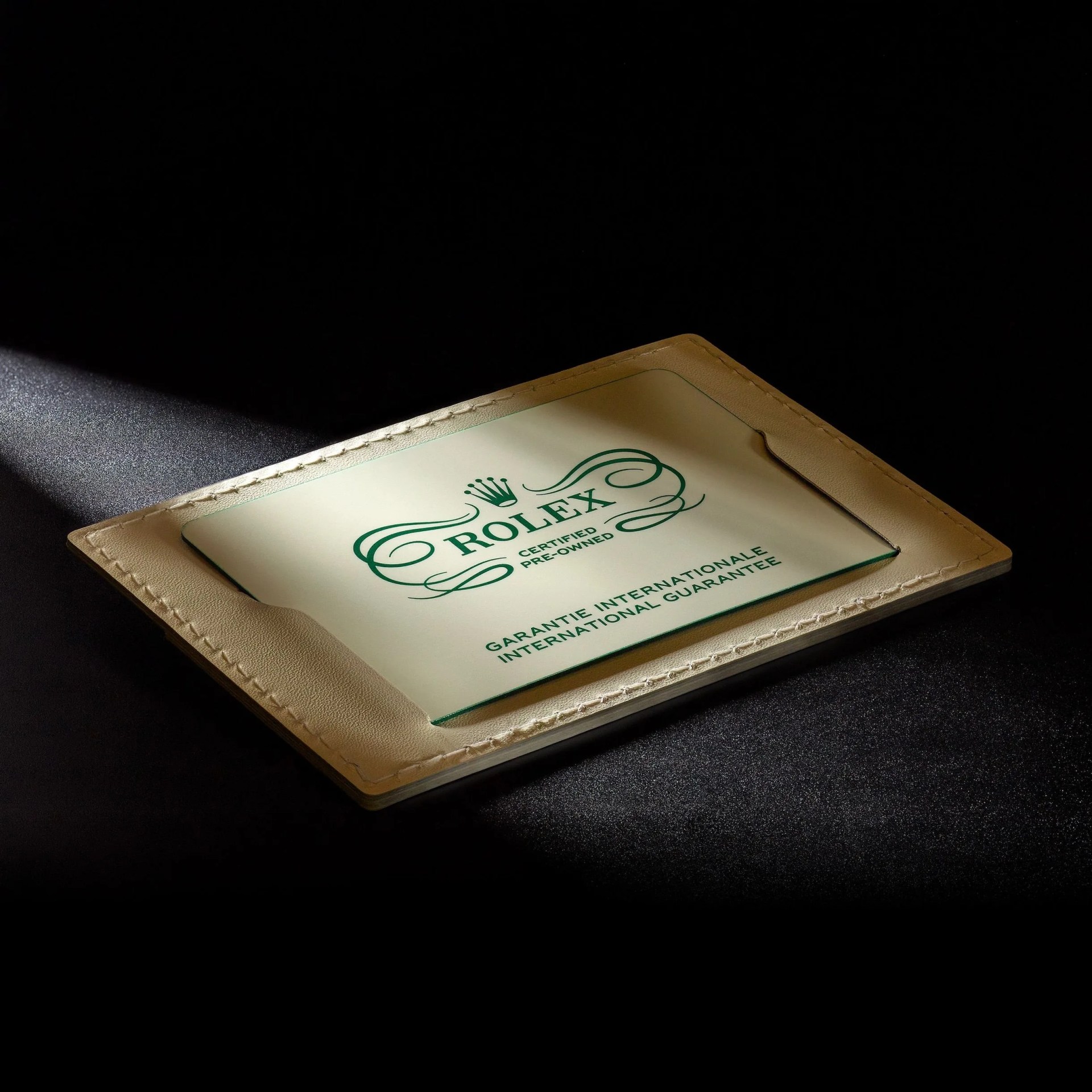
Three and two. Those are the most important numbers to know when it comes to Rolex’s Certified Pre-Owned program. The program applies only to watches that are at least three years old, and every watch purchased through the program comes with a two-year international guarantee card. In addition, you’ll also receive a Rolex pouch, a Rolex Certified Pre-Owned seal (similar to the famous green seal that comes with new Rolex watches), a service booklet and a guarantee booklet.
Certified Pre-Owned Rolexes come with a two-year guarantee as opposed to the five-year one included with new models.Rolex
Rolex Certified Pre-Owned Dealers
Only Rolex Certified Pre-Owned dealers can sell you a used watch that’s certified and backed by Rolex, and these dealers can be recognized by displaying a Rolex Certified Pre-Owned plaque. The dealers include some of the biggest names in watch retail. Bucherer is among them (and was included even prior to it becoming part of the Rolex family), as is Tourneau, which is part of Bucherer with a huge US presence. Outside the official Rolex corporate umbrella, other massive retailer conglomerates Watches of Switzerland and The 1916 Company are also Rolex C.P.O. dealers.
You Can Buy Certified Pre-Owned Rolex Online
One added bonus of the Rolex C.P.O. program is that Rolex-backed and certified watches can now be purchased online, something that is not possible for new models. Tourneau sells Certified Pre-Owned Rolex watches on its website, as do The 1916 Company through its Govberg subsidiary and Watches of Switzerland (its subsidiaries, Mayor’s and Betteridge, also do, but all appear to have the same inventory).
If you just search Google for Certified Pre-Owned Rolex dealers, you’ll see a number of retailers offering “certified pre-owned Rolex watches” and touting their own exclusive certification process. Reading between the lines, you’ll discover that these retailers are not part of the Rolex program and are doing certifications themselves or through a third party — without the involvement or approval of Rolex. If you want Rolex’s official certification, you should only buy from a dealer displaying the official Rolex C.P.O. plaque, seen below.
Look for the official Rolex Certified Pre-Owned plaque.Rolex
How to Buy a Non-Certified Pre-Owned Rolex
Although the market is still adapting to the new reality of Rolex certifying pre-owned watches for its authorized dealer network, so far, the authorized prices have been settling higher than what you would get from a non-authorized reseller (that’s to be expected). So, if you’re looking to save some extra money on your used Rolex watch, you can shop around — but you’ll need to exercise more caution than if you’re buying from someone you know Rolex stands behind.
Whatever the age of the watch you’re interested in, you’re going to want to know a number of things about any pre-owned Rolex in order to get exactly what you’re looking for at a reasonable price. We certainly won’t be the first to say “condition is everything,” but it most certainly (almost) is. Though every seller of pre-owned watches seems to break a watch’s condition into their own stratified rating system, the following ranking is a decent way to assess what you’re looking at.
New Old Stock and Box-Fresh Rolexes
Obviously, the best condition a watch can be in is new condition, and, though rare, it’s not entirely impossible to find older models yet to be sold or which were sold and have sat unused (think “inappropriate gift,” etc.). Interestingly, even unopened watch boxes can be environments in which patina and/or corrosion develop, so even a New Old Stock Rolex requires some assessment before purchase.
Mint Condition
These will have been used, but they have not been abused or altered in any way. They typically are newer and show no signs of wear or patina. Rolex’s alloys — especially the modern Oystersteel — can withstand years of use without showing much damage. A gold Rolex is more susceptible to scratches and dents, as are older steel models. Thus, mint Rolexes tend to be newer and steel.
Used & Unpolished
These watches will show signs of use, like scratches and dents, but have not been polished. Polishing is a process that changes the dimensions of the watch case to varying degrees by shaving off metal, often rounding previously sharp corners and connection points. Serious collectors generally avoid polished Rolexes (and polished vintage watches from other brands), but everyone has their own threshold. There’s no hard rule here.
Used & Polished
These watches may appear to be in better condition than an unpolished watch, but they may cost you less because they’re not 100% original. Again, feelings about polishing are purely subjective, and the amount of metal removed may be a factor in working out the price — purists prefer unpolished watches.
Polishing is a process that changes the dimensions of the watch case to varying degrees by shaving off metal, often rounding previously sharp corners and connection points.
Fixer-Upper
When a watch is water-damaged, run over by a car, left in a chemically toxic environment or otherwise beat up, it may be a candidate for restoration. Generally, we would recommend that only an experienced collector or enthusiast who understands what’s involved take on such a project. Nailing a fair price for the watch is tricky at best, as is estimating restoration costs. It’s a good practice, at the very least, for the beginner to avoid watches whose parts have been updated or replaced, as this can significantly affect the value of a Rolex (or any) watch.
Box & Papers (Full Set)
Whatever the condition of the Rolex, the inclusion of an original box (inner and outer) and papers (original punched sales card, warranty information, service records, etc.) will assure a higher price. You may not care about these items, and that’s fine, but know that any documentation (especially service records) is desirable, and there’s a particular love for original receipts with the serial number on them because they verify the origins of the watch.
In watch nerd parlance, a watch with the original box and papers is called a “full set,” though sometimes a particular dealer might only consider a watch a “full set” if both inner and outer boxes are present along with all paperwork and all accouterments that originally came with the timepiece. (Rolex Oyster-cased watches ship with a small anchor, for example.)
Sounds simple, but with the myriad small alterations Rolex makes year to year, this may be trickier than you first imagine. Also, keep in mind that Rolex watches are made in batches, meaning that a watch whose serial number indicates a production date of 1989 may, for instance, have actually been produced in late 1988. Talk to experts whenever possible, refer to Rolex resources (many collector’s books exist, though they’re pricey), use the internet judiciously when researching and vet your sources.
2. Consider Condition
Does it need to be perfect (unused or mint), or can you tolerate some wear? Are you comfortable with some polishing, or are you a purist who demands an unpolished Rolex?
3. Establish a Price Range
One of the best ways to check current market prices is to check recently completed auctions on eBay. Looking at classified listings on online sales forums like Reddit or an aggregator such as WatchRecon can be helpful, too, as they’re often left in place after the sale. Lastly, there are a number of trusted dealers who sell pre-owned Rolexes, and their pricing is typically fair and consistent, if slightly higher than what you’d pay to a private party.
4. Find Examples and Target Your Specific Rolex
If you’re lucky, there will be a few examples of what you’re looking for available at one time, and you can hone in on the one that best matches your requirements and desires. If you’re seeking a less common example, you may find yourself on an extended hunt.
5. Buy the Seller
Whether your target Rolex is with an individual or a dealer, do not make the purchase until you’ve gotten to know the seller. Many seller feedback systems exist. eBay’s is proven, and Etsy’s is great, too (you’d be surprised how many Rolexes show up on Etsy). Most forums have a way to gauge a seller’s reputation. You may even ask an individual or a dealer for references. If possible, get the seller on the phone, on Zoom or meet in person to get a vibe reading. If you sense any shadiness, move on.
There’s a whole host of notable resellers of pre-owned Rolex models whose catalogs you can peruse online. These include dedicated Rolex experts such as the folks at Bob’s Watches, as well as the team at Crown & Caliber and Hodinkee (Hodinkee owns Crown & Caliber). Then there are sellers of both vintage and pre-owned watches that include Rolex, such as HQ Milton and Tropical Watch. In short, there’s no shortage of reputable pre-owned dealers online, many (if not most) of whom have dedicated shop or office space in which to try on pieces. It’s worth giving them a call and stopping by to chat in person.
6. Vet The Rolex’s External Condition
If the dealer passes muster, then it’s time to vet the watch itself. The condition of the case, dial, hands and so on is typically not up for debate. If you’re not seeing the watch in person, then ask for photos from multiple angles, demand high-resolution images so you can zoom in and ask any questions (no matter how dumb they sound) if you’re not sure about what you’re seeing.
Judging the authenticity and condition of a vintage Rolex yourself — especially from photos alone — can be challenging.Photo by Henry Phillips for Gear Patrol
7. Vet the Rolex’s Mechanical Condition
Most mechanical watches need to go through service every 5 — 7 years (though modern lubricants and non-metallic materials are extending service intervals). Unfortunately, many watches do not receive regular service. Any service records will add assurance but will likely also raise the price. If there are no service records, then ask the seller for the service history. If a service was done properly, the movement would have been disassembled to some degree, cleaned, rebuilt and lubricated, and there should be a receipt from the service center detailing the work performed.
The type of work done during a service can range from “checked over” to “regulated” to “cleaned and lubed” (which is an iffy answer) to “fully disassembled and rebuilt.” If any parts were replaced, ask if they used genuine Rolex parts; if they did not, there is actually a legal precedent in the US Courts that requires that (a) third-party Rolex parts be stamped as not original, and (b) the parts be marked “third party” on any service receipts. If all else fails, get images of the movement and show them to a trusted watchmaker for their evaluation, or get a watch with a satisfaction guarantee period and have it looked over.
8. Seek a Warranty and/or Satisfaction Guarantee
Many pre-owned Rolex dealers will offer you a warranty. Make sure they’re specific about what it covers and for how long. If buying from an individual, some online sellers (via eBay especially, which also offers an Authenticity Guarantee on watches purchased for over $2,000) will offer a money-back satisfaction guarantee period for you to get the watch in hand and have it checked out.
9. Wheel, Deal & Buy Your Rolex
In most cultures, the price of a used item is up for negotiation, and in most cases, you can expect to pay at least slightly less than whatever the asking price is for a pre-owned Rolex. For the most part, given that you have a handle on the condition and trust the seller, the prices for pre-owned Rolexes are pretty stable. Don’t expect to get an incredible deal, but don’t expect to get gouged either. Offering to pay cash will often allow you to shave off some cost from the final sale price, as it saves the dealer from having to pay credit card processing fees.
Welcome to Brand Breakdown, a series of comprehensive yet easy-to-digest guides to your favorite companies, with insights and information you won’t find on the average About page.
Porsche History
Porsche is a German luxury and sports car manufacturer, based in Stuttgart and founded in 1931. The company is best known for its powerful, precise-handling sports cars, most famously the iconic 911. While capable on track, Porsches distinguish themselves by being entertaining on the street and comfortable and durable enough for daily driving.
This century, Porsche has broadened its lineup to include four-door vehicles — both SUVs (the Macan and Cayenne) and sedans (the Panamera and the electric Taycan). This model expansion has greatly increased sales, making the company more stable and profitable.
Volkswagen has had close ties with Porsche since its founding. Ferdinand Porsche designed the Volkswagen Beetle, and that car’s rear-engined legacy still endures to this day in the 911. The companies are closely aligned in business, as well; Porsche and Volkswagen formed an “integrated automotive group” in 2011, and many Porsche vehicles share platforms, parts and engines with Audi, Bentley, Lamborghini and other VW brands.
While Porsche only produces seven models, the lineup can get confusing. Three-digit model numbers like 911 and 718 that were once tied to actual generations now have become historical designations; the new 911 is known internally as the 992 model, while the 718 Cayman and Boxster are known as the 982 inside the company and among die-hard fans. And Porsche still offers “Turbo” trims, even though nearly every Porsche now uses a turbocharged engine.
Porsche-Related Terminology
Air-Cooled: 911s through the late 1990s had air-cooled engines, which ran air over the engine oil to keep it cool rather than using a water-based radiator. These engines are generally simpler, lighter and sound better than newer water-cooled engines, and vehicles with them are highly valued by Porsche purists. Porsche replaced them with water-cooled engines for better performance, better reliability and to meet modern emissions standards.
Base MSRP: This is the starting point for negotiations. A common term, but worth reiterating here; Porsche’s option tree is notoriously large and steeply-priced.
Boxer Engine: An internal combustion engine with horizontally-opposed pistons, used most commonly by Porsche and Subaru. It helps to lower the car’s center of gravity. Production is usually more expensive than a V-shaped engine, however, which is why it is used less commonly.
Carrera: “Race” in Spanish. Porsche initially used the term to celebrate class wins in Mexico’s Carrera Panamericana in the 1950s. Porsche has used the term over the decades to designate racing-oriented models, or to make base models sound more racing-oriented.
PDK: Short for Porsche Doppelkupplunggetriebe, or “Porsche dual clutch gearbox.” Known for its exceptionally quick shifts, it is the only transmission choice on top-tier 911s, as well as on all Panameras.
RS: Stands for “rennsport,” which means “racing” in German.
Targa: A retro body style that is part coupe, part convertible. The top roof panel retracts, but a distinctive roll bar remains in place. Porsche started offering it in the 1960s when it was feared the U.S. might outlaw convertibles for safety reasons.
Tiptronic: An automatic transmission with a manual shifting mode.
Turbo: The term “Turbo” originally designated a turbocharged engine. Now that almost every Porsche is turbocharged, “turbo” means a powerful, high-performance version of a particular model.
The 718 Cayman is Porsche’s entry-level sports car. It’s a two-door, two-seater, rear mid-engined coupe. With its exquisite balance and handling, the 718 Cayman is recognized as one of the gold-standard driver’s cars on the market. Porsche debuted the current fourth generation in 2016 with a controversial shift from flat-six to flat-four engines (though Porsche re-added some flat-six versions). Most 718 models can be fitted with either a six-speed manual or a seven-speed PDK.
Porsche recently introduced the Style Edition with new paint colors and contrasting details as well as interior upgrades.
The 718 Boxster, a portmanteau of boxer and roadster, predates the hardtop Cayman by a generation. It debuted as Porsche’s more affordable car for the 1997 model year, and helped save the company. The current generation is a mechanical sibling of the 718 Cayman, identical but for the soft top and the price increase. The 718 Boxster tracks the Cayman trim levels through the GTS 4.0. The 718 Boxster offers a new Style Edition like the 718 Cayman.
The 911 is Porsche’s legendary two-door, two-plus-two-seat, rear-engined sports car. The eighth-generation 992 debuted for the 2019 model year. The base model 911 uses a 379 hp engine and comes in Carrera hardtop, Carrera Cabriolet and Targa body styles. “S” versions upgrade to 443 hp and offer a seven-speed manual transmission. “4” versions have all-wheel-drive instead of rear-wheel-drive.
Porsche added a GT3 RS model that pairs the naturally aspirated motor with “motorsport-derived aerodynamics.” The most expensive model is the new 911 Sport Classic, which is basically a 911 Turbo with a manual transmission. Porsche also added a new off-roading 911, the 911 Dakar.
Body Styles:
Coupe
Convertible
Targa
Models:
Carrera / Carrera S / Carrera 4 /Carrera 4S / Carrera T
Carrera Cabriolet S / Carrera Cabriolet 4 / Carrera Cabriolet 4S
Carrera GTS / Carrera 4 GTS / Carrera GTS Cabriolet / Carrera 4 GTS Cabriolet
The Taycan, pronounced “tie-con,” is Porsche’s first production electric car. It debuted for the 2020 model year. It runs on Porsche’s high-performance J1 EV platform, which it shares with the Audi E-Tron GT. It comes as both a sedan or Sport/Cross Turismo wagon. The base “Taycan” is a single-motor RWD vehicle. All other Taycans have front and rear motors and all-wheel drive. New Taycan GTS models slot between the base models and high-performance Turbo models.
The Taycan earned low numbers in EPA range testing, hovering around 200 miles. However, real-world testing performance places the Porsche far closer to the Tesla Model S than the EPA numbers would suggest.
Body Styles:
Sedan
Wagon
Models:
Taycan / Taycan 4S
Taycan 4 Cross Turismo / Taycan 4S Cross Turismo
Taycan GTS
Taycan GTS Sport Turismo
Taycan Turbo / Taycan Turbo S
Taycan Turbo Cross Turismo / Taycan Turbo Cross Turismo S
The Panamera is Porsche’s front-engined, four-door car. Call it a cross between a sports car and a sports sedan. Porsche just unveiled the third-generation Panamera for the 2024 model year.
The lineup will be far less complex than the outgoing Panamera to start. Buyers can select between rear-wheel-drive and all-wheel-drive versions of the base Panamera with a 2.9-liter V6. The Turbo E-Hybird will pack a 4.0-liter V8 hybrid that pumps out 670 horsepower and rockets the Panamera from 0-60 mph in 3.0 seconds.
The Macan is Porsche’s entry-level compact crossover. It debuted for the 2014 model year, and it remains Porsche’s best-selling model; in 2019, Porsche sold more Macans in the U.S. than the 911, 718, Panamera and Taycan combined. All Macans feature all-wheel drive and a seven-speed PDK automatic transmission.
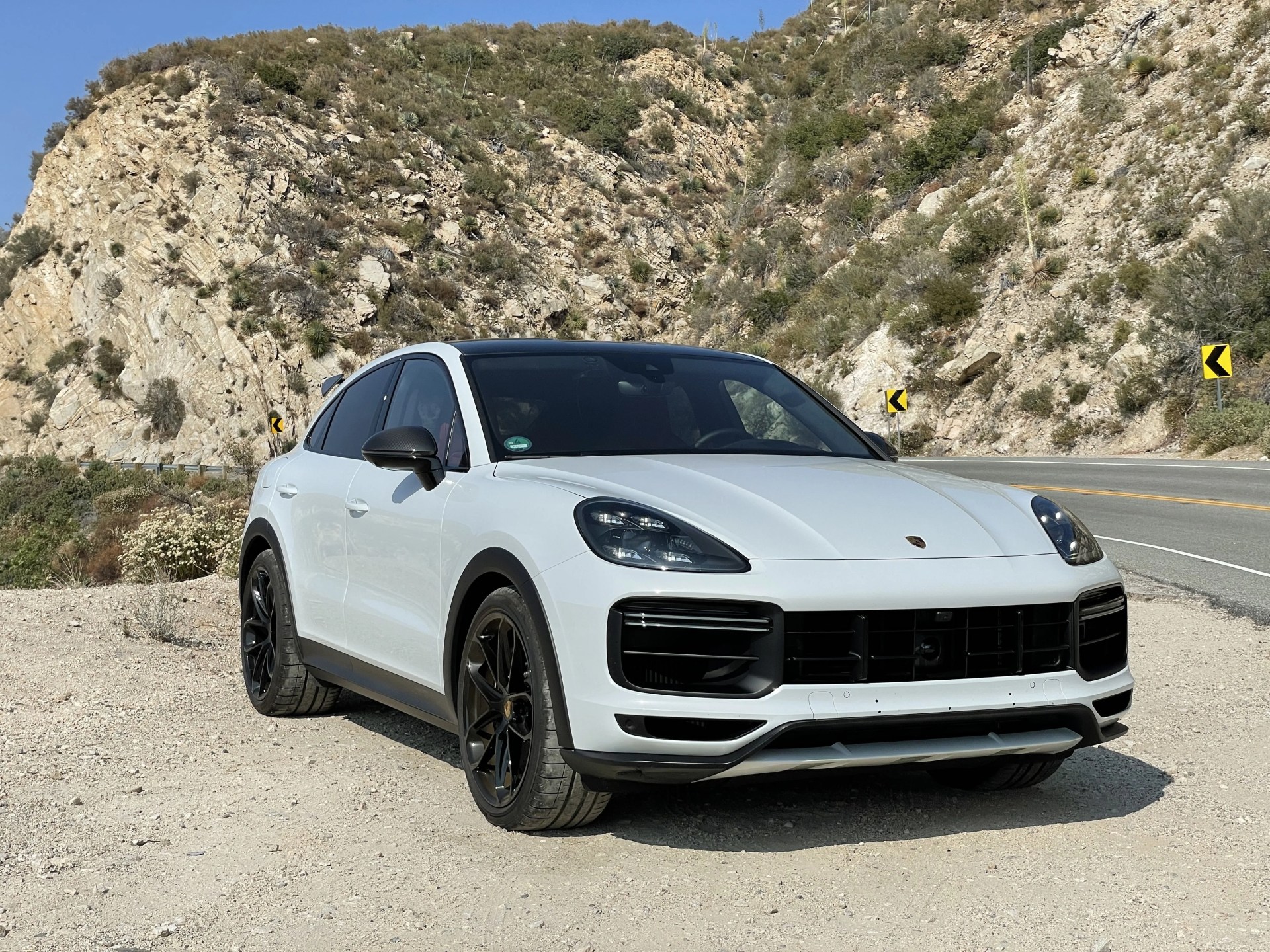
The Cayenne is Porsche’s midsize luxury SUV. The third-generation model debuted in the U.S. for the 2019 model year. Each trim is available as a Cayenne Coupe variant with a rakish roofline. The new halo Cayenne Turbo GT isn’t labeled as a coupe because it only comes as a coupe. Prices range from the $79,200 base model to the $196,300 Cayenne Turbo GT.
Porsche gave the Cayenne a substantial facelift for 2024. Upgrades include a new digital cockpit and more power to every engine variant, with the Cayenne S getting a V8, a new exterior and an upgraded chassis and suspension setup. A Cayenne EV is expected to arrive in 2026.
Body Styles:
SUV
SUV Coupe
Models:
Cayenne / Cayenne Coupe
Cayenne E-Hybrid / Cayenne E-Hybrid Coupe
Cayenne S / Cayenne S Coupe
Cayenne S E-Hybrid / Cayenne S E-Hybrid Coupe
Cayenne Turbo E-Hybrid / Cayenne Turbo E-Hybrid Coupe
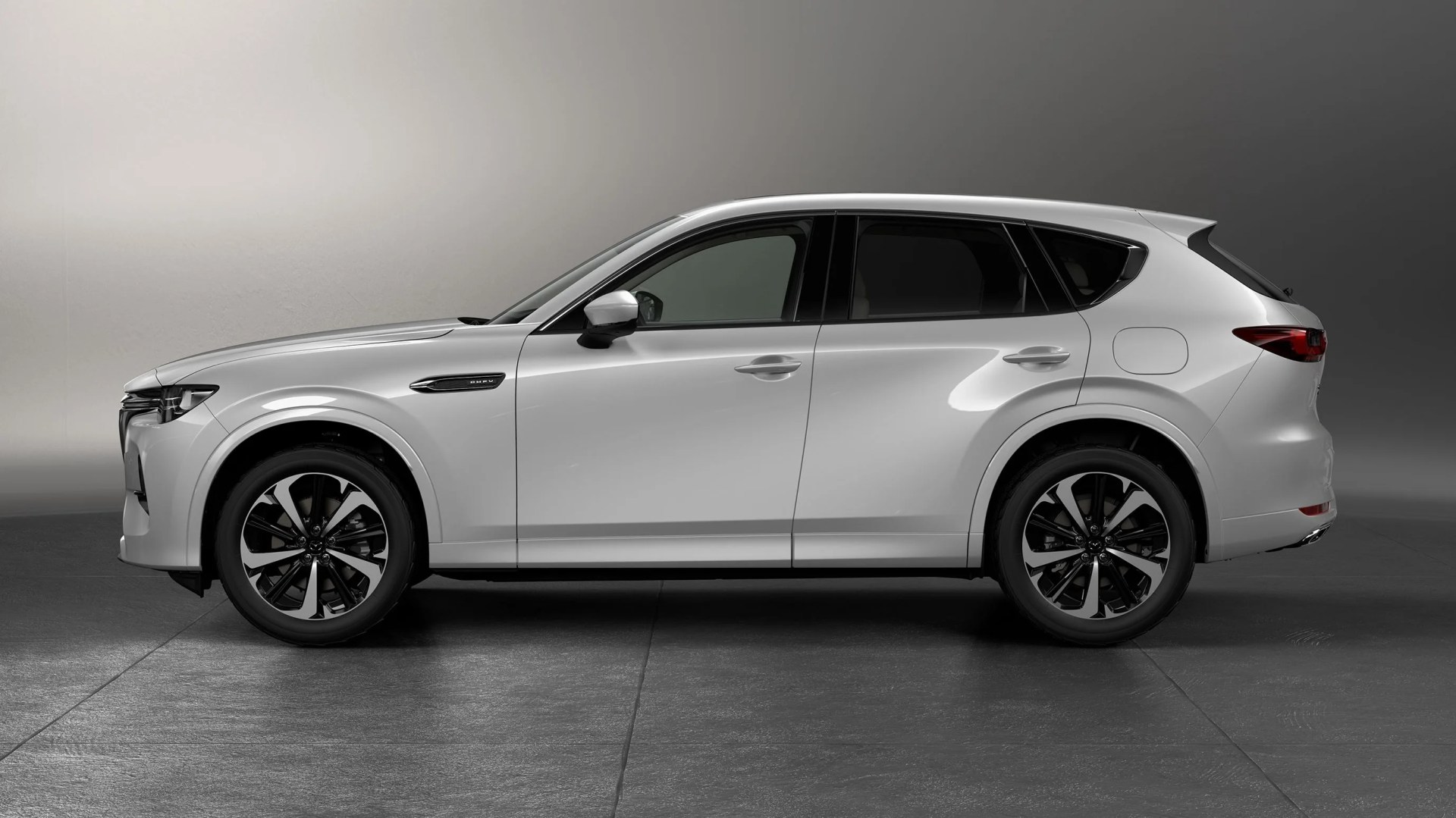
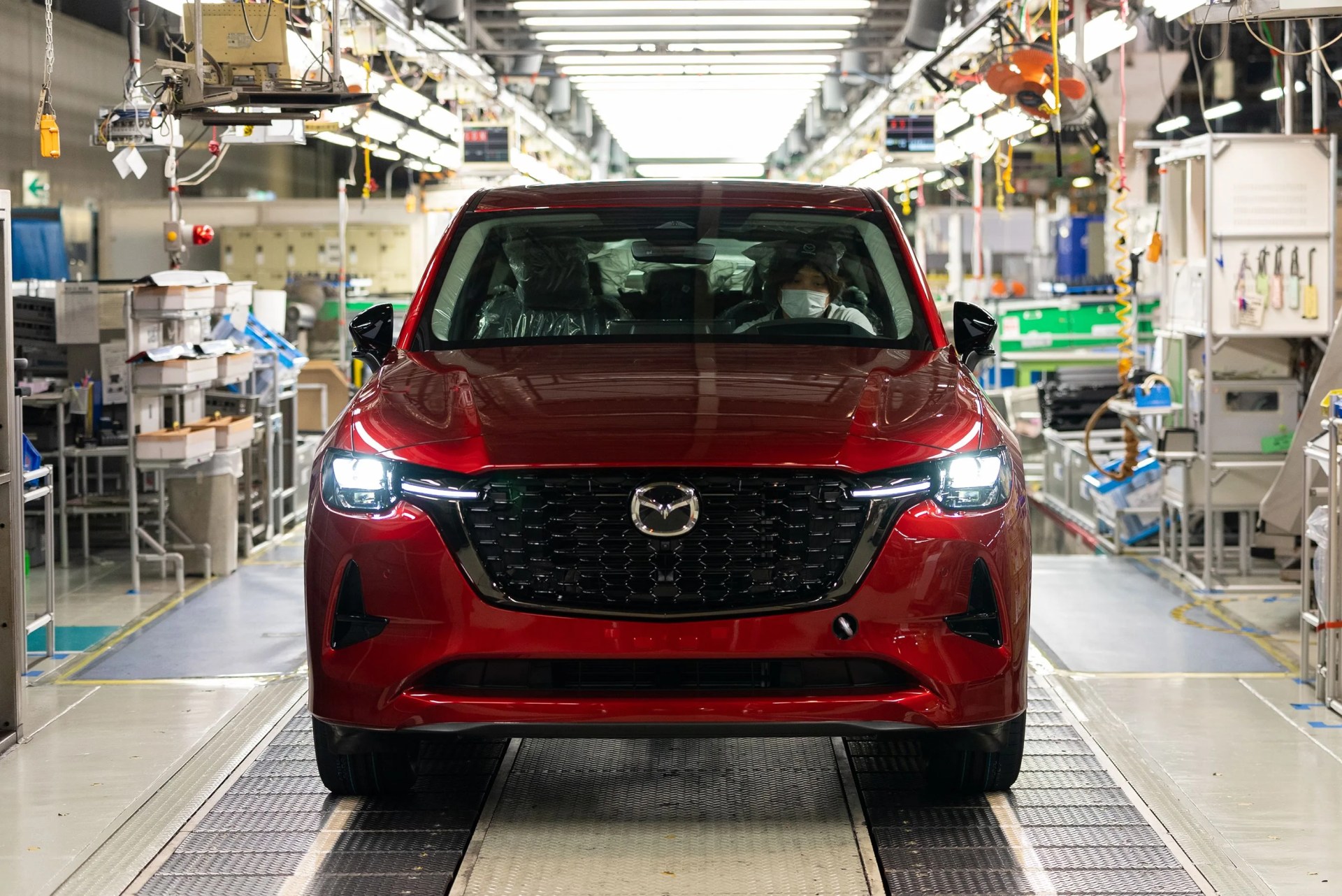
Mazda has been rolling out a revamped SUV lineup over the last couple years. We’ve seen the CX-30 replace the CX-3, the CX-50 arrive to eventually replace the CX-5 (when the latter stops selling so well, at least) and the CX-90 replace the CX-9.
As of now, Mazda doesn’t currently have a CX-7 — the name was last used for a crossover in the late 2000s and early 2010s. But that doesn’t mean the brand doesn’t want to compete in that space — so it’s not very surprising to learn Mazda will be adding a new CX-70 to the American lineup.
Here’s what we know so far about the 2025 Mazda CX-70.
A January reveal likely means the CX-70 will go on sale later in 2024 as a 2025 model-year vehicle, but Mazda has not confirmed that timeline yet.
The Mazda CX-70 should be a two-row midsize SUV
Mazda
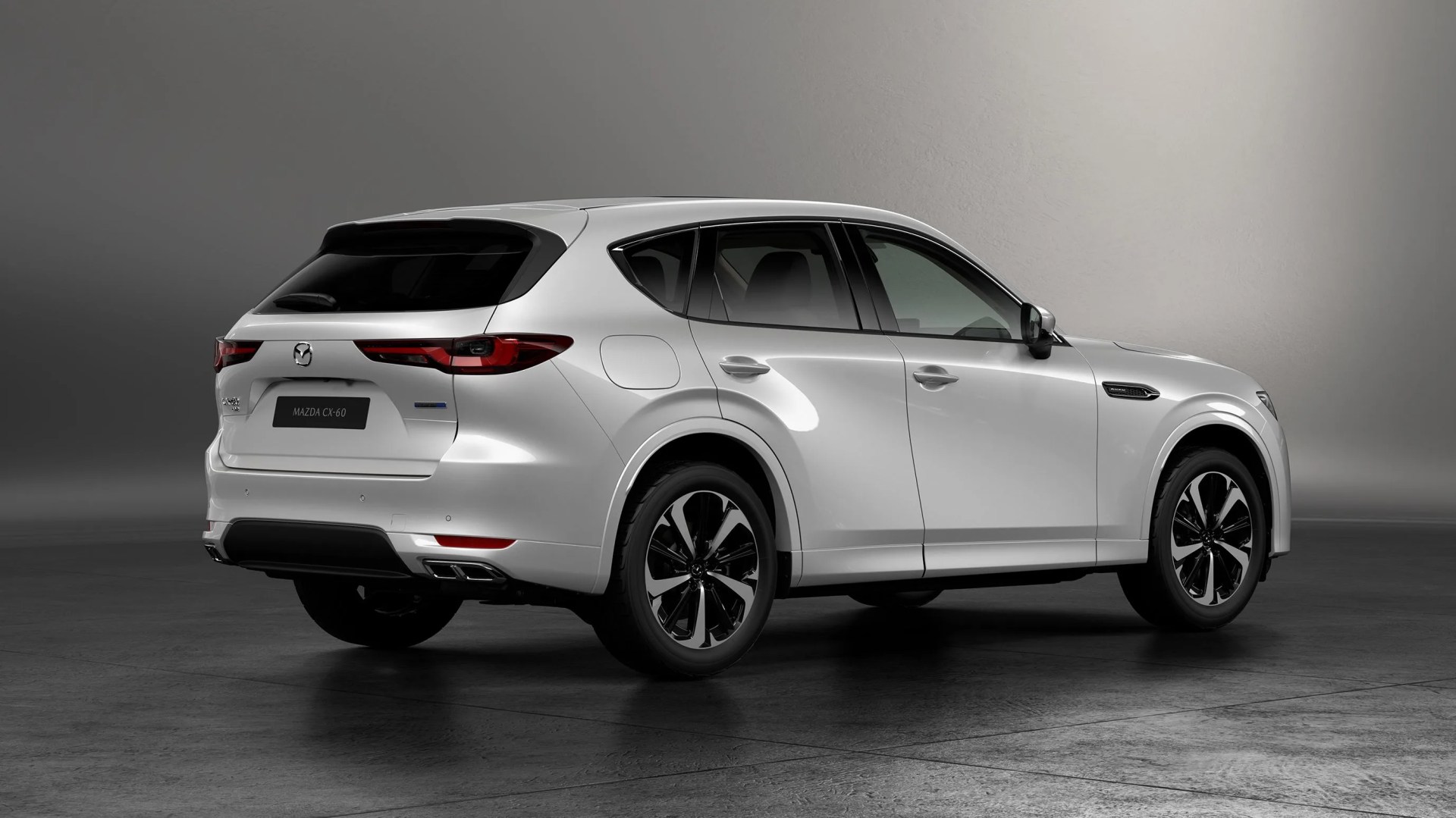
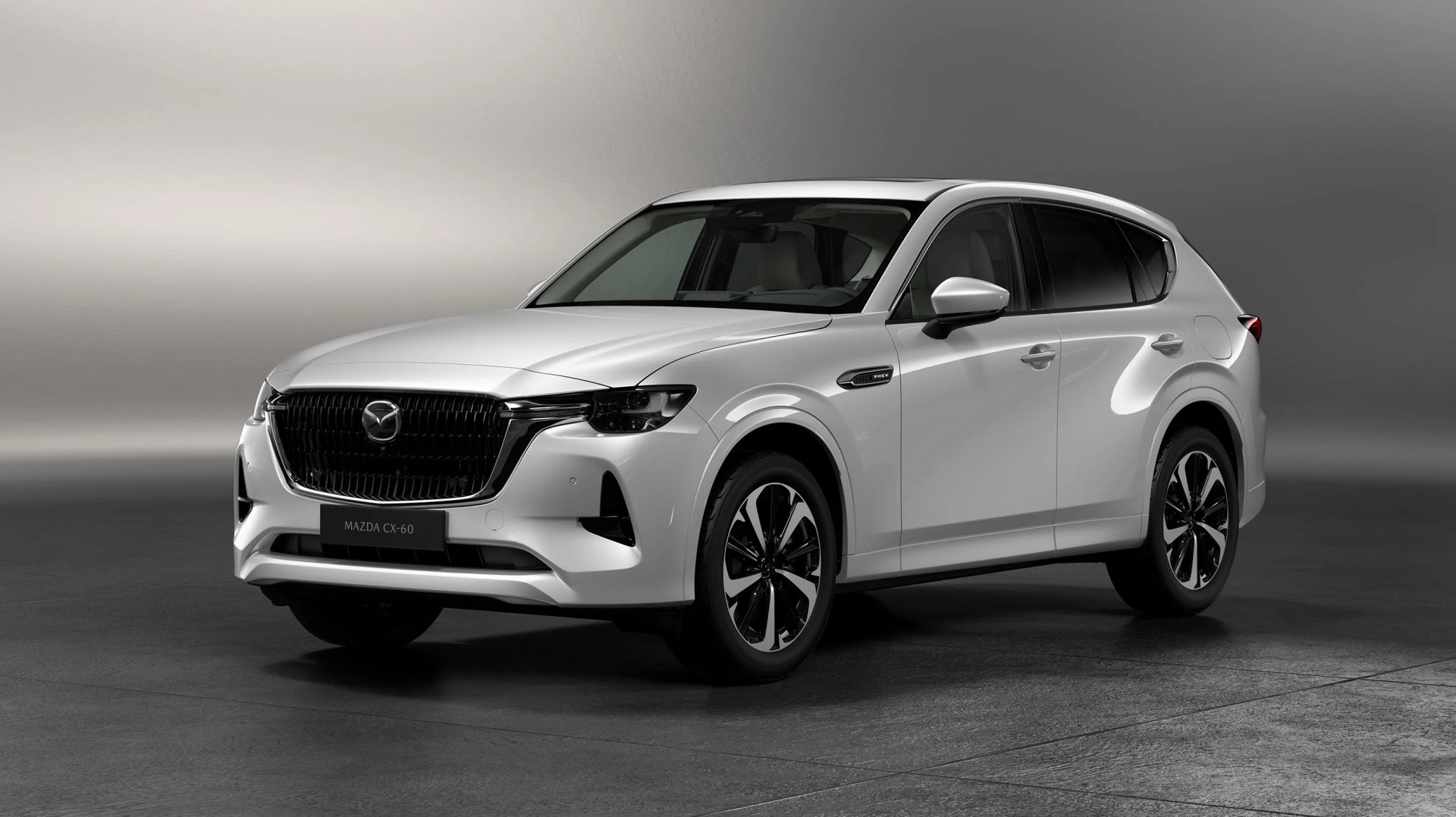
The CX-70, as the numerical designation suggests, should slot between the CX-50 and CX-90 as a two-row midsize SUV. Mazda has already unveiled the CX-60 (pictured here) for other markets. The CX-70 should be a tweaked version for the American market, potentially offering more space.
What engines will the Mazda CX-70 have?
Mazda
Automotive News initially reported that the CX-70 will offer a hybrid powertrain; the data appears to bear that out. AutoGuide uncovered a California Air Resources Board filing for the CX-70. The filing shows the CX-70 receiving the same engine lineup as the CX-90, two versions of the 3.3-liter inline-six and a 2.5-liter plug-in hybrid.
What will the Mazda CX-70 look like?
Mazda
Mazda carries over a lot of the same design language from vehicle to vehicle. The CX-60 looks like someone shrunk a CX-90. And the CX-70 should strongly resemble both of them on the exterior and offer a similarly luxurious interior.
How much will the Mazda CX-70 cost?
Mazda
Mazda has not made any announcements about CX-70 pricing yet. However, the CX-50 starts at $30,300 and tops out at $43,300 with the Turbo Premium Plus model. The CX-90 begins at $39,595 and tops out at $59,950. We can expect the CX-70 to slot between them.
It should come as no surprise that AI is the talk of CES 2024 — the Consumer Electronics Show — in Las Vegas this week. The AI-infused products that were announced run the gamut: From Samsung, there’s a new smart robot vacuum that can tell the difference between surfaces, find stains and steam them. Holoconnects launched something called the Holobox, which is a phone booth-sized box that’s capable of displaying a holograph of the person you’re talking to with no delay — and to use it you just need internet and electricity. Other offerings include a wearable for pets that can alert owners of potential health issues by monitoring vitals, and a smart mirror that can analyze a person’s emotions and deliver light therapy and guided meditations accordingly.
Today we’re taking a look at an Our Place collab, new ski-touring bindings and some bone broth. This is Today in Gear.
Today in Gear is our daily roundup of all the latest product announcements, drops and news from Gear Patrol Studios. Send your most pressing product questions to [email protected].
Warm Up With Bone Broth
Porter Road
Hear us out: When it’s too late in the day for coffee, but too early for a cocktail there is value in having a third category of beverage that can help break up the day. This Chicken Bone Broth ($12) from Porter Road is a strong contender in this category. Every quart is made by simmering two pounds of bones for 24 hours to offer up a rich flavor. Use it for soups and stews or sip it for a nourishing afternoon beverage.
Mystery Ranch just launched its new Spring 2024 backpack line, which includes the all-new Radix Series and updates to the Scree and Gallagator packs. The Radix is a backpacking line designed to be both lightweight and durable, and comes in 31 liter ($219), 47 liter ($249) and 57 liter ($299) capacities.
The Hero Bread Welcome Box ($70) is exactly what it sounds like — a box of bread — with one twist. The box includes white and seeded breads, flour tortillas, and burger and hot dog buns. To complement that assortment, there’s a reusable sandwich bag, a wooden condiment spreader, a bread knife and a cutting board. The twist? Hero Bread’s products have zero (or near-zero) net carbs, no sugar, and less than half the calories of traditional baked goods.
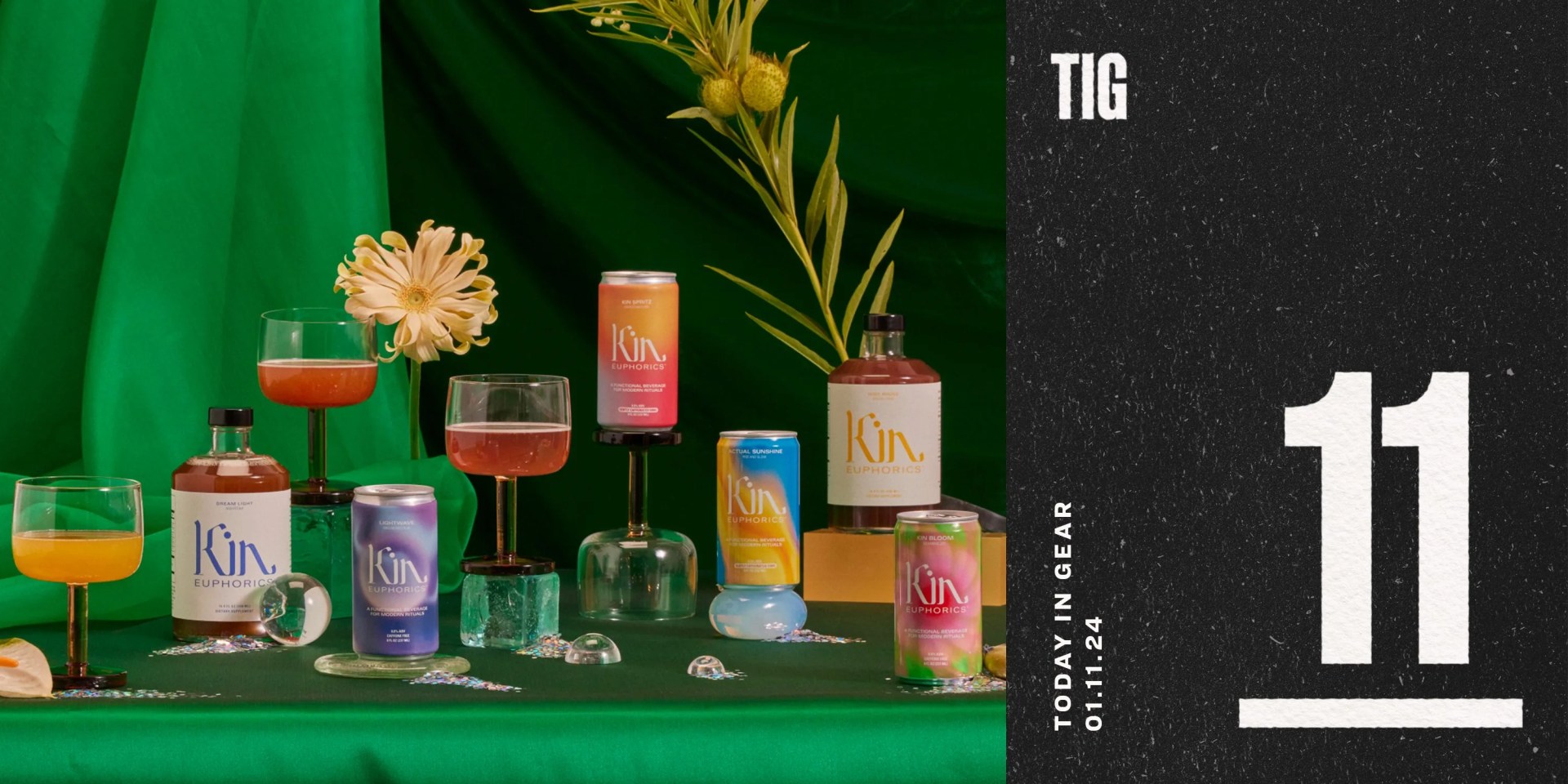
We’re loving this partnership between Our Place and Kin Euphorics. Buy a set of four 11-ounce hand-blown glasses from Our Place and get a 30% off discount code to use on non-alcoholic drinks to enjoy in them from Kin Euphorics. If you’re keen on making Dry January a little more aesthetically pleasing, then pick up a set of the Party Coupes in Clear/Sunset ($95) and get to sipping.
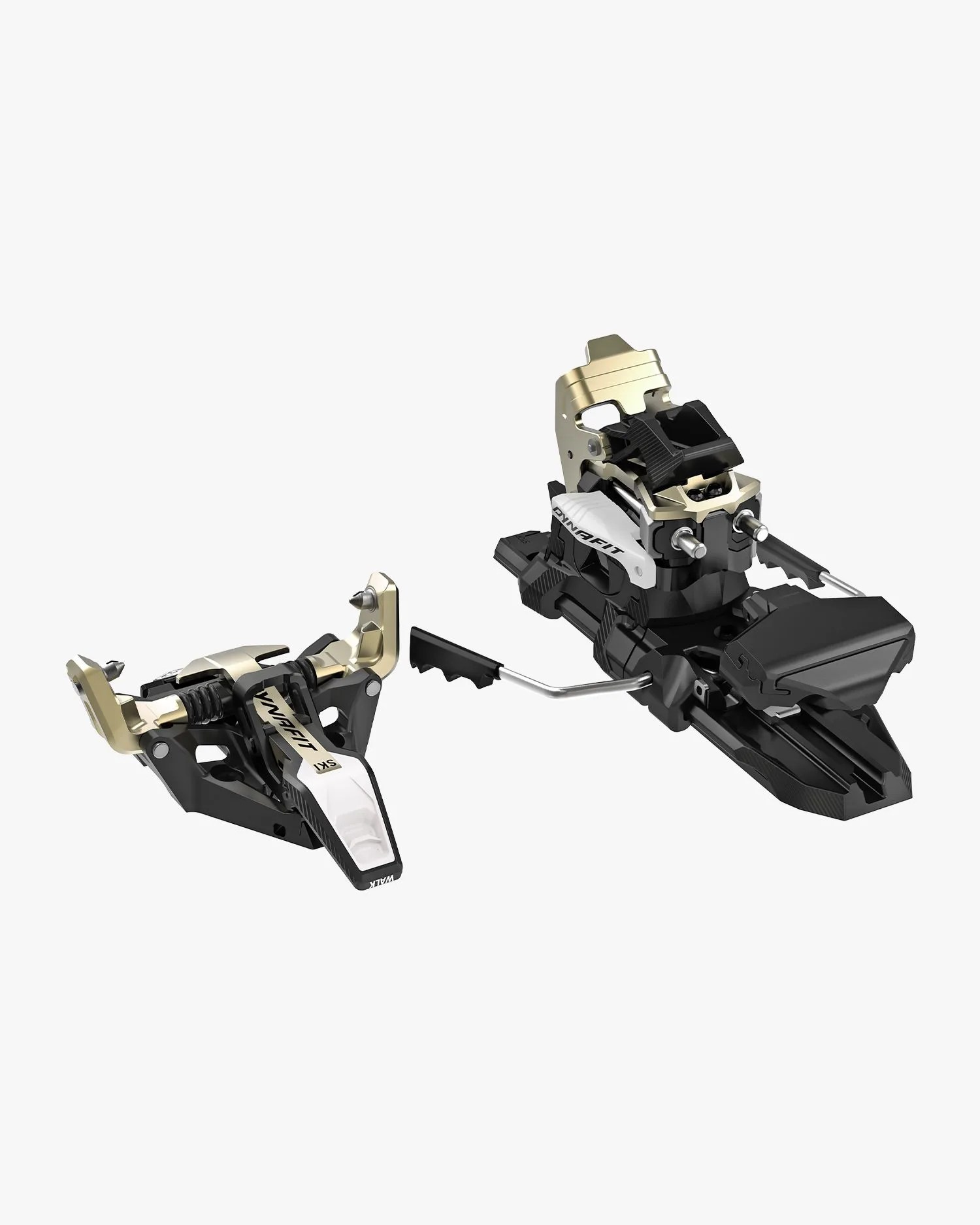
Dynafit has been making high-quality alpine touring bindings forever, and the brand just released its latest pin binding, The Ridge ($600). The bindings weigh in at 410 grams and are made to hold up on the burliest ski tours, and with an adjustable DIN from 4 to 12 you can trust that they’re up for the job. The bindings will get a full release next season, but you can pick up a pair today.
If you buy from a link, we may earn a commission. Learn more
The Consumer Electronics Show (CES) continues to be the place where an incredibly wide variety of gadgets get announced. Some are simply upgrades. Some are truly innovative. And some are just strange. At CES 2024, we’ve had them all. Below, we’ve rounded up the coolest and most interesting gadgets, laptops and tablets that have been announced so far.
The show runs through January 12th, and we’ll continue updating this post as new gadgets get revealed.
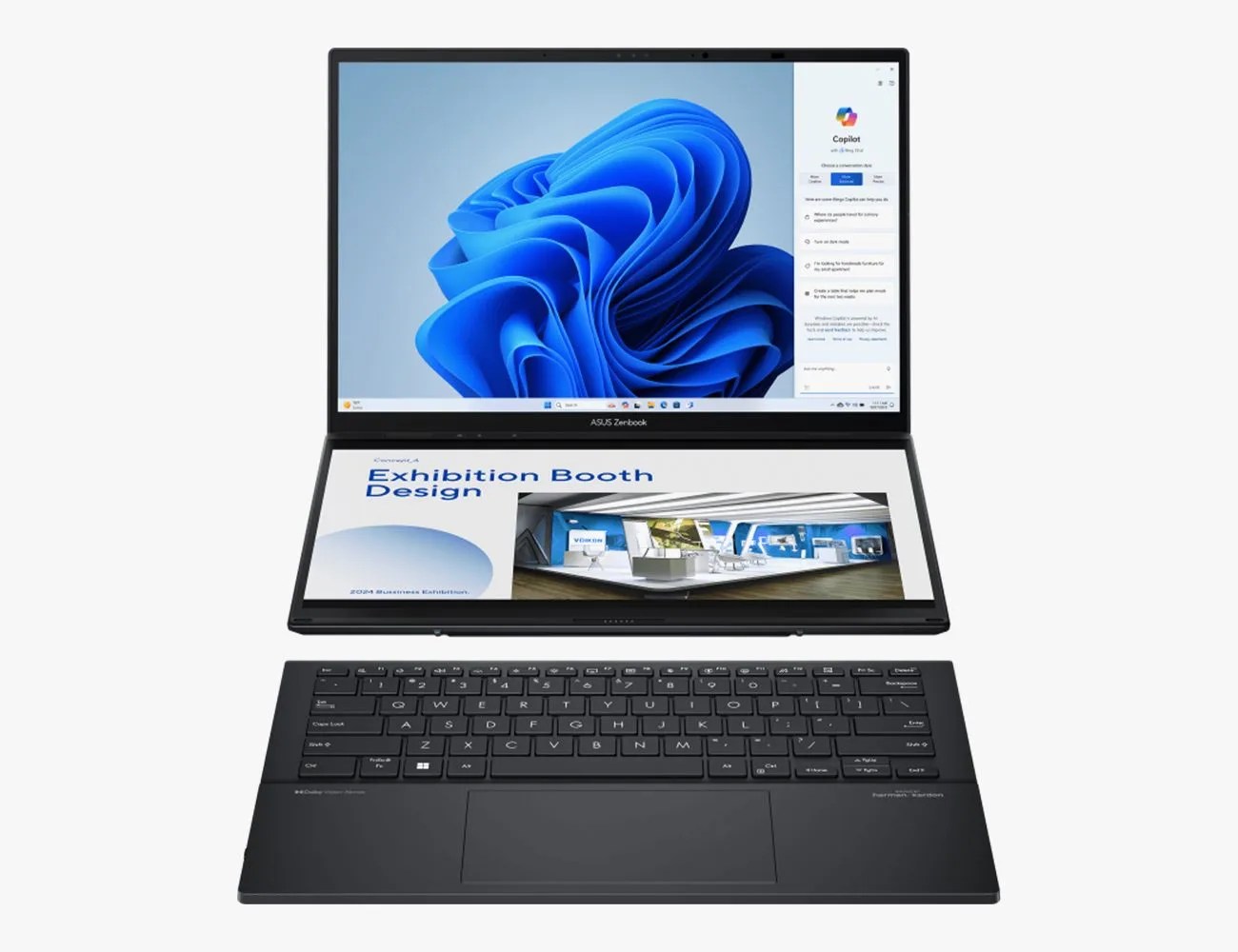
Asus’s newest Zenbook Duo is quite different from its past dual-screen laptops. Specifically, instead of having a second smaller screen integrated into the keyboard, the newest Zenbook Duo has two 14-inch OLED touch screens that can be rearranged in a number of form factors. Similar to last year’s Lenovo Yoga Book 9i, you can use the Zenbook Duo in tablet or laptop modes, with or without its detachable keyboard, or as a dual-screen laptop (with the two screens stacked on top of each other).
Price: $1,499+ Availability: Q1 2024
Samsung Ballie
Samsung
Samsung announced a new-and-improved version of Ballie, its smart home rolling robot that it originally showed off in 2020. Like before, Ballie can follow you around the home and act as an ever-present smart home assistant. The big upgrade with the 2024 model is that Ballie now has a built-in projector and can play videos on your wall, floor or ceiling. It can show you visual messages, play video calls or fitness videos, or project a variety of images or videos as you command it.
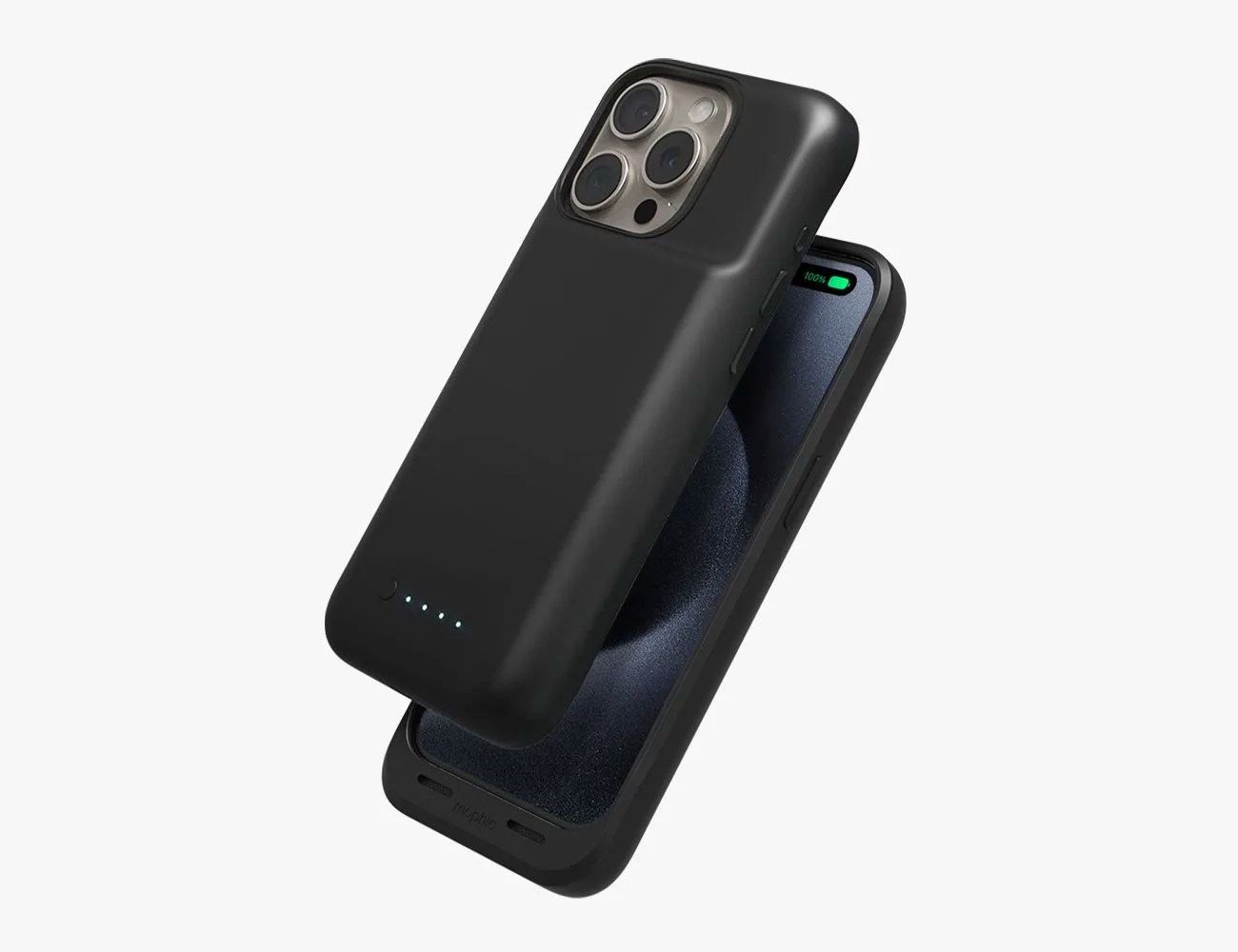
Mophie is bringing back its Juice Pack battery case after several years in limbo. The new cases will fit the iPhone 15, iPhone 15 Pro and iPhone 15 Pro Max — but not the (less popular) iPhone 15 Plus, unfortunately. Each case will add protection and give your iPhone hours of extra juice.
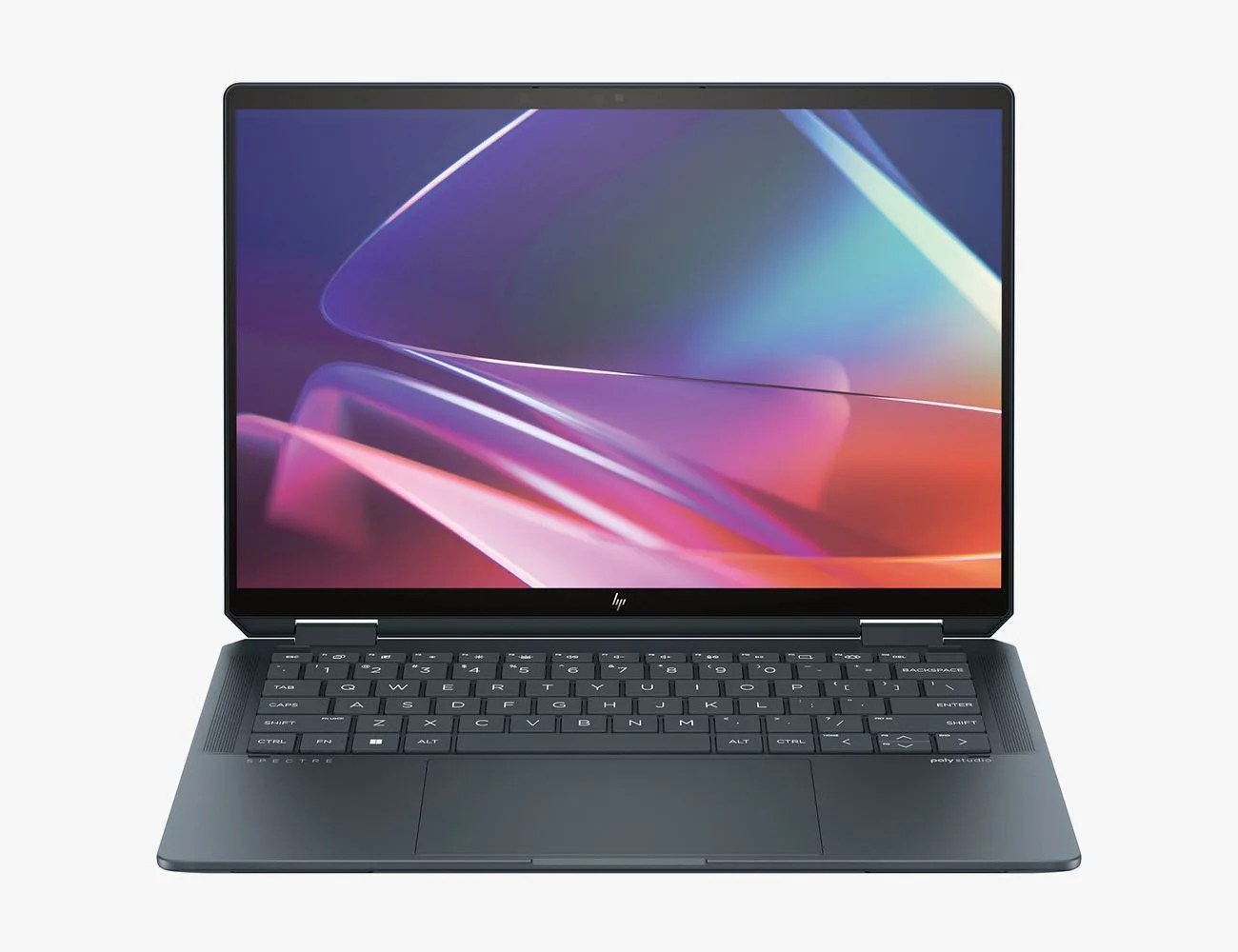
HP made quite a few changes to its high-end 2-in-1 laptop, the Spectre x360, this year. The new model features an Intel Core Ultra processor, a larger 14-inch OLED display, a new touchpad with haptic feedback, and a 9-megapixel webcam that can capture 4K video. It also has a smoother, more refined overall design.
The Rabbit R1 is an adorable AI-powered device designed in collaboration with Teenage Engineering. It has a 2.88-inch touchscreen, button/scroll wheel, built-in camera, processor and its own operating system. The tiny device also has its own virtual assistant and the idea is that you can interact with it without actually needing to look at a screen. You can get it to call or text people, play music, answer questions and do simple app-based tasks.
The big thing with Razer’s new Blade gaming laptops is, they have much-improved displays. The Blade 16 has a new 16-inch OLED display with a 240Hz refresh rate and the Blade 18 has an 18-inch 4K display with a 165Hz refresh rate; both, according to the company, are firsts of their kind. Each laptop retains the same overall design as previous Blades, but they’ve been given a number of spec improvements, as well.
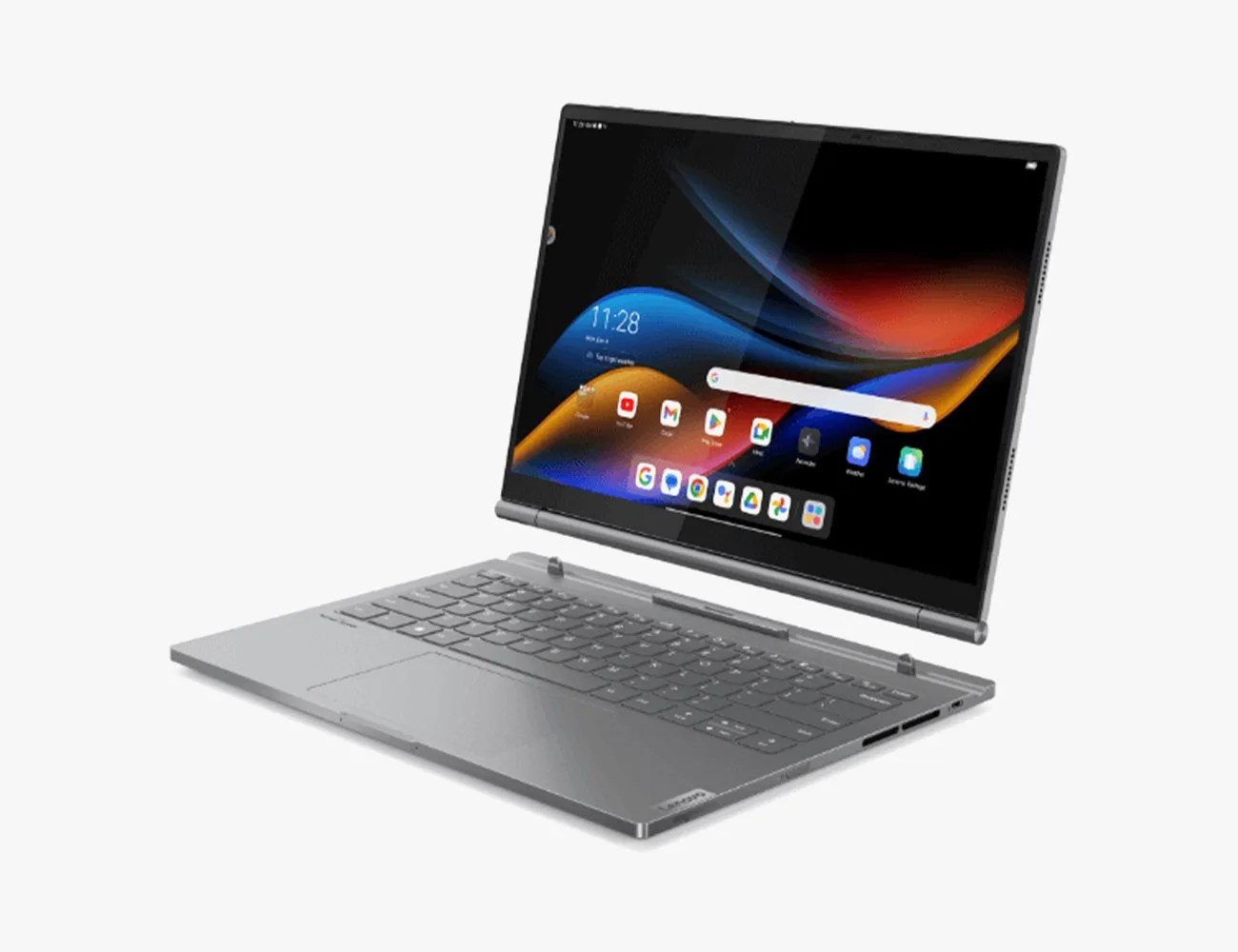
The Lenovo ThinkBook Plus Gen 5 Hybrid is a pretty funky gadget. It’s a 2-in-1 device that runs Android when in tablet mode, but then switches to Windows when used as a traditional tablet — yep, it can seamlessly switch between two different operating systems.
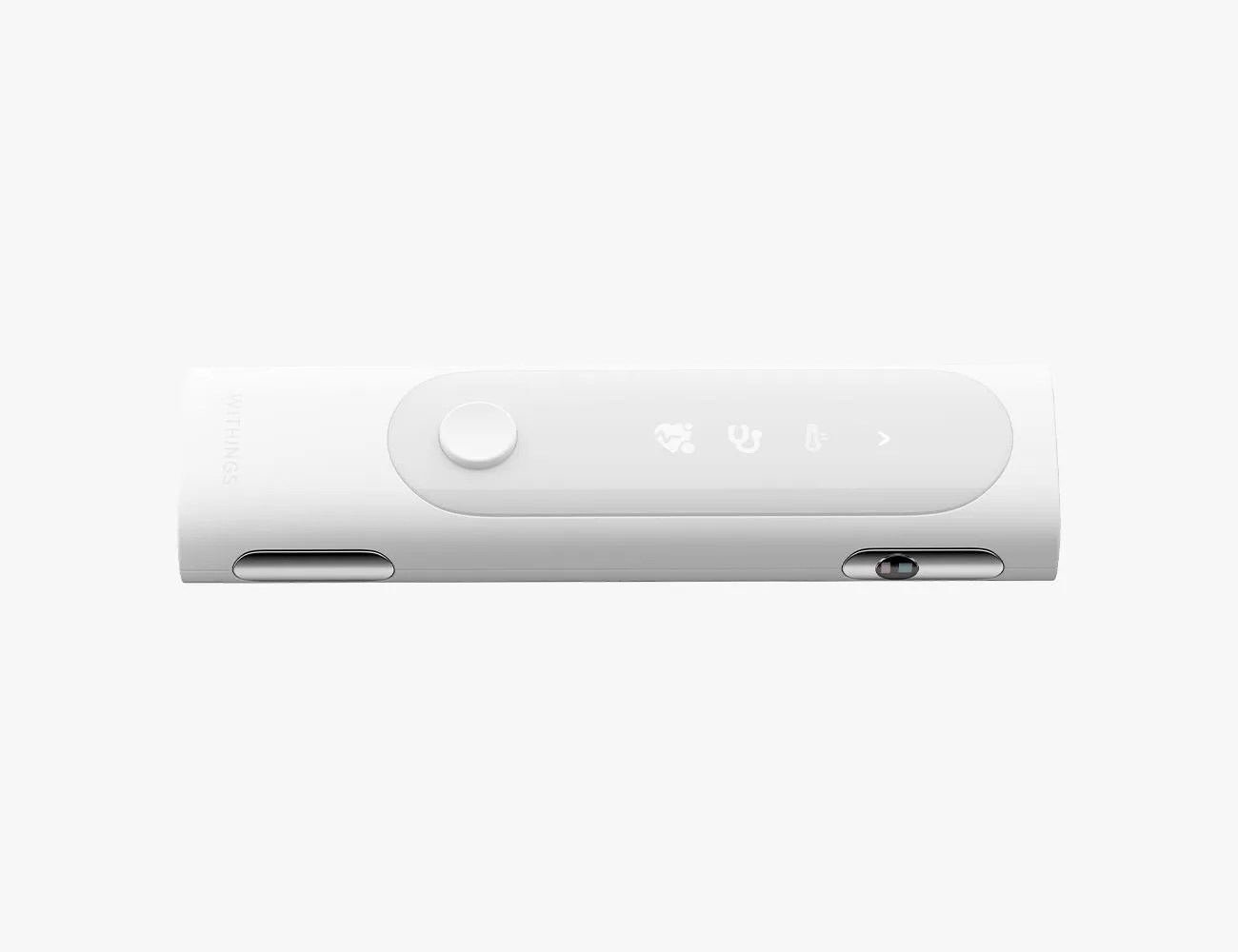
The BeamO is an innovative 4-in-1 wellness device that serves as a thermometer, stethoscope, oximeter and EKG. It’s loaded with sensors for monitoring the health of your heart and lungs, as well as general health with body temperature. Basically, it’s a versatile health assessment gadget that you use at home or carry with you.
The Tapo DL130 is a smart video doorbell that is HomeKit-compatible and can be controlled with any of the major smart voice assistants: Google Assistant, Alexa and Siri. There are a number of ways to unlock it other than a voice assistant, including a keyboard, fingerprint scanner, a physical key or even your Apple Watch.
Clicks is an iPhone case that adds a physical keyboard a la Blackberry. The case connects to iPhone via Lightning or USB-C (depending on the model) and supports passthrough power; you can leave it on your iPhone while charging. Unfortunately, this isn’t a MagSafe case — there are no built-in magnets — so MagSafe accessories and chargers won’t grip your iPhone quite as strongly.
Price:$139 Availability: February (for iPhone 14 Pro); March (for iPhone 15 Pro)
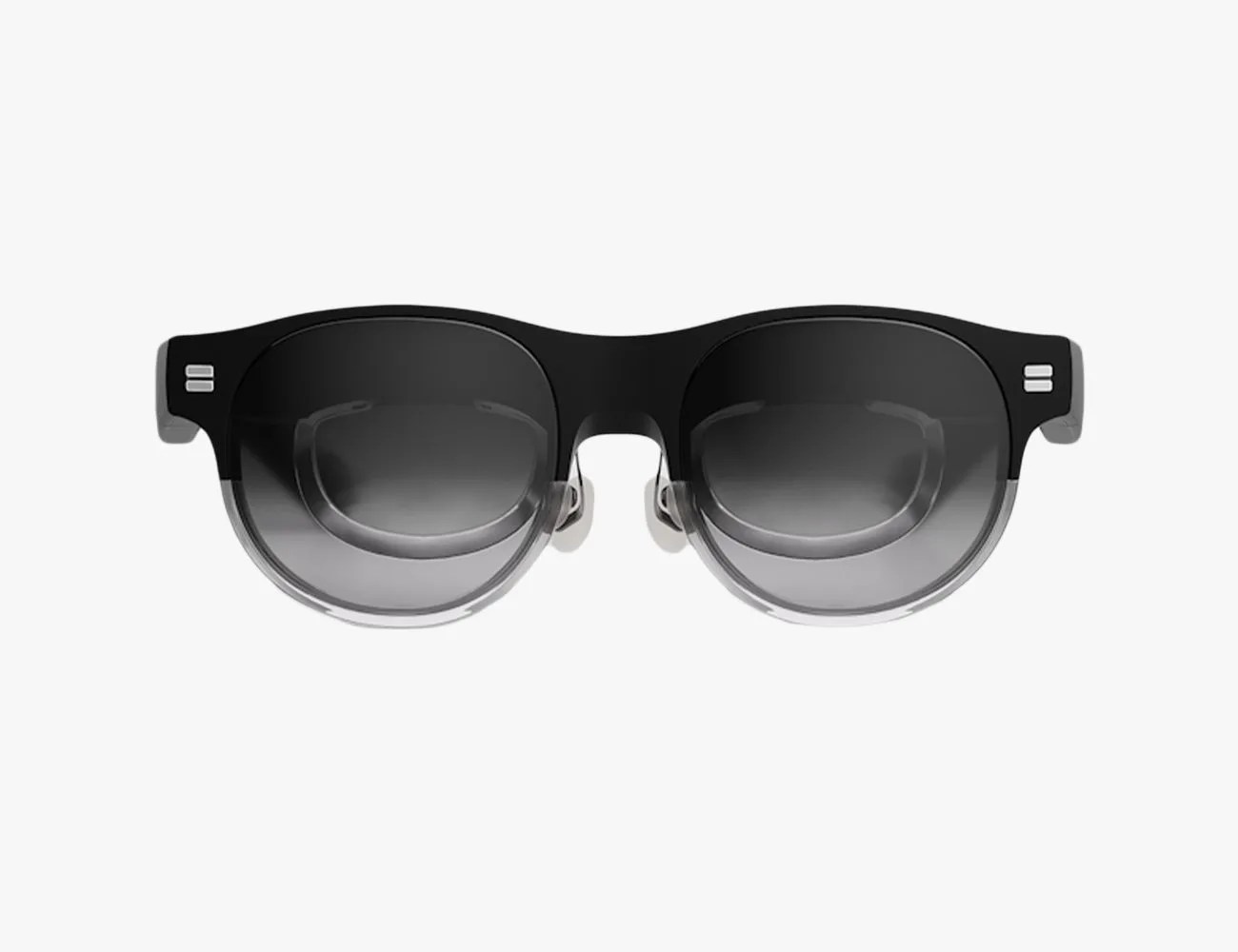
The AirVision M1 is a wearable display that (sorta) looks like regular eyeglasses. They connect to your smartphone or computer (via USB) and, thanks to a 1080p Micro OLED display, create a virtual screen. Wearers can pin up to three virtual screens in front of them to better multitask. Effectively, this eyewear aims to be a streamlined and budget-friendly alternative to Apple’s Vision Pro.
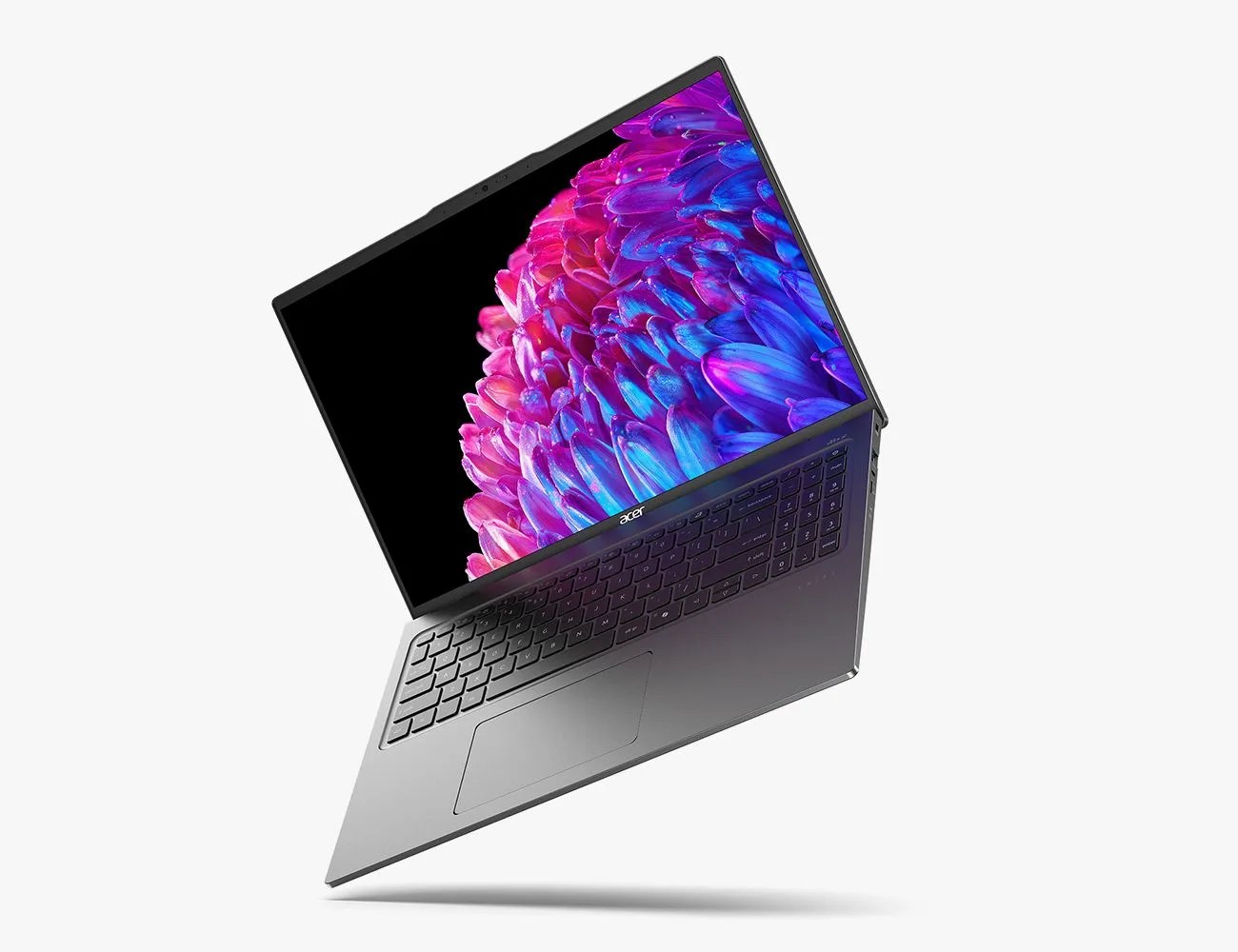
Acer announced refreshed versions of its high-end Swift and more budget-friendly Aspire laptop lines at CES. They both received spec bumps over their predecessors, but the big news is they are Acer’s first laptops to feature Intel Core Ultra processors.
Satechi announced its first-ever mechanical keyboard: the SMI Slim. It has an aluminum enclosure, backlit keys, removable keycaps and is decked out with brown switches. The SM1 Slim is compatible with both Mac and Windows PCs, and it can connect to up to four devices at the same time.
Price: $100 Availability: now
Philips 5000 Series Wi-Fi Palm Recognition Smart Deadbolt
Philips
Philips 5000 Series Wi-Fi Palm Recognition Smart Deadbolt
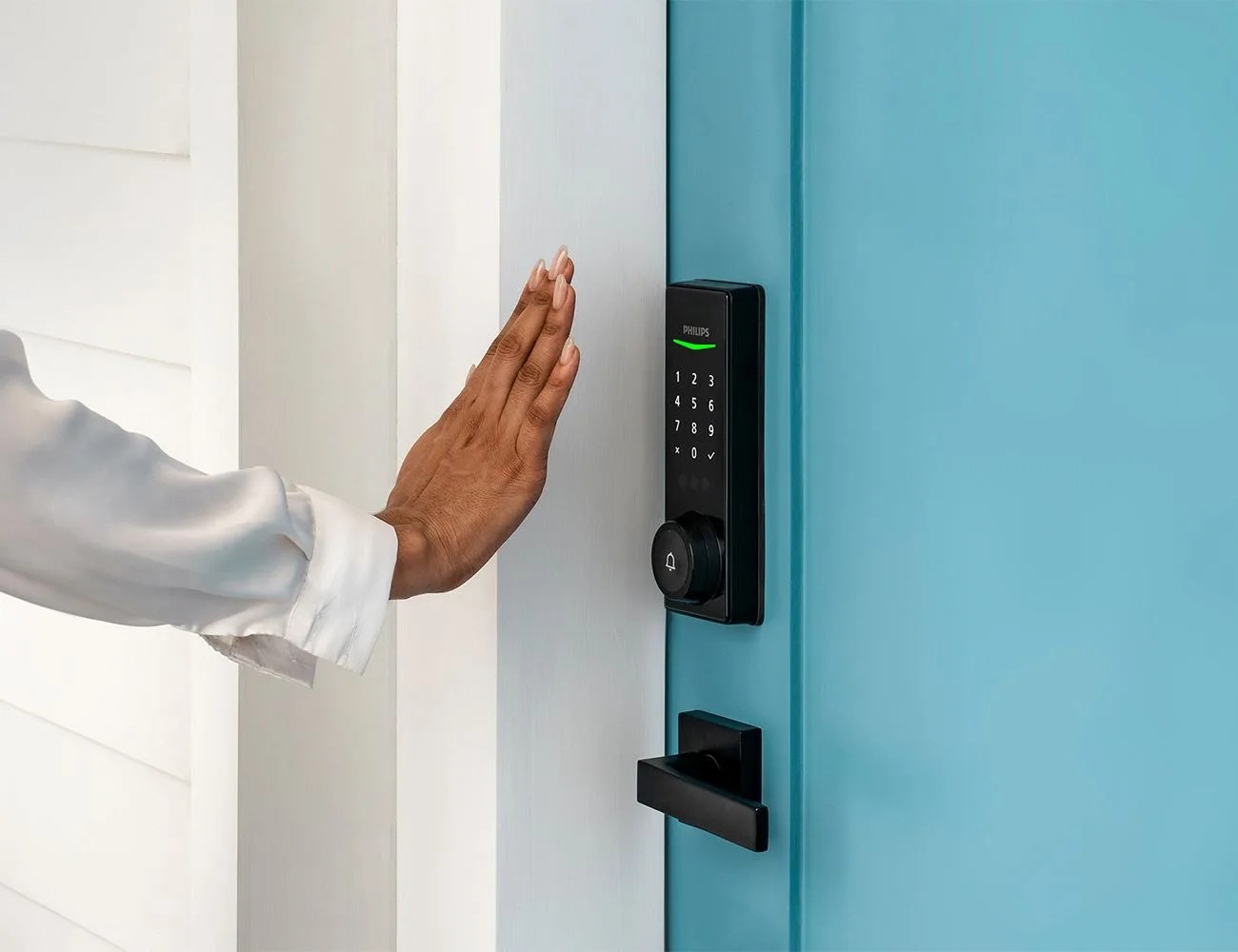
Philips’s upcoming smart deadbolt lock is pretty unique in that it’s integrated with palm-reading technology; when you get home, it scans the palm of your hand and unlocks your door when recognized (cool!). It comes with built-in Wi-Fi, making it easier for you to control it remotely, and it supports both Alexa and Google Assistant.
Price: $360 Availability: Q1 2024
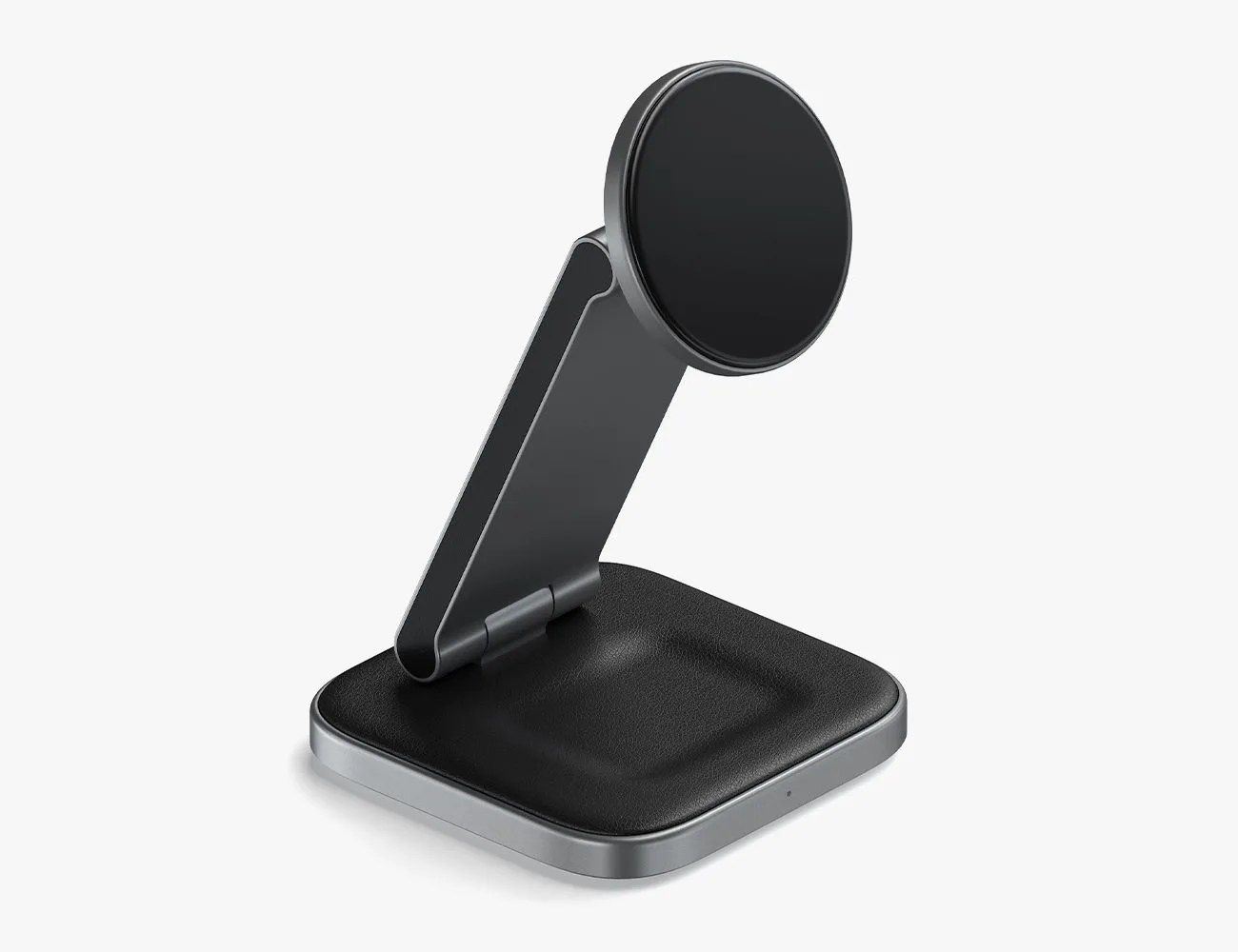
Satechi 3-in-1 Foldable Qi2 Wireless Charging Stand
Satechi
Satechi 3-in-1 Foldable Qi2 Wireless Charging Stand
Satechi announced several wireless chargers that support the new Qi2 wireless charging standard; basically, Qi2 offers the same benefits as MagSafe — fast iPhone charging and a magnetic connection — but doesn’t cost quite as much. This 3-in-1 charger has a unique design that allows it to fold flat so it looks less like a stand.
Here at Gear Patrol, we don’t cover Tesla as often as we do a lot of other carmakers. There are a number of reasons for that — one of them being a desire not to feed the beast that is the attention black hole created by a certain former Time Person of the Year — but the biggest is, simply put, that Tesla doesn’t actually reveal that many new cars. The stories around Tesla products tend to revolve around the drama surrounding them, not the actual products themselves.
Of course, when there actually are new Tesla vehicles to discuss, we’re absolutely going to talk about them. Especially when it’s a vehicle as important as the new Model 3 electric sedan, which Tesla says will become available for delivery in the U.S. starting in January or February of this year.
Yes — well, somewhat new. In traditional automotive parlance, the new Model 3 would be known as a 2024 model year mid-life cycle refresh — but Tesla doesn’t do traditional automotive parlance, or traditional refresh cycles … or pretty much anything else the traditional automotive way.
This updated version — internally code-named “Project Highland” during development — isn’t a massive change over the existing version that’s become all but omnipresent on city streets across America in the last few years. It uses the same chassis and battery pack, has the same wheelbase, has a center-mounted touchscreen in lieu of conventional gauges and controls and charges up quickly and efficiently at the brand’s Superchargers.
What’s new about this new Model 3, then?
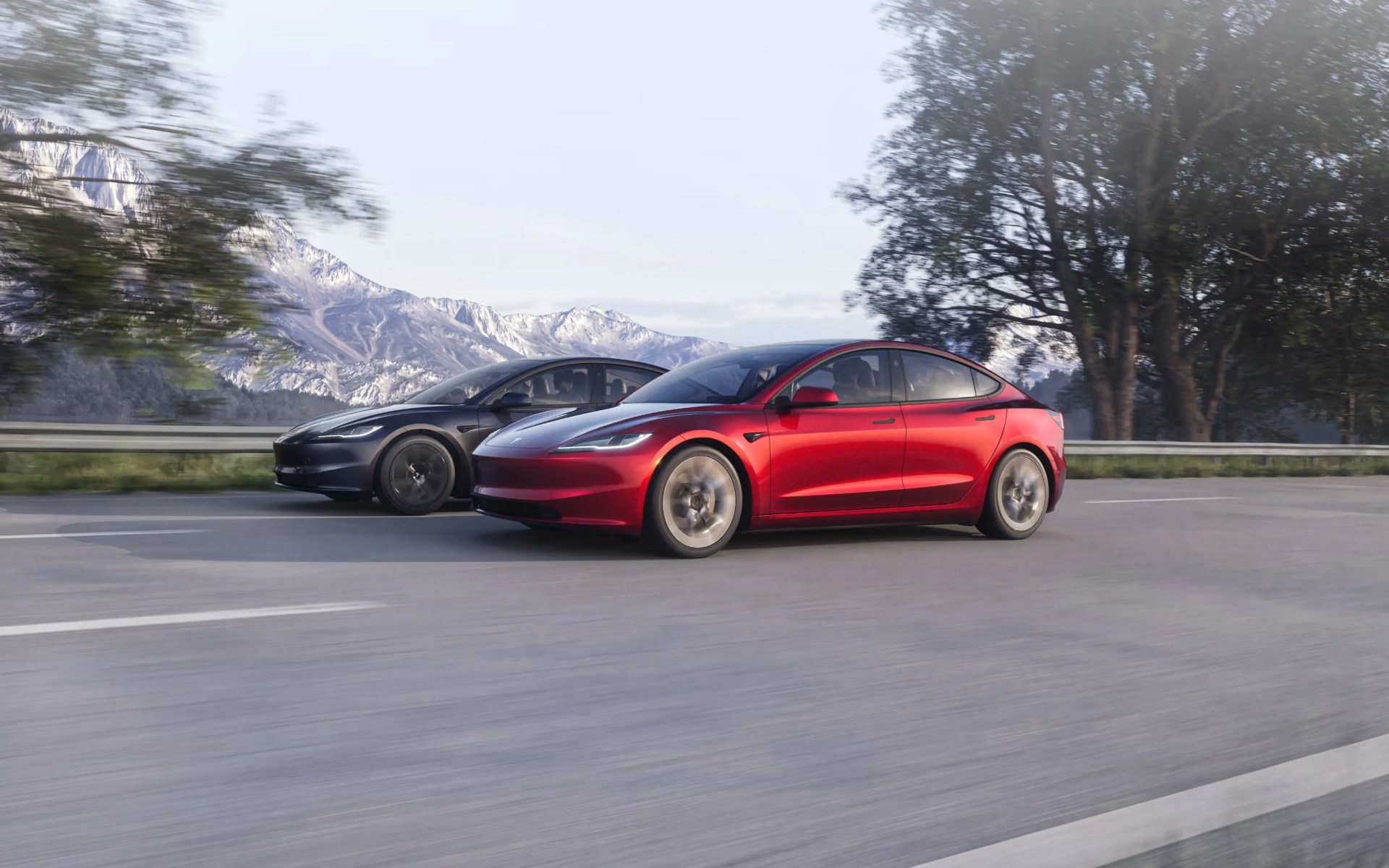
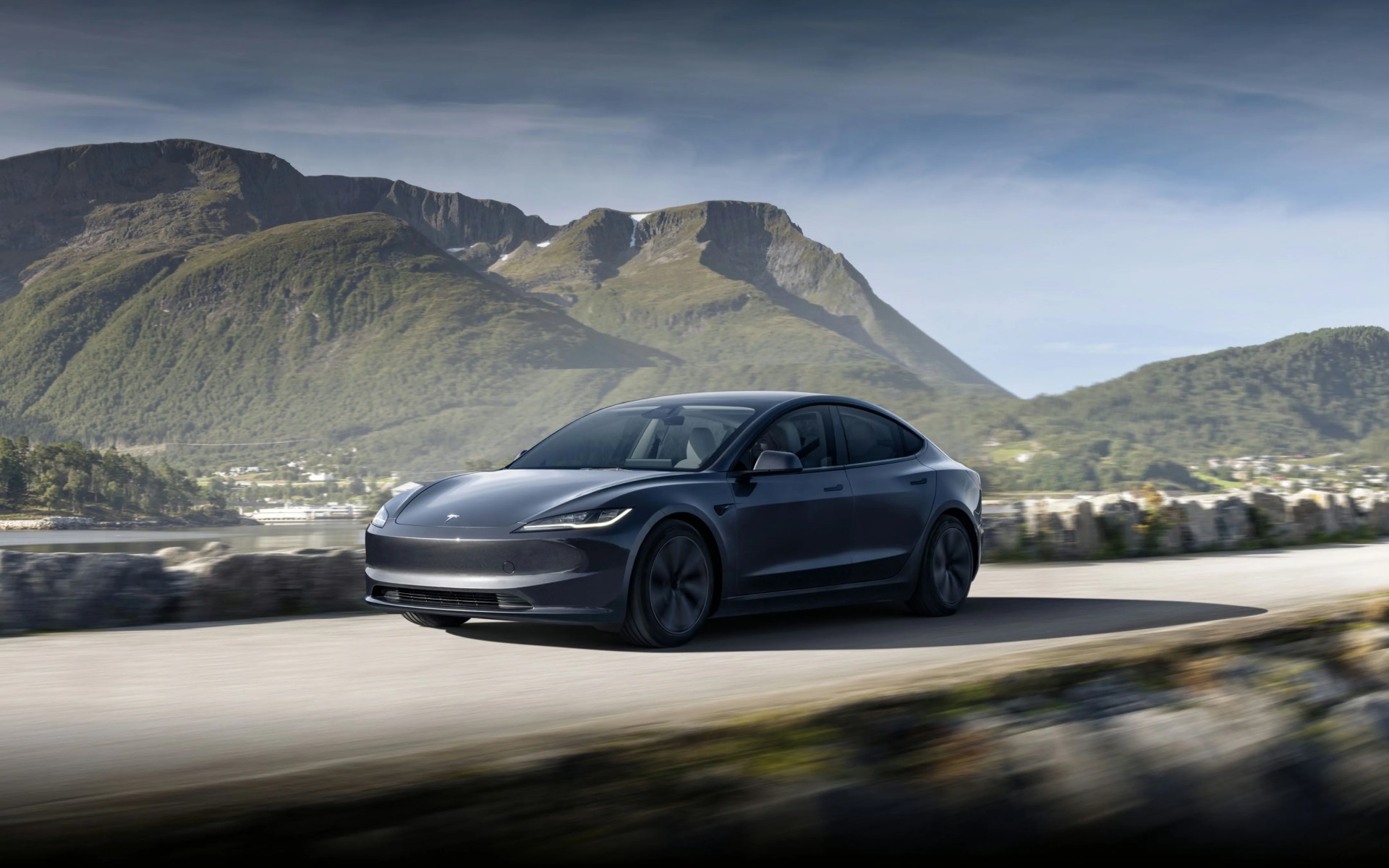
The updated Tesla Model 3. The new front fascia and headlights are the easiest way to spot the refreshed model.Tesla
The biggest change of this facelift is, well, a facelift. The 2024 Tesla Model 3 has a new front end with slimmer headlights, a sleeker hood and less of an underbite appearance; tweaks to the back include revised tail lamps. The changes in styling have shifted the car’s dimensions, albeit slightly. Compared with the old version, this new Tesla is one-tenth of an inch shorter, one inch longer and 3.3 inches wider, giving it a more aggressive stance to go with the more handsome face.
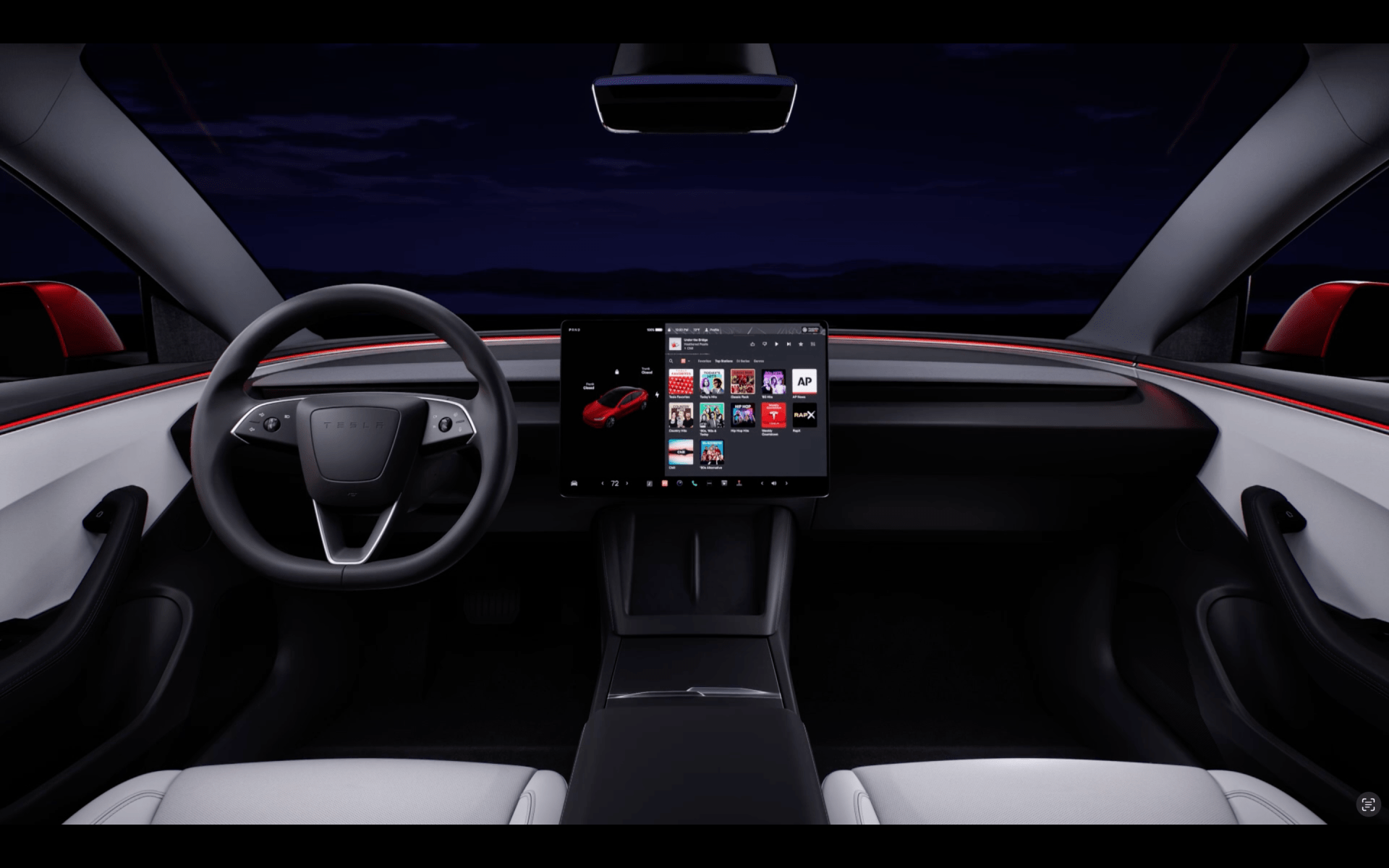
Inside, one big change is the lack of a physical shift lever or turn signal stalks; like the Model S, shuffling amongst P-R-N-D requires going into the touchscreen that controls practically every feature of the car. There’s also a second touchscreen for 2024, one located in the back for the rear seat passengers.
Tesla says the new model is more quiet, thanks to features like revised sound deadening. Should the silence grow too stifling, there’s a new 17-speaker stereo on long range models, up from 14 speakers before. Ventilated front seats are new for 2024, as is ambient lighting. The trunk is also slightly larger, growing from 19.8 cubic feet to 21.
The interior of the facelifted Model 3.Tesla
What sort of range does the new Model 3 offer?
The new Model 3 also comes with new range estimates, at least for the long-range model; it’s now EPA-rated to go 341 miles on a charge, up from 333 previously. (However, this may be more related to recently updated federal rules meant to provide more accurate EV range estimates.) The standard-range model with the 56-kWh battery pack remains EPA-rated for 272 miles of driving.
Keep in mind two factors, though. First, Teslas have generally underperformed their EPA ranges in real-world use; Motor Trend testing found the previous Model 3 Long Range went 258 miles versus the claimed 333, and the internet is chock-full of owner anecdotes backing up findings like that. Second, the facelift includes aerodynamic tweaks that lower the coefficient of drag from 0.225 to 0.219, making the 2024 Tesla Model 3 one of the slipperiest cars on the road — a factor that could help improve range, especially on the highway.
With Tesla, that’s kind of like describing the weather: the current conditions are no guarantee of the future. Tesla prices tend to oscillate for no apparent reason (read: the whims of its mercurial CEO), so what you see on their site today may not be the same as you see tomorrow.
The base model, as of this writing, is the rear-wheel-drive standard-range version, which costs $40,640 including destination and order fee. Above that lies the long-range dual-motor all-wheel-drive Model 3, which starts at $47,630.
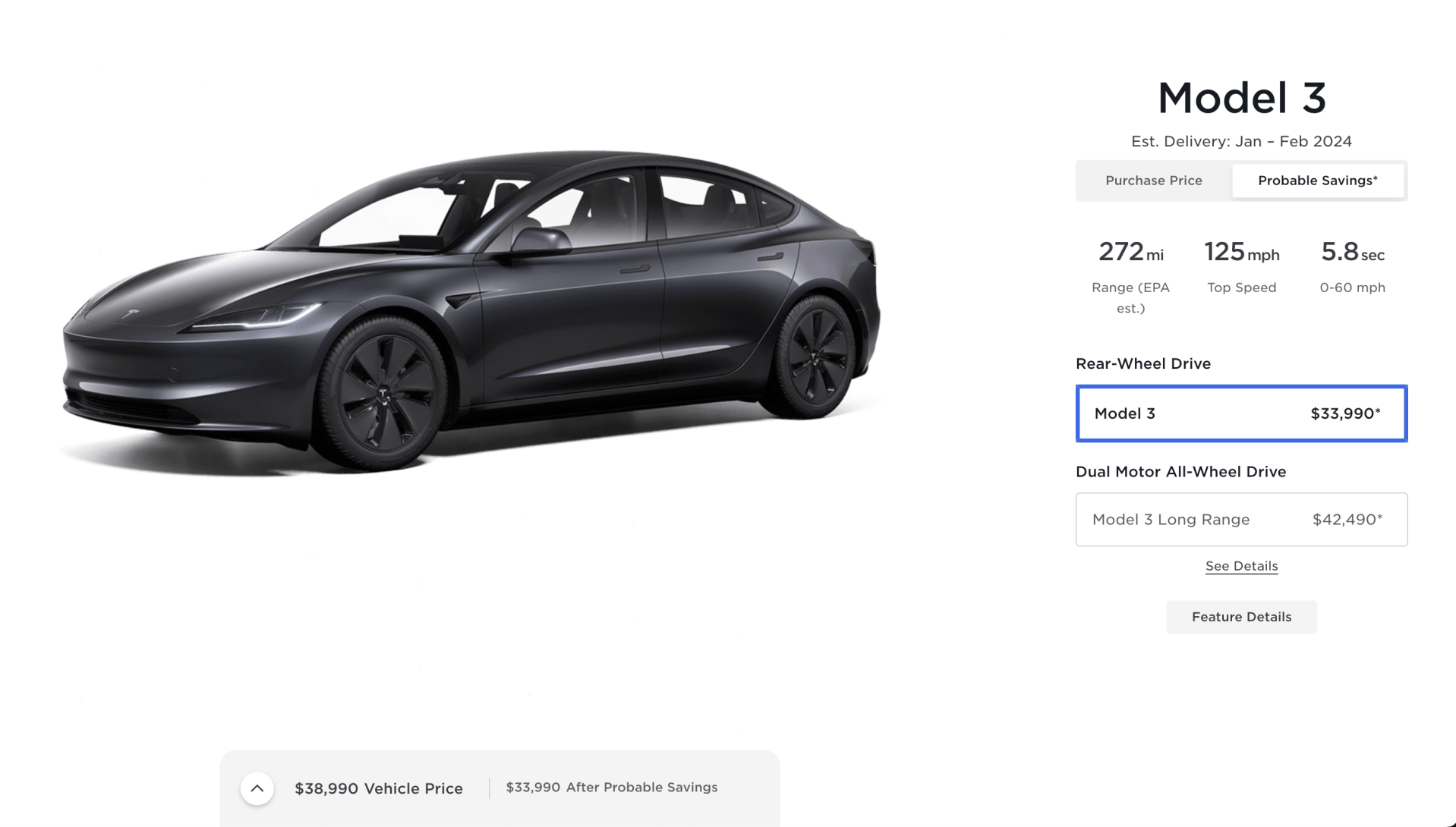
The default on the Tesla car configurator shows $33,990, but don’t fall for it: that’s with “Probable Savings,” which fudges the number by including things like the amount of money you could save on gasoline.Tesla
The Model 3 is not currently eligible for the $7,500 federal tax break for EVs — the sole model that was eligible was the Performance trim, and that’s not offered in the facelifted version yet — but we’re betting that Tesla will file for recertification very soon, assuming the new model meets the latest criteria. State-by-state incentives may be available to further lower the price, as well. (Tesla’s website is very helpful at serving up this information to help buyers figure out exactly how much they’ll have to pay, all the way down to including state sales tax.)
Why is the Model 3 so important, again?
In a nutshell, it’s the car that made Elon Musk the richest man on the planet (or one of them, depending on the week).
When the Model 3 launched back in 2016, it was effectively a make-or-break proposition for Tesla — and for a while, it seemed as though the needle was bending towards break. The Model 3 was the brand’s first mainstream model, coming in far more affordable than the luxury-market Model S and Model X, and orders came streaming in faster than the company could handle, sending the company spiraling into what Musk called “production hell.” (It got so bad, Musk even reached out to Tim Cook about selling the entire company to Apple for a song.)
But with hard work, grit and a Teflon stock price, Tesla powered through the hardship and landed the Model 3 — fixing problems as they sprung up along the way, as is the brand’s fashion. And it’s worked out well: as of 2023, the Tesla Model 3 is the best-selling EV in the world and the 12th best-selling car in America last year, with around 233,000 units being sold. Since the car was announced, $TSLA has gone from around $15 a share to $234 as of this story — and taking its CEO, who owns what Wall Street refers to as “a metric shit-ton of shares,” from a net worth of around $11 billionto a Scrooge McDuckian $212 billion as of January 2024.
Yet perhaps the Model 3’s biggest success story in the U.S. is, from a profit standpoint, its Model Y sibling. Created as, effectively, a crossover variant of the sedan, it’s become an even bigger hit than the Model 3 here, outselling even the likes of the Honda CR-V and Toyota Camry. No wonder Musk felt cocky enough to buy Twitter.
Who would have ever thought in 2004 that this humble 33-year-old multimillionaire would grow up to become … y’know.Paul Harris
What makes the Albers Collection by Projects Watches worth talking about — by Gear Patrol Studios.
Projects Watches
Presented ByProjects Watches
Published
·
Welcome to Talking Points, a series that looks at what makes certain products worth talking about, brought to you by Gear Patrol Studios.
For some, a watch can be a simple way to avoid looking at your smartphone. You can leave the house with the tick-tock confidence of knowing exactly what time it is, without battering your way through distracting alerts or notifications.
But for others, even a standard watch might be enough to pollute your uninterrupted leisure time. Luckily for those who really, truly believe in unplugging; Projects Watches has you covered.
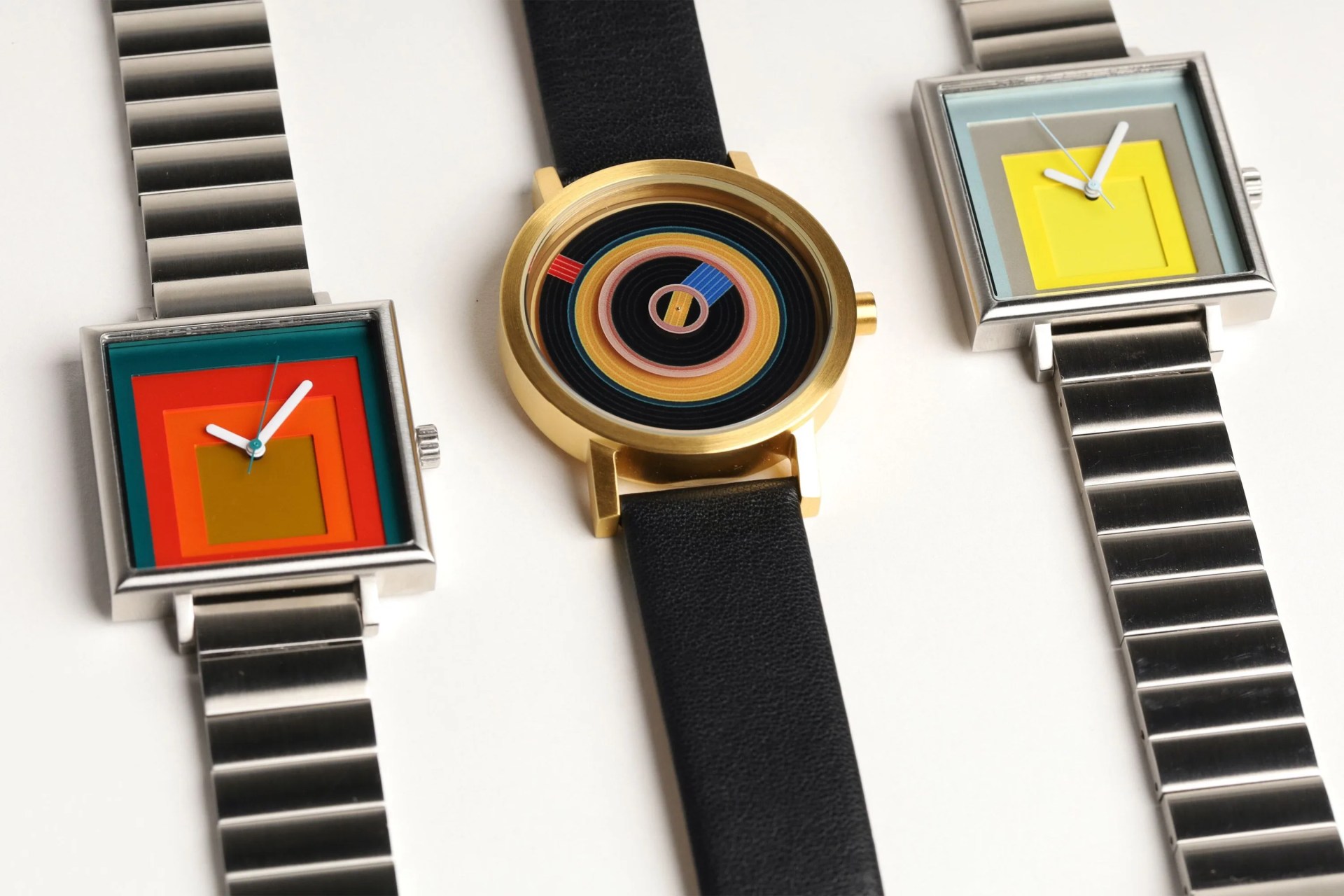
The company’s new Albers Collection centers around three gorgeous watches that feature dials inspired by paintings, and are free of numerals. The result? Simple, sub-$200 timepieces that promise to never stress you out.
Projects Watches
The Backstory
Projects Watches: In Collaboration with the Josef & Anni Albers Foundation
This collection marks an official partnership between Projects Watches and the Josef & Anni Albers Foundation. For those unfamiliar, Anni and Josef Albers were pioneering 20th century artists whose work, writing and teaching transformed the way that people see color, and the processes of making art.
The Albers were key contributors to the Bauhaus movement, and taught at the School of Bauhaus for over a decade. After leaving Germany they continued to teach at North Carolina’s Black Mountain College, before eventually moving to New York City. There, Anni became the very first woman (and the first textile artist) to have a solo exhibition at the Museum of Modern Art.
Considering the artists’ collective impact on history, the Josef & Anni Albers Foundation was the perfect partner for Projects Watches, which focuses on making “wearable works of art made for creators, by creators.”
They were inspired by Josef Albers’ 1962 painting series, “Homage to the Square,” and Anni Albers’ “Wallhanging, 1925.”
The face of each watch interprets these works with a laser-cut stack of different colors that have been layered to create a 3D effect. For Persistent and Wide Light, small hour and minute hands have been added in white, with a second hand in green or pale blue.
For 1925, the team selected color blocks from the original tapestry to recreate, and use to tell the time. Red is used for the hours, blue for the minutes and yellow for the seconds.
Our POV
These Are the Kinds of Watches You Can Live Your Best Life In
Some collectors love a large, ultra-legible timepiece while others gravitate towards chunky metal bracelets and sparkling metal cases. Then there are those who will always love a simple, thoughtful watch.
So for those who need a piece they can pair with a more intentional outfit, or wear on a long, meandering walk, consider Projects Watches’ Albers Collection.
Inspired by artists, and made for artists, collectors and every kind of creative in between, these are the kinds of watches that make time slow down, and let you linger around the best parts of your day.
If you buy from a link, we may earn a commission. Learn more
When Swatch unveiled its MoonSwatch follow-up last year in the form of a dive watch collaboration with luxury brand Blancpain, the response was positive but far more muted than what we saw with the MoonSwatch. There are several theories as to why that was.
For one, the Scuba Fifty Fathoms is a lot more expensive than the $260 MoonSwatch at $400. Secondly, Blancpain does not have anywhere near the name recognition that Omega possesses. And thirdly, the five-watch collection lacked a more subdued and “realistic” one-to-one recreation of the Blancpain Fifty Fathoms, as we saw with the “Mission to the Moon” variant of the MoonSwatch.
Well, it’s a new year, and Swatch has rectified that last quibble with the launch of a sixth Blancpain Scuba Fifty Fathoms, and it’s arguably the one we’ve been waiting for all along.
Blancpain x Swatch Ocean of Storms
Swatch
The new Bioceramic dive watch variant is dubbed the ‘Ocean of Storms.’ But don’t go digging out your globe to search for a sixth ocean with that name; you won’t find one. Instead, Swatch took a page from the MoonSwatch’s book and looked to outer space for this most recent collab. The watch is named for the moon’s largest “sea,” which is actually what’s known as a lunar mare: low-elevation basaltic plains that were mistaken for bodies of water by the earliest telescope users in the 17th century.
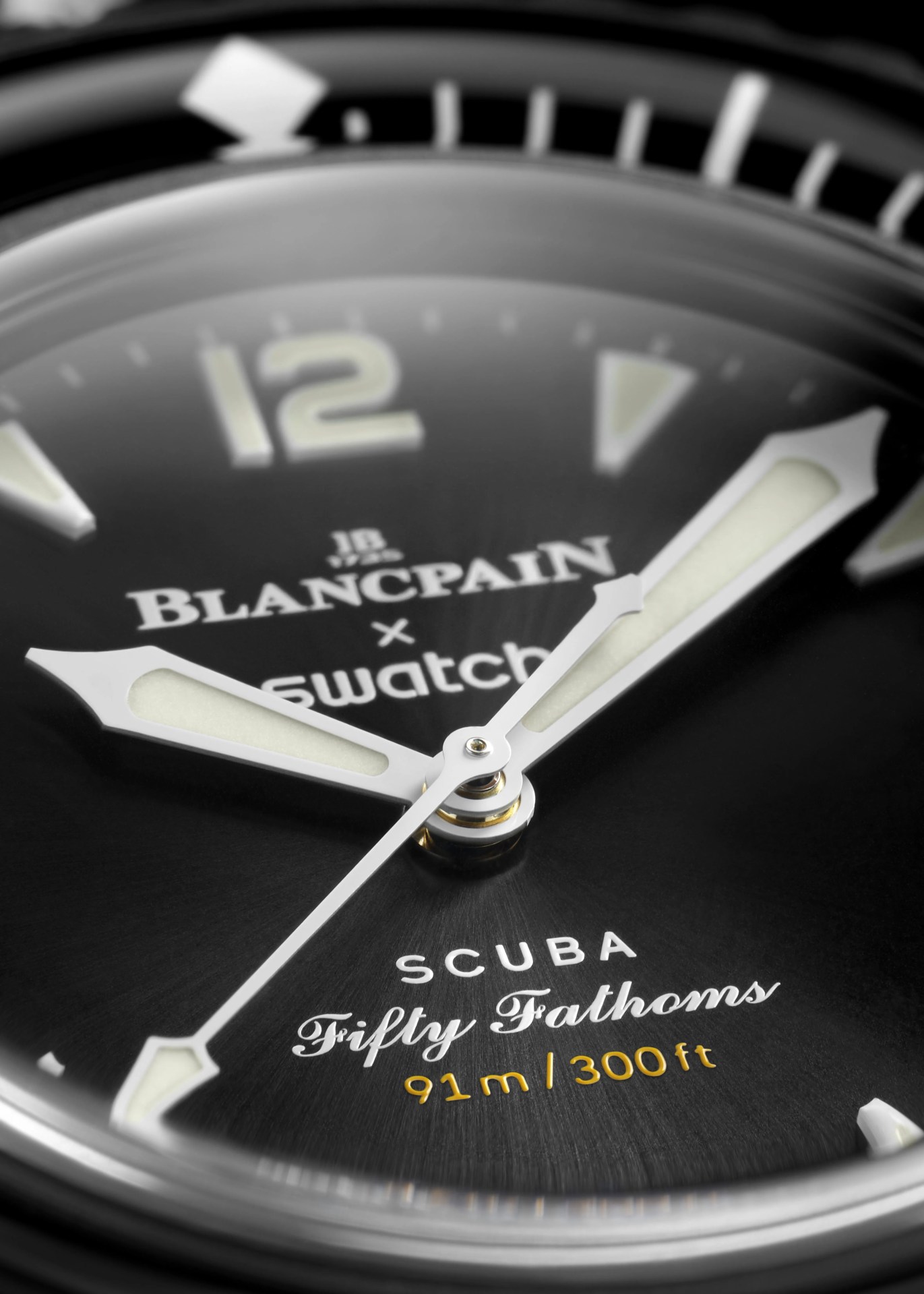
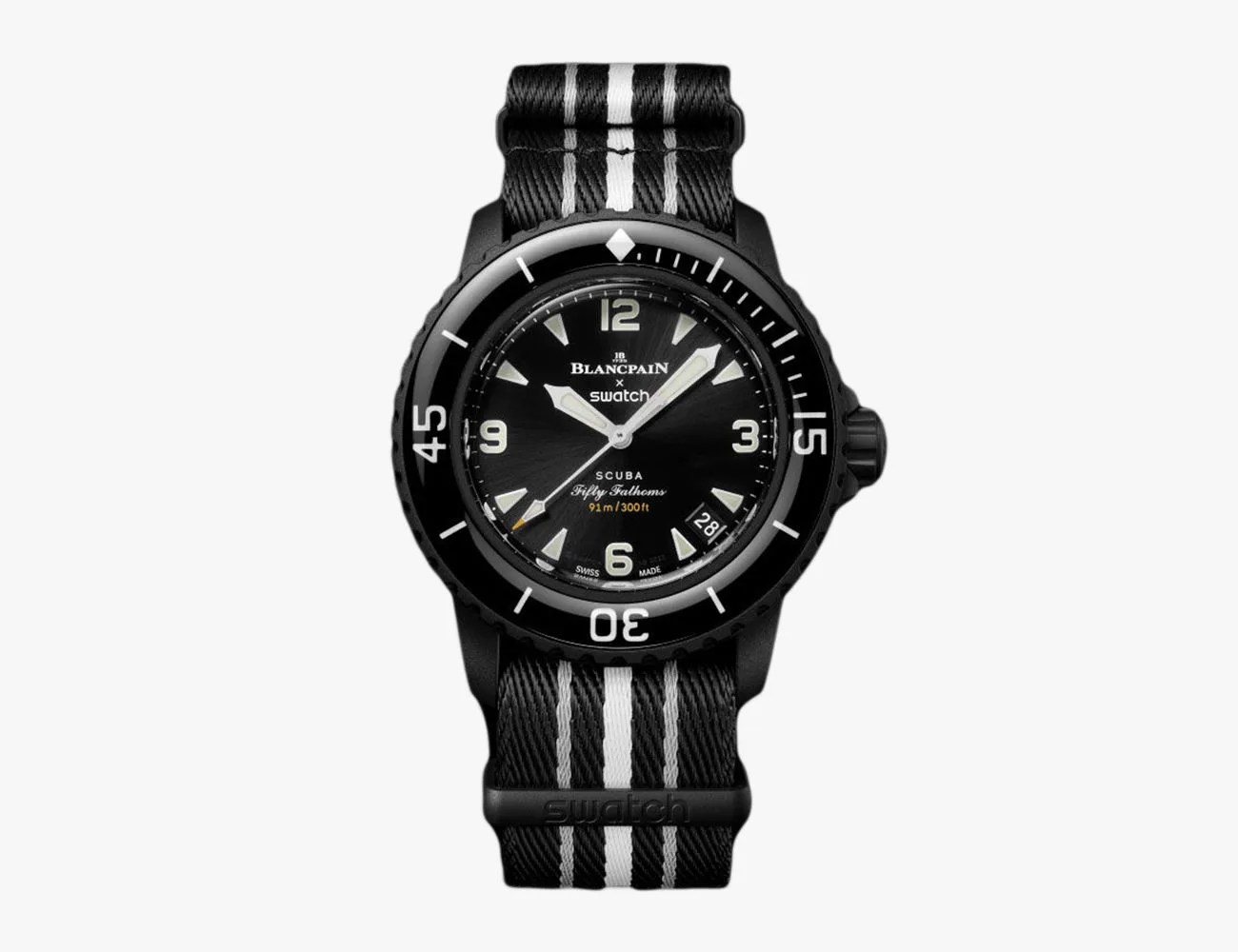
Mythology aside, it’s the watch’s looks that’s the real story here. With an all-black Bioceramic case to go along with its black dial, lunar-white hands and indices and subtle orange accents, coupled with its black-and-white NATO strap, the new watch looks much more like a real Blancpain Fifty Fathoms than any Scuba Fifty Fathoms to date. Material-wise, it’s exactly the same as the previous five releases, but with a much less cartoonish look, I can see the Ocean of Storms quickly becoming the most popular reference in the Blancpain x Swatch lineup.
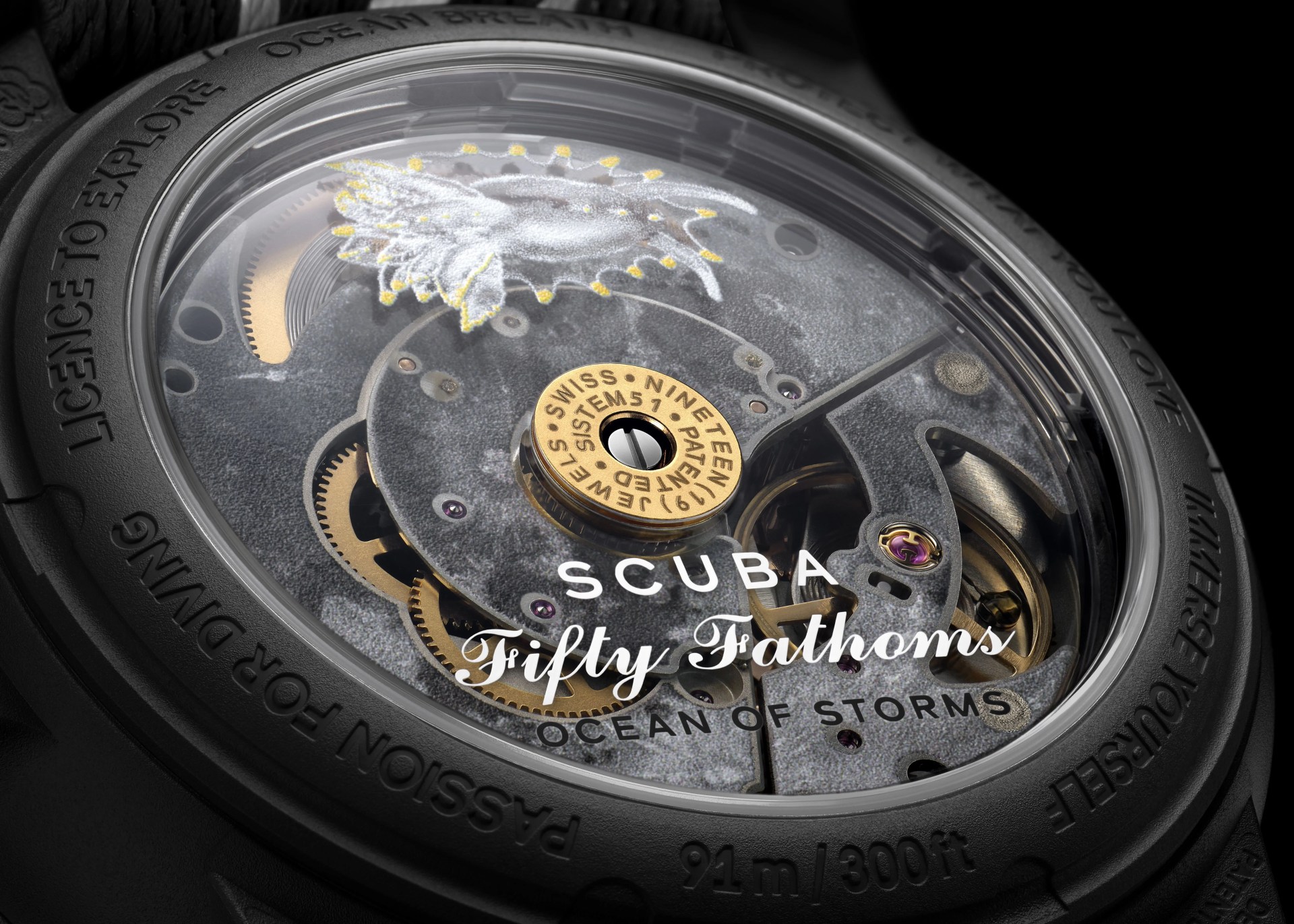
The caseback of the ’Ocean of Storms’ features a digital print of the titular mare of the moon along with an image of the Okenia Luna nudibranch, whose name takes inspiration from its lunar looks.Swatch
How to Buy the Blancpain x Swatch ‘Ocean of Storms’
In typical Swatch x luxury brand fashion, the ‘Ocean of Storms’ will be difficult to get your hands on. The watch is set to go on sale January 11 — the day of the next new moon — at select Swatch stores worldwide, which means a couple of things. One, not every Swatch store will have these in stock. Two, you’ll have to show up in person at a Swatch store to buy one. And three, you can expect long lines and low stock. Some scrupulous eBay sellers are already listing “pre-orders” for the watch at up to $1,500 — which is ludicrous, don’t pay that — which goes to show how popular this new reference is expected to be.
Swatch
Blancpain x Swatch Scuba Fifty Fathoms ‘Ocean of Storms’
While Apple doesn’t attend CES (the Consumer Electronics Show, which is currently underway in Las Vegas), the brand has made a big tech announcement this week: the Apple Vision Pro will finally launch in February. If you’ve been jonesing for a VR headset, start saving your pennies — the Vision Pro will retail for $3,499. The headset will start shipping on February 2, but pre-orders open on January 19 at 8 a.m. ET.
The Vision Pro has a 4k display and allows the user to switch between augmented and virtual reality. The base model will come with 256 GB of storage.
Today we’re taking a look at water purifier, a new smartwatch and heated gloves. This is Today in Gear.
Today in Gear is our daily roundup of all the latest product announcements, drops and news from Gear Patrol Studios. Send your most pressing product questions to [email protected].
Prepare for Anything
LifeStraw
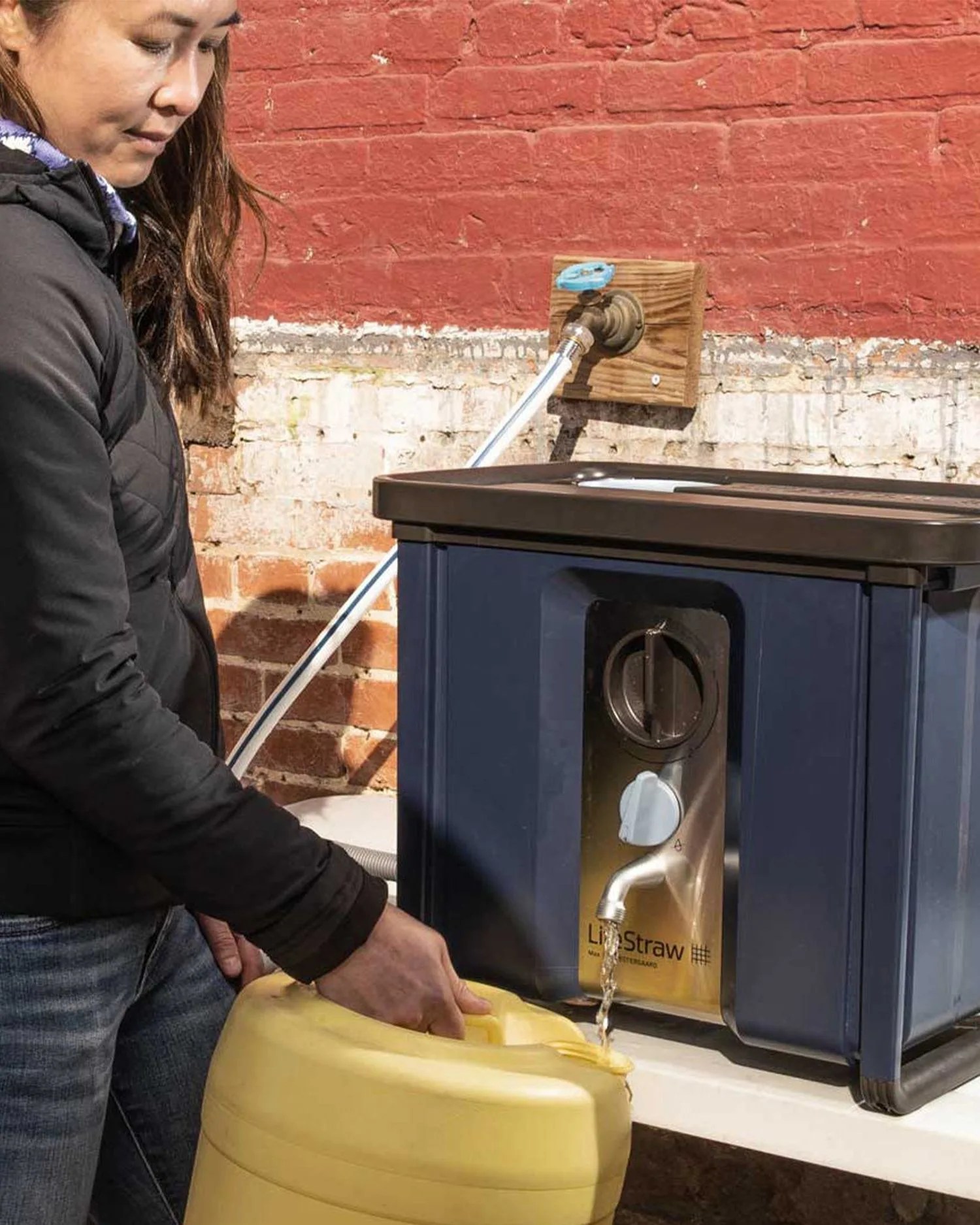
The handy Lifestraw Max High-Flow Water Purifier ($650) is there to supply clean water whenever you need — and at scale. The system removes viruses, bacteria, parasites and microplastics from water without the need for electricity, battery power or chemicals. It’s portable, compact and capable of providing drinking water to over 400 people per day.
The all-new Lily 2 ($250) is a sleek and stylish smartwatch that’s right-sized for a smaller wrist. It has most of the trappings you’d expect from a Garmin watch — heart rate and sleep monitoring, Bluetooth connectivity, five days of battery live and fitness tracking — but is unexpectedly trendy. It’s available in six colors and either a silicon, nylon or leather band.
The Forge heated glove ($400) from Gordini is here to save you from the upcoming cold snap. These smart gloves not only steadily heat your precious extremities, but they do it in real time. The gloves can be programmed with the app and automatically take the users body temperature in order to maintain a cozy level of warmth.
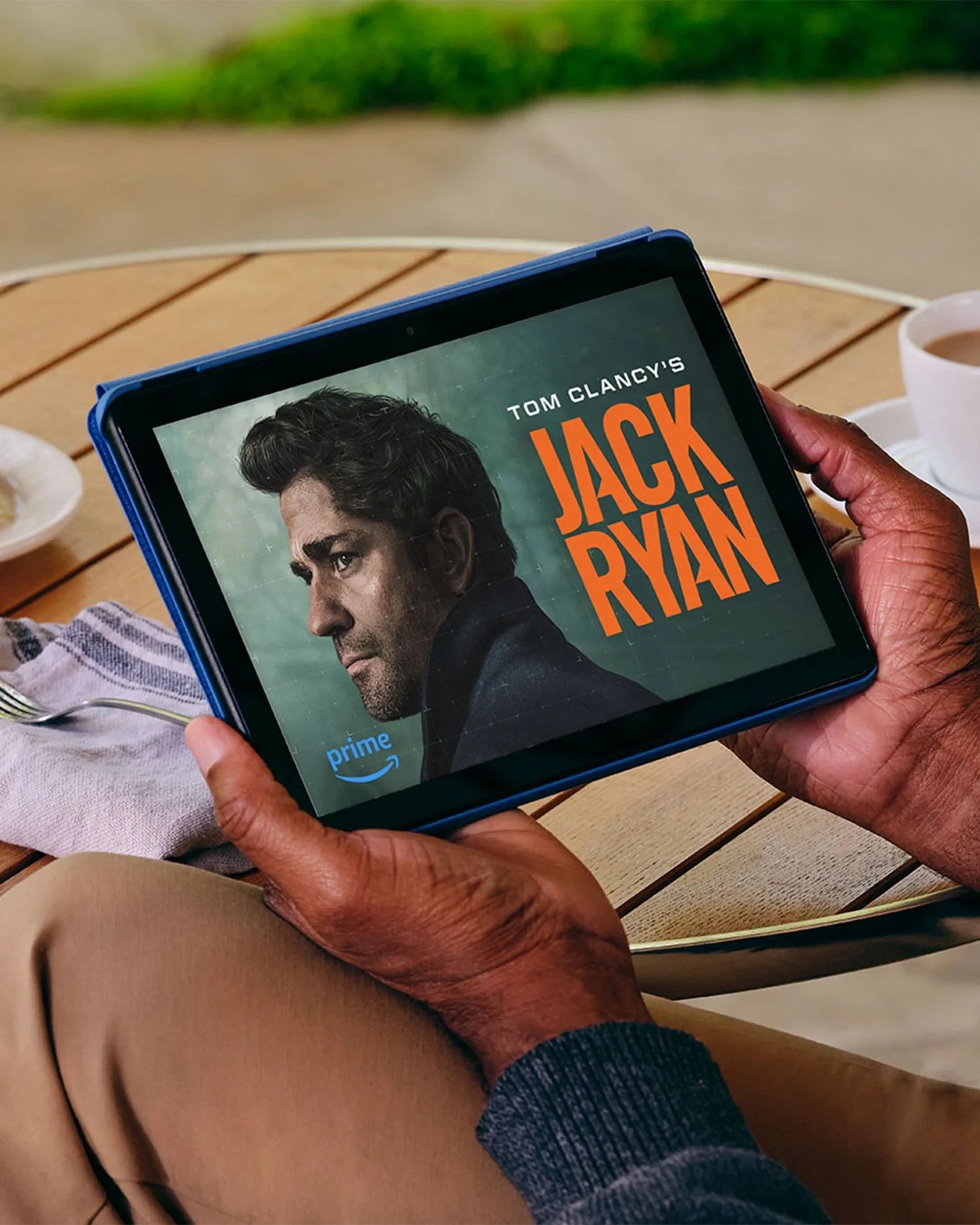
The brand new Amazon Fire HD 10 Tablet ($140) has arrived, and the price is right. It has a full HD screen, 32GB of storage and its thin, lightweight design makes it easy to hold while reading at night and a no-brainer for throwing in your bag wherever you go. It’s also 25% faster than the 11th-generation model and has a 5 MP front-facing camera for better selfies and video chats.
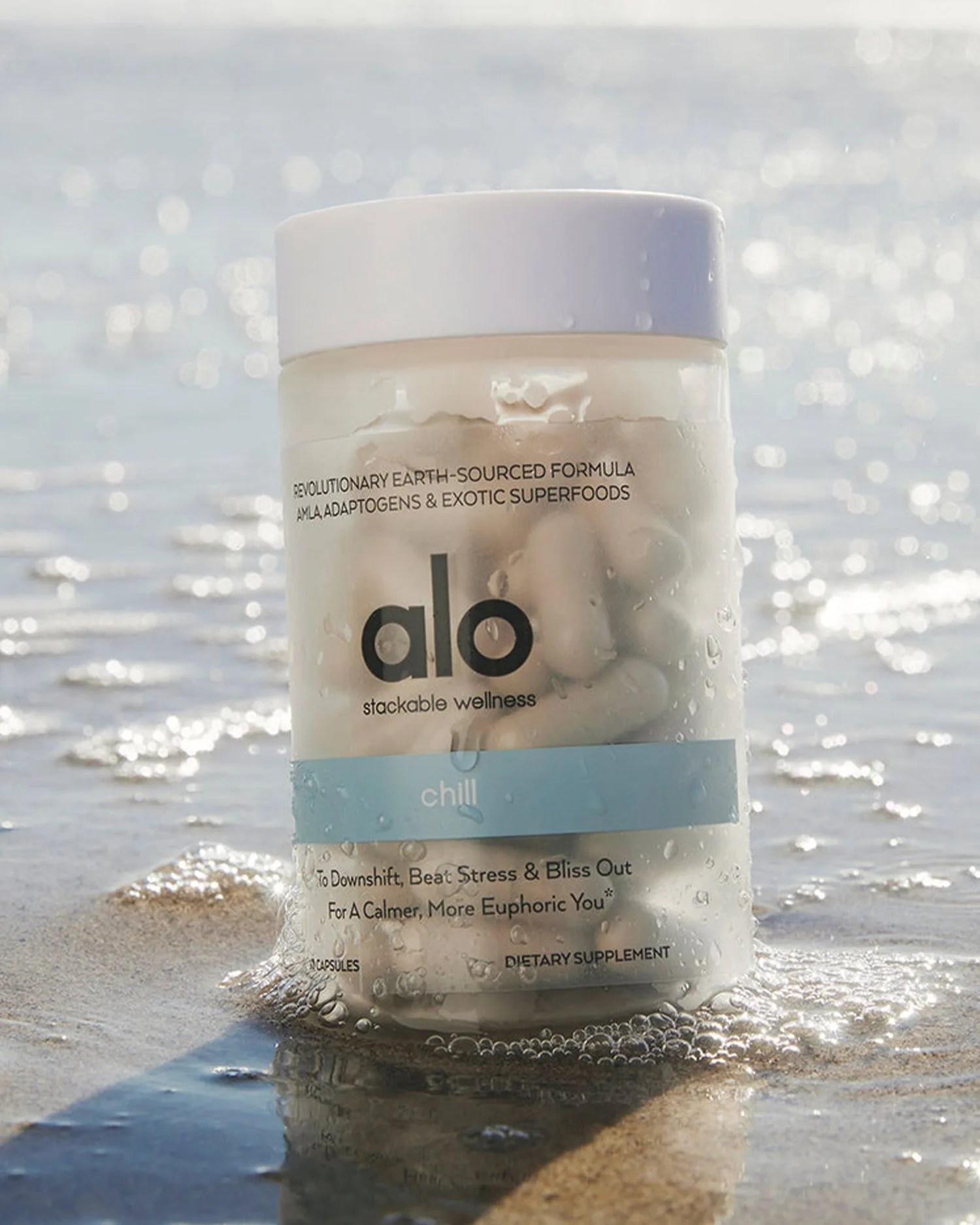
Alo Yoga, once known solely for its clothing, has been steadily establishing itself as a holistic wellness space company. Now, the brand has released yet another new offering: supplements. Pick up a 60-pack of the ‘Chill Capsule’ ($42) that’s designed to help you ‘downshift, beat stress and bliss out.’ That sounds pretty good to us. Other supplements include the Superfood Multivitamin ($42) and the Energy Pop Capsule ($42).
If you’re a watch collector, then you undoubtedly go through the same internal debate every morning: Which watch should I wear today? To the layperson, such a conundrum hardly seems worth wasting any time even thinking about. But to the watch nerds among us — particularly those with large collections — the question is a neverending battle.
Do you continue your honeymoon with your newest acquisition? Should you dig out an old favorite you’ve ignored for too long? What about matching your watch to your outfit? Have you considered what kind of activities you’ll be doing that day? And then, once you finally decide, there’s the whole issue of choosing the right strap. Maybe it’s not life or death stuff, but it can be a real problem for WIS worldwide. (Just to clarify: My tongue is planted firmly in my cheek.)
That’s where Instagram comes in. The social media app is an endless source of watch content, from absolutely killer watch photography to brand discovery to glimpses at ultra-rare grails. And over the years, as watch culture has grown and formed its own unique online identity, a number of hashtags have organically popped up that seek to aid watch nerds in their neverending struggle of figuring out what watch to wear on a particular day.
These hashtags call out specific models or styles to be worn on specific days. Their purpose is really about sharing cool photos of your watch and building a sense of community among enthusiasts; they aren’t really meant to be instructive. But just for fun, I’ve listed some of the most popular of these hashtags below to give the #watchfam reading this a little inspiration on what should be the star of your next wrist shot … depending on which day you’re reading this.
Monday
#bluewatchmonday
@watchtopi on Instagram
Popularity: 122,000+ posts
One of the most popular of these types of hashtags is also one of the most broad. For kicking off the workweek, all you need is a watch with a blue dial. A blue Rolex Submariner, a Tudor Pelagos, a Longines Legend Diver — doesn’t matter. As long as it’s blue, you can start your week with the best kind of the Monday blues.
Tuesday
#speedytuesday
@horologym on Instagram
Popularity: 383,000+ posts
By far the most popular “day of the week” watch hashtag, and probably the original, Speedy Tuesday is a bona fide phenomenon. Originally created by our friends at online watch publication Fratello in 2012 for their weekly column about the Omega Speedmaster, the term gained such popularity that Omega itself has launched two special-edition #speedytuesday watches to date.
#tudortuesday
@apaullowatches on Instagram
Popularity: 57,000+ posts
Don’t have an Omega to wear on Tuesday? No worries, Tudor’s got you covered. #Tudortuesday is another popular hashtag among IG’s wristie-obsessed, so feel free to break out the BB58 early in the week.
Wednesday
#gswednesday
@youreterrific1 on Instagram
Popularity: 22,000+ posts
Based on my very scientific investigation (i.e., not at all scientific), Wednesday seems to be the least popular day of the week for showing off specific watches. Hey, I get it; humpday is a struggle. But helping to get Instagram users over the hump is the impeccable finishing and unmatched attention to detail found on Grand Seiko watches.
Thursday
#tudorthursday
@lar5erik on Instagram
Popularity: 36,000+ posts
Wait, weren’t we just wearing Tudor on Tuesday? Yes. Yes we were. But who wants to limit their Tudor-wearing to just one day a week? This is the less popular of the two Tudor days, but it’s still the most popular Thursday watch hashtag. Plus, if you have both a Speedmaster and a Tudor, then #tudorthursday allows you to participate in #speedytuesday while also wearing your Black Bay later in the week. Win-win.
#thorisday
@calibre321 on Instagram
Popularity: 15,000+ posts
Coming in second in popularity for Thursday, but coming in first when it comes to puns, is this portmanteau of “Thursday” and “Oris.” The independent favorite from Hölstein can be your brand of choice on the penultimate day of the workweek, though, of course, you’re not really limited to showing Oris love just one day a week.
Friday
#fliegerfriday
@speedystraps on Instagram
Popularity: 59,000+ posts
It’s finally Friday, which means you’re flying high heading into the weekend. And there’s no better companion for flying than the most classic pilot’s watch there is: a Flieger. Whether you go the luxury route with something like an IWC Pilot’s Watch or keep it more humble with Laco or Stowa, just know that any choice you make will be better than the joke I made at the start of this paragraph.
#fridaynightlume/#fridaynightlumebattle
@pandlwatchcollection on Instagram
Popularity: 52,000+ posts
Friday night is for relaxing, and this hashtag (or, rather, hashtags) allows you to do both. This #fridaynightlume and #fridaynightlumebattle are all about showing off your watch’s lume, and any watch can participate as long as it glows. So kick back, fire up your UV flashlight and get your glow on.
Saturday
#seikosaturday
@mostlyseiko on Instagram
Popularity: 94,000+ posts
It’s the weekend, and weekends are the perfect time to wear a Seiko. Throw on a Seiko 5 or your old SKX on Saturday morning and keep it on ’til work on Monday. Wear it while you’re running errands, working on your car, mowing the lawn and heading out to the bar. Seikos are perfect for lazy and busy Saturdays alike, which is why #seikosaturday is one of the most popular hashtags on Watch IG.
#strapsaturday
@bowlofsalmon on Instagram
Popularity: 91,000+ posts
While Friday night allowed you to show off the lume of any watch of your choice, Saturday is a time for coming up with stunning strap combos on your favorite watches. #strapsaturday is a hashtag that encourages experimentation. Perhaps it’s time to throw a suede strap on your speedy, or maybe even a NATO strap on your Grand Seiko Snowflake?! Anything goes, as long as it looks good.
#seamastersaturday
@watch_girl_life on Instagram
Popularity: 11,000+ posts
While nowhere near as popular as its stablemate on Tuesday, Omega’s iconic dive watch nonetheless still gets some wear on the weekend. Whether you’re keeping it classic with a Bond-style Seamaster 300M Diver or you’re mixing it up with an Aqua Terra, Planet Ocean or even Ploprof, as long as it says Seamaster on the dial, you’re good.
Sunday
#seikosunday
@ckstime on Instagram
Popularity: 75,000+ posts
Remember how I said you were going to strap your Seiko on on Saturday and not take it off until Monday? I meant it. The Japanese brand appears to be Instagram’s most popular watch to wear on both weekend days, and all the reasons why Seiko makes a great Saturday watch apply on Sunday, too.
This, however, is a place where we at Gear Patrol can offer a dash of guidance. As journalists who drive, test and otherwise encounter a majority of new models that go on sale in America every year, we have plenty of knowledge of which trucks, sedans, SUVs and so forth are good bargains, which are worth a splurge and which are worth avoiding.
So, to help all of us out there find an affordable ride without going to the used car lot, we’ve pulled together a list of the top new hatchbacks, sedans, crossovers and pickup trucks you can go home with after spending less than 30 grand — destination fee included. For a little value-add, we’re even going so far as to specify the ideal trim level and options you should spend your hard-earned cash on, picking the ones that add the most to your car; all prices specified are with any packages mentioned in each listing.
Without further ado, here, then, are the 10 best new cars you can buy in 2024 for less than $30,000.
2024 VW Jetta Sport: $23,810
VW
Did you know you can buy a brand-new, suprisingly roomy Volkswagen Jetta with a six-speed manual, a limited-slip differential, an impressive 184 lb-ft of torque and an all-glass digital instrument panel for a shockingly low price? Honestly, the Jetta Sport might be the best value proposition in today’s new car market. Almost makes up for them axing the stick shift out of the GTI and Golf R.
Much as Chevy does with the Trax, Kia markets the Soul as an SUV … but much like the Trax, it’s obviously a hatchback. But it’s a capacious, convenient one at that — and one that you can have with all the features, including the optional EX Designer Package that brings 18-inch wheels and unique interior trim, for less than $26K.
Speaking of the Trax: After driving the all-new model last year, we named it one of the best cheap cars Detroit has ever made — and it’s also one of the cheapest cars on this list. Even fully loaded, in RS trim with the optional Driver Confidence Package and Sunroof Package, it’s incredibly affordable. One thing you can’t get at any price is all-wheel-drive, but it’s such a good all-around package, you won’t mind.
The Honda Civic has long been one of the best affordable cars on sale in America, and that remains as true as ever today. Here in 2024, the best bet is the hatchback body style, which offers more flexibility in cargo carrying than the sedan but gives up nothing in visual appeal.
The other reason we pick the hatch is that it’s the sole (non-performance trim) Civic where you can still find a six-speed manual, in the Sport trim; that would be our pick, but if you want / prefer / need an automatic, the CVT-only EX-L that packs more features also comes in under $30K.
Mazda’s CX-30 may no longer be the freshest crossover in the brand’s showroom, but it still looks damn good — much like the closely related Mazda 3 hatch. Unlike the Mazda 3, you can buy it for under $30K with all-wheel-drive.
Subaru’s new-and-improved Crosstrek is the best subcompact crossover you can buy right now, and it’s also available for under $30K — if only by choosing the Premium trim and forgoing the larger engine found in the Crosstrek Wilderness, Limited and Sport. Just be sure to also add the creatively named Optional Package, which brings blind spot and cross traffic warnings, heated seats and mirrors and a wiper de-icer, a power driver’s seat and a power moonroof.
Chevrolet’s Bolt may be a bit long in the tooth, but it’s still a solid affordable EV, with room for four adults, more than 250 miles of range — and a reasonable price. We’d be sure to option it with the Driver Confidence Package, which brings blind spot and rear cross traffic alerts and rear parking assist, and the Comfort & Convenience Package that brings heated front seat and steering wheel.
Two important caveats apply here — one good, one bad. The good: the Bolt is also eligible for the full $7,500 federal tax credit that now comes at the point of sale, so your actual out-the-door price will probably be $21,485 — which would make it the cheapest car on the list, albeit on a technicality. The bad: the Bolt is leaving production, so inventory is going quick.
The new-for-’24 Impreza impresses in general, coming laden with an arsenal of safety and convenience features — and, of course, all-wheel-drive. The RS is the pick of the litter, though, thanks to its significantly more powerful engine (the one you can’t get in the similarly priced Crosstrek Premium, for what it’s worth) … as well as being fully loaded at a very reasonable price.
The Prius has long been affordable and fuel-efficient, but now it’s also handsome — and even bordering on fun to drive. The only one that falls within our price cap is the base model Prius LE, but that still provides you with everything you need in a daily driver. And hey, that’s the Prius with the best gas mileage, to boot.
When the Maverick launched, it did so with that rare feature: a price starting under $20,000, at least on paper where they leave out the destination fee. Times have changed; 2021’s basic $20K Maverick XL hybrid now starts $5,000 higher — a 25-percent climb.
Still, it’s the most affordable way to score a new pickup truck in America, and it still has plenty going for it. Opt for the base XL trim and the 2.0-liter turbocharged inline-four; not only is it now the standard engine, it’s also the only way to get all-wheel-drive. And since it’s a truck, you’ll want the optional 4K Tow Package that beefs up the auxiliaries for towing duty and the Ford CoPilot360 Package that brings blind spot and cross-traffic warnings.
Honorable Mention — 2024 Mini Cooper S Hardtop 2-Door: $30,095
Mini
Okay, so the Mini Cooper S 2-door earns an honorable mention here because it’s ever-so-slightly over the limit — less than a Franklin, in fact. And to get it that way, you have to spec it with zero options. But that still gets you all the inherent Mini charm and fun, as well as — blessedly — a six-speed stick.
The crossover is the result of a simple formula. Use a unibody car platform, to keep the vehicle light and relatively well-handling compared to a Jeep Wrangler, but add of the ride height and off-road capability people like from conventional SUVs. Boom — sales success.
The fad started late in the 20th Century with early progenitors like the Jeep Cherokee XJ and Subaru Outback, and it swiftly became a phenomenon, subsuming much of the rest of the car market. Crossovers made up nearly 48 percent of vehicle sales in 2023; 14 of the top 20 bestselling non-trucks in America in 2023 were crossovers. Want more proof of the category’s dominance? Here in 2024, the Ford Motor Company — maker of iconic cars like the Taurus, the Focus, the Lincoln Town Car, the Gran Torino, and so many more — only sells a single non-crossover, non-SUV and non-truck vehicle in the U.S. — the Mustang.
And because crossovers are both what people want and what the market is selling, when we provide our best car buying advice in real life … it’s often best crossover-buying advice. To simplify matters, we’ve pulled together this list of the best crossovers you can buy in 2024.
Why We Like It: Well-tuned if not sporty driving experience. Spacious. Excellent hybrid powertrain. Fully-loaded model is still relatively affordable at $40,000.
What to Watch Out For: Had trouble matching EPA gas mileage in real-world driving with hybrid.
Why We Like It: Legit off-roader with up to 11.3 in of ground clearance in Trailhawk spec. Summit Reserve trim has one of the nicest interiors in a vehicle. Available 4xe PHEV powertrain.
What to Watch Out For: Powertrains aren’t super-refined. They should be, for the amount it costs.
EPA Fuel Economy: Up to 37 mpg city, 34 mpg highway
Seats: up to 8
Starting MSRP: $43,030
Why We Like It: Two compelling hybrid powertrain options (can be nearly twice as efficient as a Telluride) paired with a solid gas engine. Comfortable but controlled ride. Flexible family space with a legitimate third row. All the cupholders and USB ports you could need.
What to Watch Out For: Not exceptionally sporty. Not exceptionally sexy.
EPA Fuel Economy: Up to 22 mpg city, 28 mpg highway
Seats: 5
Starting MSRP: $45,150
Why We Like It: Great balance and handling on road. Ample power, even from the base four-cylinder powertrain. More high-end feeling interior than rivals. Still relatively affordable.
What to Watch Out For: Second-row seating can be a tight fit for adults.
EPA Fuel Economy: Up to 21 mpg city, 25 mpg highway
Seats: 5/7
Starting MSRP: $57,700
Why We Like It: Smooth, quiet ride with ample power from both engines. Luxurious interior. Stately, Bentley-like exterior — for about one third of the price.
What to Watch Out For: Fuel economy isn’t spectacular and there’s no hybrid option.
Why We Like It: Surprisingly smooth and comfortable ride. Distinctive style. Futuristic-feeling but still usable and reasonably spacious interior. True fast charging.
What to Watch Out For: Not quite as sportily tuned as the Kia EV6.
Why We Like It: Consistent throttle feel and response between gas, hybrid and electric modes. Quicker and sportier than you’d anticipate. 40-plus-mile range estimates on a full charge.
What to Watch Out For: Cabin space smaller than you’d anticipate. Can take a long time to charge.
Why We Like It: Smooth powerful and comfortable ride. Supremely comfortable temperature and posture monitoring “airline seats” (that may have a positive connotation if you’re in the Bentley price range). Ton of leg room. Doesn’t look too much like a stretched SUV.
What to Watch For: Options can get pricey. So is keeping a chauffeur on retainer.
Why We Like It: Impressively capable off-road with legit steel skid plates. Comfortable ride on-road. Spacious interior. Excellent torque-vectoring AWD system.What to Watch For: Underwhelming V6 and poor fuel economy with just 18 mpg in city driving.
Audi certainly has an impressive crossover lineup, with a wide range of gas- and electric-powered vehicles across a variety of sizes and price points. But compare it to its competitors, and it’s not hard to realize it’s missing something: a large, three-row flagship rival that can take on the likes of the BMW X7 and the Mercedes-Benz GLS-Class. The closest equivalent is the Q7, which has less cargo space than a VW Tiguan.
But that could be about to change. Recently, several reports have claimed that Audi is about to launch a new Q9 flagship crossover. Here’s what we know about it so far.
The new SUV will almost certainly be called the Q9
Audi
Based on the brand’s current naming system, Q9 is the moniker that makes the most rational sense for the new Audi SUV. Recently, Audi Australia director Jeff Mannering agreed with CarSales that the name had a nice ring to it.
Mannering told CarSales to keep an eye on developments within the next 24 months. Automotive News, meanwhile, has the Q9 hitting American dealers in 2026, which aligns well with Mannering’s statement.
The Q9 should be a gas-powered SUV, not an EV
Audi
Rivals like Mercedes and Lexus have pledged to go all-electric by 2030. Audi plans to stop launching combustion vehicles after 2026 and phase them out of the lineup entirely by 2033. But that timeline would leave room for a 2026 launch of the Q9, then give it a full generation’s model run as an internal combustion SUV.
There’s word yet on what engine the Q9 will use. But we’d bet a 4,0-liter twin-turbo V8 will be one of the options, considering its ubiquity atop the Audi (and, in fact, all the VW Group) lineup.
Welcome to Brand Breakdown, a series of comprehensive yet easy-to-digest guides to your favorite companies, with insights and information you won’t find on the average About page.
Bavarian automaker BMW, once upon a time, claimed to produce the “ultimate driving machine.” Though its fidelity to that mission may have strayed some in recent years, the brand generally distinguishes itself from its German rivals by being sporty and driver-centric; the classic BMW archetype is a powerful rear-wheel-drive sedan with a manual transmission and great handling.
However, BMW has adjusted to the modern car market like any other company. Stick shifts have been all but phased out from the lineup, and much of the track-tuning goes to four-door crossovers. Still, the cars remain instantly recognizable for their dual kidney grilles — though some have ballooned to cartoonish proportions.
BMW History
BMW stands for Bavarian Motor Works (Bayerische Motoren Werke in German). The company, formally BMW AG, was founded in Munich in 1916. BMW began as a WWI airplane engine manufacturer. Its first car did not appear until 1928. Only after WWII did building cars become the primary enterprise. Cars like the 2002 and its successor, the 3 Series, laid the foundation for BMW to become a luxury and performance powerhouse from the 1980s onward.
How BMW Names its Cars
BMW, like Mercedes-Benz and Audi, uses an alphanumeric naming system. BMW models comes in numbered series ranging from 1 to 8. Larger odd-numbered series mean a bigger car. Even-numbered series tend to be body style variants of the previous series. (Note that series names are not hyphenated like Mercedes-Benz classes: 3 Series versus E-Class.) X models are SUVs. Z models are roadsters. Models starting with a lowercase i are electric or hybrid models; models can also have the suffixes sDrive (two-wheel-drive) or xDrive (all-wheel-drive) — although not all RWD Bimmers are marked with an sDrive badge.
The second set of numbers in a model name indicate how big the engine is. They used to track engine displacement. Now, a bigger number just means a bigger engine. The final letter (e.g. 230i) indicates what type of engine the car has. Most cars end in i, for gasoline fuel injection. There are also “e” electrified hybrids and, in other markets, “d” diesel cars.
There are “M Cars” (like the M5) that are designed by BMW’s M performance division. These are distinct from cars like the M550i xDrive which typically have more power and sportier tuning and styling than the standard models. An additional tuner, Alpina, produces high-performance BMWs built and sold by BMW. These contain the letter B (i.e. XB7).
Put it all together, and if you speak BMW, “X6 xDrive50i” concisely tells you exactly what the car is … although telling someone you just bought that can be a mouthful.
BMW Terminology
Bimmer: A colloquial nickname for BMW cars, as opposed to “Beemer” for motorcycles. Gran Coupe: A four-door coupe with a sleek, sloping roofline. Gran Turismo: A four-door sedan with a higher roofline in the rear for more trunk space. Some might term this a “hatchback.” Hofmeister Kink: Signature BMW design element where the rear passenger windows curve forward at their lower rear corner. Sport Activity Vehicle: What BMW calls SUVs.
BMW opted for mass confusion with the 2 Series. It is actually two distinct cars: the 2 Series Coupe and the 2 Series Gran Coupe. The 2 Series Coupe has two doors, comes in RWD or AWD and was all-new for 2022, losing both its previous convertible option and manual transmission. The 2 Series Gran Coupe, using a different platform, debuted in 2019. It’s a four-door sedan and comes in FWD or AWD.
BMW launched the all-new M2 Coupe for 2023, which will be the last “pure” BMW M car with 453 hp of internal combustion, RWD and a manual transmission.
The 3 Series is BMW’s compact sedan. It has been a standout for decades since its 1976 debut, and is BMW’s best-selling vehicle of all-time. The new seventh-generation launched for the 2019 model year; BMW dropped the wagon and gran turismo body styles in the U.S. market, as well as the manual transmission. It comes in 255-hp four-cylinder, 288-hp plug-in-hybrid and 382-hp six-cylinder versions. The new M3 arrived this year, as well, packing a 473- or 503-hp turbocharged inline-six.
The 5 Series is BMW’s midsize car. It was the first numbered series in BMW’s lineup when it debuted in 1972. It’s currently sedan-only in the U.S. market, and BMW just unveiled an all-new version for the 2024 model year. Currently, BMW has revealed the four-cylinder base models and new i5 electric models. But a new M5 should arrive soon, and rumors say it will have more than 700 horsepower from a plug-in hybrid system … and a wagon variant.
The 7 Series is BMW’s flagship full-size luxury sedan, the competitor for cars like the Lexus LS and Mercedes-Benz S-Class. BMW unveiled an all-new 7 Series for the 2023 model year. It can be fitted with multiple gasoline engines, a plug-in hybrid and both single-motor and dual-motor electric motors, as well also some wild new tech like your own person movie theater in back.
The 8 Series is BMW’s luxury grand tourer. The brand revived the nameplate for the 2018 model year. It can be ordered in three body styles: coupe, convertible and four-door gran coupe.
The 8 Series is BMW’s luxury grand tourer, revived for the 2018 model year. It can be ordered as a coupe, convertible or a four-door gran coupe. BMW offers two flavors of halo model for this car. The top-tier M8 Competition is a sleeker — and at $143,000-plus, more expensive — version of the M5.
The Z4 is BMW’s small roadster. It’s a descendant of the BMW Z3 that appeared in Goldeneye, which was a movie before becoming perhaps the greatest video game of all time. The Z stands for “zukunft,” the German word for future. It comes in two versions, a 255-hp four-cylinder and a 382-hp six-cylinder. Both cars are RWD. Toyota uses the Z4 platform and engines for the Supra. BMW lightly refreshed the car for the 2023 model year.
The iX is BMW’s all-new electric midsize crossover. BMW sells it in two versions, a 516 hp iX xDrive50 and a 610 hp ix M60. Both have dual-motor AWD. The iX xDrive 50 offers 324 miles of EPA range to the ix M60’s 288 miles. The BMW iX features on our best cars you can buy list.
The i4 is BMW’s compact, four-door electric sedan. It comes in three single-motor versions and a dual-motor i4 M50 model. The AWD i4 M50 model will deliver up to 536 hp, more than the M3, and 270 miles of range.
The i5 is the electric version of BMW’s 5 Series midsize sedan. It runs on the same hybrid CLAR platform as the combustion car. It comes in two versions, a 335-hp single-motor RWD version offering 335 hp and up to 295 miles of range and a 593-hp dual-motor AWD model delivering up to 256 miles of range.
The i7 is the battery-electric version of BMW’s 7 Series sedan. It comes in single-motor RWD and dual-motor AWD form. The base model offers up to 321 miles of EV range. The 650-hp i7 M70 can accelerate from 0-60 mph in 3.5 seconds.
The X1 is BMW’s entry-level subcompact crossover, which is all-new for the 2023 model year. It’s larger, boxier and rides higher than the related X2. The X1 is a multiple-time Car and Driver 10Best award winner. BMW added a hotter X1 M35i model that receives a bump up to 313 horsepower.
The X2 is BMW’s subcompact luxury crossover. It tracks with the X1, but it’s sportier-looking with a sloping, coupe-like roofline. The second generation is all-new for 2024. All-wheel-drive and a turbocharged four-pot are standard. The X2 M35i gets a bump up to 313 horsepower.
The X3 is BMW’s compact SUV. First introduced in 2003 as a smaller alternative to the X5, the X3 has become BMW’s best-selling vehicle. BMW debuted the third generation for the 2018 model year, which includes the high-performance X3 M model. BMW dropped the PHEV X3 xDrive30e model from the lineup for 2024.
The X4 is the sportier-styled version of the X3 compact crossover. It has a sloping coupe-like body style. It only comes with all-wheel-drive. Like the X3, BMW launched an X4 M edition with 473 hp (or 503 with the Competition package) for the 2020 model year.
The X5 is BMW’s midsize SUV. It was the first SUV the brand introduced in 1999. It was one of the first luxury SUVs to use a more crossover-like unibody architecture when the Mercedes-Benz M-Class and others were still truck-based. The fourth generation launched for the 2019 model year. Outputs for the family hauler range from the 335-hp base model to the track-tuned 617-hp X5 M Competition.
The X6 is BMW’s midsize crossover coupe, a body-style variant of the X5. The new third-generation model debuted for the 2020 model year. There is an AWD base version — BMW dropped the RWD — and high-performance M versions. According to J.D. Power, the BMW X6 is one of the cars buyers love the most.
The X7 is BMW’s new full-size, three-row luxury SUV that debuted for the 2019 model year. It is the largest BMW road car ever built. There’s no X7 M, but Alpina offers the 612-hp XB7 which can accelerate from 0 to 60 mph in four seconds. BMW facelifted the X7 for the 2023 model year with some new tech and aesthetic upgrades.
BMW unveiled its new super SUV, the XM, in 2023. The XM is only the second BMW designed purely by the M division — the first since the BMW M1 in the late 1970s. It’s the M Division’s first electrified high-performance car. And starting at $159,000, it’s be the most expensive vehicle in the BMW lineup. The plug-in hybrid system puts out 644 horsepower — enough to push the XM from 0-60 mph in 4.1 seconds — and offers 30 miles of EV-only range.
The XM Label comes with aggressive red detailing and packs an upgraded 738 hp and 738 lb-ft of torque. It is the most powerful BMW M car to date, and it can accelerate from 0-60 mph in 3.7 seconds and hit a top speed of 175 mph.



 BMW
BMW